
Reviewed · HISTORICAL TOURS
Hurghada: Luxor Highlights & King Tut Tomb Tour with Lunch
Luxor packs some of Egypt’s greatest ancient sights into one long day, and this trip gives you the main set: Karnak Temple, the Valley of the Kings, Tutankhamun’s tomb, Hatshepsut’s Temple, and the Colossi of Memnon. I like the way the route moves from the religious center on Luxor’s east bank to the royal tombs and temples on the west bank, giving the day a clear story rather than a random string of stops.
I also like that the entry tickets and lunch are included, while guides such as Adam, Hamdy, Ahmed Bahaa, and Mohamed Alazeb have earned strong praise for clear explanations, humor, and help with photographs. The catch is the length: with roughly nine hours on the road, this is a serious day out, and the felucca ride may be brief or partly assisted by a motorboat.
Key points to know before booking
- Four and a half hours each way: The drive from Hurghada is the price of seeing Luxor without changing hotels.
- A strong ancient Egypt lineup: Karnak, the Valley of the Kings, Tutankhamun’s tomb, Hatshepsut’s Temple, and the Colossi of Memnon all fit into one day.
- Guides make a major difference: Adam, Hamdy, Mohamed Alazeb, Ahmed Bahaa, and others are praised for lively explanations and patient help.
- Lunch and a Nile ride are included: The meal is served at a local restaurant, with some departures enjoying a riverside setting.
- Small and private groups are available: A private option lets you move at your own pace and can be useful for families or anyone needing extra breaks.
- Bring breakfast, snacks, water, and sun protection: The included lunch comes later, and roadside stops may offer only packaged snacks.
Why this Hurghada to Luxor day trip is worth the long drive
At $150 per person, this is not a cheap local outing. It is a full-day excursion with round-trip hotel transport, a guide, major entry tickets, lunch, and a Nile sailing trip. Once you add up the distance and the number of headline sites, the price is fair, especially if you want Luxor without arranging a separate hotel stay or private transport.
The real value comes from the guide. Luxor can be confusing without context. A columned hall, a painted tomb, or a giant statue may look impressive, but a good Egyptologist guide explains who built it, which gods mattered, and how the site fitted into Egyptian life. Guides named in the feedback, including Adam, Hamdy, Mohamed Alazeb, Ahmed Ali Hassan, Ahmed Bahaa, and Shereen, were repeatedly praised for making complicated subjects easy to follow.
The tour has a rating of 4.7 from 902 reviews, and the strongest pattern is clear: guide quality and organization. Several people described a smooth day with prompt drivers, comfort stops, helpful photography, and enough time at each major site. That does not erase the long drive, but it makes the hours in Luxor count.
More Historical Tours in Egypt
- Hurghada: Luxor Valley of the Kings & Tutankhamun Tomb Trip
★ 4.7 · 13,208 reviews - Luxor Day Trip from Hurghada Small Group & Tutankhamun Tomb
★ 4.8 · 5,366 reviews - Luxor Day Tour: Valley of Kings & Queens & Hatchepsut Temples
★ 5.0 · 1,496 reviews
The 4.5-hour journey from Hurghada
Pickup begins at your Hurghada hotel in an air-conditioned minivan. The stated drive is about four and a half hours each way, so you should treat this as a 15-hour commitment from hotel to hotel, not as a relaxed half-day visit.
Comfort stops are made on the route, according to the tour details and reported experience. Still, I would eat breakfast before leaving and pack simple snacks. One particularly useful piece of advice is that service stations may have crisps, sweets, and other packaged food, but not the sort of proper snack you may expect from a restaurant stop.
Bring water even if your departure includes refreshments. You will spend time outside in sun and dry heat, and the day includes walking over temple grounds and uneven surfaces. Comfortable shoes, sunglasses, sunscreen, and loose comfortable clothing all belong in your day bag.
The drive is the unavoidable tradeoff. If you dislike long road journeys, a hotel stay in Luxor would be easier. If you are based in Hurghada and have only one day available, this trip gives you access to Egypt’s ancient capital without packing and unpacking again.
Karnak Temple and the Theban Triad
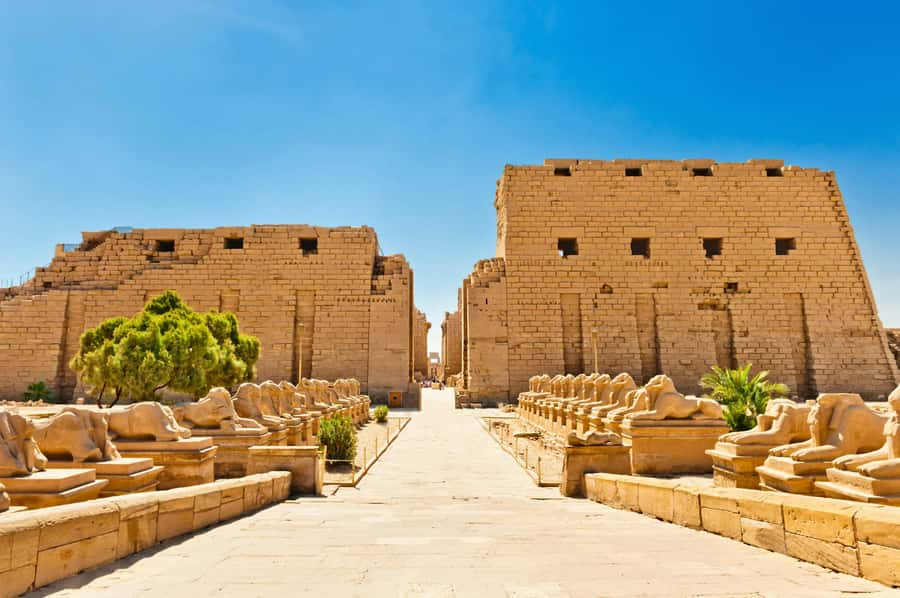
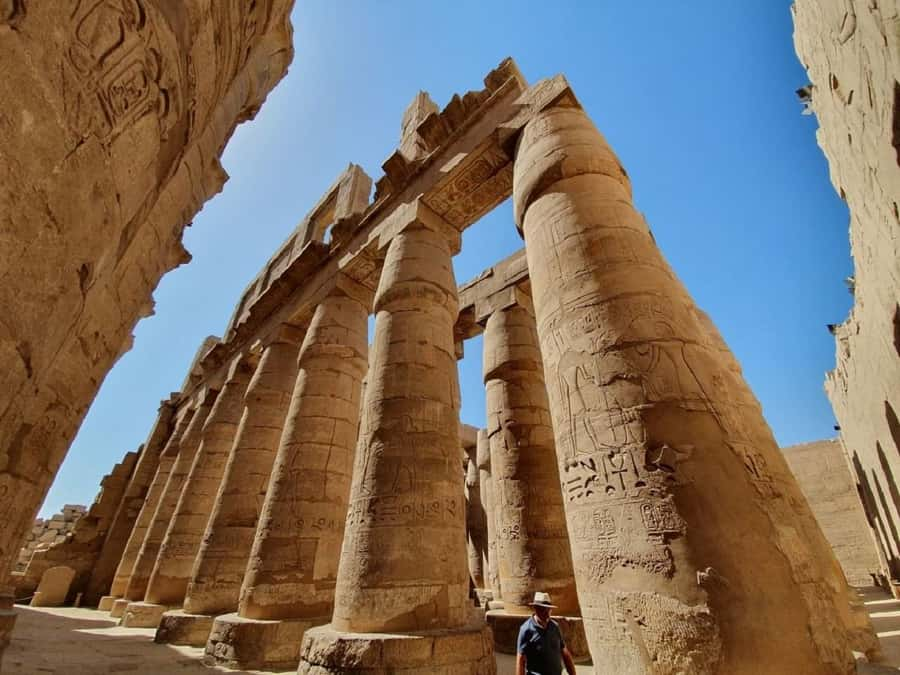
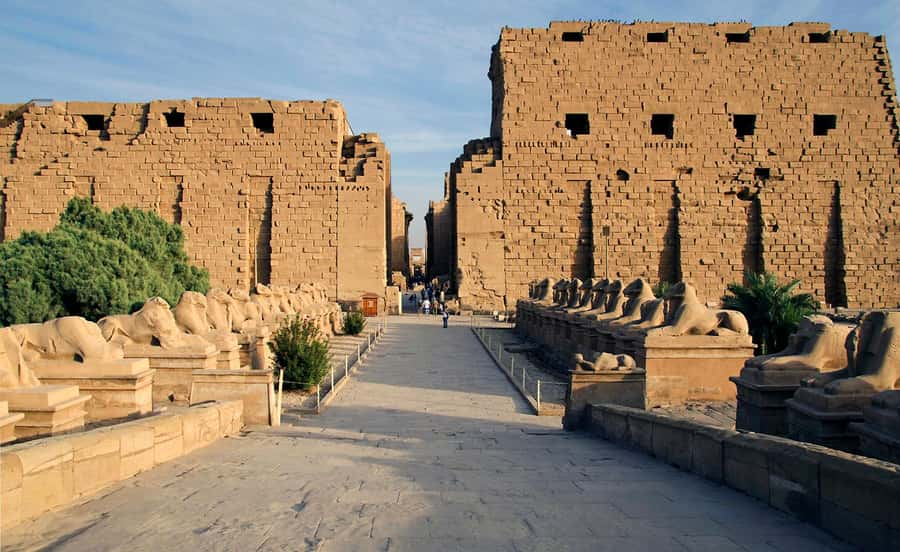
Karnak is the first major stop, with about two hours for a guided visit, photos, sightseeing, and some free time. This is the place where the scale of ancient Egyptian religion becomes clear. The complex is dedicated chiefly to Amun, with Mut and Khonsu completing the Theban Triad.
Your guide should help you read the site in sections rather than letting the columns blur together. Listen for the links between temple design, royal power, and worship. The value of a guide here is especially high because Karnak is enormous, and the most interesting details are often carved into surfaces that look similar at first glance.
You will have time for photographs, but do not spend the whole visit looking through your phone. The broad spaces and towering columns are what give Karnak its force. The heat can build during the visit, so use any shaded pause wisely and keep water close.
The schedule gives Karnak a generous opening slot. That matters because rushing through this complex would reduce it to a photo stop. Two hours is still not enough to see every corner, but it gives you a useful introduction before lunch and the west bank.
Lunch before the Nile felucca ride
Lunch is served at a local restaurant and is included in the price. The exact menu is not specified, so you should not book this expecting a particular dish. The meal breaks up the morning and gives you a chance to sit down before the afternoon visits.
Some departures have enjoyed lunch in a pleasant location beside the Nile. That setting adds something worthwhile, since the river is not just a scenic backdrop. It explains why ancient settlements, temples, farms, and transport routes developed along this narrow strip of fertile land.
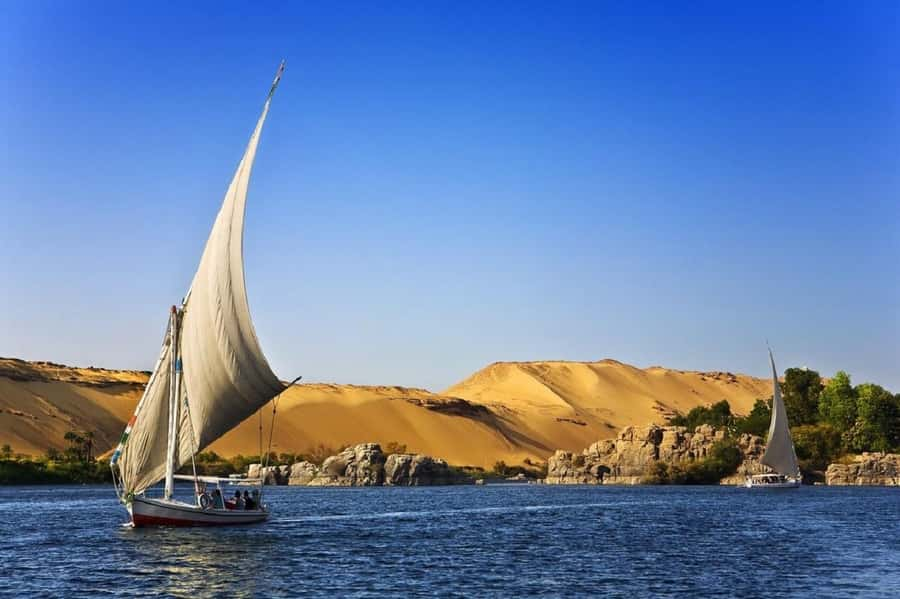
After lunch, you board a traditional wooden felucca. The idea is appealing: a quieter look at the Nile from the water rather than another stretch of road. Depending on the conditions and the day’s operation, the ride may be a proper sail or a short outing with help from a motorboat.
This is the least predictable part of the experience. One account described a brief tow upriver, about 150 yards, followed by around 10 minutes on the water and a drift back. Another described a much longer and more satisfying ride. I would treat the felucca as a pleasant extra, not the central reason to book the excursion.
More Historical Tours in Luxor
- Luxor: Valley of the Kings and Hatshepsut Temple Day Tour
★ 4.4 · 1,404 reviews - Hurghada: Luxor Tour with Valley of Kings, Karnak & Tut Tomb
★ 4.6 · 1,082 reviews - Hurghada: Small-Group Luxor Highlights & Tut Tomb Day Tour
★ 4.6 · 928 reviews - Luxor: Valley of Kings, Hatchepsut Temple ,Karnak & Luxor-DayTour
★ 5.0 · 735 reviews
The Valley of the Kings and three royal tombs
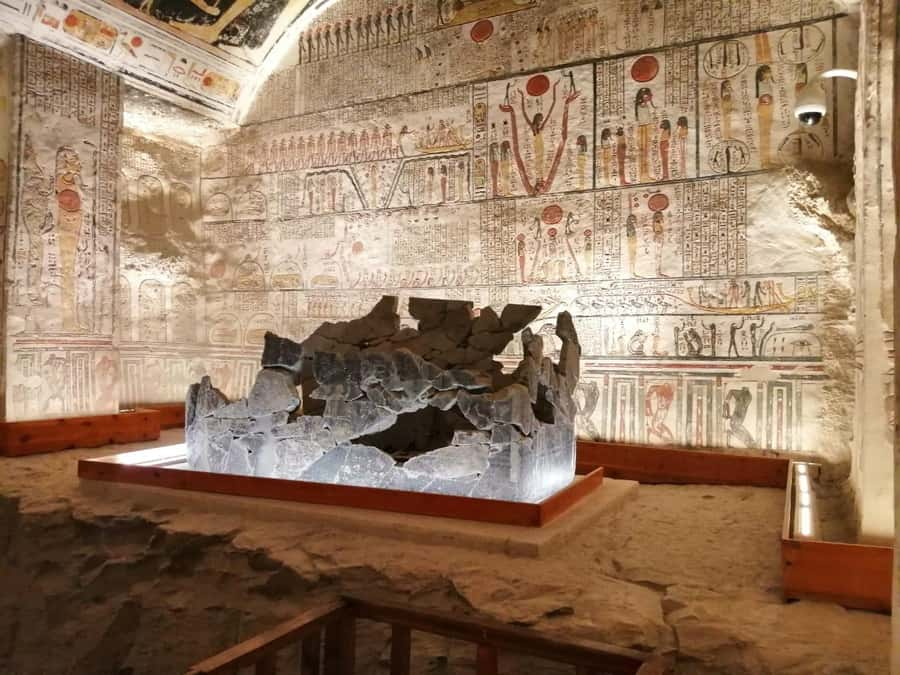
The west bank begins with the Valley of the Kings, scheduled for about an hour. Your ticket covers entry to three tombs, and the guide can help you decide how to use that limited time.
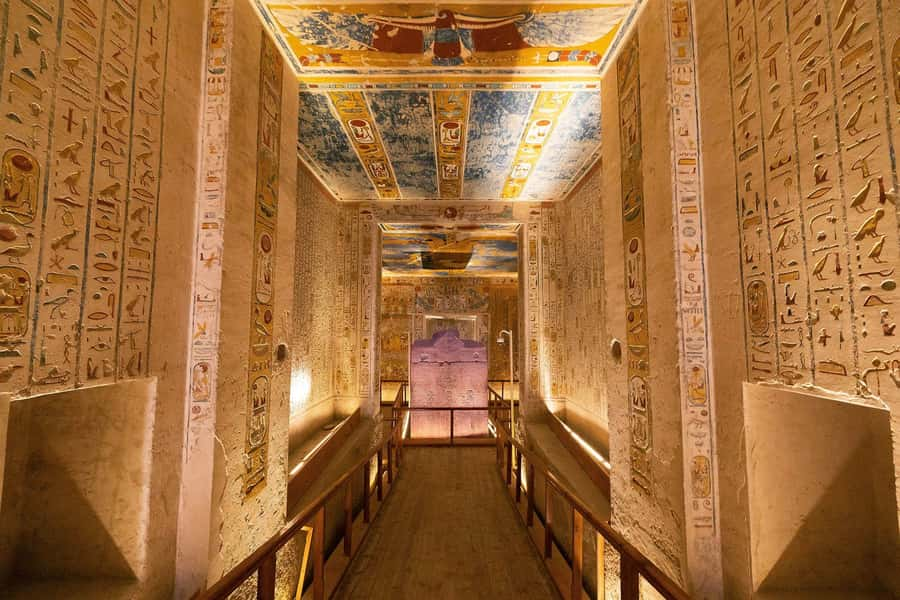
The valley is important because royal burial moved underground here, away from the more obvious pyramid form. Inside, the atmosphere changes quickly from open desert to narrow corridors and painted chambers. The wall scenes were made to guide the dead through the afterlife, and your guide’s explanation will help you understand what you are seeing instead of simply admiring the colors.
One practical point matters: the standard access covers three tombs, while Tutankhamun’s tomb has its own listed entry ticket. The tour specifically includes that separate ticket, so you are not left choosing between the famous tomb and the other royal chambers.
The hour allocated to the valley is tight. You will need to keep moving, particularly if lines form or the group has different interests. Some guides have helped groups see additional tombs when time allowed, but you should regard that as a bonus rather than a promise.
Wear shoes with a good grip and expect heat outside. The tombs themselves provide relief from the sun, but the approach and movement around the valley can be tiring. If you use a walking aid, tell the guide early. One guide made sure a parent could rest safely in a cool shaded place while the family visited the tombs, a good example of why direct communication helps.
Tutankhamun’s tomb and the famous boy king
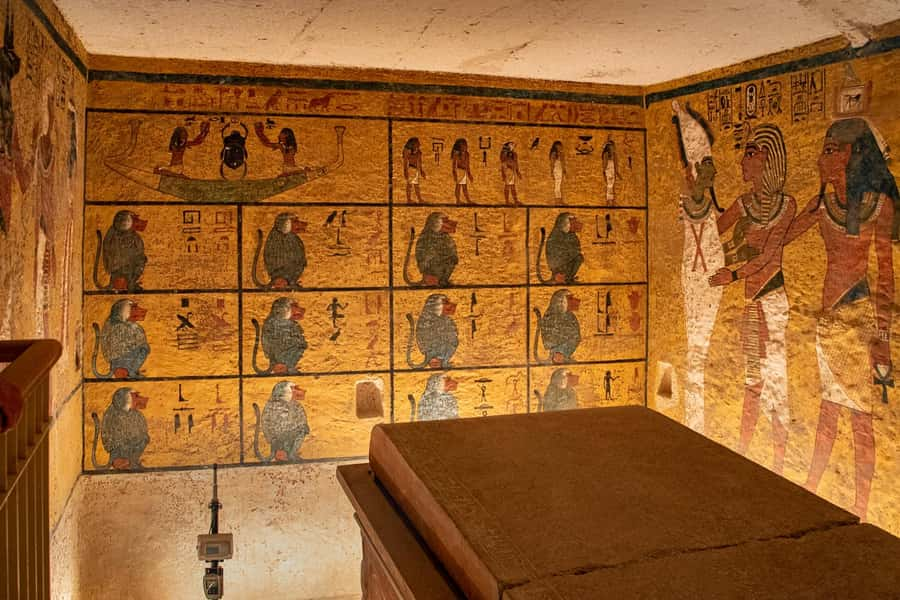
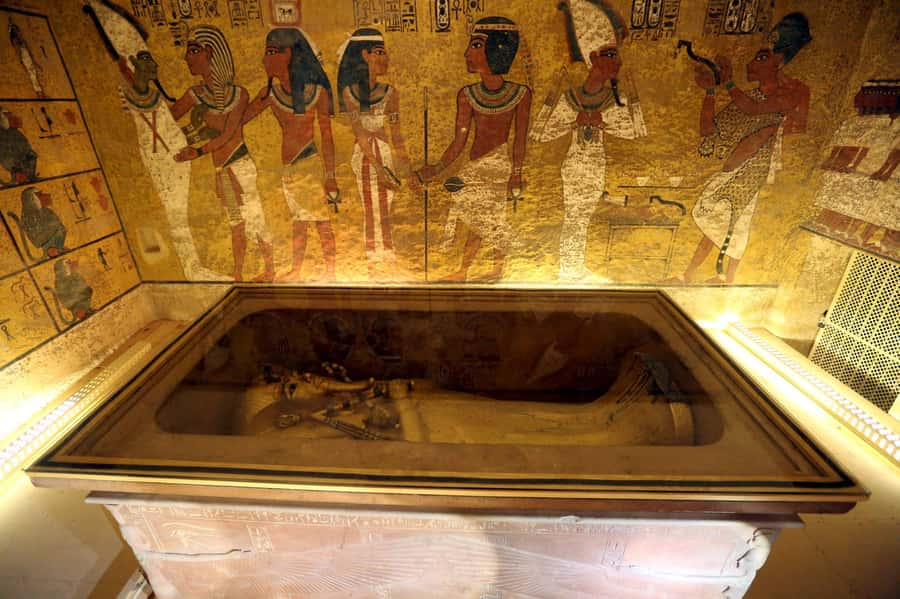
Tutankhamun’s tomb receives a separate half-hour stop. The tomb is smaller than the fame of its owner might suggest, but that is part of the story. Tutankhamun became a household name largely because his burial chamber was found with an extraordinary collection of objects, while many royal tombs had been looted long before modern archaeologists reached them.
The visit is valuable because it puts the young pharaoh’s burial place into the setting of the Valley of the Kings. Your guide can connect the tomb to the wider story of royal burial, succession, and the discovery of the site.
Do not expect the full treasure collection here. The famous gold mask and many other objects are associated with the Egyptian Museum and other collections, not simply left inside the tomb. What you get is the place itself and the chance to see the painted burial chamber.
Half an hour is enough for a focused visit, but it can feel short if you want quiet time. This is one stop where listening to the guide before entering will help you notice more once you are inside.
Hatshepsut’s Temple at Deir el-Bahari
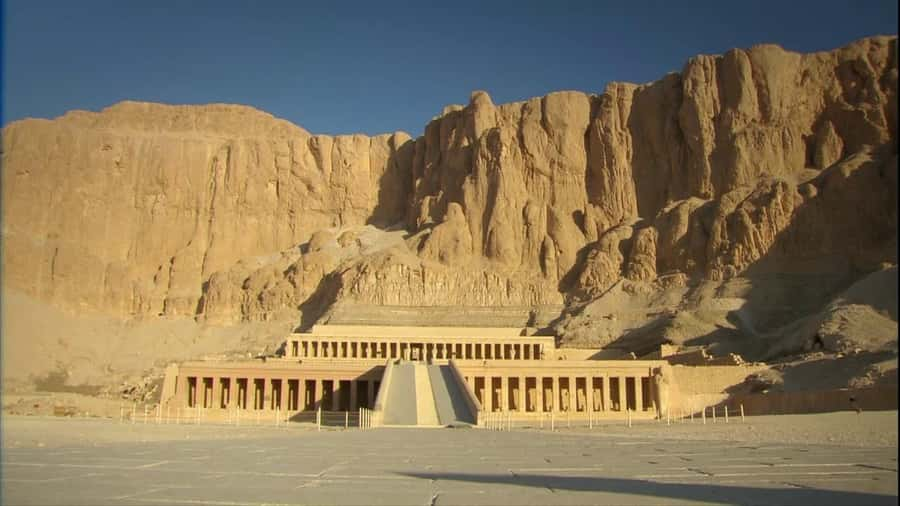
The Mortuary Temple of Queen Hatshepsut is given about an hour. Its three broad terraces rise from the desert toward the cliffs of Deir el-Bahari, creating one of the most memorable settings in Luxor.
Hatshepsut’s story gives the guide another chance to move beyond dates and names. She ruled as a woman in a royal system built around male kingship, and the temple’s design and decoration reflect the need to present her authority in a form Egypt could accept.
The terraces make the site easy to understand visually. You can see how the temple climbs toward the cliffs, while the open design differs from the enclosed spaces at Karnak. The contrast helps you remember the visit: Karnak feels like a vast sacred complex, while Hatshepsut’s temple is shaped around terraces, processional movement, and the cliffs behind it.
An hour gives you time for photographs and explanation without making this stop feel rushed. Sun protection matters here, as you may spend much of the visit in open areas.
The Colossi of Memnon and a final Luxor pause
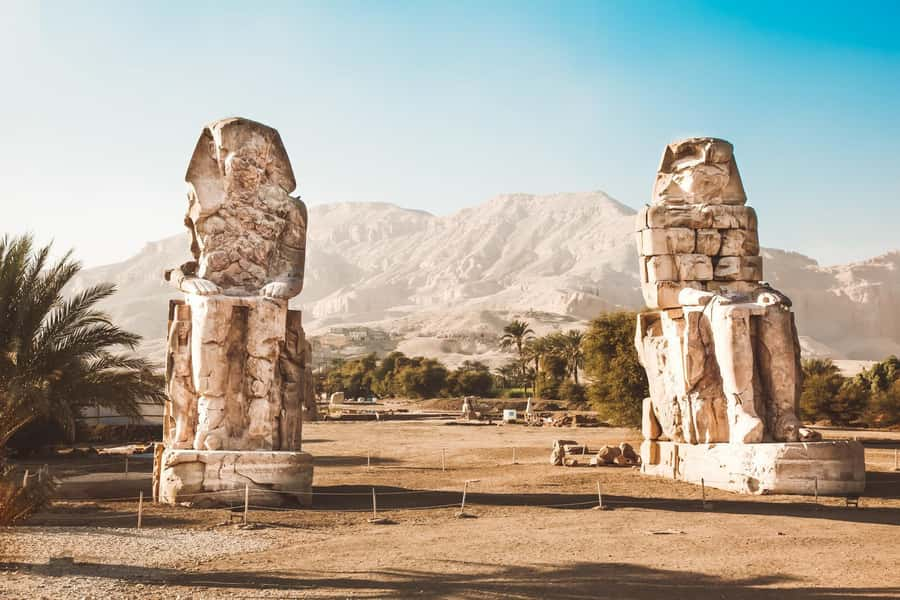
The Colossi of Memnon are a short 30-minute stop. These two massive seated figures once guarded the entrance to the mortuary temple of Amenhotep III. The temple itself is largely gone, which makes the statues even more striking: they survive as huge reminders of a royal complex that no longer surrounds them.
This is primarily a photo and explanation stop rather than a long exploration. Your guide can explain what the statues represented and how the remains fit into the west bank’s larger collection of royal monuments.
The schedule also allows about an hour of break time and photographs in Luxor. The exact use of this pause can vary, but it gives the day some breathing room after the main archaeological sites. Use it to drink water, review photographs, or ask your guide about details you missed.
A good guide will also help with the small practical moments. Several praised guides for taking photographs, keeping the group together, and avoiding needless waits. That may sound minor, but on a 15-hour day, small delays add up quickly.
Guides, group size, and the pace of the day
The listed guide languages are Arabic, English, French, German, and Spanish, with a Spanish guide available as an add-on. You should confirm the language you need when booking, since the supplied information lists several options but does not assign a specific guide to every departure.
The named guides receive particularly strong praise for their manner as well as their facts. Adam is described as funny, attentive, and good at keeping spirits up. Hamdy is praised for his passion for Egyptian mythology and for making the day enjoyable. Mohamed Alazeb is repeatedly described as friendly, clear, and good at answering questions. Ahmed Bahaa is noted for careful explanations and making people feel safe and welcome.
Private groups are available. This is worth considering if you want to set the pace, have children, or need extra stops. A private group can also make the long day feel less tiring because you are not waiting for a large party at every site.
The standard experience may be a small group, but you should not assume every departure will be private. Ask what group type is available for your date. Several people found small groups especially comfortable, and one private party of four appreciated being able to visit at its own pace.
Cost, pickup fees, and what the $150 includes
The base price is $150 per person. It includes hotel pickup and return in Hurghada, an air-conditioned minivan, a professional guide, lunch, the Valley of the Kings ticket, Tutankhamun’s tomb ticket, Karnak Temple ticket, and Hatshepsut’s Temple ticket.
That package is good value if you want all the major stops in one day. You are paying for transport across a long distance as well as admission and guiding, not simply for entry to one attraction.
Extra pickup charges apply outside central Hurghada. Pickup and drop-off from Makadi Bay, Sahl Hasheesh, or El Gouna costs $5 per person, while Safaga or Soma Bay costs $8 per person. These fees are small compared with the total price, but check your hotel area before you book.
The tour offers free cancellation up to 24 hours before departure and a reserve-now, pay-later option. Those terms are useful if your Red Sea plans may shift, but the main decision remains your tolerance for the long road journey.
What to pack for a smoother day
Keep your essentials in a small day bag:
- Comfortable walking shoes
- Sunglasses and sunscreen
- Water and breakfast snacks
- Comfortable clothing suitable for sun and temple visits
- Passport or identity card, with a copy accepted
- A phone or camera with room for plenty of photographs
Do not rely on finding a full breakfast on the road. Lunch comes later, and roadside stops may have only packaged food. A scarf or light extra layer may also be useful for comfort, though the supplied information specifically stresses sun protection and comfortable clothing.
Should you book this Luxor excursion?
Book it if Luxor is a priority and you are staying in Hurghada. You will see the essential east and west bank sights, hear the larger story from an Egyptologist guide, eat lunch, and get a short Nile experience without arranging several separate bookings.
I would choose the private option if the price works for your group, especially for families, older relatives, or anyone who wants a slower pace. If you are sensitive to long drives, consider staying overnight in Luxor instead. The felucca ride is a pleasant addition, but its length can vary, so do not make it the deciding feature.
For most people with one free day, this is a strong value. It is tiring, occasionally tightly timed, and dependent on a good driver and guide, but the main sights are too important to skip simply because the road is long. Go prepared with food, water, sun protection, and realistic expectations, and the day gives you a substantial look at ancient Luxor.
FAQ
How long does the Hurghada to Luxor tour last?
The complete experience lasts about 15 hours, including the journey from Hurghada to Luxor and the return trip.
How long is the drive from Hurghada to Luxor?
The itinerary gives the drive as approximately four and a half hours each way.
What attractions are included?
You visit Karnak Temple, the Valley of the Kings, Tutankhamun’s tomb, Hatshepsut’s Temple, and the Colossi of Memnon. The experience also includes a felucca ride on the Nile.
Is lunch included?
Yes. Lunch at a local restaurant is included in the price.
Are the attraction tickets included?
Yes. Entry to the Valley of the Kings, Tutankhamun’s tomb, Karnak Temple, and Hatshepsut’s Temple is included.
Is hotel pickup included?
Round-trip hotel transfer from Hurghada is included. Pickup from Makadi Bay, Sahl Hasheesh, or El Gouna costs an additional $5 per person, while Safaga or Soma Bay costs an additional $8 per person.
What languages are available for the guide?
Guiding is available in Arabic, English, French, German, and Spanish. A Spanish guide is listed as an add-on.
Can I book a private group?
Yes. A private group option is available.
What should I bring?
Bring comfortable shoes, sunglasses, sunscreen, comfortable clothing, and a passport or identity card. A copy of your passport or ID is accepted. Breakfast snacks and water are also sensible for the long journey.
Can I cancel the booking?
Yes. You can cancel up to 24 hours in advance for a full refund. The reserve-now, pay-later option is also available.
Just added for Luxor
- Full-Day Luxor private Tour from Cairo by Plane with Lunch★ 5.0 · 446 reviews
- Private Day from Cairo to Luxor by plane with hotel,balloon,west,east and lunch★ 4.5 · 199 reviews
- From Cairo Private Luxor Full-Day Tour with Guide and Flights★ 5.0 · 124 reviews
- Day Trip To Luxor From Cairo By Plane★ 4.5 · 393 reviews
- Day Trip To Luxor From Cairo By Plane Including Lunch★ 4.5 · 92 reviews
- Day Trip to Luxor From Cairo By Flight, King Tut Tomb Included★ 4.5 · 270 reviews
- Incredible 7 Days Tour around Cairo, Luxor, and Hurghada★ 5.0 · 117 reviews
- Private 3-Days Nile Cruise to Luxor with Hot Air Balloon Ride★ 5.0 · 88 reviews
Historical Tours, compared.
Luxor Valley of the Kings & Tutankhamun Tomb Trip
Read our review →
Luxor Day Trip from Hurghada Small Group & Tutankhamun Tomb
Read our review →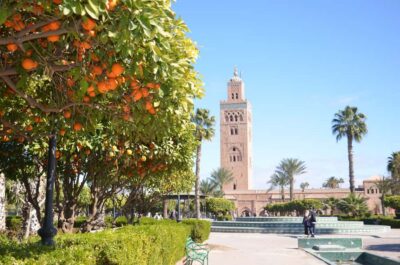
Bahia Palace, Saadian Tombs, Souk and Medina Tour
Read our review →
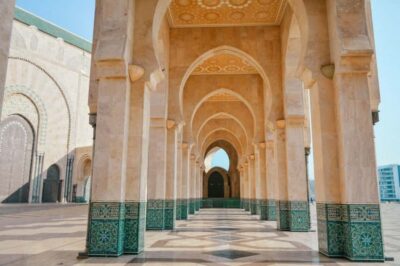
Hassan II Mosque Premium Tour with Entry Ticket
Read our review →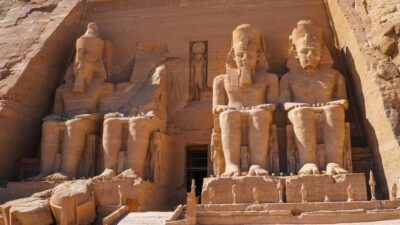
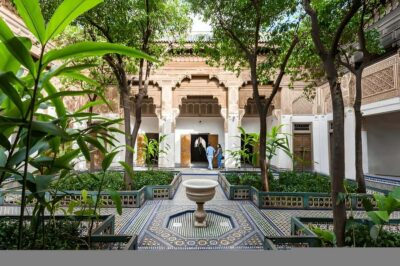
Bahia Palace, Saadian Tombs, & Koutoubia Mosque
Read our review →
Casablanca City Tour with Hassan II mosque ticket
Read our review →Browse the lists this tour appears in