Reviewed · MEDINA & SOUK TOURS
Marrakech: Bahia Palace, Saadian Tombs & Medina Guided Tour
Marrakech reveals itself best on foot, and this tour brings together the city’s grandest palace, its most delicate tombs, royal gates, souks, and narrow Medina lanes in one four-hour route. Bahia Palace supplies the carved cedar and tilework, while the Saadian Tombs offer a quieter look at dynastic power.
I like the way a local guide turns the Medina from a maze into a readable place. I also like the balance between set sights and free time, so you hear the story of a monument without being hurried through every courtyard. Guides including Youness, Mustapha, Brahim, Hassan, and Mouhssine have been praised for clear explanations and an easy manner.
The main catch is simple: this is a serious walking tour, not a gentle sightseeing ride. The two major monument tickets cost 100 MAD each per adult, queues can still form inside, and the souk portion may feel brief if the group needs extra time at the main sights.
Key points at a glance
- Four major areas in one walk: Jemaa el Fna, the Kasbah, the Bahia Palace area, and the UNESCO-listed Medina.
- Two paid entrances extra: Budget 200 MAD per adult for Bahia Palace and the Saadian Tombs.
- Good first-day orientation: The route helps you understand Marrakech before exploring on your own.
- Artisans and souks included: You pass through Souk Semmarine, Souk El Attarine, and Rahba Kedima.
- English or French guiding: Private groups are available, while the standard option may be a small group.
- Expect plenty of walking: Comfortable shoes, water, sunglasses, and cash are sensible choices.
Why this route works on a first day in Marrakech
Marrakech can feel confusing at first. Jemaa el Fna opens into several directions, the Medina alleys twist without warning, and the souks change character from one lane to the next. A guide gives you a map in your head before you try to manage the city alone.
This route also gives you a useful first look at different sides of Marrakech. You see the public theater of Jemaa el Fna, the royal scale of the Kasbah, the private courtyards of Bahia Palace, the funerary art of the Saadian Tombs, and the working souks where goods are made and sold.
That mix is the tour’s strongest feature. It is not only a palace visit and not only a shopping walk. You get architecture, dynastic politics, craft, religion, and ordinary city life within a manageable half-day.
The schedule allows about 15 minutes at Jemaa el Fna, 45 minutes at Bahia Palace, 15 minutes around the Kasbah, 30 minutes at the tombs, and roughly an hour among the Medina lanes and markets. These times are guides rather than hard limits. Several tours have lasted longer when the guide adjusted the pace or added useful help, but you should plan around four hours unless your private booking says otherwise.
More Historical Tours in Marrakech
- Marrakech: Bahia Palace, Saadian Tombs, Souk and Medina Tour
★ 4.7 · 4,974 reviews - Marrakech: Bahia Palace, Saadian Tombs, & Koutoubia Mosque
★ 4.5 · 2,529 reviews - Marrakech: Saadian Tombs & Bahia Palace, Medina Guided Tour
★ 4.6 · 1,989 reviews
Starting at Jemaa el Fna
The meeting point is in front of Café de France at Jemaa el Fna. This is a practical place to start, but it can be crowded with people meeting different guides. Look for the guide’s name and keep your phone available for the WhatsApp message sent before the tour.
The square is more than a landmark for photographs. It is Marrakech’s public stage. During the day, you may see juice stalls, performers, storytellers, and snake charmers. Later, it changes into a bright food and entertainment area, with music and cooking smoke filling the open space.
The tour gives you a short introduction here before moving into the older quarters. Do not expect a long performance or a full food tour. The value is in learning how the square connects the modern city with the Medina around it.
If your riad is inside the Medina and you choose the private option, pickup from the riad reception may be possible. Otherwise, you meet at Café de France. Confirm the arrangement in advance, since the exact starting point depends on the option you book.
Bahia Palace and the art of the courtyard
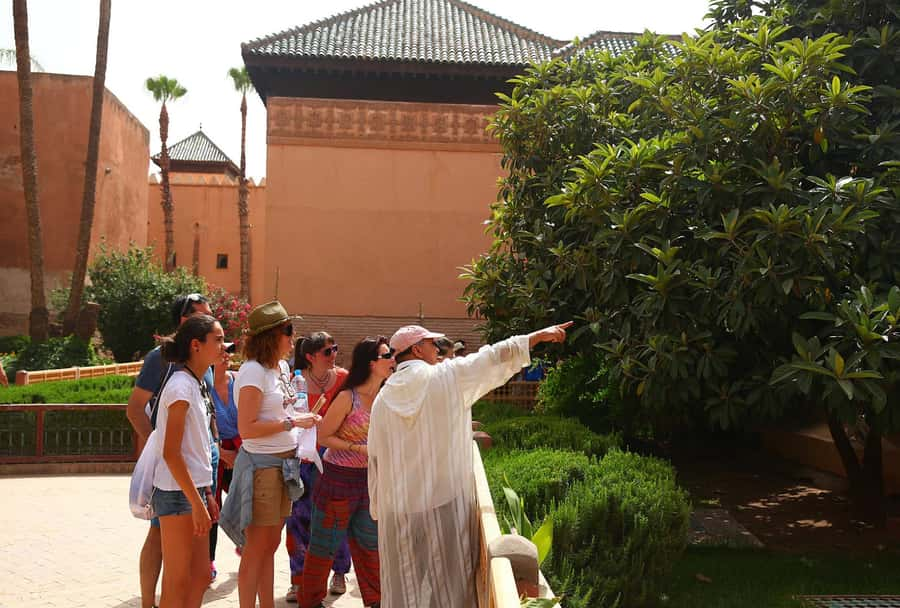
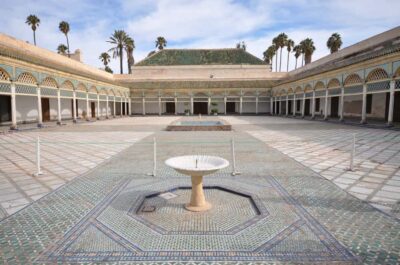
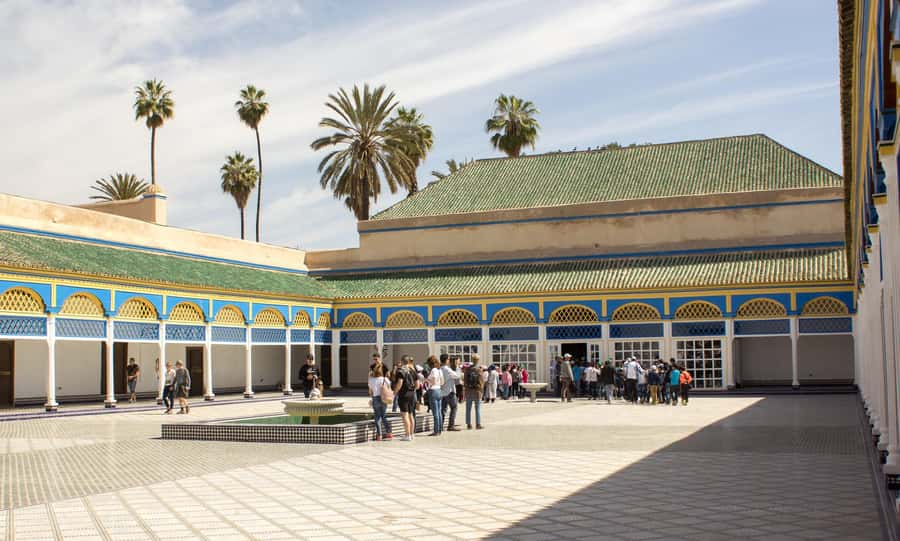
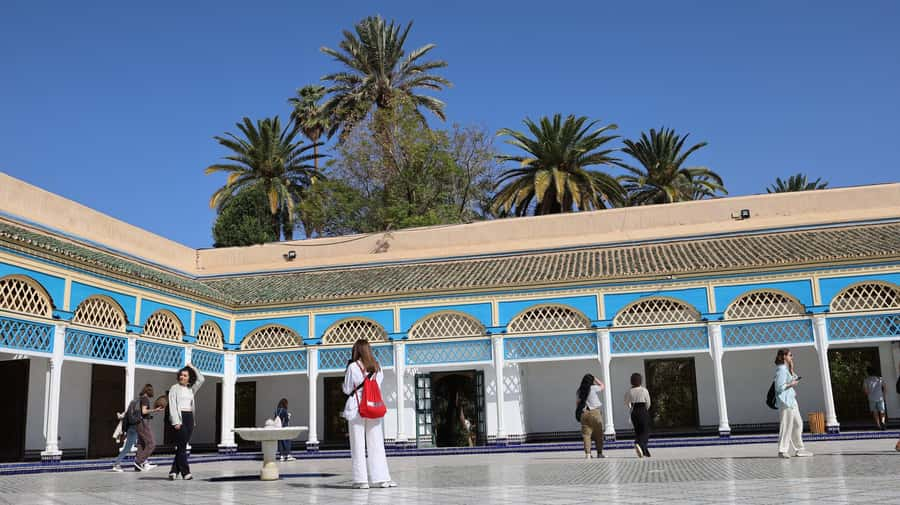
Bahia Palace is the visual centerpiece of the walk. Built in the 19th century by Grand Vizier Si Moussa, it contains more than 150 rooms, gardens, courtyards, carved stucco, mosaic floors, and cedarwood ceilings.
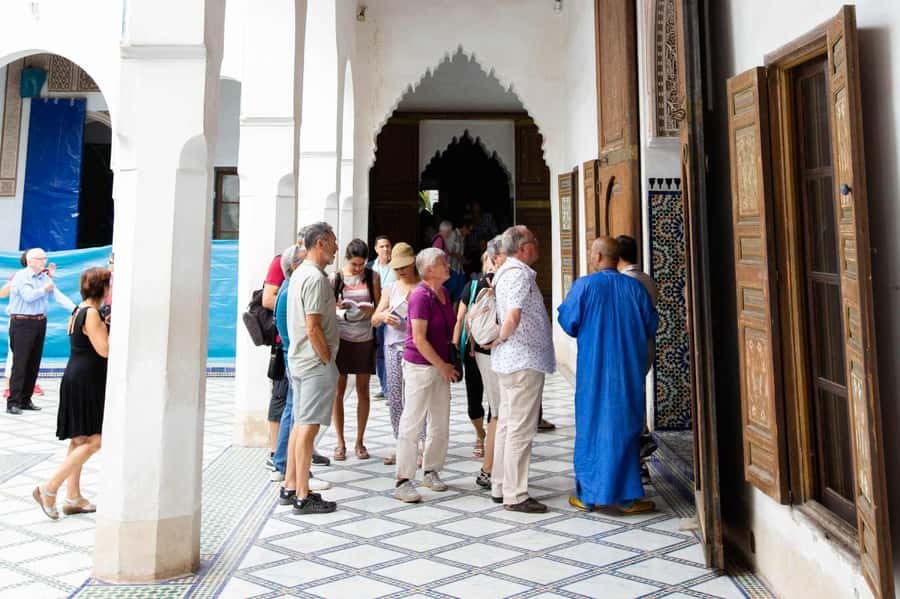
The palace is not laid out like a single grand European residence. Its appeal comes from the way rooms open onto courtyards and gardens. Your guide can explain how the tiles, plaster carving, woodwork, and shaded spaces work together. Without that context, it is easy to take a few photographs and move on without noticing the craft above your head or under your feet.
Allow about 45 minutes inside. The guide goes in with you, explains the main details, and leaves time for independent viewing and photographs. That arrangement works well. You get the background first, then a chance to look at the tile patterns at your own speed.
Some sections may be under renovation, so the palace experience can vary. Crowds are also common at busy times. The tour includes help with the initial ticket line, but it does not guarantee a completely queue-free visit inside.
Bring cash for the 100 MAD adult entrance fee. This cost is separate from the $18 tour price, and the additional charge matters when you are comparing the apparent bargain of the booking with the real cost of the day.
The Kasbah, Bab Agnaou, and the royal quarter
From Bahia Palace, the route continues toward the Kasbah, the fortified quarter linked with royal power. The stop is short, about 15 minutes, so think of it as an orientation walk rather than a full architectural survey.
Bab Agnaou is the key sight here. This 12th-century gate has carved decoration and once served as an entrance to the royal quarter. A guide can help you read the gate as part of the city’s defenses and royal image, rather than just another photogenic doorway.
The short stop also helps connect the monuments geographically. Marrakech’s major sights are not isolated attractions. The palace, tombs, gates, mosque, and former Jewish quarter sit within a city shaped by dynasties, walls, religion, trade, and royal administration.
The Koutoubia Mosque is viewed from outside only. Entry is restricted to Muslims during prayer times, so the tour does not include an interior visit. That is worth knowing before you book if seeing the inside of a mosque is a major priority.
More Historical Tours in Morocco
- Marrakech: Bahia Palace, Madrasa Ben Youssef and Medina Tour
★ 4.7 · 1,347 reviews - Marrakech Historical and Cultural Tour – Half Day City Tour
★ 4.5 · 1,180 reviews - Marrakech: Bahia Palace Guided Tour with Skip-the-Line Entry
★ 4.7 · 811 reviews - Marrakech: Palace, Museum, Madrasa & Medina Highlights Tour
★ 4.7 · 706 reviews
The Saadian Tombs and their patient queues
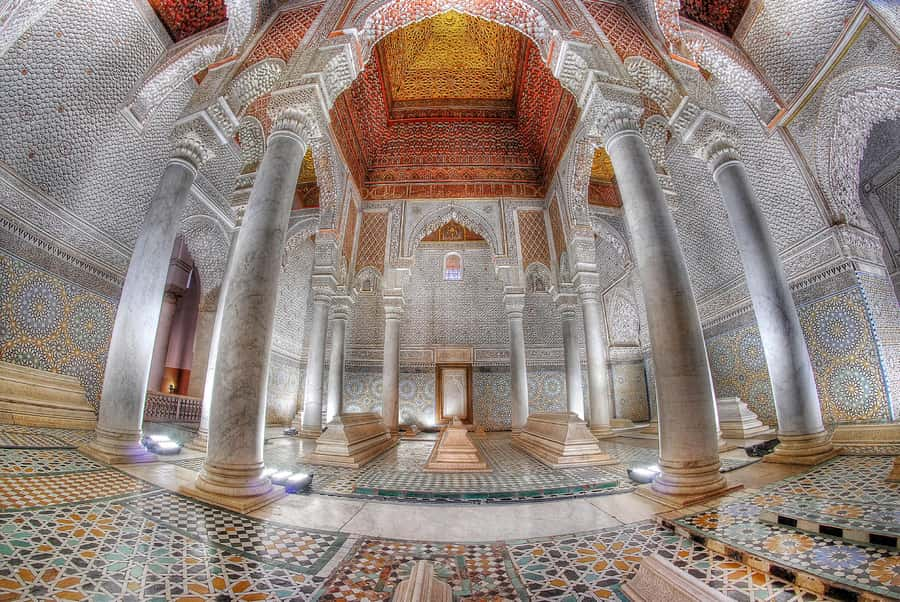
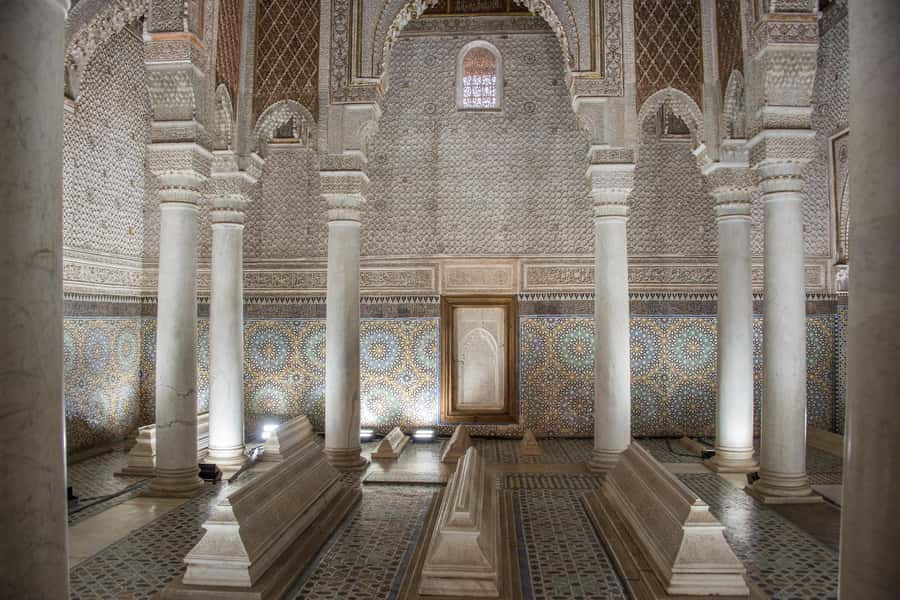
The Saadian Tombs are smaller than Bahia Palace but often more concentrated in detail. They hold the remains of members of the Saadian dynasty and are known for marble epitaphs, carved stucco, and hand-cut zellij tilework.
The atmosphere changes here. Bahia Palace feels open and domestic, with courtyards and rooms spreading outward. The tombs are more enclosed and ceremonial. The decoration makes a short visit worthwhile, especially when your guide explains the symbols, materials, and dynastic setting.
The planned stop is around 30 minutes, but the entry queue can affect the timing. There may be help with the first ticket line, yet a queue inside can remain, particularly at the most admired chamber. One recent visit included a long wait, so do not schedule an immediate appointment after the tour.
The adult ticket is another 100 MAD, payable in cash and not included in the booking. If you want to keep costs low, remember that the tour price covers the guide and walking experience, not admission to the two main monuments.
Entering the Medina through its working souks
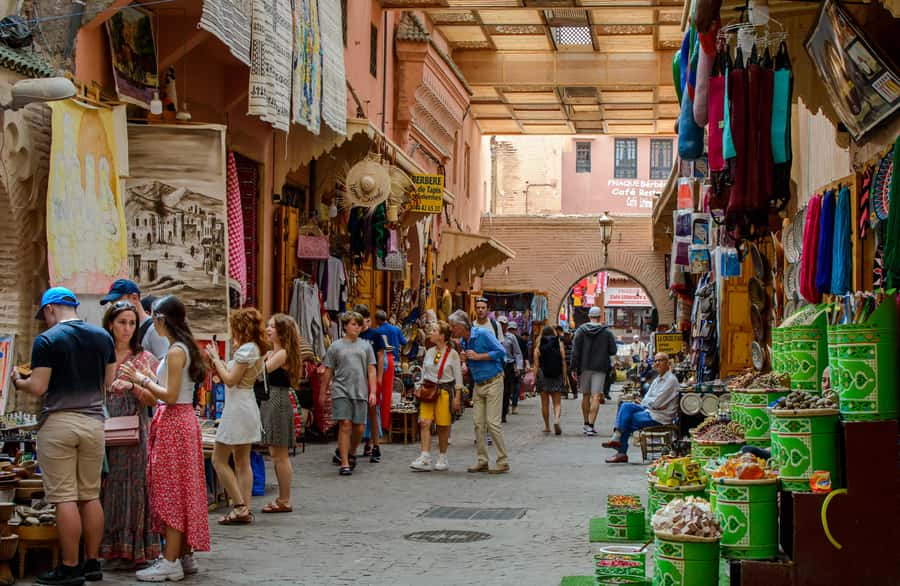
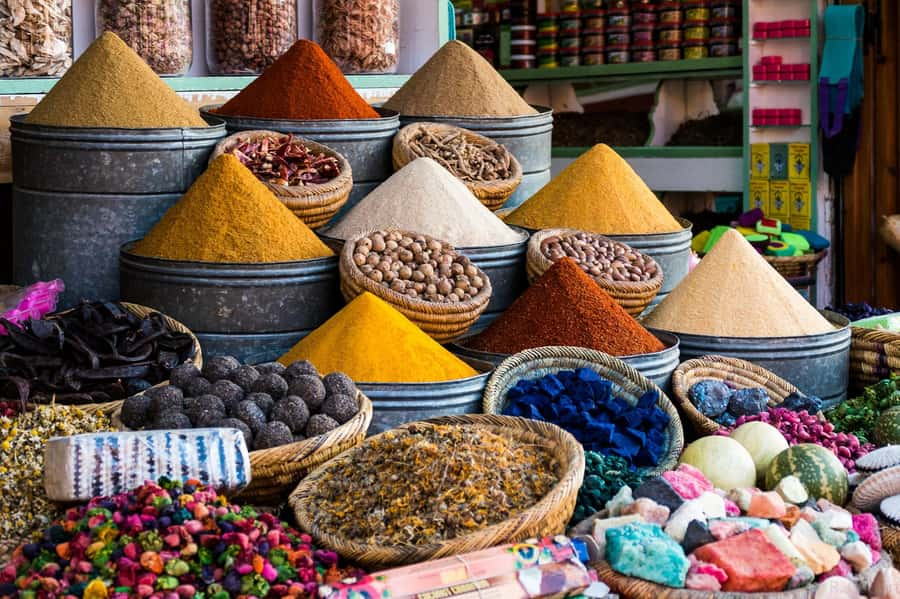
The souk section gives the tour its everyday character. You move through lanes such as Souk Semmarine and Souk El Attarine, with stalls selling spices, textiles, leather goods, and other handmade products.
The useful part is not simply seeing shelves of souvenirs. Your guide may point out workshops where pottery, woodcraft, and metalwork are made using established local methods. You get a better sense of the difference between a working craft district and a shop designed only for sightseeing.
The route may also pass through Rahba Kedima, a market area with its own character and shopping opportunities. You have time to look around, but this is not a dedicated shopping excursion. The pace is shaped by the group, the monument queues, and the time remaining.
You should also keep your buying decisions independent. Guides can explain how crafts are produced and suggest places to look, but product claims in the souks are not always reliable. If you want a particular item, compare prices and ask clear questions about materials and where the piece was made.
Several guides have helped visitors understand local trades without forcing a purchase. That is an important distinction. The best version of this tour treats the souks as part of Marrakech’s daily economy, not just as a corridor of sales pitches.
What the guide adds to the experience
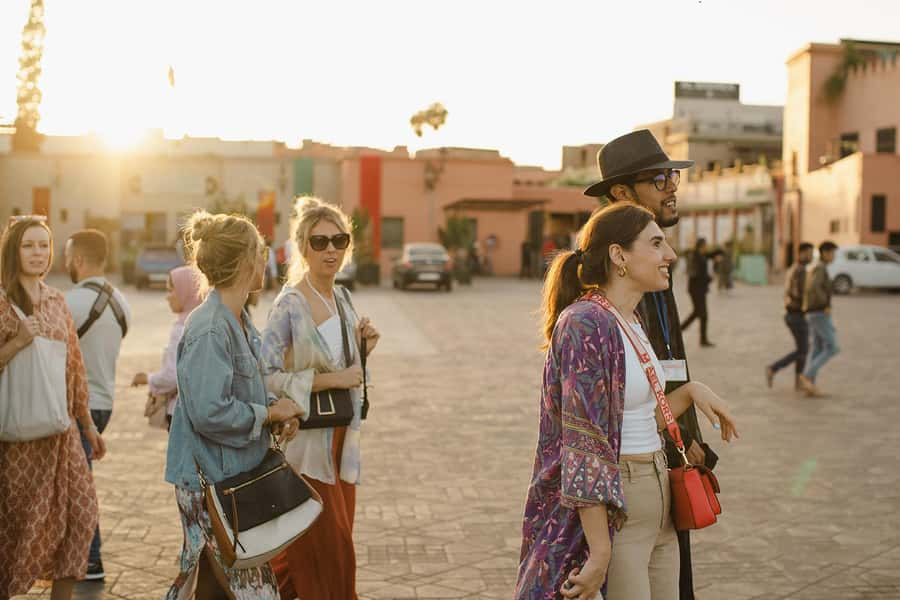
The guide is the difference between a useful introduction and a long walk among pretty buildings. The strongest feedback centers on friendly, attentive guides who explain history and culture in plain English or French, answer questions, and adjust the pace.
Youness has been praised for making the tour both funny and informative. Mustapha is noted for patience and clear explanations. Brahim has helped people understand the city and offered practical advice for moving through the souks. Mouhssine has explained Moroccan dynasties, regional crafts, and local traditions while helping with photographs.
Those names do not guarantee your assigned guide, but they show the kind of service the operator aims to provide. Other praised guides include Hassan, Yassine, Najem, Chafik, Khalid, Achraf, and Mohamed. The common thread is personal attention rather than a memorized speech delivered at every stop.
A small group can be a good compromise. You receive live explanations and some social energy without the cost of a fully private guide. A private option gives you more control over pace, questions, and pickup, and it is the better choice if someone in your party needs frequent pauses.
The tour is offered in English and French. If language clarity is especially important to you, confirm your preferred language when booking.
Walking conditions, timing, and comfort
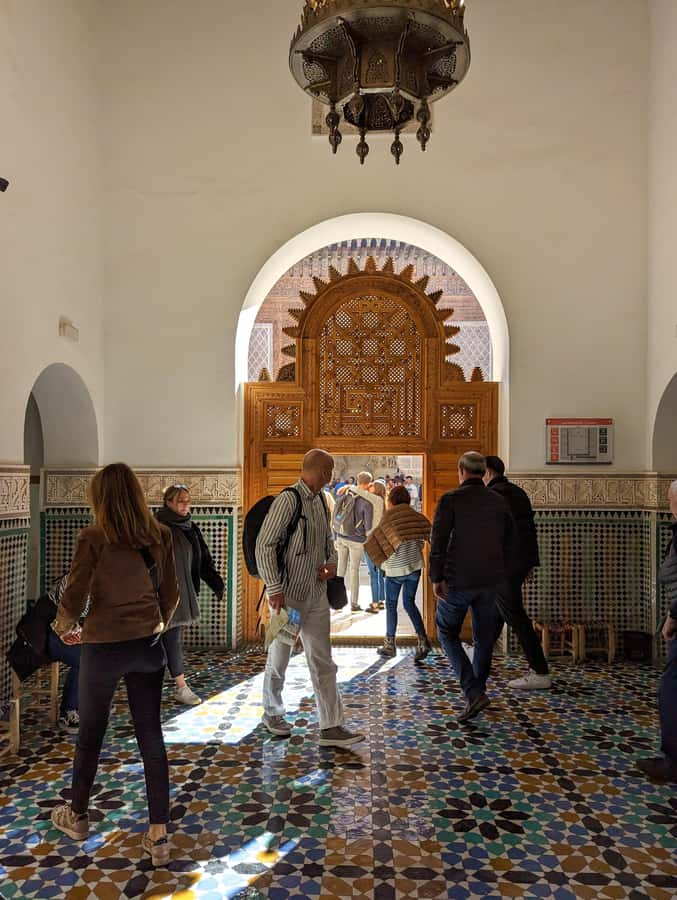
Plan for four hours on foot through uneven lanes, crowded markets, and open city streets. The experience is not suitable for people with mobility impairments, and even fit visitors should wear shoes with good support.
Water matters, especially for an afternoon departure or warm season visit. Sunglasses and cash are also listed as useful items. The guide may help you find a shop for refreshments or shade, but you should not rely on frequent formal breaks.
Morning tours normally begin at 10:00 and afternoon tours at 14:00, subject to availability. During Ramadan, the timing changes to 09:30 in the morning and 13:00 in the afternoon because the monuments close earlier. Check the current departure time before you set your plans.
The tour finishes back around Jemaa el Fna, with drop-off at Café de France Medina or another Medina location. That makes it easy to continue with dinner, shopping, or an evening walk, but transport outside the Medina is not included.
Is $18 good value?
At $18 per person, the tour is inexpensive for a licensed guide and four hours of focused sightseeing. The value is strongest if this is your first visit, your time is limited, or the Medina feels intimidating.
The real cost is higher once you add the 200 MAD in monument tickets per adult. Food, drinks, and transport are also separate. Even so, you are paying mainly for orientation, explanations, and the confidence of having someone lead you through the confusing sections of the old city.
A private booking changes the calculation. It costs more than a shared option, but you gain flexibility and may be able to spend more time on the sights that matter most to you. The small-group option is the better bargain if you are comfortable moving at a shared pace.
This tour is less suitable if you want a slow photography walk, a food-focused experience, or long shopping stops. It covers many places, so the time at each one is measured rather than leisurely.
Should you book this Marrakech walking tour?
Book it if you want a strong first-day introduction to Marrakech, especially if you want history and local craft explained as you move through the city. The combination of Bahia Palace, Saadian Tombs, Kasbah, Bab Agnaou, Jemaa el Fna, and the souks gives you a useful framework for later exploring on your own.
Choose the private option if you want riad pickup, a custom pace, or more control over time at the monuments. Choose the standard option if price matters most and you are happy to walk with others.
I would skip it only if four hours on foot sounds tiring, you have serious mobility limits, or you want to spend most of the day at one palace or market. For everyone else, pack water, bring cash for the entry fees, wear comfortable shoes, and treat the tour as your orientation to Marrakech’s old heart.
FAQ
Where does the tour meet?
The usual meeting point is in front of Café de France in Jemaa el Fna Square. If you book the private option and stay inside the Medina, pickup at your riad reception may be arranged.
Are Bahia Palace and Saadian Tombs tickets included?
No. Bahia Palace costs 100 MAD per adult and the Saadian Tombs cost 100 MAD per adult. Pay these fees in cash on site.
How long does the tour last?
The stated duration is four hours. The actual timing can vary with queues, group pace, and the selected option.
Is the Koutoubia Mosque visited inside?
No. The mosque is viewed from outside only. Entry is restricted to Muslims during prayer times.
What languages are available?
The tour is offered with a live guide in English or French. Private groups are available.
Is the tour suitable for someone with mobility problems?
No. This is a four-hour walking tour through Medina lanes and busy market areas, and it is not suitable for people with mobility impairments.
More Medina & Souk Tours in Morocco
- Marrakech: Saadian Tombs, Bahia Palace, Medina and Souk Tour
★ 4.7 · 673 reviews - Marrakesh: Guided Souk Shopping Tour with a Local Guide
★ 4.9 · 651 reviews - Marrakech: Medina by Night Walking Tour with Moroccan Tea
★ 4.6 · 586 reviews - Marrakech: Bahia Palace, Ben Youssef Medersa, & Souks Tour
★ 4.3 · 554 reviews
More Medina & Souk Tours in Marrakech
- Marrakech: Ben Youssef, Secret Garden, & Souks Walking Tour
★ 4.6 · 2,802 reviews - Marrakech: Colorful Medina Souks Guided Walking Tour
★ 4.7 · 2,470 reviews - Marrakech Monuments & Souks 3-Hour Tour
★ 3.8 · 1,540 reviews - Marrakech: Madrassa Ben Youssef, Secret Garden & Medina Tour
★ 4.8 · 1,303 reviews
Just added for Marrakech
- Marrakech: Tailor-Made City Tour With Your Own Private Guide★ 4.9 · 236 reviews
- Marrakech palm grove: Sunset camel ride★ 4.8 · 194 reviews
- Sparkling Marrakech through the eyes of your local Guide★ 4.7 · 247 reviews
- Quad Bike Activity in Marrakech Palmeraie★ 4.2 · 123 reviews
- Marrakech: Historical Discovery Tour★ 4.1 · 87 reviews
- Marrakech: Palm Grove Horseback Riding Tour★ 4.6 · 163 reviews
- Moroccan Food Cooking Class with a Local Chef in Marrakech★ 4.7 · 90 reviews
- Marrakech: Babouch Making Workshop in the Medina★ 4.9 · 117 reviews
Medina & Souk Tours, compared.
Bahia Palace, Saadian Tombs, Souk and Medina Tour
Read our review →
Cairo 8 Hour Private Tour of Pyramids, Egyptian Museum and Bazaar
Read our review →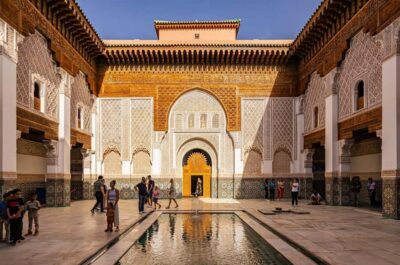
Ben Youssef, Secret Garden, & Souks Walking Tour
Read our review →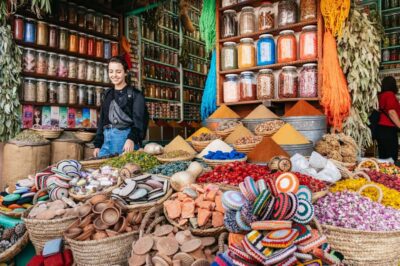
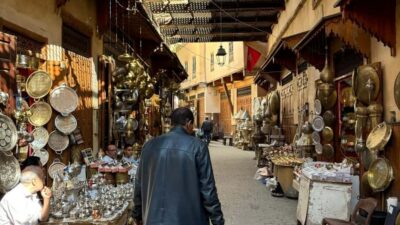
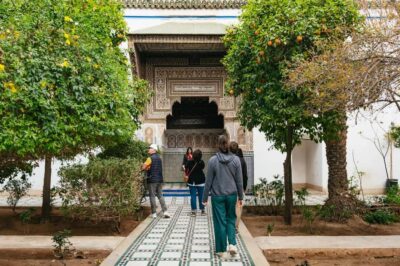
Saadian Tombs & Bahia Palace, Medina Guided Tour
Read our review →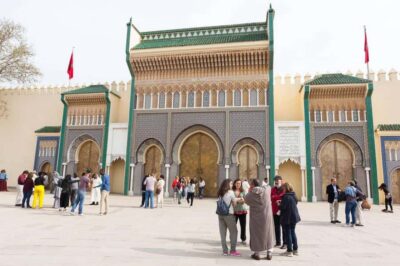
Museum, Al Attarine Madrasa & Tannery and Medina Tour
Read our review →