
Reviewed · MEDINA & SOUK TOURS
Marrakech: Babouch Making Workshop in the Medina
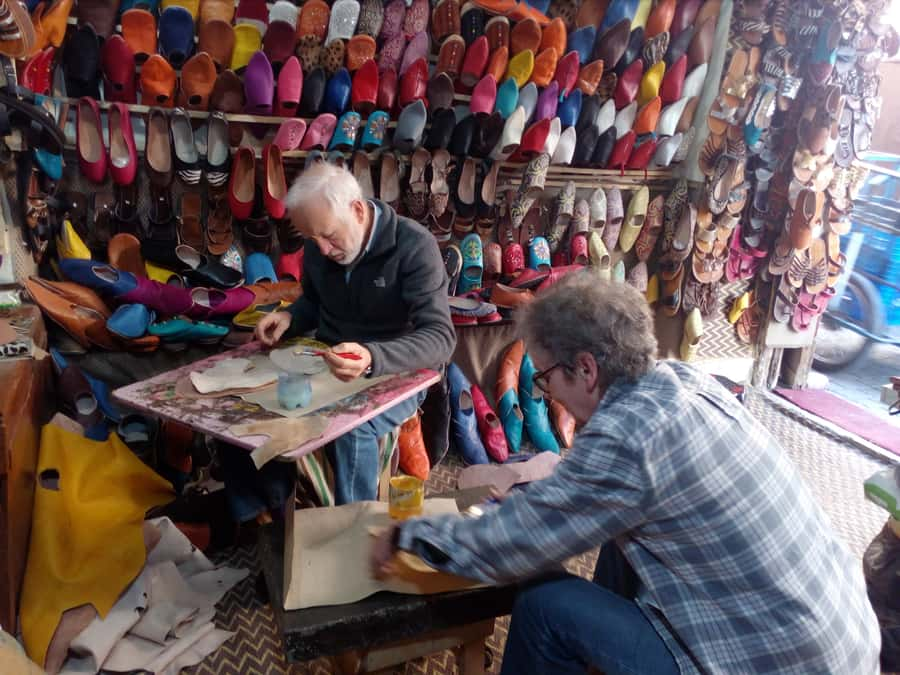
Moroccan babouch are easy to buy in Marrakech. Making a pair is far more memorable. In a private Medina workshop, artisan Youssef shows you how leather is selected, cut, shaped, glued, stitched, and finished. I love the hands-on work and the chance to choose your own leather and color. I also like that you leave with a useful souvenir made to your size.
The main drawback is the meeting point. The directions say to meet in front of the post office at Jamaa el Fna, also referred to as Rue Bani Marine, and this has caused confusion. Your guide should help, but confirm the exact spot in advance and allow time to find it.
Key points to know
- A private workshop with artisan Youssef: You get personal help rather than a large class moving through a fixed script.
- You make a real pair of babouch: Choose leather and color, cut patterns, and take home the finished slippers.
- A guide leads you through the souks: English, French, and Arabic support is available, which matters in the Medina’s maze.
- The pace includes tea and local sweets: The break gives your hands a rest and keeps the session relaxed.
- Plan on about four hours: The practical workshop itself is described as about three and a half hours.
- The meeting point needs care: The post office location has been unclear, so use the contact number if needed.
Why making babouch beats simply buying them
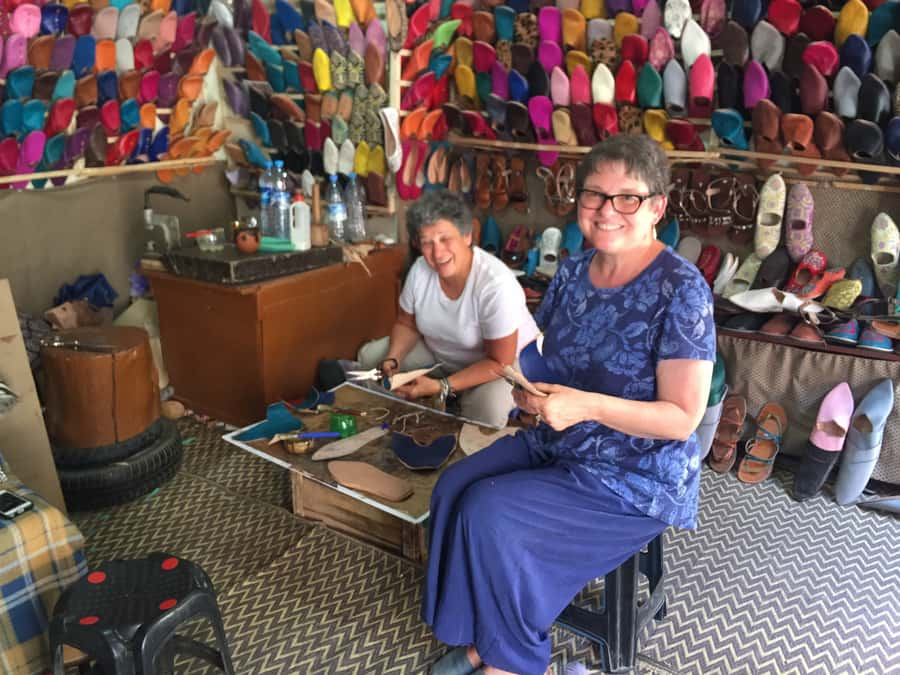
I like souvenirs that carry a story. A pair of slippers bought from a stall may be attractive, but after this workshop you understand the work behind every curved edge and row of stitching. You also get a better sense of why handmade leather goods vary in shape, finish, and price across Marrakech.
Babouch are traditional Moroccan leather slippers, often made with a soft upper and a pointed or rounded front. The finished shape looks simple. The process is not. You work from patterns, handle different leather pieces, and learn how several small decisions affect comfort and appearance.
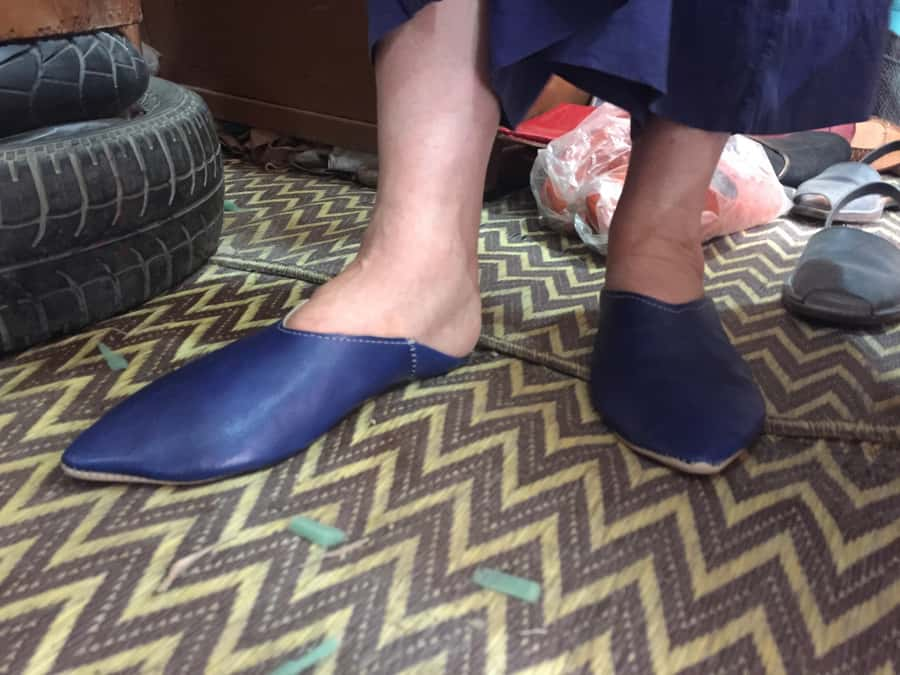
The practical result is personal. You choose the color and style, and the slipper is adjusted to your foot. One participant with very small feet received alterations during the finishing stage. That sort of attention is hard to get from a shelf full of ready-made shoes.
This is not a demonstration where you sit quietly and watch an artisan do everything. You take part, though Youssef and the other craftspeople guide the difficult steps. The workshop gives you enough work to appreciate the craft without requiring professional leatherworking skills.
More Medina & Souk Tours in Marrakech
- Marrakech: Bahia Palace, Saadian Tombs, Souk and Medina Tour
★ 4.7 · 4,974 reviews - Marrakech: Ben Youssef, Secret Garden, & Souks Walking Tour
★ 4.6 · 2,802 reviews - Marrakech: Colorful Medina Souks Guided Walking Tour
★ 4.7 · 2,470 reviews
Meeting Youssef in the Medina
The meeting point is in front of the post office at Jamaa el Fna Square. The activity information also uses Rue Bani Marine, which has not always been clear in practice. Some people have waited beneath the street sign while the guide stood nearer the entrance to the Post Maroc building.
I would treat this as the one part of the experience that needs extra planning. Arrive early, keep the local contact number handy, and call or use WhatsApp if you cannot find your guide. Once you meet, the guide leads you through the souks to the workshop.
That escort is useful. The workshop lies farther into the Medina, away from the most obvious parts of the square. The lanes can be confusing, particularly if this is your first visit to Marrakech. One guide even collected a participant by bicycle after a meeting-point mix-up, but you should not count on that arrangement.
The walk is part of the setting, not a separate sightseeing tour. You move from the open square into narrower souk lanes and reach the working side of Marrakech, where small shops and craft workshops replace the easy-to-spot tourist stalls. If you have mobility concerns, the activity is listed as wheelchair accessible, but the Medina route and exact workshop path are worth confirming before booking.
Choosing leather, color, and the shape of your slippers
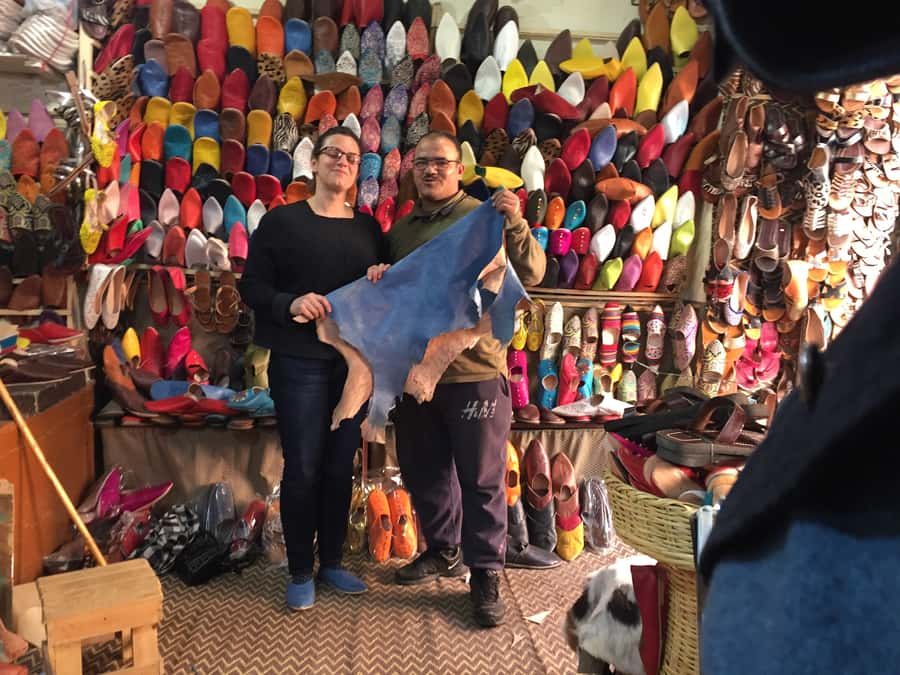
At the workshop, Youssef introduces you to leather and explains how it is prepared for Moroccan leather goods. You see different types and begin choosing the material for your pair. The available information does not promise a fixed menu of colors or styles, so your exact selection will depend on what is in the studio that day.
This first stage matters because it changes the experience from a generic class into a small design project. You are not simply decorating a finished shoe. You are deciding what your own babouch will look and feel like.
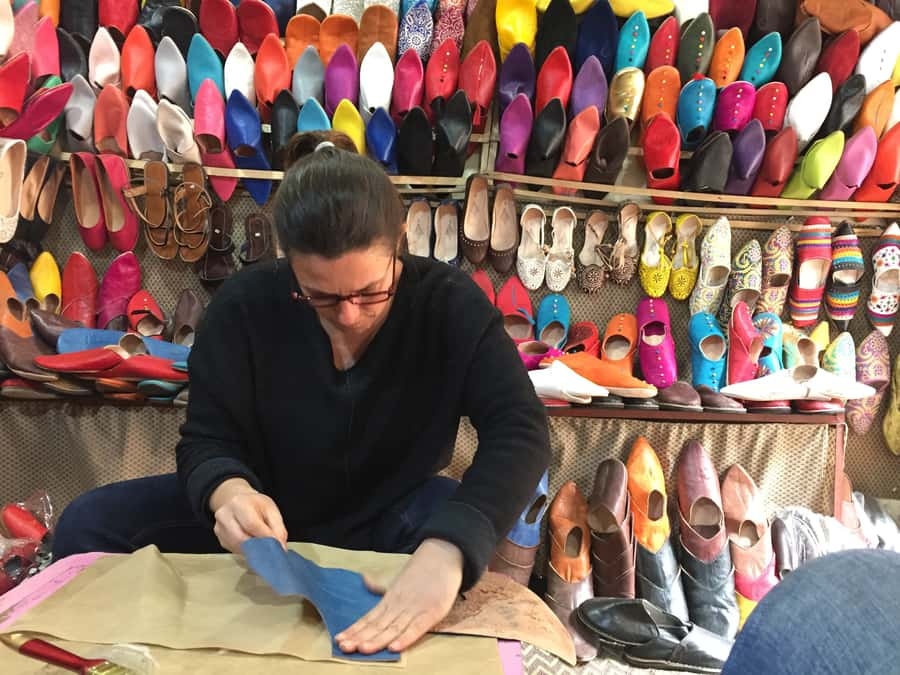
You then work with templates. The process includes drawing or tracing patterns, cutting leather, gluing pieces, and using basic tools supplied by the workshop. The guide helps with translation and keeps the session moving, while the artisans show you how each step is done.
I would not expect to perform every technical task alone. Some jobs require speed and experience, especially the precise stitching and final shaping. That is a benefit, not a weakness. You get the satisfaction of making the pair while also watching an experienced leather worker bring the difficult sections into proper form.
The workshop provides the necessary tools and raw materials. You do not need to bring a leatherworking kit. Wear clothes you can work comfortably in, and avoid treating the class as a formal museum demonstration. You will be handling materials and tools in an active studio.
Cutting, gluing, hammering, and stitching
The most revealing part of the session is the middle stretch, when the slippers begin to look like footwear rather than loose leather pieces. You cut out the templates, join sections, and work through the construction under supervision.
The sequence gives you a useful lesson in patience. A babouch may look light and uncomplicated, but its finished shape depends on careful cutting and alignment. Small errors show up later, which is why the guide and artisan check your work along the way.
Hammering and stitching bring the strongest sense of traditional production. You can watch Youssef work quickly and accurately, then try the parts that are suitable for you. The gap between your first attempt and the artisan’s practiced movements is part of the fun. It also gives you a better respect for the time behind a pair sold in the souks.
If the fit needs adjustment, say so. The workshop is personal enough for the artisan to make changes, including alterations for smaller feet. You should leave with a pair fitted to you rather than accepting an off-the-shelf size.
The pace is calm. This is important in Marrakech, where the Medina can feel loud and crowded. Inside the workshop, you have a focused task and a place to sit, work, ask questions, and watch the local activity around you.
More Medina & Souk Tours in Morocco
- Marrakech: Saadian Tombs & Bahia Palace, Medina Guided Tour
★ 4.6 · 1,989 reviews - Marrakech Monuments & Souks 3-Hour Tour
★ 3.8 · 1,540 reviews - Marrakech: Bahia Palace, Madrasa Ben Youssef and Medina Tour
★ 4.7 · 1,347 reviews - Marrakech: Madrassa Ben Youssef, Secret Garden & Medina Tour
★ 4.8 · 1,303 reviews
Mint tea, Moroccan pastries, and a slower afternoon
The tea break is simple but well judged. You receive water, Moroccan mint tea, and a homemade local pastry or sweet. It is not a full meal, so eat beforehand if you need lunch, but the refreshments make the long practical session more comfortable.
I especially like the social side of this pause. It creates room for conversation with Youssef and the guide instead of keeping the activity strictly instructional. Questions about leather, the family trade, Marrakech, and everyday life can come up naturally.
Youssef’s family has worked with leather for five generations, adding useful context to the workshop. He speaks French and English, and the activity also offers Arabic support. Guides such as Khaoula, Ouiam, and Yasmine have helped with translation and navigation, while other sessions have used different guides.
That means the guide is more than a language helper. In the Medina, the guide helps you find the studio, explains what is happening, and handles communication when the artisan is focused on the work. The quality of that support matters, and the named guides have been praised for clear explanations, patience, humor, and practical help.
What you take home at the end
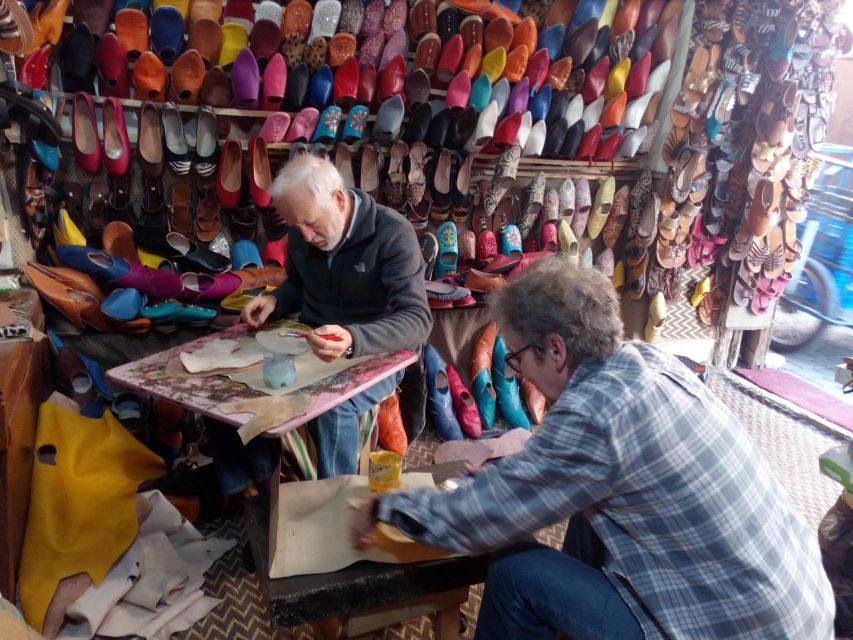
Each participant receives a pair of babouch after the workshop. The slippers are not a token craft project. They are made through the same basic process you have just learned, with the artisan helping to finish and adjust them.
The final stage can be the most satisfying. You see loose pieces become a wearable item, then check the fit and finish. You may also watch the artisan stitch faster than you thought possible. The speed is not a sign that the process is simple. It reflects years of repetition.
The finished pair also makes a sensible souvenir. Babouch are light, easy to pack, and connected directly to Marrakech’s craft tradition. They take up less room than pottery or a large textile, while offering a daily reminder of the time you spent in the Medina.
You may also be able to discuss other leather goods with the artisan. One participant arranged a bespoke belt based on a specific design and collected it several days later at a reasonable price. This is not listed as a guaranteed part of the activity, so consider it an optional conversation rather than part of the package.
Photographs taken during the session are emailed to you. That is a useful extra because your hands may be occupied during the best moments. Confirm that the provider has your correct email address before you leave.
How much value do you get for $81?
At $81 per person, this is not the cheapest way to obtain Moroccan slippers. If your only goal is a pair of babouch, the souks offer plenty of ready-made choices, often with room to negotiate.
The price makes more sense if you want three things at once: a private craft lesson, time with a local artisan, and a finished pair to take home. The package includes materials, tools, a guide, tea, snacks, water, photographs, and the slippers. You are paying for attention and access to the workshop, not just the leather.
The private-group format is a strong part of the value. You can ask questions, work at a comfortable pace, and request adjustments without being one person in a large class. It also suits families and couples who want to make matching or complementary pairs.
For a four-hour activity, the cost is reasonable for someone who values experiences over shopping. For a budget-conscious visitor who already plans to buy several pairs in the souks, it may feel expensive. I would book it for the craft lesson and personal connection, not as a bargain shopping strategy.
The listed duration is four hours, while the hands-on workshop is described as three and a half hours. The remaining time covers meeting the guide, walking through the Medina, and getting settled. Plan your day around a half-day activity rather than squeezing it between two tightly timed attractions.
Who will enjoy this workshop most?
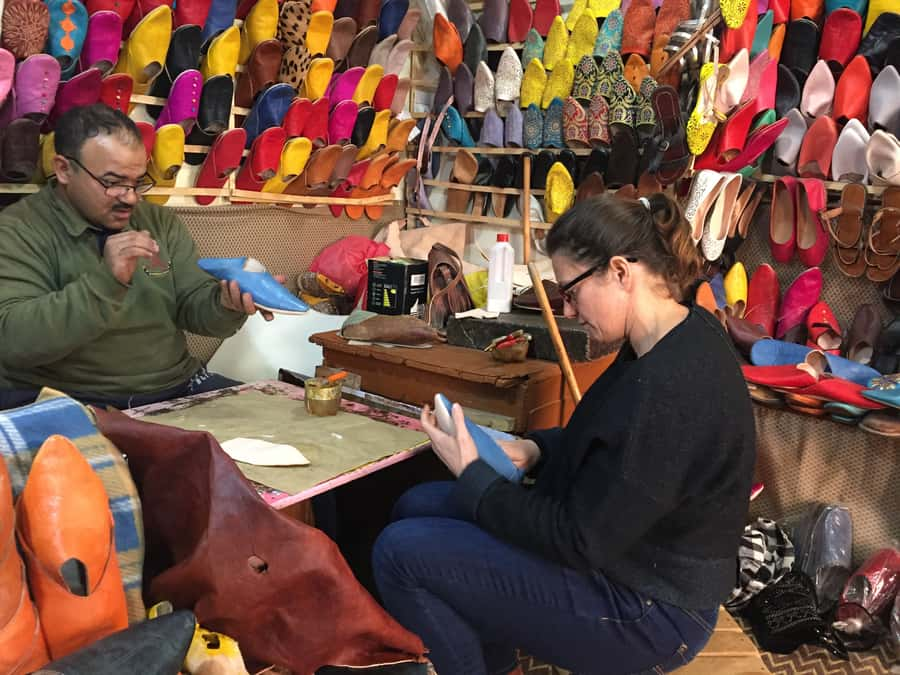
This suits curious visitors who like making things with their hands. You do not need previous leatherworking experience. The tools and materials are supplied, and the artisan guides you through the process.
It is also a good family activity. An 11-year-old took part in a session and enjoyed making babouch alongside an adult. Younger children may need more help, but the private format gives the guide and artisan room to adjust the pace.
Couples can make a his-and-hers set, and solo visitors can receive one-to-one attention if the private booking has no other participants. One solo participant ended up with individual instruction and still found the meeting-point mix-up manageable after being contacted by the guide.
I would recommend it to anyone who wants a calmer counterpoint to the Medina’s noise. You still experience the souks, but your focus shifts to leather, tools, conversation, tea, and the gradual construction of something useful.
It may not suit you if you dislike hands-on work, have very limited time, or want a polished shopping trip with no walking through the souks. The experience asks for patience and several hours of concentration.
Practical advice before you book
Book a morning session if possible. The workshop provides a gentle introduction to the souks before you spend more time exploring them on your own. After learning how the lanes connect, the rest of your day in the Medina may feel easier to manage.
Confirm the meeting point. The post office in Jamaa el Fna is the key landmark, but the Rue Bani Marine wording has caused confusion. Contact the activity provider before the start time and make sure you know where the guide will wait.
Keep your phone charged. You may need it to reach the guide, and the workshop photographs are sent by email. Comfortable clothing is sensible for a seated craft session, though no special equipment is required.
Allow room for the finished slippers in your luggage. The pair is included for every participant, and the whole point is to take home something you made. If you want another leather item, ask politely about options, but do not assume custom work or later collection is included.
The activity is offered with English, French, and Arabic instruction. A guide assists with translation, and Youssef has been able to communicate in English and French during sessions. If language is important to you, select the language you understand best when booking.
Cancellation is free up to 24 hours before the start for a full refund, and you can reserve now and pay later. The activity is listed as wheelchair accessible, but confirm the Medina route and workshop access if that is important for your plans.
Should you book the babouch workshop?
I would book this if you want more than a quick purchase in the souks. The strongest parts are the private setting, Youssef’s patient instruction, the chance to select leather and color, and the satisfaction of leaving with slippers fitted to you.
I would skip it if you have only a short stop in Marrakech or care mainly about finding the lowest price on footwear. The meeting point needs clearer directions, and four hours is a real commitment.
For most visitors with half a day available, this is a worthwhile craft experience. You learn how a familiar Moroccan product is made, meet a working artisan, enjoy tea and sweets, and take home a souvenir with a personal connection to the city.
FAQ
How long does the babouch workshop last?
The activity lasts four hours, with the practical workshop described as about three and a half hours.
How much does the experience cost?
The listed price is $81 per person.
Where is the meeting point?
Meet in front of the post office at Jamaa el Fna Square. The location is also described using Rue Bani Marine, so confirm the precise waiting spot with the provider.
Who leads the workshop?
The workshop is led by Youssef, a Moroccan leather artisan who works in his Medina studio.
What languages are available?
Instruction and guide support are available in English, French, and Arabic.
Is the group private?
Yes. The activity is listed as a private-group experience.
What is included in the price?
The price includes the workshop, one pair of babouch for each participant, materials and tools for the practical work, homemade snacks, water, a tea break, and photographs emailed after the session.
Can I choose the leather and color?
You can choose the style and color from the materials available at the workshop. The artisan then helps make and adjust the slippers to your size.
Is cancellation available?
You can cancel up to 24 hours before the activity for a full refund. The experience also offers a reserve-now, pay-later option.
Just added for Marrakech
- Marrakech: Tailor-Made City Tour With Your Own Private Guide★ 4.9 · 236 reviews
- Marrakech palm grove: Sunset camel ride★ 4.8 · 194 reviews
- Sparkling Marrakech through the eyes of your local Guide★ 4.7 · 247 reviews
- Quad Bike Activity in Marrakech Palmeraie★ 4.2 · 123 reviews
- Marrakech: Historical Discovery Tour★ 4.1 · 87 reviews
- Marrakech: Palm Grove Horseback Riding Tour★ 4.6 · 163 reviews
- Moroccan Food Cooking Class with a Local Chef in Marrakech★ 4.7 · 90 reviews
- Marrakech: Palmeraie Camel Ride & Traditional Moroccan Spa★ 4.7 · 145 reviews
Medina & Souk Tours, compared.
Bahia Palace, Saadian Tombs, Souk and Medina Tour
Read our review →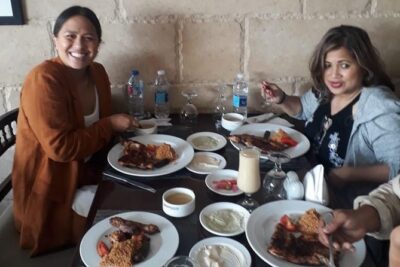
Cairo 8 Hour Private Tour of Pyramids, Egyptian Museum and Bazaar
Read our review →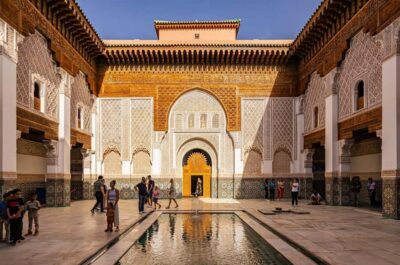
Ben Youssef, Secret Garden, & Souks Walking Tour
Read our review →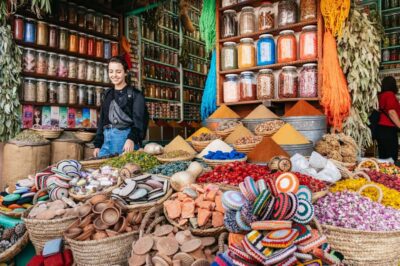
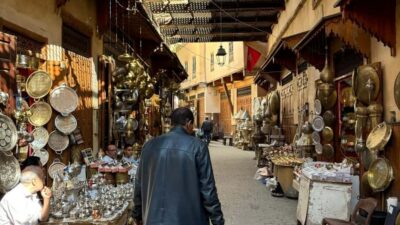
Saadian Tombs & Bahia Palace, Medina Guided Tour
Read our review →
Museum, Al Attarine Madrasa & Tannery and Medina Tour
Read our review →
Browse the lists this tour appears in