
Reviewed · ANIMAL SANCTUARIES
Monkeyland, Birds of Eden, Jukani – Animal Sanctuaries
Monkeyland lets you walk through a 12-hectare forest while more than 550 monkeys, apes, and lemurs move around you. Add the world’s largest free-flight bird aviary and a sanctuary for rescued lions, tigers, leopards, and jaguars, and you have a full day of wildlife with very different moods.
I like the close, natural primate viewing and the freedom to explore Birds of Eden at your own pace. I also like that the animals are presented as rescued residents, not performers. The main drawback is simple: all three sites involve walking, and Jukani can feel more enclosed and managed than the forest setting at Monkeyland.
Key points to know before you go
- Monkeyland houses more than 550 primates in a free-roaming, multi-species forest sanctuary.
- The 128-meter suspension bridge gives you a treetop view of the Monkeyland grounds.
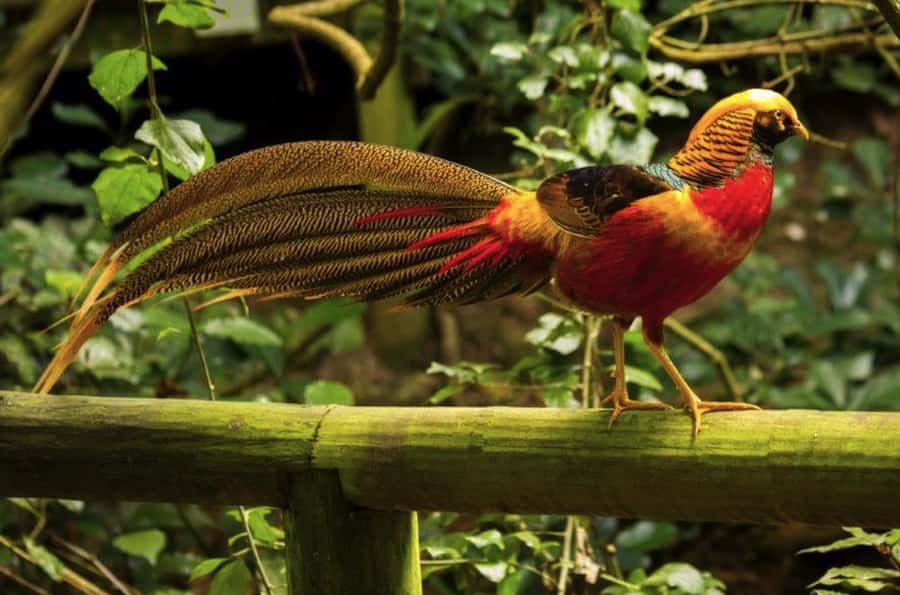
- Birds of Eden covers 2.3 hectares under a 3.2-hectare mesh canopy, with more than 220 bird species and subspecies.
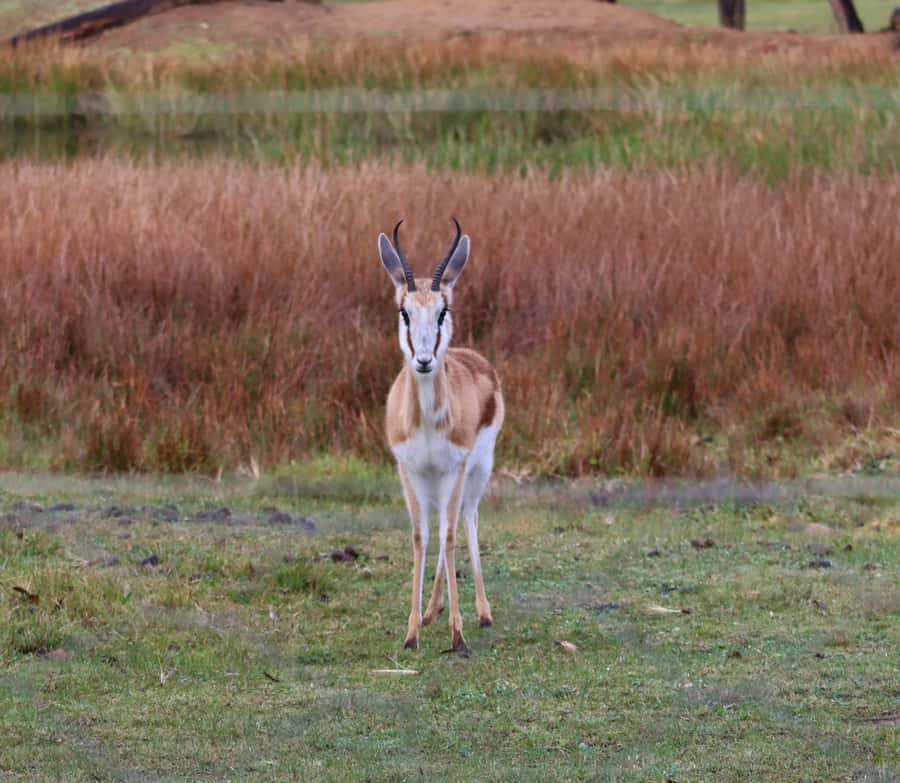
- Jukani’s 90-minute walk focuses on rescued big cats, along with hyenas, cheetahs, pumas, zebra, and springbok.
- Combination tickets cost less than buying entry to each sanctuary separately.
- Comfortable shoes matter, and a hat is especially useful at Jukani.
Three sanctuaries, three very different visits
These sanctuaries sit in South Africa’s Western Cape, in the Garden Route area. You can choose just one, combine two, or spend up to three days visiting all of them. That flexibility makes this less like a fixed tour and more like a wildlife day you can shape around your interests.
Monkeyland is the most guided and interactive in feel, though you are not allowed to touch the animals. Birds of Eden is quieter and self-directed. Jukani gives you a structured walk centered on large predators and the hard realities of keeping wild animals safe after rescue.
If you only have a few hours, choose based on your priorities. Monkeyland suits you if primates are the main reason you came. Birds of Eden is the best choice for patient birdwatching and photography. Jukani is the obvious pick if lions, tigers, cheetahs, and leopards are your priority.
The listed price is about $23 per person, though the final cost depends on which sanctuary or combination you select. A multi-site ticket is the better value if you already know you want to visit two or three places. Each site offers enough to fill several hours, and Birds of Eden or Monkeyland can take much longer if you stop often for photographs.
More Animal Sanctuaries in Garden Route:
- Agadir: Crocoparc Skip-the-Line Entry Ticket
★ 4.8 · 1,268 reviews - Nairobi: National Park & Optional Elephants & Giraffe Center
★ 4.8 · 874 reviews - Agadir: Crocoparc Entry Ticket with Transfers, Guide, & Tea
★ 4.8 · 596 reviews
Monkeyland: a forest built for rescued primates
Monkeyland’s central idea is easy to understand. It provides a permanent home for primates that were previously kept in captivity and gives them a more natural setting. The sanctuary covers 12 hectares of indigenous forest, with more than 550 apes, monkeys, and lemurs living in a multi-species, free-roaming environment.
You join a guided walk of about one hour. The guide points out the different primates, explains their behavior, and shares the stories of individual animals. That guide makes a real difference because a forest full of moving branches and distant calls can be hard to read on your own.
The best part is the sense of motion around you. Instead of seeing one animal behind a glass panel, you might watch primates travel through the trees, sit above the path, or call to one another from the forest. You need to keep your eyes moving and listen closely. This is not a parade of animals waiting beside a viewing platform.
The sanctuary also includes a 128-meter suspension bridge through the Monkeyland trees. It adds height and gives you a different view of the forest. The bridge itself may be a highlight if you enjoy canopy walks, though anyone uneasy with suspension bridges should take that into account before choosing this site.
Monkeyland is particularly good for families and first-time primate watchers because the guide adds structure and humor to the visit. You are not left to guess what you are seeing. The experience also helps explain why keeping intelligent primates as pets or display animals can cause serious problems.
Bring comfortable walking shoes, keep food and hands to yourself, and follow the rule against touching animals. The close views can tempt you to reach out, but the sanctuary is designed around observation rather than contact.
Tours are normally conducted in English. A French guide can be arranged at no added charge if you request one at least 48 hours ahead and provide your arrival time.
Birds of Eden: a 1.2-kilometer walk under one giant canopy
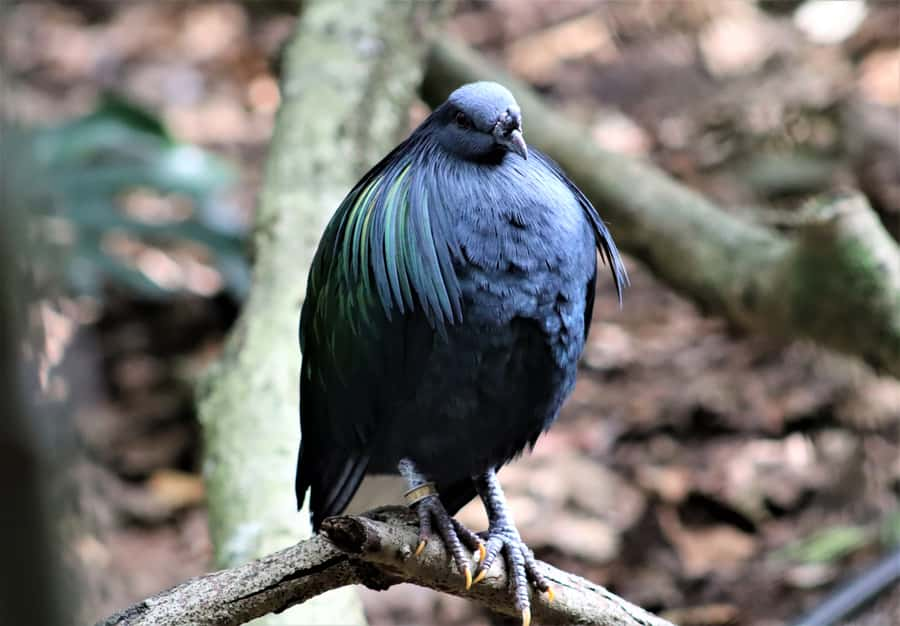
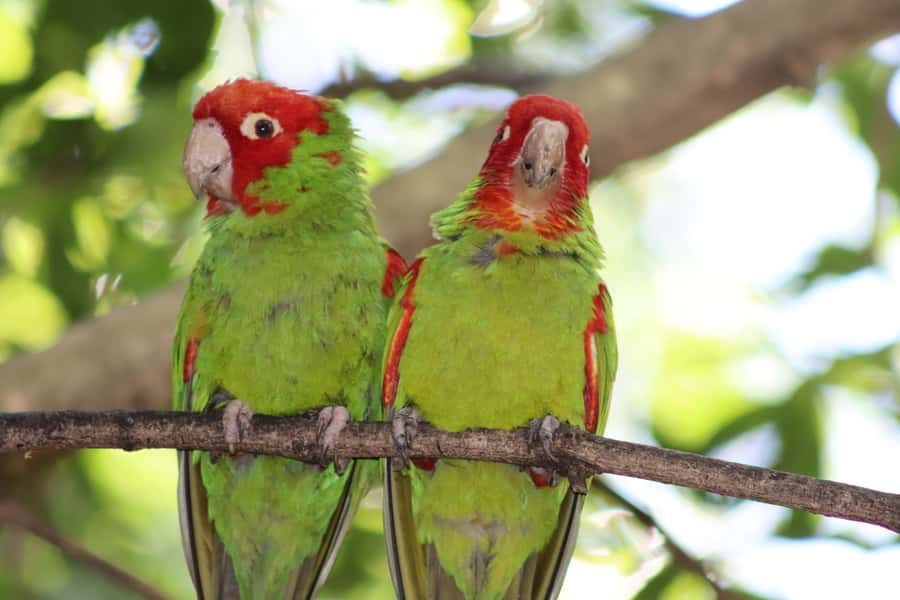
Birds of Eden is the most flexible stop. There is no required guided route, so you can walk at your own pace through a 1.2-kilometer network of paths. The free-flight aviary covers 2.3 hectares and is enclosed by mesh extending across about 3.2 hectares, reaching roughly 50 meters over the treetops.
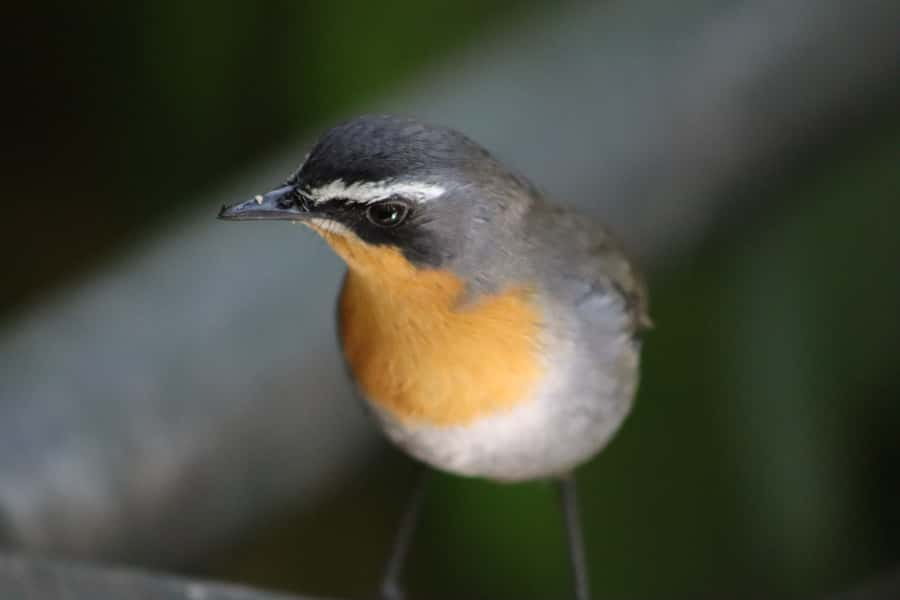
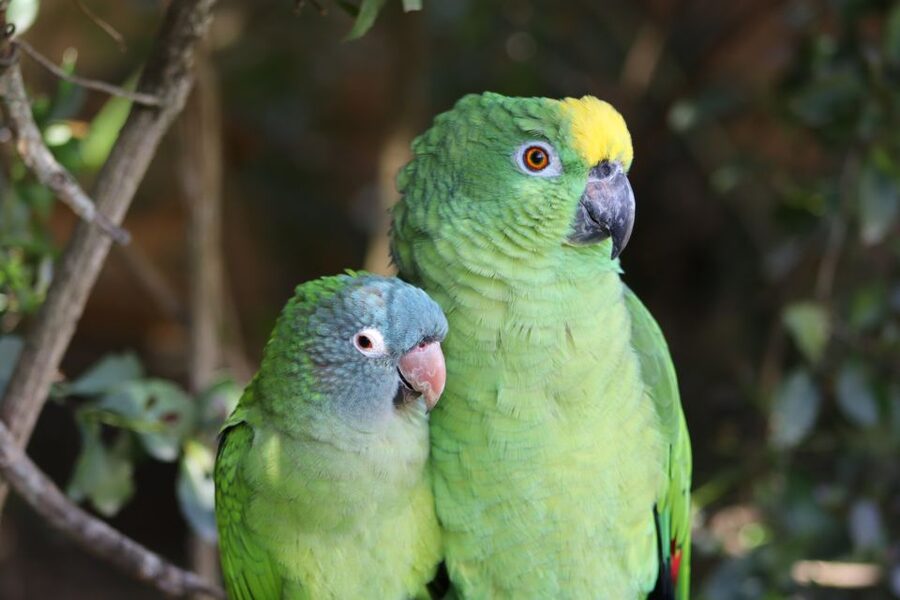
More than 220 bird species and subspecies live here, with a total population of over 3,500 birds. You might see parrots, parakeets, flamingos, cranes, waterfowl, starlings, robins, and several turaco species. The Knysna lourie is one of the local standouts, with a call that sounds surprisingly awkward for such an elegant bird.
The setting includes a deep gorge and waterfall, which gives the walk more variety than a simple row of aviary sections. You move between forest, open flight space, and water features while birds use the upper canopy and lower paths. The great height of the enclosure matters because it lets birds fly and move in ways a small cage cannot provide.
This stop rewards patience. If you rush through, you will see a lot of color but miss much of the behavior. Pause near quiet areas, scan the treetops, and listen before moving on. Binoculars are helpful, although not required.
Birds of Eden is also a good choice if your group has mixed interests. You can walk slowly with a camera, move quickly through the main route, or stop at viewpoints while someone else takes a break. Since the visit is self-guided, it is easier to fit into a busy day than a timed walking tour.
A guide can be arranged at no extra charge with 48 hours of advance notice and an arrival time. Guided visits are conducted in English. If you want help identifying birds or understanding the sanctuary’s work, arrange this ahead rather than expecting a guide on arrival.
Plan for more time than you might expect. The walk itself is 1.2 kilometers, but frequent stops can stretch the visit. Birds of Eden is the sanctuary most likely to reward a full unhurried day, especially if photography is important to you.
Jukani: rescued predators and a more managed setting
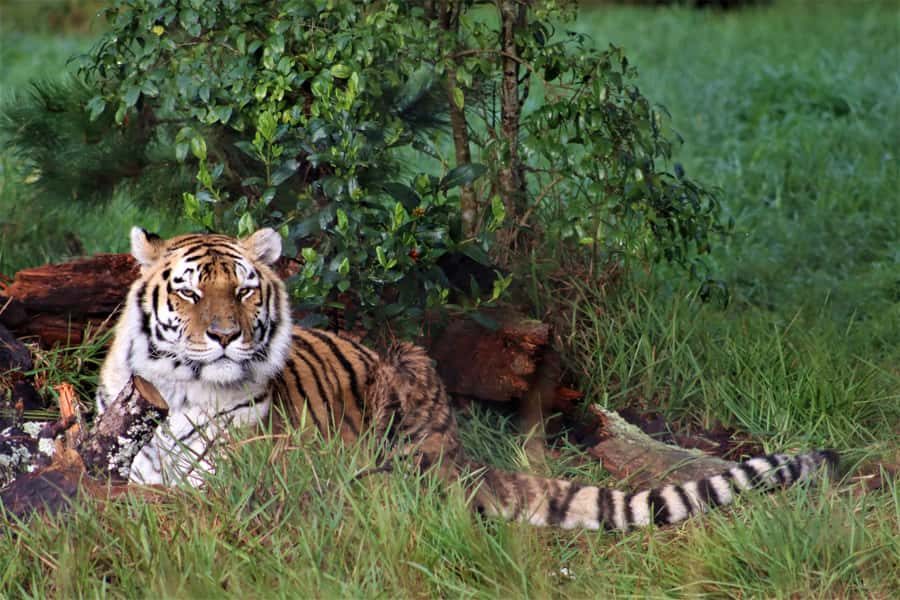
Jukani Wildlife Sanctuary focuses on large carnivores. You can see lions, tigers, leopards, jaguars, cheetahs, pumas, caracals, spotted hyenas, and a honey badger. Zebra and springbok add some herbivore variety, but the big cats are the main reason to come.
The visit includes a guided walking safari lasting about 90 minutes. The guide explains the animals and the sanctuary’s role in caring for creatures rescued or re-homed from facilities that could no longer look after them. Each enclosure is designed around the needs of its residents, with space for the animals to move and rest without public contact.
Jukani’s strength is access to species that are difficult or impossible to see in the wild on a short Garden Route visit. You can study the size and behavior of a tiger, watch the alert movement of a cheetah, or look for a puma in the trees. The viewing opportunities are strong for photography, but they remain controlled and managed.
That distinction matters. Jukani does not offer the same feeling of animals moving freely through a forest that you get at Monkeyland. Large predators require secure boundaries, and the setting can therefore feel more like a carefully built sanctuary than open wilderness. I would not treat that as a flaw, but you should choose it for its rescue work and close observation, not for a safari illusion.
A hat is advised at Jukani, especially for children. The walking route and outdoor exposure make sun protection useful. Binoculars can help, but you will often be close enough to see the animals without them.
Jukani can be the best match for children who want to see lions, tigers, and cheetahs, while adults may value the chance to learn how rescued predators are cared for. The visit also asks you to think about the choices that lead wild animals into captivity and the lifestyle changes that can reduce demand for harmful animal use.
A few more Garden Route trips worth putting side by side
- From Cape Town: 2-Day Safari at Garden Route Game Lodge
★ 4.8 · 928 reviews - Plettenberg Bay: Swim with Seals
★ 4.7 · 887 reviews - Addo Elephant National Park All Inclusive Full-Day Safari
★ 4.8 · 872 reviews - Knysna Ziplines Tour
★ 5.0 · 688 reviews
How to plan one day or three
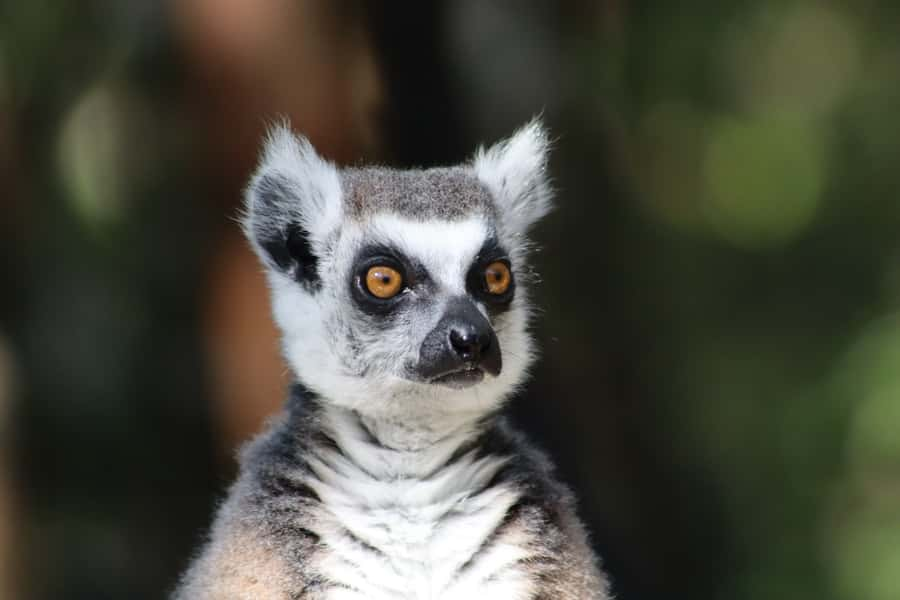
You can visit one sanctuary in a few hours, though each site can occupy most of a day if you walk slowly and stop for photographs. A one-day plan works best when you start early and choose two sites that complement each other.
Monkeyland and Birds of Eden make a natural pairing. The first gives you a guided primate walk in forest, while the second gives you a slower bird-focused route under a vast canopy. Add Jukani if you want a longer wildlife day with a stronger focus on predators.
If you have two days, split the visits rather than rushing through all three. Give Monkeyland and Birds of Eden their own time if your group enjoys nature photography. Put Jukani on the day when you want a fixed 90-minute walk and a clear focus on large mammals.
A three-day plan is useful for anyone who wants to spend a full day at each sanctuary. It also reduces the pressure to hurry past animals or skip the quieter parts of Birds of Eden.
There is no hotel pickup or drop-off included, so you need to arrange your own transport to the meeting point for the option you choose. The meeting point can vary depending on your booking. Check the exact location before setting out, especially if you plan to visit more than one sanctuary in a day.
Walking, access, and what to pack
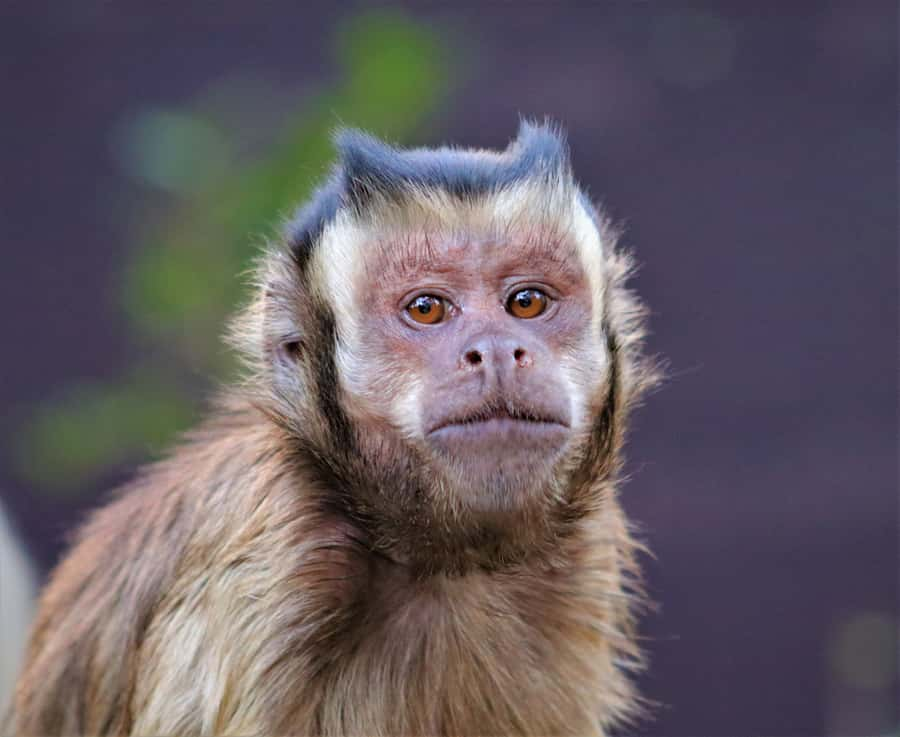
Wear sturdy, comfortable walking shoes rather than sandals. Monkeyland includes forest paths and a suspension bridge, Birds of Eden has a 1.2-kilometer walkway, and Jukani involves a 90-minute walking tour.
Bring a hat for Jukani, water, and a camera with enough storage. Binoculars are useful at Birds of Eden and Jukani but not essential. You cannot touch the animals, so the best photographs come from patience and a good viewing position rather than interaction.
The activity is wheelchair accessible, though the three sites have different paths and natural features. If you need specific access information for a particular sanctuary, confirm the details for your chosen option before arrival.
Food and drinks are not included. Plan around that, especially if you choose two or three sanctuaries in one day. The longer you stay at Birds of Eden or combine all three sites, the more important it becomes to arrange your own refreshments.
Booking, languages, and value
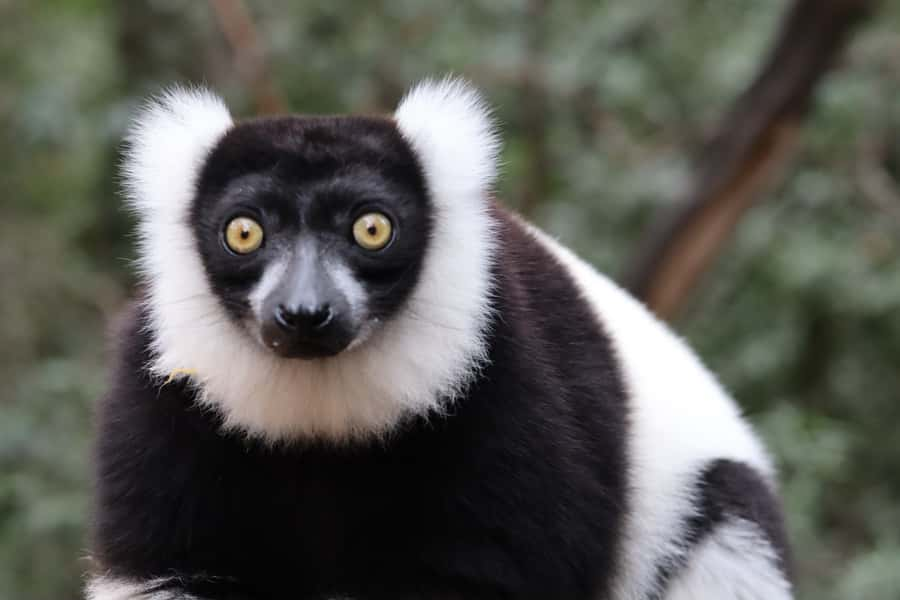
You can cancel up to 24 hours before the activity for a full refund, and reserve now while paying later. That is useful if your Garden Route schedule depends on weather or changing driving plans.
English is the standard language for guided tours. French is available at Monkeyland with 48 hours of advance notice and an arrival time. Birds of Eden can also arrange an English guide with advance notice, while Jukani tours are conducted in English.
Buying a combination ticket is the clearest way to save money. If you only want one sanctuary, the single-site price may still be fair because each one offers a distinct setting and several hours of possible viewing. If you already want all three, paying separately makes less sense.
It may also be possible to buy tickets at the entrance, allowing a spontaneous visit. Still, advance booking is safer if you need a French guide, a specific arrival time, or a combination option. One recent booking experience found that tickets purchased at the entrance allowed plenty of flexibility, but availability and exact terms can change.
Should you book Monkeyland, Birds of Eden, and Jukani?
Book this experience if you want a wildlife day that mixes education, photography, and sanctuary work rather than a traditional game drive. Monkeyland is the strongest choice for close primate viewing, Birds of Eden is the best fit for free-flying birds and an unhurried walk, and Jukani is the choice for rescued big cats.
Choose all three if you have enough time and enjoy walking. Choose two if you want good variety without turning the day into a race. If you only have time for one, I would pick Monkeyland for primates, Birds of Eden for bird lovers, and Jukani for anyone most interested in large predators.
The experience is not ideal if you expect to touch animals, feed them, or see wildlife in a completely unmanaged setting. It is a better match if you want to see animals that now have permanent care while learning why responsible choices matter.
FAQ
How many sanctuaries can I visit?
You can choose Monkeyland, Birds of Eden, Jukani Wildlife Sanctuary, or visit all three. The activity is valid for one to three days, depending on the option you book.
How long does each sanctuary visit take?
Monkeyland includes a guided tour of about one hour. Jukani includes a guided walking safari of about 90 minutes. Birds of Eden has a 1.2-kilometer self-guided walkway, and you can spend several hours or a full day there.
Are the tours offered in French?
French can be arranged at Monkeyland if you request it at least 48 hours in advance and provide an arrival time. Birds of Eden can arrange an English guide with advance notice. Jukani tours are conducted in English.
Is food included?
No. Food and drinks are not included, so you need to make your own arrangements.
What should I bring?
Wear comfortable walking shoes. A hat is advised at Jukani, especially for children. Binoculars can help at Birds of Eden and Jukani but are not required.
Can I touch the animals?
No. Touching the animals is not allowed at the sanctuaries.
Just added for Garden Route
- 5-Day Garden Route & Addo Adventure from Cape Town to Port Elizabeth★ 5.0 · 116 reviews
- 6-Day Garden Route & Addo South African Adventure from Cape Town★ 5.0 · 282 reviews
- 5 Day Garden Route and Addo Safari – Best of South Africa Small Group Tour★ 5.0 · 291 reviews
- 3 Day Garden Route’s Best Highlights with Safari from Cape Town★ 5.0 · 189 reviews
- 4 Day Garden Route Adventure & Safari★ 5.0 · 114 reviews
- 3 Day Garden Route Safari★ 5.0 · 177 reviews
- Cape Town: Garden Route and Addo Elephant Park 6-Day Safari★ 4.7 · 175 reviews
- Port Elizabeth: Schotia Game Reserve Safari with Port Pickup★ 4.5 · 263 reviews
Animal Sanctuaries, compared.
National Park & Optional Elephants & Giraffe Center
Read our review →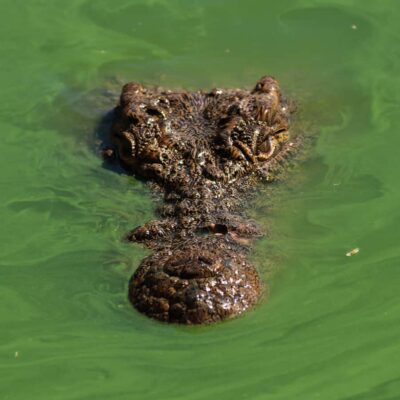
Crocoparc Entry Ticket with Transfers, Guide, & Tea
Read our review →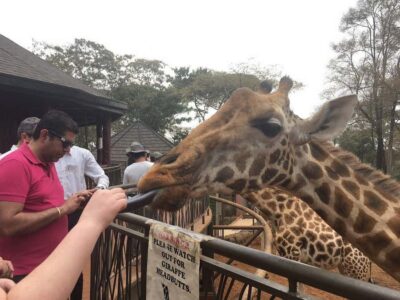
Elephant Orphanage and Giraffe Center Tour with Options
Read our review →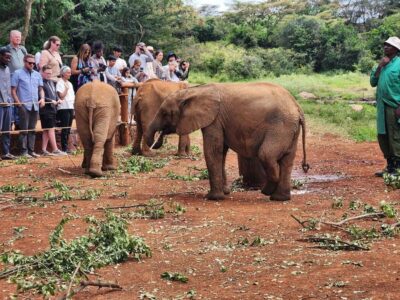
Nairobi National Park, Elephant Orphanage and Giraffe Centre
Read our review →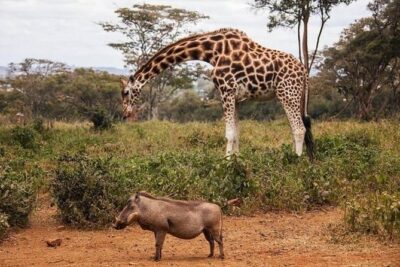
Tour: Giraffe Center and Nairobi National Park
Read our review →
Skip the Line Ticket to Crocoparc with Optional Transfert
Read our review →
Browse the lists this tour appears in