
Reviewed · FOOD TOURS
Port Louis: Street Food & City Tour
Port Louis reveals Mauritius best through its food. This small-group walking tour links the city’s Chinese, Indian, African, and French influences with the snacks people actually eat, from chili bites at Central Market to Hakka-style treats in Chinatown. You get history, street art, old buildings, gardens, and a full plate of local flavors in one outing.
I like the mix of food and place, since you are not just eating dishes without context. I also like the guide-led route through streets and food stalls you might skip on your own, especially when Dourvesh is leading and bringing in stories about history, plants, politics, and daily life. The main drawback is the walking: plan on several kilometers, hot pavement, and a tour that can run a little beyond four hours.
Key points to know before you go
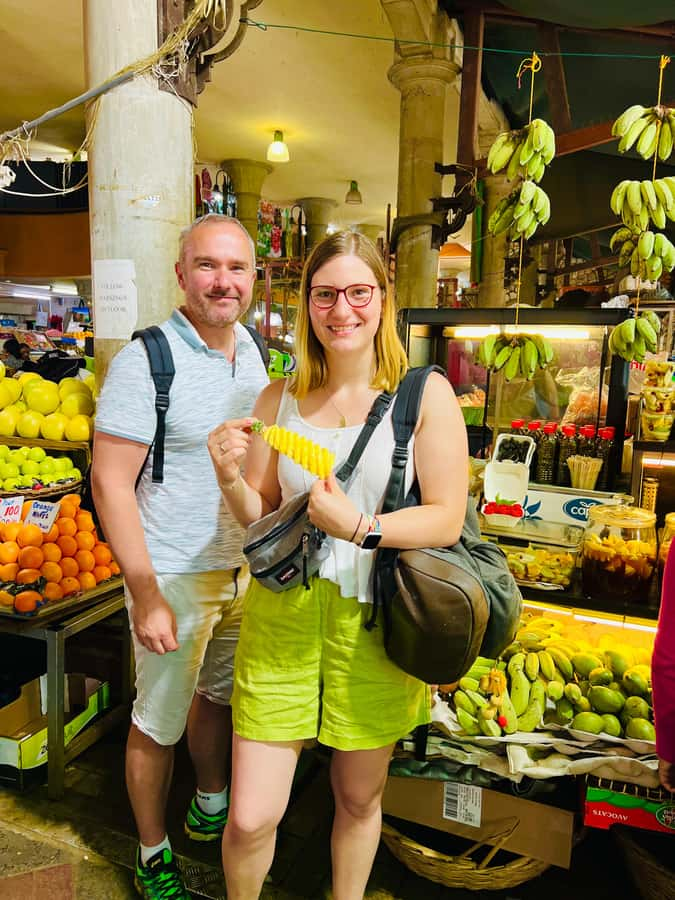
- Start at Caudan Waterfront: Meet in front of Le Casino, opposite Café LUX, and look for a guide wearing a black hat.
- Eat across several cultures: The tastings reflect Indian, Chinese, African, and Mauritian cooking traditions.
- Expect a full meal: You receive about 6 to 8 tastings, though some departures include more than 15 small foods, sweets, and drinks.
- See more than food stalls: The route includes a historical museum, Chinatown, Central Market, Company Garden, temples, old buildings, and street art.
- Bring sun and rain gear: Comfortable shoes, sunscreen, a hat, water protection, and light clothing matter in Port Louis.
- Best for curious walkers: This suits people who want local food and city context more than a quick sightseeing loop.
Why food is the best introduction to Port Louis
Mauritian cuisine makes sense once you see the island’s many connections. Indian cooking contributes spices, fried snacks, breads, and vegetarian dishes. Chinese communities shaped the food of Port Louis, especially in Chinatown. African and Creole influences add another layer, while French customs remain part of the city’s wider story.
This tour uses food as the thread. You stop, taste, and then learn how the dish fits into Mauritian life. That approach works well because a snack becomes easier to remember when you know who made it, where it is sold, and how it relates to the island’s past.
The tour costs $42 per person and lasts about 210 minutes. That is a fair price if you value a meal-sized amount of food, a local guide, and several hours of sightseeing. You are not paying for transport or hotel pickup, but you are getting tastings, tropical fruit, a milkshake or juice, and bottled water. For many people, the food alone can replace lunch.
The strongest value comes from combining several activities. A museum visit, market walk, Chinatown stop, garden, street art, and food tour would take planning to assemble on your own. Here, the route is handled for you, and the guide can explain what you are seeing as you move through the city.
More Food Tours in Port Louis & the North:
- Port Louis: Street Food & City Tour
★ 4.7 · 518 reviews - Port-Louis Street Food Tour
★ 5.0 · 264 reviews - Mauritius: Port Louis Street Food Walking Tour
★ 4.5 · 93 reviews
Beginning at Caudan Waterfront
The meeting point is in front of Le Casino at the Caudan Waterfront, opposite Café LUX. It is a practical place to begin because the waterfront gives you an easy reference point in Port Louis.
Look for the guide in a black hat. The tour returns to Le Casino, so you finish where you started rather than needing to find your way back across the city.
The first stretch includes orientation and history before the main food stops. That means you may need to arrive ready for a little walking and listening before your first bite. A light breakfast two or three hours before the tour is a smart plan. Several hours of tasting lie ahead, but the first food may not come immediately.
The museum stop and Mauritius in context
The historical museum visit gives the food some meaning. The route may include the Aapravasi Ghat Centre, which focuses on indentured immigration and helps explain how people from different parts of the world came to Mauritius.
This is one of the most worthwhile parts of the experience. The food is fun, but the island’s cuisine did not appear by accident. It grew from migration, trade, colonial rule, religion, and contact between communities. A museum stop keeps the tour from becoming a simple list of snacks.
The guide explains how those communities shaped modern Mauritius. You can ask questions as you go, and the small group, limited to 10 people, makes that easier than on a large coach excursion.
The museum also adds a quieter pause before the market streets. If you prefer nonstop eating, this may feel like a delay. I see it as useful preparation, especially if this is your first real introduction to Mauritian history.
Chinatown and the Chinese side of the city
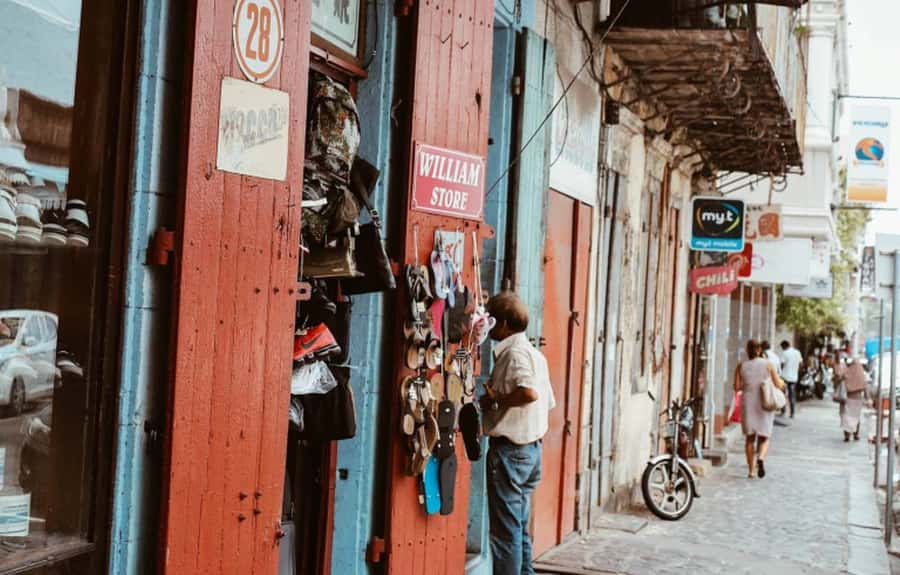
The route continues through the gates of Chinatown. Here, the focus turns to food linked to Hakka Chinese cooking and to the long-standing Chinese presence in Port Louis.
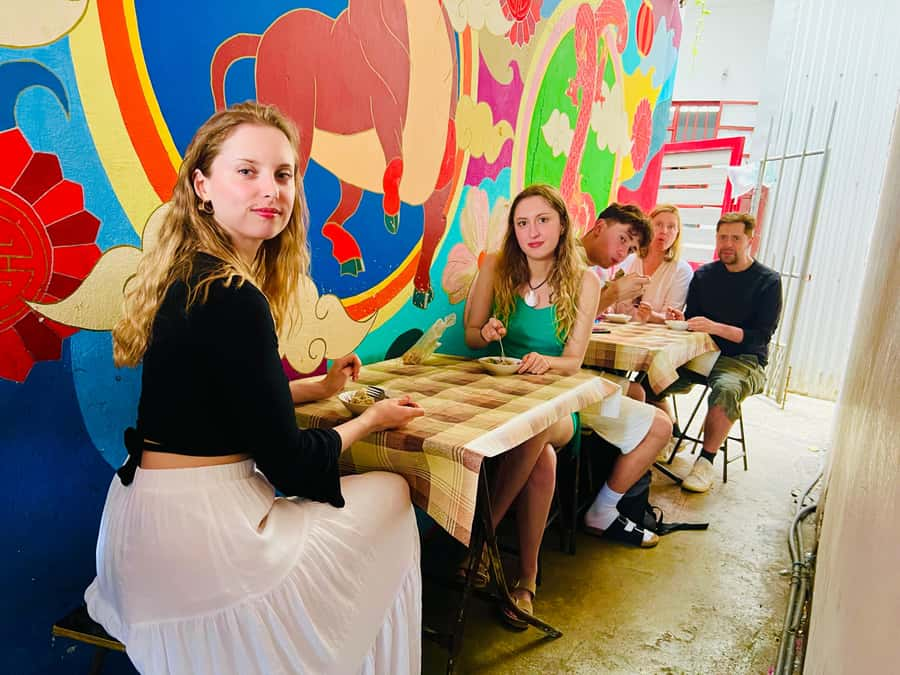
Chinatown is a good place to watch how food survives and changes in a city. You may see small shops, street art, old façades, temples, and food counters close together. The guide points out places that are easy to miss if you stay on the main sightseeing streets.
The Chinatown tasting is a favorite stop for many people, and it is easy to understand why. Chinese-Mauritian food is part of the everyday character of Port Louis, not just a restaurant category created for visitors. Small bites can tell you more about the city than a polished dining room does.
The food itself varies by departure and season. The tour promises roughly 6 to 8 tastings, but the actual number can be higher. One detailed experience included more than 15 foods, sweets, and drinks. Treat the published number as a guide rather than a strict limit.
More City Tours in Port Louis & the North:
- Casablanca City Tour with Hassan II mosque ticket
★ 5.0 · 2,480 reviews - Cape Town Hop-On Hop-Off City Tour with Optional Cruise
★ 4.5 · 1,793 reviews - Cairo: Female-Guided Pyramids, Sphinx & Museum City Tour
★ 4.8 · 1,614 reviews - Marrakech: Private Guided Half-Day City Tour
★ 5.0 · 1,249 reviews
Central Market and the city’s best food lesson
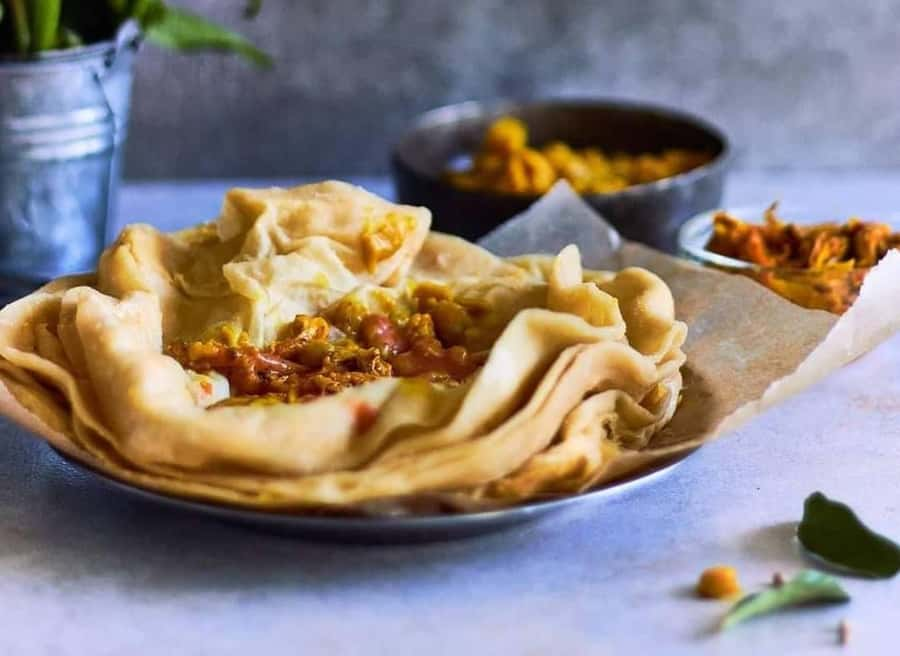
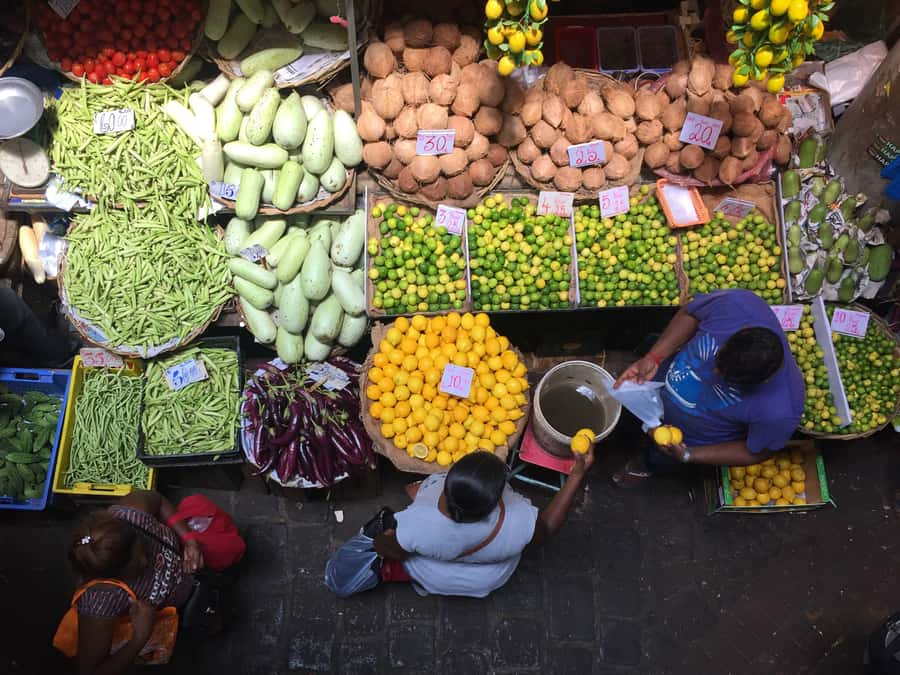
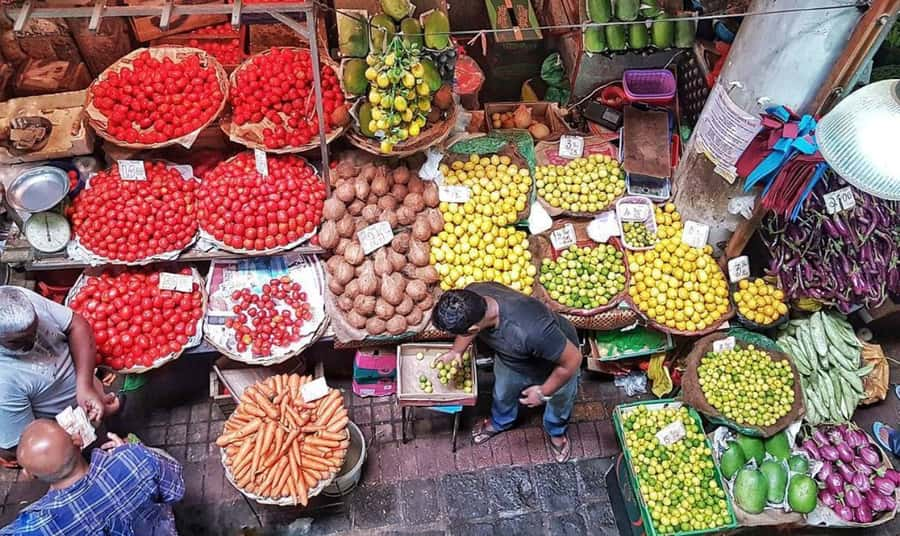
Central Market is where the tour becomes especially lively. It is one of the best places in Port Louis to see food as part of daily life, with produce, prepared snacks, and local shoppers sharing the same space.
The standout tasting is gato pima, a fried chili bite made from soaked split peas, spring onions, and green chilies. The texture is crisp outside and soft inside, with a sharp kick that arrives quickly. If you do not usually eat spicy food, ask the guide about the heat before taking a large bite.
You also try tropical seasonal fruit. The fruit may come with an optional sauce, adding a sweet, sour, or spicy edge depending on what is available. This is a useful contrast with the fried foods and helps break up the heavier tastings.
The market can be crowded and hot. Stay close to the guide, keep your belongings secure, and do not expect a calm sit-down meal. The point is to sample food where people buy and eat it, not to receive restaurant-style service.
What you actually eat along the way
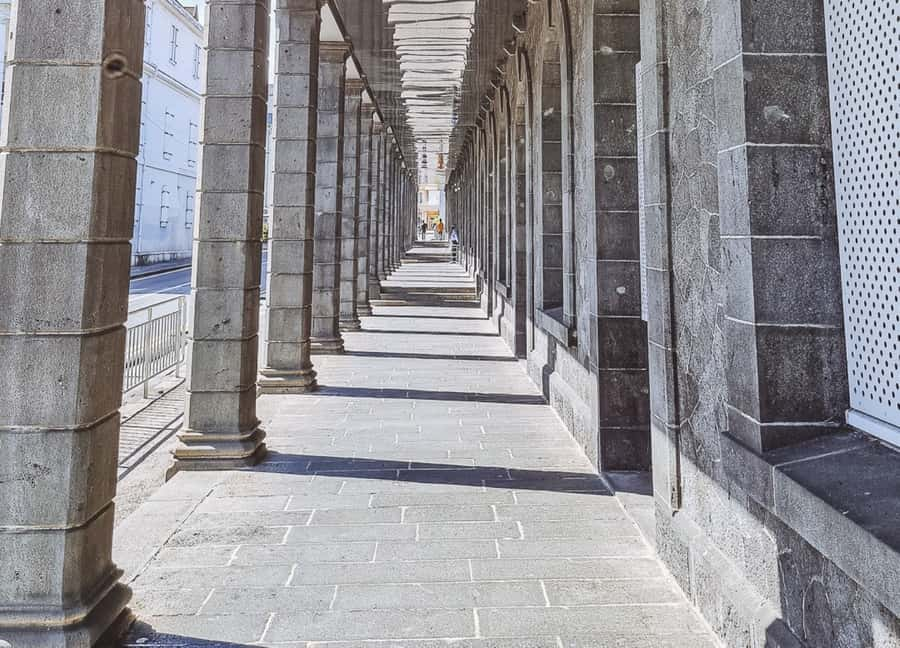
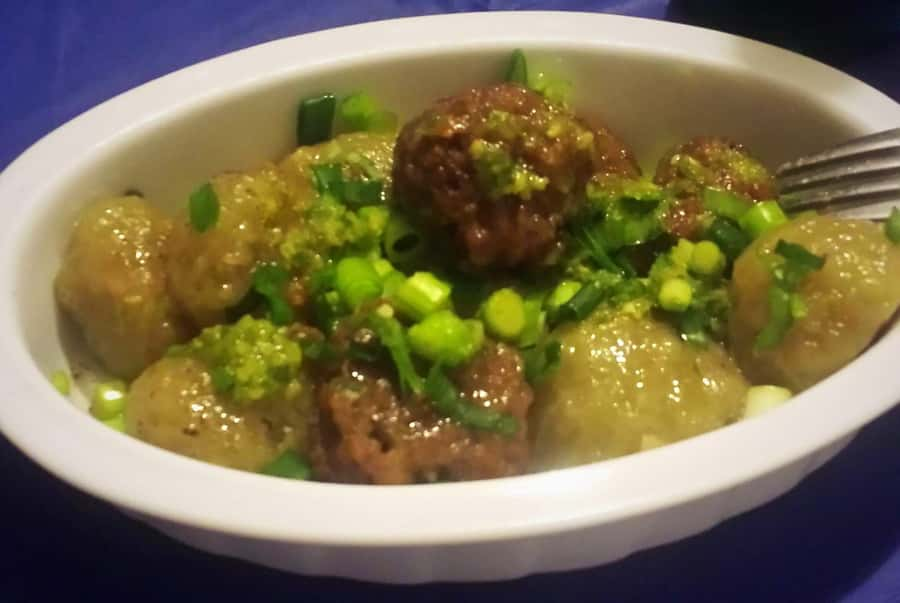
The exact menu changes, so you should not book this expecting a fixed tasting card. You can expect a mixture of savory bites, fried foods, sweets, fruit, and a drink.
The tour includes all food tastings, fresh tropical fruit, a milkshake or juice, and a bottle of water. Vegetarian food is available, and the guide has accommodated vegetarian and vegan participants. Still, tell the guide about dietary needs before the tour begins. One vegetarian participant found that a stop offered no substitute beyond leaving out the meat or fish.
That detail matters. Dietary accommodation appears possible, but it may not mean a separate replacement dish at every stop. If you are vegan, vegetarian, or have allergies, ask clearly about each tasting rather than assuming every stall can adapt.
You should also plan to eat lightly beforehand, not arrive starving. The food comes in stages, and the walking between stops takes time. By the end, many people are full enough to skip lunch. The tour is generous, but that generosity can become a problem if you have eaten a large breakfast.
Company Garden, old buildings, and street art
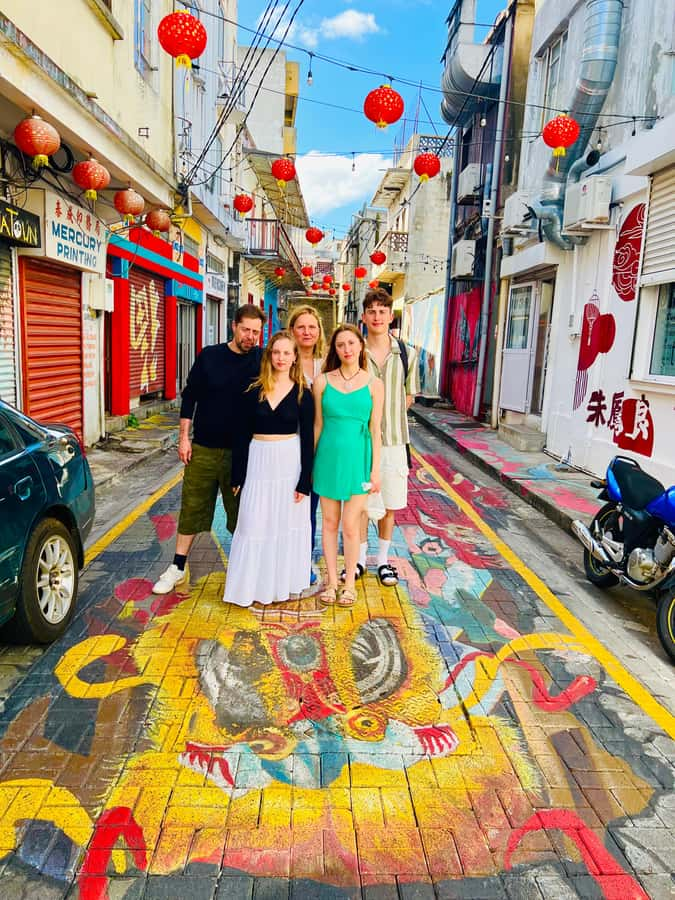
The tour is not confined to markets. Along the way, you walk through a garden with large trees and hanging roots, pass old buildings, and see parts of Port Louis that are easy to overlook from a vehicle.
The garden offers a welcome change from hard pavement and busy streets. It also gives the guide room to talk about plants and the city’s setting without competing with market noise.
Street art adds a modern note. The route can include bold murals and smaller works tucked along side streets. This part makes the walk feel less like a standard heritage circuit. You see a city that is both old and current, with artistic expression appearing beside historic structures.
Temples and other cultural landmarks may also form part of the walk. The exact order can change, but the overall pattern remains: move through different quarters, stop for food, and connect each area to the communities that shaped it.
The guide makes the difference
A food tour needs more than someone who knows where to buy snacks. The guide must explain what you are eating, judge the pace, watch the group, and make a busy city feel manageable.
Dourvesh receives especially strong praise for his relaxed manner and wide knowledge. He has been described as easy to understand, patient with questions, and good at bringing together food, history, plants, politics, street art, and local life. That range matters because Port Louis is not a museum set. It is a working city.
A good guide also helps with small practical points: which bite to try first, how spicy a dish may be, where to stand in a crowded market, and how to keep the group moving without rushing. The limit of 10 participants supports this kind of personal attention.
The guide speaks English or French. If you are hoping for a highly scripted tour with exact timing at every stop, this may feel informal. If you prefer conversation and the freedom to ask questions, that informal style is a strength.
Walking, heat, rain, and the real pace
Three and a half hours is the advertised duration, but some departures take just over four hours. The route covers a good portion of Port Louis on foot, and one participant estimated more than 5 kilometers.
You should wear comfortable walking shoes, not beach sandals with little support. Bring sunscreen, a sun hat, comfortable clothing, and an umbrella or rain gear. Port Louis can be hot, and tropical rain can arrive without much warning. A small parasol can be useful if you are sensitive to strong sun.
Rain does not necessarily ruin the experience. The route still includes covered food stops and indoor visits, but you should be prepared to walk in wet conditions. The tour does not provide hotel pickup or drop-off, so allow extra time to reach Caudan Waterfront and to return to your own accommodation afterward.
This is not the right choice for someone who wants a slow, seated food experience. It is a walking tour with repeated stops, not a restaurant crawl with long breaks.
Who gets the most from this tour
I would choose this tour early in a Port Louis visit. It gives you a working map of the city, shows you where Chinatown and Central Market are, and helps you recognize foods you may see again during your stay.
It suits first-time visitors, food lovers, history-minded people, couples, families with older children, and anyone who wants a guided introduction without a large group. The small size makes it easier to ask questions and easier for the guide to manage dietary needs.
It may suit vegetarians and vegans, but you should state your needs in advance and confirm what can be substituted. It is less suitable for people with serious food allergies unless the guide and food vendors can confirm ingredients at every stop.
The tour also rewards an open attitude. You may eat standing up, try foods you cannot identify at first glance, and walk through ordinary streets rather than polished attractions. That is the point, but it will not suit everyone.
Booking details and overall value
The price is $42 per person, with food and drinks included. You can cancel up to 24 hours before the start for a full refund, and the reserve-now, pay-later option keeps your plans flexible.
There is no hotel transfer, so the price stays focused on the walking experience rather than transportation. Given the amount of food, the guide, museum visit, market route, and several hours of sightseeing, I consider it good value.
The main cost is physical rather than financial. You give up part of a day, walk several kilometers, deal with heat or rain, and may finish very full. Bring cash if you want to leave a tip, since one participant wished they had money available for an especially helpful guide.
Should you book the Port Louis food tour?
Book it if you want a first look at Port Louis through food, history, and local streets, and if several hours of walking sound enjoyable. The strongest parts are the guide-led explanations, the Central Market tastings, Chinatown, the museum context, and the sheer amount of food included.
Skip it if you want a fixed menu, a short route, a seated meal, or a tour with no weather exposure. For most curious visitors, though, the combination is hard to match for $42. Start with a light breakfast, wear proper shoes, bring sun and rain protection, and arrive ready to taste more than you expect.
FAQ
Where does the Port Louis street food tour start?
It starts in front of Le Casino at the Caudan Waterfront, opposite Café LUX in Port Louis. The guide wears a black hat.
How long does the tour last?
The stated duration is 210 minutes, or three and a half hours. Some departures may run a little longer than four hours.
How many food tastings are included?
The tour includes approximately 6 to 8 food tastings. The exact amount can vary, and some departures include more than 15 foods, sweets, and drinks.
Is a drink included?
Yes. The tour includes a milkshake or juice, fresh tropical fruit, and a bottle of water.
Which languages does the guide speak?
The live guide speaks English or French.
Is this a small-group tour?
Yes. The group is limited to 10 participants.
Can vegetarians or vegans join?
Vegetarian and vegan food can be accommodated, but you should tell the guide in advance. A substitute may not be available at every food stop.
Just added for Port Louis & the North
- Private Full Day Tour of Port Louis and Northern★ 4.5 · 92 reviews
- Mauritius: Port Louis Street Food Walking Tour★ 4.5 · 93 reviews
- Mauritius: Photoshoot at Mont Choisy Beach★ 4.9 · 124 reviews
- Ilot Gabriel: Catamaran Cruise & BBQ Lunch★ 4.5 · 139 reviews
- Mauritius: Exclusive South West Tour★ 4.8 · 523 reviews
- Mauritius: Full Day Tour of the North with Hotel Transfer★ 4.7 · 330 reviews
- Port Louis: Mont Choisy, Botanical Garden, and Church Tour★ 4.7 · 268 reviews
- Mauritius: Port Louis and Northern Highlights Full-Day Trip★ 4.3 · 161 reviews
Food Tours, compared.
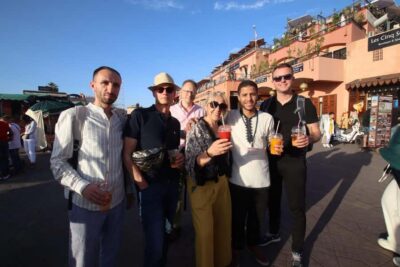
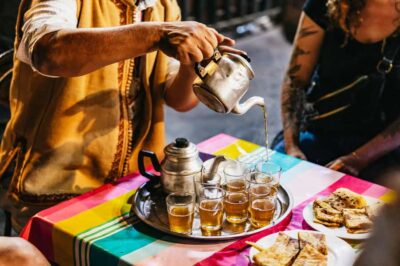
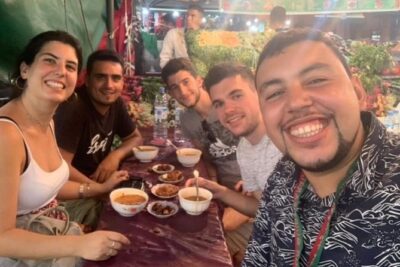
Authentic Moroccan Food Tour in Marrakech with Dinner
Read our review →

Boa Vista: Shark, Turtles, Cave, Sandboarding & Tasting Tour
Read our review →Browse the lists this tour appears in