
Reviewed · ETHIOPIA TOURS
3 Days Danakil Depression Tour
The Danakil Depression is one of Ethiopia’s most unusual trips: a place of lava, salt, sulfur-colored ground, camel caravans, and heat that makes ordinary desert travel look easy. The centerpiece is Erta Ale, a volcano reached by a long drive and a strenuous walk, followed by the salt-mining country around Dallol and Lake Assal.
I like the way this trip joins two very different sides of the Afar region. You get the raw volcanic craters of Erta Ale, then see salt cut from the earth and loaded onto camels at Ragad. I also like that the $450 price includes permits, entry fees, transport, camping meals, and a small group capped at 10 people.
The catch is that this is not a comfortable sightseeing holiday. The schedule includes long vehicle journeys, basic conditions, serious heat, and moderate physical effort. Communication can be uneven, and past trips have included vehicle tire problems, so you should book this as a demanding expedition with practical expectations.
Key points to know before booking
- Erta Ale requires real effort: The volcano is reached by a long drive to Dodom, followed by a difficult walk to the crater area and an early morning return.
- The lava lake may look different: Erta Ale has long been known for a permanent lava lake, but recent activity at the flank eruption has slowed and conditions can change.
- Dallol is below sea level: At about 116 meters below sea level, this is one of the lowest places on Earth, with colorful salt formations shaped by volcanic activity.
- Afar salt mining is still active: At Ragad, you can see salt broken from the ground, cut into blocks, and carried by camel caravans.
- The package covers the basics: Transport, permits, entrance fees, two dinners, three lunches, and two breakfasts are included.
- The trip is rustic and hot: Expect a rugged setting rather than polished accommodation, and prepare for heat, dust, rough roads, and limited personal services.
Why the Danakil Depression feels like another planet
The Danakil Depression lies in the northern part of Ethiopia’s Afar Triangle, where three tectonic plates are pulling apart. That geological setting helps explain the region’s odd mix of volcanoes, salt flats, hot ground, mineral colors, and deep basins.
You do not come here for a single famous viewpoint. The appeal is the contrast between several harsh environments packed into three days. One morning you may be looking into volcanic craters. Later, you may watch workers cut salt from the ground and load it onto camels.
The region is also culturally important. The salt trade is not a staged performance. At Ragad, local workers break up the salt, shape it into rectangular pieces, and prepare it for transport. Walking with Afar people and watching the camel caravans gives the trip a human side that a quick photo stop would miss.
Still, the setting demands respect. Heat, dust, long drives, and rough access roads can make even short walks tiring. You should be comfortable with a moderate level of physical activity and with conditions that may be basic.
More three-day trips from Ethiopia:
- From Marrakech: 3-Day Merzouga and Sahara Desert Tour
★ 4.9 · 15,308 reviews - From Marrakech: Merzouga 3-Day Desert Safari with Food
★ 4.7 · 12,232 reviews - 3 Days Desert Tour From Marrakech To Merzouga Dunes & Camel Trek
★ 5.0 · 10,125 reviews
Day 1: the long road to Erta Ale
The first day begins around 9:00 a.m. with a drive toward Dodom, the settlement at the base of Erta Ale. The full day is listed at roughly 12 hours, and much of that time is spent getting across remote terrain.
Erta Ale means smoky mountain in the Afar language. It is a shield volcano with a base about 30 kilometers across and a summit caldera roughly one kilometer square. The volcano rises to about 613 meters and has several crater structures.
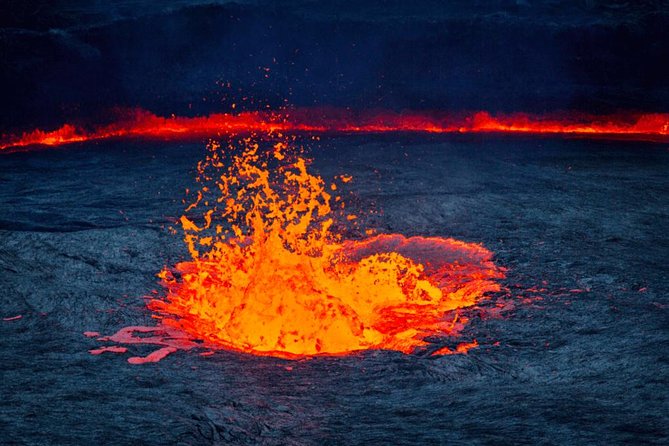
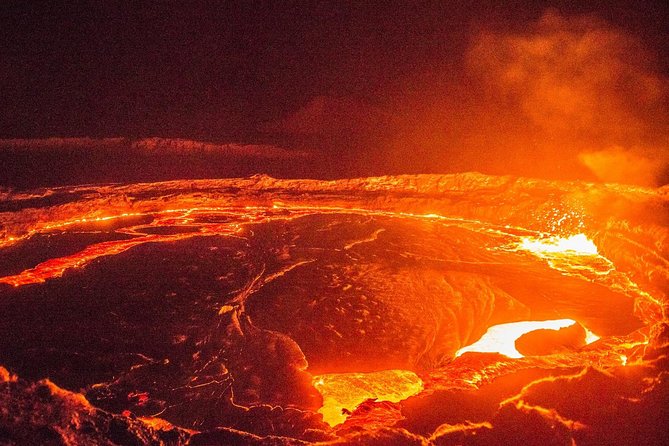
The main attraction is the summit crater. Erta Ale has long been associated with one of the world’s permanent lava lakes, one of only a small number known worldwide. The activity is not fixed, however. The lava lake may be less active than older descriptions suggest, and activity around the flank eruption has slowed.
That point matters. You should not book this expecting a guaranteed wall of glowing lava. Volcanic conditions change, and the experience depends on what is active and visible during your visit. The crater, volcanic ground, and remote setting remain the main draw even if the lava is subdued.
The physical challenge begins after the drive. The route from Dodom to the volcanic area involves walking in demanding conditions, usually in darkness or low light for part of the approach. The schedule is built around reaching the volcano, spending time near the crater, and staying overnight in the area.
The exact arrangement can vary with weather, volcanic conditions, local decisions, and the pace of the group. Ask the operator before departure how the current route is being handled, how far the walk is expected to be, and what sleeping setup is planned.
Day 2: crater views, breakfast, and Lake Afrera
Day 2 starts early with sunrise near the northern crater, which corresponds to the main pit crater. The southern and central pits are about a five-minute walk away. The main crater is described as around 200 meters deep and 350 meters across, with a sub-circular, three-tiered form.
A smaller southern pit is about 65 meters wide and roughly 100 meters deep. These measurements help you understand the scale, but they do not tell the whole story. The real effect comes from standing beside a huge volcanic depression in a place with almost no development around it.
The group is expected to descend from Erta Ale around 9:00 a.m., with an earlier departure from the crater area around 7:00 a.m. when possible. Breakfast is served before or around the descent, and the goal is to reach camp by about 10:30 a.m.
This timing is useful because the heat becomes a major factor as the day progresses. Starting early gives you a better chance to walk in cooler conditions, but it also means little sleep. If you struggle with steep or uneven ground, the early morning descent may feel harder than the ascent.
After time to rest at camp, the program may continue toward Lake Giulietti, also called Lake Afrera. This portion is marked as optional and may not be available during some seasons or on some departures. Do not treat it as a guaranteed part of the trip without checking before you pay.
Lake Afrera adds another type of scenery to the route, but the main volcanic and salt areas are the stronger reason to choose this tour. If the lake visit is not possible, the day still centers on the Erta Ale return and the transition toward the Danakil sites.
The second day is also a good test of your expectations. You are not moving from one comfortable hotel to another. You are resting at camp, eating simple included meals, and continuing through a remote region by vehicle. That is part of the appeal, but it is also why this trip suits adventurous visitors better than comfort-focused holidaymakers.
Day 3: salt workers, camel caravans, and Dallol
The final day begins with a drive to Ragad, also called Asebo, where salt is mined. This is one of the most grounded and memorable parts of the tour because the work is visible at close range.
You can watch salt being broken from the ground, cut into rectangular blocks, and loaded onto camels. The camel caravans connect the mineral-rich floor of the depression with a long-standing local trade. The activity gives meaning to the white salt flats, which could otherwise seem like a purely geological curiosity.
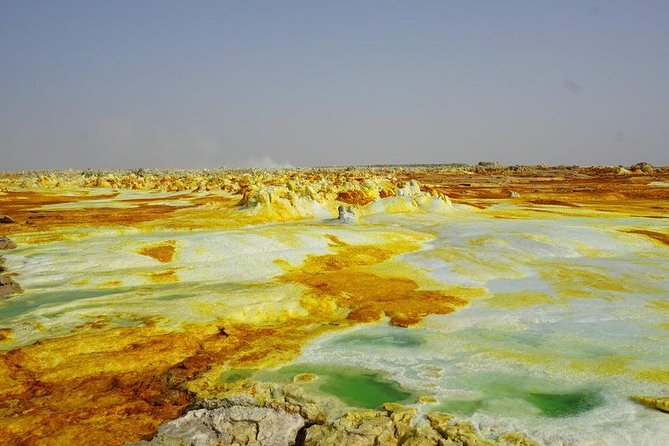
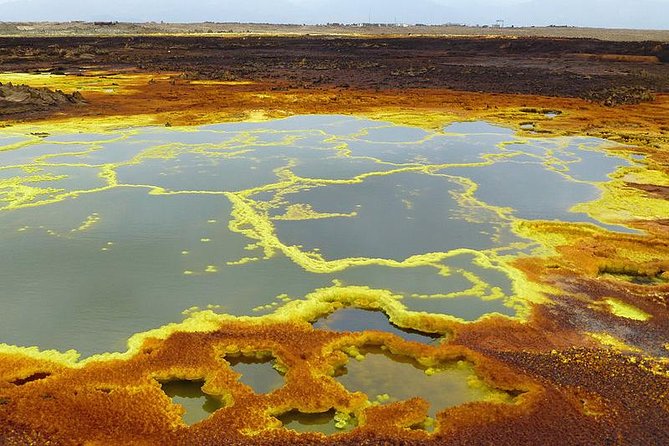
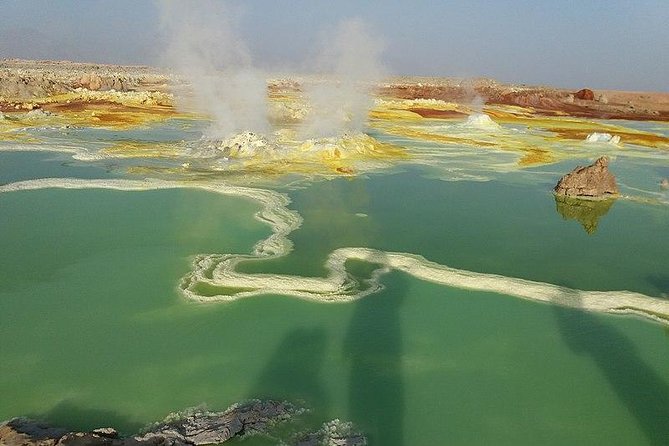
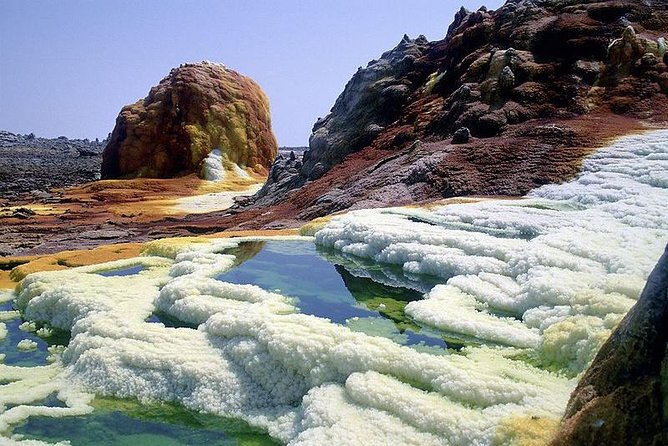
The route then continues to Dallol, one of the lowest places in the world at around 116 meters below sea level. Volcanic activity has produced unusual colors and salt formations. The exact appearance can change with conditions, but you can expect a strange mix of mineral crusts, bright tones, and rough salt ground.
Dallol is photogenic, but this is not a place where you should wander casually. Stay with the guide and follow local instructions. The ground can be uneven, and the heat adds to the physical strain. The area’s beauty comes with a clear need for care.
The day also includes Lake Assal and the chance to follow camel caravans. Camel caravans are not present in July, August, or early September, so the timing of your visit matters. If this sight is important to you, ask for confirmation before booking your dates.
The schedule ends with a drive back to Semera, followed by a flight to Addis Ababa. The day is listed at about 12 hours, so do not plan an important evening connection or a tightly timed onward itinerary without allowing room for delays.
A few more Ethiopia trips worth putting side by side
- Full Day Tour of Addis Ababa with Hotel Pickup and Drop-off
★ 5.0 · 430 reviews - Taste of Ethiopia
★ 5.0 · 406 reviews - Day Trip From Addis Ababa See Historical Monastery,Stunning Nature,Animals,Birds
★ 5.0 · 303 reviews - Addis Ababa: Debre Libanos, Blue Nile Gorge, and Cave Tour
★ 4.5 · 256 reviews
What the $450 price really includes
At $450 per person, the price is reasonable for a remote three-day trip if the group fills close to its maximum of 10 people. The package includes an air-conditioned vehicle, permits, entrance fees, meals, and the logistical work needed to enter and move through a difficult region.
Included meals are two breakfasts, three lunches, and two dinners. Alcohol is not included, and personal expenses such as internet, fax, and telephone use are also excluded.
The price is not buying luxury. It is paying for access, transport, local arrangements, guides, permits, food, and support in an area where independent travel would be difficult to organize. The value is strongest if you want the full route and would otherwise need to arrange each part separately.
Ask what is included in the final airport transfer and how the Semera to Addis flight fits into your booking. The tour information says you fly back to Addis at the end, but the timing matters if you have a separate airline ticket or a same-day connection.
Guides, drivers, and communication

The team can make a major difference on a trip like this. Names associated with past departures include Tesfa, Tesfaye, Hope, Aki, Demeke, Haben, Josi, Seni, Wonde, Kidu, and Abraham. Staff assignments can change, so you should not assume a particular person will lead your departure unless the company confirms it.
The strongest part of the service is the range of support. Drivers, cooks, local guides, and coordinators are all involved, rather than leaving one person to handle every job. Food has been a consistent bright spot, and the cooking team is an important part of making the basic camp routine work.
Communication deserves a careful note. The main guide may not always explain schedule changes clearly, so ask direct questions about departure times, meal times, the walk, and the next stop. This is especially important when the day changes because of weather, volcanic conditions, road problems, or an optional stop.
There have also been serious complaints about booking and flight communication, including a case involving confusion with Ethiopian Airlines and major financial loss. The company attributed that problem to a communication issue with the airline. I would protect yourself by getting every flight, pickup, hotel, and payment detail in writing before departure.
Safety, vehicles, and physical demands
The trip requires moderate physical fitness. The Erta Ale walk, the early descent, uneven volcanic ground, hot weather, and long vehicle days can be tiring even for fit people.
Vehicle condition is worth discussing before you go. A past departure involved three blown tires, including two on the first day, with concerns about worn tires and safety. A breakdown in this region is more than an inconvenience because distances are long and shade, services, and replacement vehicles may be limited.
Ask how the vehicles are maintained and what backup plan exists for a breakdown. You can also ask how the group is protected from heat during walks and how water access is handled, though the supplied tour details do not specify a water allowance.
Poor weather can cancel the experience. If that happens, the stated policy offers a different date or a full refund. You can cancel for a full refund up to 24 hours before the start time, but cancellations or changes made inside that window are not refunded or accepted.
Who should choose this three-day trip
I would recommend it to you if you want unusual geology, local salt-mining culture, and a hard-edged adventure rather than a polished resort experience. It is a good match for people who can handle long drives, basic camping conditions, hot weather, and an early start after a demanding day.
It may not suit you if you need predictable schedules, high-end accommodation, or easy access at every stop. The program is active, remote, and affected by weather and local conditions.
Solo visitors can be placed in a group, which makes the price more practical and can add company during the long drives. The maximum group size is 10, small enough to keep the walking group manageable while still sharing the cost of vehicles and staff.
Should you book the Danakil Depression tour?
Book it if Erta Ale, Dallol, salt caravans, and Afar culture are high on your Ethiopia list, and if you accept that the experience will be rough around the edges. The combination of volcano, salt mine, camel route, and below-sea-level terrain is hard to match.
Before paying, confirm the current volcanic activity, the Lake Afrera option, the camel-caravan season, the flight arrangement, the vehicle condition, and the expected sleeping setup. If those details are clear and you are prepared for heat and long days, the $450 package offers strong value for a rare and demanding part of Ethiopia.
FAQ
How long is the Danakil Depression tour?
The tour lasts approximately three days. Each itinerary day is listed at about 12 hours, including drives, visits, walks, and transfers.
What is the tour price?
The listed price is $450 per person.
Is pickup available?
Yes, pickup is offered.
What is included in the price?
The price includes an air-conditioned vehicle, permits, all taxes, entrance fees, two dinners, three lunches, and two breakfasts.
Are alcoholic drinks included?
No. Alcoholic drinks are not included.
What physical condition do I need?
You should have a moderate level of physical fitness. The tour includes a demanding walk at Erta Ale, an early descent, uneven ground, heat, and long driving days.
How many people can join the tour?
The maximum group size is 10 people.
Is the Erta Ale lava lake guaranteed to be active?
No. Erta Ale is known for its long-standing lava lake, but volcanic activity can change. The information for this tour notes that activity may be lower than before and that flank activity has slowed.
Is Lake Afrera always visited?
No. The Lake Giulietti, also called Lake Afrera, visit is optional and may not be available during some departures or seasons.
Are camel caravans visible all year?
No. Camel caravans are not present in July, August, or early September.
Can I cancel for a full refund?
Yes, if you cancel at least 24 hours before the experience start time. Cancellations made less than 24 hours before the start time are not refunded, and late changes are not accepted. If poor weather cancels the tour, you are offered another date or a full refund.
Just added for Ethiopia
- Addis Ababa Layover★ 5.0 · 89 reviews
- Prepare for the Best Day Tour in Addis Ababa★ 5.0 · 104 reviews
- Addis Ababa: Debre Libanos, Blue Nile Gorge, and Cave Tour★ 4.5 · 256 reviews
- Addis Ababa: Guided Expedition through Ethiopia’s Capital★ 4.9 · 103 reviews
- Addis Ababa highlight city tour★ 4.8 · 107 reviews
- Authentic Addis Ababa City Tour with a Local Guide★ 4.9 · 109 reviews
- Addis Ababa Authentic Private City Tour★ 5.0 · 134 reviews
- Addis Ababa Guided City Tour With Airport & Hotel Pick Up★ 5.0 · 237 reviews
Ethiopia Tours, compared.
Full Day Tour of Addis Ababa with Hotel Pickup and Drop-off
Read our review →
Day Trip From Addis Ababa See Historical Monastery,Stunning Nature,Animals,Birds
Read our review →
Addis Ababa Guided City Tour With Airport & Hotel Pick Up
Read our review →
Breathtaking Nature, Wildlife and Cave Church Tour – Free Pickups
Read our review →

Browse the lists this tour appears in