
Reviewed · WALKING TOURS
Durban: Local Markets and Culture Guided Walking Tour
Durban’s most revealing sights are not behind museum doors. They are in the market lanes, medicine stalls, minibus taxis, and crowded shopping arcades where daily life carries on. This tour takes you into that working city, with guide Johnny explaining what you are seeing and helping you move through places that can be hard to understand on your own.
I like the local combi rides, which turn a simple transfer into part of the lesson. I also like the market range, from Indian food and spices to African crafts and traditional medicines. The main drawback is that this is a real walking and public-transport outing, not a polished sightseeing bus tour. Expect about 8,000 steps, heat, noise, waiting, and some close quarters.
- Warwick’s markets: Visit several market areas in one morning, including the early morning, bridge, Indian, African, and traditional medicine markets.
- Johnny’s local connections: Guide Johnny has led this style of Durban tour for more than 14 years and is greeted by people throughout the markets.
- A working city view: See how people shop, commute, trade, and use traditional healing practices in central Durban.
- Local minibus taxis: Ride the combis used by residents, with Johnny explaining how the system works.
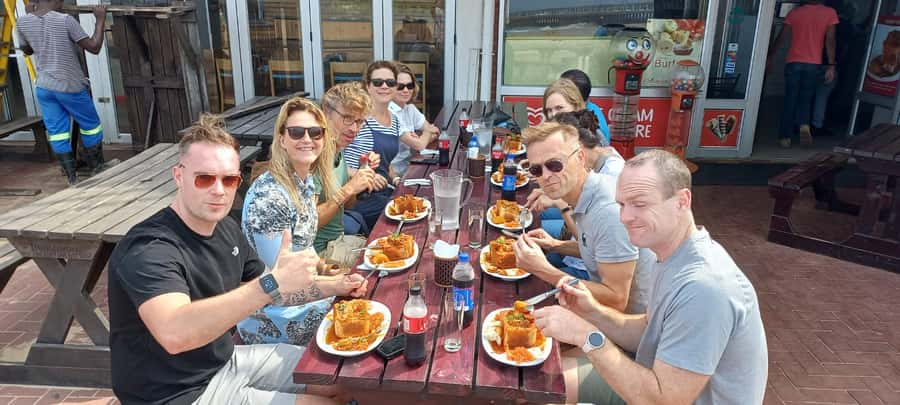
- Bunny chow at North Beach: Finish with Durban’s famous bread-loaf meal filled with curry or meat, served near the beachfront.
- Good shopping advice: Bring cash and a large bag if you want spices, souvenirs, or small local goods at market prices.
Why Durban’s markets tell the real story
This tour is built around a simple idea: to understand Durban, you need to see more than the beach and the polished tourist areas. The route moves through markets used for ordinary shopping, business, food, clothing, traditional remedies, and social contact.
You begin at Tekweni Backpackers, at 169 Ninth Avenue in Morningside, just off Florida Road. This is a practical meeting point, with safe parking available if you arrive by car. Johnny waits inside the backpackers, so you have a clear place to meet before setting off.
The opening introduction covers Durban’s past and present. That context matters because the city’s market culture reflects its many communities, including African, Indian, and Zulu traditions. You are not simply passing stalls and taking pictures. You are learning why different goods are sold in different places and how these markets fit into city life.
The tour has a high rating of 4.9 from 89 bookings, and the strongest praise is aimed at Johnny himself. He is described as warm, direct, funny, and deeply attached to Durban. He explains politics, food, culture, local customs, and history, but he also answers awkward questions honestly. That combination is useful in a city where a quick sightseeing circuit can leave you with more stereotypes than understanding.
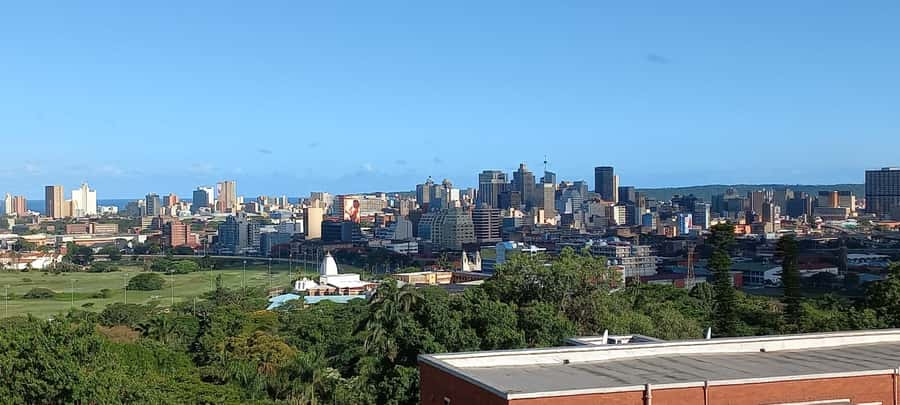
The viewpoint gives you a quick sense of Durban
Before entering the market districts, the route includes a viewpoint and photo stop. It is a short pause, but it helps you get your bearings.
From above, you can see Durban as a larger city rather than a collection of separate attractions. The center, traffic routes, and coastal edge begin to make sense. I like this early stop because the rest of the outing takes place at street level, where the view is often blocked by buildings, people, and shopfronts.
Do not expect a long scenic visit here. The viewpoint is part of the transition into the markets, not a main attraction on its own. Take your photos, listen to the introduction, and save your energy for the walking ahead.
More Walking Tours in South Africa
- Durban: City Sightseeing and Walking Tour
★ 4.6 · 98 reviews - Soweto: Walking Tour with a Local Guide and Lunch
★ 4.9 · 648 reviews - Plettenberg Bay: Bungee Jumping with Zipline and Sky Walk
★ 5.0 · 506 reviews
Riding a Durban combi is part of the lesson
The tour uses local minibus taxis, often called combis, for two short rides of about 15 minutes each. One takes you toward the markets, and another carries you from the market area toward the beachfront.
This is not just a cheaper way to get around. It gives you a direct look at how residents move through Durban. The system can be confusing if you have never used it, so Johnny explains what is happening and helps you navigate the process.
For many people, this will be one of the most memorable parts of the day. You are not being carried between attractions in a private vehicle. You are using the same form of transport as local commuters, with the noise, movement, and practical rhythm that come with it.
There is a tradeoff. Minibus taxis can mean waiting, crowded seating, and less control over timing. One person specifically found waiting harder on a bad-weather day and would have preferred a private taxi. If rain is in the forecast, bring a light layer and patience. The combi ride is valuable because it is real, but it is not designed for comfort or convenience.
Warwick’s markets bring several cultures into one morning
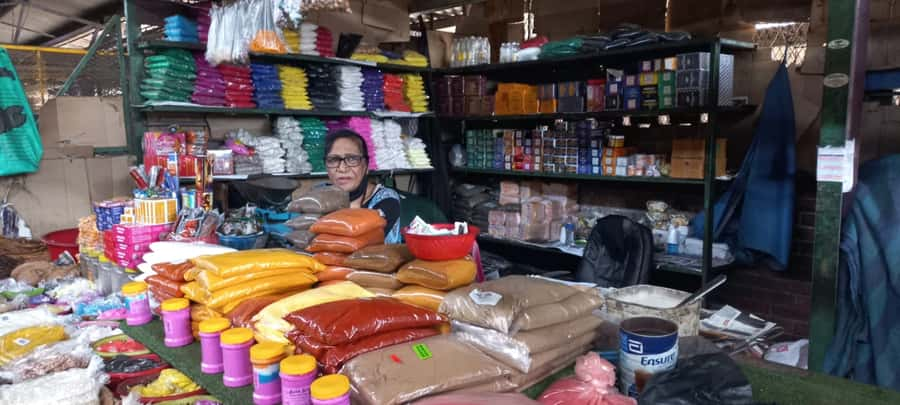
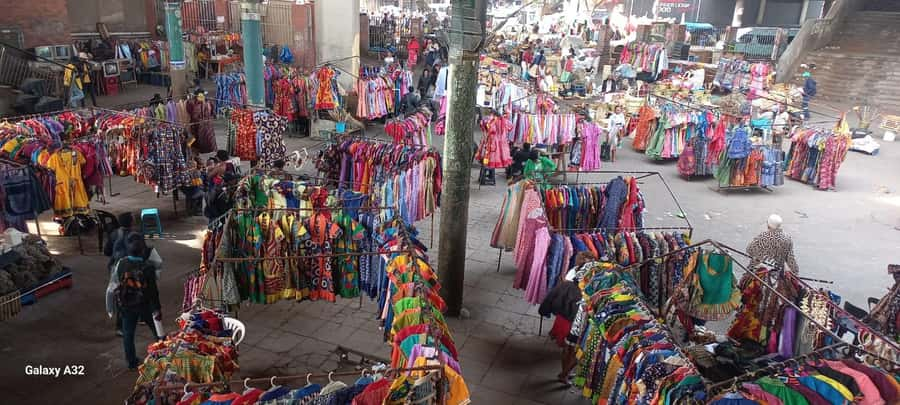
The main walking section takes place around the Markets of Warwick. Rather than visiting one neat market hall, you move through several connected areas with different purposes and moods.
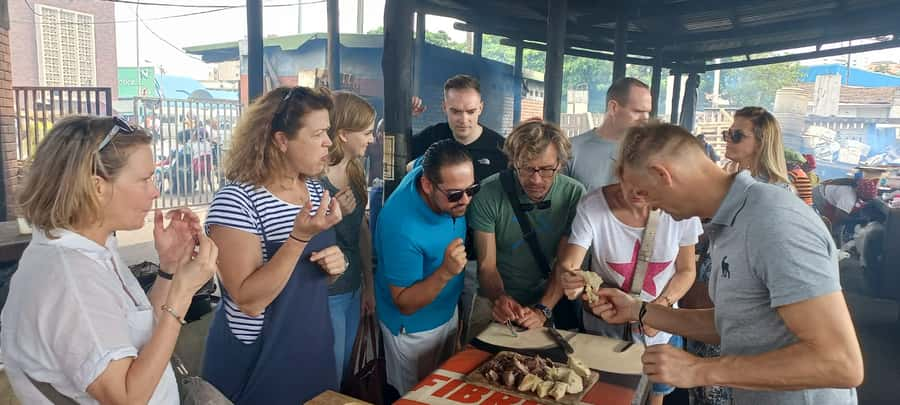
The early morning market gives you a first look at everyday trade. The bridge market, Indian markets, African market, and Victoria Street Market each add another piece. You may see food, spices, clothing, crafts, household goods, and small items for local use. The point is not to rush from stall to stall. It is to notice how the markets work and how each section serves its customers.
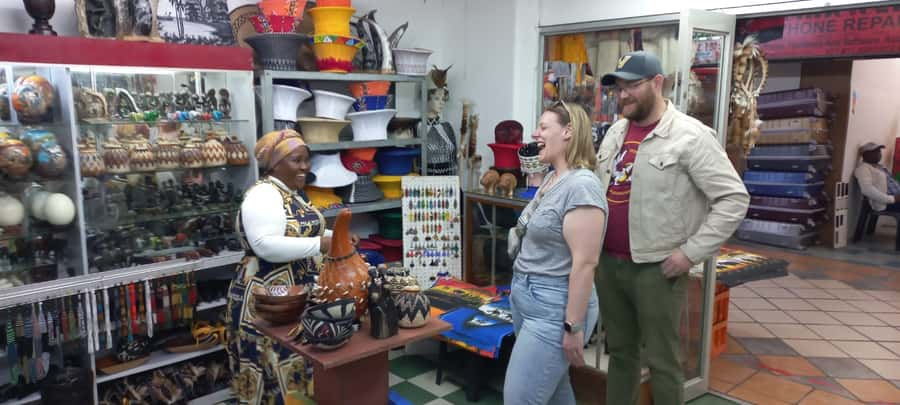
Victoria Street Market is likely to be the most familiar stop for many people. It is a good place to browse spices, souvenirs, and gifts, but Johnny’s help makes the shopping more useful. He can point out sensible purchases and help you judge where tourist prices may differ from local prices.
Bring cash. Personal purchases are not included, and cards may not be useful for every small stall. A large reusable bag also makes sense. The market portion can easily tempt you into buying spices, small crafts, or local goods that you did not plan to carry.
The shopping is one of the tour’s practical strengths. Instead of guessing which stalls are worth your time, you have someone who knows the area and recognizes good buys. You still need to make your own choices, and bargaining or comparing prices may be part of the experience, but you are less likely to wander without a clue.
The traditional medicine market requires curiosity and respect

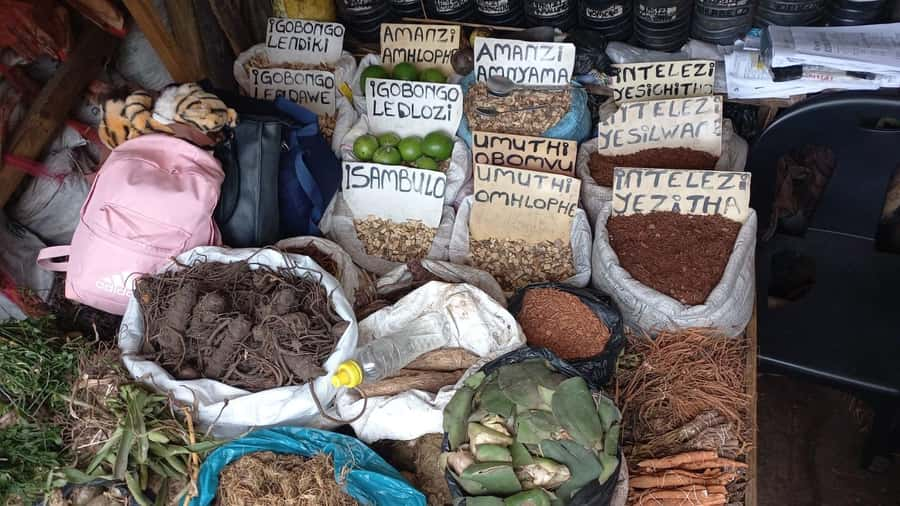
The African medicine, or Muti, market is the most unusual stop. It introduces traditional healing practices and the plants, powders, oils, and animal-based materials associated with them.
This section may challenge your expectations. The market is not arranged like a Western pharmacy, and the explanations involve beliefs and practices that may be unfamiliar to you. Johnny provides context and helps you understand what the sellers offer and how traditional healers fit into local life.
Approach this stop with respect. You do not have to accept every claim about a remedy, but you should listen without treating the people or their customs as a spectacle. Photography should also be handled carefully. Ask before taking pictures, and let Johnny guide you.
Some people will find this section fascinating. Others may feel uncomfortable, particularly when animal products or serious health claims are involved. That is a fair reaction. The value here is cultural understanding, not medical advice. Do not buy a treatment as a substitute for professional healthcare.
More Walking Tours in Durban & KwaZulu-Natal:
- Marrakech: Ben Youssef, Secret Garden, & Souks Walking Tour
★ 4.6 · 2,802 reviews - Marrakech: Colorful Medina Souks Guided Walking Tour
★ 4.7 · 2,470 reviews - Explore Fes: Unforgettable Guided Walking Tour of the Medina
★ 4.7 · 1,339 reviews - Nairobi: Historic and Modern Highlights Walking Tour
★ 4.8 · 703 reviews
Johnny changes how the market feels

A guide can make or break a market tour. In this case, Johnny is central to the experience.
He has spent more than 14 years leading this kind of outing and is known by people in the market districts. You may notice locals greeting him, chatting with him, or welcoming the group. That local trust helps you feel less like an outsider wandering into a private workplace.
It also gives the day a more personal tone. Johnny shares his own experience of Durban and explains how the markets have changed over time. He talks about inequality, local communities, food, politics, history, and cultural traditions. The strongest part of his guiding style is that he welcomes questions. If something puzzles you, ask.
The tour is likely to work best with a curious group. If you want only fixed facts and a strict schedule, Johnny’s conversational approach may feel loose. If you want to understand how Durban functions and are willing to ask questions, it adds a lot.
The route can also flex to suit interests. If you want more time shopping or have a particular local interest, the pace may adjust. That flexibility is useful, but it means the day may not end exactly at the shortest advertised duration.
The walking is slow, but the day is still active
The tour covers about 8,000 steps at a slow pace. That wording matters. You do not need to be a fast hiker, but you should be comfortable standing and walking for several hours.
Wear supportive shoes, light clothing, sunglasses, a hat, and sunscreen. Carry water, especially in warm weather. The markets can be crowded and noisy, and the combination of walking, waiting for transport, and browsing may tire you more than the step count suggests.
The advertised duration is 330 minutes, or five and a half hours. The practical guidance describes the tour as about four to five hours, so allow a flexible half-day rather than booking a tight afternoon appointment. Weather, questions, shopping, and lunch timing can all affect the finish.
This is not suitable for wheelchair users because of the walking route, markets, and local transport. The activity also lists people over 95 as unsuitable. That age note is unusual, but it is part of the stated guidance. Anyone with mobility concerns should consider the market surfaces, minibus taxis, and length of the outing before booking.
Bunny chow closes the day by the beach
After the market circuit, you continue through central Durban on foot and by local transport, ending at North Beach. Lunch is a traditional bunny chow, a Durban specialty made by hollowing out a loaf of bread and filling it with curry or meat.
Bunny chow is casual, filling, and closely linked with Durban’s Indian food culture. It is not a delicate beachside tasting menu. Expect a hearty meal designed to be eaten with the bread, with flavors that may be stronger or spicier than you are used to.
Lunch is included, but beverages are not. Bring enough cash for a drink, along with any extra shopping or personal expenses. The meal lasts about an hour and takes place on or near the beach promenade, giving you a relaxed finish after the crowded markets.
I like this ending because it connects food, place, and local identity. You do not simply return to the starting point after a series of explanations. You finish with a dish that says something about Durban and a view of the coastline.
Is $68 a fair price?
At $68 per person, the tour costs more than arranging a market visit and a meal on your own. But doing it independently would not give you the same access, explanation, or confidence with local transport.
The price includes Johnny’s guiding, the walking tour, two local minibus journeys, and lunch. You still pay for drinks and personal purchases. If you plan to shop, set aside extra cash because the market section is a major part of the experience, not a quick stop.
The value depends on what you want. If you are comfortable exploring Durban alone, using combis, and deciding which markets to visit, you may prefer an independent day. If you want someone to explain the city, help you move through unfamiliar areas, and introduce you to market life, the fee is reasonable.
The strongest value comes from the local access. This is not just transportation plus a meal. It is an opportunity to ask questions, understand the markets, and shop with someone who knows the sellers and neighborhoods.
Who should book this Durban tour?
I would choose this for a first visit to Durban, especially if you want to see more than the beachfront. It suits solo visitors, couples, and small groups who enjoy conversation, food, people-watching, and unscripted moments.
It is also a good fit if you want to buy spices, crafts, or modest souvenirs. Save your shopping budget for this day rather than making quick purchases in tourist-focused areas.
You should think twice if you dislike public transport, crowded markets, uncertain timing, or traditional healing displays. This is not a luxury city tour, and the local setting can feel intense. You need comfortable shoes, an open mind, and enough patience to let the day unfold.
Free cancellation is available up to 24 hours before the start, and you can reserve now and pay later. The tour is offered in English. Meet inside Tekweni Backpackers at 169 Ninth Avenue, and arrive ready to walk.
My verdict on the market and culture walk
Book this tour if you want the Durban that operates behind the postcard. The markets, combi rides, Muti stalls, and bunny chow lunch create a fuller picture of the city than a standard sightseeing loop.
Johnny is the key reason to choose it. His long connection with Durban, friendly local relationships, and willingness to discuss difficult subjects give the day substance. Just accept the conditions: about 8,000 steps, public transport, heat, noise, and a flexible pace.
For a carefully managed, private, air-conditioned tour, choose something else. For a direct look at Durban’s working markets and many cultures, this $68 half-day offers strong value.
FAQ
Where does the tour begin?
Meet inside Tekweni Backpackers at 169 Ninth Avenue, just off Florida Road in Morningside. Safe parking is available if you arrive by car.
How long does the tour last?
The activity is listed as 330 minutes. Practical guidance describes it as about four to five hours, so allow a flexible half-day.
What transport does the tour use?
The tour uses local minibus taxis, also called combis. There are two public-transport sections, each listed as about 15 minutes.
What markets are included?
The route includes the early morning market, bridge market, Indian markets, African medicine market, African market, and Victoria Street Market in the Markets of Warwick area.
Is lunch included?
Yes. Lunch is a bunny chow served at the North Beach area or beach promenade. Beverages are not included.
What should I bring?
Bring comfortable shoes, sunglasses, a sun hat, sunscreen, water, comfortable clothes, and cash. A large bag can be useful if you plan to shop.
Just added for Durban & KwaZulu-Natal
- From Durban: Sani Pass and Lesotho by 4WD Vehicle★ 4.8 · 95 reviews
- Sani Pass Day Tour from Underberg★ 4.8 · 101 reviews
- From St Lucia: iSimangaliso Wetland Park Night Drive Safari★ 4.7 · 84 reviews
- Durban: City Sightseeing and Walking Tour★ 4.6 · 98 reviews
- From Underberg: 4×4 Sani Pass Tour and Basotho Village Visit★ 4.9 · 94 reviews
- From Durban: Half-Day Safari Tour★ 4.1 · 141 reviews
- Half Day Safari Tour from Durban★ 4.5 · 121 reviews
- Luxury Canal Boat Cruise – Fun Things Durban Ushaka★ 4.5 · 125 reviews
Walking Tours, compared.
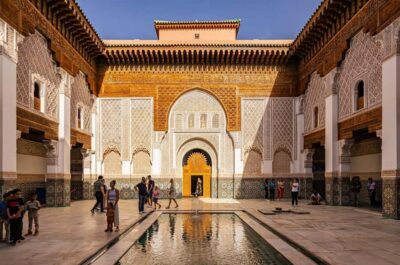
Ben Youssef, Secret Garden, & Souks Walking Tour
Read our review →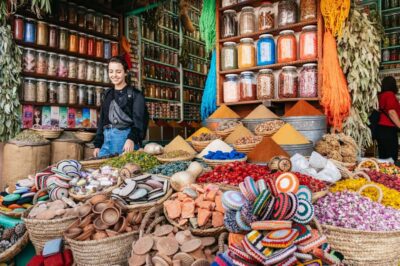
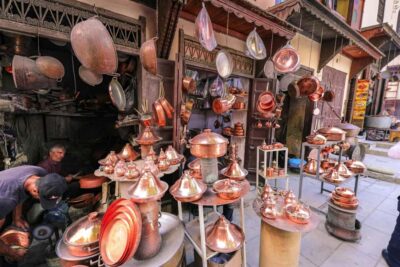
Explore Fes: Unforgettable Guided Walking Tour of the Medina
Read our review →
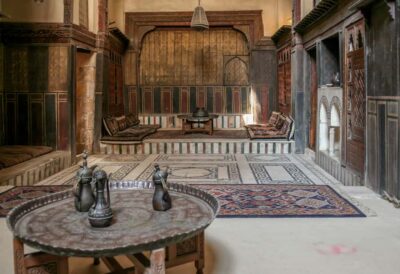
Old Cairo Guided Walk Tour: History, Culture & Street Bites
Read our review →

Plettenberg Bay: Bungee Jumping with Zipline and Sky Walk
Read our review →
Walking Tour Through Old Town Mombasa and Fort Jesus
Read our review →Browse the lists this tour appears in