
Reviewed · HIKING & TREKKING
From Sharm: Mount Moses Trekking, Sunrise & Monastery Visit
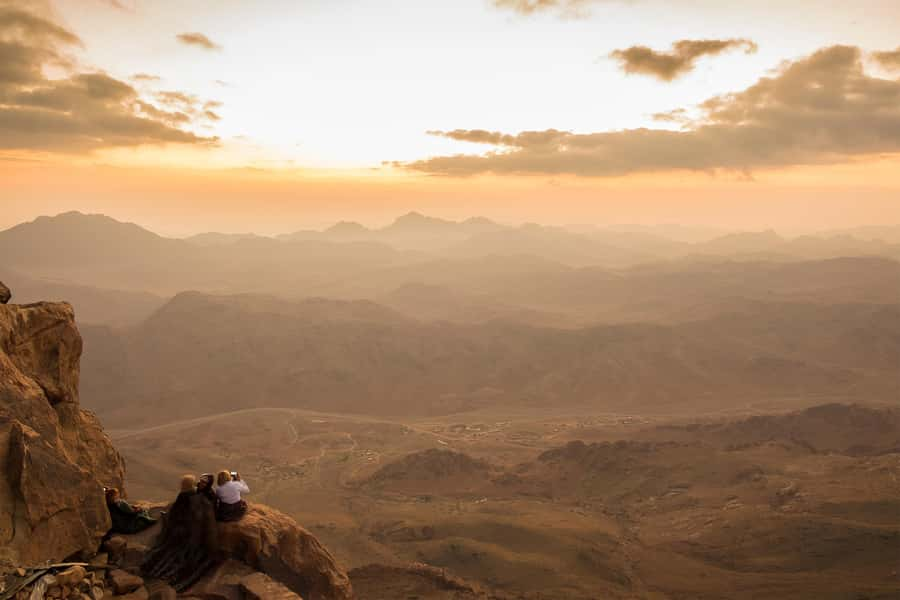
Mount Sinai at sunrise is the reason to book this trip. You climb through darkness beneath a starry sky, then watch the desert mountains catch the first light from 2,285 meters. The setting feels both dramatic and deeply religious, especially if you come for the Moses story or see the climb as a small pilgrimage.
I like the Bedouin mountain guides, who set a steady pace, stop often, and help with the roughest sections. I also like the combination of a hard outdoor challenge with St. Catherine’s Monastery, where you see ancient manuscripts, icons, and the church beside the traditional burning bush.
The catch is simple: this is a long, sleepless, physically demanding day. Transport can be crowded and pickup details may arrive late, while the summit can be bitterly cold. You need good shoes, warm layers, cash for small purchases, and enough fitness to handle uneven ground.
Key points to know before booking

- Mount Sinai sunrise begins with a night climb: Expect roughly two to three hours uphill, followed by about two hours down.
- The final 750 steps are the hardest part: They are uneven rocks and rough stone steps, not a neat staircase.
- The summit can be freezing: In winter, temperatures near minus 2°C have been reported, with stronger cold from wind.
- Bedouin guides take over on the mountain: Your Egyptologist guide accompanies the wider tour, but the mountain section is led by a local Bedouin guide.
- St. Catherine’s Monastery may feel rushed: After the climb, you may be tired, and the monastery visit is fairly short.
- The $50 price is strong value: Transport, hotel pickup and return, water, an Egyptologist guide, and a trekking guide are included.
A night departure from Sharm El Sheikh
Pickup is scheduled between 8:00 PM and 9:00 PM from the main gate of your hotel, usually along the highway rather than at the reception desk. Confirm the exact time carefully. Pickup coordination has sometimes been slow, and several hotel stops can add time before the main coach gets moving.
The drive to the Mount Sinai area takes about four hours. Some groups first use a smaller vehicle before changing to a larger air-conditioned coach. The standard tour lasts 16 to 17 hours, though security checkpoints and hotel pickups can stretch the day.
Transport is one of the less polished parts of the experience. Some departures run smoothly, but others involve crowded seating, limited legroom, or even a folding seat in the aisle. Smoking breaks have also been reported. If you are tall or dislike long bus rides, this matters more than it might on a short Sharm excursion.
Still, the included transport covers a great deal of ground. For $50 per person, you are not just paying for the mountain access. You are also getting the long return transfer, hotel service, water, a guide on the coach, a Bedouin mountain guide, and the monastery visit.
More Historical Tours in Egypt
- Sharm El Sheikh City Tour: Old Market, Mosque & Farsha Café
★ 4.4 · 313 reviews - Sharm El Sheikh: Mount Sinai & St. Catherine Monastery Tour
★ 4.2 · 237 reviews - Hurghada: Luxor Valley of the Kings & Tutankhamun Tomb Trip
★ 4.7 · 13,208 reviews
Climbing Mount Sinai before dawn
At the trailhead, you meet the Bedouin guide who leads the walking section. Your guide may be different from those who have led other departures, but names such as Mohammad, Jimmy, Yusuf, Ibrahim, Amr, and Ashrof have been praised for being friendly, helpful, and good with languages.
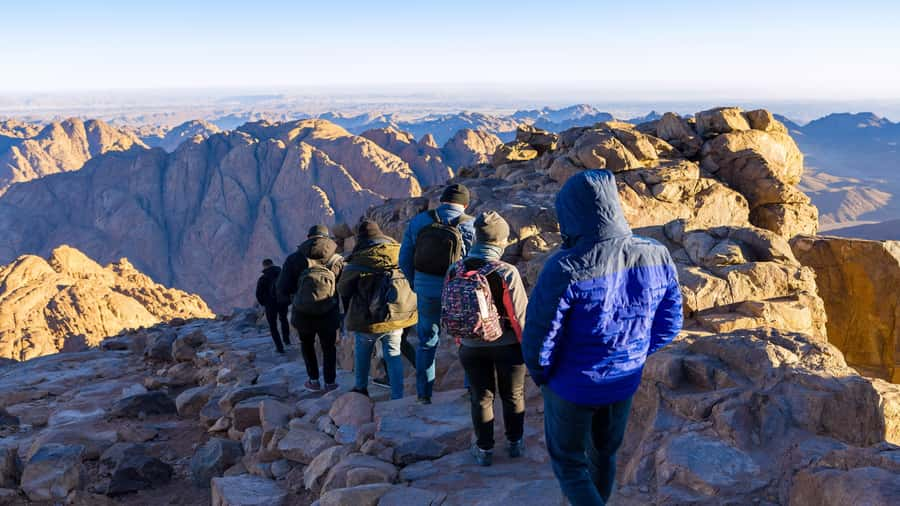
The first section is a rough, rising path of about 7 kilometers according to the tour details and firsthand trip accounts. You walk in darkness, so a headlamp or strong flashlight is important. A phone light can work, but it leaves one hand occupied and is less useful on uneven stones.
The route includes rest stops, small refreshment stalls, and basic toilets. Bring tissues and small notes or coins. Toilets can cost around 5 to 20 Egyptian pounds, while drinks, coffee, snacks, and other items along the trail may be expensive for what you receive.
You may also encounter camels on the lower part of the route. A camel ride is available only up to the beginning of the final 750 steps, and the activity provider does not recommend relying on it. You still have to climb the steepest section on foot, and getting on and off a camel on rough ground is not necessarily easier.
The pace deserves attention. Several accounts describe regular breaks and a manageable rhythm, while others found the mountain guide fast. If you need to slow down, say so early. The group may be spread out, but the guides work to keep people safe and together.
The final 750 steps are rougher than the number suggests
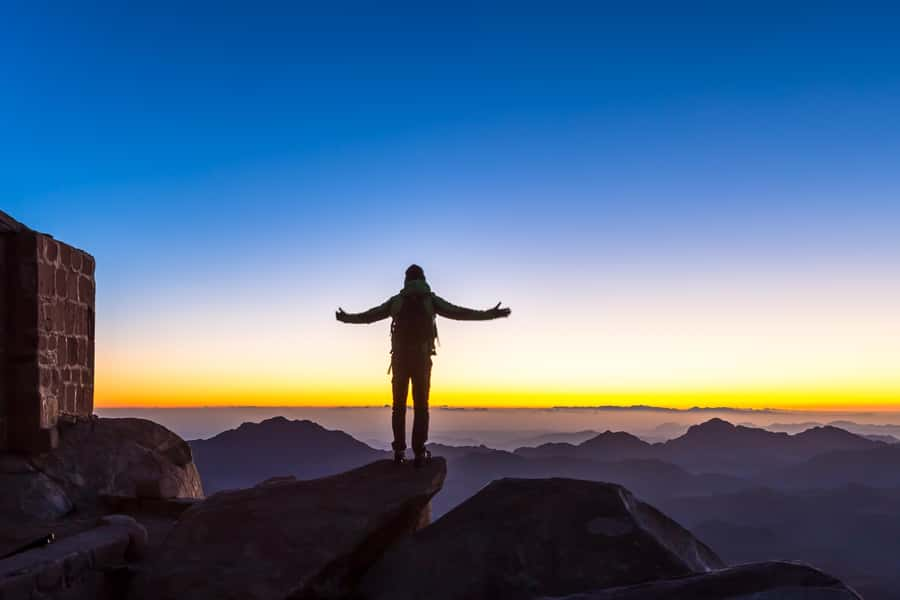
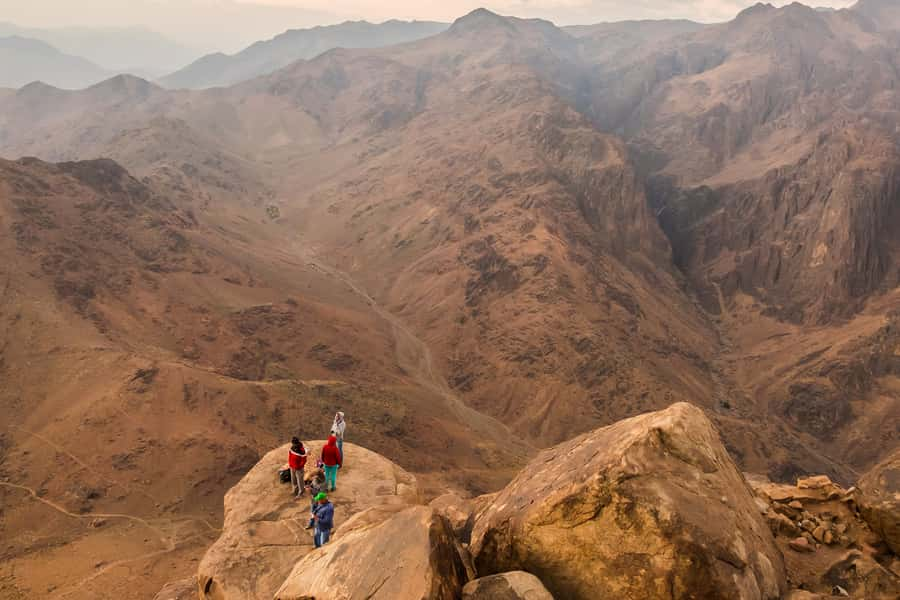
The famous final section is often described as 750 steps, but do not picture a clean stone staircase. You will climb uneven rocks and irregular slabs, sometimes using your hands for balance. This short stretch can feel harder than the longer lower path because your legs are already tired and the stones are steep.
A reasonable level of fitness helps. You do not need to be a serious mountaineer, but you should be comfortable walking for hours, climbing repeatedly, and moving over uneven ground. The tour is not suitable for children under 14, pregnant women, wheelchair users, elderly people, or anyone with shortness of breath or bone pain.
You may reach the summit well before sunrise. That is intentional. A group can arrive one to two hours early so you can find a place to sit and watch the sky change. The waiting is part of the challenge, not a scheduling mistake.
Sunrise from 2,285 meters
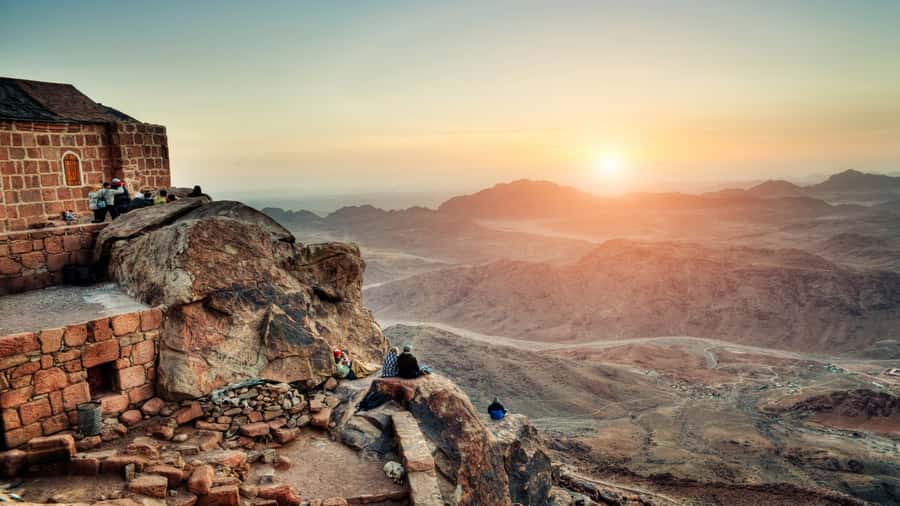
At the summit, the reward is wide views over the surrounding Sinai mountains and valleys. Before dawn, the darkness and stars make the climb feel almost private, even when other groups are nearby. As the sun rises, the bare ridges slowly take shape and shift from shadow to warm color.
This is a religious site for Jews, Christians, and Muslims, tied to the account of Moses receiving the Ten Commandments. You can take photos, sit quietly, pray, or simply watch the light arrive. The mood may be reflective, but it is not always silent. The summit can be crowded, and several groups often arrive together.
Cold is the biggest practical issue. Even if the walk up makes you warm, the summit wind can quickly chill you while you sit still. In January and February, bring a hat, gloves, wool socks, and several layers, including a windproof outer jacket. A rented blanket can make the wait far more comfortable. One reported price was around 200 Egyptian pounds, though costs can change.
Do not pack only for the Sharm weather. Sinai’s summit conditions can be very different from the coast. Warm clothing also needs to be practical for walking. Jeans, layers, a fleece, a down jacket, and a windproof jacket have worked well for winter departures, but your exact needs depend on the season.
More Historical Tours in Sharm El Sheikh:
- Luxor Day Trip from Hurghada Small Group & Tutankhamun Tomb
★ 4.8 · 5,366 reviews - Marrakech: Bahia Palace, Saadian Tombs, Souk and Medina Tour
★ 4.7 · 4,974 reviews - From Marrakech: Casablanca Tour with Hassan II Mosque Visit
★ 4.7 · 4,756 reviews - Casablanca: Hassan II Mosque Premium Tour with Entry Ticket
★ 4.5 · 2,971 reviews
The descent and the quiet cost of staying awake

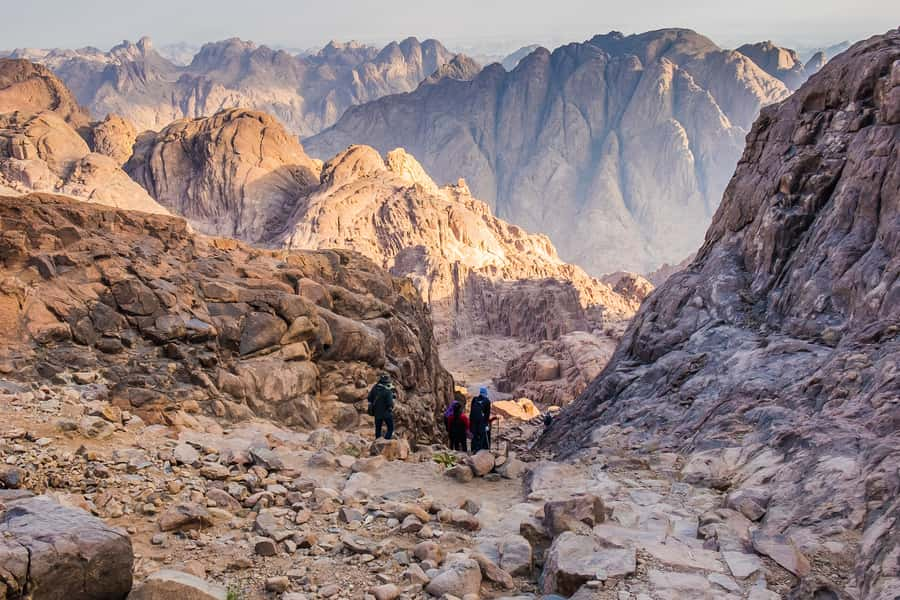
The descent takes around two hours, though the full walk down can feel longer after sunrise. In daylight, you can finally see the path you climbed in darkness. That makes the route easier to read, but it also reveals how rocky and dusty it is.
Use shoes with a firm sole and good grip. Trainers may be enough for some people, but hiking shoes are safer and more comfortable. Flip-flops are a poor choice. Keep your water accessible, and avoid carrying more than you need.
The lower route can be busy with camels and local sellers. You may be asked to buy drinks, snacks, or other items, and Bedouin children may ask for money. Carrying small amounts of cash lets you make quick purchases without dealing with large notes. US dollars and euros are accepted in many places, but small Egyptian pound notes are useful too.
After reaching the base, you get time to rest and eat breakfast. Breakfast is not simply handed to you as part of the tour. You need to pre-order a breakfast box from your hotel and collect it before departure. This is easy to miss, and after a night without sleep, having food ready makes a real difference.
St. Catherine’s Monastery after the climb
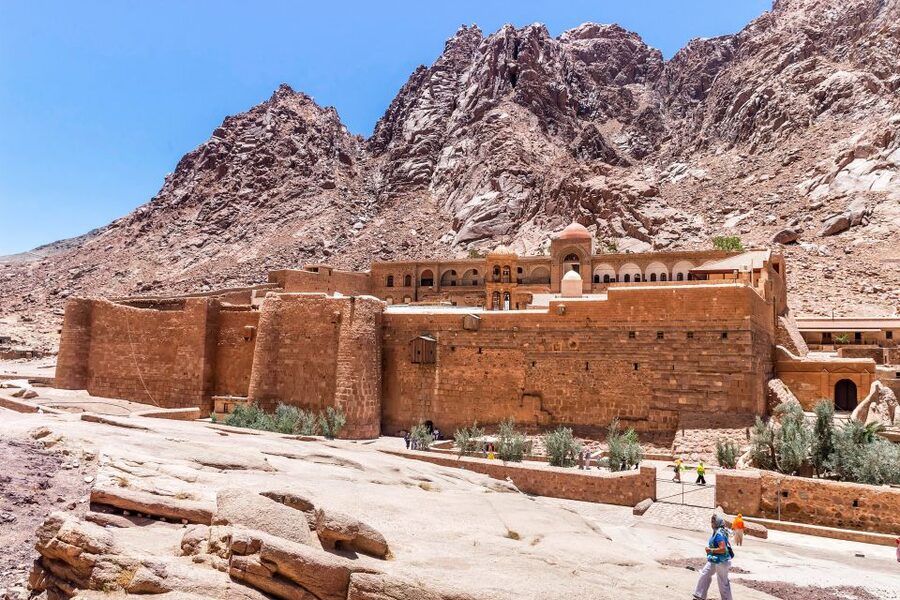
The monastery visit adds important context to the mountain. St. Catherine’s is a UNESCO World Heritage Site and one of the world’s oldest functioning Christian monasteries. Its location at the foot of Mount Sinai connects the religious story on the summit with a living place of worship below.
You can see the church beside the traditional burning bush, browse old manuscripts in the library display, and view icons and other religious objects. The small museum is often the most rewarding part for visitors who want to see something concrete rather than only hear the story.
The timing is the main weakness. By this point, you have travelled overnight, climbed for several hours, waited in the cold, and descended. Some people are too tired to enter, while others find the visit rushed. The guide may explain the site in detail, but you may prefer a shorter introduction and more free time to look around.
The monastery is closed on Sundays and on listed Christian holidays, and dates can vary. Check that it will be open before booking. If the monastery is closed, the mountain climb still takes place, but you would lose a major part of the cultural side of the day.
Guides, languages, and how the tour is run

The wider excursion includes an Egyptologist guide, with English, Russian, and Arabic available. Guides such as Ashrof have been praised for switching between languages and keeping people informed on the coach. The Egyptologist guide is generally available until the base camp.
For the actual climb, a Bedouin guide assists you. This division makes sense. A local mountain guide is better placed to manage the trail, breaks, camels, uneven stones, and changing group pace. Names and individual styles vary, but the strongest guiding accounts describe the Bedouin staff as encouraging, attentive, and careful with safety.
Do not expect a private hike. You are joining a group, and the trail can be noisy and crowded. If you walk quickly, you might move ahead of some people. If you need extra time, tell the guide rather than quietly trying to keep up.
What to pack for this particular day
Keep your bag light, but do not cut the essentials. I would pack:
- Passport
- Hiking shoes with a firm sole
- Headlamp or flashlight, plus a spare phone battery if possible
- Warm layers, gloves, hat, and windproof jacket
- Comfortable clothes suitable for walking
- Water and a pre-ordered hotel breakfast box
- Tissues for basic toilets
- Small cash in Egyptian pounds, euros, or US dollars
- A small snack for the climb
Water is included, but you may want more. Extra drinks are not included, and water and snacks sold on the mountain can cost more than expected. Food is especially useful if you have dietary needs, since the tour does not promise a full meal.
Who gets the best value from the $50 price
At $50, this is a good-value excursion if you want both Mount Sinai and St. Catherine’s Monastery without arranging several transfers yourself. The long drive alone would be costly and tiring to organize independently, while the mountain requires local guiding.
The price is less attractive if you want comfort, privacy, or a relaxed museum visit. The coach may be crowded, the schedule is tied to sunrise, and you spend much of the day moving between stops. This is an activity-led trip, not a restful sightseeing tour.
It suits active adults, religious pilgrims, history lovers, and anyone who enjoys a demanding goal with a clear payoff. It is a poor match if you dislike night travel, cold exposure, long bus rides, rough trails, or group schedules.
Free cancellation up to 24 hours before departure and reserve-now, pay-later booking add useful flexibility. The key issue is not booking risk. It is being honest about your stamina and preparing properly.
Should you book the Mount Moses sunrise trip?
Book it if you can handle a night without sleep, several hours of walking, uneven stone, and cold waiting at the summit. The sunrise is the clear reward, but the full experience is stronger because it joins the mountain, the Moses tradition, and St. Catherine’s Monastery in one long day.
Skip it if you have breathing problems, bone pain, limited mobility, or very little tolerance for rough hiking. Also skip it if your main goal is a leisurely monastery visit. For the right person, this is a memorable and fairly priced challenge. Just arrive with proper shoes, serious warm clothing, breakfast, water, and realistic expectations about the bus.
FAQ
How long does the Mount Moses tour last?
The tour lasts about 16 to 17 hours, including hotel pickup and return. Security checkpoints and extra hotel stops can make the day longer.
What time is pickup from Sharm El Sheikh?
Pickup is scheduled between 8:00 PM and 9:00 PM. You should wait at the main gate of your hotel along the highway, not at the reception area.
How long is the climb to Mount Sinai?
The uphill walk usually takes about two to three hours, depending on the group. The descent takes around two hours.
How high is Mount Sinai?
The summit is approximately 2,285 meters high.
Are there really 750 steps to the summit?
The final section is described as 750 steps, but these are rough, uneven stones rather than a regular staircase.
Is a camel ride included?
No. Camel rides are not included, and they are available only on the lower section before the final 750 steps. You must climb the final section on foot.
What languages are available?
Live guides are available in English, Russian, and Arabic.
Is St. Catherine’s Monastery open every day?
The monastery is closed on Sundays and on certain Christian holidays. The listed closure dates may change, so check availability before booking.
Is breakfast included?
Breakfast is not provided by the tour. You need to pre-order a breakfast box from your hotel and collect it before departure.
Who should not take this tour?
The activity is not suitable for children under 14, pregnant women, wheelchair users, elderly people, or people with shortness of breath or bone pain.
More Hiking Tours in Sharm El Sheikh
- From Marrakech: Ouzoud Waterfalls Guided Hike and Boat Trip
★ 4.7 · 33,630 reviews - Berber villages : Atlas Mountains Day Hike from Marrakech
★ 5.0 · 14,007 reviews - 3 Days Desert Tour From Marrakech To Merzouga Dunes & Camel Trek
★ 5.0 · 10,125 reviews - From Marrakech: Atlas Mountains Full-Day Hiking Trip w Lunch
★ 4.8 · 7,417 reviews
Just added for Sharm El Sheikh
- Sharm el Sheikh: Farsha Cafe & Soho Square Night Out Driver★ 4.9 · 235 reviews
- From Sharm: Ras Mohammed Cruise with Island Visit and Lunch★ 4.7 · 377 reviews
- Sharm El Sheikh: Turkish Hammam, Massage and Spa Experience★ 4.5 · 168 reviews
- Sharm El Sheikh: Relaxation Hammam Spa with Massage★ 4.4 · 201 reviews
- Sharm El Sheikh: Ras Mohamed Cruise with Snorkeling & Lunch★ 4.6 · 89 reviews
- Sharm el-Sheikh: Ras Mohammed Elite VIP Cruise and BBQ Lunch★ 4.4 · 96 reviews
- Sharm El Sheikh: Mount Sinai & St. Catherine Monastery Tour★ 4.2 · 237 reviews
- Sharm El Sheikh: Quad Biking, Camel Ride & Bedouin Dinner.★ 4.4 · 207 reviews
Hiking & Trekking, compared.
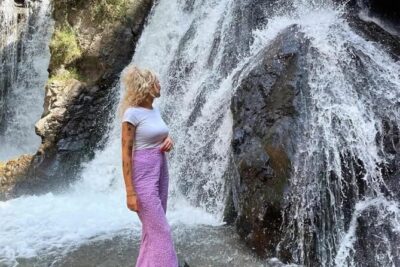
Berber villages : Atlas Mountains Day Hike from Marrakech
Read our review →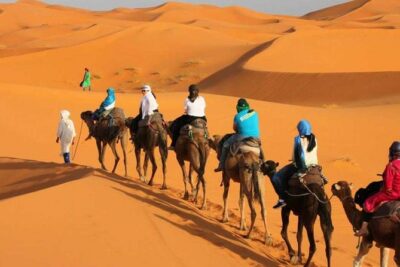
3 Days Desert Tour From Marrakech To Merzouga Dunes & Camel Trek
Read our review →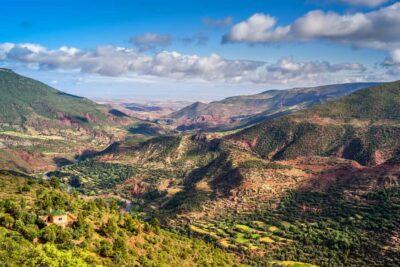
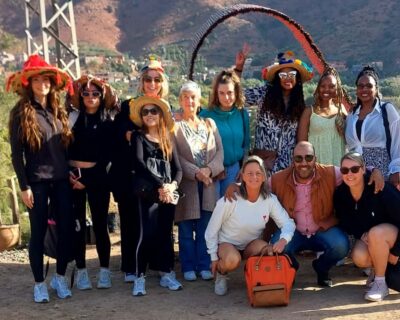
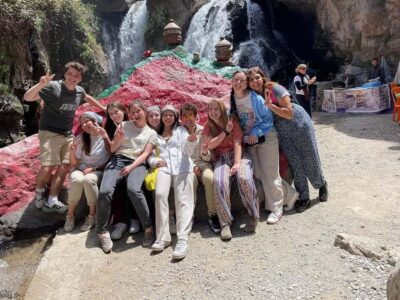
Ourika Valley Trip with Waterfall Hike & Lunch
Read our review →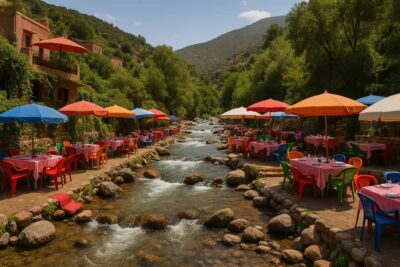
ourika valley lunch & guided hike to waterfalls
Read our review →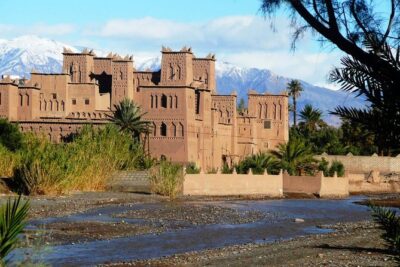
3-Day Tour to Merzouga Erg Chebbi with Food & Camel Trek
Read our review →Browse the lists this tour appears in