Reviewed · TURTLE & MARINE LIFE
Santa Maria: Sal Island Sea Turtle Watching Experience
A mother sea turtle hauling herself onto a dark beach, laying eggs, covering the nest, and returning to the sea is the heart of this Sal excursion. If the timing works, you may also see hatchlings break free and scurry toward the water. The guides use red lights and ask you to sit quietly, giving the animals space to follow their ancient routine.
I like the small groups of up to 10 and the chance to speak with guides who care about turtle protection, not just getting you a quick sighting. I also like the value: at $37, hotel transport, a local guide, and three hours outside Santa Maria are included. The trade-off is patience. You may wait more than an hour before any turtle appears, and sightings can never be promised.
Key points before you book
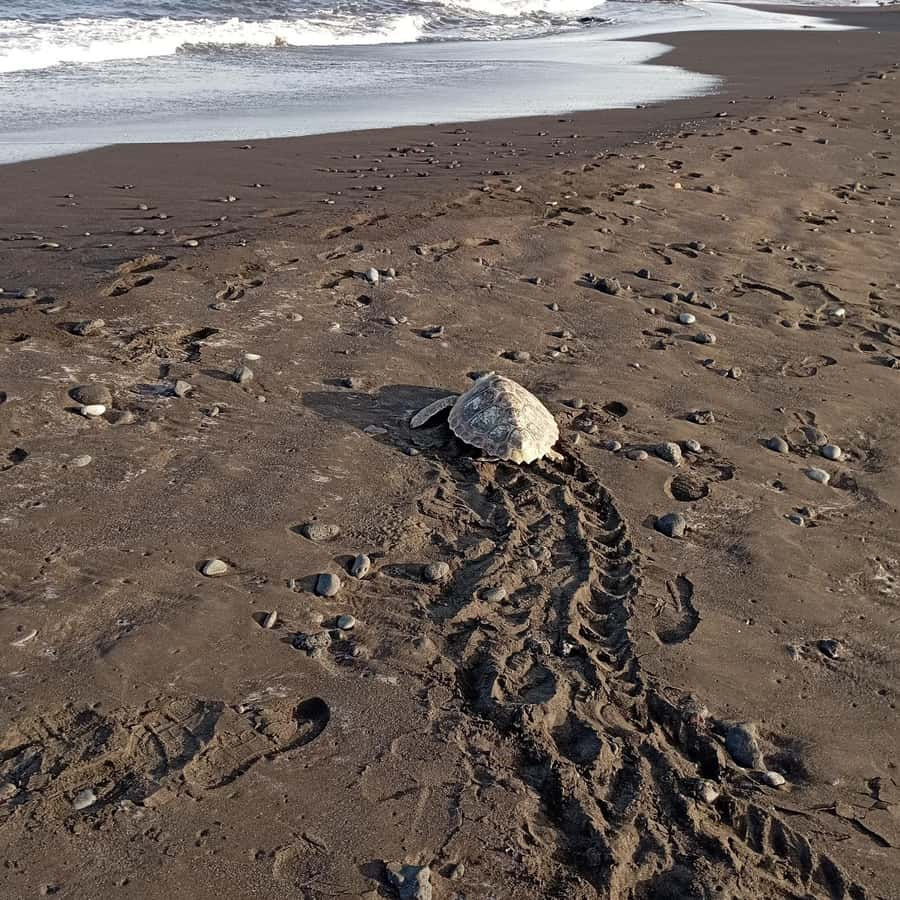
- Turtle nesting is the main event: You may see a female lay eggs, cover the nest, and return to the sea.
- Hatchlings are possible too: Some evenings include the sight of baby turtles leaving the sand for the water.
- Red lights protect the animals: Flash photography and touching turtles are forbidden.
- Small groups keep the visit manageable: The group limit is 10 people, though several groups may use the same beach.
- Hotel pickup saves hassle: Transfers cover many Santa Maria hotels and resorts.
- Expect waiting in the dark: The best sightings depend on nature, not a fixed schedule.
Why this night on Sal feels different
Sal is known for sun, sand, and easy beach time. This outing gives you a quieter reason to leave the resort area after dark. Instead of watching the ocean from a promenade, you walk along a deserted beach and wait for wildlife to appear.
That waiting is not wasted time. Your guide explains the turtles’ evolution, physical traits, nesting habits, and the full egg-laying process. You learn why Sal matters to sea turtles and why protecting the beaches is a local priority.
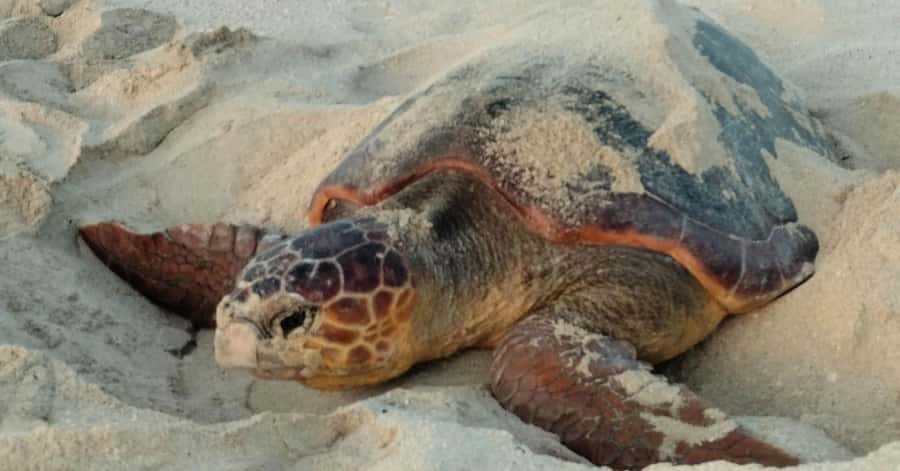
Cape Verde has three turtle species. The yellow turtle, also called the common turtle, is the species most often associated with nesting on the islands. Sal’s sandy beaches are important nesting sites, so the visit has a clear conservation purpose as well as a sightseeing appeal.
I like that the experience asks you to behave as a quiet observer. You are not promised a staged encounter, a photo opportunity, or a chance to handle an animal. If a turtle appears, you sit still and let her work.
More Island Trips in Cape Verde
- Sal: Island Experience Tour with a Certified Local Guide
★ 4.8 · 3,249 reviews - Experience on Sal Island with native and certified guide (including sharks)
★ 5.0 · 1,166 reviews - From Sal Island: Blu eye, Salt lake, Lemon Sharks & Palmeira
★ 4.6 · 1,003 reviews
Pickup from Santa Maria and the ride to the beach
Pickup is included from a long list of Santa Maria hotels, resorts, beach points, and selected meeting places. These include Hotel Morabeza, Hotel MiraBela, Hotel Riu Cabo Verde, Meliá Dunas, Riu Funana, Hilton Cabo Verde Sal Resort, Hotel Da Luz, Hotel Sobrado, The Budha Beach Hotel, and several other properties.
The vehicle is air-conditioned, which matters on a night when you may be sitting quietly outdoors later. The drive to the beach usually takes less than an hour. Fuel, taxes, service charges, and the hotel transfer are already covered in the price.
The timing needs a little care. The activity information says it starts at 7 PM and often ends around 11 PM, while the pickup details say collection is at 8 PM. Confirm the exact pickup time for your accommodation when you book. Nature tours often shift with local conditions, and you do not want to miss the vehicle while waiting in the lobby at the wrong time.
The ride itself is practical rather than scenic. Its purpose is to get you away from the built-up parts of Santa Maria and toward a darker beach where turtles are more likely to come ashore.
Santa Maria briefing: about 45 minutes of useful context
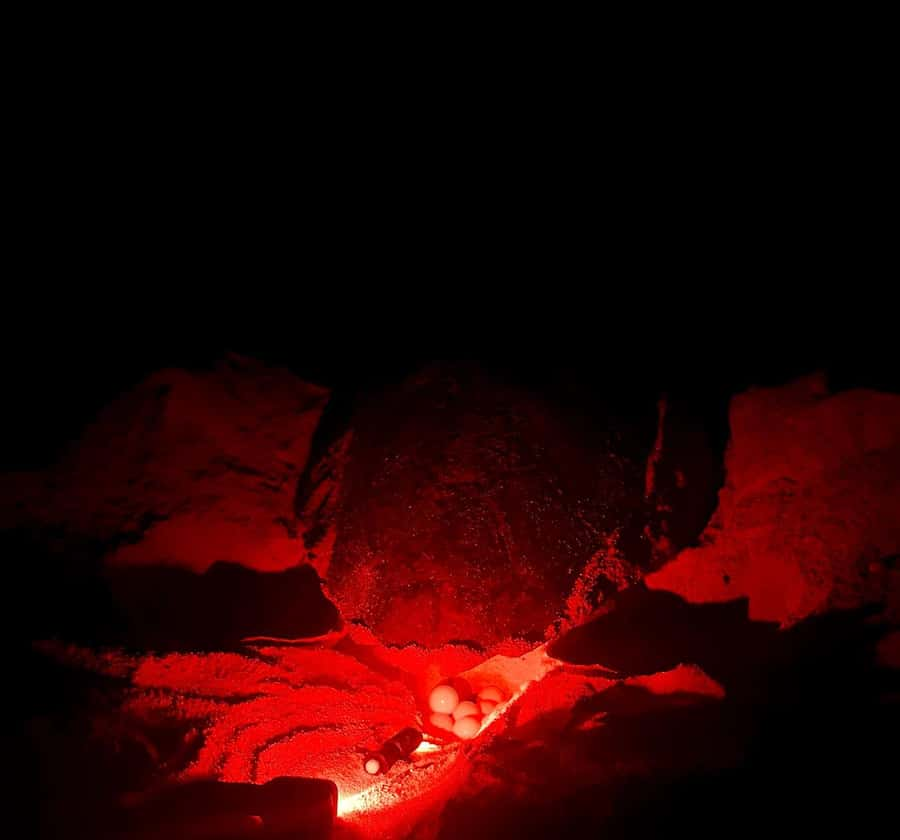
The first guided portion is listed as roughly 45 minutes in Santa Maria. This is where you get oriented before heading onto the sand.
Your guide explains the nesting cycle from start to finish. That can include how the female reaches the beach, chooses a place, lays her eggs, covers the nest, and returns to the sea. You also learn about hatchlings and the dangers they face as they make their first run toward the water.
The multilingual setup is helpful for mixed groups. Guides operate in English, Portuguese, French, and Italian. One evening, an English-speaking participant was the only person in the group using English, yet the guides still divided explanations by language. That is worth knowing if you are concerned about being lost in a mixed-language outing.
Different guides may lead the activity. Names connected with especially well-received outings include Johnny Cash, Anastassi Salsa, and Sousa. The important point is less the individual name than the conservation-minded approach described throughout the experience. Guides have been praised for explaining the process clearly and for taking care around the turtles.
One practical note: explanations may not always happen before the first sighting. On some outings, the guide spends time searching or watching the beach, then gives the fuller explanation afterward. If you need context right away, ask politely when the group arrives.
Kite Beach and the two-hour search
The main beach portion takes place at Kite Beach and is listed as about two hours. You leave the vehicle, walk along the sand in a small group, and watch for movement near the shoreline or nesting area.
This is the least predictable part of the evening. Guides may walk up and down the beach looking for signs of activity. You may wait for more than an hour with little to see, then suddenly watch hatchlings emerge or a female crawl from the water.
That gap can test your patience. It is worth bringing comfortable clothing and shoes, since you may stand or sit on sand for a long period. The supplied packing advice also calls for biodegradable sunscreen and biodegradable insect repellent. A garbage bag is requested so you can carry away your own waste.
If a turtle appears, the group sits quietly. Flash photography is not allowed, and you must not touch the animals. Red lights are used instead of white light so the turtles are less likely to be confused or distracted.
The red lighting can make viewing less direct than a normal wildlife tour. You may not get a bright, sharp photograph. That is the point. The rules put the turtle’s welfare before your camera roll, and I consider that a fair exchange.
More Marine Life Trips in Cape Verde
- Sal: All-Inclusive Salt Lake, Blue Eye and Shark Bay Tour
★ 4.7 · 2,033 reviews - Santa Maria: Sea Turtle Watching Experience on Sal Island
★ 4.6 · 446 reviews - Sal Island: Shark Bay Experience from Santa Maria
★ 4.7 · 345 reviews - Sal: Salt Lake Tour, Shark Bay and Pedra de Lume Village
★ 4.6 · 274 reviews
What you might actually see
The most sought-after sight is a female laying eggs. Once she has chosen a spot, you may watch the nesting process, the covering of the eggs, and her return to the sea. Several outings have included this complete sequence, which can be more meaningful than a brief sighting of a turtle in the surf.
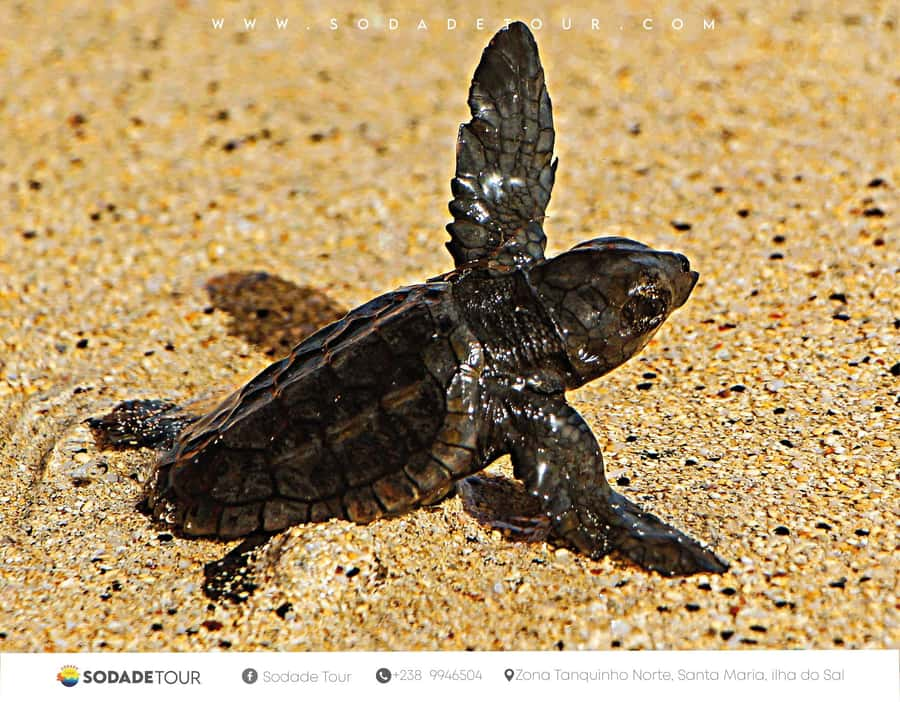
Hatchlings are another possible highlight. You might see tiny turtles emerge from the sand and move toward the ocean. Seeing both hatchlings and an adult on the same night is possible, but it depends on timing and luck.
One evening included baby turtles reaching the sea, followed by an adult female coming ashore to lay eggs, then another hatching. Another included a long wait before hatchlings appeared and a second move to a different site for the egg-laying. These changes show why the tour cannot follow a perfectly fixed script.
The order may vary as well. You could first see babies leaving a nest, then move to another part of the beach for an adult. You might spend time at one site and then return to the vehicle for a short transfer to another. The guides follow the animals rather than forcing the animals to fit the schedule.
The night sky is part of the experience. With less artificial light on a deserted beach, you may notice the stars while waiting. That does not replace the turtles, but it makes the quiet stretches more pleasant.
Conservation rules are part of the experience
This is a wildlife outing, not a petting encounter. Touching animals is forbidden, and so are flash photography, smoking, alcohol, drugs, and littering. Smoking is also not allowed in the vehicle or indoors.
The rules may feel strict if you are used to casual beach excursions. Here they make sense. A nesting turtle needs darkness and room to move. Bright lights or people crowding around her can interfere with the process.
The guides’ use of red lights is one of the strongest practical details of the tour. You still see what is happening, but the lighting is controlled. The group is also asked to remain as silent as possible once the turtle begins nesting.
The activity includes a short educational element about why turtle welfare is a priority on Sal. That gives the sighting some context. You are not simply watching an unusual animal. You are seeing a vulnerable nesting cycle in the place where it happens.
Local rules can affect the season and access. One account noted that the Cape Verde government was preventing turtle watching after September 30 to give the animals undisturbed time. Check the current operating dates before you build your evening around this excursion.
Price, group size, and what you get for $37
At $37 per person, this is a good-value wildlife outing if you are staying in Santa Maria and do not want to arrange transport to a remote beach. The price includes a professional local guide, hotel pickup and drop-off, fuel, taxes, and service charges.
Food and drinks are not included. Since the tour takes place at night and may involve a long wait, eat beforehand and bring any permitted personal essentials. Alcoholic drinks are not allowed in the vehicle.
The group limit is 10 people. That is small enough for guides to explain things in several languages and manage the group on the beach. Still, a small booking group does not always mean you have the entire beach to yourself. Several groups may be present, and one account felt there were more people than ideal even though the guides worked to give the turtles room.
Compared with a more expensive turtle excursion, the included transport and guide make this a sensible choice for many people. You are paying for access, local knowledge, and responsible viewing rather than guaranteed contact with an animal. If no turtle appears, the value feels less certain, but that is true of any ethical wildlife outing.
Free cancellation is available up to 24 hours before the start for a full refund. You can also reserve and pay later, which is useful if your Sal plans are still changing.
Who will enjoy this most
I would choose this tour if you care more about seeing wildlife responsibly than about keeping every minute busy. It suits couples, solo visitors, families with older children, and anyone interested in ecology or conservation.
It is also a good fit if you are staying at one of the many Santa Maria properties covered by pickup. The transfer removes the need to find a driver late at night or work out how to reach a remote beach.
You should think twice if you need guaranteed sightings, dislike sitting quietly, or expect a fast-moving activity. The evening can include long periods of waiting. The guides may search more than one beach area, and the actual turtle activity may happen near the end of the visit.
The tour is not suitable for wheelchair users or people with visual impairments. Baby strollers and electric wheelchairs are not allowed, and the walk on sand may be difficult for anyone with limited mobility.
What to bring and what to leave behind
Wear comfortable clothes and shoes suitable for sand. Biodegradable sunscreen and biodegradable insect repellent are recommended, along with a camera and a garbage bag for your waste.
Keep the camera use modest. Flash photography is forbidden, and red lights are used for a reason. You can take pictures only within the rules given by the guide.
Do not bring alcohol into the vehicle. Smoking is prohibited in the vehicle and indoors, and littering is strictly off limits. You also cannot touch the turtles, use drugs, or bring dangerous substances.
The simple packing approach is best: comfortable clothing, sensible shoes, a permitted camera, and patience. You do not need food or drinks from the operator, because neither is included.
Should you book the Sal turtle watch?
Book it if seeing a nesting turtle or hatchling would be a highlight of your time in Cape Verde, and you can accept that nature controls the schedule. The strongest parts are the careful red-light viewing, the small group, the multilingual guides, and the chance to watch the full process from nesting to return to sea.
Skip it if you want a guaranteed wildlife sighting or a polished evening with constant activity. Waiting is part of the price, and the beach may feel quiet for a long time before anything happens.
For $37, with pickup and a trained local guide included, I think this is one of Sal’s better-value evening activities. Go with realistic expectations, follow the rules, and treat any turtle sighting as a privilege rather than a performance.
FAQ
How long does the sea turtle tour last?
The advertised duration is three hours. The activity information also says it may start at 7 PM and usually finish around 11 PM, so confirm the exact schedule and pickup time for your accommodation.
Where does the turtle watching take place?
The main beach portion takes place at Kite Beach, with the activity beginning with a guided section in Santa Maria. The vehicle may also move between beach areas depending on turtle activity.
Is hotel pickup included?
Yes. Pickup and drop-off are included from many hotels, resorts, Santa Maria Beach, and selected meeting points in the Santa Maria area.
Which languages are available?
The live guides speak Portuguese, English, French, and Italian.
Can I take photographs of the turtles?
You may bring a camera, but flash photography is not allowed. You must also avoid touching the turtles and follow the guide’s instructions about lighting and distance.
Is food or drink included?
No. Food and drinks are not included, and alcoholic drinks are not allowed in the vehicle.
More trips on Sal Island
- Horse Riding in Sal Island – Cabo Verde
★ 5.0 · 500 reviews - Sal Island: Guided Full-Day Highlights Tour with Lunch
★ 4.7 · 414 reviews - 4h SSV Buggy Island Adventure – 1000cc or 500cc
★ 5.0 · 363 reviews - 3-hour Catamaran Adventure on the waters of Sal Island
★ 4.7 · 349 reviews
More Marine Life Trips on Sal Island
- From Sal Island: Blue Eye, Salt Lake, Lemon Sharks, Palmeira
★ 4.1 · 248 reviews - Santa Maria: Salt Mine, Natural Pool, and Shark Bay Tour
★ 4.5 · 165 reviews
Just added for Sal Island
- Santa Maria: Salt Mine, Natural Pool, and Shark Bay Tour★ 4.5 · 165 reviews
- Santa Maria: Snorkeling Boat Tour★ 4.3 · 213 reviews
- Santa Maria: Discover Scuba Diving★ 4.9 · 81 reviews
- Santa Maria: Sal Island All-inclusive Adults-only Catamaran★ 4.3 · 163 reviews
- Sal Island: 2-Hour ATV Quad Desert Adventure★ 4.8 · 244 reviews
- Sal Rei: Boa Vista Island Full-Day North to South Discovery★ 4.6 · 79 reviews
- Sal: Salt Lake Tour, Shark Bay and Pedra de Lume Village★ 4.6 · 274 reviews
- Sal: Full-Day Trip Around the Island with Lunch★ 4.3 · 117 reviews
Turtle & Marine Life, compared.

Cape of Good Hope & Penguins Day Tour with Pickup
Read our review →
Cape of Good Hope & Boulder Penguins Full-Day Tour from Cape Town
Read our review →
All-Inclusive Salt Lake, Blue Eye and Shark Bay Tour
Read our review →
Table Mountain, Penguins & Cape Point Small Group Tour Cape Town
Read our review →
Cape Town Tour: Table Mountain, Penguins & Cape Point+Pickup
Read our review →
Experience on Sal Island with native and certified guide (including sharks)
Read our review →
Table Mountain, Cape Point, & Penguins Group Tour
Read our review →