
Reviewed · HISTORICAL TOURS
Stellenbosch: Guided Historical Walking Tour
Stellenbosch’s most interesting stories are tucked into ordinary-looking streets. This 90-minute walk connects oak-shaded avenues, old water furrows, Cape Dutch buildings, a village green, and the river site linked to Simon van der Stel. It turns a pretty wine-country town into a place with names, characters, disasters, and a past you can follow on foot.
I like the way the tour balances grand history with small details, including the town’s destructive fires, old burial ground tales, and the story behind the Eerste River. I also like that guides such as Johan, Marlene, and Juliana bring different personalities to the walk, often answering questions and adjusting the talk to the group.
The main consideration is the heat. Much of the route is shaded, but you are still outside for 90 minutes, and comfortable shoes are essential. The tour is easy rather than strenuous, though it does not include transport to or from the meeting point.
Key points at a glance
- Oak avenues and water furrows: Follow the shady streets beside the Mill Stream and see why Stellenbosch is known as the village of the oaks.
- The Braak and Dorp Street: Visit the village green and walk along South Africa’s oldest residential street.
- Four centuries of local stories: Hear about Simon van der Stel, the town’s early settlers, famous residents, university graduates, and the fires that changed Stellenbosch.
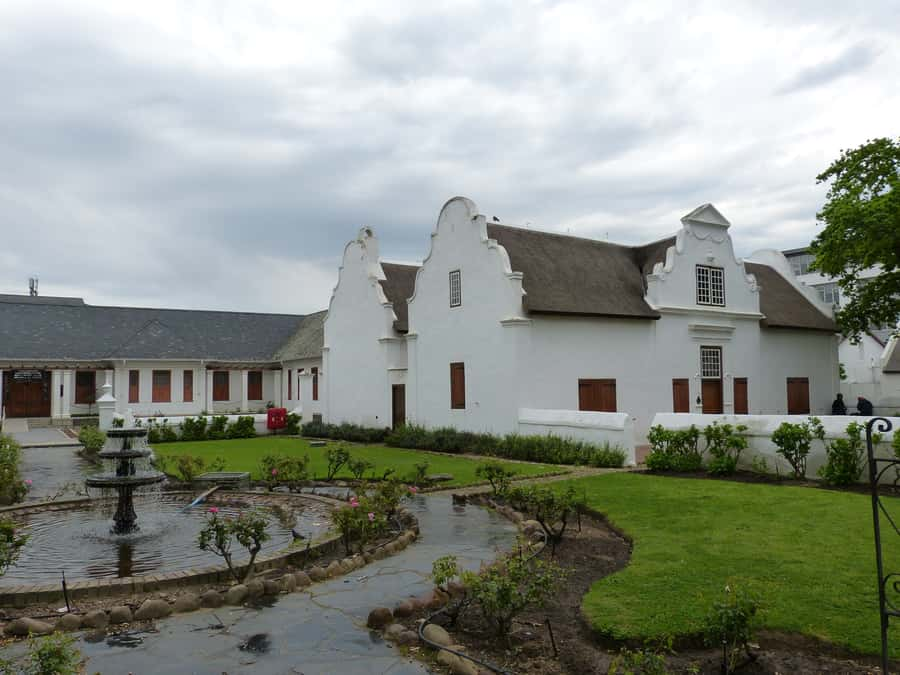
- Cape Dutch architecture: Learn how the old buildings fit together around the historic center rather than simply photographing façades.
- A personal guiding style: Johan, Marlene, Juliana, and other English-speaking guides are praised for humor, clear explanations, and willingness to answer questions.
- Good short-tour value: At $18 per person, the walk gives you a useful introduction before you explore Stellenbosch on your own.
Why this 90-minute walk helps you read Stellenbosch
Stellenbosch can look easy to understand at first. There are oak trees, whitewashed buildings, cafés, university grounds, and wine-country scenery. Yet the town’s character comes from layers that are hard to spot without someone pointing them out.
This walk gives you those layers in a compact format. You are not spending half a day on a bus or rushing between distant sights. Instead, you move through the old center at a human pace, stopping when a building, street, graveyard, or stream opens another part of the story.
I particularly like the way the tour links physical places to events. A river is not just a pleasant strip of water. A street is not just a row of old homes. The guide explains how the settlement began, how it developed, and how fires nearly destroyed large parts of it in the 18th century.
That approach matters in Stellenbosch because the architecture alone can give you an incomplete picture. You will see European design adapted to the Cape, but the guide also brings in the people who lived there, the town’s colonial beginnings, its university life, and its present-day identity.
More Walking Tours in South Africa
- Soweto: Walking Tour with a Local Guide and Lunch
★ 4.9 · 648 reviews - Plettenberg Bay: Bungee Jumping with Zipline and Sky Walk
★ 5.0 · 506 reviews - Cape Town: Nathi Langa Township Walking Tour
★ 4.9 · 493 reviews
Meeting the guide at Church Street
The meeting point is at 47 Church Street in Stellenbosch Central. Arrive 15 minutes early so you can find the guide without a rushed start. The activity is conducted in English, and the walking format means you begin seeing the town immediately rather than waiting for a vehicle.
The guides are a major part of the experience. Johan is frequently praised for his humor, clear explanations, and ability to connect old events with modern Stellenbosch. Marlene is described as warm, well paced, and good at giving the right amount of detail. Juliana is noted for her energy and for responding fully to questions instead of offering quick, thin answers.
That does not mean every outing will have the same guide. The practical point is that the experience depends on a local person who knows the town well and can shape the conversation around the group. If you are curious about architecture, politics, language, university life, or local customs, ask. The guides are used to discussion.
Group size can vary. Some outings have been intimate, including groups of four or even a one-person walk in a quieter season. A small group can make it easier to ask questions and may allow the guide to linger over details that interest you.
The Mill Stream and the village of the oaks
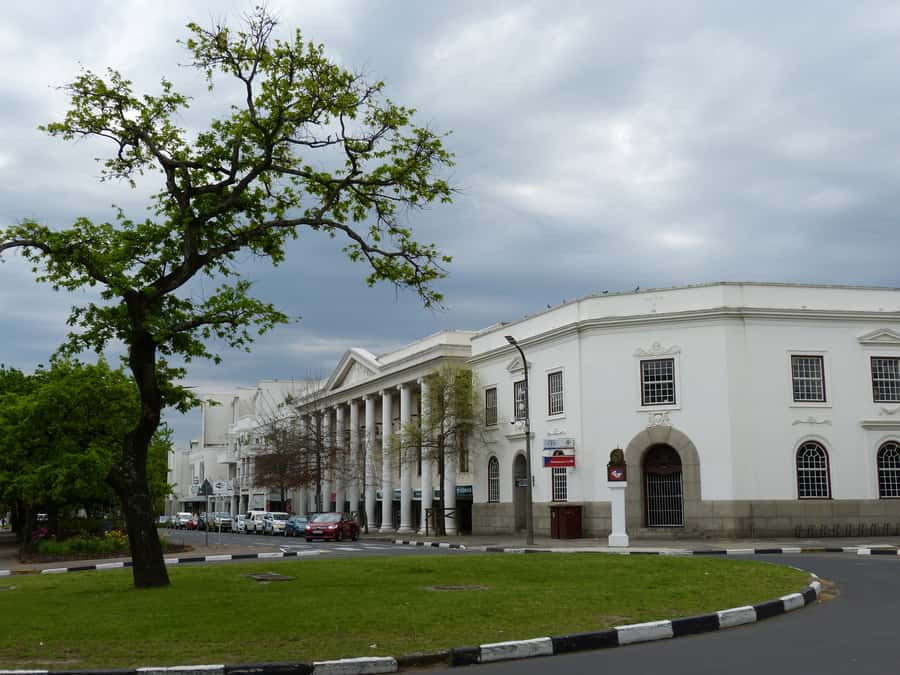
The route introduces Stellenbosch through its shaded avenues and the water furrows beside the Mill Stream. These furrows are more than decorative channels. They help explain how water shaped the early town and why the settlement developed as it did.
The oak trees give the streets a calm, leafy feel, but do not let the pretty setting distract you from the town’s difficult past. The walk sets the pleasant streets against stories of fires that swept through Stellenbosch and destroyed large sections of its early buildings.
This contrast is one of the tour’s strengths. You see a town that looks carefully preserved, then learn that its appearance is partly the result of rebuilding, adaptation, and survival. A guide can point out how the town evolved instead of leaving you with the idea that every old-looking structure has remained untouched for centuries.
The pace is relaxed. You should expect frequent stops for explanation and photographs rather than a brisk march from one attraction to the next. The route is described as an easy city walk, but you should still wear supportive shoes and bring protection from the sun.
Simon van der Stel and the Eerste River
One of the most useful historical stops concerns Simon van der Stel, the colonial founder associated with Stellenbosch. The guide points out where he set up camp on the Eerste River and explains how the river received its name.
This is the kind of detail that can be easy to miss on a self-guided stroll. You might pass the river, take a photograph, and continue toward the shops. With the guide, the water becomes part of the founding story and gives you a clearer sense of how the settlement was first located.
The tour does not treat history as a list of dates. The guide connects the founder, the river, the early settlement, and the town’s later growth. That makes the first part of Stellenbosch easier to understand when you continue exploring after the walk.
It is also a good place to ask about the language and cultural influences you see in the town. The old center reflects Dutch roots, while modern Stellenbosch has a broader South African identity. Several guides are praised for explaining not only the early settlement but also the town’s role today.
More Historical Tours in Cape Winelands:
- Stellenbosch: Historical Bike Tour & Wine Tasting
★ 4.9 · 248 reviews - Hurghada: Luxor Valley of the Kings & Tutankhamun Tomb Trip
★ 4.7 · 13,208 reviews - Luxor Day Trip from Hurghada Small Group & Tutankhamun Tomb
★ 4.8 · 5,366 reviews - Marrakech: Bahia Palace, Saadian Tombs, Souk and Medina Tour
★ 4.7 · 4,974 reviews
Cape Dutch buildings around The Braak
The Braak is the village green, with historic buildings surrounding three sides. It is one of the tour’s clearest visual moments because you can take in several parts of the old town from one open space.
The guide explains the buildings as a group, not just as separate façades. You learn how the green functioned within the town and why its position matters. The surrounding architecture shows the Cape Dutch style that gives central Stellenbosch much of its look.
I like this stop for practical reasons. It helps you orient yourself, and it gives you a place to return to later for photographs or a slower look. It also makes clear why a walking tour is better here than a vehicle tour. The details are close together, and the town’s scale is best understood at street level.
Do not expect a museum visit or a long interior tour as part of the basic experience. The focus is on streets, buildings, public spaces, and stories told outdoors. If you prefer a long look inside each historic house, you may need additional time on your own.
Dorp Street, the oldest residential street
Dorp Street is presented as the oldest residential street in South Africa. The street gives the tour a more intimate feel than The Braak because you are looking along a historic residential route rather than across a public green.
Here, the guide can help you notice the relationship between house fronts, street alignment, trees, and the old water system. The pleasure comes from slowing down. You are not simply collecting landmarks. You are learning how a town looks when its old roads and buildings still shape daily movement.
This is also where a good guide can point out details a casual walk might miss. Juliana and Marlene are praised for showing less obvious features, while Johan is often valued for amusing facts and anecdotes. The exact stories may vary, but you can expect more than a standard architectural description.
The street is a strong choice for photographers, architecture fans, and first-time visitors who want to get their bearings quickly. It is less useful if your main goal is wine tasting outside the center, since this is a town-history walk rather than a vineyard excursion.
Fires, graveyard tales, and the darker side of town history
Stellenbosch’s old buildings look orderly today, but fire repeatedly threatened the settlement. The tour explains how devastating fires in the 18th century nearly wiped out the town and shaped what survived.
This gives you an important correction to the usual postcard view. Preservation here is not only about age. It is also about rebuilding after loss. The guide uses the fires to show how Stellenbosch developed despite repeated setbacks.
The walk also includes the graveyard of the Moederkerk, where you may hear stories about a ghost. The description of an Angel Factory adds another unusual thread, and one guide has even been praised for a memorable explanation involving the local morgue. These touches keep the history lively without turning the entire walk into a ghost tour.
You should expect anecdotes rather than theatrical performances. Some stories are curious, some are somber, and some are amusing. That mix is useful because it gives the town human texture. The guide is not only explaining dates and architectural styles but also showing how people have remembered, embellished, and lived with the past.
Stellenbosch University and the town today
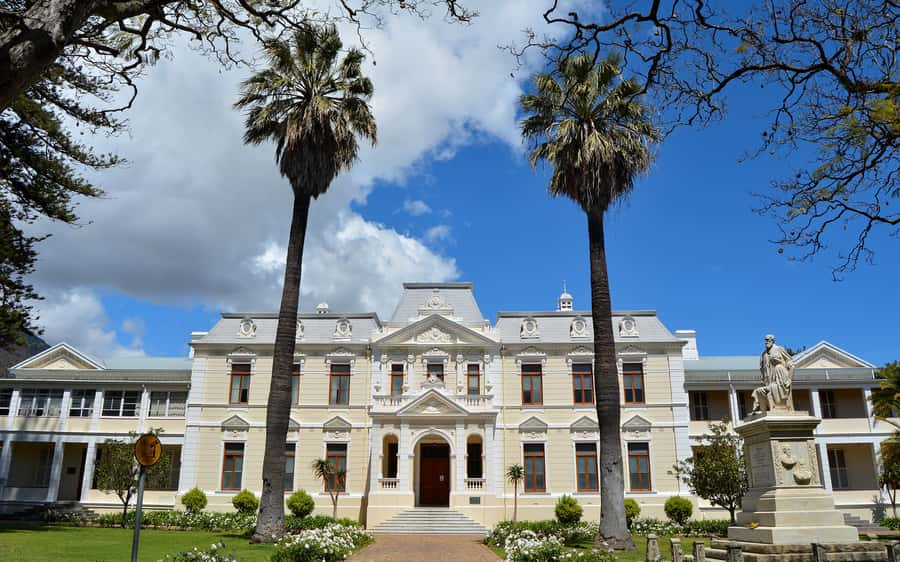
The tour also looks at Stellenbosch University and its famous graduates, including prime ministers and sportsmen. This helps connect the old settlement with the modern university town you see today.
The university is not treated as an isolated campus story. Instead, it forms part of the town’s identity. You gain a sense of how historic Stellenbosch and present-day Stellenbosch share the same streets and public spaces.
Several guides also include political and social context about South Africa. That makes the tour more useful than a narrow account of colonial buildings, though you should expect the amount of modern discussion to depend on the guide and the questions asked.
I would ask about the relationship between the university and the town, the history of Afrikaans, and how Stellenbosch has changed. The guides have been praised for giving fuller answers and for tailoring the explanation to the people in the group.
What $18 buys you
At $18 per person, this is good value if you want context rather than a quick orientation. You receive a professional guide and a 90-minute walking tour, with no separate transport cost built into the activity.
The strongest value comes from concentration. In an hour and a half, you cover the river story, oak avenues, water furrows, Cape Dutch buildings, The Braak, Dorp Street, the Moederkerk graveyard, university connections, and local anecdotes. You could find some of these places alone, but you would not automatically understand how they connect.
The price is especially reasonable for a first morning in town. After the walk, you can return to the spots that caught your attention, choose where to eat, or plan other activities with a better sense of direction.
Remember that personal expenses and transport to the meeting point are not included. You also need comfortable shoes. The route is easy, but 90 minutes on paved streets can feel longer in poor footwear or strong sun.
Who should book this walk
I would choose this tour if you are visiting Stellenbosch for the first time, enjoy local history, or like architecture explained in plain language. It suits people who want a short activity that still gives them a strong sense of place.
It is also useful for repeat visitors. One guest who had been to Stellenbosch many times still learned new things from the walk, which makes sense: the stories behind familiar streets are often the part you miss on a first visit.
Families with older children may appreciate the mix of fires, founders, ghosts, university figures, and unusual local details. History fans will get more from it than someone who only wants a wine-country view, but the walk is broad enough for anyone curious about how the town developed.
The tour is wheelchair accessible, though the supplied details do not describe the exact street surfaces or restroom arrangements. If you need specific route information, ask before booking.
Booking details worth knowing
The tour lasts 90 minutes and is led in English. You should arrive at 47 Church Street, Stellenbosch Central, 15 minutes before the start time, and check the available departure times when booking.
Free cancellation is available up to 24 hours before the activity for a full refund. You can also reserve now and pay later, which helps if your Western Cape plans are still shifting.
Pets, alcohol, and drugs are not allowed. Bring comfortable shoes, and plan for outdoor conditions even though the oak-lined streets provide shade.
Should you book the Stellenbosch historical walking tour?
Yes, if you want to understand the town before wandering through it on your own. The tour is short, affordable, easy to fit into a day, and unusually good at linking rivers, streets, buildings, fires, university life, and local tales.
Book it early in your stay if possible. Then you can revisit The Braak or Dorp Street with a better eye and notice details the guide has explained. Skip it only if you have very limited time and want to focus solely on wine farms, or if a guided history walk is not your style.
For $18, this is a sensible way to meet Stellenbosch through its streets rather than just its scenery.
FAQ
How long does the Stellenbosch historical walking tour last?
The tour lasts 90 minutes.
Where does the tour meet?
The meeting point is 47 Church Street, Stellenbosch Central, Stellenbosch, 7599. Arrive 15 minutes before the activity begins.
What language is the tour conducted in?
The live tour guide speaks English, and the listed tour language is English.
What places are included on the walk?
The route includes oak-lined avenues, the Mill Stream water furrows, Cape Dutch buildings, The Braak, Dorp Street, the site linked to Simon van der Stel and the Eerste River, the Moederkerk graveyard, and Stellenbosch University connections.
Is the walking tour wheelchair accessible?
Yes, the activity is listed as wheelchair accessible.
What should I bring?
Bring comfortable shoes. The experience takes place outdoors and lasts 90 minutes.
Can I cancel the booking?
Yes. You can cancel up to 24 hours in advance for a full refund. You can also reserve now and pay later.
More Walking Tours in Cape Winelands
- Marrakech: Ben Youssef, Secret Garden, & Souks Walking Tour
★ 4.6 · 2,802 reviews - Marrakech: Colorful Medina Souks Guided Walking Tour
★ 4.7 · 2,470 reviews - Explore Fes: Unforgettable Guided Walking Tour of the Medina
★ 4.7 · 1,339 reviews - Nairobi: Historic and Modern Highlights Walking Tour
★ 4.8 · 703 reviews
Just added for Cape Winelands
- Full Day Small Group Wine Tour Cape Town and Stellenbosch★ 5.0 · 79 reviews
- Stellenbosch: Wine Farm E-Bike Guided Tour★ 4.6 · 88 reviews
- From Cape Town: Stellenbosch Four Estate Full-Day Wine Tour★ 4.8 · 266 reviews
- From Stellenbosch: Hop-On Hop-Off Wine Tour Southern Route★ 4.7 · 105 reviews
- Franschhoek: E-Bike Guided Winery Tour★ 4.6 · 96 reviews
- Cape Town: Guided Winelands Tour & Tasting in Stellenbosch★ 4.2 · 114 reviews
- Cape Town: Stellenbosch Hop-On Hop-Off Tractor Transfer★ 4.5 · 93 reviews
- Cape Town: Stellenbosch, Franschhoek, Wine Tasting and Tram★ 4.7 · 190 reviews
Historical Tours, compared.
Luxor Valley of the Kings & Tutankhamun Tomb Trip
Read our review →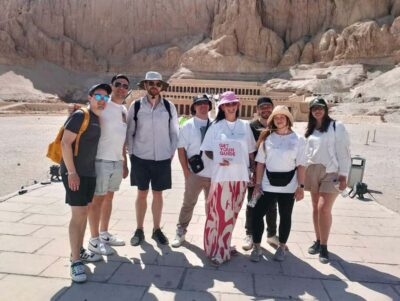
Luxor Day Trip from Hurghada Small Group & Tutankhamun Tomb
Read our review →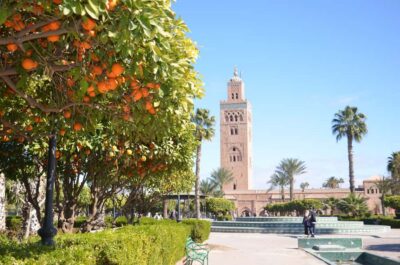
Bahia Palace, Saadian Tombs, Souk and Medina Tour
Read our review →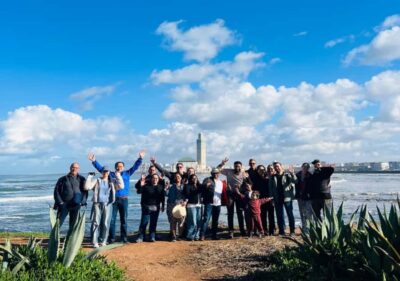
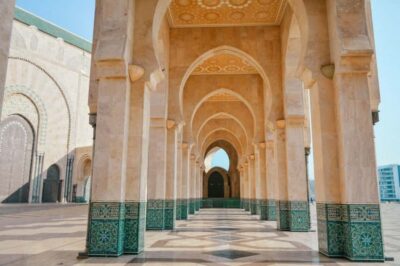
Hassan II Mosque Premium Tour with Entry Ticket
Read our review →

Bahia Palace, Saadian Tombs, & Koutoubia Mosque
Read our review →
Casablanca City Tour with Hassan II mosque ticket
Read our review →Browse the lists this tour appears in