
Reviewed · HISTORICAL TOURS
Stone Town’s Hidden History: Private Guided Walking Tour
Stone Town’s story is written into its doors, coral-stone walls, market lanes, and former slave-market sites. This private walk puts you inside that story, rather than leaving you to guess what the peeling facades and narrow alleys once meant. The town covers about 14 football fields, yet more than 2,000 limestone buildings and roughly 18,000 residents fit within it.
I like the custom route, since guides such as Abdalla, Cosmo, Amina, and Issa have adjusted walks for interests ranging from architecture to food. I also like the small scale and price: at $30 per person, you get a private or small-group guide, water, a city map, and pickup and drop-off options.
The main drawback is the heat and uneven pace of city walking. A two-hour tour can feel quite full in the middle of the day, and entry fees for places such as the Freddie Mercury museum, Anglican Cathedral, and Hamamni Baths may cost extra. Book the 4:30 pm start for sunset, or go early for cooler conditions.
Key points to know before you book
- Former slave market: The Anglican Cathedral occupies the site of Stone Town’s former slave market, making this one of the tour’s most important historical stops.
- Four cultural influences: African, Arab, Indian, Persian, and European traditions meet in the town’s buildings, food, faiths, and street life.
- A flexible route: Your guide can give more time to history, architecture, markets, shopping, or local culture.
- Strong guide feedback: Abdalla, also called Abdullah, Cosmo, Amina, Issa, Hashir, Munaa, and Muhammad are singled out for clear explanations and personal attention.
- Best timing: Choose morning for cooler walking, or 4:30 pm for sunset views and the evening market.
- Simple value: The $30 price includes a private local guide, water, a map, taxes, and pickup and drop-off when selected.
Stone Town in one compact walk
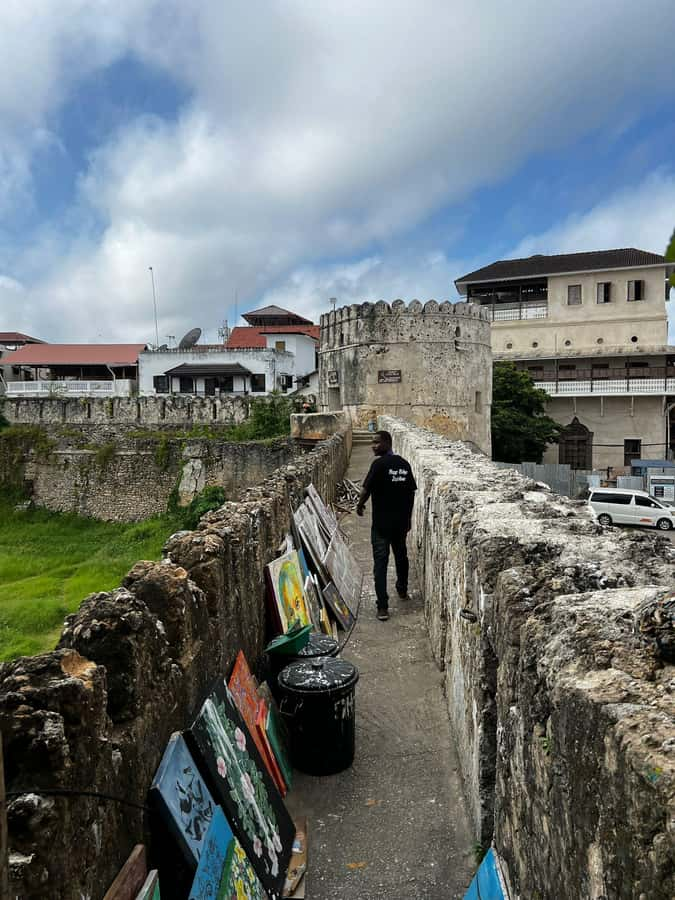
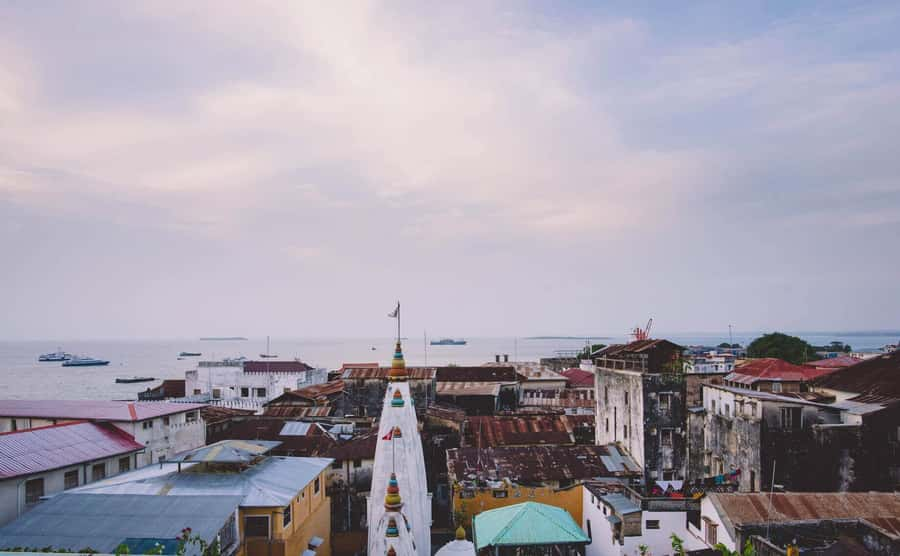
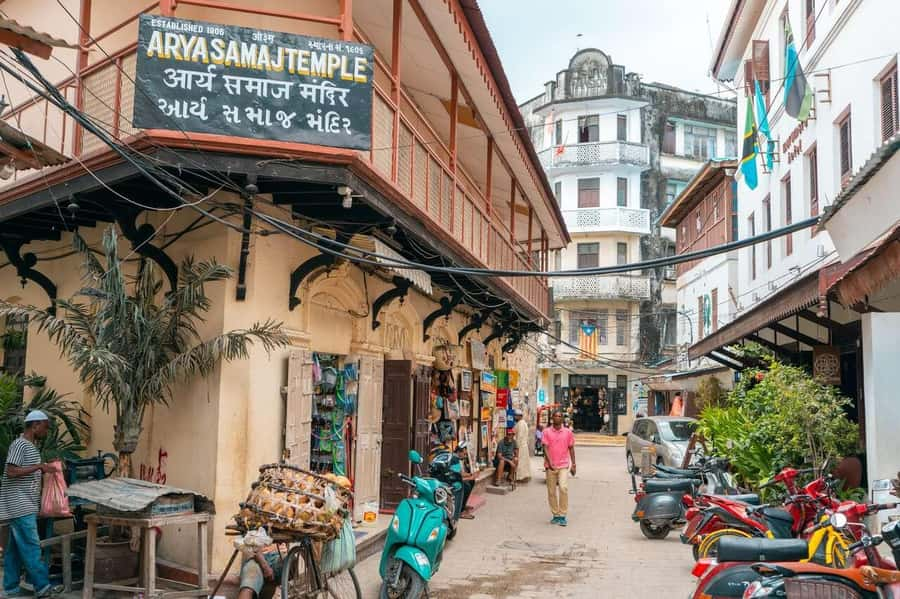
Stone Town can feel confusing at first. Streets twist past carved wooden doors, shopfronts, courtyards, mosques, churches, food stalls, and buildings with several layers of history. I like starting with a guide here because the town’s most interesting details are easy to miss when you are focused on finding your way.
The walk covers the old town’s geography, history, architecture, and daily culture. You are not simply taken from one photo stop to another. The guide explains how Zanzibar became a meeting point for African, Arab, Indian, Persian, and European influences, then shows how those connections appear in the town around you.
The scale is useful to keep in mind. More than 2,000 limestone buildings occupy an area about the size of 14 football fields, and around 18,000 people live in these neighborhoods. That means Stone Town is not just a preserved historic quarter. It is also a working community, with residents shopping, drinking coffee, opening stores, and moving through the same lanes you are exploring.
Stone Town has been a UNESCO World Heritage Site since 2000. The designation makes more sense when you see the mixture of building styles and the way ordinary streets sit beside major monuments. The tour gives you a readable introduction before you decide which sites deserve a longer visit.
More Walking Tours in Tanzania
- Stone Town Private Walking Tour
★ 5.0 · 371 reviews - Zanzibar: 3 Hours Private Stone Town walking Tour with Guide
★ 4.6 · 301 reviews - Zanzibar: Stone Town Historical Cultural Walking Guided Tour
★ 4.5 · 179 reviews
Meeting at the Old Fort by Forodhani Gardens
The usual meeting point is in front of the Old Fort, near Forodhani Gardens. This is a practical place to begin because it puts you close to several major sights and the seafront. If you choose pickup, wait in your hotel lobby about 10 minutes before the agreed time and look for a guide or driver wearing a Happy Bikes shirt, hat, or cap.
Pickup and drop-off depend on the option you select. Listed drop-off points include the Old Fort, Darajani Bazaar, Africa House Hotel, Park Hyatt Zanzibar, Tembo Palace Hotel, the Zanzibar tourist information center, Mercury’s Bar, Lukmaan Restaurant, and other central locations. This can be useful if you want to continue sightseeing, eat lunch, or return to your hotel without retracing the route.
The tour is private or offered to small groups. That matters in Stone Town, where narrow streets can make a large group awkward. A smaller party also makes it easier to ask questions, pause for photographs, or adjust the pace.
Old Fort, Forodhani Gardens, and the town’s sea-facing edge
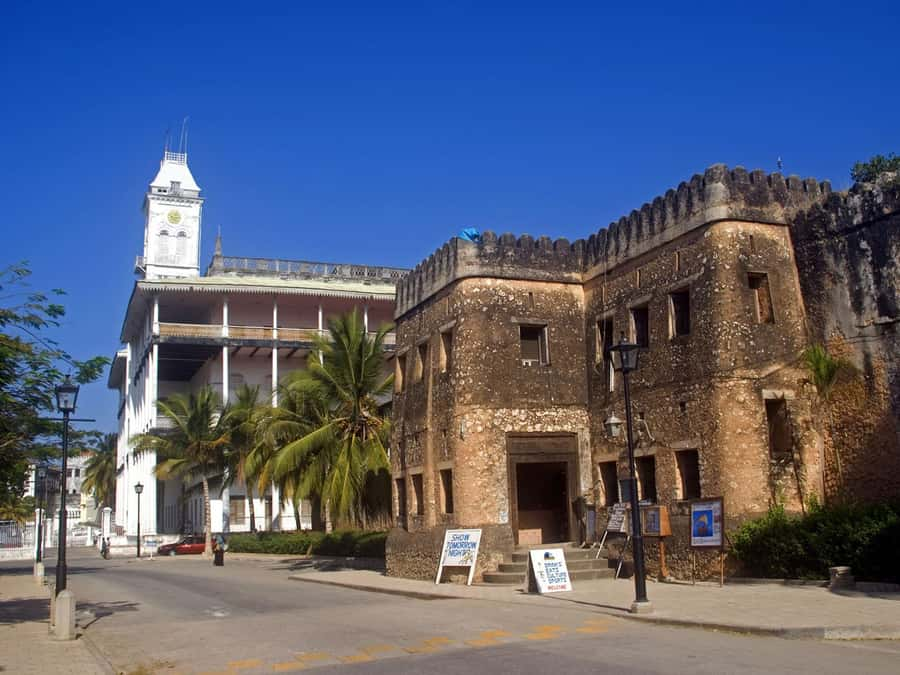
The Old Fort is one of the natural anchors for a Stone Town walk. From here, your guide can help you understand how the town connects to the water, the gardens, markets, and central streets. It is also a convenient place to get your bearings before heading into the older lanes.
Forodhani Gardens is especially useful as a starting reference. The evening timing adds a different mood, with sunset views and access to the night-market atmosphere. I would not choose the evening option simply because it sounds attractive. Choose the 4:30 pm start if you specifically want the sunset and evening market portion, since that is the recommended time.
A morning start has a different advantage. It gives you a better chance of staying comfortable before the strongest heat. One visitor’s practical advice was to go as early as possible, and that is sensible for anyone who dislikes hot city walks or wants more time at each stop.
Anglican Cathedral and the former slave market
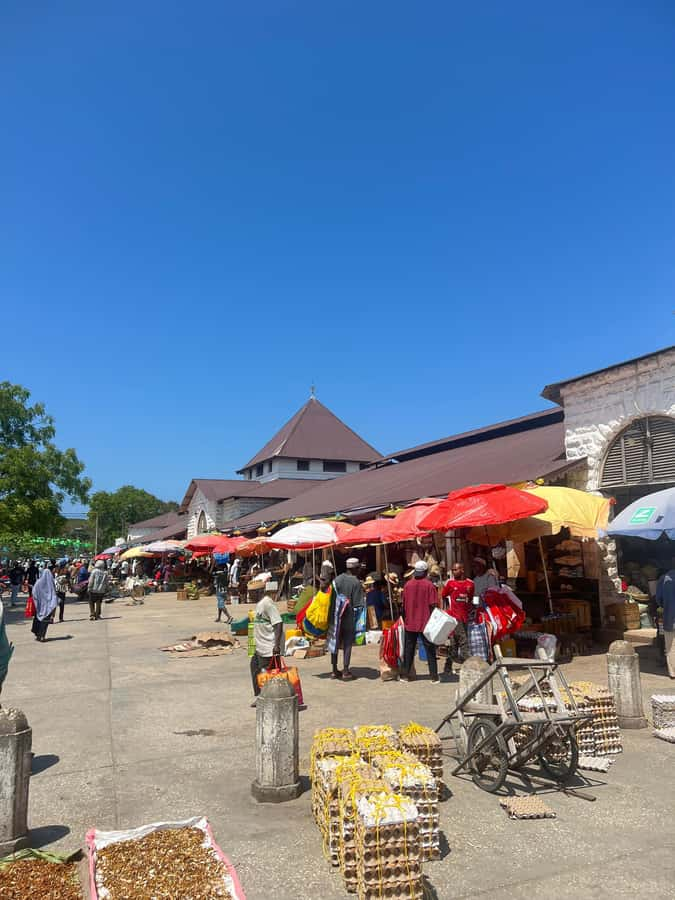
The former slave market site is the emotional center of the tour. The Anglican Cathedral was built on the site of the old slave market, and the stop connects Stone Town’s elegant architecture with one of the darkest parts of Zanzibar’s past.
This is where a guide’s explanation adds real value. The site is not just an old church to photograph. It helps you understand the human cost behind the island’s trading history and the forces that shaped Stone Town. The former slave market museum is listed among the optional paid entries, although entry arrangements can vary, so confirm what is included when booking.
Give this stop time. It may be difficult, but it is important. The guide can place the site within the wider story of Zanzibar, rather than presenting it as an isolated monument.
More Walking Tours in Zanzibar
- Stonetown: Food Markets and Street Food Walking Tour
★ 4.7 · 151 reviews
House of Wonders and the Palace Museum
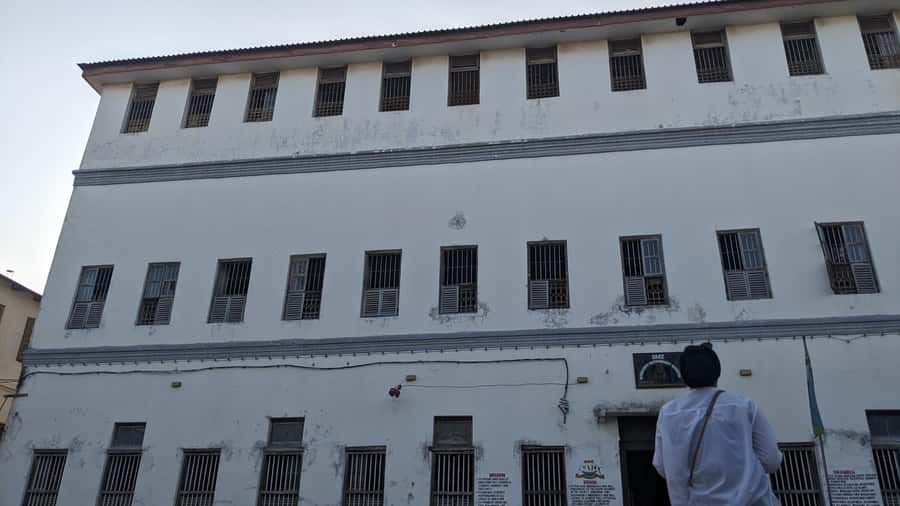
The House of Wonders is one of Stone Town’s best-known buildings and is described as a national museum under renovation. That means you should treat it mainly as an exterior sight unless your guide confirms that an interior visit is possible on the day.
The Palace Museum, also called the Sultan’s Palace Museum, adds another angle to the town’s political and royal past. Together, these buildings help explain how Zanzibar’s rulers, trade networks, and outside connections shaped the old town.
Renovation work is a practical consideration. You may not get the full museum experience, but the building still has value as part of the town’s architectural story. Your guide can explain what you are seeing and point out how the major structures relate to the surrounding streets.
Darajani Bazaar and the everyday market streets
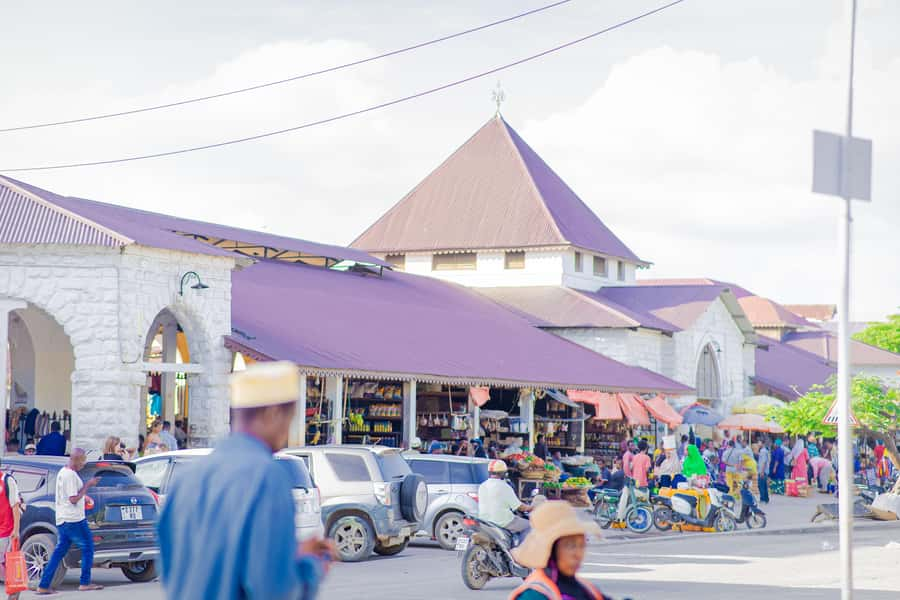
Darajani Bazaar brings you into the working side of Stone Town. Here you can expect food-market scenes, everyday shopping, local businesses, and a much less polished view of the town than you get around the grand monuments.
I like this part because it puts the historic quarter in the present tense. You see where local people shop and how the town functions beyond hotels and sightseeing. The route also includes an arts and crafts market, giving you a chance to browse local items and consider personal purchases.
Bring cash if you plan to buy anything. Personal purchases are not included, and the market setting is better suited to small, informal shopping than to a rushed stop. If you are not interested in buying, tell your guide. The route can place more emphasis on food, architecture, or history instead.
The coffee tradition is another small but memorable detail. Stone Town has lively coffee-filled street corners where people gather, including the well-known Jaw’s Corner area. The tour does not include food or soft drinks, so any coffee, snack, or meal is your own expense.
Hamamni Baths and the older streets
Hamamni Baths show another side of Stone Town’s public life and architecture. The baths are linked with the town’s older urban fabric, and the surrounding street helps you read the layout of the historic quarter.
Entry to Hamamni Baths is not included in the listed price. The same applies to some other optional museum and church entries. This is not a major problem at $30, but it does affect your final budget if you want to go inside several buildings.
Ask your guide which interiors are open and which are worth paying for. If you only have two hours, an exterior explanation may be enough. If you have three or four hours and care about architecture, the added entries may make the longer format worthwhile.
Catholic Cathedral, Zanzibar doors, and street architecture
The Catholic Cathedral gives the walk another religious and cultural viewpoint. It also helps show how several faiths and communities have shaped Stone Town over time.
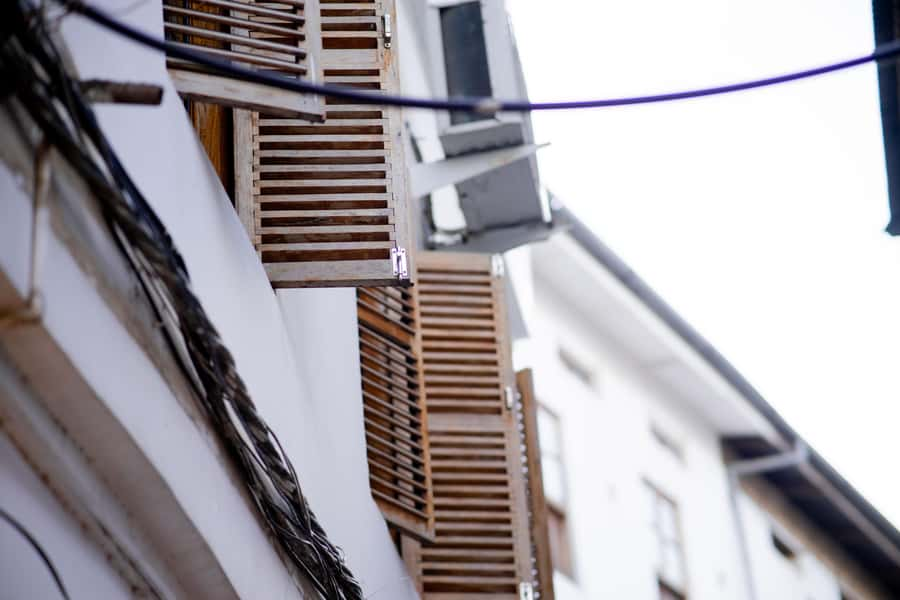
The doors are among the most enjoyable details of the walk. Zanzibar’s carved doors often reveal status, taste, craft traditions, and the cultural links that run through the town. You will see doors as you move between major sights, not only at one formal stop, so keep your camera ready.
Stone Town’s architecture is best read slowly. Look up at balconies, notice the limestone walls, and watch how narrow streets open into small market areas or wider public spaces. A guide can point out details that are easy to overlook, but you should still leave room to stop and take your own photographs.
Freddie Mercury’s house and the modern cultural layer
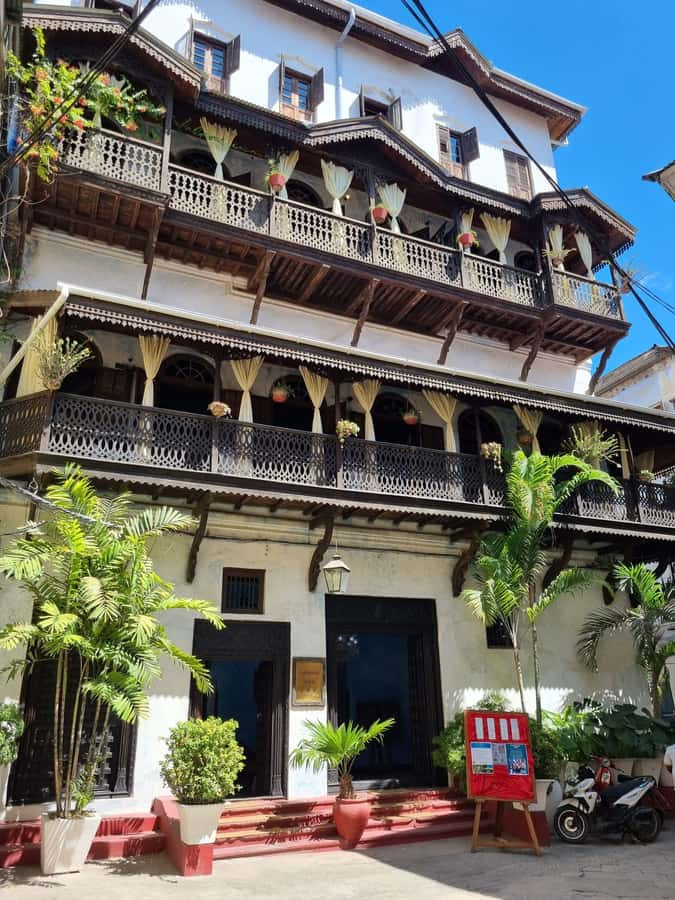
The route includes Freddie Mercury’s house and the option to visit the Freddie Mercury museum. The museum entry is not included, so decide in advance how much this part interests you.
For some people, it is a central stop. For others, the house works better as a brief modern reference within a much older town. I would not choose this tour solely for the museum, but it is a useful addition if you want to connect Stone Town with one of its best-known international figures.
The guide can also help place the stop within the larger cultural mix. Stone Town is not a single-story destination. Its identity comes from many communities, periods, and personal histories occupying the same compact area.
Secret Garden, markets, and room to follow your interests
The Secret Garden is listed among the tour’s points of interest, along with the bazaar shopping zone and colorful market streets. These stops give the walk a softer, more atmospheric side after the heavier historical sites.
The exact balance matters. If you want architecture, ask for more time with the buildings and doors. If food interests you, request more market and local-culture content. If you are shopping, ask your guide to include the bazaar zone. The tour is designed to adjust rather than force every person through the same script.
The guides’ ability to tailor the walk is one of its strongest features. Abdalla is described as especially good at explaining history and adapting to questions. Cosmo is praised for his friendly manner and strong grasp of local culture. Amina, Issa, Hashir, Munaa, and Muhammad are also noted for being attentive, flexible, and willing to spend extra time when needed.
That does not mean every guide will deliver the identical experience. Guide assignment can vary, so if a specific guide is important to you, ask the operator before booking.
How long should you choose?
The advertised duration is two to four hours, while the main walking portion is about two and a half hours. The shorter version works well if you want a quick orientation at the beginning of a Stone Town stay or have other plans later.
Choose closer to four hours if you want several interior visits, more market time, shopping, or a slower pace for photographs. Heat, questions, and waiting for companions can all stretch a city walk, so do not plan an important appointment too tightly afterward.
The tour can also be adjusted. One participant had the walk shortened from three hours to two while still seeing the main sights. That flexibility is useful, but it is best to explain your time limit at the start.
What the $30 price really gives you
At $30 per person, the tour offers good value for a private or small-group introduction to Stone Town. The price includes a local guide, pickup and drop-off when selected, two 500-milliliter bottles of water, a city map, taxes, and surcharges.
The strongest value comes from the guide, not the water or map. Stone Town’s buildings and streets are much easier to understand when someone can explain the links between the slave trade, religious buildings, royal sites, markets, and local life.
Budget separately for food, soft drinks, souvenirs, and optional entry fees. Listed paid entries include the Freddie Mercury museum, Anglican Cathedral, and Hamamni Baths. One route description indicates that the former slave-market visit was included for one booking, so confirm the current entry arrangement rather than assuming every interior is covered.
Practical advice for a comfortable walk
Wear comfortable shoes. You will be on foot through narrow city streets, and the tour takes place rain or shine. Bring sunglasses, a camera, cash, and an umbrella if rain is forecast.
Dress respectfully for Zanzibar’s cultural setting. The operator specifically asks visitors to dress appropriately according to local traditions. Avoid large bags and luggage, which are not allowed on the tour.
Pregnant women are listed as unsuitable for this activity. Anyone else concerned about heat or walking should request an early start, shade breaks, and a slower pace. One guide was specifically praised for checking comfort, finding shaded places to talk, and providing a cold drink when the heat became tiring.
The tour is available with guides speaking English, French, German, Italian, Spanish, or Swahili. Confirm your preferred language when reserving.
Cancellation is free up to 24 hours before the start, and you can reserve now and pay later. Those terms help if your Zanzibar schedule is still moving around, but they do not replace checking the exact start time and pickup point.
Should you book this Stone Town walk?
I would book this tour as an opening activity in Stone Town. At $30, it gives you a useful map of the city, a guided look at the former slave market, the main monuments, local markets, and the town’s layered architecture. It also gives you a chance to ask questions before exploring alone.
Choose it if you want history explained in plain language, a flexible route, and the comfort of a local guide. It is especially useful for solo visitors, first-time arrivals, people with only a few hours, and anyone uneasy about finding their way through the old town.
I would choose the morning for cooler walking and better concentration. Choose 4:30 pm if sunset, the night market, and evening street life matter more to you. Skip it only if you strongly prefer exploring alone or want a full museum-by-museum program with every entry included in advance.
FAQ
Where does the Stone Town tour meet?
The meeting point is in front of the Old Fort, near Forodhani Gardens.
Is hotel pickup available?
Pickup is optional and depends on the selected booking option. If you use it, wait in your hotel lobby 10 minutes before the scheduled time and look for the guide or driver wearing a Happy Bikes shirt, hat, or cap.
How long does the walking tour last?
The tour lasts between two and four hours. The main Stone Town walking portion is listed as about two and a half hours.
What is included in the $30 price?
The price includes a private local guide, pickup and drop-off when selected, two 500-milliliter bottles of water, a city map, taxes, and surcharges.
Are museum and church entry fees included?
Food, soft drinks, personal purchases, and some entry fees are not included. The listed optional entries include the Freddie Mercury museum, Anglican Cathedral, and Hamamni Baths. Confirm the current arrangements for the former slave-market site when booking.
What should I bring and wear?
Bring comfortable shoes, sunglasses, a camera, cash, and an umbrella if rain is expected. Dress appropriately for local culture, and do not bring luggage or large bags.
More Historical Tours in Zanzibar
- Hurghada: Luxor Valley of the Kings & Tutankhamun Tomb Trip
★ 4.7 · 13,208 reviews - Luxor Day Trip from Hurghada Small Group & Tutankhamun Tomb
★ 4.8 · 5,366 reviews - Marrakech: Bahia Palace, Saadian Tombs, Souk and Medina Tour
★ 4.7 · 4,974 reviews - From Marrakech: Casablanca Tour with Hassan II Mosque Visit
★ 4.7 · 4,756 reviews
Just added for Zanzibar
- SWIMMING WITH TURTLES AT SALAAM CAVE AT KIZIMKAZI ZANZIBAR★ 4.2 · 112 reviews
- Stone Town: Stone Town and Prison Island Private Day Trip★ 4.5 · 104 reviews
- Zanzibar: Mnemba Island, Prison Island and Salaam Cave Tour★ 4.5 · 150 reviews
- Mnemba from Kendwa & nungwi half day★ 4.5 · 94 reviews
- Matemwe: Mnemba Island Dolphin & Snorkeling Boat Trip★ 4.3 · 152 reviews
- Stonetown: Food Markets and Street Food Walking Tour★ 4.7 · 151 reviews
- 12 days Luxury Tanzania Honeymoon Safari and Zanzibar★ 5.0 · 105 reviews
- Selous Luxury Day Safari with Photographer★ 5.0 · 211 reviews
Historical Tours, compared.
Luxor Valley of the Kings & Tutankhamun Tomb Trip
Read our review →
Luxor Day Trip from Hurghada Small Group & Tutankhamun Tomb
Read our review →
Bahia Palace, Saadian Tombs, Souk and Medina Tour
Read our review →
Hassan II Mosque Premium Tour with Entry Ticket
Read our review →
Bahia Palace, Saadian Tombs, & Koutoubia Mosque
Read our review →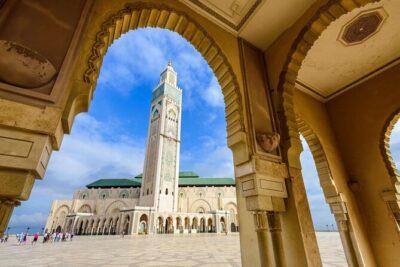
Casablanca City Tour with Hassan II mosque ticket
Read our review →Browse the lists this tour appears in