
Reviewed · COOKING CLASSES
Marrakech: Moroccan Cooking Class with Amazing Local Chef!
Marrakech: Moroccan Cooking Class With an Amazing Local Chef is less a cooking demonstration than a shared kitchen session. You arrive for mint tea and pastries, put on an apron, chop fresh ingredients, shape flaky msemmen bread, and build a tagine that cooks slowly while everyone talks. The food is the point, but the stories about family cooking and Berber methods give the class its character.
I especially like the hands-on format and the warm, multilingual teaching from hosts such as Chafik, Fatima, Mehdi, Chaima, and Laila Fatima. I also like that you eat what you prepare, rather than watching a chef cook a meal you never get to make yourself. One thing to keep in mind: the dessert may be a simple beetroot, orange, lemon, and mint juice rather than a substantial pastry or pudding, so expectations should stay modest.
Key points
- Four courses in four hours: Prepare two Moroccan salads, a tagine, msemmen flatbread, and a dessert.
- A real local welcome: Begin with a tea ceremony, pastries, and conversation before cooking starts.
- Clear, friendly instruction: Classes are offered in English, French, and Arabic, with Chafik and other hosts explaining each step.
- Good family choice: Teenagers and older children can take part, and the cooperative format suits families.
- Useful take-home value: Fresh ingredients, utensils, and recipe cards are included at $45 per person.
- Plan your arrival: Use Google Maps and search for ArtEscape Marrakech. The door is number 312, and the outside may not have a sign.
A Four-Hour Introduction to Moroccan Home Cooking

The class begins at 10:30 a.m. and ends around 2:30 p.m. That morning timing works well. You can cook, eat a full meal, and still have much of the afternoon for Marrakech.
Arrive 15 minutes early. The meeting instructions point you to ArtEscape Marrakech on Google Maps, with door number 312. Uber or InDrive may be easier than finding a regular taxi. One practical wrinkle is that the building may not have a visible sign, so ring the bell if the address looks right but the entrance seems quiet.
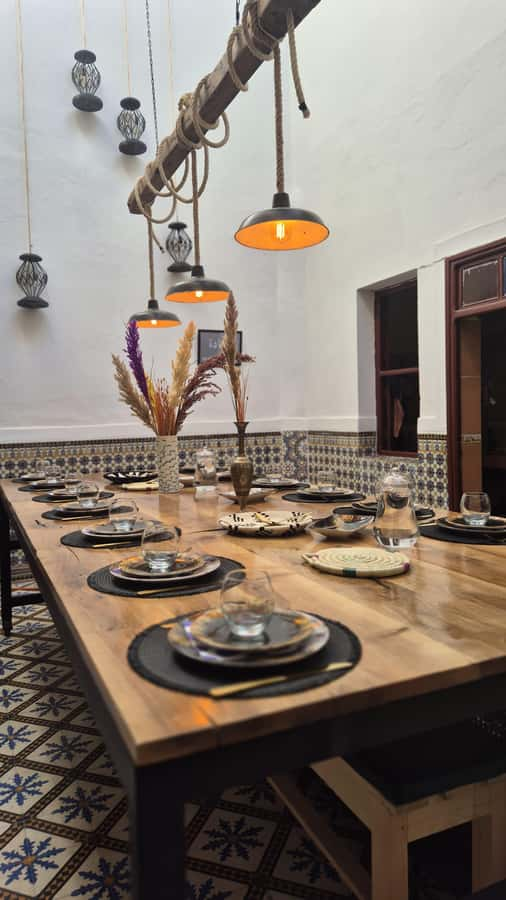
The setting is described as a traditional riad or a farmhouse, depending on the session. Either way, the appeal is the change of pace from the Medina streets. You sit down in a prepared cooking space, meet the chef and other participants, and start with the kind of hospitality that makes the class feel social from the first minute.
More Cooking Classes in Marrakech
- Marrakech: Moroccan Cooking Class with Pickup
★ 4.6 · 1,862 reviews - Marrakech: Traditional Moroccan Cooking Class & Market Visit
★ 4.8 · 1,861 reviews - Marrakesh: Moroccan Dishes Cooking Class with a Local Chef
★ 5.0 · 1,615 reviews
Mint Tea, Pastries, and a Proper Moroccan Welcome
Your first taste is not hurried. The chef serves Moroccan mint tea and pastries, then introduces the food and the traditions behind it. This opening matters because Moroccan cooking is not just a list of spices and methods. It is tied to family meals, welcoming visitors, and taking time around the table.
The tea ceremony also gives you a chance to settle in before the practical work begins. If you are traveling with children or have never taken a cooking class, this gentle start helps everyone get comfortable.
Hosts may include Chef Chafik, Mehdi, Fatima, Chaima, or Laila Fatima. The staff speak English, French, and Arabic. That language range is useful in a mixed group, since instructions can be repeated without making anyone feel lost. The teaching style described through the sessions is friendly and direct, with room for questions and humor.
Preparing Two Moroccan Salads
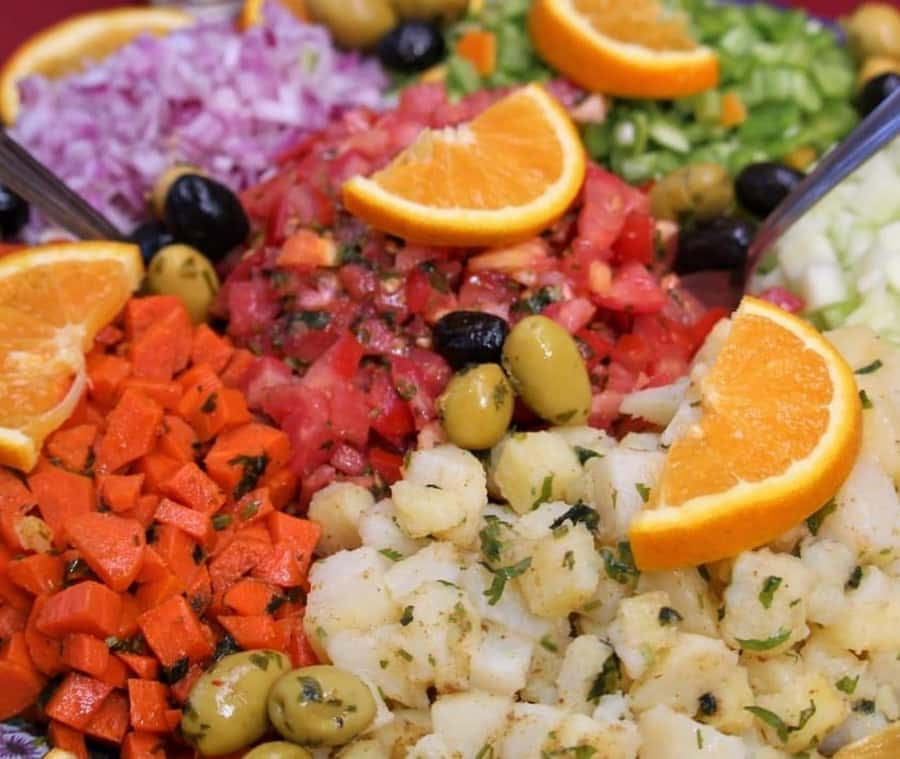
The first cooking tasks include two Moroccan salads. These are not filler courses. They show how Moroccan meals balance slow-cooked dishes with fresh, bright, vegetable-based plates.
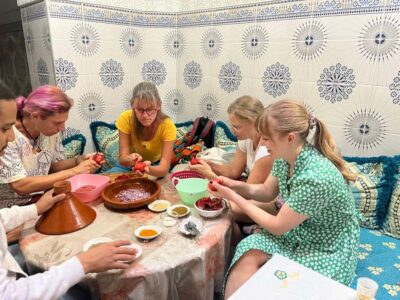
You work with fresh, seasonal ingredients and learn how the components are prepared and seasoned. The exact salads can vary, but the class includes practical chopping, mixing, and flavor balancing rather than a lecture from the sidelines. This is where you begin to see how a small amount of spice can change a simple vegetable dish.
The salad course is also a good fit for vegetarians. Vegetarian options are available, but you should give the organizers your dietary needs or allergies during booking. Do not wait until the cooking starts, especially if your requirements are strict.
One useful benefit is that the cooking builds in stages. You prepare parts of the meal while the tagines cook, so the four hours do not become one long wait for a pot to finish.
Building a Tagine, One Layer at a Time
The tagine is the main event. You choose a tagine, with chicken and vegetable versions appearing often in the class. The chef shows you how to arrange the ingredients in the clay pot before it goes onto the heat.
This is a good place to pay attention. A tagine is not simply meat and vegetables covered with spice. The order of the ingredients, the amount of liquid, and the slow cooking process all affect the final texture. The class gives you a chance to see how the pot is assembled and why Moroccan cooks let the food take its time.
The flavor lesson is just as useful. Moroccan food can taste complex without being painfully hot. You learn about the balance of spices, herbs, vegetables, and cooking juices. The result is the warm aroma and tender texture most people hope to find in Marrakech, but the instruction also gives you a method you can repeat at home.
The kitchen appears to be well maintained, and the organizers provide the utensils and ingredients. You are not expected to arrive with equipment or shop for unusual spices. That keeps the class focused on cooking rather than preparation work outside the venue.
Same corner of the map, a completely different outing:
- Marrakech: Quad Bike Tour to Palm Oasis and Jbilat Desert
★ 4.8 · 11,831 reviews - Marrakesh: Majorelle Garden Entry Tickets
★ 4.5 · 9,651 reviews - Marrakech Quad Bike Experience: Desert and Palmeraie
★ 4.5 · 9,509 reviews - Marrakech: Balloon Flight, Berber Breakfast & Certificate
★ 4.8 · 8,164 reviews
Making Msemmen, the Flaky Moroccan Flatbread
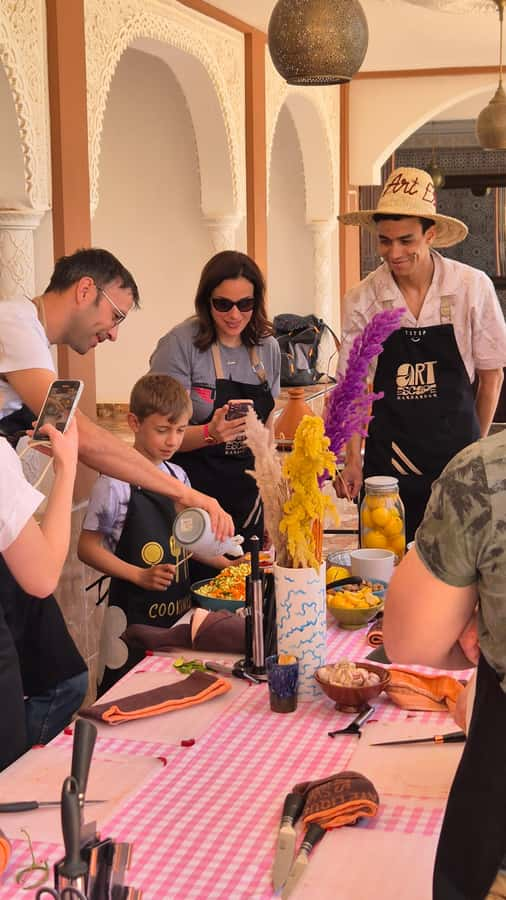
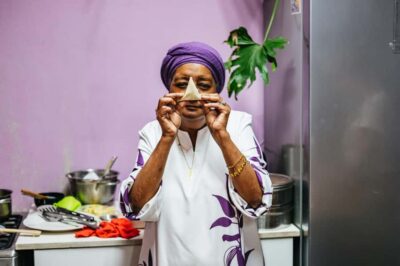
Msemmen is one of the most memorable parts of the session. This Moroccan flatbread is made from semolina flour and shaped, folded, and cooked to create flaky layers.
The technique takes more care than it first appears. You watch the chef work the dough, then make your own piece with guidance. The bread can be served with dips such as nut butter, honey, and sunflower oil while the tagines continue cooking.
This small course adds real value because it teaches a skill you may not pick up from a standard meal or market visit. It also breaks up the tagine preparation with a hands-on task that is easy to enjoy with family members. Children and teenagers can take part, though the activity is not designed for babies under one year old.
Msemmen is also one of the best reasons to bring your camera. You can photograph the cooking process, the finished bread, and the decorated dining area. Comfortable shoes are recommended, since you will be standing and working during much of the class.
Eating Together in the Riad or Farmhouse
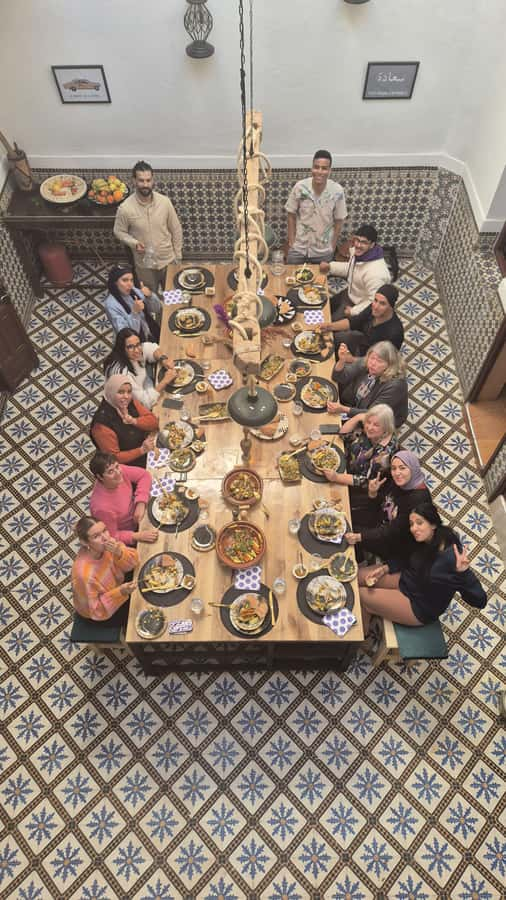
Once the tagines are ready, everyone sits down to eat. This is not a separate restaurant meal. You are sharing the dishes you helped prepare, with Moroccan mint tea alongside them.
That shared meal gives the class its strongest social element. You might arrive knowing only the people in your own booking, but the cooking requires cooperation. People chop, mix, ask questions, compare results, and then sit at the same table. The experience works particularly well for families and couples, but solo participants can also take part without being left on the sidelines.
The food is usually the part that stays with you. Chicken and vegetable tagines, fresh salads, msemmen, pastries, and juices have all featured in the cooking sessions. In one version, the dessert was a blended drink made with beetroot, orange, lemon, and mint. It was refreshing, though you should not book this expecting a large dessert course every time.
The meal also lets you judge the lessons immediately. You see how the slow cooking affected the tagine, whether the seasoning is balanced, and how the bread turned out. That makes the recipes easier to remember than instructions given without a meal at the end.
What Makes the Teaching Work
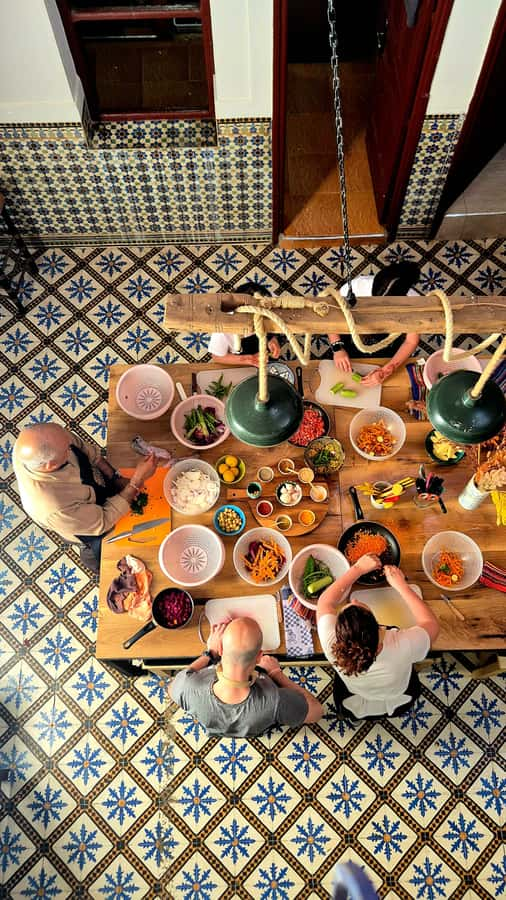
The strongest part of the class is the tone. Chafik is described as using clear step-by-step directions, humor, and stories about Moroccan culture and family life. Fatima and other team members help keep everyone involved, including people who may be less confident in the kitchen.
You should expect teaching rather than a formal chef school. The goal is to help you understand the dishes, not to test professional knife skills. That makes it suitable for beginners, curious eaters, and families.
The multilingual setup is helpful, but English is not the only language used. If you book in a mixed group, the pace may include translation or repeated explanations. That can add a little time, yet it is also what allows French, Arabic, and English speakers to cook together.
Classes may feel more personal when the group is small. One session had only two participants, giving the chef plenty of time for detailed help. A larger group can bring more energy and conversation, but you may wait briefly for assistance with a particular step.
Is $45 a Fair Price?
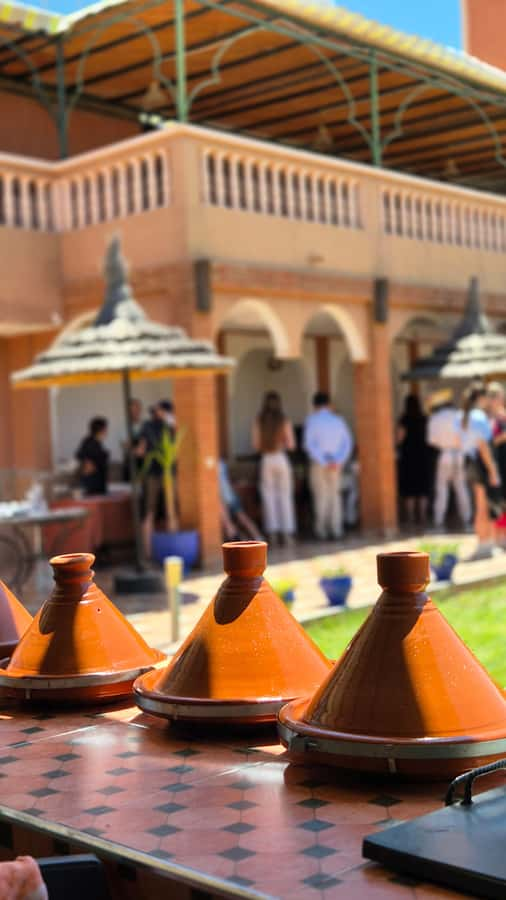
At $45 per person, this is a good value if you want more than a meal. The price covers a four-hour activity, the welcome tea, fresh seasonal ingredients, cooking equipment, the prepared meal, mint tea, and recipe cards.
A restaurant meal could cost less, especially if you choose a simple local place. But it would not give you the cooking instruction, cultural explanation, or recipes to use later. A shorter food tasting could also be cheaper, but it would leave you watching rather than working.
The value is strongest for families, couples, and anyone who wants a practical souvenir. You leave with cooking ideas rather than another decorative item in your luggage. The recipe cards are especially useful if you want to try tagine or msemmen at home.
The limitation is that the final menu can vary, and the dessert may be quite simple. If your main aim is a large multi-course feast with a complex sweet ending, check the current menu before booking.
Timing, Transport, and Accessibility
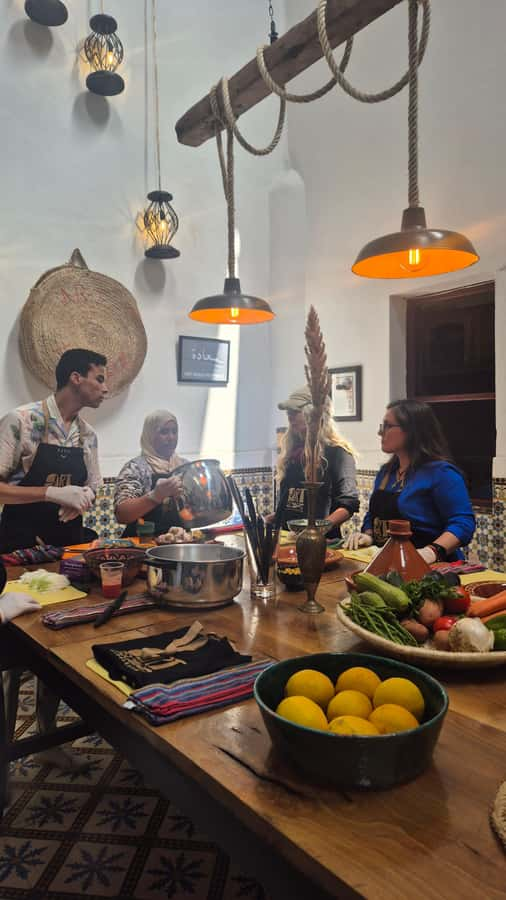
The morning session runs from 10:30 a.m. to 2:30 p.m. Aim to arrive at 10:15 a.m. for the introduction and tea ceremony.
Use Google Maps with ArtEscape Marrakech as the search term. The door is number 312. Uber and InDrive are suggested as easier options for reaching the location, though one class had some transportation problems. If pickup or drop-off is offered for your booking, confirm the details and timing in advance rather than assuming they will be automatic.
The activity is wheelchair accessible. You should still share any mobility needs when booking so the organizers can confirm the best arrangements for your specific session.
The class allows vegetarian options, but allergies and dietary restrictions need to be reported at booking. Pets, alcohol, and drugs are not allowed. Bring comfortable shoes and a camera.
Free cancellation is available up to 24 hours before the start time, and you can reserve now and pay later. Those options are handy when your Marrakech schedule is still changing.
Who Should Book This Marrakech Cooking Class?

I would point families toward this class first. Teenagers can chop, shape bread, and help prepare the meal, while the shared table gives everyone something to do. It is also a good choice for couples who want a quieter cultural activity away from the main sights.
Solo visitors should consider it if they enjoy meeting people through food. The group format gives you a natural way to talk without forcing a sightseeing conversation. Home cooks will appreciate the tagine and msemmen techniques, while complete beginners can follow the chef’s instructions without prior experience.
This is less suitable if you want a fast activity or dislike group participation. Four hours is a meaningful portion of your day, and the format asks you to cook, listen, wait for slow-cooked dishes, and eat with others. The simple dessert may also disappoint anyone expecting a more elaborate final course.
Should You Book It?
Yes, if you want to understand Moroccan food by making it yourself. The strongest reasons are the clear instruction, the friendly local hosts, the practical msemmen lesson, and the chance to eat the tagine and salads you helped prepare.
Before booking, confirm the meeting details, tell the organizers about dietary needs, and ask what dessert is planned if that matters to you. With those points in mind, the $45 price buys a useful, social morning that can stay with you long after the last glass of mint tea.
FAQ
How long is the Moroccan cooking class?
The class lasts four hours. The morning session runs from 10:30 a.m. to 2:30 p.m., and you should arrive 15 minutes early.
What dishes will I prepare?
The class includes two Moroccan salads, a tagine of your choice, Moroccan msemmen bread, and a dessert. Chicken and vegetable tagines are among the dishes prepared in the sessions.
Is the class available in English?
Yes. The activity is conducted in English, French, and Arabic.
Are vegetarian options available?
Yes. Vegetarian options are available. You should provide details about allergies, dietary restrictions, or other food requests during booking.
Where do I meet the cooking class?
Use Google Maps and search for ArtEscape Marrakech. The door number is 312. You are asked to arrive early for the welcome tea and introduction.
Can I cancel the booking?
Yes. You can cancel up to 24 hours before the activity for a full refund. You can also reserve now and pay later.
Just added for Marrakech
- Marrakech: Tailor-Made City Tour With Your Own Private Guide★ 4.9 · 236 reviews
- Marrakech palm grove: Sunset camel ride★ 4.8 · 194 reviews
- Sparkling Marrakech through the eyes of your local Guide★ 4.7 · 247 reviews
- Quad Bike Activity in Marrakech Palmeraie★ 4.2 · 123 reviews
- Marrakech: Historical Discovery Tour★ 4.1 · 87 reviews
- Marrakech: Palm Grove Horseback Riding Tour★ 4.6 · 163 reviews
- Moroccan Food Cooking Class with a Local Chef in Marrakech★ 4.7 · 90 reviews
- Marrakech: Babouch Making Workshop in the Medina★ 4.9 · 117 reviews
Cooking Classes, compared.
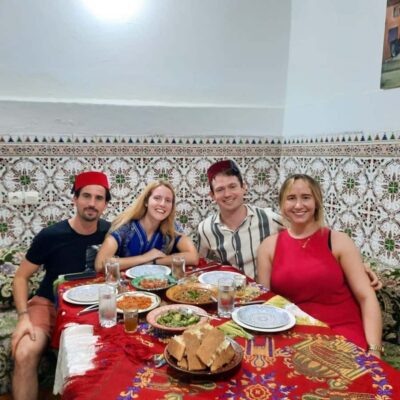
Traditional Moroccan Cooking Class & Market Visit
Read our review →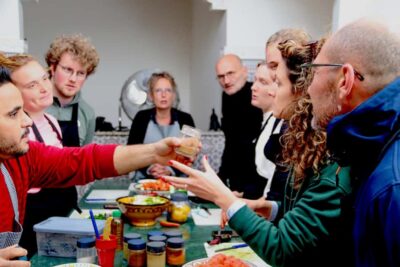
Moroccan Dishes Cooking Class with a Local Chef
Read our review →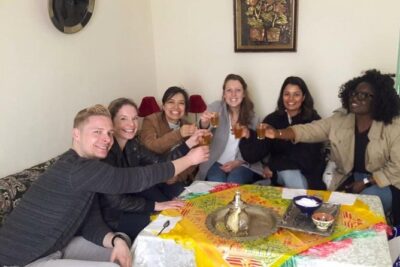
Moroccan Cooking Class & Marrakech Market Visit with Chef Khmisa
Read our review →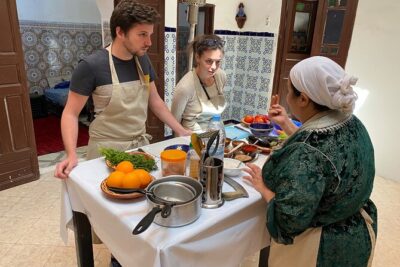
Half-Day Cooking Class with Local Chef Laila in Marrakech
Read our review →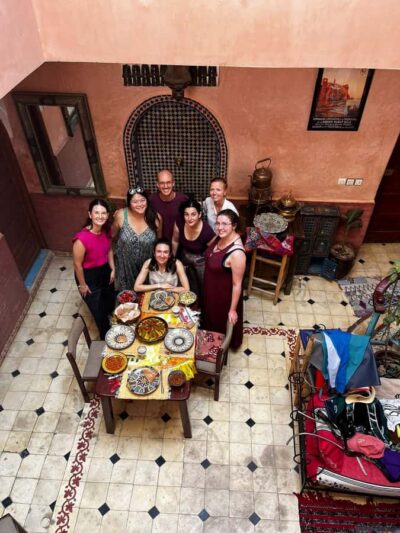
Browse the lists this tour appears in