
Reviewed · COOKING CLASSES
Cape Town: Malay Cooking Class and Lunch in Bo-Kaap
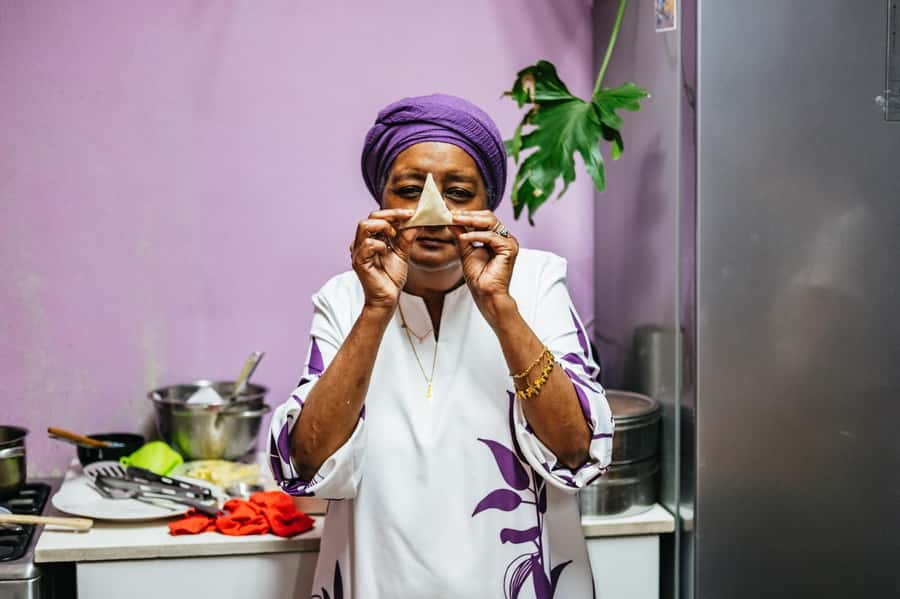
Cape Town’s colorful Bo-Kaap is more than a backdrop for photographs. In this 150-minute home cooking class, Faldela welcomes you into her kitchen, explains the Cape Malay story behind the food, and puts you to work with spices, dough, and shared dishes. You finish with lunch made by the group, not a restaurant meal prepared for you.
I like two things right away: the personal welcome and the practical cooking. Faldela’s humor, family stories, and clear step-by-step teaching make the class easy for beginners. I also like the setting, since you see Bo-Kaap’s bright houses and learn about a community while spending time in a local home.
The main thing to consider is group size. Some sessions can be large, so you may help with only part of the cooking rather than prepare every dish yourself. Arrive close to the start time, too, since one participant waited outside after arriving 30 minutes early.
What makes this Bo-Kaap class worth your time
- A local home at 109 Wale Street: You cook in Bo-Kaap rather than watching a demonstration in a hotel or formal school.
- Faldela’s warm teaching style: Her humor, personal stories, and easy manner are a major part of the experience.
- Cape Malay spice knowledge: You work with ginger, fennel, star anise, tamarind, turmeric, and other ingredients.
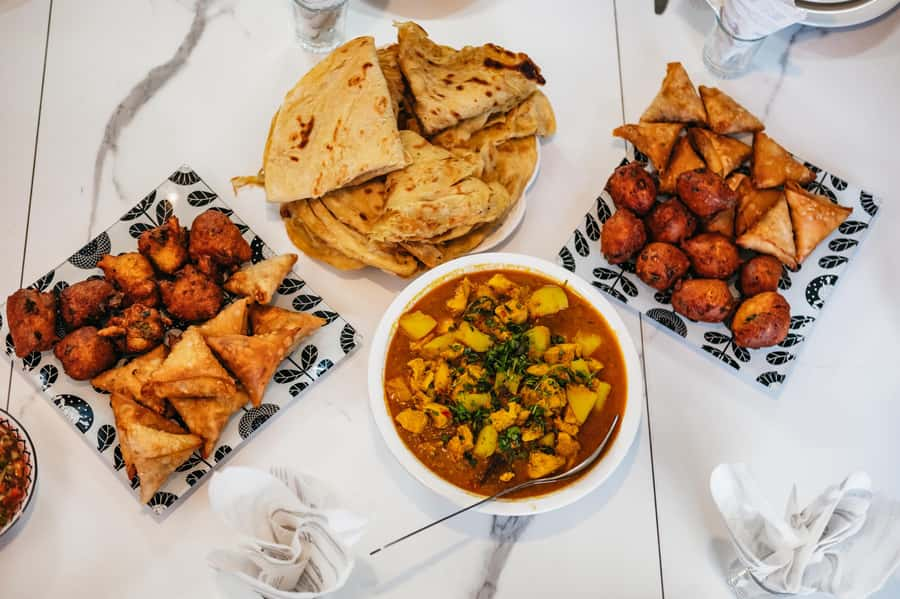
- Hands-on dishes: Depending on the class, you may help prepare curry, rotis, samosas, stews, salads, juice, or dessert.
- Lunch included: You sit down and eat the food prepared during class, with soft drinks provided.
- Recipes to take home: Recipes are shared after many sessions, giving you a real chance to recreate the meal.
Entering Bo-Kaap at 109 Wale Street
The meeting point is 109 Wale Street in Schotsche Kloof, the Bo-Kaap area of Cape Town. The address places you in the neighborhood known for rows of brightly painted houses climbing the lower slopes of Signal Hill, part of Table Mountain.
The colorful streets are worth a few minutes before or after class. This is a good place for photographs, but the cooking experience gives the houses more meaning. You are not simply passing through for a quick picture. You are learning about Cape Malay food and the people who have carried these recipes forward.
The class explains that Cape Malay cooking grew from African traditions mixed with foodways brought by Malaysian and Indonesian slaves under Dutch rule in the 17th and 18th centuries. That background matters because the food is not just defined by heat. It is a meeting of cultures, family habits, spice knowledge, and local adaptation.
You meet at the stated address and return there after the class. Transportation is not included, so plan your own way to Wale Street. Since the activity lasts two and a half hours, it fits well into a day focused on central Cape Town and Bo-Kaap.
More Cooking Classes in Cape Town:
- Authentic African Cuisine Cooking Experience
★ 5.0 · 236 reviews - Cape Town: Cape Malay Cooking Class in Bo-Kaap
★ 4.8 · 120 reviews - Cape Town: Bo-Kapp Walking Tour and Malay Cooking Class
★ 4.7 · 105 reviews
Meeting Faldela in her kitchen
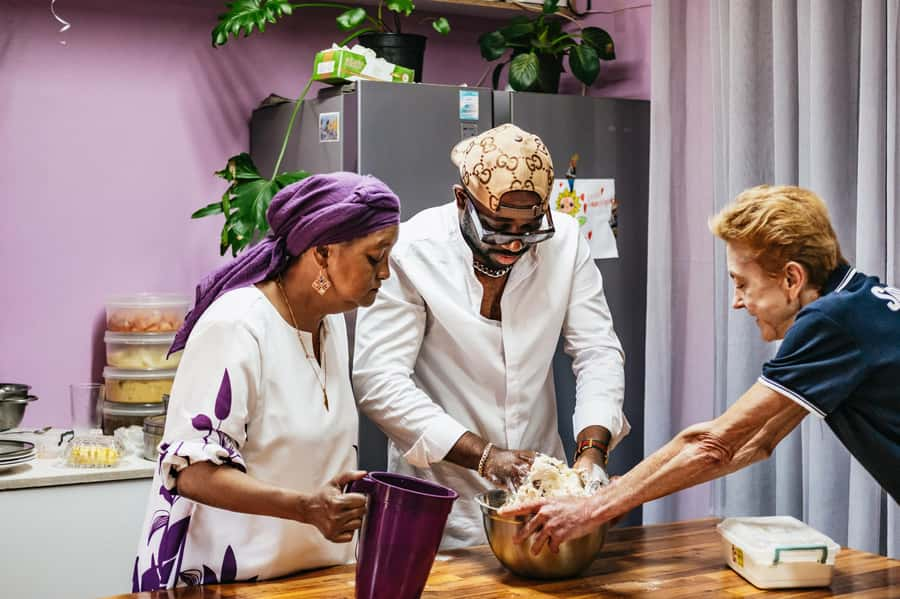
Faldela is the central character here. She teaches in a friendly, relaxed way, with plenty of humor and conversation woven into the cooking. You can expect a class that feels social rather than formal.
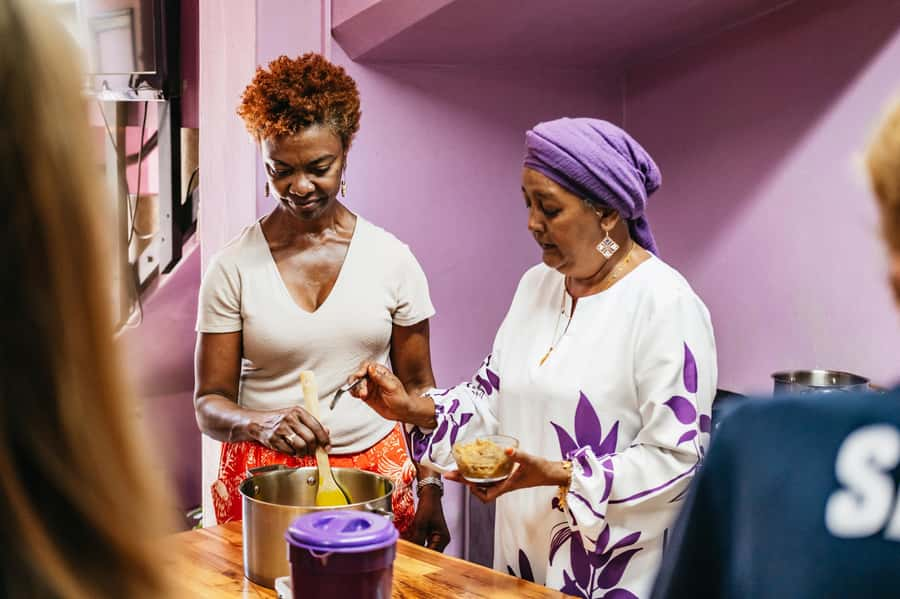
Her teaching also goes beyond simply naming ingredients. She explains why particular spices are used and discusses their traditional health or medicinal associations. Ginger, fennel, star anise, tamarind, and turmeric all have their own role, with turmeric giving many dishes their familiar golden color and warm aroma.
This is especially helpful if you are new to Cape Malay food. You do not need to arrive with cooking experience. The class is designed so beginners can take part without feeling tested, and the atmosphere is light rather than strict.
Faldela’s ability to remember names and connect with people is part of the appeal. You may be cooking beside people from several countries and different age groups, which adds a social layer to the meal. Solo visitors can fit in well, while friends and families get a shared task instead of another sightseeing stop.
The class may also be led with help from members of Faldela’s family, including her daughter or sister. The exact setup can vary, but the tone remains that of a welcome into a home, not a stage performance.
From turmeric and tamarind to Cape Malay dishes

The cooking is the heart of the activity. You learn how several ingredients work together rather than simply following a recipe card with no context.
Cape Malay food often uses stews, roasts, and sauce-heavy curries. The flavor comes from a layered blend of aromatics and spices. Ginger brings freshness and warmth. Fennel adds a sweet, slightly herbal note. Star anise gives a stronger fragrance, while tamarind brings acidity. Turmeric adds color and earthy spice.
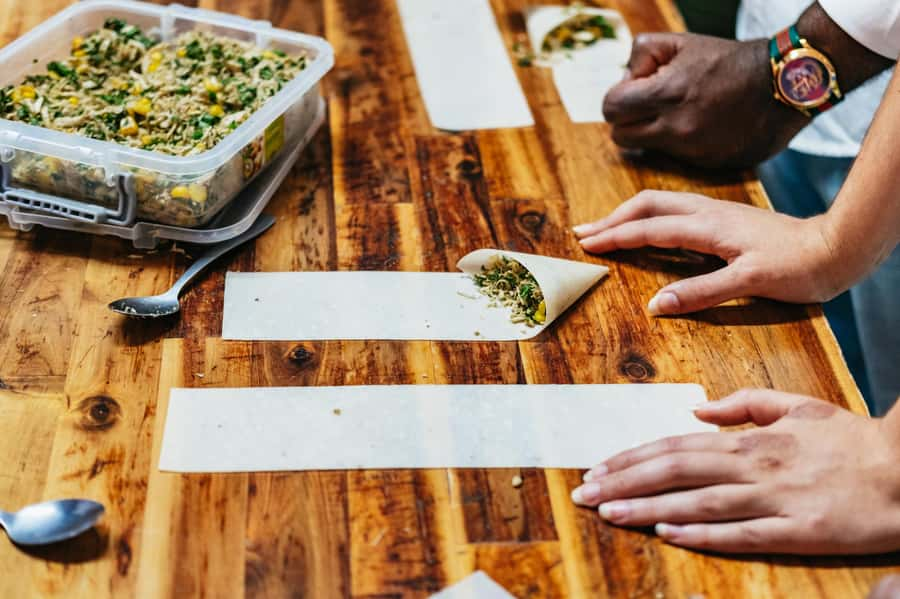
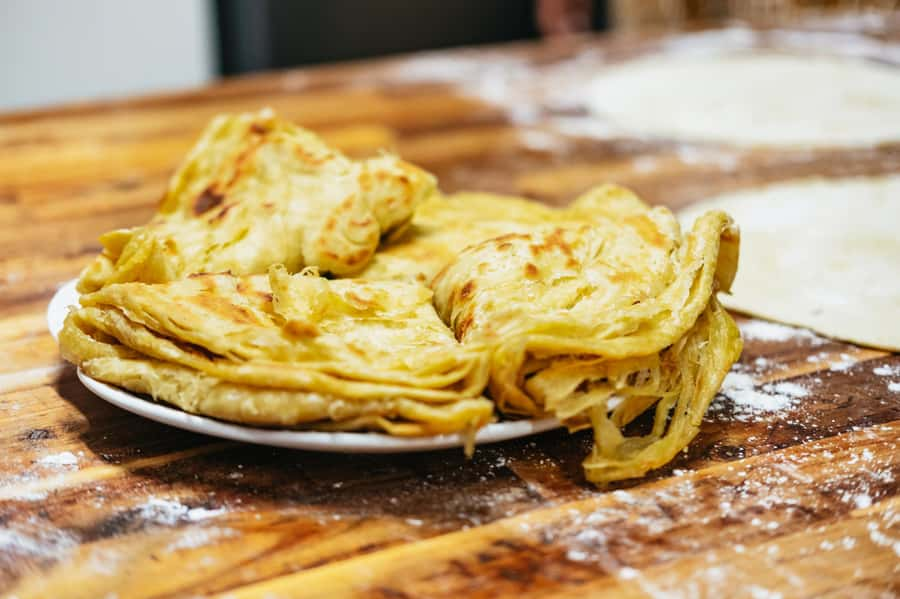
Some sessions include curry, rotis, and samosas. Other food may include salad, juice, dessert, or additional shared dishes. The precise menu is not fixed in the information provided, so you should expect the class to vary rather than assume one exact set of recipes.
Rotis and samosas are useful additions because they make the class more than a single-pot lesson. You get a feel for dough, shaping, fillings, or cooking technique alongside the main dish. If curry is on the menu, you can see how the spice mixture changes as it cooks and how the sauce brings the meal together.
The hands-on level can depend on the number of people in your session. In a smaller group, you may get more individual time with the ingredients. In a larger class, you may work as part of a team and watch certain steps rather than perform every one yourself.
That is the trade-off. A bigger group can create more laughter and conversation, but it may offer less one-on-one instruction. If your main goal is to master every technique, ask about the expected group size before booking. If your goal is food, culture, and a friendly afternoon, the group format is less of a problem.
Lunch made by the class
After the cooking, everyone sits down to eat. This shared lunch is not an extra tasting added at the end. It is the reward for the work you have just done, and it gives you a chance to compare the finished dishes with the techniques explained earlier.
Lunch includes the food prepared during the class and soft drinks. Alcohol is not included and is not allowed during the activity. Pets, smoking, alcohol, and drugs are also not permitted.
The meal can be generous. The class may produce enough food for everyone to enjoy the dishes together, including extras such as salad, juice, or a sweet course when those are part of the session. Come hungry, but do not assume that every listed item appears at every class.
I like this format because the meal feels connected to the lesson. You understand the food differently after chopping, stirring, folding, or seasoning it yourself. You also get time to talk with the group and with Faldela without the pressure of keeping up with the next sightseeing stop.
A few more Cape Town trips worth putting side by side
- Cape Town: Hop-On Hop-Off Bus Tour with Optional Cruise
★ 4.8 · 3,929 reviews - Cape Town: Cape of Good Hope & Penguins Day Tour with Pickup
★ 4.7 · 3,362 reviews - Zipline Cape Town – From Foot of Table Mountain Reserve
★ 5.0 · 3,179 reviews - Cape Town: Table Mountain Cable Car, Hop-On Hop-Off Bus Tour
★ 4.6 · 3,157 reviews
Recipes and the value after you return home
A cooking class is a better buy when it gives you something you can use later. Recipes are shared after the class in many sessions, which lets you try the dishes at home rather than leave with only photographs.
That practical follow-up helps justify the $49 price. The fee covers the chef instructor, ingredients, equipment, cooking class, lunch, and soft drinks. You are paying for a meal, but also for instruction, a local setting, and time with someone who explains the food’s cultural background.
For Cape Town, $49 is not the cheapest way to eat lunch. It can be good value if you want an activity with a clear cultural focus and a meal included. It is less compelling if you only want to sample Cape Malay food quickly, since a restaurant meal would take less time and require less participation.
The recipes also give you a way to share the experience with family or friends at home. Several dishes use spices that are widely available, though the final taste will depend on the ingredients and technique you can find where you live.
Who will enjoy this cooking class
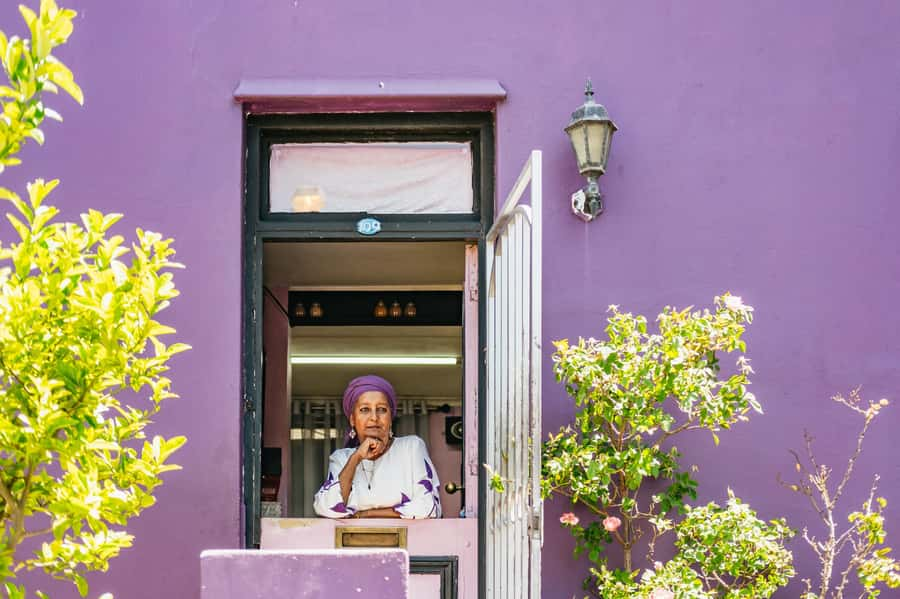
This class suits you if you enjoy meeting local people, trying food with a story, or adding a slower activity to a busy Cape Town schedule. It works particularly well for first-time cooking students because no previous experience is required.
It is also a strong choice for solo visitors. The shared format gives you an easy way to meet people, and the class brings together different ages and nationalities. Couples and friends can enjoy it too, though you should be ready to work with others rather than cook in a private lesson.
Food-focused visitors will get the most from the spice discussion and the chance to take recipes home. You should tell the host about dietary needs in advance. Faldela has accommodated dietary requirements with ease in past sessions, but the supplied details do not list every possible substitution or restriction.
Families should note the stated rules. Pets are not allowed, and smoking, alcohol, and drugs are prohibited. The activity is listed as wheelchair accessible, though the information does not provide further details about the home’s layout or specific facilities.
Timing, meeting details, and useful planning tips
The class lasts 150 minutes, or two and a half hours. You meet and finish at 109 Wale Street, and the tour is conducted in English with a live guide.
Build in a little time to find the meeting point, but avoid arriving far too early. One person arrived 30 minutes before the start and had to wait outside. The practical approach is to be on time and ready to begin.
You do not need to bring cooking equipment or ingredients. Both are included, as is lunch and a soft drink. Alcohol is not part of the experience.
The activity offers free cancellation up to 24 hours before the start for a full refund. You can also reserve now and pay later, which is useful if your Cape Town schedule is still moving around.
The class is not a sightseeing tour with transport between several parts of the city. Its focus is one neighborhood, one local home, and one shared meal. You should arrange your own transportation to Bo-Kaap and make sure your plans leave enough time for the full session.
Is this the right Cape Town food experience for you?
Book this class if you want more than a quick photograph of Bo-Kaap or a restaurant meal with no explanation. The strongest reasons are Faldela’s personal teaching, the chance to cook in a local home, the clear attention to spices and heritage, and the lunch you prepare together.
Think twice if you need a private lesson, exact control over every dish, or a tightly scheduled demonstration. Larger groups can mean less individual cooking, and the menu may change.
For most people who enjoy food and conversation, the $49 fee is fair. You leave with a full lunch, a better sense of Cape Malay cooking, time in one of Cape Town’s most distinctive neighborhoods, and recipes that may keep the experience going after your holiday. I would choose it as a relaxed half-day activity, especially for a first visit to Bo-Kaap.
FAQ

Where does the Cape Malay cooking class meet?
Meet at 109 Wale Street, Schotsche Kloof, Cape Town. The class also returns to this address.
How long does the activity last?
The cooking class lasts 150 minutes, or two and a half hours.
What language is the class conducted in?
The live class is conducted in English.
What is included in the price?
The price includes the cooking class, ingredients, equipment, chef instructor, lunch, and soft drinks.
Are alcoholic drinks included?
No. Alcoholic drinks are not included, and alcohol is not allowed during the activity.
Do I need cooking experience?
No cooking experience is required. The class teaches the techniques step by step.
What dishes will I cook?
The menu can include Cape Malay curries, stews, roasts, rotis, and samosas. Some sessions may also include salad, juice, or dessert.
Are recipes provided after the class?
Recipes are shared after the class, allowing you to try making the dishes at home.
Is the activity wheelchair accessible?
Yes. The activity is listed as wheelchair accessible.
Can I cancel my booking?
Yes. You can cancel up to 24 hours in advance for a full refund. Reserve now and pay later is also available.
Just added for Cape Town
- Best of Cape Town Full-Day Private Tour with Table Mountain★ 5.0 · 195 reviews
- Full Day Cape Point Sightseeing Tour★ 4.5 · 84 reviews
- Drumstruck at Silvermist. Live African Drum Show & Wine tasting★ 5.0 · 137 reviews
- Bo-Kaap: Walk with a local★ 5.0 · 131 reviews
- Cruise and Dine Lunch / Cape Town: Coastal Motor Cruise and 2-Course Lunch★ 4.5 · 151 reviews
- Cruise and Dine Dinner / Cape Town: Sunset Champagne Cruise and 3-Course Dinner★ 4.0 · 128 reviews
- Champagne Cruise (Pre-Sunset) from Cape Town★ 4.5 · 152 reviews
- Cheetah Outreach Tour Somerset West, Gordon’s Bay and Strand Beaches★ 4.5 · 94 reviews
Cooking Classes, compared.
Traditional Moroccan Cooking Class & Market Visit
Read our review →
Moroccan Dishes Cooking Class with a Local Chef
Read our review →
Moroccan Cooking Class & Marrakech Market Visit with Chef Khmisa
Read our review →
Half-Day Cooking Class with Local Chef Laila in Marrakech
Read our review →
Browse the lists this tour appears in