
Reviewed · COOKING CLASSES
Marrakech: Moroccan Cooking Workshop at La Maison Arabe
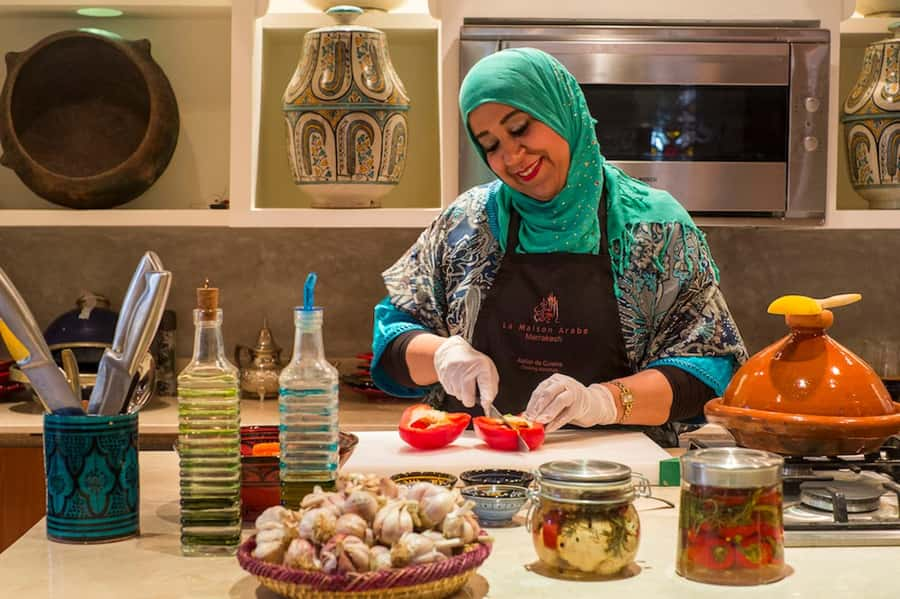
Moroccan cooking is best understood with your hands, not just your fork. At La Maison Arabe, you work at an individual station, prepare a traditional dish with fresh local ingredients, and sit down to eat it afterward. The workshop also includes a Moroccan tea ceremony and a flatbread demonstration, so you get more than a quick recipe lesson.
I especially like the clean, modern kitchen and the way the instruction is translated as the dada cooks. Staff members such as Hayat, Wafa, Sanaa, Fatiha, and Mohammed have been praised for their warmth and clear teaching. The main consideration is simple: the class costs more than some Marrakech cooking lessons, though the polished setting, individual workstations, meal, and small gift help explain the price.
Key points
- Choose your pace: The one-hour express class focuses on a traditional dish, while the three-hour option adds starters, a main course, dessert, bread, and tea.
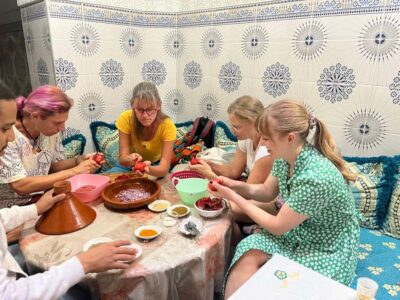
- Cook at your own station: You do the chopping and stirring yourself instead of watching a chef work from a distance.
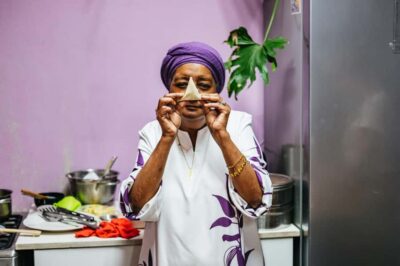
- Learn from a dada: A traditional Moroccan cook leads the practical work, with live translation in Arabic, English, or French.
- Eat the meal you prepare: The class ends with a proper sit-down tasting, often including the tagine you made.
- Expect a polished setting: The workshop near La Maison Arabe uses clean, modern equipment and carefully prepared ingredients.
- Plan around the limits: Children under 12 and wheelchair users cannot take part, and transport to the meeting point is not included.
Cooking Moroccan food at your own station

The most useful feature here is the hands-on format. You do not simply watch someone assemble a tagine while a guide explains what is happening. You receive your own workstation and take part in the preparation, with the cook and translator moving the class along.
That matters because Moroccan food often looks more complicated than it is. A tagine may arrive at your table with a dramatic cone of vegetables, meat, sauce, and preserved flavor, but the basic method is approachable. The class breaks it into manageable steps, so you can remember what to do at home.
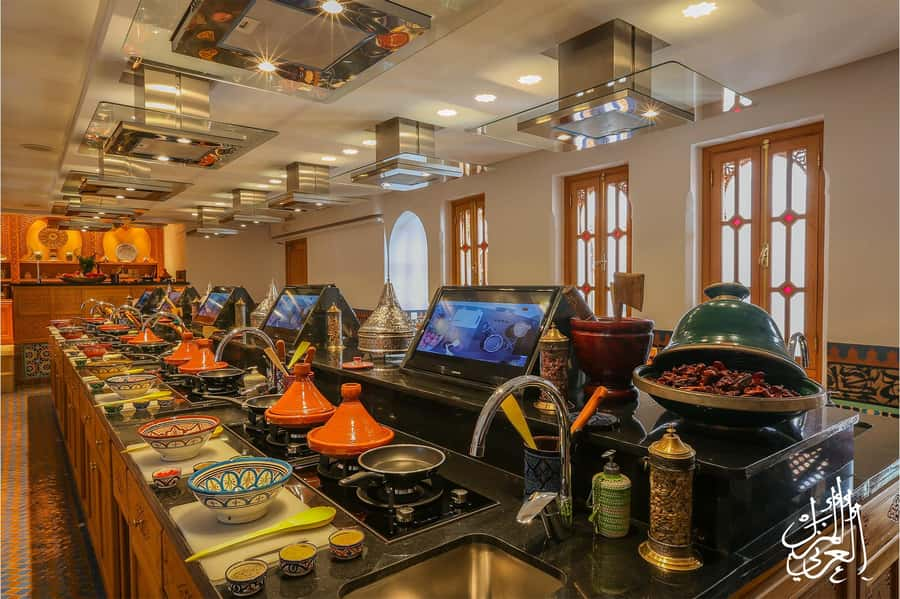
The teaching is designed for ordinary home cooks. You do not need formal kitchen training, and the instructions are presented in a way that is easy to follow. A screen is used in at least some sessions to show the recipe, which helps when several languages are being spoken.
You can expect to chop ingredients, season the dish, and follow the cooking process under supervision. The exact recipe can vary, but chicken tagine appears frequently in the express class and has been a favorite choice in the longer workshop. Vegetarian participants have also been accommodated.
More Cooking Classes in Marrakech
- Marrakech: Moroccan Cooking Class with Pickup
★ 4.6 · 1,862 reviews - Marrakech: Traditional Moroccan Cooking Class & Market Visit
★ 4.8 · 1,861 reviews - Marrakesh: Moroccan Dishes Cooking Class with a Local Chef
★ 5.0 · 1,615 reviews
The one-hour express class
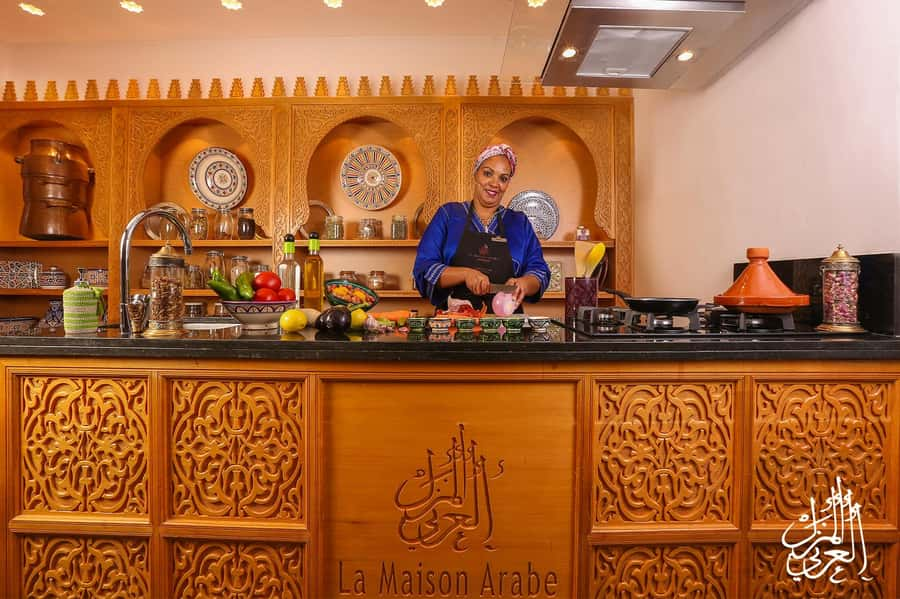
The express option is the right choice if you want a taste of Moroccan cooking without giving up half a day. It moves quickly into the practical work, often focusing on one tagine, such as chicken tagine, followed by a chance to eat what you prepared.
This shorter class is not a full survey of Moroccan cuisine. You will not get the same range of starters, dessert, bread, and cultural background included in the longer session. Think of it as a focused introduction, not a full cooking course.
Still, one hour can be enough to make the experience worthwhile. You get direct instruction, a hands-on recipe, tea, and a finished dish. It works well on a crowded Marrakech itinerary, especially if you want an activity between exploring the medina and an evening meal.
I would choose the express session if you are traveling alone, have limited time, or mainly want to learn how to make one reliable Moroccan dish. It also makes sense if your group includes people who are curious about cooking but do not want a long class.
The shorter format can feel a little brisk. You have less time for questions, conversation, and background about spices and Moroccan food culture. If the food itself is your main interest, that tradeoff is fair. If you want the full social experience, book three hours.
What fills the three-hour workshop
The longer class gives you a broader meal and more time with the instructors. The advertised format includes starters, a tagine or couscous, dessert, a tea ceremony, and flatbread making. Participants have also prepared two appetizers and a main course, then been served dessert, bread, and tea.
You do not cook continuously for three hours. That is worth knowing before booking. Some dishes require cooking time, and the class includes demonstrations, explanations, tea, and the final meal. The three-hour label describes the full experience, not three straight hours of chopping onions.
The extra time is valuable because Moroccan food is tied to customs and daily life. The tea ceremony is not just a drink break. You learn how Moroccan tea is prepared and poured, including the ritual around it. The lesson can also touch on spices, Moroccan food traditions, and the role food plays in local culture.
The flatbread demonstration adds another useful skill. Bread is central to Moroccan meals, and seeing the method gives context to the food on your plate. You may not leave ready to run a bakery, but you will understand more about how the meal is put together.
Choose three hours if you want a complete meal, enjoy asking questions, or are booking this as one of the main activities of your day. It is also the better option for a couple, family group, or colleagues who want time to talk and cook together.
Meeting the dada and the translation team
The central teacher is a dada, the traditional Moroccan term for a cook who prepares food in a household or professional setting. The dada demonstrates the techniques, gives directions, and shares practical tips while a translator makes the lesson accessible.
Instruction is available in Arabic, English, and French. This is particularly useful if your group includes people with different language needs. The class can include a French-speaking group with English translation, and the teaching is structured so that nobody has to rely only on watching hand movements.
Several instructors have received warm praise for their teaching style. Hayat has been described as patient and family-like in her approach. Wafa, Sanaa, Fatiha, Rokaya, Hasna, and Habiba have also led sessions or helped participants during the workshop. Staff names and assignments can change, but you can expect a team rather than one guide handling every task alone.
The tone appears friendly and social, but the useful point is that friendliness comes with clear instruction. You are shown what to do, given time to try it, and helped when needed. That combination is much more useful than a class that is entertaining but vague.
If you have many questions about ingredients, Moroccan customs, or food history, the three-hour class gives you more room to ask them. The one-hour class is better for direct instruction and a quick result.
Same corner of the map, a completely different outing:
- Marrakech: Quad Bike Tour to Palm Oasis and Jbilat Desert
★ 4.8 · 11,831 reviews - Marrakesh: Majorelle Garden Entry Tickets
★ 4.5 · 9,651 reviews - Marrakech Quad Bike Experience: Desert and Palmeraie
★ 4.5 · 9,509 reviews - Marrakech: Balloon Flight, Berber Breakfast & Certificate
★ 4.8 · 8,164 reviews
A clean kitchen with serious equipment
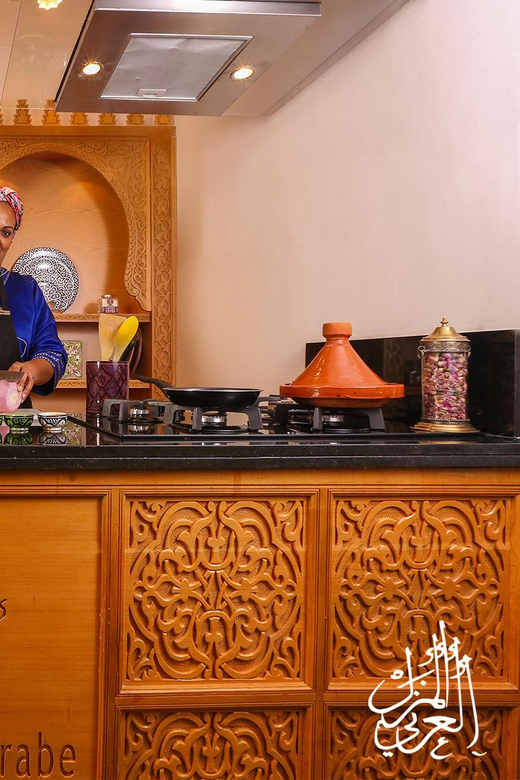
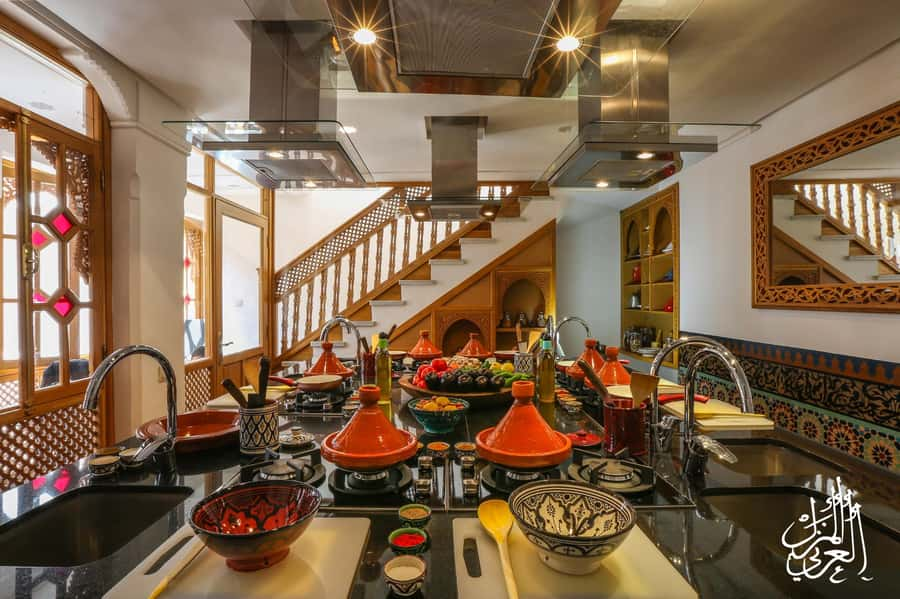
The workshop is set in a purpose-built space near Riad-Hotel La Maison Arabe, with modern equipment and individual work areas. You meet at the front desk of La Maison Arabe, then go to the cooking school or workshop area. The meeting point is central to the experience, so allow time to find the hotel and check in at reception.
Cleanliness is one of the strongest practical reasons to choose this class. The kitchen is described as well organized, carefully prepared, and easy to work in. Each participant has a station, which means you are not fighting for access to a single cutting board or waiting for someone else to finish a step.
The equipment also helps the lesson run smoothly. You can focus on the ingredients and technique instead of dealing with a cramped or improvised setup. That is especially helpful if you are new to tagine cooking and want to see the process clearly.
The polished kitchen does make the experience feel less like a spontaneous market-side lesson. If you want a rough-and-ready class in someone’s home, this may feel formal. If you value hygiene, clear organization, and reliable instruction, the setting is a strong advantage.
Fresh ingredients and the meal at the end
The workshop uses fresh local ingredients, with attention to quality. You prepare the food yourself, then eat the result instead of receiving a separate meal prepared by the staff.
That final meal changes the class from a demonstration into a complete outing. You can taste the balance of spices, see how the sauce develops, and judge the texture of the dish while the instructions are still fresh in your mind. In some sessions, the food is served in the hotel restaurant or on a rooftop, adding a pleasant social finish.
The menu is not presented as a fixed choice of several recipes. The class centers on traditional Moroccan dishes, and chicken tagine is a common example. The longer session adds more courses and may include couscous, depending on the class arrangement.
Food restrictions should be raised when booking or at the start of the class. The available information confirms that a vegetarian participant was catered for, but it does not provide a complete list of dietary options. Do not assume every special request can be met without advance notice.
The meal can also be surprisingly filling. If you book the three-hour class near lunchtime, plan it as your main midday meal rather than adding a large restaurant lunch afterward.
Tea, bread, and the small Moroccan details
The tea ceremony is one of the most memorable parts because it gives the class a cultural frame. You learn how tea is prepared and how the pouring ritual works, rather than simply being handed a glass of mint tea as a refreshment.
The bread demonstration serves a similar purpose. It shows how a basic part of the meal is made and helps you see the connection between everyday Moroccan food and the more famous tagine dishes.
These details are especially useful for anyone who has already eaten Moroccan food in restaurants but wants to understand how the meal fits together. You get context without sitting through a long lecture. The information comes while you are drinking tea, preparing food, or waiting for a dish to finish.
The included afternoon tea and food tasting are listed as part of the experience. Drinks beyond what is supplied are not included, and the instructions say not to bring drinks. Bring water for your own comfort, but check the rules at the meeting point rather than carrying a separate beverage into the workshop.
How much value do you get for $35?

At $35 per person, this is not the cheapest cooking class in Marrakech. The price makes more sense when you count what is included: instruction, fresh ingredients, use of a modern kitchen, tea, demonstrations, and a meal you prepare yourself.
The three-hour option offers the clearest value if you would otherwise pay for lunch and a separate cultural activity. You are not only eating a tagine. You are learning the method, preparing several dishes, taking part in a tea ceremony, and spending time with a local cooking team.
The one-hour class has a different value calculation. It is a compact activity, so you are paying for convenience, a guided lesson, and the chance to make one dish without committing much time. For a short holiday schedule, that can be worth more than a cheaper class that takes longer to reach or offers less structure.
A small tagine gift has also been given at the end of some sessions. It is a thoughtful extra, but I would treat it as a bonus rather than part of the price calculation. Gifts can vary by session.
The setting near La Maison Arabe adds convenience if you are staying nearby or exploring the medina. Transport is not included, so you need to make your own way to the front desk.
Who should book this class?
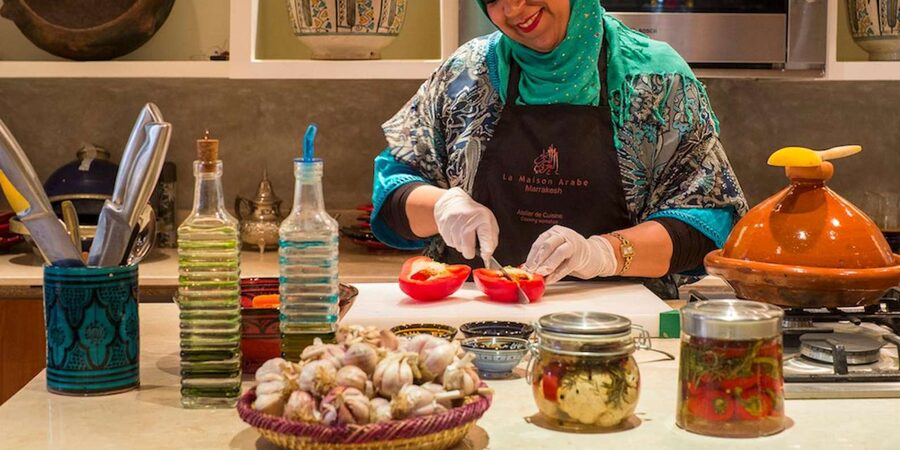
This workshop suits adults and children aged 12 or older who enjoy food, practical activities, and meeting other people. It works for couples, solo visitors, families with older children, and work groups. The individual stations make it easy for each person to participate instead of leaving one confident cook to do everything.
It is also a good choice for first-time visitors who want a cultural activity with a clear result. You learn something useful, eat the food, and leave with a recipe in at least some sessions. The method is approachable enough that you can try making tagine at home.
You may prefer another class if you want a very informal home kitchen, a market visit, or a lesson focused on shopping for ingredients. Those features are not part of the stated program. This is a clean, organized workshop with a strong emphasis on preparation and eating.
The class is not suitable for children under 12 or wheelchair users. The supplied information does not promise wheelchair access, so do not book it if you need accessible facilities without confirming directly.
Booking advice and timing
You can choose a one-hour or three-hour session, with starting times shown according to availability. I would reserve the longer class earlier if it is a priority, particularly if your Marrakech schedule has limited free space.
Cancellation is flexible up to 24 hours before the activity for a full refund, and you can reserve while paying later. Those terms help if your plans around the medina, gardens, or day trips are still shifting.
Wear comfortable clothes and bring water. You will be working with food, moving around the kitchen, and sitting down for a meal, so practical clothing is better than anything delicate or restrictive.
Arrive at the front desk of La Maison Arabe rather than heading directly into the medina looking for a separate cooking school. Since transport is not included, leave enough time to reach the hotel and find reception.
Should you book the La Maison Arabe cooking workshop?
I would book the three-hour option if you want more than a quick tagine lesson. The extra courses, tea ritual, bread demonstration, cultural background, and relaxed meal make it a well-rounded Marrakech activity.
Choose the one-hour version if your schedule is tight or you mainly want to learn one dish. It gives you the essential hands-on experience, but it will not offer the same breadth.
The price is above some local cooking classes, yet the individual workstations, modern kitchen, language support, fresh ingredients, and meal make the cost reasonable. Book it if you value clear organization and a polished setting. Skip it only if you are seeking a very informal, budget kitchen experience or need accessibility that has not been confirmed.
FAQ
Where does the cooking workshop meet?
Meet at the front desk of La Maison Arabe in Marrakech. Transport to and from the attraction is not included.
How long does the class last?
You can choose between a one-hour express workshop and a three-hour cooking workshop. Starting times depend on availability.
What languages are available?
Instruction and translation are available in Arabic, English, and French.
What food will I prepare?
The class focuses on traditional Moroccan food. Chicken tagine is commonly prepared, while the longer class can include starters, tagine or couscous, dessert, and other dishes.
Is a meal included?
Yes. You eat the food prepared during the workshop, and the longer option includes a sit-down meal with several courses. Afternoon tea and food tasting are also included.
What should I bring?
Bring water and wear comfortable clothes. Drinks are not allowed in the workshop, and additional drinks are not included.
Is the class suitable for children or wheelchair users?
The workshop is not suitable for children under 12 or wheelchair users.
Just added for Marrakech
- Marrakech: Tailor-Made City Tour With Your Own Private Guide★ 4.9 · 236 reviews
- Marrakech palm grove: Sunset camel ride★ 4.8 · 194 reviews
- Sparkling Marrakech through the eyes of your local Guide★ 4.7 · 247 reviews
- Quad Bike Activity in Marrakech Palmeraie★ 4.2 · 123 reviews
- Marrakech: Historical Discovery Tour★ 4.1 · 87 reviews
- Marrakech: Palm Grove Horseback Riding Tour★ 4.6 · 163 reviews
- Moroccan Food Cooking Class with a Local Chef in Marrakech★ 4.7 · 90 reviews
- Marrakech: Babouch Making Workshop in the Medina★ 4.9 · 117 reviews
Cooking Classes, compared.
Traditional Moroccan Cooking Class & Market Visit
Read our review →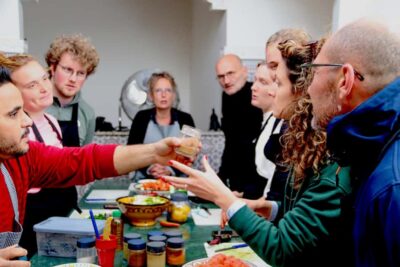
Moroccan Dishes Cooking Class with a Local Chef
Read our review →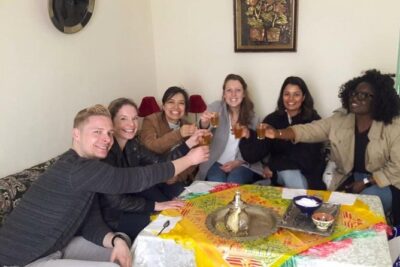
Moroccan Cooking Class & Marrakech Market Visit with Chef Khmisa
Read our review →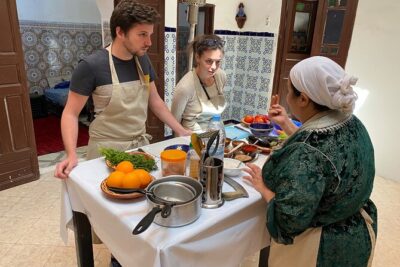
Half-Day Cooking Class with Local Chef Laila in Marrakech
Read our review →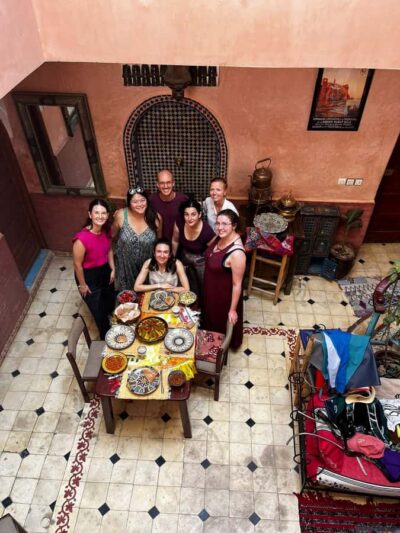
Browse the lists this tour appears in