
Reviewed · TOURS WITH A LOCAL
Marrakech: Moroccan Pastries and Tea Class with a Local
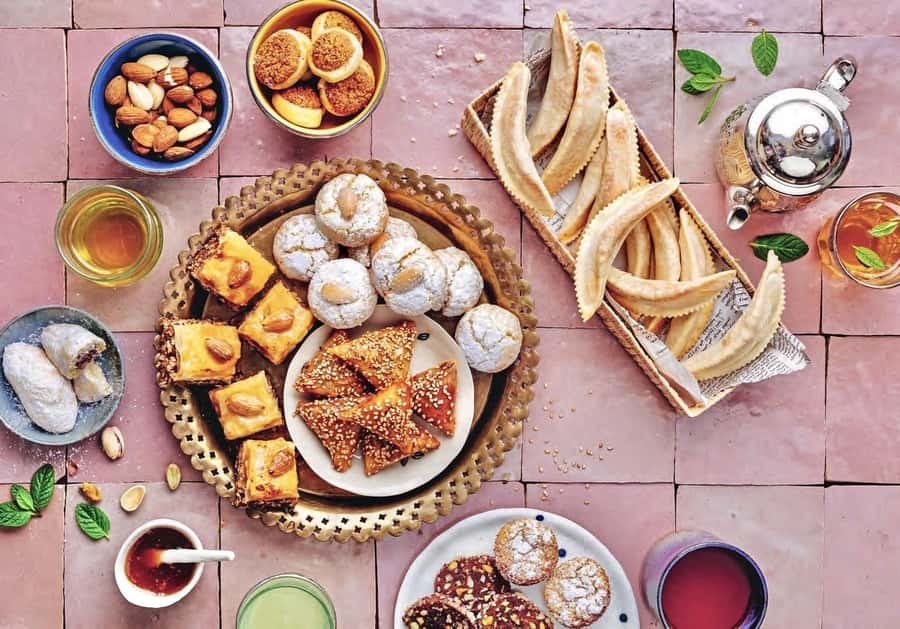
The best part of this Marrakech class is that you do not just eat Moroccan pastries, you learn the small, careful steps that make them work. In 150 minutes, a local chef guides you through traditional recipes, including treats such as fekkas and kaab el ghazal, then shows you how to prepare mint tea.
I like the hands-on pace and the chance to use flavors such as fennel seeds and orange blossom water. I also like the practical ending: you taste the warm pastries with tea, then take a box home. The main consideration is that the exact workshop location arrives before the date, so you will need to allow time to find it and arrange your own taxi or other transport.
Key points to know
- Make traditional Moroccan pastries: Learn recipes and techniques for pastries including fekkas and kaab el ghazal.
- Small groups of up to 10: A limited class size allows for direct help, and smaller bookings may sometimes become private sessions.
- Tea is part of the lesson: You prepare Moroccan mint tea and practice the traditional pouring style.
- Take home your baking: The class includes a box of pastries, useful for sharing or saving for the next day.
- Good family activity: Teenagers enjoyed the practical work, though children under four cannot join.
- English, French, and Arabic: The instructor can teach in any of these three languages.
Why a pastry class makes sense in Marrakech
Marrakech can fill your day quickly with souks, palaces, gardens, and the constant movement of the medina. A pastry workshop gives you a quieter two-and-a-half-hour break, but it still connects you with Moroccan food and daily customs.
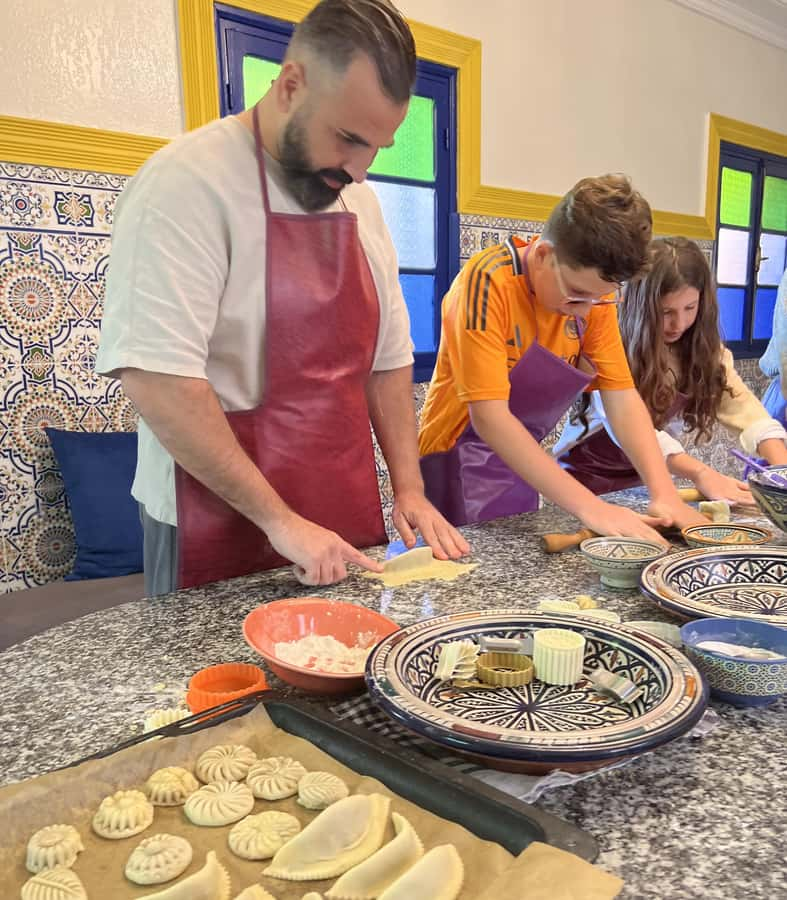
You are not simply watching a chef prepare something. You work with the ingredients, follow the shaping and baking process, and learn why the pastries require precision. That matters here. Moroccan pastries can look simple, but the folding, cutting, flavor balance, and baking all need care.
I see this as a good choice for a middle day in Marrakech, especially if you want something more active than a food tasting. It also works well when the heat or crowds make a long afternoon in the souks less appealing.
The class costs $40 per person. That is a fair price if you value instruction, food, tea, and the box of pastries at the end. It is less compelling if you only want to eat sweets, since Marrakech offers cheaper ways to buy pastries without spending 150 minutes in a class.
More Tours with a Local in Marrakech
- Marrakech: Street Food Tour with a Local Guide
★ 4.9 · 3,119 reviews - Marrakesh: Moroccan Dishes Cooking Class with a Local Chef
★ 5.0 · 1,615 reviews - Authentic Moroccan Food Tour in Marrakech with Dinner
★ 5.0 · 1,423 reviews
Arriving at the workshop
The meeting point is not fixed in the information provided at the time of booking. You receive the exact workshop location before the experience date, and you arrange your own way there. Hotel pickup and drop-off are not included.
Build in extra time for the journey. One couple arrived late after taking a taxi, and the guide helped direct the driver and showed them where to enter. That is encouraging, but it is still better to send the location to your driver clearly and avoid cutting things close.
Wear clothes suitable for cooking. You should also bring water, since the class lasts two and a half hours and includes active preparation rather than just sitting at a table. If you have food allergies, provide that information in advance. This is especially important in a pastry class, where several ingredients may be used across different recipes.
The pastry lesson, from dough to finished treats
The class begins with Moroccan pastry instruction from a local chef. The supplied details do not give a fixed minute-by-minute recipe list, so the exact selection may vary. You can expect to learn traditional Moroccan pastries and the techniques that make them different from ordinary biscuits or European-style baked goods.
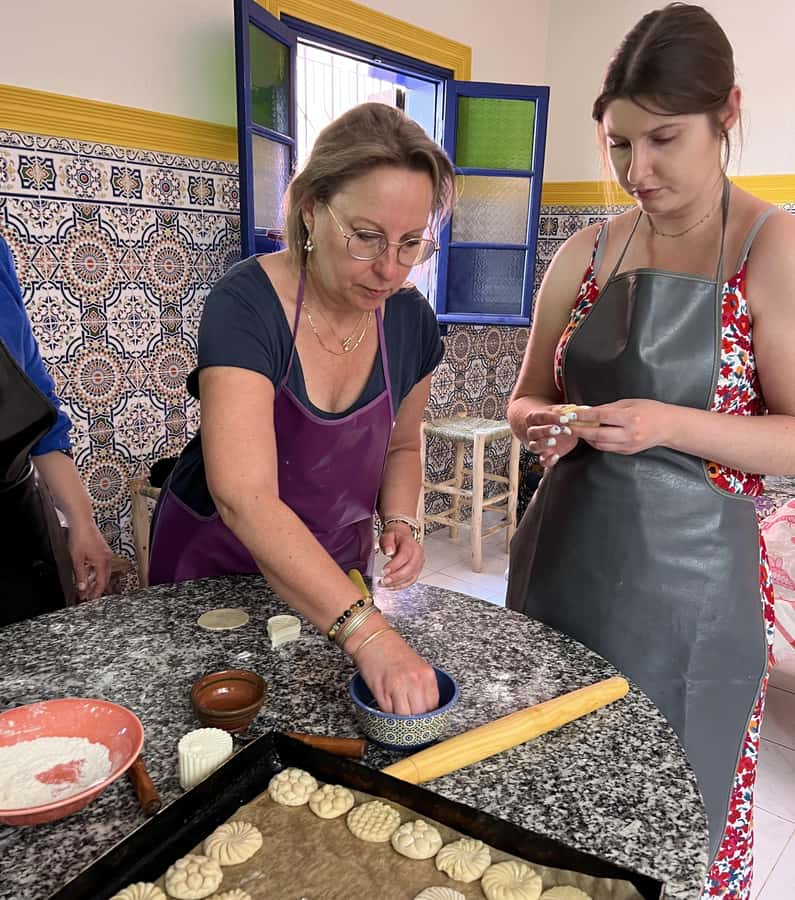
The useful part is the attention to small details. Moroccan pastry making often depends on careful shaping and exact handling, and one participant described the work as difficult but satisfying. That is a good way to think about the class. This is not a passive demonstration where you watch someone else do everything while you wait for a sample.
You get involved, make the pastries yourself, and see how the ingredients come together. If you are new to baking, the class should feel approachable because the chef takes you through each step. If you already bake regularly, you may find the traditional methods more interesting than the basic mixing itself.
Two pastries named in the experience are fekkas and kaab el ghazal. Fekkas is a crisp Moroccan biscuit, often cut into small pieces, while kaab el ghazal is a delicate crescent pastry associated with almond filling and orange blossom flavor. The class also introduces ingredients such as fennel seeds and orange blossom water, which give the baking a distinctly Moroccan character.
The recipes are not just sweet for sweetness’s sake. Ingredients such as fennel bring a light anise note, while orange blossom water adds a floral scent and flavor. These are the details that make the class worthwhile for anyone who wants to recreate the food at home rather than simply remember that it tasted good in Marrakech.
Why the small group size matters
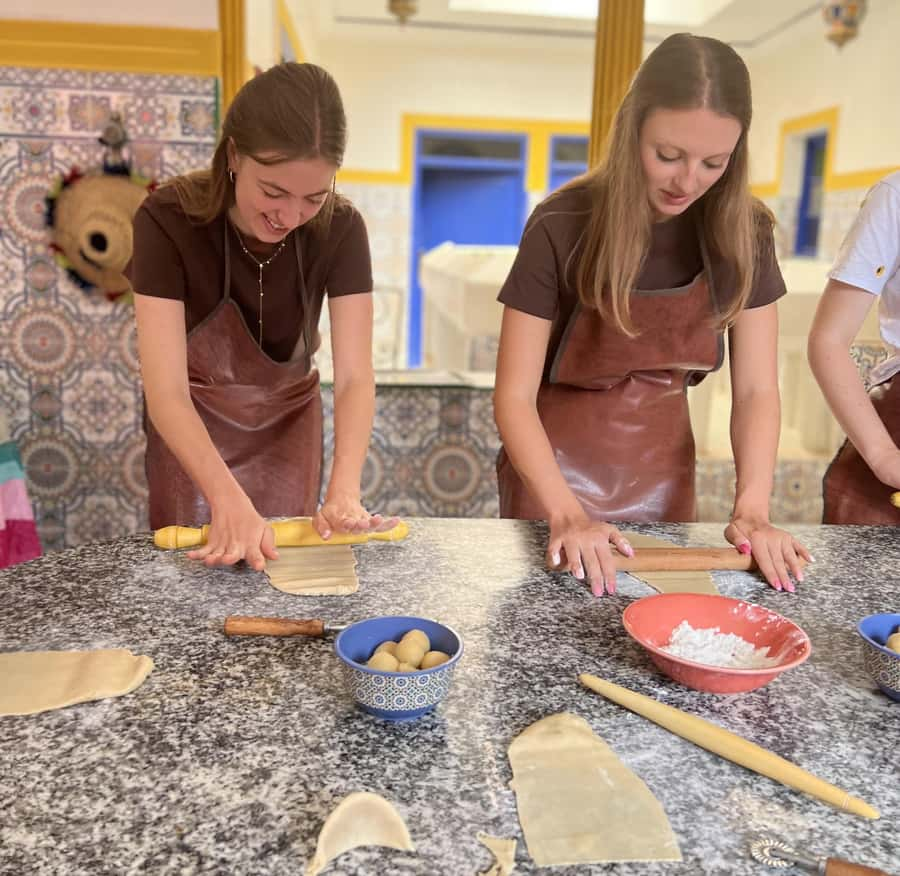
The class is limited to 10 participants. That is small enough for the instructor to help with shaping, explain a technique again, and keep the work moving without making you feel lost at a crowded counter.
Group size can vary in practice. A booking for four people became a private session because no one else had booked at that time. Another pair also had a very personal experience because they were the only participants. You should not assume a private class is guaranteed, but a small booking may give you more one-to-one attention.
A small group also helps if you are traveling with family. Two teenage boys enjoyed the activity, which makes this a useful break from sightseeing for families with older children. The work gives teenagers something to do with their hands, and the tea pouring at the end adds a bit of fun.
Children under four are not suitable for the class. Participants under 18 must be accompanied by an adult, so this is best treated as a family activity for older children and teenagers rather than a preschool outing.
More Tours with a Local in Morocco
- Marrakech: Authentic Moroccan Hammam Experience in Mouassine
★ 4.1 · 681 reviews - Marrakech: Moroccan Cooking Class with a Local Family
★ 4.9 · 668 reviews - Marrakesh: Guided Souk Shopping Tour with a Local Guide
★ 4.9 · 651 reviews - Marrakech: Bicycle Tour with a Local Guide
★ 4.7 · 495 reviews
Moroccan mint tea is part of the experience
The tea lesson comes after the pastry work. You learn how to make Moroccan mint tea, then serve it with the pastries you have prepared.
This adds more value than a standard snack break. Mint tea is an important part of Moroccan hospitality, and learning to prepare and pour it gives you a small food tradition to take home along with the recipes. Everyone may have a chance to pour the tea, which can be entertaining in a family group.
The tea also gives you a pause after the hands-on baking. You sit down, taste the results, and see how the pastries work with a hot, sweet drink. That final tasting is a useful part of the timing, since you are not rushed out as soon as the baking is done.
If you are not keen on very sweet tea, the class still gives you the chance to understand how it is prepared. The provided details do not state whether alternative drinks are available, so do not count on additional beverages being included.
Tasting the pastries and taking a box home
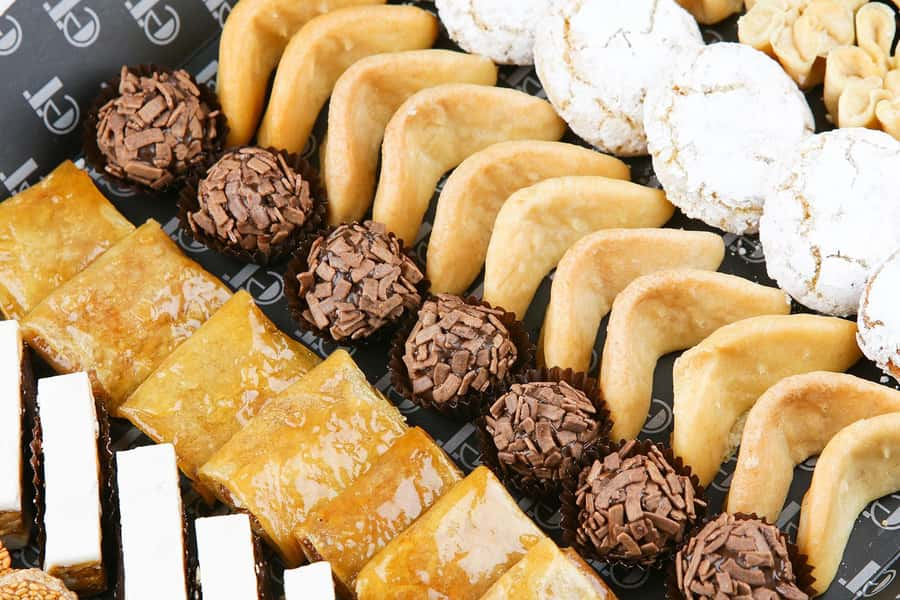
At the end, you taste what you have baked with Moroccan mint tea. You also receive a box of pastries to take home.
This is one of the strongest practical features of the class. You get an immediate reward at the table, then more to eat later or share with friends and family. One participant used the class to stock up before heading toward Merzouga, which is a smart idea if you have a long desert journey ahead and want something made locally.
The amount of baking can vary, but the experience includes enough pastries for a take-home box. That makes the $40 cost easier to justify, particularly when you value the instruction and the food together.
The box is also useful if you are staying in Marrakech for several days. You can save some for breakfast, offer them to your accommodation hosts, or bring them home if your plans allow. Do not expect the box to replace a full meal. This is a pastry tasting and lesson, not a lunch or dinner.
What you can take home besides pastries
The best long-term value is the chance to repeat the recipes. One participant had already tried them at home after the class, which suggests the techniques are practical beyond the workshop.
Ask for the recipes before you leave. This is an important tip because the class may focus heavily on demonstration and hands-on preparation, but a written copy is not specifically promised. If you want to bake fekkas or kaab el ghazal later, request the recipe and clarify any measurements you need.
You can also ask about when the pastries are traditionally eaten. The class includes some explanation of their place in Moroccan food customs, so it offers more than a set of instructions. The language options are Arabic, French, and English, which makes it accessible to a wide range of visitors.
The chef and staff are described as welcoming and helpful, but no individual instructor name is provided. If knowing your teacher’s name matters to you, ask when you arrive.
The class as a break from the souks
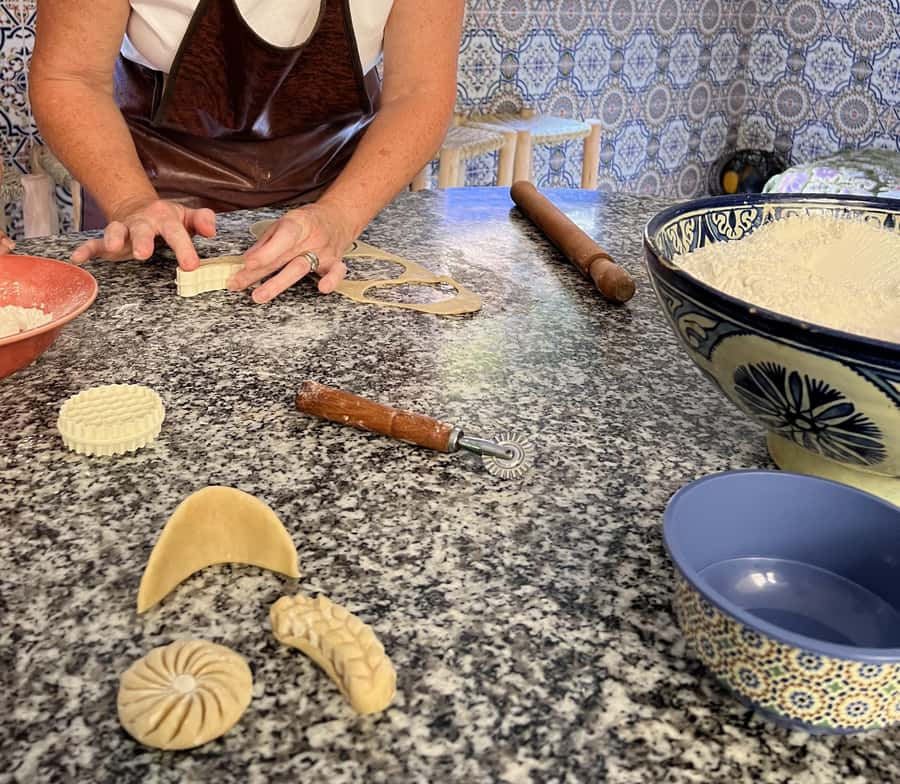
I would place this activity on a day when you need a change of pace. Marrakech’s souks are exciting, but a few hours of bargaining, walking, and crowd dodging can wear you down. A pastry class gives you a calmer setting while keeping you connected to local life.
It is also a good choice for a first or last full day. Early in your visit, you learn flavors you can recognize in pastry shops and markets. Near the end, you get a box of Moroccan treats to enjoy before flying home.
The experience is not aimed at people seeking a formal professional baking course. It is a friendly cultural activity with practical instruction. You will learn simple but precise methods, but the supplied information does not promise advanced baking theory, professional certification, or a full meal.
That distinction helps set expectations. Book it for the pleasure of making and eating traditional pastries, not for a serious culinary qualification.
Languages, timing, and practical planning
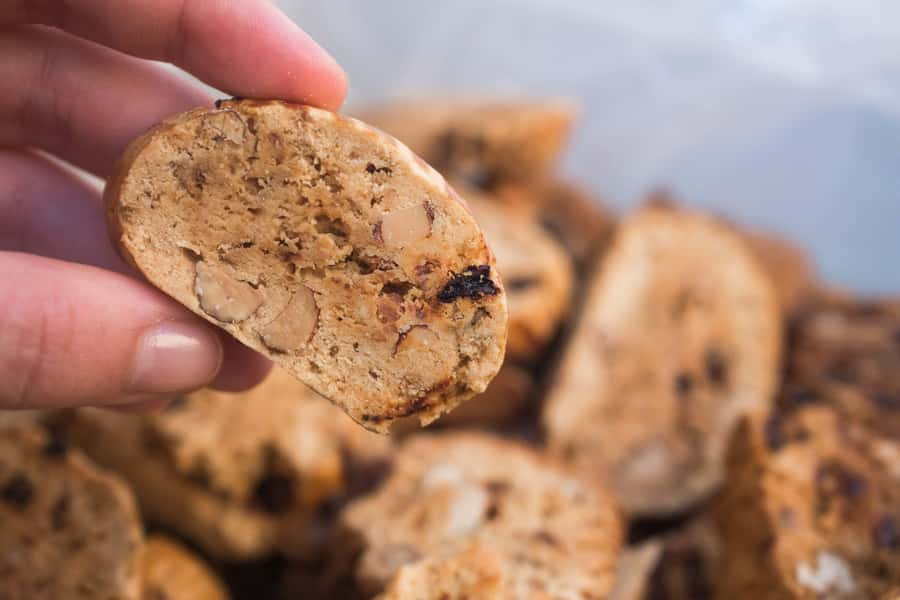
The class lasts 150 minutes, or two and a half hours. Check the available starting times when you book, since the exact schedule can vary.
Instruction is offered in English, French, and Arabic. If your group needs a particular language, confirm that the selected session suits you. The group limit is 10 participants, which keeps the setting more personal than a large cooking demonstration.
You can cancel up to 24 hours in advance for a full refund, and the reserve-now, pay-later option gives you some flexibility while arranging your Marrakech plans. Those terms are helpful if your schedule includes changing day trips, but you still need to arrive at the workshop on time and arrange your own transport.
For preparation, bring water and wear comfortable cooking clothes. Provide allergy information before the class. The supplied details do not specify a full list of ingredients, so it is better to raise concerns early rather than wait until the dough and fillings are already being prepared.
Who should book this Marrakech activity?
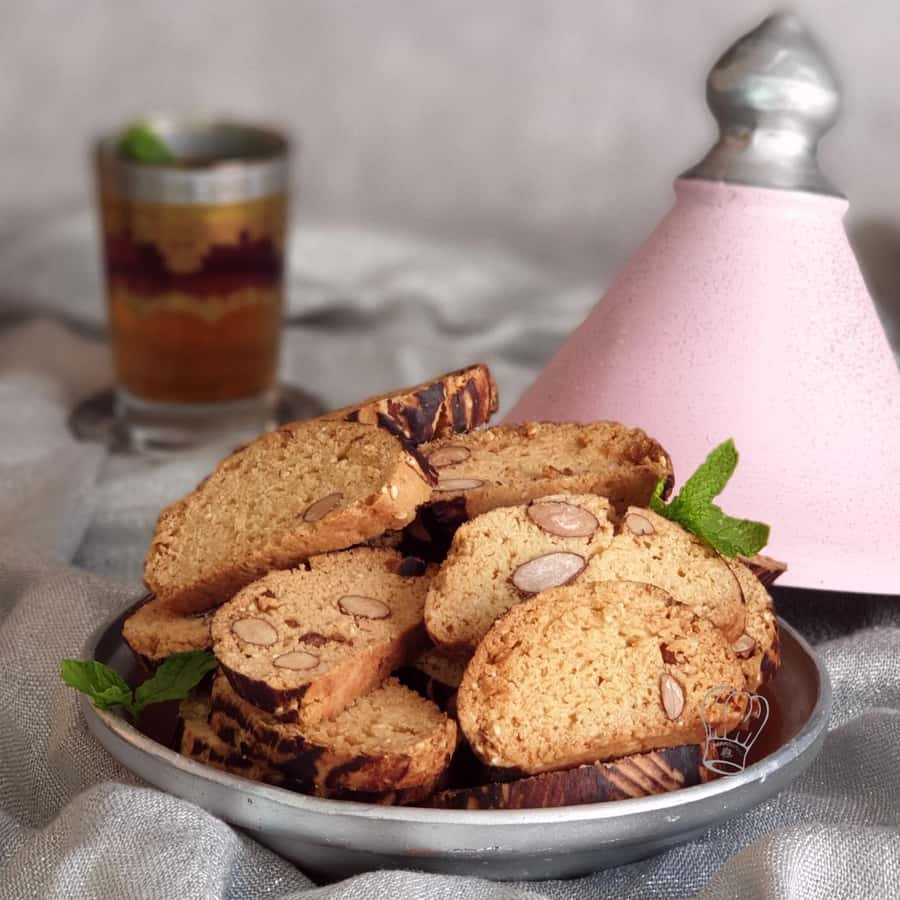
I would recommend it to you if you enjoy food, like learning by doing, or want a family activity that does not involve another monument. It is especially suitable for couples, small groups of friends, and families with teenagers.
It also suits first-time bakers. You do not need to arrive with strong baking skills, and the instruction is designed to guide you through the process. Experienced home bakers can still enjoy the regional ingredients and the different pastry styles.
You may want to skip it if you dislike sweet foods, have serious allergies that cannot be managed by advance notice, or want a full meal. You should also avoid booking it if you need a fully arranged transfer, since pickup and drop-off are not included and the location is sent later.
Should you book the pastry and tea class?
Book this class if you want a relaxed, hands-on look at Moroccan food rather than another sightseeing stop. The combination of local instruction, traditional pastries, mint tea, and a take-home box gives you several useful parts in one 150-minute activity.
The strongest reasons to choose it are the small group limit, the friendly help with each step, and the chance to make pastries you can try again at home. Ask for the recipes, share any allergy details early, and leave extra time for the taxi or walk to the workshop.
At $40, it is good value for a food-focused experience with plenty to eat and take away. It is not the cheapest way to sample Moroccan sweets, but it offers something a bakery purchase cannot: you learn how the pastries are made and leave with a better sense of Moroccan tea and hospitality.
FAQ
How long does the Moroccan pastry class last?
The class lasts 150 minutes, or two and a half hours.
How much does the experience cost?
The price is $40 per person.
What pastries will I make?
The class teaches Moroccan pastries, with fekkas and kaab el ghazal named among the examples.
Is Moroccan mint tea included?
Yes. You learn how to make Moroccan mint tea and taste it with the pastries you prepare.
Do I receive pastries to take home?
Yes. A box of pastries is included for you to take home after the tasting.
What languages does the instructor speak?
Instruction is available in Arabic, French, and English.
How many people can join the class?
The group is limited to 10 participants.
Can children attend?
Children under four are not suitable for the activity. Anyone under 18 must be accompanied by an adult.
What should I bring and wear?
Bring water and wear comfortable clothing suitable for cooking. You must provide allergy information in advance.
More Craft Workshops in Marrakech
- Marrakech: Pottery Workshop with Moroccan Tea
★ 4.8 · 756 reviews - Marrakech: Make Your Own Moroccan Zellige Mosaic Masterpiece
★ 4.8 · 103 reviews
Just added for Marrakech
- Marrakech: Tailor-Made City Tour With Your Own Private Guide★ 4.9 · 236 reviews
- Marrakech palm grove: Sunset camel ride★ 4.8 · 194 reviews
- Sparkling Marrakech through the eyes of your local Guide★ 4.7 · 247 reviews
- Quad Bike Activity in Marrakech Palmeraie★ 4.2 · 123 reviews
- Marrakech: Historical Discovery Tour★ 4.1 · 87 reviews
- Marrakech: Palm Grove Horseback Riding Tour★ 4.6 · 163 reviews
- Moroccan Food Cooking Class with a Local Chef in Marrakech★ 4.7 · 90 reviews
- Marrakech: Babouch Making Workshop in the Medina★ 4.9 · 117 reviews
Tours with a Local, compared.


Island Experience Tour with a Certified Local Guide
Read our review →

Serengeti Balloon Safari and authentic bush breakfast
Read our review →
Moroccan Dishes Cooking Class with a Local Chef
Read our review →
Authentic Moroccan Food Tour in Marrakech with Dinner
Read our review →
Authentic Moroccan Hammam Experience in Mouassine
Read our review →
Browse the lists this tour appears in