
Reviewed · COOKING CLASSES
Marrakech: Tajine Cooking Class in a Traditional Riad
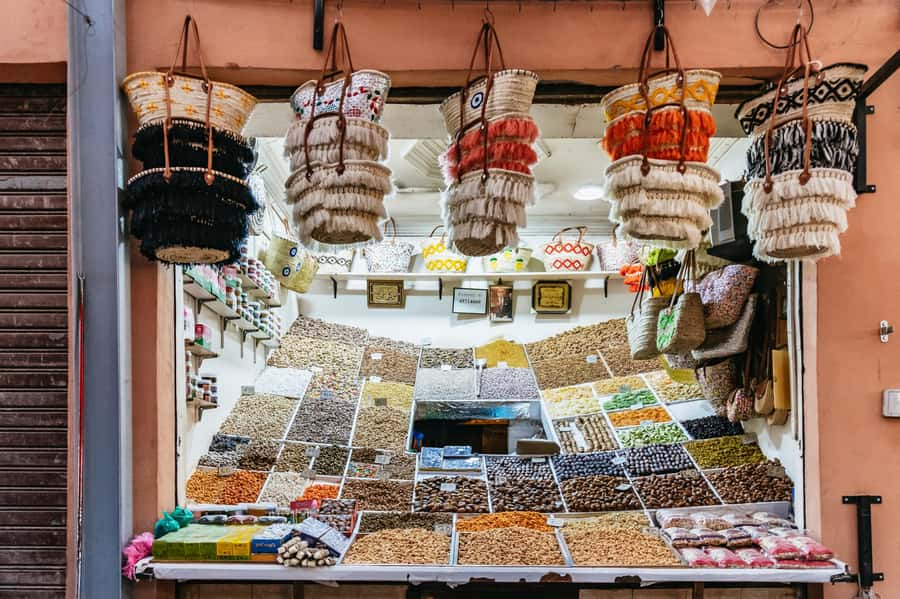
The best part of this Marrakech cooking class happens before you reach the kitchen. You walk through the medina with a local guide, choose fresh ingredients, learn a few Arabic food words, and see how a Moroccan meal begins at the market. I like the souq shopping and the chance to cook in a family riad, rather than sitting in a polished restaurant kitchen.
I also like the small-group format, capped at 12 people, and the warm teaching style reported from guides including Samira, Amina, Karima, and Sanae. The main thing to consider is that the experience can run past four hours, and buying chicken at the market may feel confronting if you are not used to seeing food prepared so directly.
Key points at a glance
- Market first, cooking second: Start at Djemaa El-Fna, then shop for vegetables, herbs, spices, and chicken in the medina.
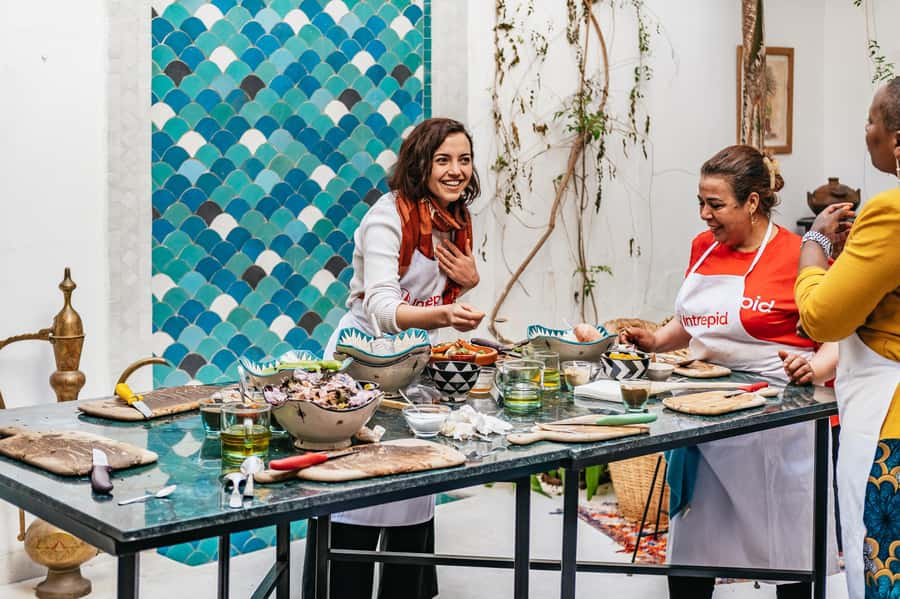
- A real riad kitchen: Prepare your meal in a traditional Moroccan home or riad setting with local hosts and assistants.
- More than tajine: The class can include Moroccan salad, dessert, mint tea, and homemade cookies, depending on the day.
- Helpful local instruction: Guides explain spice choices, fresh produce, Arabic food vocabulary, haggling, and medina customs.
- Good value at $57: Four hours includes the market visit, ingredients, cooking lesson, meal, tea, and recipe sheet.
- Flexible for diets: Vegetarian, vegan, gluten-free, and other dietary needs can be accommodated when arranged.
From Café France into the Marrakech medina
Your meeting point is outside Café France on Djemaa El-Fna, the large central square in Marrakech’s old city. Look for the official guide carrying an Urban Adventures sign or badge. This matters because unofficial guides often approach visitors around the square.
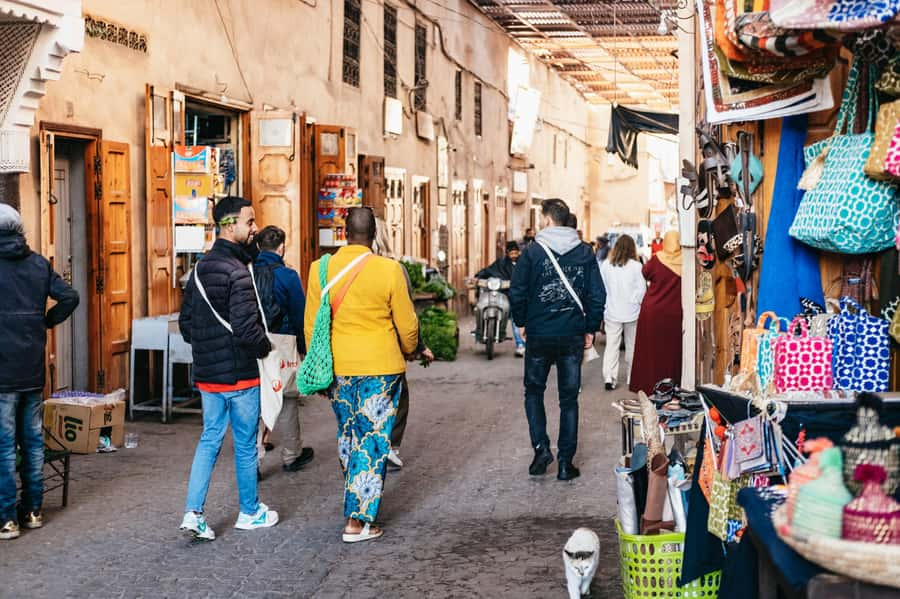
The class begins with a walk through the souks. This is not simply a quick stop to collect prepacked ingredients. Your guide explains what you are buying and helps you see the everyday rhythm of food shopping in the medina.
You may learn Arabic words for ingredients as you go. You also get a practical look at how locals choose vegetables, herbs, and spices. Guides such as Samira and Salema have been praised for explaining how to spot fresh produce, while other instructors have helped participants understand what a fair market price looks like.
The market visit gives the cooking lesson a useful foundation. Instead of being handed a bowl of anonymous ingredients, you see where the meal begins and why each item belongs in the pot. It also gives you a gentle introduction to medina life without the pressure of a formal sightseeing tour.
More Cooking Classes in Marrakech
- Marrakech: Moroccan Cooking Class with Pickup
★ 4.6 · 1,862 reviews - Marrakech: Traditional Moroccan Cooking Class & Market Visit
★ 4.8 · 1,861 reviews - Marrakesh: Moroccan Dishes Cooking Class with a Local Chef
★ 5.0 · 1,615 reviews
Shopping for ingredients, including the chicken
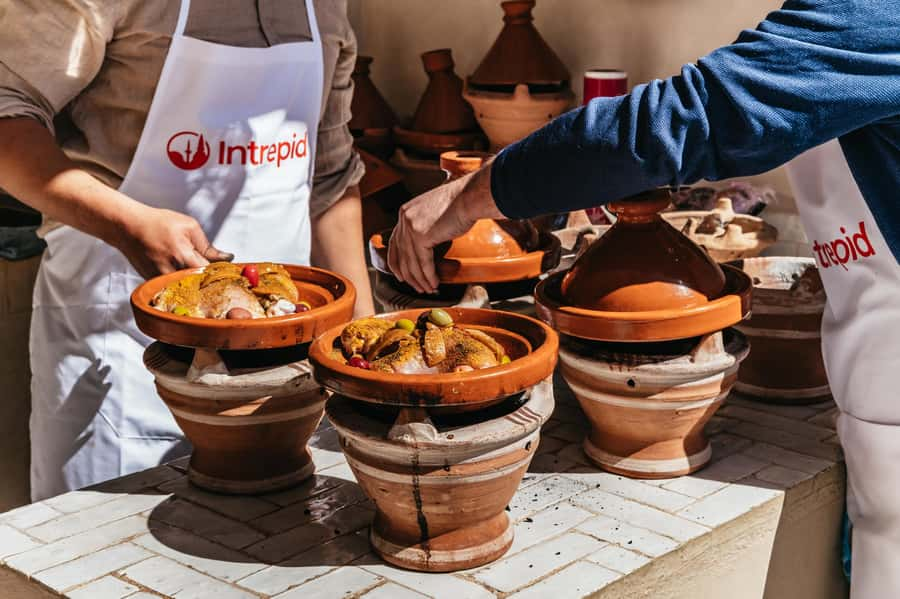
The listed ingredients include vegetables, herbs, spices, and chicken. Several versions of the class have featured chicken tajine with preserved lemon and olives, a classic combination that produces a salty, fragrant sauce. You may also prepare a vegetable tajine if you are vegetarian or if your dietary needs call for it.
The chicken purchase can be the most challenging part for some people. Past participants have described seeing a live chicken bought at the market. That direct connection between animal, market, kitchen, and plate is part of the local food culture, but it is not comfortable for everyone.
If that would bother you, tell the guide early. A vegetarian option has been arranged for participants before, and the activity provider says it can accommodate vegetarian, vegan, gluten-free, and other dietary requirements. Food choices depend on availability, so it is sensible to mention your needs when booking and again at the meeting point.
This is also the point where the class offers useful shopping skills. You are not expected to haggle alone in a busy souk. Your guide can handle the buying and explain the process, giving you a better sense of local prices and market habits.
Entering a traditional riad kitchen
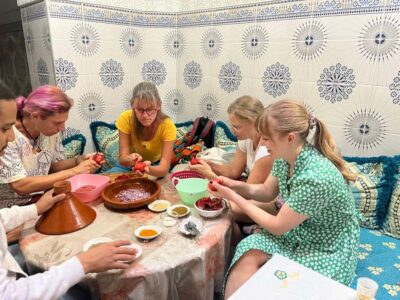
After shopping, you head to a traditional riad. The exact home or route can change, but the setting is part of the appeal. You cook in a local household or riad rather than a purpose-built school designed only for visitors.
The home itself may be one of the most memorable parts of the morning. Amina, for example, has welcomed participants into her home with help from her sisters Khadija and Meriem. Other classes have included local women who prepared the equipment, helped with ingredients, and patiently explained each step.
This arrangement gives you a small glimpse of medina life. You are not simply learning a recipe. You are seeing how a meal is prepared in a Moroccan home, meeting the people who make the experience work, and eating in the same setting where the cooking takes place.
The riad setting also adds a welcome pause after the market. The souks can be crowded and confusing, so moving into a quieter home kitchen gives the day a pleasant change of pace.
Making tajine by hand
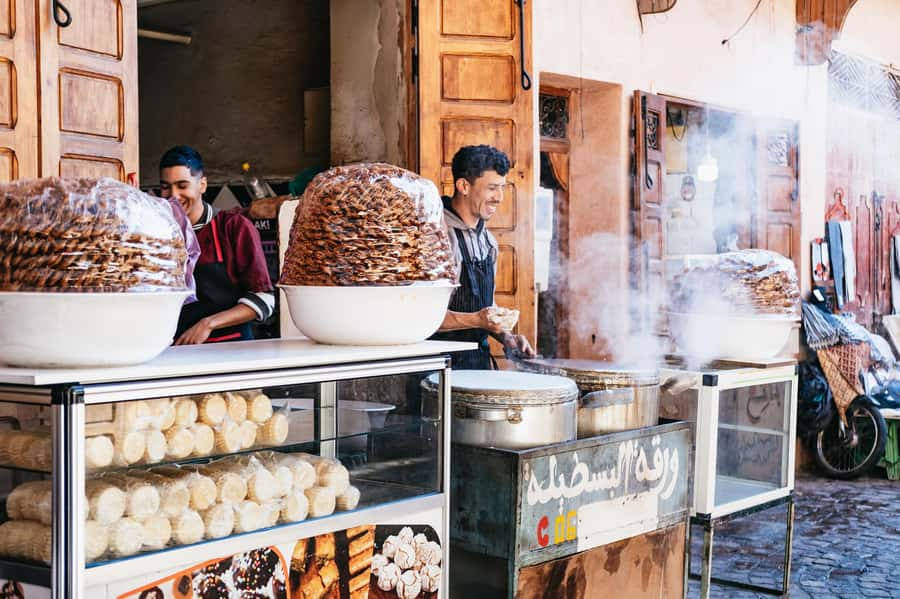
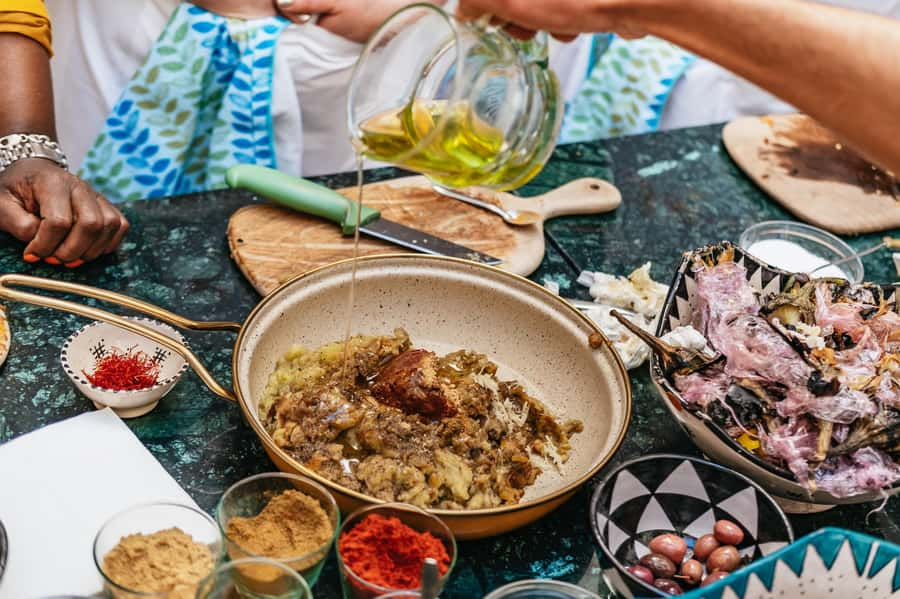
The class is hands-on. You help chop ingredients, arrange vegetables, add herbs and spices, and layer the contents of the tajine. Your guide or cooking instructor leads the group through the process, so you do not need advanced cooking skills.
The emphasis is on techniques you can repeat at home. You learn how Moroccan spices work together, how fresh produce is selected, and how the tajine is assembled before cooking. The recipe is simple enough for a beginner, but there is still plenty for an experienced home cook to notice.
The most common dish is chicken tajine, often made with preserved lemon and olives. The class may also include a fresh Moroccan salad and an orange-and-cinnamon dessert. The exact dishes can change with ingredient availability, so do not book expecting one fixed menu down to every garnish.
While the tajine cooks, the pace becomes more relaxed. This is when the group can talk, drink tea, and get to know one another. The class is limited to 12 people, though it may feel smaller on some dates. A private group is also available if you prefer to keep the experience within your own party.
Same corner of the map, a completely different outing:
- Marrakech: Quad Bike Tour to Palm Oasis and Jbilat Desert
★ 4.8 · 11,831 reviews - Marrakesh: Majorelle Garden Entry Tickets
★ 4.5 · 9,651 reviews - Marrakech Quad Bike Experience: Desert and Palmeraie
★ 4.5 · 9,509 reviews - Marrakech: Balloon Flight, Berber Breakfast & Certificate
★ 4.8 · 8,164 reviews
Mint tea, cookies, and the meal you made
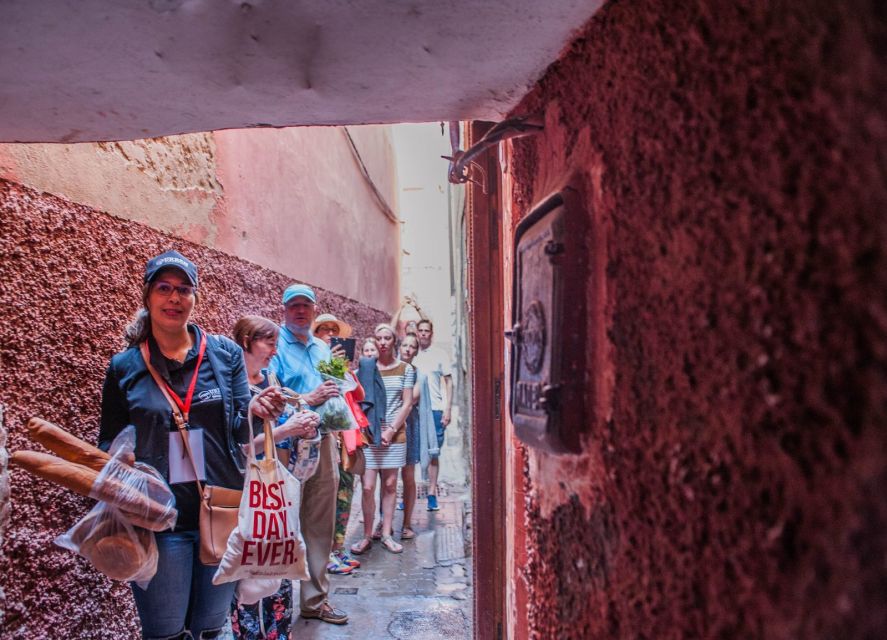
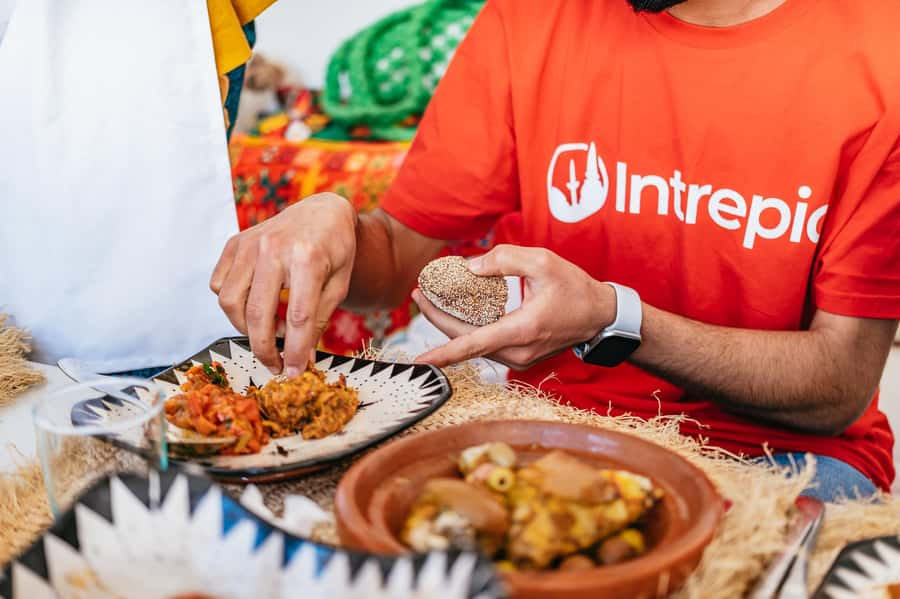
Moroccan mint tea is built into the experience, and in some classes it is prepared near the beginning. Amina’s class included tea and ghriba cookies made by her sister Khadija. Other versions have featured mint tea while the tajine cooked, along with salad and dessert.
This part is more than a snack break. Tea is central to Moroccan hospitality, and learning how it is prepared gives you another small piece of local food culture. It also makes practical sense: tajine takes time, and sitting down with tea keeps the class from feeling rushed.
Then comes the main reward, lunch. You eat the tajine you helped prepare, usually with the salad and any accompanying dessert. Many people find that a dish tastes more memorable when they have chosen the ingredients, chopped the vegetables, and watched the pot come together.
The meal is included in the $57 price, as are the ingredients and the cooking lesson. For a four-hour activity in Marrakech, that is a fair deal. A restaurant meal alone could cost less, but it would not include the market walk, the instruction, the riad visit, or the chance to prepare the food yourself.
What makes the guides important
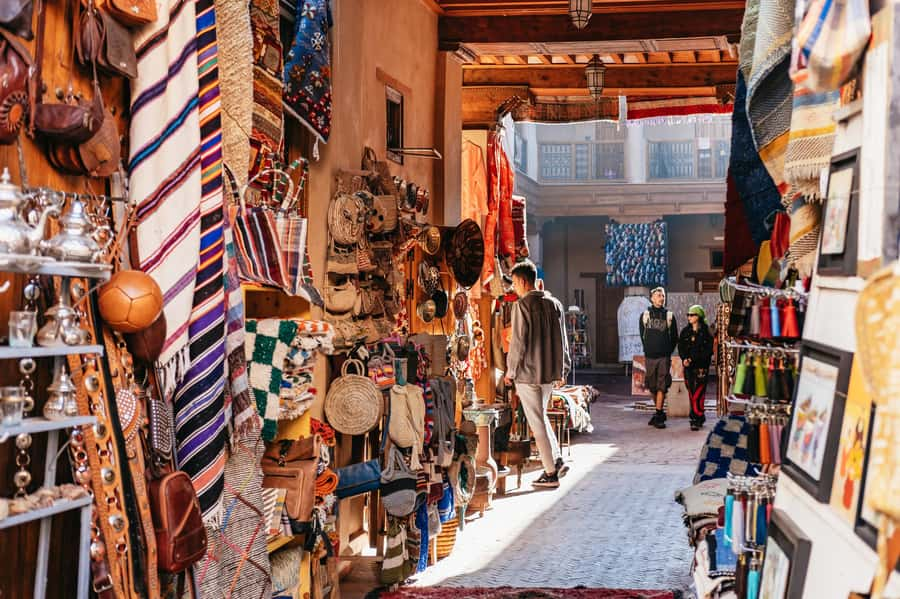
The guide makes a big difference here because the experience depends on conversation and clear instruction. The names appearing across different sessions include Samira, Amina, Karima, Sanae, Salema, and Hanan. You may meet a different guide, but the repeated pattern is an instructor who acts as market escort, teacher, host, and cultural interpreter.
Samira has been praised for her humor and for explaining Moroccan cuisine and spices in an easy way. Amina’s class included a family welcome and a slower introduction to tea. Karima has led both the shopping and the cooking, while Sanae has been especially good at connecting food preparation with Moroccan customs.
Those details matter if you are comparing cooking classes. A class can have a fine menu and still feel flat if the instructor rushes or gives vague directions. Here, the guide is central to the experience, and the strongest sessions appear to balance cooking instruction with personal stories, market advice, and plenty of help at the worktable.
The class is in English. Some participants have found the instruction easy to follow, though the quality of any live class depends on the individual guide assigned that day.
The practical limits of a four-hour class
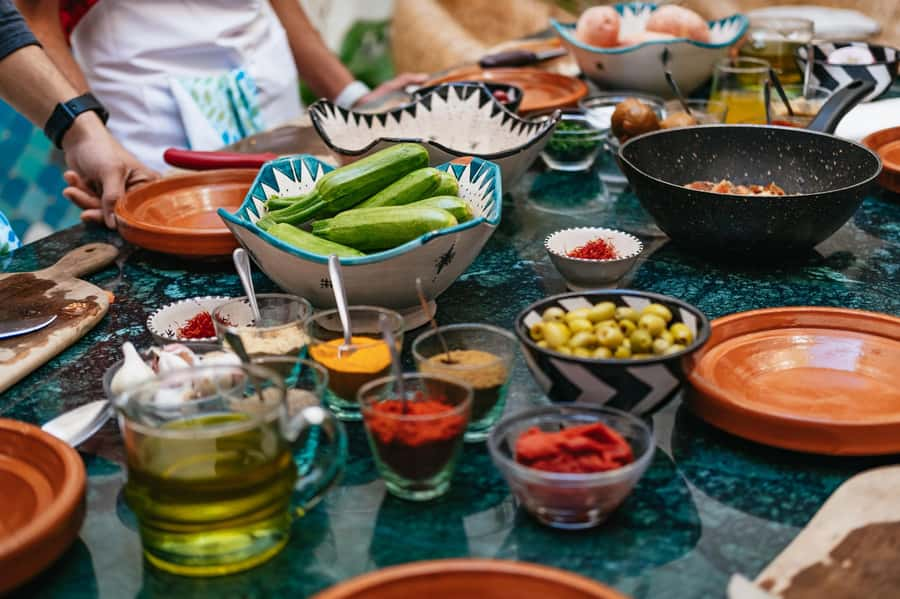
The activity is advertised as four hours, but leave some room afterward. One participant had to hurry away for another tour because the class ran long. Cooking, eating, market shopping, and group conversation do not always fit neatly into a clock.
I would avoid scheduling a tight connection, museum reservation, or long-distance departure immediately afterward. The relaxed pace is part of the charm, but it means this is not the right choice if you need to be across town at a precise time.
There is no hotel pickup or drop-off. You need to reach Café France in Djemaa El-Fna on your own. Give yourself time to find the square and identify the official guide, especially if you are staying outside the old city.
Dress modestly. Shorts, short skirts, and sleeveless shirts are not allowed. Comfortable shoes are sensible because the first part involves walking through the medina, where surfaces can be uneven and crowded.
Children are welcome, and children under six can join free of charge. The hands-on cooking may suit families with older children particularly well, though adults should consider how their children will manage the market walk and kitchen time.
Dietary needs and changing menus
The activity provider says the class can accommodate vegetarians, vegans, gluten-free diets, and other restrictions. The clearest advice is to provide this information when you reserve, then remind the guide at the start.
A vegetarian tajine has been prepared in place of chicken before. The market experience may change slightly depending on your menu, but you should still take part in choosing vegetables, herbs, and spices.
Keep in mind that the ingredients and stops can change according to what is available that day. The provider can also alter the route and places visited. That flexibility is normal for a market-based class, but it means the meal is not a restaurant-style fixed order.
Carbon-neutral travel with a local focus
This experience is carbon neutral and operated by a B Corp-certified company. The class also directs spending toward local guides, cooks, family homes, and food sellers.
That does not turn a cooking class into a charity project, and you should still judge it by the food and instruction. But if you want an activity that supports local people rather than relying only on a large commercial venue, this setup has a clear advantage.
The local focus is strongest in the details: buying fresh produce in the souk, learning market customs, cooking in a riad, drinking tea with a host family, and carrying home a recipe sheet. These are small encounters, but together they give you a more useful sense of Marrakech than a short photo stop.
Who should book this Marrakech cooking class?
I would choose this class if you want food, local contact, and a practical activity in one morning or afternoon. It suits first-time visitors who want help navigating the souks, home cooks who want a Moroccan recipe to repeat, and couples or small groups looking for something more personal than a restaurant meal.
It is also a good choice if you enjoy meeting people from different places. The shared chopping, cooking, and meal create easy conversation without requiring everyone in the group to be an expert cook.
You may want to skip it if you dislike market shopping, communal cooking, or uncertainty about the final menu. It is not ideal for a strict schedule, and the chicken purchase may feel uncomfortable. You should also be prepared to walk from Djemaa El-Fna and follow modest dress rules.
At $57 per person, the value is strong because the price covers four hours, market shopping, all ingredients, instruction, tea, and the meal. Free cancellation up to 24 hours before the start and a reserve-now, pay-later option make it easier to fit into a changing itinerary.
Should you book it?
Book this experience if you want to understand Moroccan food by seeing it bought, prepared, and eaten in a local home. The best parts are the souk visit, the patient instruction, the family-style riad setting, and the chance to recreate chicken tajine, salad, and possibly dessert at home.
Go in with practical expectations. Your guide and menu may vary, the route can change, and the class may run beyond four hours. If you allow time for that and tell the provider about dietary needs, this is one of the better-value ways to connect Marrakech’s food culture with everyday medina life.
FAQ
Where does the tajine cooking class meet?
It meets outside Café France in Djemaa El-Fna. The official guide will be holding an Urban Adventures sign or wearing an Urban Adventures badge.
How long does the experience last?
The scheduled duration is four hours. It can sometimes run longer, so avoid booking another activity immediately afterward.
What language is the class conducted in?
The live tour guide speaks English.
Is hotel pickup included?
No. Hotel pickup and drop-off are not included, so you must make your own way to Djemaa El-Fna.
What food is included?
The included ingredients cover vegetables, herbs, spices, and chicken for the tajine. The class also includes the tajine meal you prepare and Moroccan tea. Moroccan salad and dessert may be included depending on the session and ingredient availability.
Can vegetarians and vegans join?
Yes. Vegetarian, vegan, gluten-free, and other dietary needs can be accommodated. Tell the provider about your requirements when booking.
Are children allowed?
Yes. The activity is child-friendly, and children under six can join free of charge.
What should I wear?
Shorts, short skirts, and sleeveless shirts are not allowed. Wear modest clothing suitable for walking through the medina and taking part in a kitchen session.
Just added for Marrakech
- Marrakech: Tailor-Made City Tour With Your Own Private Guide★ 4.9 · 236 reviews
- Marrakech palm grove: Sunset camel ride★ 4.8 · 194 reviews
- Sparkling Marrakech through the eyes of your local Guide★ 4.7 · 247 reviews
- Quad Bike Activity in Marrakech Palmeraie★ 4.2 · 123 reviews
- Marrakech: Historical Discovery Tour★ 4.1 · 87 reviews
- Marrakech: Palm Grove Horseback Riding Tour★ 4.6 · 163 reviews
- Moroccan Food Cooking Class with a Local Chef in Marrakech★ 4.7 · 90 reviews
- Marrakech: Babouch Making Workshop in the Medina★ 4.9 · 117 reviews
Cooking Classes, compared.
Traditional Moroccan Cooking Class & Market Visit
Read our review →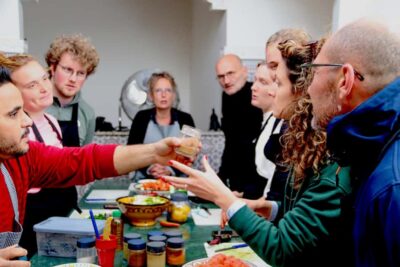
Moroccan Dishes Cooking Class with a Local Chef
Read our review →
Moroccan Cooking Class & Marrakech Market Visit with Chef Khmisa
Read our review →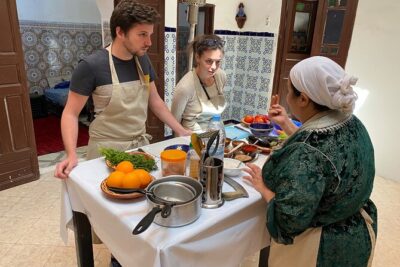
Half-Day Cooking Class with Local Chef Laila in Marrakech
Read our review →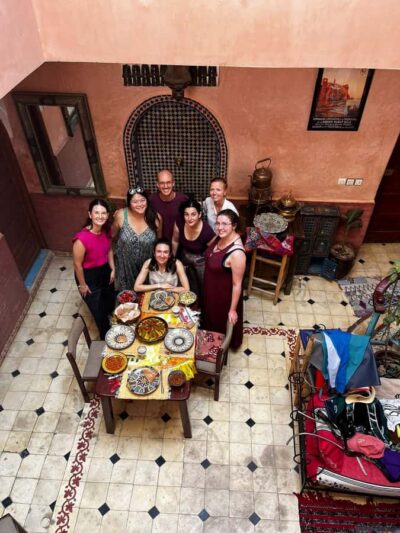
Browse the lists this tour appears in