Reviewed · TURTLE & MARINE LIFE
Santa Maria: Sea Turtle Watching Experience on Sal Island
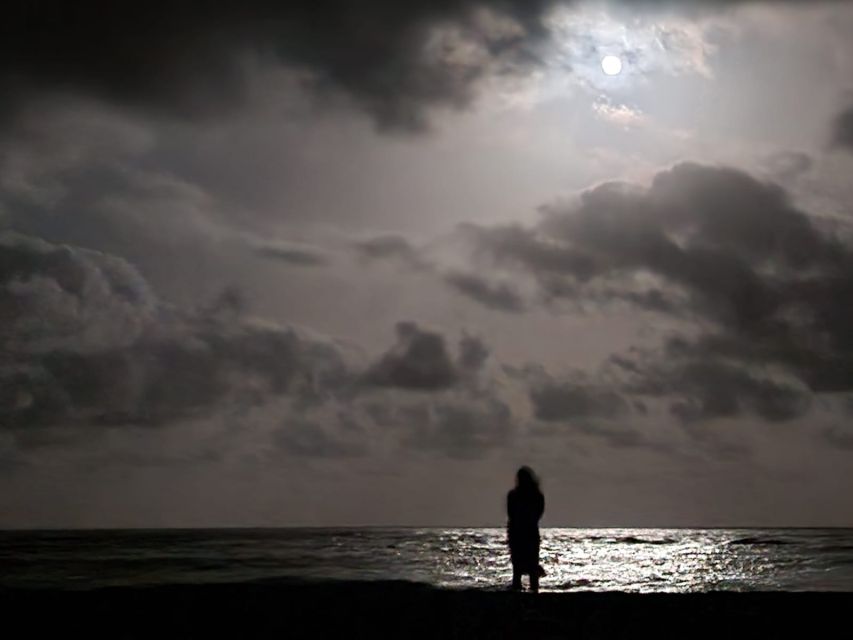
The main event is wonderfully simple: under a dark Cape Verde sky, you sit quietly on the sand while a loggerhead turtle digs, lays her eggs, covers the nest, and crawls back to the sea. It is one of those rare wildlife experiences where patience matters as much as luck.
I like two things right away. The guides explain the full nesting cycle, not just the few minutes when a turtle appears, and the group is split into smaller viewing parties to reduce pressure on the animals. I also like that the outing supports local conservation work while giving you a real encounter, rather than a staged animal show.
The one drawback is that nature keeps its own clock. You may wait 20 minutes, two hours, or leave without seeing a turtle complete the nesting process. The variable pickup window and late return also require a little flexibility.
Key points before you book
- See the full nesting cycle: With luck, you may watch a turtle arrive, dig, lay eggs, cover the nest, and return to the sea.
- Guides take animal welfare seriously: Flash photography, video recording, and personal flashlights are not allowed.
- Expect a dark, sandy outing: Wear black or other dark clothing, comfortable shoes, and a light jacket if needed.
- Pickup timing can change: The activity may run between 7:30 PM and 10:30 PM, with the exact schedule confirmed on the morning of the tour.
- The $41 price includes the basics: Hotel pickup and drop-off, air-conditioned transport, a guide, the tour, and infrared lighting.
- Sightings are likely but not promised: The operator reports a 99 percent success rate over the past five years, but no wild animal can be guaranteed.
Why Sal is such an important turtle-watching destination
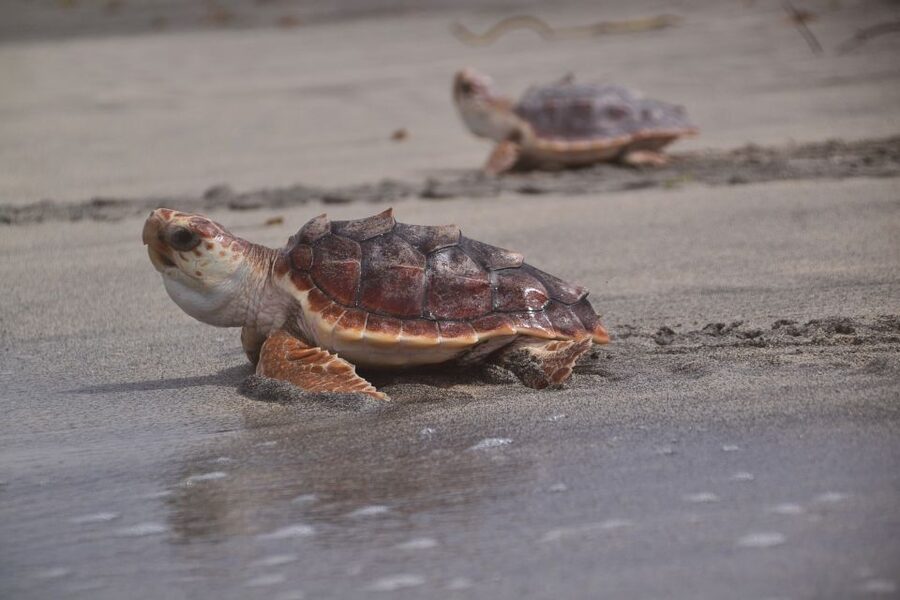
Cape Verde’s sandy beaches are among the key nesting places for the common, or yellow, turtle. Three turtle species live around Cape Verde, but this is the one you are most likely to see on Sal. It is also often called the loggerhead turtle, and several outings have included females around 80 centimeters long.
This matters because the experience is more than a nighttime walk to a beach. You are seeing a natural process that depends on a quiet shoreline and careful human behavior. Your guide will explain the turtle’s evolution, physical traits, nesting habits, and the reasons local welfare rules are strict.
I appreciate that the talk comes before the sighting. You learn what the turtle is trying to do, why she may turn back, and why a bright light or sudden movement can cause trouble. That context makes the quiet waiting feel purposeful instead of simply slow.
More Island Trips in Cape Verde
- Sal: Island Experience Tour with a Certified Local Guide
★ 4.8 · 3,249 reviews - Experience on Sal Island with native and certified guide (including sharks)
★ 5.0 · 1,166 reviews - From Sal Island: Blu eye, Salt lake, Lemon Sharks & Palmeira
★ 4.6 · 1,003 reviews
From Santa Maria to a deserted beach
Pickup is generally around 8 PM, though newer environmental rules mean the schedule can shift. The exact transport time is confirmed on the morning of the outing, and the operating window may fall anywhere from 7:30 PM to 10:30 PM.
You leave Santa Maria in a comfortable, air-conditioned vehicle. The ride to the beach is usually less than an hour, with some accounts describing a journey of about 30 minutes. During the drive, your guide explains how the night will work, what behavior is expected, and how the group will watch without getting in the turtle’s way.
The beach is described as deserted or lightly used, which is exactly what nesting turtles need. Once you arrive, expect a short walk over sand before settling into the viewing area. This is not a paved nature trail, so comfortable shoes are more useful than smart holiday footwear.
The remote setting is part of the appeal. There are no bright resort lights competing with the moon and stars. It is also why you should prepare properly. Dark clothing helps prevent startling the turtles, and a light jacket can be useful at night. One particularly practical tip is mosquito repellent, especially if you are prone to bites.
Waiting quietly for the first turtle

The guide may leave the group briefly to search for turtles coming ashore. Waiting times vary. Some outings find a turtle in less than half an hour, while others can take two hours or more.
This is the part to understand before paying. If you need a fixed schedule with constant activity, this will feel frustrating. If you can sit quietly, enjoy the stars, and accept that wildlife does not follow a timetable, the wait becomes part of the experience.
When a turtle appears, the guide directs you where to sit. You must remain as still and quiet as possible. The group may be divided into smaller sections so everyone gets a reasonable view without forming a noisy crowd around the animal.
The guides use infrared lighting rather than ordinary flashlights. Flash photography, video recording, and personal flashlights are not allowed. These rules may limit your holiday photos, but they protect the encounter itself. You will come away with fewer pictures and a much better chance of seeing natural behavior.
What the nesting process looks like
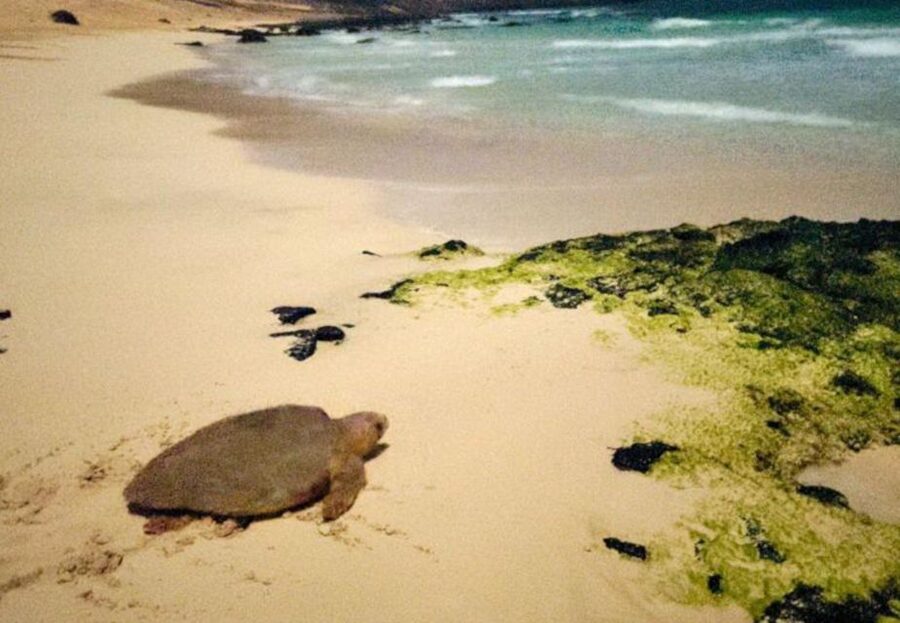
The most rewarding sighting follows the entire sequence. First, the turtle leaves the water and searches for a suitable patch of sand. She may crawl around for a while before choosing a place.
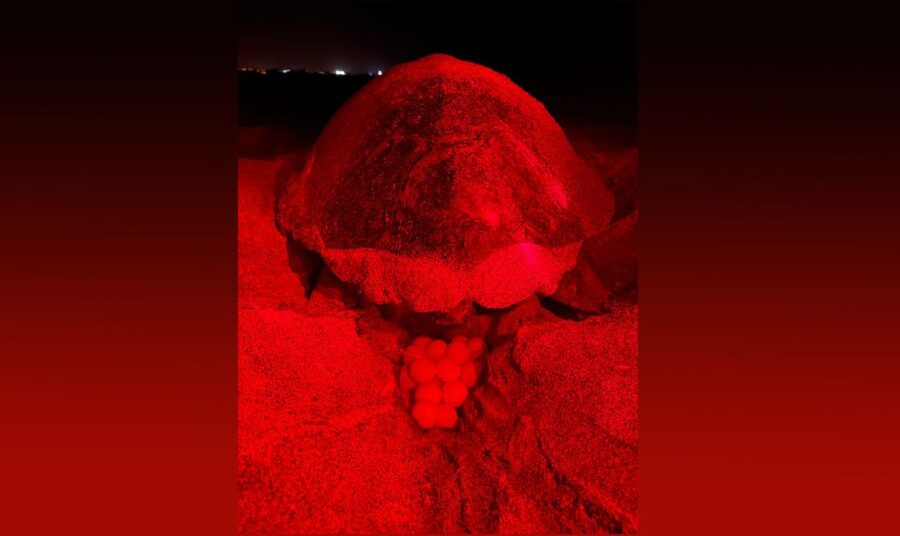
Next comes the digging. She uses her rear flippers to make a nest chamber, working slowly and methodically. Once the chamber is ready, she lays her eggs. This is the moment when the group must be especially quiet, since the turtle is focused on the task and should not be disturbed.
After laying, she covers the eggs and disguises the site. Then she makes her way back down the beach and into the sea. Watching that final return is a powerful ending, especially after sitting through the entire process.
You might see only part of this sequence. A turtle can come ashore and leave if conditions feel wrong or if human activity makes her uneasy. That is not a failed outing. It is an honest glimpse into wild behavior, though it can be disappointing if you were hoping for the complete cycle.
Some outings have included several turtles in one night. Others have seen a single female laying eggs. There have also been sightings of hatchlings, though baby turtles are not guaranteed and may not be present during every period of the season.
More Marine Life Trips in Cape Verde
- Sal: All-Inclusive Salt Lake, Blue Eye and Shark Bay Tour
★ 4.7 · 2,033 reviews - Sal Island: Shark Bay Experience from Santa Maria
★ 4.7 · 345 reviews - Sal: Salt Lake Tour, Shark Bay and Pedra de Lume Village
★ 4.6 · 274 reviews - Santa Maria: Sal Island Sea Turtle Watching Experience
★ 4.5 · 256 reviews
The guides make the difference
The strongest part of this experience is the guiding. Nany, Dani, and Chan are names associated with particularly well-received outings, and the guide team speaks Spanish, French, Portuguese, and English.
You can expect explanations throughout the evening, but the best guides know when to stop talking. They answer questions during the drive and the waiting period, then keep voices low once a turtle begins nesting. That balance is important. You want to understand what you are seeing without turning a quiet beach into a classroom beside a wild animal.
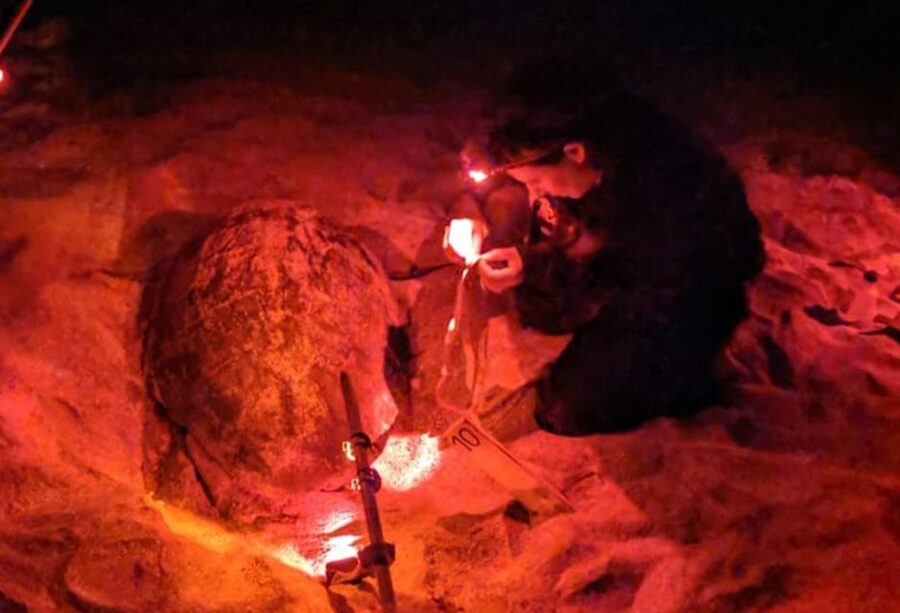
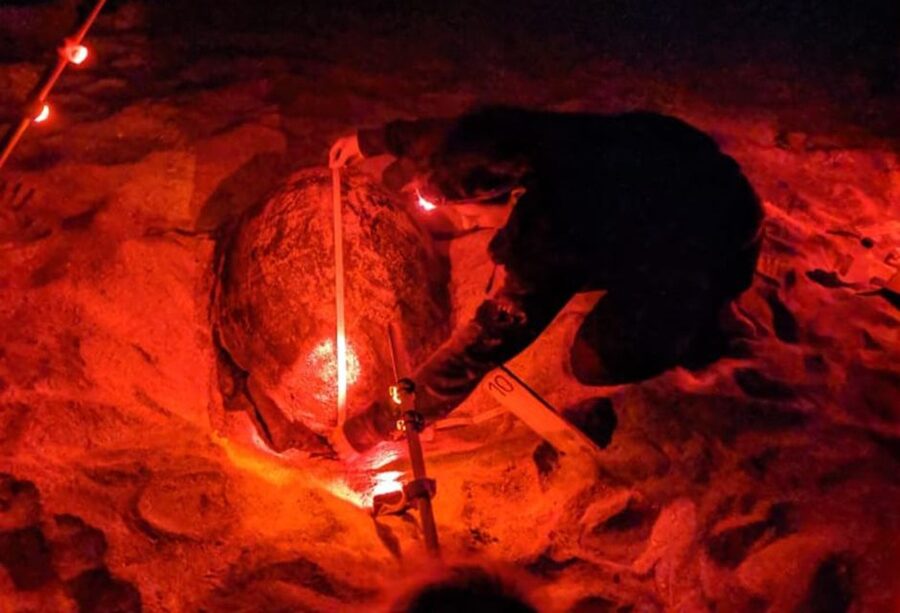
Guides also help position the group and explain how close you can safely sit. Some outings have included local conservation workers taking measurements, giving you a closer look at the scientific side of the work. The focus remains on the turtle’s welfare, not on forcing a better view.
I would pay special attention to how your guide handles other groups on the beach. One account described more intrusive parties nearby, while the guide moved the group away to preserve a calmer experience. That kind of judgment can matter as much as the formal briefing.
Conservation rules are not just fine print

The restrictions here are central to the activity. You must not use a flash, film the event, or shine your own flashlight. Dark clothing is requested in black, dark brown, dark blue, or dark grey.
These instructions may seem strict if you are used to photographing every holiday moment. They make sense at a nesting beach. A turtle that is startled or disoriented may abandon the attempt, and repeated disturbance can affect the wider nesting area.
The tour presents this as an environmentally conscious activity, and the details support that aim. Small groups, infrared lighting, trained guides, quiet observation, and attention to local Ministry of the Environment rules all point in the right direction.
Still, you are joining a wildlife excursion, not a private viewing session. Other groups may be present, and conditions can change. The most responsible attitude is to value the sighting even if it happens farther away than expected or ends sooner than you hoped.
Is $41 good value?
At $41 per person, the price is fair for a guided evening that includes hotel pickup and drop-off, transport, a guide, the beach outing, and infrared lighting. You do not need to arrange a taxi to a remote beach or find your way back to Santa Maria late at night.
The value is highest if you see a turtle nesting for a sustained period. Watching the full process can last around 45 minutes or more, and several outings have included two, three, or even four turtles. In that case, the price buys both access and expert interpretation.
The value is less certain if you see a turtle briefly or none at all. The operator reports a 99 percent success rate over five years, which is encouraging, but that is not a promise for your date. Weather, beach conditions, turtle behavior, and human disturbance remain outside anyone’s control.
I would compare this price with the importance you place on a rare wildlife sighting. For many people, one complete nesting event makes the cost easy to justify. If you dislike waiting or need guaranteed results, choose with more caution.
Who should book this night tour

I would recommend it most strongly to adults, older children, and anyone interested in wildlife, conservation, or astronomy. The starry sky and silence make the waiting time pleasant for people who can slow down and sit still.
It is not a good match for children under three, wheelchair users, or people with mobility impairments. The walk is on sand, and the night is very dark. It is also unsuitable for anyone with a fear of darkness or for people under the influence of alcohol.
You should be comfortable with uncertainty. The tour may begin later than expected, and the exact end time depends on what happens at the beach. Return is generally around 10 or 11 PM, but the process may take longer if a turtle arrives late.
Wear dark, comfortable clothing and shoes that handle sand. Leave the flashlight and camera flash behind. If taking a photo is essential to your enjoyment, the restrictions may be a dealbreaker.
Practical details that affect the night
The tour is designed as a short evening excursion from Santa Maria. Pickup is included, and transport is air-conditioned. The beach drive itself is not usually long, but the full outing can stretch because the search and observation have no fixed duration.
You should receive the exact collection time on the morning of the tour. Keep that part of your evening open, rather than booking a tight dinner reservation or another activity immediately afterward.
Cancellation is allowed up to 24 hours before the tour for a full refund, and you can reserve while paying later. Those terms help if your plans are still moving, but the wildlife conditions themselves remain unpredictable.
The activity is offered in English, Spanish, French, and Portuguese. If you have specific language needs, check that your preferred guide language is available when you book.
Should you book the sea turtle experience?
I would book this if you want a genuine Sal memory and can treat the evening as wildlife watching rather than a guaranteed show. The best parts are hard to fake: the quiet beach, the dark sky, the careful guides, and the sight of a large turtle handling an ancient task just a few steps away.
Book with realistic expectations. You may wait, see only one turtle, miss the hatchlings, or watch a turtle turn back. But if you remain patient, you may witness the whole cycle from first crawl to return to the sea, with guides such as Nany, Dani, or Chan explaining what is happening and keeping the encounter respectful.
At $41, with transport included and conservation rules taken seriously, this is one of Sal’s better choices for a nature-focused evening. Just wear dark clothes, bring comfortable shoes, leave the flash at home, and let the turtle set the pace.
FAQ
What time does the sea turtle tour start?
Pickup is often around 8 PM, but the schedule is variable. Under current environmental guidelines, the activity may take place between 7:30 PM and 10:30 PM. The exact transport time is confirmed on the morning of the tour.
How late does the experience finish?
Return to your accommodation is generally around 10 or 11 PM. The exact finish depends on how long it takes to locate and observe nesting turtles.
Is seeing a turtle guaranteed?
No. Nesting observation depends on environmental factors and wild turtle behavior. The operator reports a 99 percent success rate over the past five years, but a sighting cannot be guaranteed for a particular night.
What should I wear?
Wear dark-colored clothing, such as black, dark brown, dark blue, or dark grey. Comfortable shoes are important because you will walk on sand. A light jacket and mosquito repellent may also be useful.
Can I use a camera or flashlight?
No. Flash photography, video recording, and personal flashlights are not allowed. The guides provide infrared lighting for the observation.
Is hotel pickup included?
Yes. Hotel pickup and drop-off are included, along with transportation in an air-conditioned vehicle.
Is the tour suitable for young children or people with mobility limitations?
The activity is not suitable for children under three, wheelchair users, or people with mobility impairments. It is also not recommended for people with a fear of darkness.
Can I cancel for a refund?
You can cancel up to 24 hours in advance for a full refund. You can also reserve now and pay later, which keeps your plans flexible.
More trips on Sal Island
- Horse Riding in Sal Island – Cabo Verde
★ 5.0 · 500 reviews - Sal Island: Guided Full-Day Highlights Tour with Lunch
★ 4.7 · 414 reviews - 4h SSV Buggy Island Adventure – 1000cc or 500cc
★ 5.0 · 363 reviews - 3-hour Catamaran Adventure on the waters of Sal Island
★ 4.7 · 349 reviews
More Marine Life Trips on Sal Island
- From Sal Island: Blue Eye, Salt Lake, Lemon Sharks, Palmeira
★ 4.1 · 248 reviews - Santa Maria: Salt Mine, Natural Pool, and Shark Bay Tour
★ 4.5 · 165 reviews
Just added for Sal Island
- Santa Maria: Salt Mine, Natural Pool, and Shark Bay Tour★ 4.5 · 165 reviews
- Santa Maria: Snorkeling Boat Tour★ 4.3 · 213 reviews
- Santa Maria: Sal Island Sea Turtle Watching Experience★ 4.5 · 256 reviews
- Santa Maria: Discover Scuba Diving★ 4.9 · 81 reviews
- Santa Maria: Sal Island All-inclusive Adults-only Catamaran★ 4.3 · 163 reviews
- Sal Island: 2-Hour ATV Quad Desert Adventure★ 4.8 · 244 reviews
- Sal Rei: Boa Vista Island Full-Day North to South Discovery★ 4.6 · 79 reviews
- Sal: Salt Lake Tour, Shark Bay and Pedra de Lume Village★ 4.6 · 274 reviews
Turtle & Marine Life, compared.

Cape of Good Hope & Penguins Day Tour with Pickup
Read our review →
Cape of Good Hope & Boulder Penguins Full-Day Tour from Cape Town
Read our review →
All-Inclusive Salt Lake, Blue Eye and Shark Bay Tour
Read our review →
Table Mountain, Penguins & Cape Point Small Group Tour Cape Town
Read our review →
Cape Town Tour: Table Mountain, Penguins & Cape Point+Pickup
Read our review →
Experience on Sal Island with native and certified guide (including sharks)
Read our review →
Table Mountain, Cape Point, & Penguins Group Tour
Read our review →