
Reviewed · MUSEUMS
Cape Town: Private Guided Tour of Cape Town Diamond Museum
Cape Town’s Diamond Museum is more than a glass case full of glitter. Inside the V&A Waterfront, you get a private 45-minute tour covering South Africa’s three-billion-year diamond story, the famous 4Cs, and the path from rough stone to finished jewelry. You can also watch the work of a cutting factory and jewelry workshop, with more than 3,000 pieces on display.
I like two things right away. First, your own guide can answer questions instead of sending you through a silent exhibit. Past guides such as Aloma, Sandy, Shani, and Constantina have been singled out for their warmth and strong explanations. Second, the tour includes wine or soft drinks, and you can move from learning about diamonds to designing one yourself with an on-site specialist and GIA certificate.
The main thing to keep in mind is that this is also a working jewelry store. The museum visit is genuine, but the tour naturally leads toward shopping. That is useful if you are considering a ring or custom piece, less so if you want a museum with no sales element at all.
Key points to know before you go

- A private guide shapes the visit: You can ask about mining, geology, the 4Cs, cutting, or jewelry without following a fixed audio script.
- The setting is the V&A Waterfront: Meet at reception at the Gavin Collins Gallery, rather than expecting a separate stand-alone museum entrance.
- The main tour lasts 45 minutes: Allow about an hour for the full museum and workshop stop, especially if you browse or discuss a custom design.
- More than 3,000 pieces are on show: Expect displays connected to diamond cutting, polishing, jewelry making, and South African diamond history.
- Drinks are included: You receive a welcome drink, with soft drinks or South African wine available during the visit.
- Designing is optional: You can ask about creating and buying a diamond with a personal designer and GIA certification, or simply enjoy the tour without purchasing.
Why this small museum visit works

The Cape Town Diamond Museum gives you a compact lesson in a subject that is often reduced to sparkle and price tags. Here, the story begins with South Africa’s ancient geology and moves through discovery, mining, selection, cutting, polishing, and retail jewelry.
That sequence matters. When you see a finished ring first, it is easy to forget how much skill is hidden inside the stone. A guide can show you why cut changes the way light behaves, how clarity affects value, and why color and carat weight are only part of the decision. The familiar 4Cs are cut, carat, color, and clarity. One guide added a playful fifth C: confidence. That is sound advice when you are comparing stones or simply trying to understand what you are seeing.
I would not confuse this with a large national museum. The visit is short and focused, and the museum sits within the Shimansky jewelry operation at the waterfront. That gives you access to real jewelry and workshop material, but it also means the experience has a commercial side.
The private format helps. A guide can slow down when you want technical detail or move on when you are more interested in the South African story. Past guide names include Aloma, Sandy, Shani, Constantina, Nadya, and others, though your guide will depend on the day. The repeated praise for their enthusiasm is important because this type of museum can feel dry without a good explanation.
More Museum Tours in South Africa
- Museum of Contemporary African Art: Fast-Track Zeitz MOCAA
★ 4.4 · 204 reviews - ROBBEN ISLAND MUSEUM TOUR, WITH OPTIONAL LAST MINUTE TICKETS
★ 3.4 · 85 reviews - Soweto /Johannesburg and Apartheid Museum Guided Full Day Tour
★ 5.0 · 932 reviews
Starting at the Gavin Collins Gallery
Your meeting point is the Gavin Collins Gallery at the V&A Waterfront. Go to reception and tell the staff you are there for the Diamond Museum tour. This detail matters because the museum is part of a local jewelry store, not a completely separate building that is obvious from the outside.
The location makes the visit easy to pair with other waterfront plans. You do not need a full day devoted to diamonds. The scheduled museum portion is 45 minutes, while the complete stop is listed at about one hour. You might need longer if you ask many questions, try on jewelry, or discuss a custom design.
There is no food included, and parking is not covered. Plan those costs separately. The included drinks are a pleasant extra, but they are not a meal.
The activity is offered as a private group, so you are not placed into a large general crowd. That is especially useful for couples considering an engagement ring, families with a curious teenager, or anyone who would rather ask basic questions without feeling rushed.
The 45-minute story of South African diamonds

The first part of the tour sets diamonds in a much longer time frame. You hear about South Africa’s three-billion-year diamond history, then move toward the events and people connected with the country’s diamond industry.
South Africa’s diamond story includes early discoveries, the rise of mining, and the development of major names and brands. The displays and guide commentary may also touch on figures such as Erasmus Jacobus, associated with an early diamond discovery, and the Oppenheimer family, whose role in the mining industry has drawn particular interest.
This historical section gives the jewelry a useful setting. You are not just being shown a stone with a price. You are being shown how diamonds became tied to South Africa’s economy, identity, and international reputation.
The guide also explains how Shimansky selects and sources its diamonds. Ethical sourcing is part of the presentation, so you can ask direct questions about where the stones come from and how they are chosen. If responsible purchasing matters to you, use the private format to ask for specific answers rather than relying only on general claims.
The tour can be informative for complete beginners. You do not need to know the difference between a brilliant cut and another style before arriving. At the same time, the private setting gives someone with a serious interest in jewelry room to ask more technical questions.
From rough stone to polished jewelry
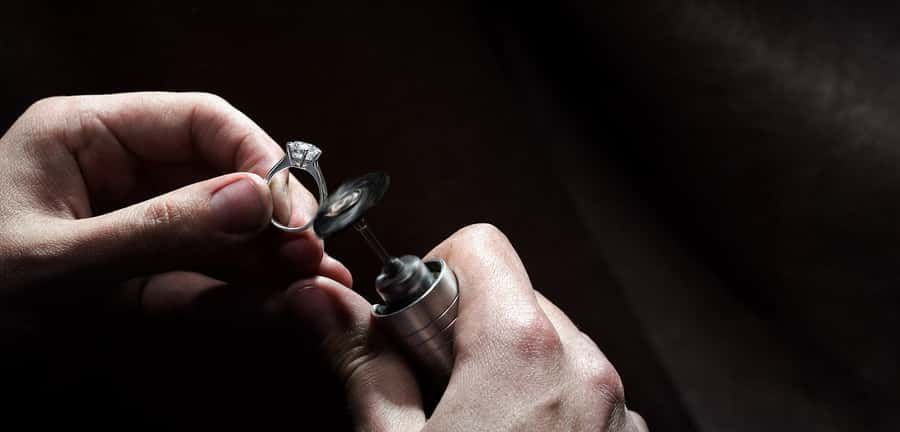
The most useful part for many people is the explanation of how a rough diamond becomes a finished stone. You see how diamonds are selected, cut, polished, and prepared for use in jewelry.
Cutting is not simply a matter of making a stone round or shiny. The shape, angles, and finish affect how light moves through it. That is why two stones with similar carat weights can look very different and carry different prices.
The workshop and factory area adds a practical edge. More than 3,000 pieces are displayed across the diamond cutting factory and jewelry workshop, so the visit is not limited to historical panels. You get a sense of the connection between skilled handwork, tools, design, and the final piece placed in a display case.
Timing may affect what you see in production. A useful tip from one visit is to book between 9 a.m. and 1 p.m. on a weekday if you hope to see jewelry and diamond carving in active operation. That is not a guarantee, but it is a sensible time to choose if seeing the workshop at work matters to you. On other days or at later hours, you may see the results and equipment without catching every stage in progress.
One visitor specifically hoped to return during the week to see the goldsmiths working. That tells you something practical: the museum displays are available, but live production activity can vary.
More Museum Tours in Cape Town:
- Tour to Giza Pyramids and The Egyptian Museum
★ 5.0 · 6,016 reviews - Marrakech: Majorelle Garden, YSL, and Berber Museum Entry
★ 4.6 · 5,168 reviews - Cairo 8 Hour Private Tour of Pyramids, Egyptian Museum and Bazaar
★ 5.0 · 2,931 reviews - Cairo: Grand Egyptian Museum, Pyramids, Sphinx Tour & Lunch
★ 4.7 · 2,282 reviews
Wine, questions, and the shopping side
You receive a welcome drink when you arrive. The included choices are soft drinks or South African wine, and drinks remain available during the tour. This is a small touch, but it makes the visit feel less like a rushed retail appointment.
The private guide format is the real benefit here. You can ask why one diamond costs more than another, what a GIA certificate tells you, or how a ring setting changes the look of a stone. If you are not buying, you can still ask questions and enjoy the display.
At some point, you may be invited to look at jewelry or consider a purchase. That is not a surprise. The museum is linked to Shimansky, and the itinerary includes an opportunity to buy and design a diamond. One particularly useful detail is that there was no hard sell during a visit, despite the clear store connection. Still, you should be comfortable saying that you are browsing if you do not want to shop.
The best approach is to set your expectations before you arrive. Treat the buying option as an extra, not as the purpose of the tour. If you are seriously shopping, ask about the stone’s certification, sourcing, cut, color, clarity, carat, setting, and total price. If you are not shopping, focus on the history and production process.
Designing your own diamond
The custom design option makes this more than a standard museum talk. You can work with a personal designer on-site and discuss creating your own diamond jewelry. A GIA certificate is included with the opportunity, which gives the purchase a formal grading document.
The word opportunity is important. The $24 price covers the private guided tour and drinks, not the cost of a diamond or jewelry purchase. Any custom item will be an additional expense, and the final price will depend on the design and stone.
This part suits couples marking an engagement, anniversary, or major trip. It also suits someone who wants a first look at the buying process before making a later decision. You do not have to buy anything to take the museum tour.
Trying on engagement rings is also part of the possible experience. That can make the visit more useful if you are comparing shapes and settings, but it can also shift the mood from museum visit to sales consultation. Keep control of the pace and ask for time to think.
How much value do you get for $24?
At $24 per person, the price is reasonable if you value a private guide and want a focused visit at the waterfront. The included wine or soft drinks add a little comfort, while the chance to ask questions has more value than a basic self-guided display.
The tour is not good value if you expect a large museum, a long factory demonstration, or a full-day attraction. The core explanation lasts 45 minutes. Your visit may stretch to an hour with shopping or design discussion, but this is still a compact stop.
I see the strongest value for couples, small private groups, and visitors who want context before looking at jewelry. A solo visitor can also benefit because a private guide may give the same attention without the distraction of a large group.
The price does not include food or parking. The V&A Waterfront setting gives you many options for food before or after, but you need to budget for those separately.
Who should book this experience?
I would recommend it to anyone curious about how diamonds are formed, judged, cut, and turned into jewelry. It is especially useful if you want a clear introduction to the 4Cs or if you are thinking about buying a diamond and want to learn the basics first.
It also works for visitors who have seen Cape Town’s major outdoor sights and want a short indoor activity. The tour is wheelchair accessible, and live guiding is available in English and Afrikaans.
Families should consider the language issue. The subject can interest older children, but the tour may not work well for children who do not speak English. The museum is not presented as a children’s attraction, and the explanation depends on listening.
Bring a passport or ID card and some cash, as requested for the activity. Weapons, sharp objects, luggage, and large bags are not allowed. These rules are easy to handle if you visit between other waterfront activities, but less convenient if you arrive with all your airport luggage.
You can cancel up to 24 hours in advance for a full refund, and the reserve-now, pay-later option gives you some flexibility while planning your Cape Town schedule. Starting times depend on availability, so check the current time before committing to another booking.
Is the Cape Town Diamond Museum worth your time?
Book this tour if you want a short, private introduction to South African diamond history with a guide who can explain the technical details in plain language. The strongest reasons are the personal attention, the workshop displays, the included drinks, and the optional chance to design a piece with GIA certification.
Skip it if you want a large museum devoted only to history, or if you dislike any connection between sightseeing and shopping. For everyone else, the visit is a smart one-hour addition to a V&A Waterfront day. Choose a weekday morning if seeing active cutting or goldsmith work matters to you, and arrive ready to ask questions. That is where the tour offers the most value.
FAQ
Where does the Cape Town Diamond Museum tour begin?
Meet your guide at reception at the Gavin Collins Gallery, located at the V&A Waterfront in Cape Town.
How long does the museum tour last?
The guided museum tour lasts 45 minutes. The full stop is listed at about one hour, depending on questions, browsing, and design discussions.
What drinks are included?
You receive welcome drinks on arrival. The included choices are soft drinks or South African wine, which are also available during the tour.
Can I design and buy my own diamond?
Yes. You have the opportunity to work with a personal designer on-site to design and buy a diamond. A GIA certificate is part of that purchase opportunity. The diamond or jewelry cost is not included in the $24 tour price.
Is the tour private and wheelchair accessible?
Yes. The activity is offered as a private group and is wheelchair accessible.
What should I bring, and what cannot I bring?
Bring a passport or ID card and cash. Weapons, sharp objects, luggage, and large bags are not allowed.
Just added for Cape Town
- Best of Cape Town Full-Day Private Tour with Table Mountain★ 5.0 · 195 reviews
- Full Day Cape Point Sightseeing Tour★ 4.5 · 84 reviews
- Drumstruck at Silvermist. Live African Drum Show & Wine tasting★ 5.0 · 137 reviews
- Bo-Kaap: Walk with a local★ 5.0 · 131 reviews
- Cruise and Dine Lunch / Cape Town: Coastal Motor Cruise and 2-Course Lunch★ 4.5 · 151 reviews
- Cruise and Dine Dinner / Cape Town: Sunset Champagne Cruise and 3-Course Dinner★ 4.0 · 128 reviews
- 1 Hour Coastal Catamaran Cruise from Cape Town★ 4.5 · 258 reviews
- Champagne Cruise (Pre-Sunset) from Cape Town★ 4.5 · 152 reviews
Museums, compared.

Tour to Giza Pyramids and The Egyptian Museum
Read our review →
Majorelle Garden, YSL, and Berber Museum Entry
Read our review →
Cairo 8 Hour Private Tour of Pyramids, Egyptian Museum and Bazaar
Read our review →
Grand Egyptian Museum, Pyramids, Sphinx Tour & Lunch
Read our review →
Cairo Pyramids, Sphinx & Egyptian Museum Day Trip
Read our review →
Museum, Al Attarine Madrasa & Tannery and Medina Tour
Read our review →
Female-Guided Pyramids, Sphinx & Museum City Tour
Read our review →
Private tour to Giza Pyramids,Sphinx,Egyptian Museum with Local Lunch
Read our review →Browse the lists this tour appears in