
Reviewed · CITY TOURS
Accra Guided City Tour Experience
Accra’s story comes into focus when you visit its independence monuments, museums, and working market in one carefully packed day. The route moves from Kwame Nkrumah’s role in Ghana’s freedom to W.E.B. Du Bois and Pan-Africanism, then into present-day shopping at Makola Market.
I like the hotel pickup in an air-conditioned vehicle, especially because Accra traffic can stretch a short journey into a long one. I also like the guides’ practical help, from taking photos and teaching a few Twi words to helping you judge prices at Makola Market.
The main consideration is pace. Six hours covers a lot, and lunch is not included. Pick up some water, expect a full schedule, and choose the 7:00 AM start if you want the best chance of staying on time.
Key points before you book
- Six major Accra stops in one day: You visit monuments, museums, an arts center, and Makola Market rather than seeing only one part of the city.
- Early pickup helps with traffic: The usual 7:00 AM start is designed around Accra’s busy roads and may change with your pickup location or road conditions.
- Guides add practical help: Guides including Emmanuel, Michael, Thompson, Eben, Fred, and Peter have been praised for clear explanations, photography, Twi lessons, and market assistance.
- Comfort matters in Accra: The vehicle has air conditioning, bottled water, and onboard WiFi.
- Good value at $45: Entrance and activity costs listed in the program are included, though you pay separately for lunch and anything you buy.
- A history-first introduction: This is best for someone who wants context about Ghana before exploring the city independently.
What this Accra tour is really trying to do

This is not just a drive past famous buildings. The route gives you a basic framework for understanding Accra and Ghana: independence, national leadership, Pan-African thought, traditional arts, archaeology, and daily trade.
That structure is useful because Accra can feel sprawling and hard to read at first. The tour places key sites in a six-hour sequence, with a guide connecting them. You are not left to guess why Kwame Nkrumah matters, how Ghana’s 1957 independence fits into the city, or why W.E.B. Du Bois spent his final years in Ghana.
The experience is listed at $45 per person. For that price, you receive hotel pickup and return, transport in an air-conditioned vehicle, bottled water, WiFi, an English-speaking guide, and the activity costs on the program. Accommodation and lunch are not included.
I see this as a strong first-day or last-day option. It gives you a broad introduction without requiring you to arrange separate taxis, museum visits, and market navigation. It is less suitable if you prefer lingering for hours at one museum or setting your own pace at every stop.
More City Tours in Africa:
- Casablanca City Tour with Hassan II mosque ticket
★ 5.0 · 2,480 reviews - Cape Town Hop-On Hop-Off City Tour with Optional Cruise
★ 4.5 · 1,793 reviews - Cairo: Female-Guided Pyramids, Sphinx & Museum City Tour
★ 4.8 · 1,614 reviews
Why the 7:00 AM pickup matters
The early start is practical rather than glamorous. Accra traffic is a real part of moving around the city, and the schedule may shift because of road conditions, weather, traffic, or the location of your hotel.
A prompt pickup gives the group more room to reach the main sights. It also helps you approach Makola Market before the day becomes even more crowded. Exact pickup times can vary, so keep your morning open and confirm the timing before you go.
Hotel pickup and drop-off are included, with Accra as both the starting and ending point. The return transfer is useful after a long day of walking and listening, especially in warm weather.
The vehicle has air conditioning and WiFi. The WiFi is a nice extra if you want to share photos during the day, though I would still carry your own phone charger and keep your attention on the sites rather than the screen.
Kwame Nkrumah Memorial Park and Ghana’s independence

The first major stop is Kwame Nkrumah Memorial Park, dedicated to Ghana’s first president, Dr. Kwame Nkrumah. You see his mausoleum, a bronze statue, museum displays, and landscaped grounds connected with the country’s independence story.
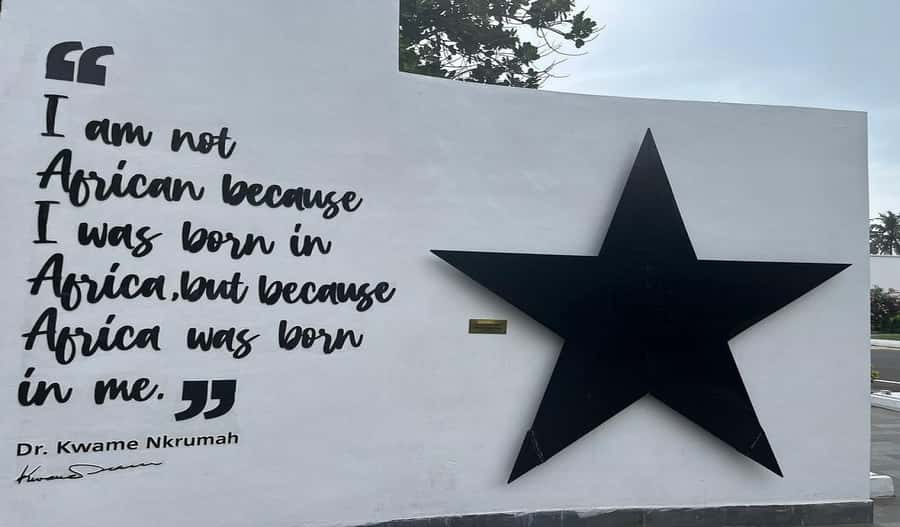
This is a useful opening because Nkrumah’s leadership gives the rest of the tour a clear political starting point. Your guide can explain his part in Ghana’s independence and the wider push for African unity. The museum also adds personal and historical material that a quick photo stop would miss.
Give yourself time to look beyond the statue. The mausoleum and museum help turn a national symbol into a more personal account of a political leader. The outdoor setting also offers a pause before the denser city stops that follow.
The amount of time available can depend on traffic and the group. If you want to read every display closely, six hours may feel tight. If you want a guided overview with the main ideas made clear, this stop does its job well.
Makola Market, where the city becomes practical
Makola Market is the most immediate and everyday stop on the route. You can browse textiles, clothing, food, electronics, and other goods while seeing how Accra works as a trading city.
This is not a quiet museum visit. It is a place for movement, negotiation, and close attention to your belongings. You should bring cash for purchases, as the tour specifically advises, and decide in advance how much shopping you want to do.
A guide is especially useful here. Michael, Peter, and other guides have helped people bargain and judge purchases, while some guides have stayed close to groups moving through the market. That support matters if you are not used to shopping in a large West African market.
I would treat Makola as an experience first and a shopping stop second. You might find textiles, clothing, food, or electronics that appeal to you, but you should not feel pressured to buy. Keep your cash secure, agree on a price before handing over money, and leave enough time to return to the vehicle.
The market can also be tiring. Heat, noise, crowds, and uneven walking may be hard for anyone with back problems, and the activity is not recommended for pregnant women or people over 95. Wear comfortable shoes and avoid carrying more than you need.
Same corner of the map, a completely different outing:
- Marrakech: Agafay Desert Sunset, Camel Ride, and Dinner Show
★ 4.6 · 35,119 reviews - From Marrakech: Ouzoud Waterfalls Guided Hike and Boat Trip
★ 4.7 · 33,630 reviews - Marrakech: Agafay Desert Quad & Camel Rides with Dinner Show
★ 4.8 · 27,382 reviews - Marrakech: Agafay Desert Quad Biking Tour with Dinner-Show
★ 4.8 · 16,569 reviews
Independence Square and Black Star Square
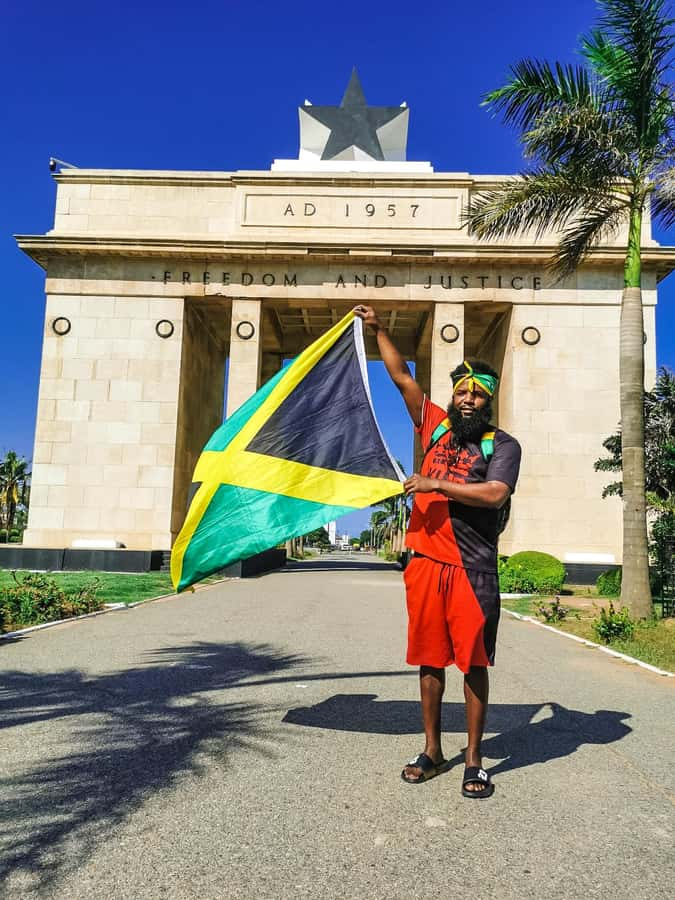
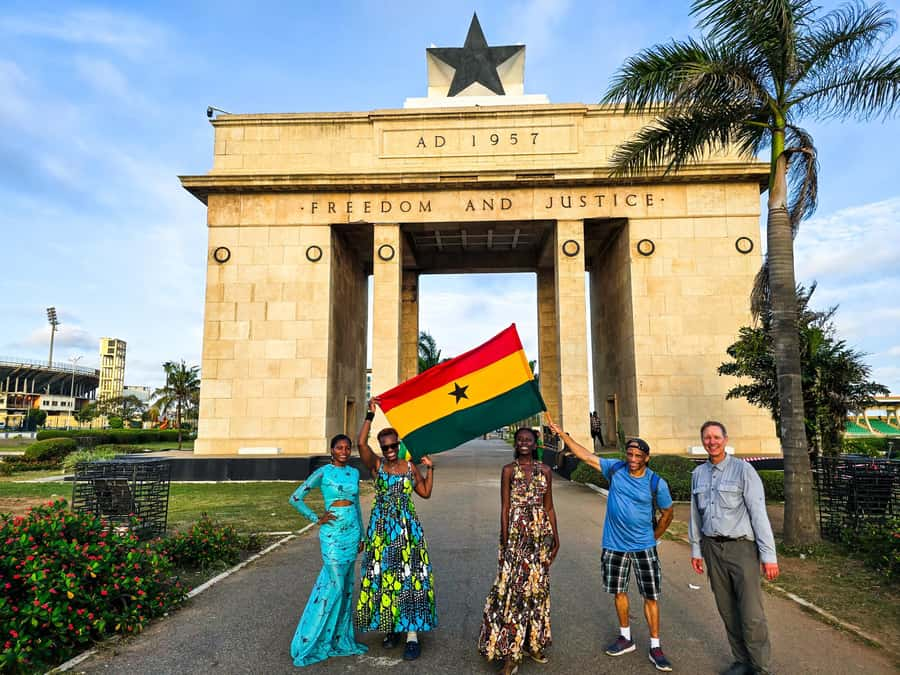
Independence Square, also called Black Star Square, gives you the grand public setting for Ghana’s independence story. The Black Star Gate and Independence Arch are the major features, with the Atlantic Ocean visible beyond the square.
This stop works best when your guide explains what the monuments represent rather than treating them as photo backdrops. Ghana became independent in 1957, and the square remains one of the clearest places to connect that date with the country’s national identity.
You will likely spend less time here than at the museums. The square is open and monumental, while the interpretive detail comes mainly through the guide. Listen for the political and symbolic links between this stop and Kwame Nkrumah Memorial Park.
Bring sun protection and water. Bottled water is included, but you may want extra water depending on the heat and how much time you spend outside. The vehicle’s air conditioning gives you a useful break between stops.
W.E.B. Du Bois Center and the Pan-African connection
The W.E.B. Du Bois Center adds an international and intellectual side to the tour. You visit the mausoleum of the American scholar and explore displays about his life, work, Pan-Africanism, and African unity.
This stop is valuable because it widens the story beyond Ghana’s national politics. Du Bois had a major connection with Ghana, and the center helps explain why his final years belong in an Accra itinerary. It also gives the guide a chance to discuss the links between African independence movements and the African diaspora.
Several guides have made this stop especially memorable by explaining details that are easy to miss without context, including Du Bois’s struggles with identity and Ghana’s decision to grant him citizenship. The site is not only about one person’s career. It is about the exchange of ideas across continents.
If your main interest is shopping or modern city life, this may be the most academic stop. I would still keep it on the schedule. It gives the tour more substance and prevents the day from becoming a simple checklist of monuments.
Center for National Culture and Ghanaian arts

At the Center for National Culture, you can look at Ghanaian sculptures, textiles, and other crafts. The program also offers the chance to see cultural performances, depending on what is taking place during your visit.
This is the stop where you can connect national history with living artistic practice. The objects are not simply souvenirs. They reflect skills, materials, patterns, and traditions that continue to shape Ghanaian culture.
The center is also a place to shop, so your cash will be useful here as well as at Makola Market. You should compare items, ask questions, and remember that bargaining may be part of the process. Your guide can help you understand the buying process, but you remain responsible for deciding what something is worth to you.
The difference between this center and Makola Market is worth noting. Makola is a working commercial market with a wide range of daily goods. The Center for National Culture focuses more on arts, crafts, and cultural presentation. Seeing both gives you two different views of commerce in Accra.
Ghana National Museum and the final historical layer
The Ghana National Museum is scheduled as the final stop. It covers cultural history, art, and archaeological objects dating back to pre-colonial times.
Ending here makes sense. The earlier stops focus heavily on independence and modern national identity, while the museum reaches further back. It gives you a broader sense of the people, objects, and traditions that existed before the twentieth-century political story.
Museum time is often where a packed tour feels most compressed. If you enjoy reading every label, you may want a separate visit on another day. On this tour, listen to the guide’s main points and focus on the exhibits that interest you most.
The museum also helps you place the other stops in context. After seeing Nkrumah’s memorial, Independence Square, Du Bois’s center, and the arts center, you can better understand how Ghana presents its past through political memory, cultural objects, and public institutions.
Guides, group experience, and the human side of the tour
The guide can make or break a city tour, and this program has a large team rather than one fixed host. Names associated with the experience include Emmanuel, Michael, Thompson, Eben, Fred, Peter, George, Godfred, Thomas, Derrick, Moses, Seth, Eden, and Kwaku Nyame Michael.
The strongest pattern is clear communication and personal attention. Guides have been praised for answering questions, keeping the day organized, taking photographs, and adding small extras such as basic Twi phrases. Thompson, Eben, Michael, Emmanuel, and Peter receive especially warm attention for their patience, humor, clear explanations, and practical help.
You should not assume you can choose a particular guide, but you can ask when booking if a preferred guide is available. The experience works well for solo visitors because the shared vehicle gives you company without requiring you to arrange a private tour.
Group size can vary. One small group had four people, while other departures may be larger. A smaller group usually makes questions and timing easier, but you should expect the exact setup to depend on the day.
Food, comfort, and what to bring
Lunch is not included. This is the clearest practical weakness in the schedule, since six hours of museums, walking, traffic, and market time can leave you hungry.
Ask about the day’s food plan before leaving your hotel, and carry cash. The supplied details confirm that cash is useful for purchases, but they do not specify a particular restaurant or meal stop. Do not count on lunch being built into the tour.
Pack lightly and bring:
- Cash for Makola Market and the Center for National Culture
- Comfortable shoes
- Sun protection
- A phone for photos and WiFi use
- Any personal snacks you need
- Respect for museum rules, including no touching exhibits
Alcohol, drugs, and explosive substances are not allowed. The tour also asks you not to touch exhibits, which is standard but worth remembering in hands-on market settings and museums.
The activity is not recommended for pregnant women, people with back problems, or people over 95. You should also consider that the day includes vehicle transfers, museum walking, outdoor monuments, and time in a busy market.
Is $45 a fair price?
At $45 per person, I consider this good value if you want to cover the major sights in one organized day. The price includes the vehicle, hotel transfers, guide, bottled water, WiFi, and the listed activity costs. Arranging all of that separately would take time and could make traffic and site order harder to manage.
The value is strongest for first-time visitors. You receive a broad introduction to Accra’s political history, cultural institutions, arts, and commercial life. You also get help in a market where a first-time shopper may feel unsure.
The price is less attractive if you plan to spend a full morning at one museum, shop slowly, or stop for an unhurried meal. Lunch is extra, personal purchases are extra, and the six-hour schedule cannot give every stop unlimited time.
Free cancellation up to 24 hours before the activity and reserve-now, pay-later booking make the plan more flexible. Pickup times can change, so allow room in your day rather than arranging a tight appointment immediately afterward.
Who should book this Accra experience?
I would recommend it to first-time visitors who want a strong introduction to Accra without sorting out every transfer themselves. It also suits solo visitors, short-stay guests, and anyone with only one free day in the capital.
It is a good fit if you care about:
- Ghana’s independence and modern political history
- Museums and memorial sites
- Pan-African ideas and African diaspora connections
- Ghanaian arts and crafts
- Market shopping with local guidance
- Comfortable transport in hot weather
I would choose a different plan if you dislike early starts, crowded markets, or a packed schedule. Families should also think about the walking and the lack of included lunch. Anyone with mobility or medical concerns should check the suitability carefully before booking.
Should you book the Accra Guided City Tour?
Book it if you want the city’s main historical and cultural stops explained in one day, with hotel transport and a guide who can help at Makola Market. The strongest reason to choose it is the range: Nkrumah, Black Star Square, Du Bois, national arts, a major market, and the National Museum all appear in one route.
Go in prepared for a full day rather than a relaxed outing. Start early, bring cash and snacks, wear comfortable shoes, and keep your schedule open in case traffic shifts the timing. At $45, it offers a practical and well-organized introduction to Accra, especially when you want context before exploring more on your own.
FAQ
How long is the Accra Guided City Tour?
The activity lasts six hours. It begins and ends in Accra, with pickup and drop-off included.
What time does pickup usually begin?
The stated pickup time is 7:00 AM. The exact time may change because of traffic, road conditions, weather, your pickup location, or other outside factors.
What attractions are included?
The route includes Kwame Nkrumah Memorial Park, Makola Market, Independence Square and Black Star Square, the W.E.B. Du Bois Center, the Center for National Culture, and the Ghana National Museum.
Is lunch included?
No. Lunch is not included in the price, so you should plan accordingly and carry cash for food or purchases.
What is included in the $45 price?
The price includes bottled water, an English-speaking guide, hotel pickup and drop-off, an air-conditioned vehicle, WiFi onboard, and the activity costs listed in the program.
Can I cancel the booking?
You can cancel up to 24 hours in advance for a full refund. Reserve-now, pay-later booking is also available.
Just added for Africa
- Best of Cape Town Full-Day Private Tour with Table Mountain★ 5.0 · 195 reviews
- Full Day Small Group Wine Tour Cape Town and Stellenbosch★ 5.0 · 79 reviews
- Full Day Cape Point Sightseeing Tour★ 4.5 · 84 reviews
- Drumstruck at Silvermist. Live African Drum Show & Wine tasting★ 5.0 · 137 reviews
- Bo-Kaap: Walk with a local★ 5.0 · 131 reviews
- From Cape Town: Full Day Guided Hermanus and Whale Tour★ 5.0 · 155 reviews
- Cruise and Dine Lunch / Cape Town: Coastal Motor Cruise and 2-Course Lunch★ 4.5 · 151 reviews
- Cruise and Dine Dinner / Cape Town: Sunset Champagne Cruise and 3-Course Dinner★ 4.0 · 128 reviews
City Tours, compared.
Casablanca City Tour with Hassan II mosque ticket
Read our review →
Cape Town Hop-On Hop-Off City Tour with Optional Cruise
Read our review →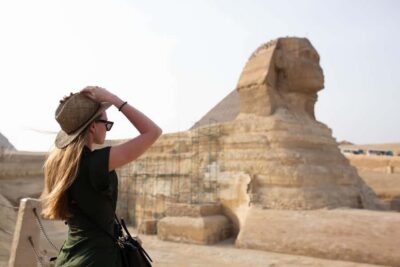
Female-Guided Pyramids, Sphinx & Museum City Tour
Read our review →
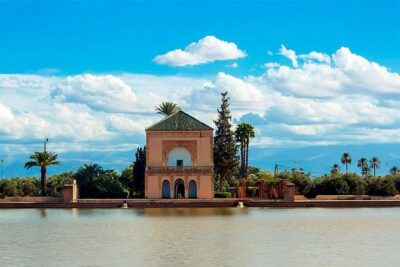
Marrakech Historical and Cultural Tour – Half Day City Tour
Read our review →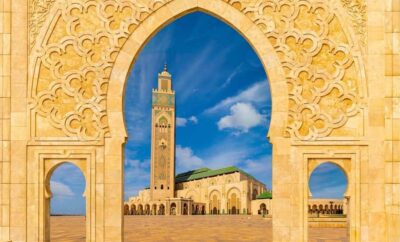
Private or Shared City Tour with Guide & Shopping
Read our review →Browse the lists this tour appears in