
Reviewed · WILDLIFE SAFARIS
Etosha National Park: Full or Half-Day Game Drive
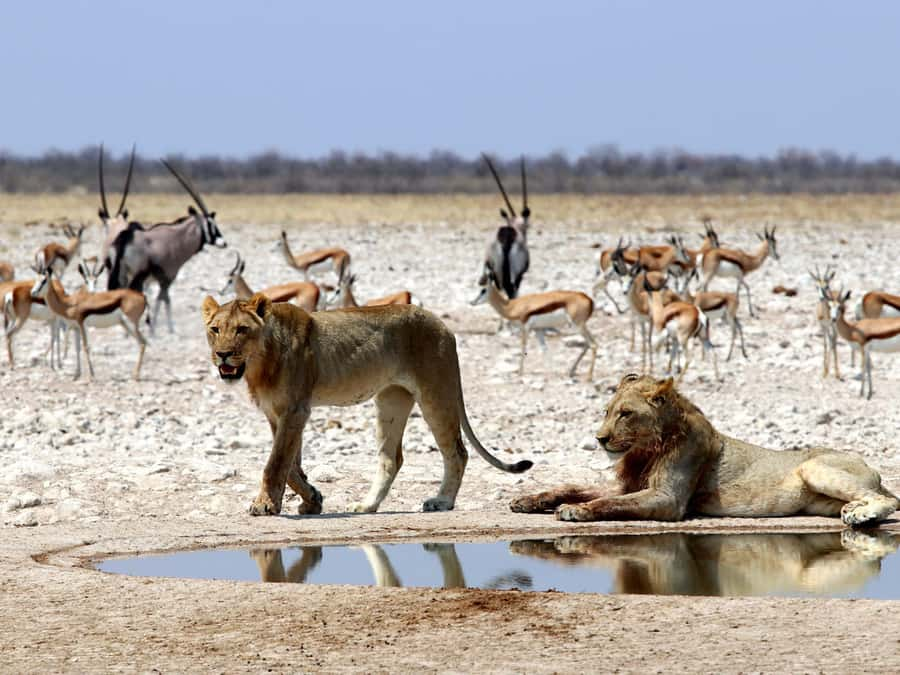
Etosha is at its best from an open 4×4, where you can scan the white salt-pan country and watch animals gather at waterholes. This safari starts at Anderson Gate at opening time, giving you an early run at the park before the roads fill with vehicles.
I like the way the guide changes the route according to fresh sightings, and I like the local knowledge behind that choice. Guides such as Ben, Amone, and Matias have earned strong praise for spotting animals, sharing information, and using radio contact with other guides. The main drawback is the early cold: in an open vehicle, a winter morning from May through August can feel sharply chilly.
Key points
- Early entry at Anderson Gate: Meet at park opening for cooler temperatures, fewer vehicles, and better light for photographs.
- Local guiding matters: Guides with lifelong ties to Etosha know the roads, animal habits, and current sightings.
- Open 4×4 viewing: You get a clear, raised view without window glass between you and the wildlife.
- Flexible route: The day’s drive follows weather and recent animal activity rather than a fixed sightseeing loop.
- Full-day rhythm: A midday restaurant stop breaks up the drive before a second afternoon safari.
- Bring cash and warm clothes: The NAD 150 park fee, lunch, water, and early-morning layers are your responsibility.
Why an early start at Anderson Gate matters

This safari begins at Anderson Gate, near Okaukuejo, at park opening time. If you drive yourself to the gate, free secure parking is available, and you can avoid waiting for a transfer before entering Etosha.
That early meeting point is more than a minor logistical detail. Starting at the gate lets you join the first wave into the park, when roads are quieter and the light is often better for photographs. It also avoids the extra fuel use and delay of a vehicle collecting people from several lodges.
For a full-day safari, pickup can be arranged from selected accommodation within about 30 minutes of Anderson Gate. If you stay at Okaukuejo Lodge or Okaukuejo Camp, do not assume the guide will collect you inside the park. Unless prior clearance and arrangements have been made, you may need to drive to Anderson Gate yourself.
Half-day bookings are simpler but less flexible: there is no pickup. You meet directly at Anderson Gate.
More Wildlife Safaris in Namibia:
- Walvis Bay: Marine Big 5 Luxury Catamaran Tour
★ 4.8 · 1,012 reviews - Serengeti Balloon Safari and authentic bush breakfast
★ 5.0 · 2,480 reviews - From Cape Town: Big Five Game Reserve with Lunch
★ 4.6 · 2,409 reviews
The open 4×4 is the right place to search for wildlife
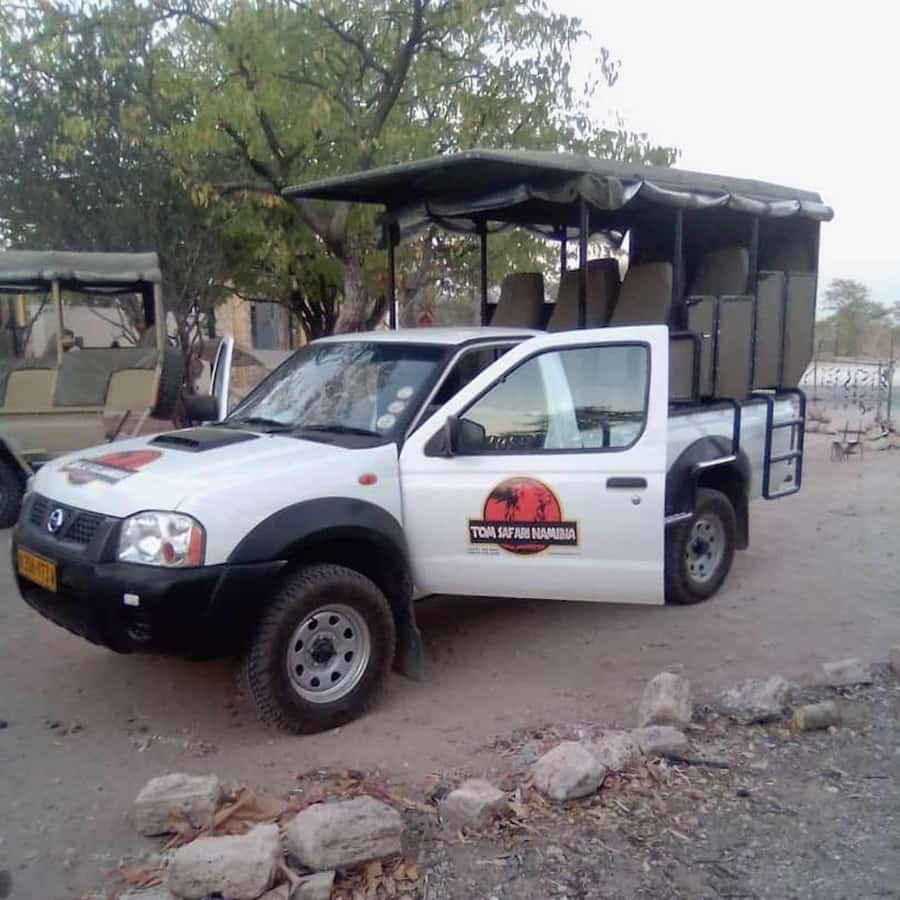
The safari uses an open 4×4 built for viewing animals. That gives you a broad view in every direction and makes it easier to follow movement across the open country. You are not looking through a coach window or trying to photograph through tinted glass.
The trade-off is exposure. The same open sides that make wildlife viewing feel immediate also let in the cold morning air. A warm fleece poncho is provided, but bring a proper jacket, layers, and a windbreaker. The driving breeze can be cold even after the sun comes up, particularly from May to August.
Shared binoculars are available on board. That is helpful for distant animals and birds, but if close wildlife viewing matters to you, bringing your own binoculars is still sensible. Water is not included, so pack enough for a long day in the vehicle.
A route shaped by sightings, not a fixed script
There is no single fixed route for this drive. The guide adjusts the day around weather and the latest animal sightings, which is exactly what you want on a wildlife safari. If elephants are active at one waterhole or lions have been seen along another road, the plan can change.
This approach also explains why your sightings cannot be promised. You may see elephants, lions, giraffes, zebras, rhinos, springboks, oryx, and other antelope. Cheetahs and leopards are possible, but they are not guaranteed. The right expectation is a strong chance to see a wide range of Etosha wildlife, not a checklist delivered on demand.
The guide’s contacts with other safari drivers can help. Several outings have benefited from quick communication about animal locations. That does not make wildlife predictable, but it can reduce the time spent searching blindly.
The strongest praise has gone to the guides’ eyes and patience. Ben is repeatedly singled out for spotting animals, placing the vehicle well for photographs, and allowing enough time to watch. Other guides, including Amone and Matias, have also been praised for finding animals and keeping the drive moving smoothly.
What the morning drive can reveal
The first part of the safari is usually the most active period of the day. The drive begins after the gate opens, with the guide scanning roadsides, waterholes, and open ground for movement.
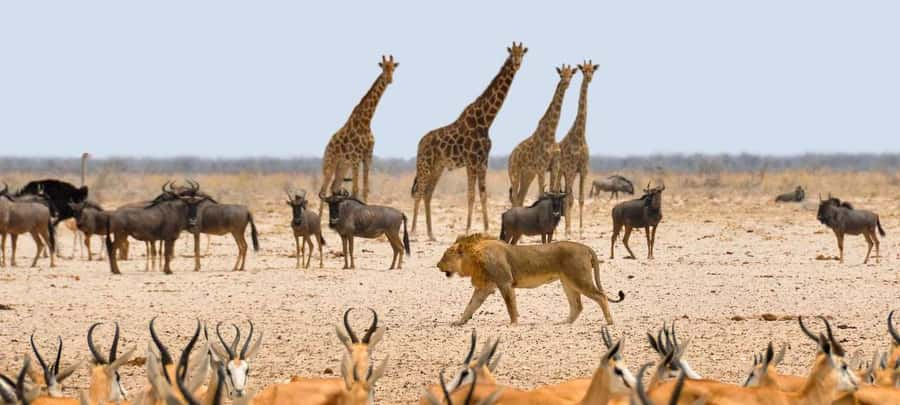
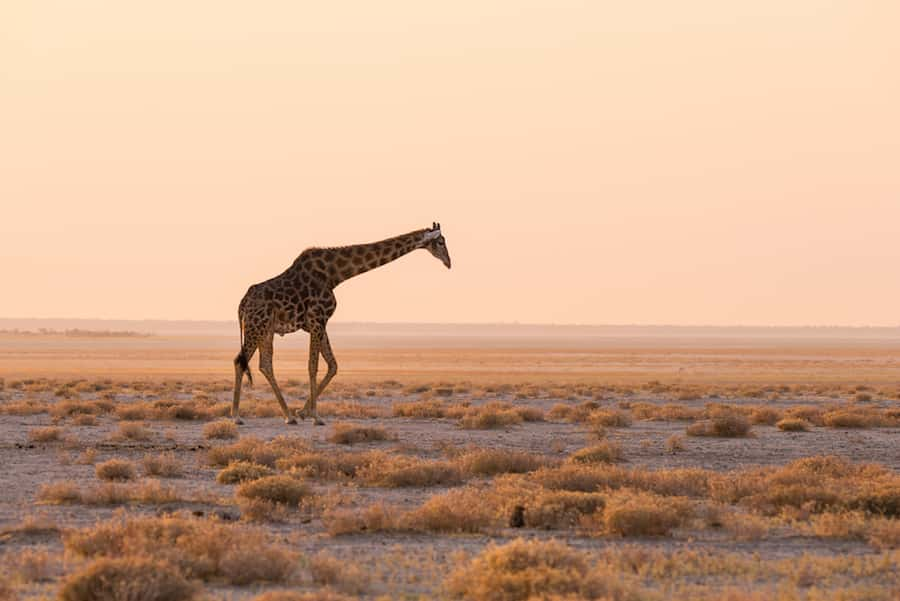
You might see large herds of zebra, springbok, oryx, and wildebeest before coming across larger animals. Elephants may gather at water, where you can watch their slow, deliberate movements. Giraffes can be surprisingly easy to miss until the guide points out their shape against the horizon.
Several outings have included lions, rhinos, elephants, giraffes, ostriches, warthogs, birds, and several antelope species. Cheetah sightings have also occurred. Some drives have recorded an especially productive morning, including reports of seeing the Big Five before midday, but that is luck combined with good guiding, not a normal promise.
The guide adds value by explaining animal behavior and the Etosha ecosystem as you go. You are not simply driven from one sighting to another. You can ask about the animals, the park, Namibia’s history, and what you are seeing in front of you.
More parks within reach of Namibia:
- From Johannesburg: Pilanesberg Nature Reserve Game Safari
★ 4.8 · 1,327 reviews - Nairobi National Park Half-Day Tour; Free Wi-Fi connection
★ 5.0 · 878 reviews - Nairobi: National Park & Optional Elephants & Giraffe Center
★ 4.8 · 874 reviews - Addo Elephant National Park All Inclusive Full-Day Safari
★ 4.8 · 872 reviews
Stops at waterholes reward patience
Wildlife drives are not all motion. Some of the best moments come when the vehicle stops and waits.
A good guide will position the 4×4, then give you time to watch rather than rushing away after a quick glimpse. This is especially useful for photography. You may see elephants bathing, lions resting or moving as a group, or antelope approaching a water source.
The open vehicle makes these pauses feel more immediate, but you still need to follow the guide’s instructions. Etosha is a wild setting, and animal behavior can change quickly. The guide’s job is to balance a clear view with safe distance and calm driving.
You should also expect quiet stretches. A route based on sightings can produce an excellent day, but it can also involve long periods of scanning. That is part of the experience, not wasted time. If you enjoy looking closely and waiting for movement, you will get more from this safari than someone who expects constant action.
The one-hour midday break inside Etosha
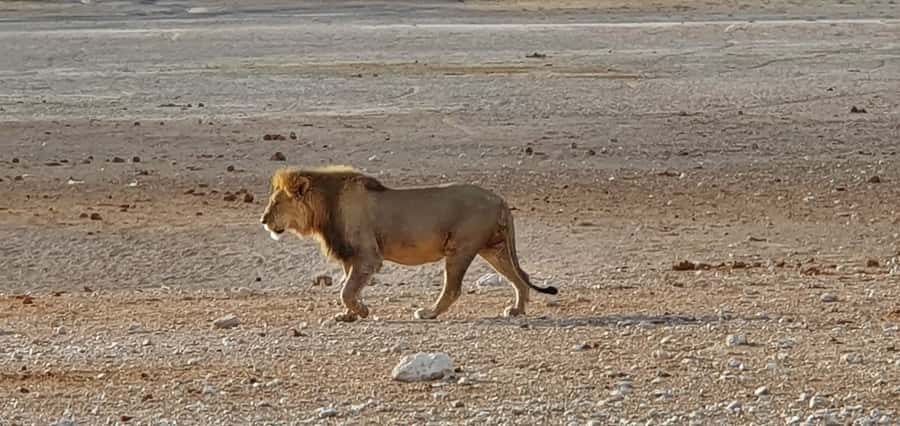
A one-hour lunch break is planned at a restaurant inside the park. You can buy a meal there, or bring your own food.
Lunch is not included in the $123 price, and neither is drinking water. That makes packing important. If you prefer a particular meal, need snacks, or want to keep costs down, bring your own lunch and water. If you would rather travel light, the restaurant offers a convenient pause.
The midday stop also gives your eyes and body a break from the open vehicle. A full-day safari can be tiring, particularly after an early start and hours of scanning. Use the pause to eat, warm up, charge yourself for the afternoon, and check your camera.
Do not treat lunch as the end of the main event. The safari continues afterward, and the afternoon may bring a different pattern of animal activity.
The afternoon drive completes the full-day experience
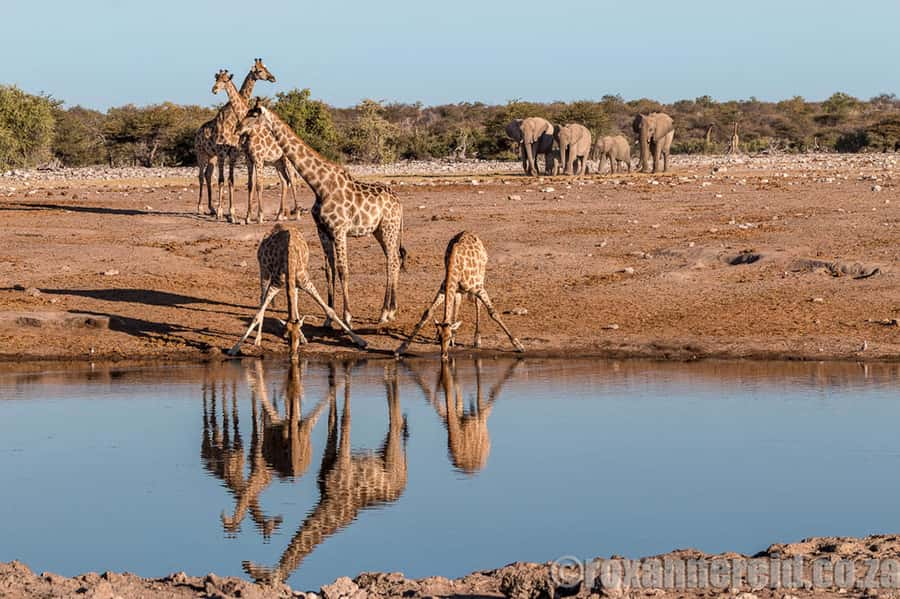
After lunch, you return to the 4×4 for the second part of the safari. The guide may follow new sightings or try different roads from the morning.
This second stretch is one reason I prefer the full-day option if you have the time. A half-day can work well for a tight schedule, but a full day gives you more hours in the park, a better chance of crossing paths with several species, and time to settle into the pace of wildlife watching.
You should expect to return to Anderson Gate or your lodge in the late afternoon if that arrangement has been made. By then, you may be tired. The day combines an early wake-up, cold air, rougher road travel, long pauses, and sustained attention. That tiredness is part of the cost of spending a serious day in Etosha, so do not plan a demanding evening afterward.
How much value do you get for $123?
At $123 per person, this is not the cheapest way to enter Etosha. You also pay the park entrance fee separately, currently NAD 150 per person in cash. Lunch and water are extra, too.
The price makes more sense if you value a local guide, an open 4×4, fuel, route changes based on sightings, shared binoculars, and a full day of guiding. You are paying for more than transport. A skilled guide can spot animals you would drive past, explain what you are seeing, and use contact with other guides to improve the search.
A self-drive visit may cost less per person, especially for a group with its own vehicle. It gives you control over timing and route, but you take on the work of navigation, animal spotting, and finding current sightings. This safari is better value if you want the guide to handle those tasks.
The included warm fleece poncho is a small but useful touch. So is fuel, since a full day of searching can cover a lot of ground. The main extra costs are easy to plan for: park fee, lunch, and water.
Choosing between five hours and a full day
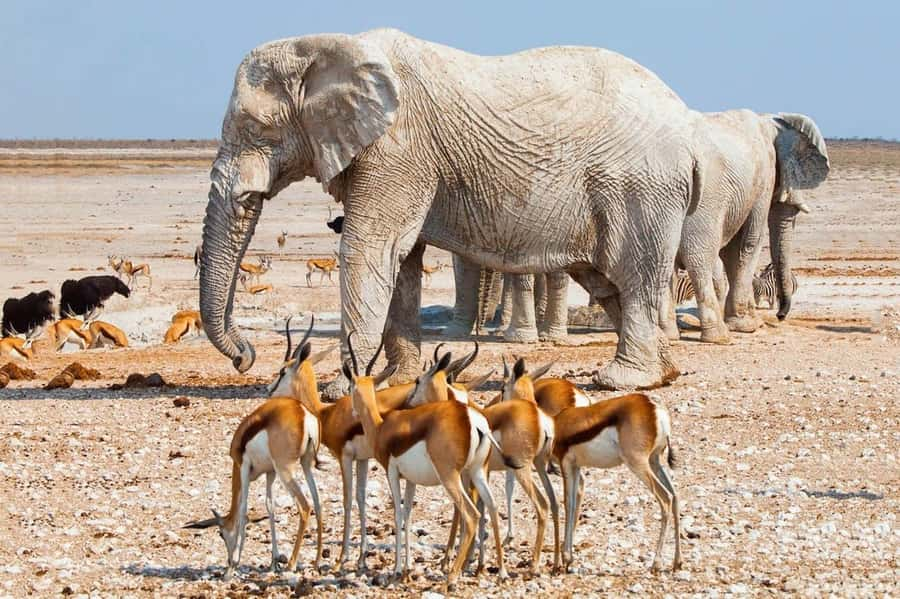
The activity runs from about five to ten hours, depending on the option you select and the day’s timing.
Choose the full-day trip if Etosha is a major reason for your Namibia visit. You get the early entry, the midday break, and a second wildlife drive. This is also the better choice if you want time for photography or hope to see a broad mix of animals.
Choose a half-day trip if you have limited time or another Etosha booking later. It still gives you a guided open-vehicle experience, but pickup is not available, so you must meet at Anderson Gate. You also have less time for the route to produce good sightings.
Departures from Halali require at least 48 hours’ notice and a NAD 1,500 surcharge paid directly to the guide. Namutoni Gate departures also require 48 hours’ notice and carry a NAD 3,000 surcharge. These extra costs make Anderson Gate the practical choice for most people staying near Okaukuejo.
Who will get the most from this safari?
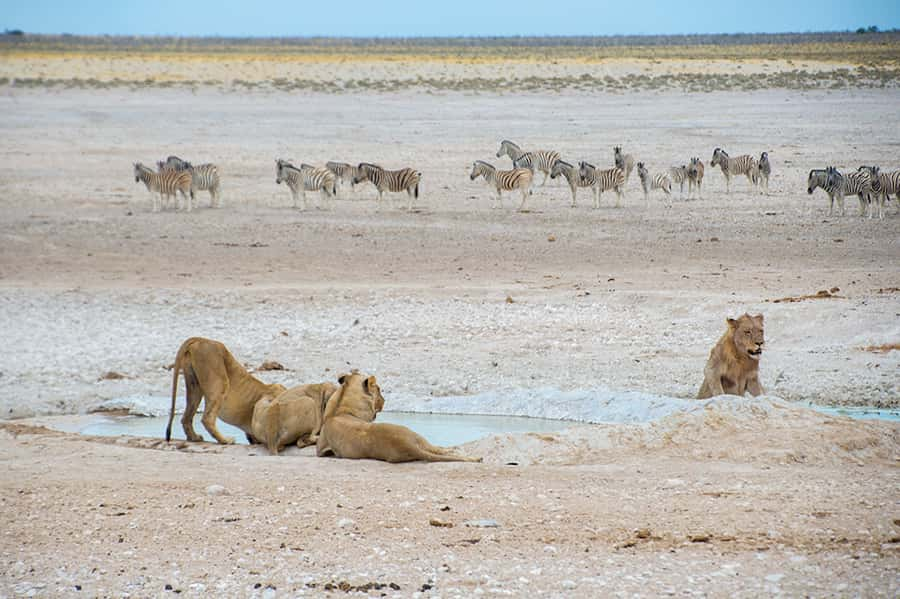
I would choose this experience for anyone who wants wildlife interpretation without giving up the feel of a real park drive. It suits photographers, first-time visitors to Etosha, couples, families with older children, and anyone who would rather watch the road than manage maps and sightings.
Families should note that babies under two ride free when seated on a lap. The long duration, cold start, and open vehicle may still be demanding for very young children.
This safari is also a good fit if you care about local contact. The guide is born and raised near Etosha, and the information shared during the drive comes from lifelong familiarity with the area. You can ask questions as you go instead of relying only on a printed park guide.
It is less suitable if you need a guaranteed animal list, dislike early starts, or want all meals and drinks covered in the price. It is also not for anyone planning to fly a drone, since drones are not allowed.
Booking details worth checking before you go
The tour can be booked with free cancellation up to 24 hours before departure, and you can reserve now without paying immediately. Check the available starting time when booking, since the duration ranges from five to ten hours.
The operating languages are English and Afrikaans. Confirm your pickup location clearly if you are using lodge transport. One delayed start was caused by confusion over the pickup point, so a short message confirming the exact meeting place is sensible.
Bring:
- Warm layers and a windbreaker
- Water and lunch, or money for the restaurant
- Cash for the NAD 150 park entrance fee
- Binoculars if you prefer not to share
- A camera with enough battery for a full day
Should you book the Etosha open 4×4 safari?
Book it if you want the best chance of finding wildlife with help from a local guide, and if the idea of a cold, long, open-vehicle day sounds exciting rather than uncomfortable. The guide’s sighting skills, patience, animal explanations, and contact with other drivers are the strongest reasons to choose it.
I would favor the full-day option for a first visit, provided you can handle the early start and extra costs for food and park entry. Choose half-day only when your schedule demands it. Meet at Anderson Gate, dress warmer than you think necessary, carry water and cash, and keep your expectations realistic. Etosha supplies the wild animals. The guide improves your chances, but nature still makes the final decision.
FAQ
Where does the safari begin?
The main meeting point is Anderson Gate, near Okaukuejo, at the entrance to Etosha National Park. Free parking is available at the gate.
Is parking available at Anderson Gate?
Yes. Free, secure, and accessible parking is available on-site.
Is hotel pickup included?
Pickup is available from selected accommodation within about 30 minutes of Anderson Gate for eligible full-day bookings. Half-day tours do not include pickup.
Can I be collected from Okaukuejo Camp or Okaukuejo Lodge?
You may need to drive to Anderson Gate yourself. Pickup from inside the park is not possible without prior clearance and arrangements.
How long does the safari last?
The activity lasts between five and ten hours, depending on whether you choose a half-day or full-day option.
What animals might I see?
Possible sightings include elephants, lions, giraffes, zebras, rhinos, springboks, oryx, cheetahs, leopards, and other antelope and bird species. Sightings are not guaranteed.
Is lunch included?
No. You may bring your own lunch or eat at the restaurant inside the park during the planned one-hour midday break.
Is drinking water included?
No. Bring your own water.
How much is the park entrance fee?
The Etosha entrance fee is NAD 150 per person and must be paid on-site in cash. It is separate from the safari price.
What languages does the guide speak?
Guiding is available in English and Afrikaans.
More Half-Day Trips in Namibia
- Walvis Bay: Sandwich Harbour Half-Day 4×4 Scenic Excursion
★ 5.0 · 426 reviews - Pelican Point Kayaking Half-Day Tour
★ 5.0 · 349 reviews - Sandwich Harbour Half-Day 4×4 Tour (5 hours) from Walvis Bay
★ 5.0 · 169 reviews - From Cairo: Half-Day Tour to Pyramids of Giza and the Sphinx
★ 4.6 · 2,891 reviews
Just added for Namibia
- From Swakopmund: Living Dunes Experience★ 4.9 · 84 reviews
- Elephant Adventure with Herson – a native of Damaraland★ 4.7 · 96 reviews
- Sandwich Harbour Adventure: Seals and Sandwich harbour dune drive★ 5.0 · 165 reviews
- Scenic Desert Tour by Bike★ 5.0 · 165 reviews
- Sandwich Harbour 4×4 guided tours.Join us for an awe inspiring adventure.★ 5.0 · 154 reviews
- Sandwich Harbour Half-Day 4×4 Tour (5 hours) from Walvis Bay★ 5.0 · 169 reviews
- Walvis Bay: Pelican Point Kayaking Tour★ 4.7 · 171 reviews
- From Walvis Bay: Sandwich Harbour World Heritage Site★ 4.8 · 134 reviews
Wildlife Safaris, compared.
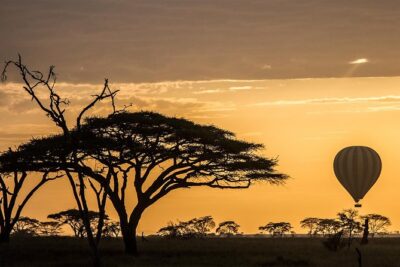
Serengeti Balloon Safari and authentic bush breakfast
Read our review →
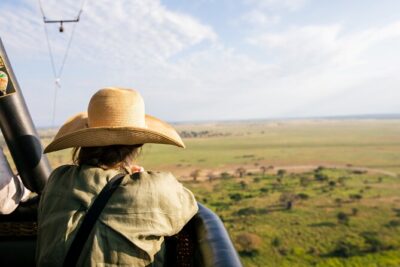
Balloon Safari & Bush Breakfast in Serengeti – Miracle Experience
Read our review →
From Zanzibar: Mikumi Safari Day Trip with Flights and Meal
Read our review →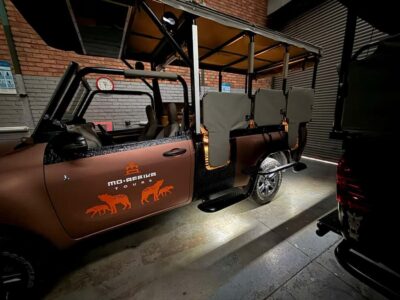
From Zanzibar: Day Selous Game Reserve Safari with Flights
Read our review →Browse the lists this tour appears in