
Reviewed · SNORKELING TRIPS
Cape Town: Great African Sea Forest Guided Snorkel
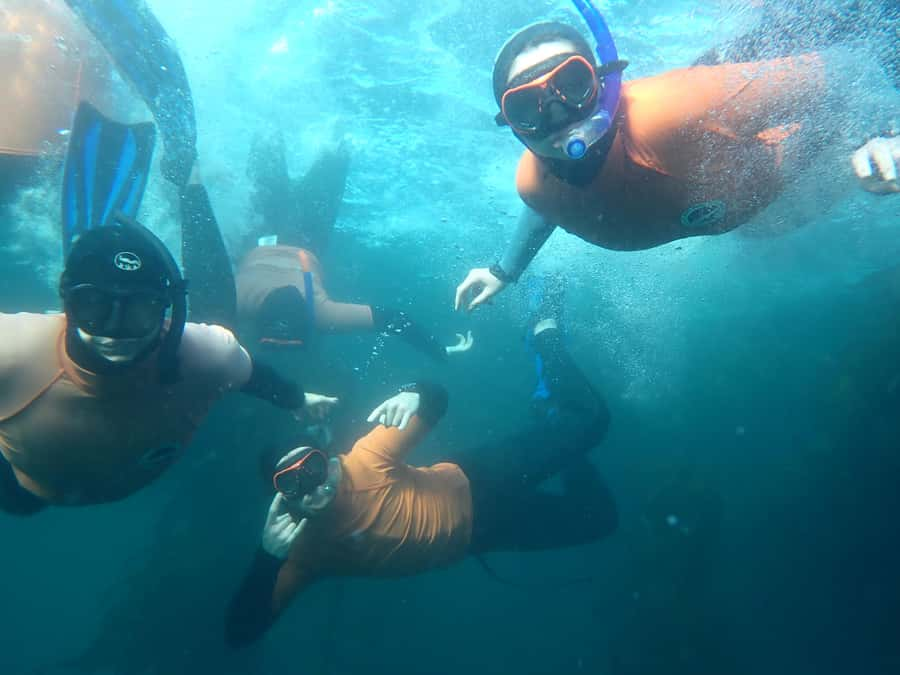
Cape Town’s Great African Sea Forest is not a coral reef with bright tropical fish. It is a swaying underwater forest of kelp, and it feels far wilder. With a marine biologist leading the way, you look for shysharks, octopus, sea urchins, abalone, starfish, and other life tucked among the kelp.
I like the tour’s real research role. You are not simply watching animals. You help collect photo identification of an endemic shark species, then receive access to the FinSpotter app so you can keep track of shark sightings. I also like the small groups, limited to eight people, and the patient, science-focused guides, including Mark, Danni, Megan, and Danny.
The main consideration is the water and the kelp itself. Surface snorkeling may show you less than expected, and this is not the easy, open-water swimming found in many tropical destinations. You need to feel comfortable in the sea, and sightings, especially sharks, are never guaranteed.
Key points to know before you book
- The kelp forest is the main attraction: Expect tall sea plants, narrow passages, and marine life hiding close to the seabed rather than a wide-open reef.
- A marine biologist leads the session: The briefing covers local ecology, shark research, octopus behavior, shyshark hiding places, and the curious habit of sea urchins wearing bits of debris as hats.
- You take part in conservation: The shark work involves finding an individual animal and collecting photographic identification for ongoing research.
- The group stays small: With no more than eight participants, it is easier to hear the guide and receive help in the water.
- Equipment and photos are included: You receive a mask, snorkel, fins, wetsuit, and underwater images from the outing.
- Allow for variable wildlife sightings: Octopus, sharks, sea urchins, starfish, and other species are possible, but no single animal is promised.
Meeting the marine team beside False Bay

You meet inside the Cape RADD Dive Center on the shore of False Bay. That setting matters. You are not being taken to a manufactured attraction or a large boat platform. The activity begins at the edge of the marine environment you are there to understand.
The session lasts two hours, including the briefing, equipment preparation, time in the water, and the research activity. The small group limit of eight keeps the outing personal. You can ask questions without trying to compete with a busload of people, and the guide can keep a closer eye on how everyone is managing in the sea.
Several guides have earned praise for their clear explanations and calm care. Mark, sometimes introduced as Mark the Shark, is especially good at setting the tone before you enter the water. Danni has been noted for strong knowledge of the local marine ecosystem, while Megan and Danny have also led memorable sessions.
You should arrive ready to swim, with your swimwear and a towel. The center provides the rest of the main snorkeling kit: mask, snorkel, fins, and wetsuit. The equipment has been described as good quality, which is important here. A well-fitting wetsuit is not a minor comfort in Cape Town’s ocean.
More Snorkeling Trips in Cape Town:
- Hurghada: Royal Seascope Submarine Cruise with Snorkel Stop
★ 4.4 · 4,637 reviews - Hurghada: 3 Islands, Dolphins & Snorkel Yacht Trip w/ Lunch
★ 4.7 · 4,609 reviews - From Sharm: White Island and Ras Mohamed Snorkeling Trip
★ 4.7 · 3,194 reviews
The briefing explains why the forest matters
The most useful part of this outing may happen before you reach the kelp. Your marine biologist guide gives an in-depth briefing on the area, the activity, and the research project. This turns the creatures you see into part of a larger story about False Bay.
You learn how the kelp forest supports an unusual range of life. The guide can point out where shysharks tend to hide, explain how octopus hunt, and show why sea urchins often carry shells, stones, or pieces of seaweed on their backs. These small details give you something specific to look for once you enter the water.
The shark research also receives a proper explanation. You are not promised a dramatic encounter or encouraged to chase an animal. Instead, the group helps locate a suitable shark and records identifying markings through photographs. That makes the experience more thoughtful than a simple wildlife checklist.
I like this approach because it gives the activity a purpose beyond taking pictures. Even if the conditions limit your sightings, you still come away understanding the local sea better. The conservation message is not an extra speech tacked onto the tour. It shapes what you do in the water.
Entering Cape Town’s Great African Sea Forest

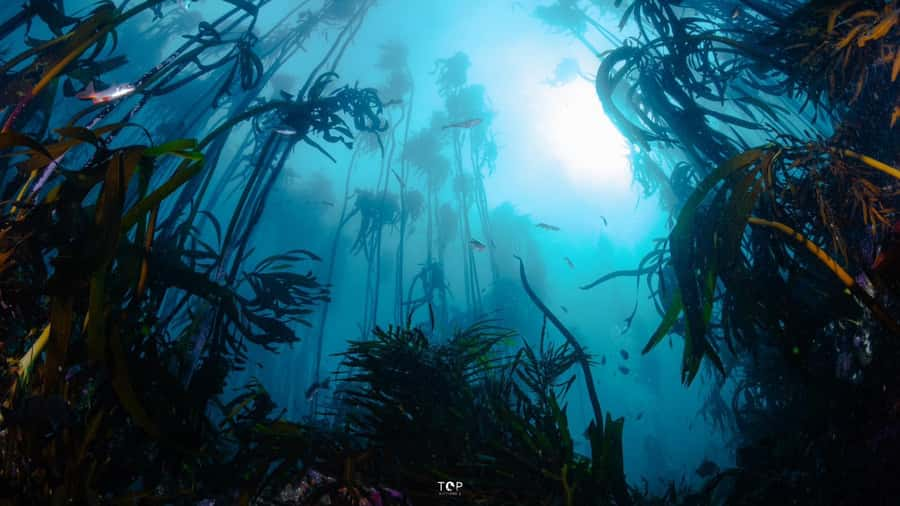
Once you are suited up, the character of the outing changes. The kelp creates a shaded, enclosed world, with long fronds moving around you and patches of open water between the plants. You may feel as if you are passing through a forest rather than swimming over a reef.
This is where expectations matter most. The Cape Town coast does not offer the tropical coral setting many people picture when they hear snorkeling. There are no coral gardens here, and the water can feel less forgiving than warm holiday seas.
You may see more by looking carefully below the surface and, if you are comfortable, moving down toward the seabed. One practical point is that simply floating on top can give you only a limited view through the kelp. You do not need a high fitness level, but you do need to be comfortable in the water and willing to work around the plants.
The guide helps by finding the animals for you. Look for movement between kelp stems, a small shape resting on the bottom, or a sea urchin carrying a piece of cover. The forest rewards patience more than speed. If you rush through it expecting constant action, you may miss the best moments.
Conditions also depend on tide and weather. The activity runs rain or shine, but the underwater experience can vary with the day. One group found more excitement in water five or six metres deep, while shallower water was useful for getting settled. That is a fair balance: shallow water can help you gain confidence, but deeper sections may reveal more of the forest floor.
Looking for sharks, octopus, and shysharks
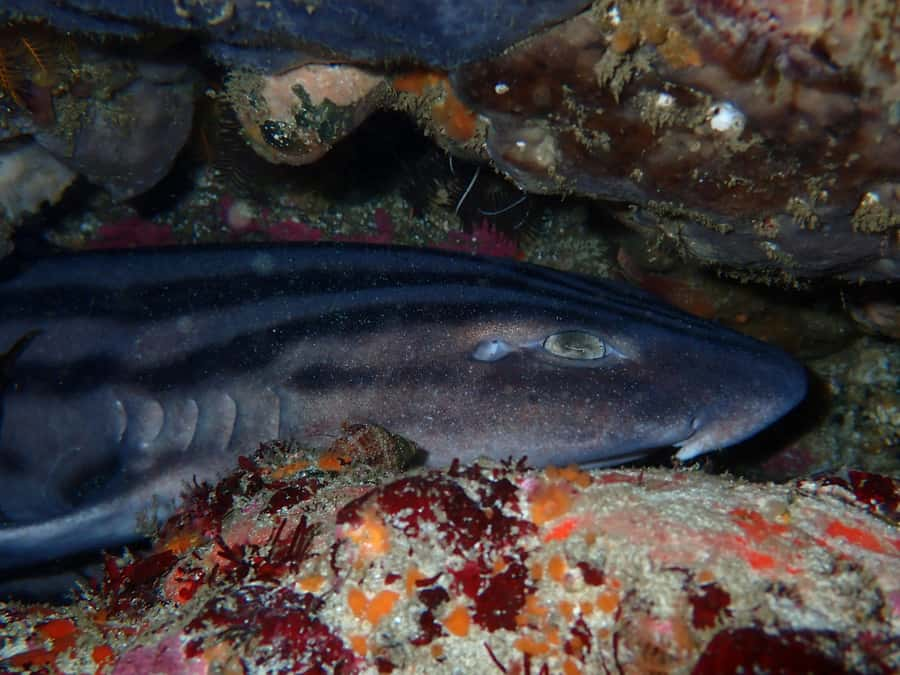
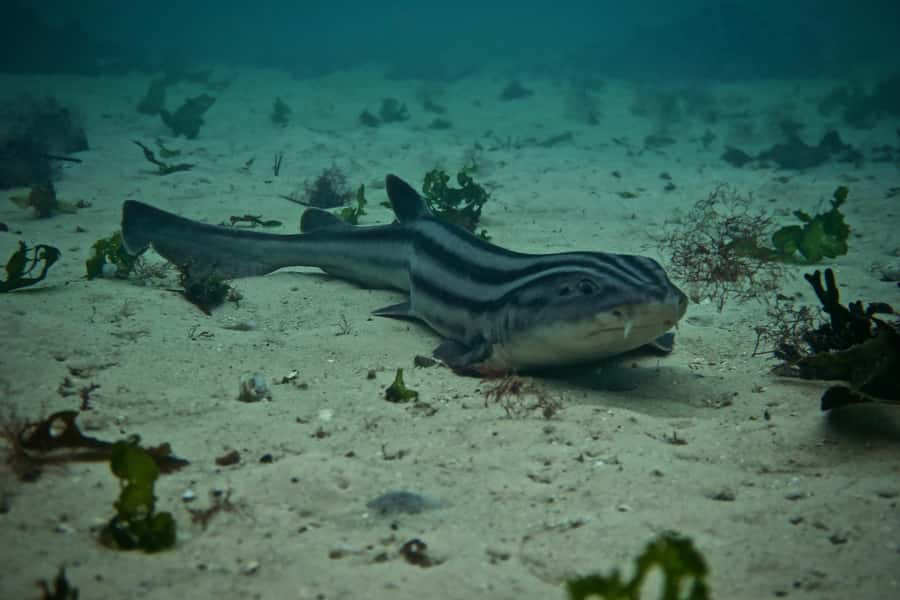
The shark search gives the session its special edge. The species being researched is a local endemic shark, and the task is to find an individual and gather photographs that help researchers identify it.
These are not the large open-water sharks associated with dramatic film footage. You are looking for smaller animals in the kelp forest, and that makes the search more like wildlife spotting than a staged encounter. You may see one, or you may not. One outing produced several small sharks, while another had plenty of sea life but no sharks.
That uncertainty is part of the honest value of the tour. The guide can improve your chances and teach you where to look, but no responsible operator can control wild animals. If a shark is your only reason for booking, you may leave disappointed. If you care about learning how marine research works, the activity remains worthwhile even when the target animal stays hidden.
Octopus sightings are also possible, and they can be especially rewarding because the animal’s behavior is part of the lesson. Your guide may explain how it hunts and help you spot one blending into its surroundings. Sea stars, colorful urchins, abalone, and other small creatures add variety to the search.
The included photos are a useful bonus. They give you a record of the animals and the kelp setting without requiring you to manage a camera while keeping pace with the group. The images also connect nicely with the research theme, since identifying markings is part of the activity.
A few more Cape Town trips worth putting side by side
- Cape Town: Hop-On Hop-Off Bus Tour with Optional Cruise
★ 4.8 · 3,929 reviews - Cape Town: Cape of Good Hope & Penguins Day Tour with Pickup
★ 4.7 · 3,362 reviews - Zipline Cape Town – From Foot of Table Mountain Reserve
★ 5.0 · 3,179 reviews - Cape Town: Table Mountain Cable Car, Hop-On Hop-Off Bus Tour
★ 4.6 · 3,157 reviews
What the water feels like in practice
This is a good choice for a confident swimmer or for someone who is comfortable in the sea but not especially athletic. The tour does not require a high fitness level, and the guide provides instruction and support. Still, you should not treat it like a calm pool session.
Kelp changes the way you move. Plants may brush against your fins, visibility can feel enclosed, and you may need to choose your route rather than swim in a straight line. If you have only snorkeled in clear tropical water, give yourself time to adjust.
The shallow section serves a useful purpose. You can settle your breathing, check your mask, and get used to the wetsuit before moving farther into the forest. Participants who are eager to see more of the seabed may prefer the deeper section, but not everyone will want that. Tell the guide how comfortable you are, and follow the group’s pace.
There is also a small comfort issue on the shore. The transfer to the entry point may involve sitting in the back of a truck, and one account noted that the dark surface became hot when people were barefoot. Bring your towel, keep footwear handy until it is time to enter the water, and expect a practical rather than polished setup.
Why the conservation work adds value

At $74 per person, the tour costs more than an ordinary equipment rental, but you are paying for much more than fins and a wetsuit. The price includes a marine biologist guide, the briefing, small-group supervision, equipment, photos, and participation in active shark research.
I see the research role as the strongest reason to choose this outing over a basic snorkeling session. You get to contribute photographs that help with shark identification, then receive special access to the FinSpotter app for updates on sightings. The Ocean Ambassador recognition also gives the activity a clear conservation connection.
The value depends on what you want. If you only want warm water and guaranteed colorful fish, this is not the best match. If you want a local marine experience with scientific context, the price is easier to justify.
The two-hour length is enough to make the trip fit neatly into a Cape Town day. It is not a whole-day expedition, despite the amount of information packed into it. You get a focused session without committing an entire day to cold-water snorkeling.
Who will enjoy this most
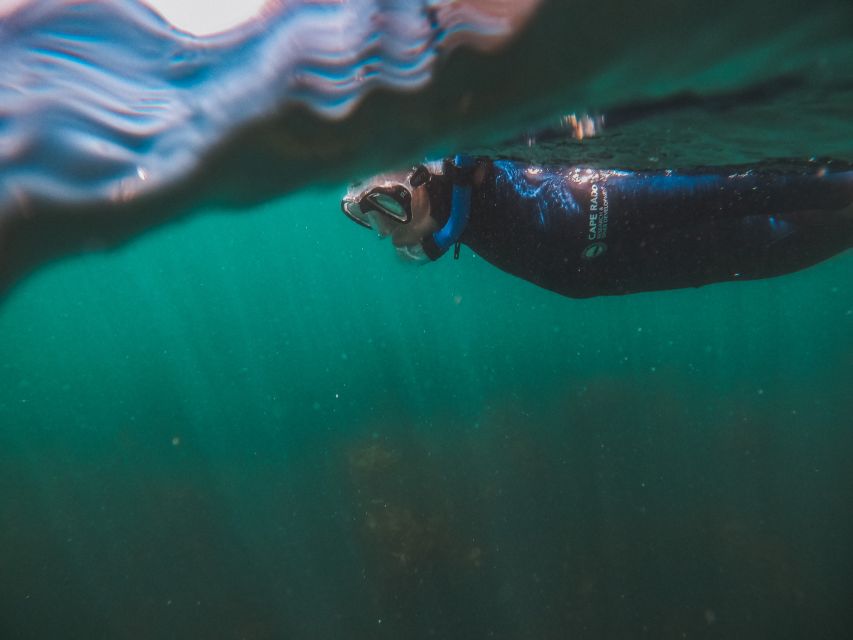
I would choose this tour if you enjoy wildlife, marine science, or conservation and want an activity that teaches you something while you are in the water. It also suits first-time visitors to Cape Town who want to experience False Bay from a different angle.
The small group is helpful for people who value direct contact with a guide. You are more likely to hear the explanations, ask about a particular creature, and receive support if your mask or fins need attention.
You should think twice if your ideal snorkeling trip means floating effortlessly over a clear tropical reef. The kelp can make the experience feel more demanding, and staying at the surface may limit what you see. Pregnant women, children under 10, people with mobility impairments, and people over 95 are not accepted for this activity.
The tour is offered in English. It is suitable for people who can swim or at least feel comfortable in the water, but it does not require a high level of fitness.
Practical booking advice for False Bay

Choose a time when you can arrive without rushing. The briefing is not disposable filler, and listening carefully will help you recognize the animals and understand the research task.
Keep your schedule flexible around sea conditions, even though the activity operates in rain or shine. Water quality, tide, and visibility can affect how much of the forest you see. If you have several days in Cape Town, placing this tour earlier in your stay gives you some room to reschedule if needed.
The booking terms are friendly for uncertain plans. You can cancel up to 24 hours before the activity for a full refund, and the reserve-now, pay-later option lets you hold a place without paying at once.
Take a towel and swimwear. The center supplies the snorkeling equipment and wetsuit, and photos are included. You will also receive the marine briefing and the chance to take part in shark identification work, not just a guided swim.
Should you book the Great African Sea Forest snorkel?
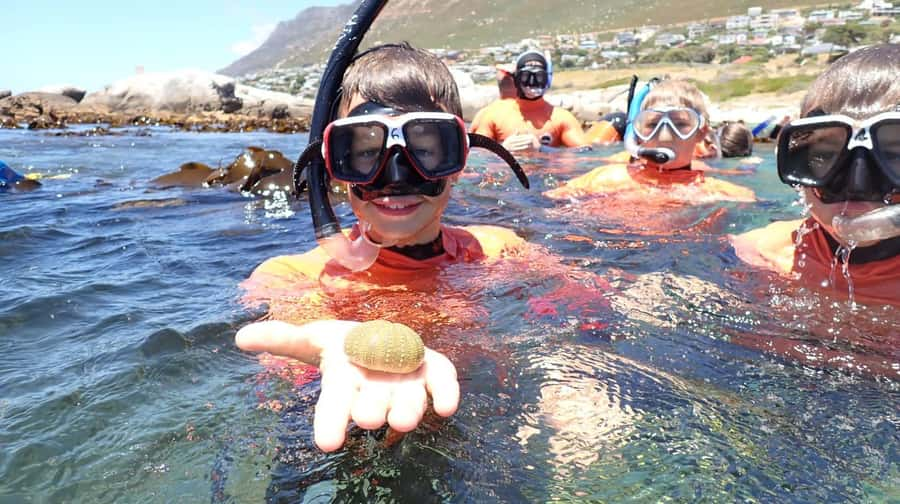
Book it if you want a close look at Cape Town’s unusual kelp ecosystem and like the idea of helping with real marine research. The guides bring strong local science to the outing, and the chance to spot small sharks, octopus, urchins, starfish, and abalone gives the two hours plenty of purpose.
Skip it if you need guaranteed sharks, tropical reef scenery, or completely open water. For the right person, this is a thoughtful and memorable way to meet False Bay, especially when you value the explanation as much as the animal sightings.
FAQ
Where does the snorkeling tour meet?
Meet inside the Cape RADD Dive Center on the shore of False Bay in the Western Cape.
How long does the activity last?
The experience lasts two hours.
What is included in the price?
The $74 price includes a marine biologist guide, mask, snorkel, fins, wetsuit, photos, and an in-depth briefing about the area and activity.
Do I need to be a strong swimmer?
You need to be able to swim or feel comfortable in the water. The activity does not require a high fitness level.
What should I bring?
Bring swimwear and a towel.
Are sharks guaranteed?
No. The group takes part in research on a local endemic shark species, but wildlife sightings vary. You might also see octopus, sea urchins, starfish, abalone, and other marine life.
Who cannot take part?
The activity is not suitable for children under 10, pregnant women, people with mobility impairments, or people over 95.
Just added for Cape Town
- Full Day Cape Point Sightseeing Tour★ 4.5 · 84 reviews
- Best of Cape Town Full-Day Private Tour with Table Mountain★ 5.0 · 195 reviews
- Drumstruck at Silvermist. Live African Drum Show & Wine tasting★ 5.0 · 137 reviews
- Bo-Kaap: Walk with a local★ 5.0 · 131 reviews
- Cruise and Dine Lunch / Cape Town: Coastal Motor Cruise and 2-Course Lunch★ 4.5 · 151 reviews
- Cruise and Dine Dinner / Cape Town: Sunset Champagne Cruise and 3-Course Dinner★ 4.0 · 128 reviews
- Champagne Cruise (Pre-Sunset) from Cape Town★ 4.5 · 152 reviews
- Cheetah Outreach Tour Somerset West, Gordon’s Bay and Strand Beaches★ 4.5 · 94 reviews
Snorkeling Trips, compared.
Royal Seascope Submarine Cruise with Snorkel Stop
Read our review →
3 Islands, Dolphins & Snorkel Yacht Trip w/ Lunch
Read our review →
Speedboat Dolphin Watching & Snorkeling with Lunch
Read our review →
Orange Bay Island Snorkeling Trip With Water Sports – Hurghada
Read our review →
Hula Hula Cruise with Lunch, Massage, & Snorkeling
Read our review →
Dolphin Watching Boat Tour with Snorkeling & Lunch
Read our review →
Orange Bay, Snorkeling, Watersports, Lunch & Drinks
Read our review →Browse the lists this tour appears in