
Reviewed · HIKING & TREKKING
From Marrakech: 3-Day Mount Toubkal Climbing Trek
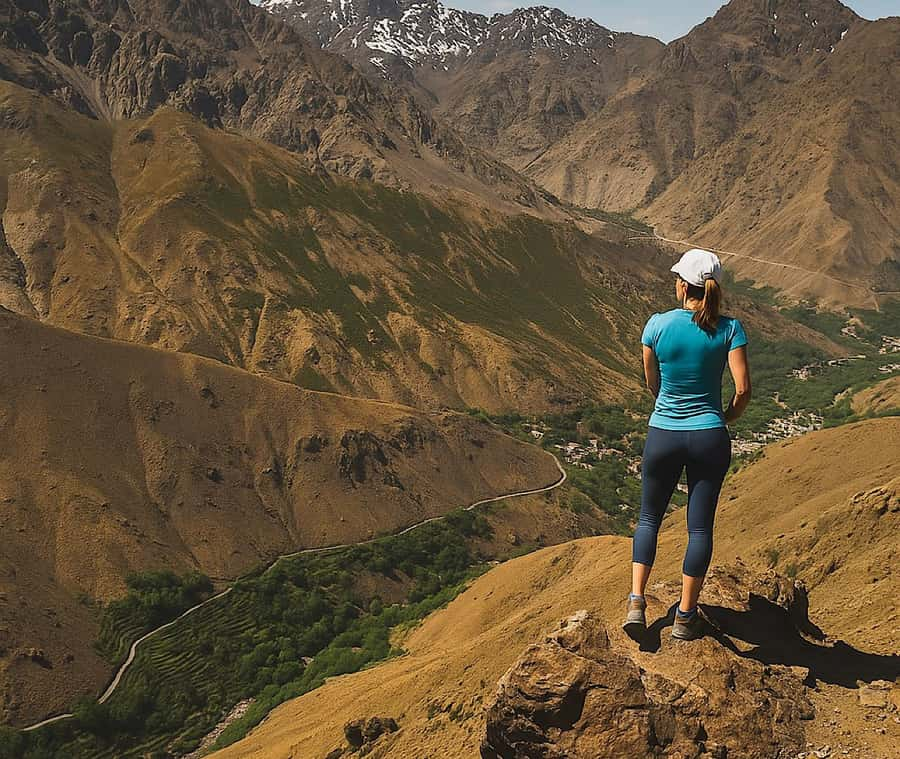
Mount Toubkal is not a gentle hill with a fancy viewpoint. At 4,167 meters, it demands long days, cold mornings, loose scree, and a willingness to keep moving when your legs would rather negotiate. The reward is a summit over North Africa, reached on a scenic three-day loop rather than the faster out-and-back route.
I like two things here: the extra day gives you better acclimatisation and wider mountain views, and the mule team carries luggage so you do not haul every shirt and sleeping layer uphill. The route also brings you past Berber villages and the 100-meter Tamsoult Waterfalls, not just up and down one famous peak.
The main catch is the effort. Day two includes about 1,200 meters of ascent, and summit day combines an early climb with a very long descent to Imlil. Mountain weather can also change the plan, so reaching the summit is never guaranteed.
Key points to know before booking

- A three-day mountain loop: You see more of the High Atlas than on the standard two-day route.
- Non-technical but strenuous: No climbing equipment is listed, but strong fitness and sure footing are needed.
- Two major altitude gains: Tizi Mzik reaches 2,479 meters, while Aguelzim Pass rises to 3,650 meters.
- Mule support included: Mules carry luggage, leaving you with a day pack.
- Small groups: The group is limited to 14 people, though many departures are smaller.
- Simple refuge nights: Beds, blankets, meals, and sometimes hot showers are available, but bring toilet paper, soap, and a sleeping bag or liner.
Why the three-day route earns its place

From Marrakech, Mount Toubkal can be attempted in two days. That option gets you to the summit and back quickly, but the three-day plan makes better sense if you have time.
You begin with a gradual approach through the High Atlas, spend a night away from the main trail, then gain height before reaching the Toubkal Refuge. This gives your body more time to adjust and lets you see a wider slice of the mountains.
I also like the circular feel. You are not simply repeating the same path in reverse. The route through Tizi Mzik, the juniper forest, Tamsoult Waterfalls, and Aguelzim Pass gives the trip variety. You trade a little speed for a more complete mountain experience.
At $226 per person, the price includes the Marrakech transfer, guide, muleteers, mules for luggage, accommodation, and three breakfasts, lunches, and dinners. That is good value for a three-day mountain trip, especially since the food and porter support are handled for you. You should still budget for personal expenses, drinks, gear rental if needed, and tips.
More Hiking Tours in the Atlas Mountains
- Berber villages : Atlas Mountains Day Hike from Marrakech
★ 5.0 · 14,007 reviews - From Marrakech: Atlas Mountains Full-Day Hiking Trip w Lunch
★ 4.8 · 7,417 reviews - Marrakech: Ourika Valley Trip with Waterfall Hike
★ 4.6 · 6,792 reviews
From Marrakech to Imlil through the foothills
Pickup takes place after breakfast in Marrakech. If your hotel is outside the Medina, wait in the lobby. If your riad sits on a narrow street where a vehicle cannot enter, the team contacts you on WhatsApp to arrange a nearby meeting point.
The drive heads through Tahanaout, Oued Ghighaya, and Asni before reaching Imlil, about 65 kilometers from Marrakech. This is not just dead transport time. The city gives way to dry valleys, terraced slopes, and Berber settlements scattered along the mountain sides.
In Imlil, you meet your certified mountain guide and muleteer team. Guides speak Arabic, English, or French, and the guide may vary by departure. Names that appear on recent departures include Hassan, Kamal, Mustafa, Mohamed, Omar, Youssef, and Ibrahim.
This first meeting matters. A good guide sets the pace for the slowest person, explains the day, and notices problems before they become serious. The strongest praise for this trip consistently centers on guides who keep groups together, adjust the walking speed, and help people over loose ground.
Day one: Tizi Mzik, juniper forest, and Tamsoult Waterfalls
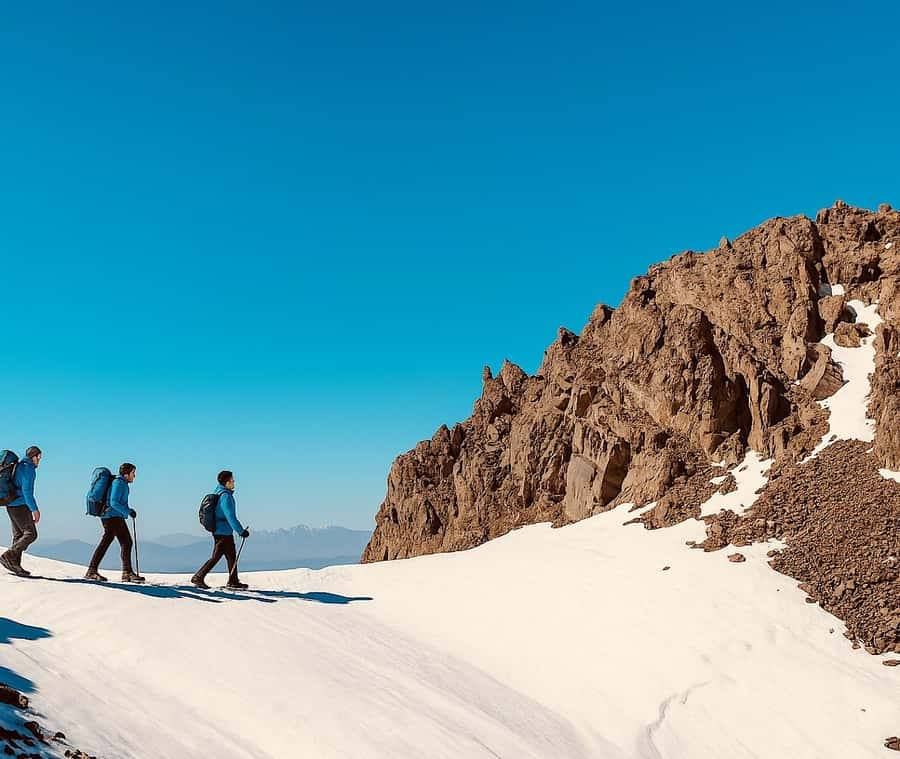
The first walking day covers about 11 kilometers, with 800 meters of ascent and 400 meters of descent. Expect five to six hours on foot.
The climb to Tizi Mzik Pass at 2,479 meters gives you an immediate sense of the scale of the High Atlas. From the pass, you look back toward the Imlil Valley and ahead toward Mount Toubkal. It is a proper mountain day, but not yet the hardest one.
The route then crosses juniper woodland toward Tamsoult Waterfalls. At roughly 100 meters high, these are described as the highest waterfalls in the Atlas Mountains. The contrast is memorable: dry, stony slopes cut by a sudden rush of water.
You finish at Tamsoult Refuge. The accommodation is basic mountain lodging, not a hotel. Depending on the refuge and conditions, you may find bunk beds, blankets, and a hot shower. Some departures report warm showers, while other facilities are more limited, so do not count on comfort at every stop.
Dinner is included and prepared by the cook and mule team. Meals are generally described as warm, plentiful, and useful after a long day. You are not coming for restaurant ceremony, but you should have enough food to replace some of the energy you spent walking.
Day two: the high route to Aguelzim Pass
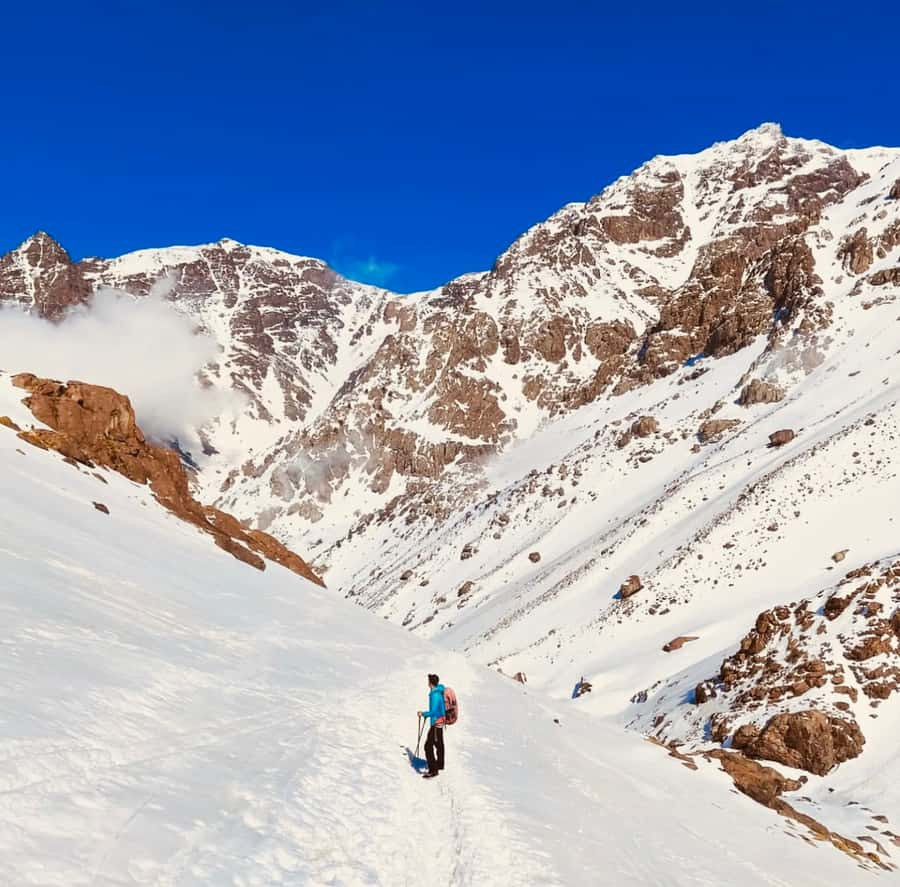
Day two is the key acclimatisation day and the point where the trip becomes serious. The route covers about 10 kilometers, with 1,200 meters of ascent and 300 meters of descent. Walking time is listed at six to six and a half hours.
The steady climb leads to Aguelzim Pass at 3,650 meters. At this height, even a moderate slope can feel slow. The guide’s pacing matters more than speed. You should expect regular pauses, controlled breathing, and a group pace designed to keep everyone moving safely.
From the pass, you get impressive views toward the Toubkal summit. The route then drops to the Toubkal Refuge at 3,207 meters, your base for the summit attempt.
The second refuge is colder and more basic than a mountain guesthouse. A sleeping bag is strongly worth bringing, even if blankets are provided. One reported detail is that a hot shower may cost 20 Moroccan dirhams, so keep some local currency with you.
This is also the night to prepare carefully. Set out your warm layers, headlamp, water, and snacks before sleeping. The summit start can be around 3:30 a.m., depending on the group and conditions. Earplugs may help if you are a light sleeper, and toilet paper and soap are not reliably supplied.
More Hiking Tours in Morocco
- Marrakech: Ourika Valley Trip with Waterfall Hike & Lunch
★ 4.9 · 5,303 reviews - Marrakech: ourika valley lunch & guided hike to waterfalls
★ 4.9 · 3,737 reviews - Marrakech: Atlas Mountains & Valleys Waterfall Hike w/ Lunch
★ 4.8 · 1,236 reviews - Mt Toubkal Ascent Express Trek 2 Days 1 Nights
★ 4.7 · 962 reviews
Day three: sunrise on North Africa’s highest summit

Summit day is the longest and hardest part of the trip. The stated walking plan includes a four-kilometer summit loop, four kilometers back down, and then the long descent toward Imlil. Total descent is listed at 2,500 meters, with about eight to nine hours of walking.
The climb gains approximately 980 meters to the summit. You leave early so the guide can time the ascent for sunrise or the best available morning conditions. The final slopes are rocky, and descending loose scree can be harder than climbing it. A pair of hiking poles can be very useful, although you should not assume they are included.
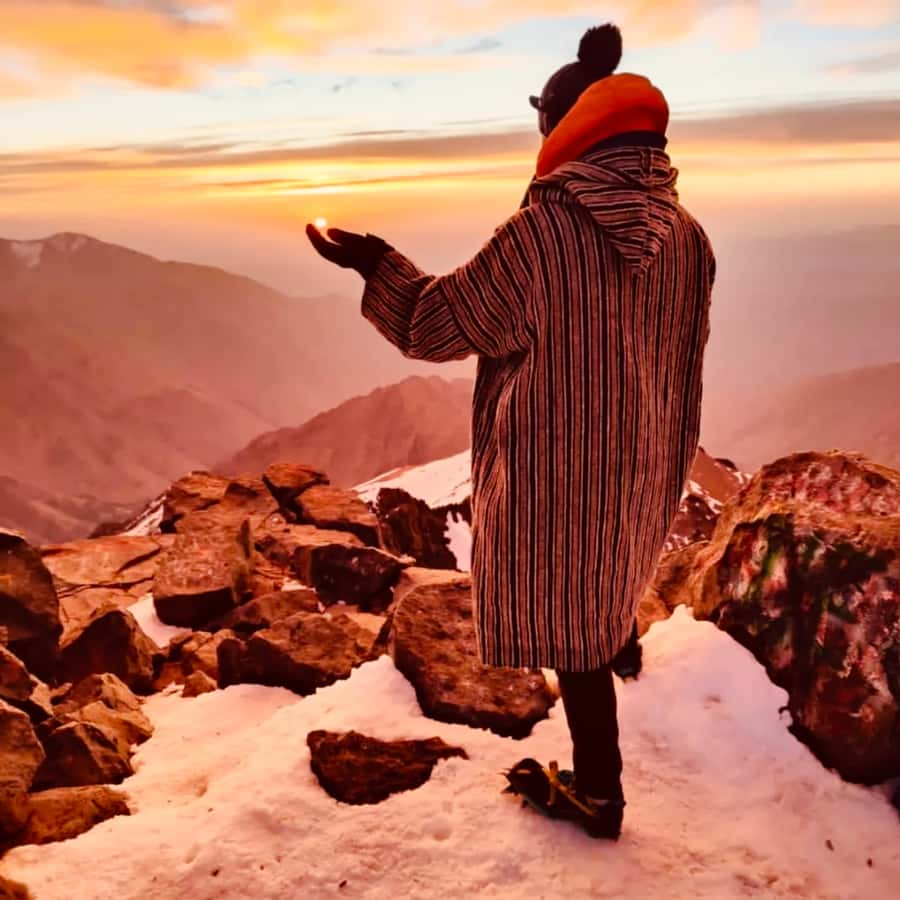
At the summit, weather permitting, you get 360-degree views across the High Atlas. On a clear day, the Sahara may appear on the horizon. The summit is exposed, and even in warmer months the top can feel cold. Warm clothing, a hat, gloves, and a windproof jacket are not optional extras.
After a short break, you descend to the refuge, collect your remaining things, and continue toward Imlil. This final stretch is where tired legs and steep ground test your patience. One practical criticism is that the walk into Imlil can feel long after the summit and descent. Still, reaching the village marks the end of the hard work.
A vehicle then takes you back to Marrakech, usually arriving around 5 p.m. Build some flexibility into your evening plans. Mountain roads, weather, and the group’s pace can affect the exact arrival time.
The guide makes the difference
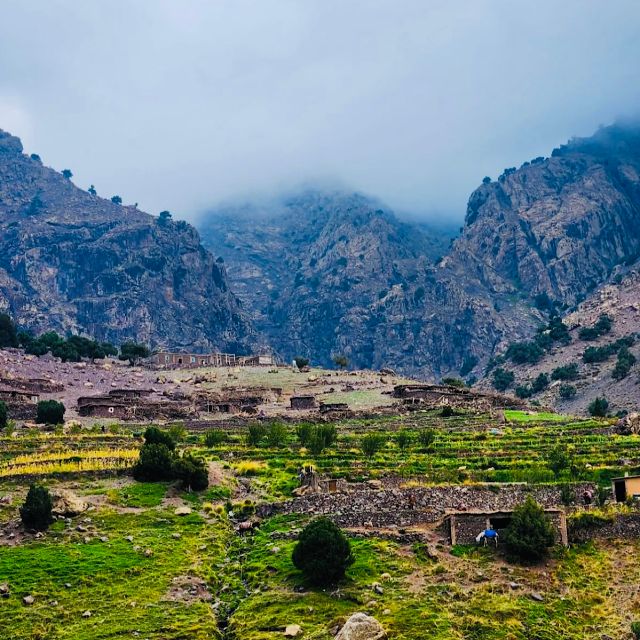
The mountain itself is impressive, but the guide shapes the experience. This is a group trek, and ability levels may vary widely. A good guide does not race the fastest person to the top and leave everyone else behind.
Guides named Hassan, Kamal, Mustafa, Mohamed, Omar, and Youssef are repeatedly praised for pacing, encouragement, route management, and care at altitude. Some guides also share information about Berber culture and the surrounding mountains. The level of explanation can vary, so if you want details about plants, rocks, or local life, ask questions as you walk.
The muleteers are just as important behind the scenes. They carry luggage and help move food and supplies between stops. You carry what you need for the day, while your larger bag goes ahead to the next refuge.
Pack with that system in mind. Keep warm layers, water, sunscreen, snacks, medication, and rain gear in your day pack. Do not bury your jacket in luggage that you will not see until evening.
Food, beds, and the realities of refuge life
Three breakfasts, three lunches, and three dinners are included. Meals are freshly prepared, and portions are generally large enough for demanding walking days. Expect practical mountain food rather than elaborate dining.
The accommodation is part of the adventure. At Tamsoult and Toubkal, you sleep in refuges with shared facilities. Beds and blankets may be available, but cleanliness and comfort can vary. A sleeping bag or liner gives you a warmer and more familiar layer between yourself and the bedding.
Bring:
- Toilet paper and soap
- A headlamp
- Warm layers and rain gear
- Hiking shoes with good grip
- A sleeping bag or liner
- Snacks and electrolyte tablets
- Small Moroccan notes for water, snacks, showers, or tips
- Earplugs if shared sleeping rooms bother you
Sandals and flip flops are listed as prohibited for the trek itself, though one practical tip is to carry lightweight refuge shoes for the evening. Follow the operator’s instructions on suitable footwear, and do not substitute casual shoes for proper hiking footwear.
Weather can change the entire plan

Mount Toubkal is a real mountain, not a fixed sightseeing appointment. Storms, snow, heat, closed roads, or poor visibility can force changes.
A storm has prevented some summit attempts, and other departures have changed the order of the route because of road conditions. In one case, a three-day trek became a shorter mountain program with a Berber village walk added instead. These changes can be frustrating, especially if the summit is your main goal, but a careful guide should put safety first.
You should book this with the right mindset. The summit is the aim, not a promise. If weather stops the climb, the Atlas villages and mountain walks still offer a worthwhile day, but anyone who needs a guaranteed summit should reconsider the timing and format.
Is this suitable for a first major mountain trek?
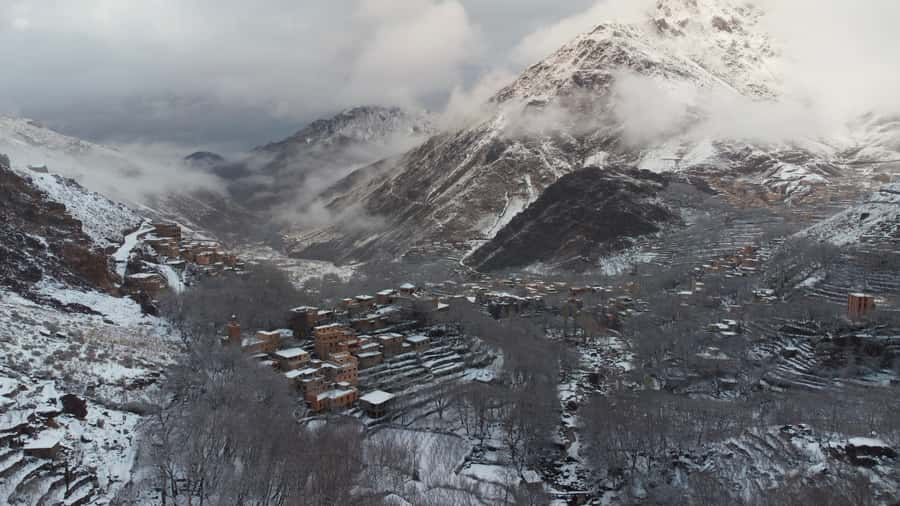
The trip is described as accessible to beginners with decent fitness, but do not confuse non-technical with easy. You do not need ropes or climbing skills, yet you do need to walk for up to nine hours, handle steep ascents and descents, and function at more than 3,000 meters.
You should be comfortable with:
- Long uphill walking
- Uneven rock and loose scree
- Cold early mornings
- Basic shared accommodation
- Limited washing facilities
- A very long final descent
The tour is not suitable for children under two, pregnant women, people with high blood pressure, or people over 95. If you have a medical condition or little experience at altitude, seek medical advice before booking.
The small-group limit of 14 helps. Some departures have had five, seven, eight, or twelve people, which makes it easier for the guide to monitor the group. Still, the exact size and pace can vary.
The value of $226 from Marrakech
For $226, you receive more than a summit route. The price covers transport from Marrakech, a live guide, mule and muleteer support, accommodation, and nine included meals across the three days.
That package saves you from arranging several moving parts yourself. You do not need to find a taxi to Imlil, hire a separate mule team, arrange refuge beds, or organize mountain meals. The price also reflects local employment for guides, cooks, muleteers, and refuge staff.
The items left out are important. Travel insurance, personal expenses, and mountain gear are not included. Gear rental is reportedly easy to arrange, but confirm what is available before departure rather than assuming every size and item will be on hand.
Free cancellation up to 24 hours before departure and reserve-now, pay-later booking add useful flexibility. They do not remove the need to check the weather forecast or your own fitness.
Who should book this trek?
Book it if you want a serious but organized mountain challenge close to Marrakech. It suits you if you value local guides, carried luggage, shared meals, Berber villages, and a route with more variety than the standard two-day climb.
It is especially good for a solo participant who wants the social ease of a small group. The shared effort, refuge evenings, and long walking days tend to bring people together quickly.
Think twice if you dislike early starts, shared rooms, basic washing facilities, or plans that may change with weather. Also think twice if your main goal is simply to collect a summit photo. The descent is long, and the mountain asks for patience.
Final verdict
I would choose this three-day trip over a two-day out-and-back if you have the extra day. The loop through Tamsoult, the waterfalls, and Aguelzim Pass gives you a fuller look at the Atlas Mountains, while the extra night helps your body adjust before the summit.
The strongest reasons to book are the capable local guides, included mule support, filling meals, and solid value at $226. The main cautions are altitude, cold, simple refuges, and the possibility that weather will cancel or reshape the summit attempt.
Bring proper shoes, warm clothing, a headlamp, toilet paper, soap, snacks, and patience. If you do, this is a well-priced way to turn a Marrakech stay into a genuine mountain expedition.
FAQ
How high is Mount Toubkal?
Mount Toubkal reaches 4,167 meters and is the highest mountain in North Africa.
How long is the trek?
The trek lasts three days. Walking time is about five to six hours on day one, six to six and a half hours on day two, and eight to nine hours on summit day.
Is the climb technical?
The ascent is described as non-technical. You do not need specialist climbing equipment, but you do need hiking fitness, proper shoes, and comfort on steep, rocky ground.
What is included in the price?
The price includes a guide, roundtrip transport from Marrakech, muleteers and mules for luggage, accommodation, three breakfasts, three lunches, and three dinners.
Is mountain gear included?
No. Mountain gear is not included. Gear may be available to rent, but you should check what you need before departure.
Do I need a sleeping bag?
A sleeping bag is listed among the recommended items. Some refuges provide beds and blankets, but a sleeping bag or liner is useful for warmth and comfort.
Where does pickup happen in Marrakech?
Pickup is included from your hotel or riad. If your accommodation is outside the Medina, wait in the hotel lobby. If a vehicle cannot reach your riad, you will be contacted on WhatsApp with a nearby meeting point.
What languages does the guide speak?
Guides may speak Arabic, English, or French.
Can the itinerary change?
Yes. Weather, road closures, and mountain conditions can change the route or shorten the trek. The summit is dependent on safe conditions.
Can I cancel the booking?
You can cancel up to 24 hours in advance for a full refund. The activity also offers reserve-now, pay-later booking.
More Three-Day Trips from the Atlas Mountains
- From Marrakech: 3-Day Merzouga and Sahara Desert Tour
★ 4.9 · 15,308 reviews - From Marrakech: Merzouga 3-Day Desert Safari with Food
★ 4.7 · 12,232 reviews - 3 Days Desert Tour From Marrakech To Merzouga Dunes & Camel Trek
★ 5.0 · 10,125 reviews - 3-Day Marrakech to Merzouga Desert Tour: Camel Rides & Overnights
★ 5.0 · 8,734 reviews
Just added for Atlas Mountains
- Paradise Valley & Atlas Mountains Adventure with optional LUNCH★ 4.5 · 80 reviews
- Agadir Taghazout: Paradise Valley & Atlas Mountains Swimming Trip★ 4.5 · 619 reviews
- Paradise Valley and Atlas Mountains Adventure in Agadir★ 5.0 · 156 reviews
- Marrakech: Ourika Valley and Atlas Mountains Day Trip★ 4.2 · 406 reviews
- Marrakesh: Ourika Valley & Atlas Mountains Day Trip + Lunch★ 4.7 · 605 reviews
- Marrakech: Zipline and Breakfast in the Atlas Mountains★ 4.9 · 361 reviews
- Marrakech: Zip-Line in the Atlas Mountains & Berber villages★ 4.9 · 94 reviews
- Marrakech: Ourika Valley,Waterfalls, Atlas Luxury Day trip★ 4.9 · 331 reviews
Hiking & Trekking, compared.
Berber villages : Atlas Mountains Day Hike from Marrakech
Read our review →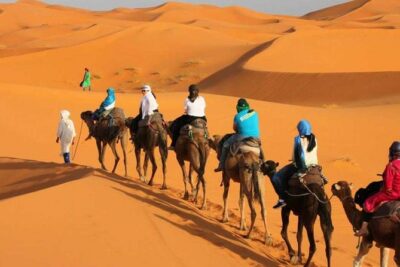
3 Days Desert Tour From Marrakech To Merzouga Dunes & Camel Trek
Read our review →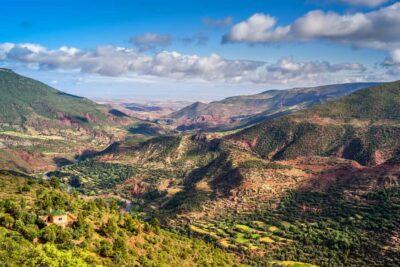
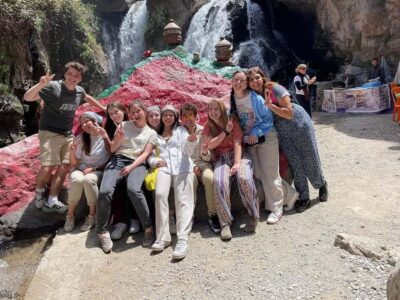
Ourika Valley Trip with Waterfall Hike & Lunch
Read our review →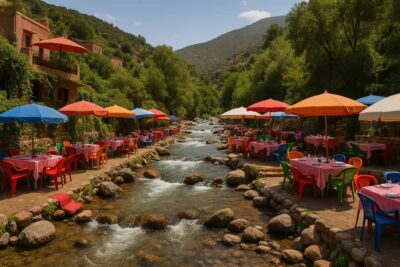
ourika valley lunch & guided hike to waterfalls
Read our review →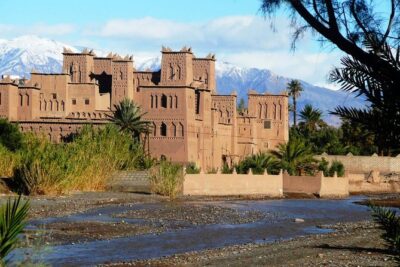
3-Day Tour to Merzouga Erg Chebbi with Food & Camel Trek
Read our review →Browse the lists this tour appears in