
Reviewed · HIKING & TREKKING
Mt Toubkal Ascent Express Trek 2 Days 1 Nights
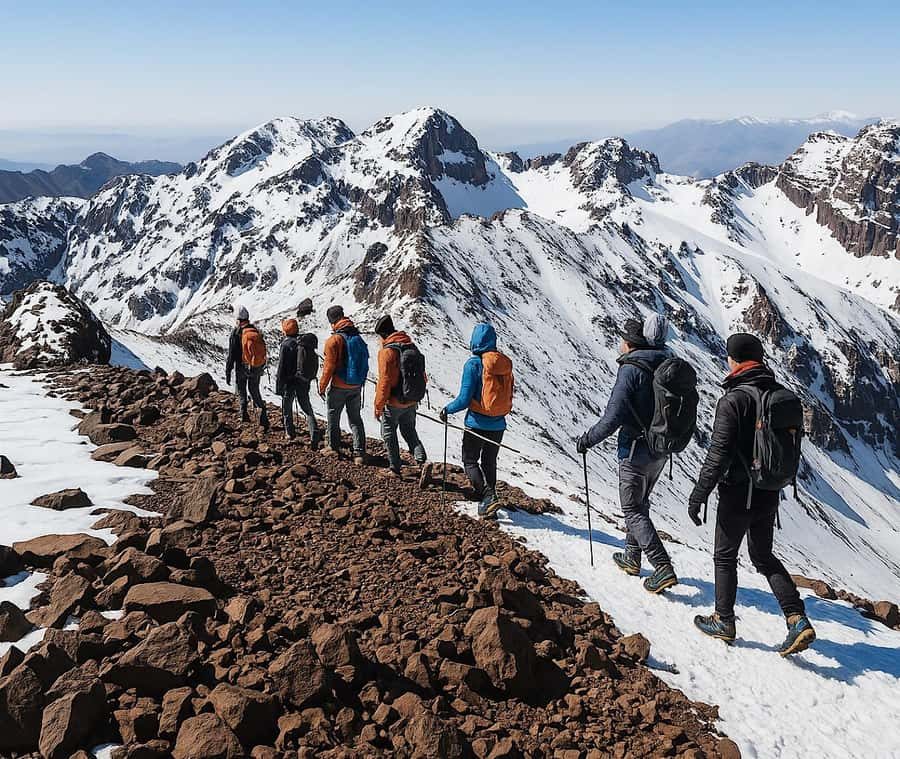
Mount Toubkal rises to 4,167 meters, and this two-day express trek gets you from a Marrakech hotel to North Africa’s highest summit with only one night in the mountains. The route is non-technical, but the quick jump from city level to high altitude makes it a serious walk.
I like the careful pacing of guides such as Mohamed, Omar, Mustafa, and Yassine, and I like the strong sense of local life: Berber meals, mule transport, and a night in a mountain refuge rather than a polished resort. The $147 price also covers transport, guiding, accommodation, and meals, which is unusually good value.
The catch is the schedule. Summit day can last 10 to 12 hours, and winter snow, wind, altitude sickness, or poor visibility can stop you before the top. You need solid fitness, proper clothing, and a willingness to accept that the mountain makes the final decision.
Key points to know before booking
- 4,167-meter summit: Toubkal is the highest peak in North Africa, reached by trekking rather than technical climbing.
- One long summit day: Expect an early start from the refuge, a summit attempt, and a descent all the way to Imlil.
- Strong local support: Guides have helped tired hikers, managed altitude problems, and adjusted the pace for mixed-ability groups.
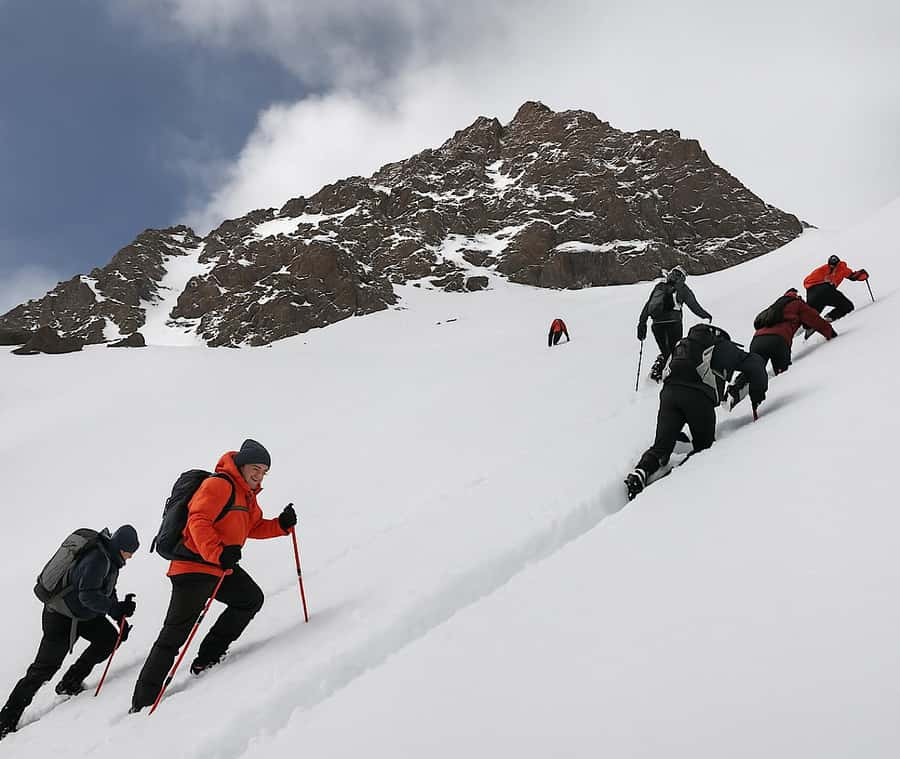
- Winter changes the route: From November to April, snow slopes may require crampons and an ice axe, available to rent in Imlil.
- Basic overnight stay: The refuge is warm and useful, but shared sleeping rooms, hard bunks, and limited sleep are part of the deal.
- Bring extra food and cash: Meals are included, but hungry hikers often want additional snacks, water, equipment rental, or mule service.
Why this two-day Toubkal trek works
I see this trip as a fast, affordable introduction to the High Atlas. You leave Marrakech in the morning, reach Imlil at 1,740 meters, walk up the Aït Mizane Valley, sleep at 3,207 meters, and make your summit attempt the next morning.
That compressed schedule is the appeal. You do not need to give up a full week of your Moroccan holiday. It is also the main physical challenge. Your body has little time to adjust to the altitude, so a fit person can still find the second day punishing.
This is a walk, not a rock climb. The route includes steep paths, loose rock, easy scrambling, streams, and snow slopes in winter. You do not need technical climbing experience, but you do need balance, stamina, and sensible judgment.
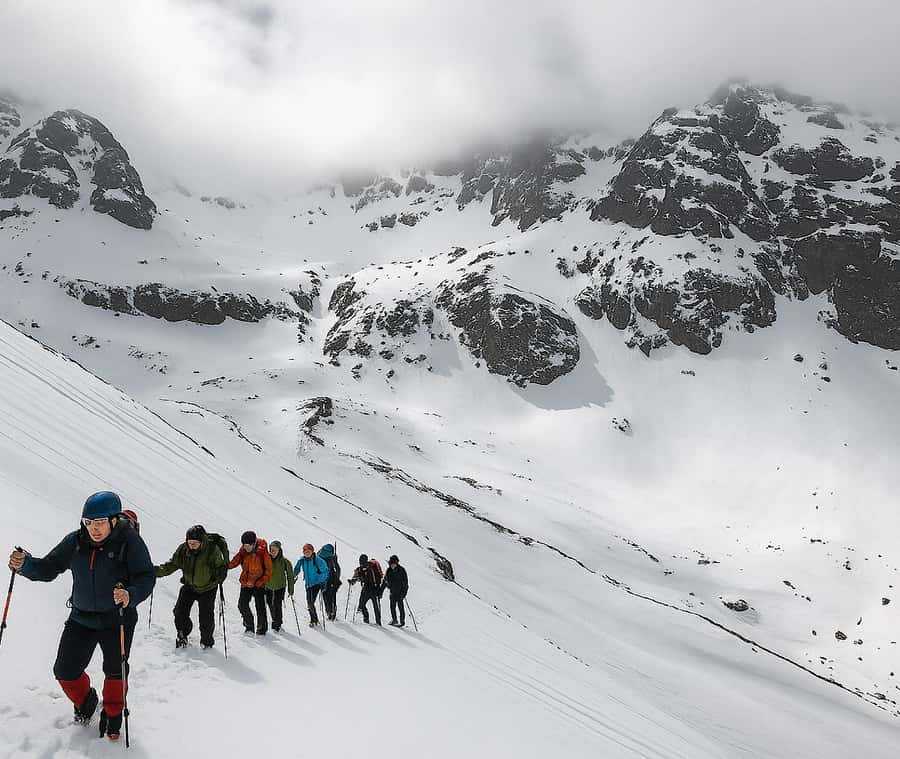
The small-group limit is 14 people. In practice, groups can include several guides, which helps when one person moves slowly or feels unwell. Guides have been praised for staying with hikers who fell behind, carrying heavy packs, and taking people down by mule when pain or altitude made continuing unsafe.
More Hiking Tours in the Atlas Mountains
- Berber villages : Atlas Mountains Day Hike from Marrakech
★ 5.0 · 14,007 reviews - From Marrakech: Atlas Mountains Full-Day Hiking Trip w Lunch
★ 4.8 · 7,417 reviews - Marrakech: Ourika Valley Trip with Waterfall Hike
★ 4.6 · 6,792 reviews
From Marrakech to Imlil at 1,740 meters
Pickup is normally from your hotel or riad in Marrakech, with the provider confirming the meeting point by email or direct message. The drive takes you out of the city toward the mountain village of Imlil, where the trek begins.
Allow some flexibility at the start. Transport has generally been described as organized, but a few people have dealt with late pickups, changing drivers, or confusion over the exact meeting place. A central pickup point in Marrakech may be simpler than an obscure hotel entrance.
At Imlil, you meet the mountain team and sort out any rented gear. This is the place to arrange crampons, an ice axe, warm clothes, sleeping bags, walking poles, or a headlamp if you need them. Unnecessary luggage can usually be left behind, and a mule costs about 20 euros if you do not want to carry everything yourself.
Bring your passport. A checkpoint can occur on the road into the mountain area.
Imlil is more than a transport stop. It is the last village before the walking begins in earnest, and it gives you a useful chance to check your boots, water, layers, and pack. Do not rush this part. A poorly adjusted backpack or thin gloves will matter much more later than they do beside the road.
Aït Mizane Valley and the shrine of Sidi Chamharouch
The first walking section follows the valley toward Aremd, then continues to the sanctuary of Sidi Chamharouch and a nearby waterfall. The path gradually leaves the village setting and enters a much rougher mountain environment.
This first day is usually five to six hours of walking. The distance is manageable for a regular hill walker, but the steady climb from 1,740 meters to the refuge at 3,207 meters is what drains you. Keep your pace calm. Guides such as Hassan, Omar, and Yassine have been praised for avoiding a reckless early speed and stopping when people need water or rest.
Sidi Chamharouch gives the route a human and cultural point of interest. You are not simply walking up a bare peak. You pass through a valley used by local communities, see the shrine area, and share the path with mule handlers and mountain workers.
There are places to buy water and snacks along the early section, but prices and availability are not guaranteed. I would carry enough food for the climb rather than depend on the next stop. High-calorie snacks are especially useful if you are larger, eat frequently, or find the included meals too light for your needs.
The steep climb to the Toubkal Refuge
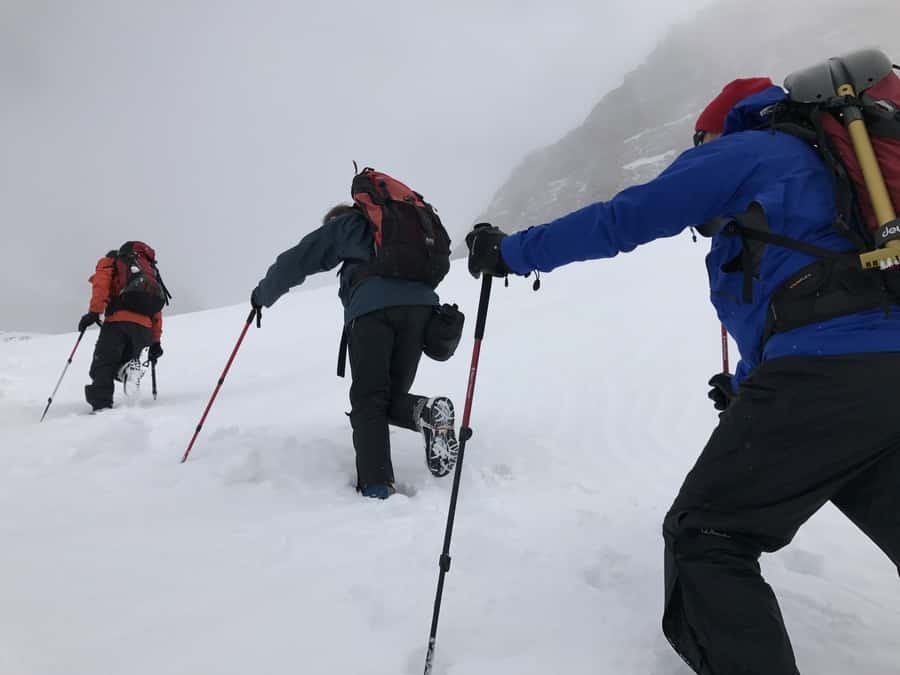
Beyond Sidi Chamharouch, the trail becomes steeper and more rugged. You continue toward the refuge through rockier ground, with the High Atlas opening around you as you gain height.
The refuge sits at about 3,207 meters and is the overnight base for the summit attempt. Accommodation is basic, usually in shared rooms with bunk beds. It gives you shelter and a meal, but do not expect a quiet hotel night. Large shared rooms, hard bunks, lights being turned off, and general mountain noise can mean very little sleep.
That lack of sleep matters because the next day begins early. Groups commonly rise around 4 a.m., eat breakfast, and start walking in darkness so they can reach the summit near sunrise. Pack a head torch. A phone light is a poor substitute when you need both hands for balance.
The food has been one of the strongest parts of this experience. Meals can include Moroccan-style dishes, tea, coffee, and vegetarian options. Several guides and cooks have been singled out for generous, fresh meals, though supplies can become limited in heavy winter snow when mules cannot reach the refuge easily.
I would still bring sandwiches, nuts, energy bars, or other compact snacks. Water and soft drinks are not included, and mountain prices can add up. Bring cash for drinks, rentals, mule service, and unexpected purchases.
More Hiking Tours in Morocco
- Marrakech: Ourika Valley Trip with Waterfall Hike & Lunch
★ 4.9 · 5,303 reviews - Marrakech: ourika valley lunch & guided hike to waterfalls
★ 4.9 · 3,737 reviews - Marrakech: Atlas Mountains & Valleys Waterfall Hike w/ Lunch
★ 4.8 · 1,236 reviews - From Marrakesh: Atlas Mountains Talamrout Summit Day Hike
★ 4.9 · 835 reviews
The sunrise push to 4,167 meters
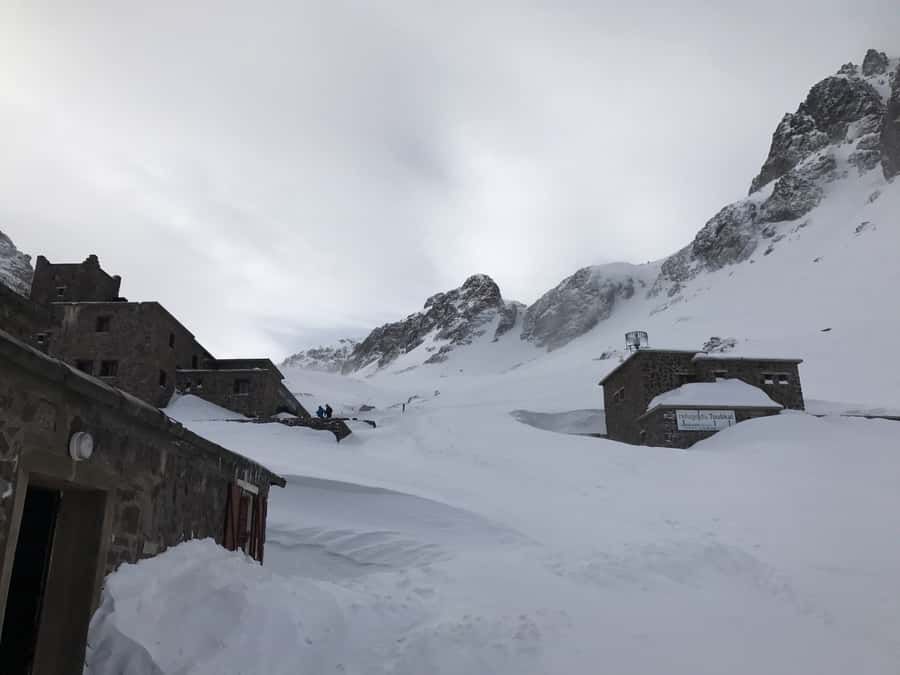
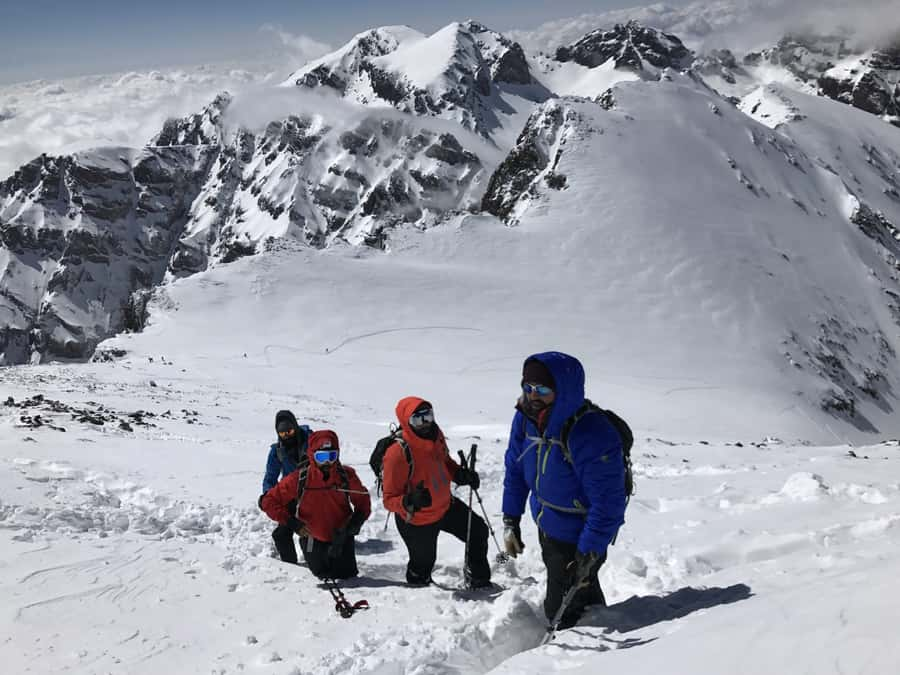
The summit attempt is the heart of the trip. You leave the refuge before dawn and follow a steep route over rock, scree, and, in snowy months, frozen or snow-covered slopes.
The air becomes noticeably colder and thinner. You may cross streams, use your hands for easy scrambling, and move carefully over loose ground. In winter, crampons and an ice axe may be needed for security. This is not technical climbing, but the equipment is important when the path is icy or covered in firm snow.
The guide’s pace makes a real difference here. A fast start can feel impressive below the refuge, then become a problem when altitude and cold take hold. The better approach is slow and steady, with regular pauses. Groups led by Mohamed, Mustafa, Omar, and other local guides have been praised for checking on people, encouraging them without pushing too hard, and separating support when someone needs extra help.
At the upper plateau, the reward is a wide view in every direction. On a clear day, you can see the plain of Marrakech and the High Atlas to the north, with the Anti-Atlas and the Sahara stretching south. Sunrise adds color and drama, but visibility is never guaranteed.
This is also where you need to be realistic. Heavy snow, blizzards, high winds, or poor visibility can close the route. Several people have reached the refuge but been told not to summit. That is not a failed trip. A safe guide will turn around when conditions are dangerous, and an alternate mountain or a lower hike may be offered when possible.
Altitude sickness is another genuine concern. You rise from Marrakech to more than 3,200 meters in a day, then climb above 4,000 meters the next morning. Headache, nausea, dizziness, and unusual weakness should be reported immediately. One guide stayed beside a sick hiker rather than leaving her alone, while others have escorted unwell people back down. That is the sort of support you want on a rapid ascent.
The long descent to Imlil
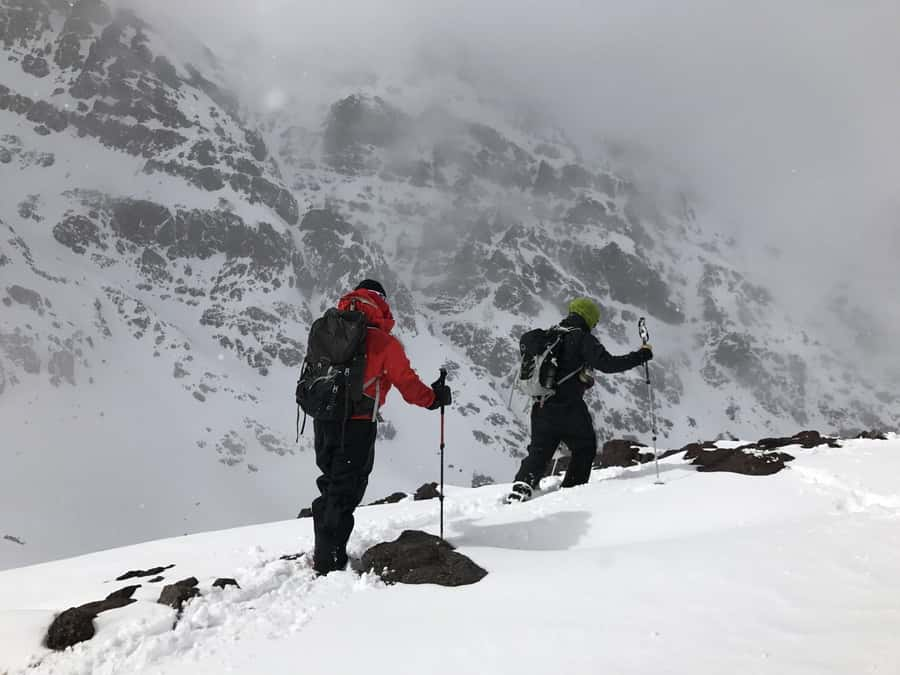
After the summit, you return to the refuge and then continue down to Imlil. The stated elevation sequence is refuge to summit, back to refuge, then down to Imlil at 1,740 meters.
This makes day two far longer than the summit climb alone. Plan on 10 to 12 hours of walking, depending on the group, weather, and trail conditions. The descent can be harder than expected because tired legs, loose rock, and steep slopes place stress on your knees and feet.
Use trekking poles if you have them. Take your time on the way down, even if you are eager to finish. A mule can be arranged for about 20 euros, and guides have used mule transport to help people who could not safely continue on foot.
Back in Imlil, you meet the vehicle for the return to Marrakech. The drive is included, though drop-off arrangements may be less exact than pickup. Confirm where you will be left, keep your phone charged, and do not rely on a last-minute change if you are traveling alone.
You will probably want a quiet evening after this trek. The second day is a full physical effort, and many people will appreciate an extra day before planning another demanding activity.
What the $147 price really covers
At $147 per person, the trip offers strong value if you want a guide and transport arranged for you. The price includes Marrakech pickup and drop-off, return transport, a local and professional guide, refuge accommodation, meals, tea, and coffee.
Arranging the same components alone can be awkward, especially if you are not familiar with refuge reservations, local guides, mountain transport, or winter equipment. The organized format also gives you a group, which can make a difficult climb more enjoyable and less isolated.
The price does not cover everything. You must budget for:
- Sleeping bag rental
- Crampons and ice axe rental
- Warm clothing rental
- Soft drinks and extra water
- Porters
- Mule transport, about 20 euros
The amount you spend beyond the advertised price depends on your equipment and appetite. In warm, dry weather, you may need little extra. In winter, missing gloves, proper layers, crampons, and an ice axe can become essential.
The group size is capped at 14, but the experience can still feel active and shared. That suits people who enjoy meeting others and encouraging one another. It is less suited to anyone expecting a private, silent mountain retreat.
What to pack for the High Atlas
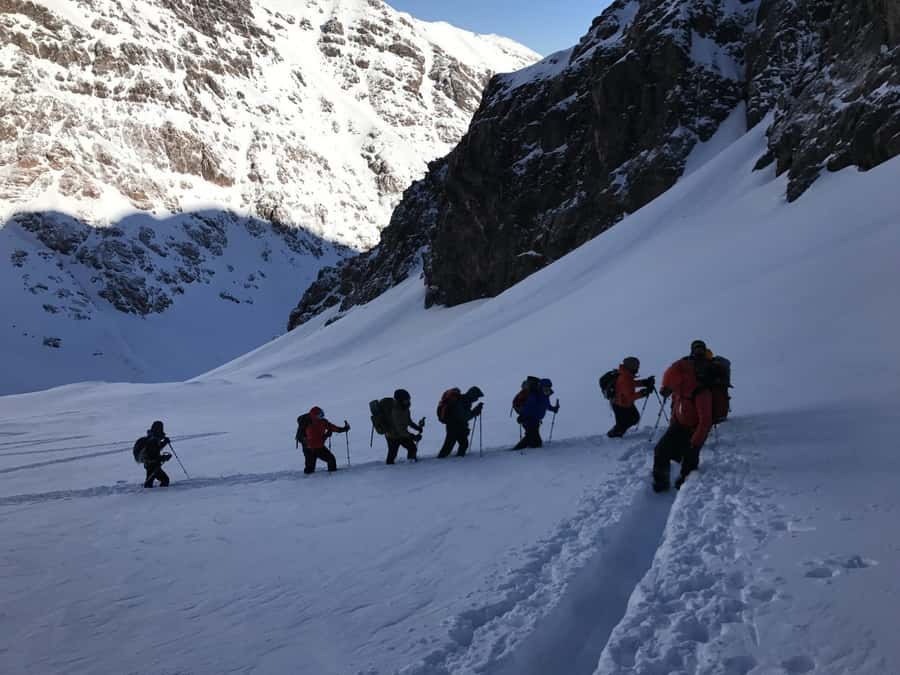
Good footwear is non-negotiable. Bring broken-in hiking shoes, comfortable socks, rain gear, warm layers, gloves, a hat, sunglasses, and a head torch.
You are asked to bring a towel, sleeping bag, and hiking shoes. If you do not have winter equipment, plan to rent it in Imlil rather than assume the mountain will be dry.
I would also pack:
- A refillable water bottle
- High-calorie snacks
- Cash
- Sunscreen
- A small daypack
- Spare socks
- A charged phone and power bank
Do not bring alcohol or drugs. Pregnant people and those with mobility impairments should not book this activity.
Who should book this trek?
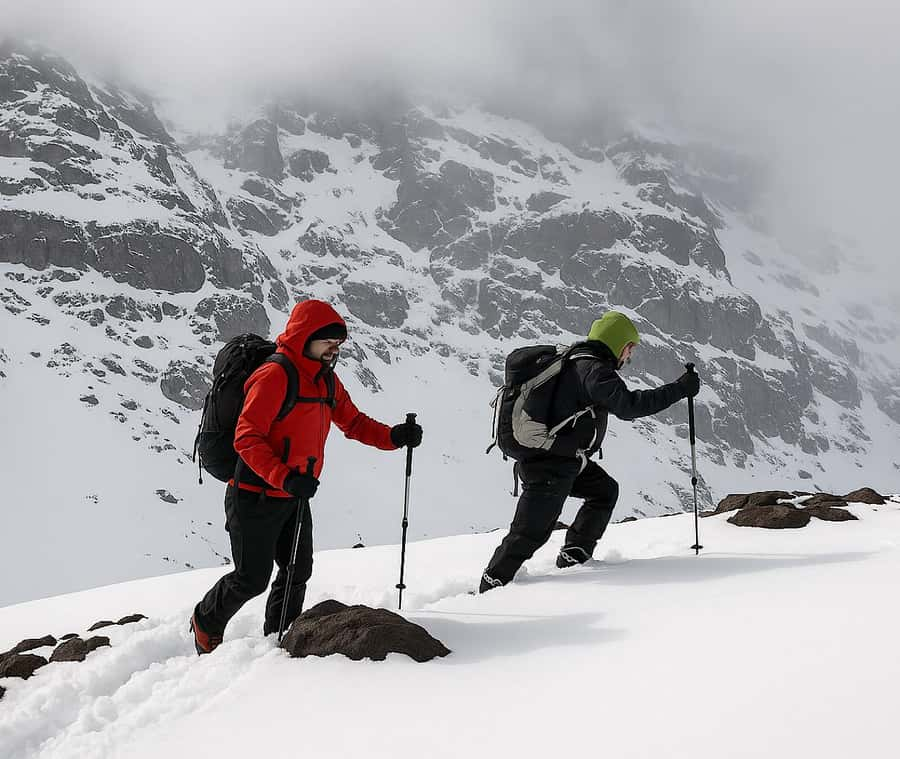
I would recommend it to a fit hill walker who wants a demanding first 4,000-meter peak and has limited time in Morocco. You do not need climbing experience, but you should be comfortable with long uphill days, loose rock, basic accommodation, and an early start in freezing conditions.
It can work for determined beginners, but I would not call it an easy introduction to hiking. The altitude gain is rapid, the summit day is very long, and the winter version can involve deep snow and heavy crampon use.
It also suits people who value local support. Berber hospitality, mountain meals, mule transport, and guides who work closely with the group are central to the experience. You get more than a summit photograph, even if the weather prevents the final ascent.
The tour offers free cancellation up to 24 hours before departure and allows you to reserve before paying, which is useful when your Marrakech plans are still changing. Check the starting time and pickup point carefully before departure.
Should you book the Mt Toubkal Ascent Express Trek?
Book it if you want the fastest practical route from Marrakech to a North African summit and you accept a hard second day. The combination of transport, food, local guides, refuge lodging, and a $147 starting price is difficult to beat.
Skip it if you want a relaxed mountain holiday, private rooms, guaranteed summit weather, or several days to adjust to altitude. For the best chance of success, arrive rested, bring proper layers and snacks, follow the guide’s pace, and treat a safe turnaround as a sensible result rather than a disappointment.
FAQ
How high is Mount Toubkal?
Mount Toubkal is 4,167 meters high and is the highest peak in North Africa.
How long do I walk on the first day?
The first day involves about five to six hours of walking, from Imlil at 1,740 meters to the Toubkal Refuge at 3,207 meters.
How long is the summit day?
The second day can involve 10 to 12 hours of walking, including the summit attempt, return to the refuge, and descent to Imlil.
Is Mount Toubkal a technical climb?
No. It is a challenging trek rather than a technical climb, though the route includes easy scrambling and snow slopes. From November to April, crampons and an ice axe may be needed.
Are meals and accommodation included?
Yes. Accommodation at the mountain refuge and meals listed for the trip are included, along with tea and coffee. The refuge has basic shared sleeping arrangements.
Can I rent equipment?
Yes. Sleeping bags, crampons, ice axes, warm clothing, walking poles, and other equipment can be rented in Imlil. A mule costs about 20 euros, while porters are not included.
More Two-Day Trips from the Atlas Mountains
- Marrakesh: 2-Day Mt. Toubkal Trek with 1-Night Stay & Meals
★ 4.7 · 795 reviews - Marrakech: 2-Day Atlas Mountains Trek with Village Stay
★ 4.8 · 717 reviews - From Marrakesh: 2-Day Mount Toubkal Trek
★ 4.7 · 591 reviews - From Marrakech: 2-Day Sahara Tour to Zagora & Ait Ben Haddou
★ 4.4 · 1,925 reviews
Just added for Atlas Mountains
- Paradise Valley & Atlas Mountains Adventure with optional LUNCH★ 4.5 · 80 reviews
- Agadir Taghazout: Paradise Valley & Atlas Mountains Swimming Trip★ 4.5 · 619 reviews
- Paradise Valley and Atlas Mountains Adventure in Agadir★ 5.0 · 156 reviews
- Marrakech: Ourika Valley and Atlas Mountains Day Trip★ 4.2 · 406 reviews
- Marrakesh: Ourika Valley & Atlas Mountains Day Trip + Lunch★ 4.7 · 605 reviews
- Marrakech: Zipline and Breakfast in the Atlas Mountains★ 4.9 · 361 reviews
- Marrakech: Zip-Line in the Atlas Mountains & Berber villages★ 4.9 · 94 reviews
- Marrakech: Ourika Valley,Waterfalls, Atlas Luxury Day trip★ 4.9 · 331 reviews
Hiking & Trekking, compared.
Berber villages : Atlas Mountains Day Hike from Marrakech
Read our review →
3 Days Desert Tour From Marrakech To Merzouga Dunes & Camel Trek
Read our review →
Ourika Valley Trip with Waterfall Hike & Lunch
Read our review →
ourika valley lunch & guided hike to waterfalls
Read our review →
3-Day Tour to Merzouga Erg Chebbi with Food & Camel Trek
Read our review →Browse the lists this tour appears in