
Reviewed · HIKING & TREKKING
From Marrakesh: 2-Day Mount Toubkal Trek
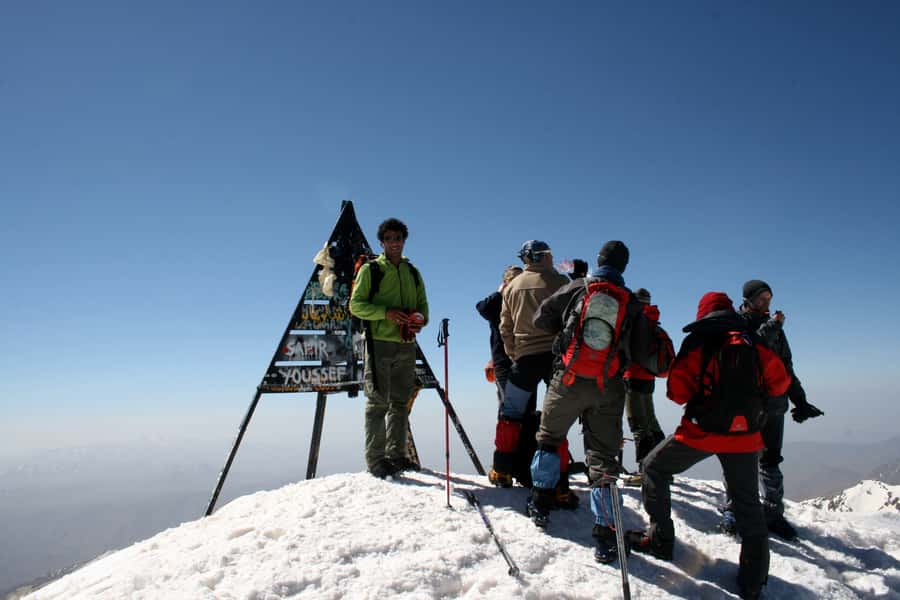
Mount Toubkal rises to 4,167 meters, and this two-day trip gives you a real summit attempt without arranging transport, meals, a refuge bed, and a mountain guide yourself. The reward is a wide view from the High Atlas across the Marrakech Plain and, on clear days, toward the Anti-Atlas and Sahara.
I like the small groups, often fewer than the maximum of 10, and the care shown by guides such as Rashid, Mustafa, Ahmed, Hassan, and AbdulSamad. I also like the simple, useful route through Imlil, Aremd, the Mizane Valley, and Sidi Chamarouch rather than a quick drive straight to the trailhead.
The catch is that this is not an easy sightseeing walk. The second day starts very early, altitude can slow you down, and snow or bad weather may stop the summit attempt altogether. You should book this as a mountain trek, not as a guaranteed photo trip.
Key points at a glance
- 4,167-meter summit: Reach the highest point in North Africa when weather, snow, and your condition allow.
- A proper two-day route: Walk from Imlil through Aremd and the Mizane Valley, then sleep at Toubkal Refuge.
- Local guide support: Guides including Rashid, Mustafa, Ahmed, Hassan, and AbdulSamad are praised for pacing, encouragement, and safety.
- Small-group format: Groups are limited to 10, with many departures operating at around six people.
- Winter conditions matter: Crampons and ice axes may be needed, and equipment can be rented in Imlil.
- Strong value at $125: Transport, guide, accommodation, meals, Wi-Fi, and pickup are included, though drinks, tips, and some gear rentals cost extra.
What the $125 price really covers
At $125 per person, this is a good-value package if you want the practical pieces handled for you. The price includes transport from Marrakesh to Imlil and back, a local mountain guide, one night at Toubkal Refuge, meals, and Wi-Fi.
That matters because a summit attempt involves more than walking. You need to reach Imlil, find the correct mountain route, arrange a place to sleep, eat along the way, and judge changing weather. Having one operator handle those details saves time and reduces the chance of a costly mistake.
Food is one of the stronger parts of the package. Reports describe generous and tasty lunches and dinners, with Moroccan-style meals served during the trek. Breakfast can be smaller, so I would bring compact snacks such as nuts, energy bars, or dried fruit. Water and snacks may also be available to buy along the route, but do not depend on every stop being open.
Soft drinks are not included. Tips are also not listed as part of the price, and several people specifically suggest leaving something for the guide. A tip is not a condition of booking, but it is worth budgeting for if your guide carries extra gear, adjusts the pace, or helps you through a difficult section.
More Hiking Tours in the Atlas Mountains
- Berber villages : Atlas Mountains Day Hike from Marrakech
★ 5.0 · 14,007 reviews - From Marrakech: Atlas Mountains Full-Day Hiking Trip w Lunch
★ 4.8 · 7,417 reviews - Marrakech: Ourika Valley Trip with Waterfall Hike
★ 4.6 · 6,792 reviews
From Marrakesh to Imlil and Aremd
Pickup is from your Marrakesh hotel or riad, usually with details sent by email the day before. If a vehicle cannot reach your accommodation, you receive a nearby meeting point. Be ready five to ten minutes early, since the drive to Imlil is the first fixed part of the day.
The ride takes you out of the city and into the High Atlas foothills. Imlil is the useful starting point for the trek, but it is also part of the experience. You get a look at a mountain village before the walking becomes more remote and strenuous.
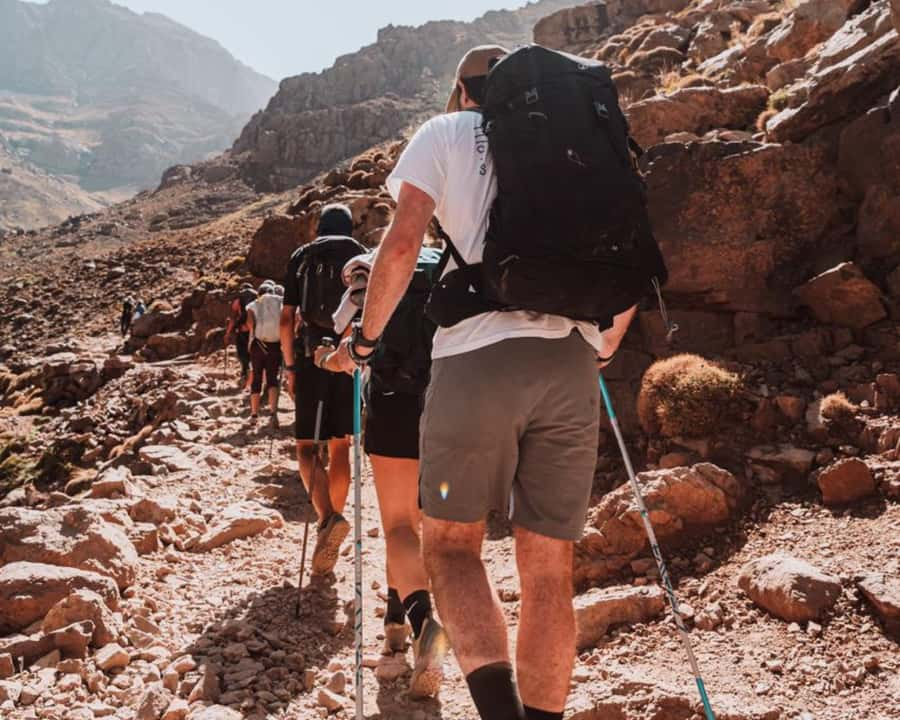
From Imlil, the route follows the Ait Mizane Valley toward Aremd. This first section gives you time to settle into your boots and get used to the pace. The trail uses mule tracks and climbs steadily, rather than throwing you straight onto a steep summit slope.
Aremd is a pleasant early landmark, but do not mistake this part for a gentle village stroll. The day eventually involves roughly six hours of uphill walking, according to the practical timing supplied by people who completed the route. The climb rises from around 1,000 meters to about 2,500 meters at the refuge, so the altitude gain is real even before summit day.
Sidi Chamarouch and the climb to Toubkal Refuge
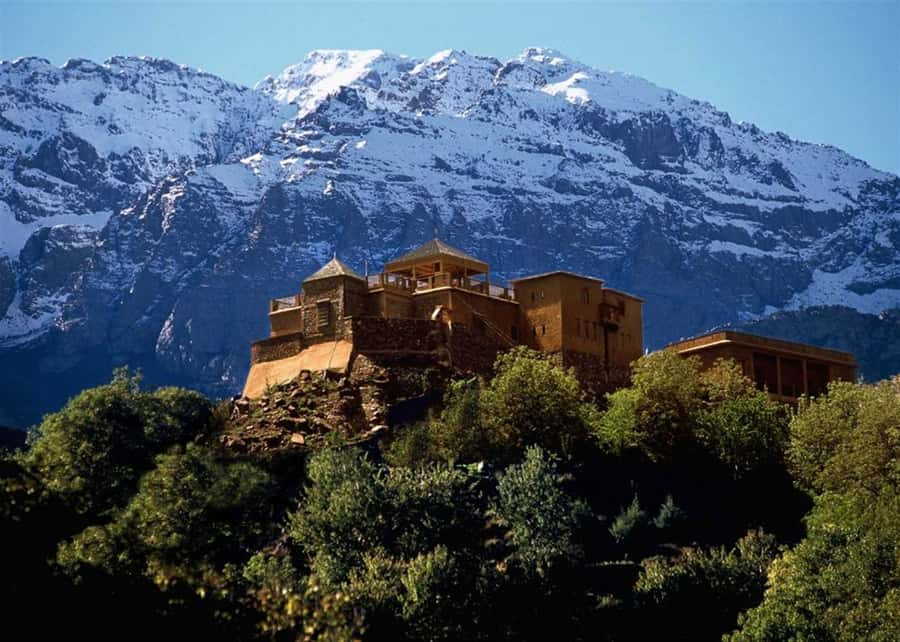
The route continues toward the shrine of Sidi Chamarouch, a striking white settlement and religious site set against the mountain. You should treat it as a cultural stop as well as a scenic one. The guide can help you understand what you are seeing, while the trail offers a natural break before the higher climb.
After Sidi Chamarouch, the surroundings become rockier and more exposed. You follow mule tracks into high cliffs, climbing above the tree line and, in colder months, toward snow. The views widen as the valley drops away, but the trail also becomes more demanding underfoot.
The refuge is the overnight base at around 2,500 meters. Accommodation is shared and practical rather than private or luxurious. One useful tip is to bring earplugs. The sleeping area may be livelier than you expect, and an early start means every hour of rest counts.
The food at the refuge is generally a strong point. Lunches and dinner are described as plentiful, and tea is available during the trek. Breakfast receives less enthusiastic attention, which is another reason to carry snacks from Marrakesh or buy them in Imlil.
Your guide’s role becomes especially important here. Rashid is repeatedly praised for staying close to slower walkers and helping with bags, while Mustafa, Ahmed, Hassan, and AbdulSamad are noted for encouragement and steady pacing. Those details matter more than a guide simply knowing the route. On summit day, patience and judgment are part of the service.
Summit morning at 4,167 meters
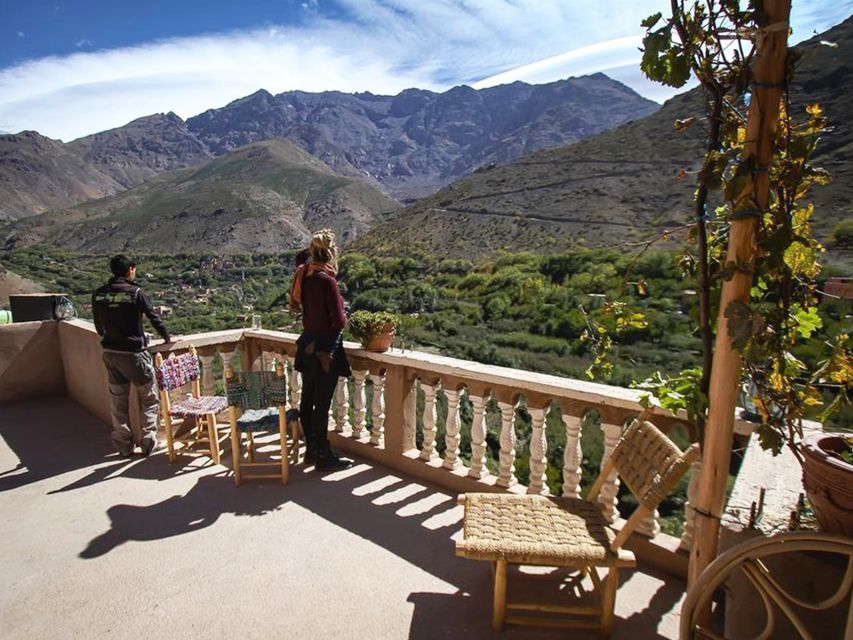
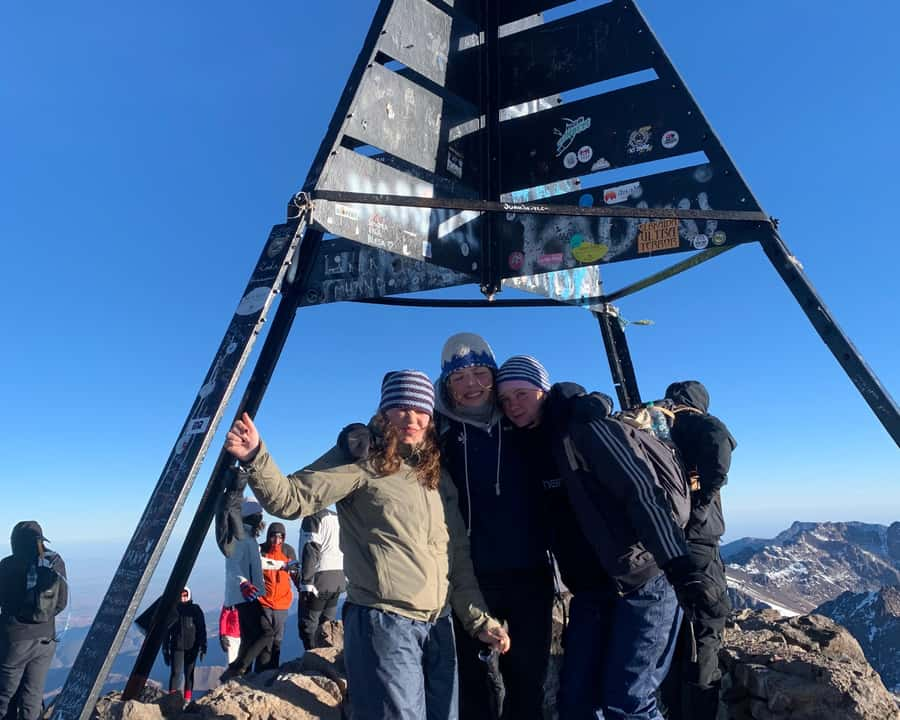
The second day starts in darkness, often around 4 a.m. You climb by the southern circle route, using a steady pace and frequent rests as needed. The early departure is designed to give you time for the ascent and, on a clear morning, a chance to reach the summit near sunrise.
The climb is not described as technically difficult in ordinary conditions, but that does not make it easy. Scree can shift under your boots, and the altitude changes the way your body handles even simple uphill walking. A route that feels manageable at sea level can feel slow and heavy above 4,000 meters.
Snow changes the equation. In winter, crampons and ice axes may be required. You can rent equipment locally, and the guide can help decide what is needed. Take that advice seriously. Recent snow, avalanches, or poor visibility can make a summit attempt unsafe.
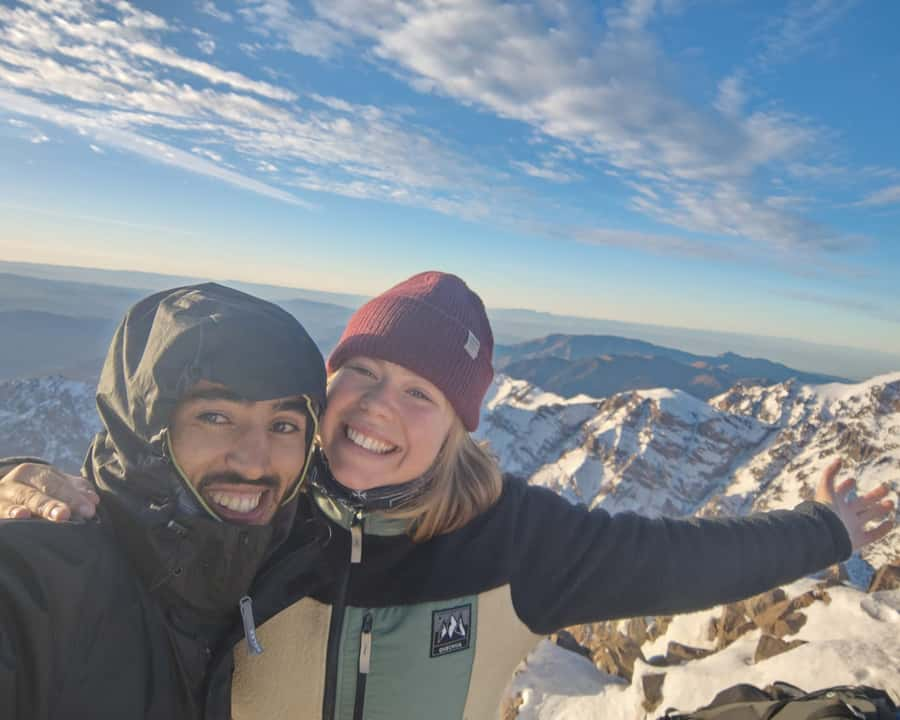
The summit itself is marked by a broad 360-degree view. Looking north, you may see the Marrakech Plain and the High Atlas. To the south, the view reaches toward the Anti-Atlas and the Sahara when the air is clear. The scenery is the payoff, but reaching the top is not guaranteed.
Bad weather has caused some groups to turn back, and police restrictions have also stopped access after a mountain casualty. In those situations, the group may hike around Imlil or climb a lower peak instead. That is disappointing if you came for the summit, but a guide who turns you around in dangerous conditions is doing the right job.
More Hiking Tours in Morocco
- Marrakech: Ourika Valley Trip with Waterfall Hike & Lunch
★ 4.9 · 5,303 reviews - Marrakech: ourika valley lunch & guided hike to waterfalls
★ 4.9 · 3,737 reviews - Marrakech: Atlas Mountains & Valleys Waterfall Hike w/ Lunch
★ 4.8 · 1,236 reviews - Mt Toubkal Ascent Express Trek 2 Days 1 Nights
★ 4.7 · 962 reviews
The descent is part of the challenge
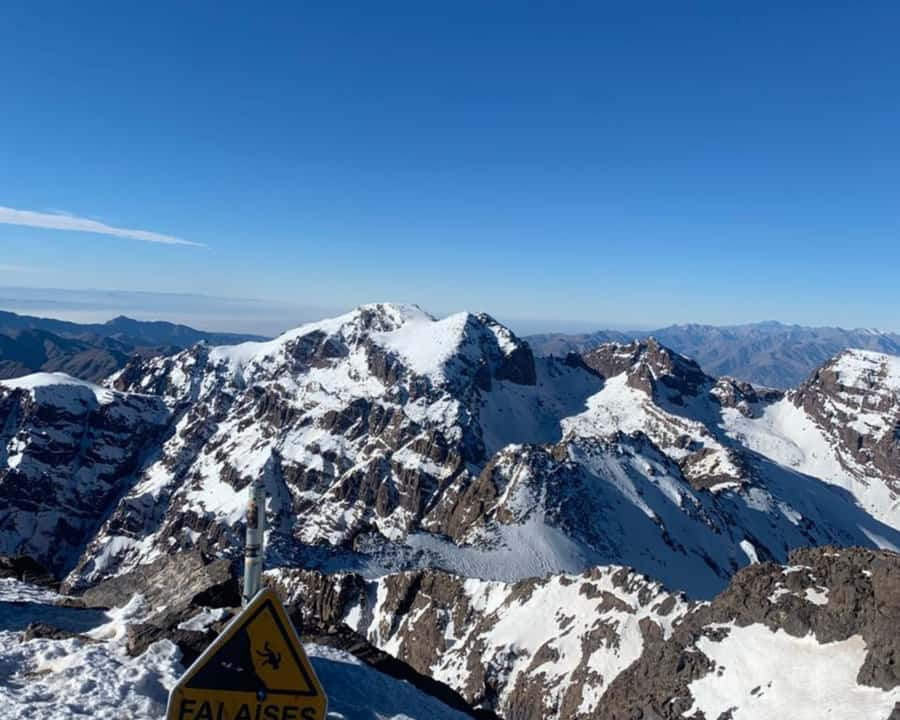
After the summit, you return down the mountain and continue toward Imlil before driving back to Marrakesh. The descent is shorter on paper than the full climb, but it is not effortless. Loose rock can be hard on tired knees, and the long day means you should save energy early.
This is where a group pace makes a difference. Strong walkers may want to move quickly, while others need longer rests. The better guides adjust the speed and keep an eye on the whole group. The strongest praise for this trip focuses on guides who stay with people who are sick, struggling, or considering turning back.
One particularly useful example is a guide walking back down with an unwell participant and arranging a taxi to Marrakesh. That is the kind of support you want on a high mountain. You should still understand that the guide cannot remove every risk or guarantee that you will finish.
The return drive is included, and a different drop-off point in Marrakesh can be arranged if you provide the address. After a long descent, that flexibility is welcome. You will likely be tired, dusty, and ready for a shower rather than another activity.
Guides, languages, and group size
The listed guiding languages are English, French, Spanish, and Arabic. Communication quality can vary by departure and by guide. One person found the guide friendly and technically capable but unable to speak English, so ask about language at the time of booking if detailed explanations are important to you.
The named guides connected with especially positive experiences include Rashid, Rachid, Mustafa, Moustfa, Ahmed, Hassan, Kamal, Mohamed, AbdulSamad, and Jamal. Names can vary from one departure to another, so you should not book expecting a particular person unless the company confirms it.
The advertised maximum is 10 participants, but several groups were smaller, including one of about six people. That is a useful size for a mountain trek. It allows the guide to notice how everyone is coping without making the outing feel private or expensive.
Small groups do not mean you can set any pace you like. You still need to cooperate with the group, follow the guide’s instructions, and accept pauses while others recover. For many people, the shared effort becomes part of the appeal.
What to bring and what to rent
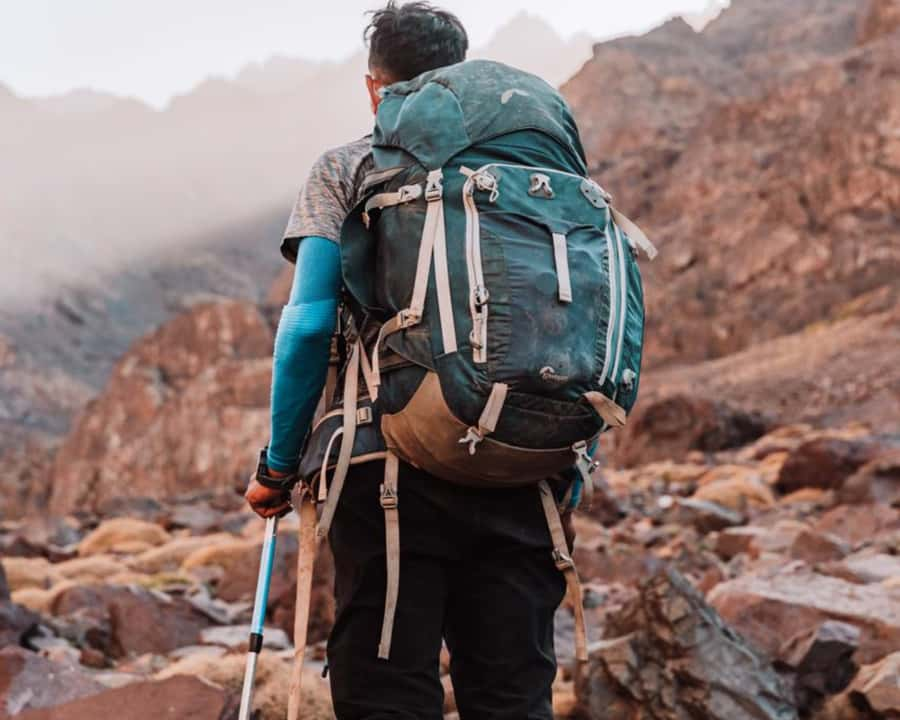
You need proper trekking gear and hiking shoes. Do not arrive in casual trainers and hope the route will be forgiving. The trail includes rock, scree, steep uphill sections, and possibly snow.
Bring your passport, as requested for the activity, and carry water and snacks. Warm layers are important because conditions can change sharply between Marrakesh, the refuge, and the summit. Gloves and a hat are sensible in cold weather, though the supplied information does not give a fixed packing list.
If you travel in winter, ask about crampons and an ice axe before leaving Imlil. Both can be rented locally, and the guide can advise you if snow conditions require them. Budget separately for rental gear and tips.
Altitude medication is also worth discussing with a medical professional before your trip. One person specifically recommended buying it cheaply from a Marrakesh pharmacy, but medication is a personal medical decision. Do not use it as a substitute for acclimatization, sensible pacing, or turning back when you feel unwell.
Who should book this trek?
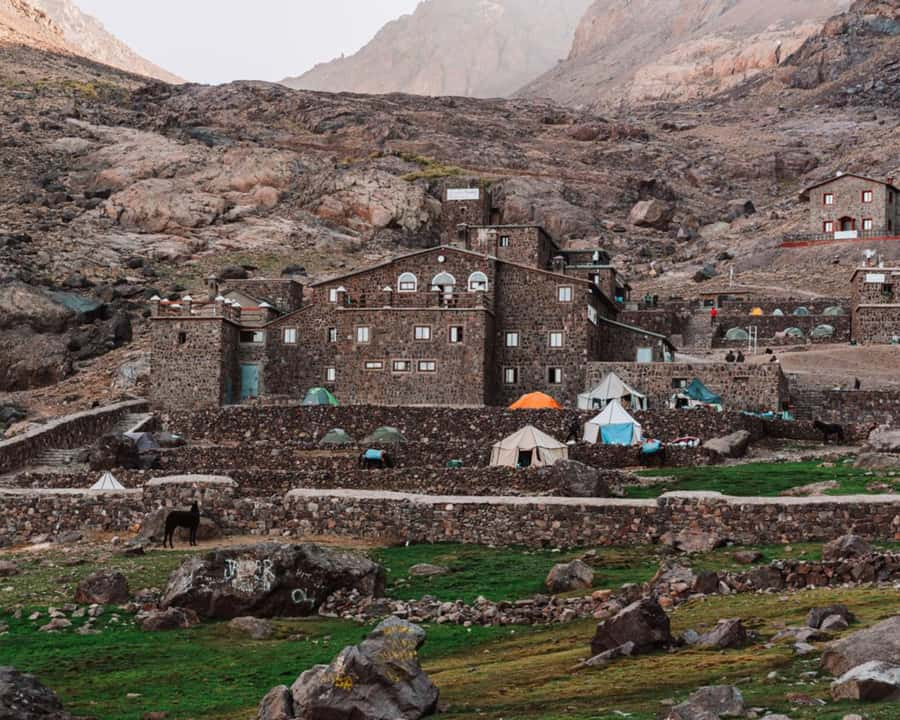
I would recommend it to fit walkers who want a serious two-day mountain outing and prefer a local guide to a self-planned route. It suits people who value scenery, simple mountain accommodation, included meals, and the chance to meet a small group.
It is less suitable if you want a relaxed excursion from Marrakesh or a guaranteed summit photograph. The trip includes long uphill walking, an early summit start, shared accommodation, uncertain weather, and a high-altitude route. You should be comfortable with the possibility of reaching only Imlil or a lower mountain if conditions are poor.
The activity can also work for solo bookers because you join a small group and receive transport and guiding. Fitness levels may differ, so go in expecting some waiting and a pace set by the group rather than by the fastest walker.
Free cancellation is available up to 24 hours before departure, and you can reserve now and pay later. The operator may cancel if there are not enough participants, so keep your email and phone available for pickup and schedule updates.
Should you book the Mount Toubkal trek?
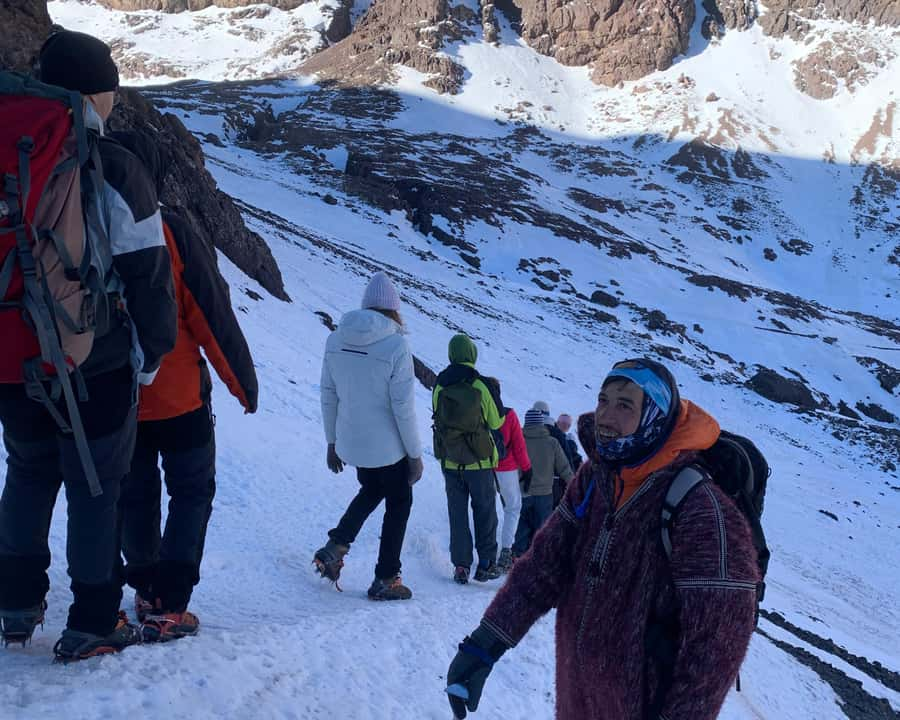
Book it if you want a well-priced, organized attempt on Toubkal and accept that mountain safety comes before the summit. At $125, the included transport, guide, refuge, meals, and small-group setup make this a strong deal.
Before paying, make sure you have hiking shoes, suitable layers, snacks, and money for gear rental and a tip. Ask about the guide’s language if that matters to you, and avoid placing the trek immediately before an important flight or fixed Marrakesh plan.
The best reason to choose this trip is not simply the summit. It is the combination of village trails, local guiding, mountain food, Sidi Chamarouch, and the chance to see the High Atlas at walking pace. If you can accept an early morning, tired legs, and a weather-related change of plan, this is a rewarding way to meet Morocco’s highest mountain.
FAQ
How high is Mount Toubkal?
The summit reaches 4,167 meters.
How long does the activity last?
The activity lasts two days and includes one night at Toubkal Refuge.
What is included in the price?
The $125 price includes a local mountain guide, one night of accommodation at Toubkal Refuge, all meals, transport to and from Imlil Village, and Wi-Fi.
Is pickup from my Marrakesh hotel or riad included?
Yes. Pickup from your hotel or riad in Marrakesh is included. If the vehicle cannot reach your accommodation, you receive a nearby meeting point.
Which languages are available for the tour?
Guides may speak English, French, Spanish, or Arabic. The exact guide and language can vary by departure.
Do I need winter equipment?
In winter, when snow is present, crampons and ice axes may be required. You can rent them locally, and the guide can help you decide what is needed.
What happens if the weather is too poor for the summit?
If snow or weather makes the summit unsafe, the activity may visit Imlil instead. Some groups may also hike around Imlil or climb a lower mountain.
More Two-Day Trips from the Atlas Mountains
- Marrakesh: 2-Day Mt. Toubkal Trek with 1-Night Stay & Meals
★ 4.7 · 795 reviews - Marrakech: 2-Day Atlas Mountains Trek with Village Stay
★ 4.8 · 717 reviews - From Marrakech: 2-Day Sahara Tour to Zagora & Ait Ben Haddou
★ 4.4 · 1,925 reviews - From Fez: Sahara Desert 2-Day Tour with Merzouga Camp Stay
★ 4.8 · 1,716 reviews
Just added for Atlas Mountains
- Paradise Valley & Atlas Mountains Adventure with optional LUNCH★ 4.5 · 80 reviews
- Agadir Taghazout: Paradise Valley & Atlas Mountains Swimming Trip★ 4.5 · 619 reviews
- Paradise Valley and Atlas Mountains Adventure in Agadir★ 5.0 · 156 reviews
- Marrakech: Ourika Valley and Atlas Mountains Day Trip★ 4.2 · 406 reviews
- Marrakesh: Ourika Valley & Atlas Mountains Day Trip + Lunch★ 4.7 · 605 reviews
- Marrakech: Zipline and Breakfast in the Atlas Mountains★ 4.9 · 361 reviews
- Marrakech: Zip-Line in the Atlas Mountains & Berber villages★ 4.9 · 94 reviews
- Marrakech: Ourika Valley,Waterfalls, Atlas Luxury Day trip★ 4.9 · 331 reviews
Hiking & Trekking, compared.
Berber villages : Atlas Mountains Day Hike from Marrakech
Read our review →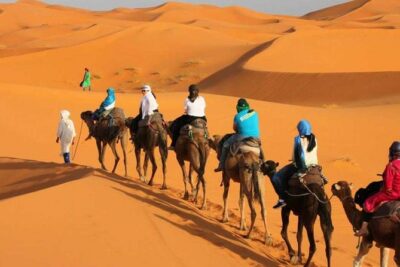
3 Days Desert Tour From Marrakech To Merzouga Dunes & Camel Trek
Read our review →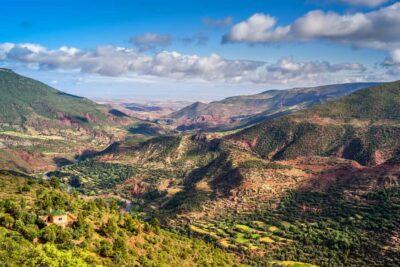
Ourika Valley Trip with Waterfall Hike & Lunch
Read our review →
ourika valley lunch & guided hike to waterfalls
Read our review →
3-Day Tour to Merzouga Erg Chebbi with Food & Camel Trek
Read our review →Browse the lists this tour appears in