
Reviewed · WALKING TOURS
Kigali: Walking Tour with a Local Guide
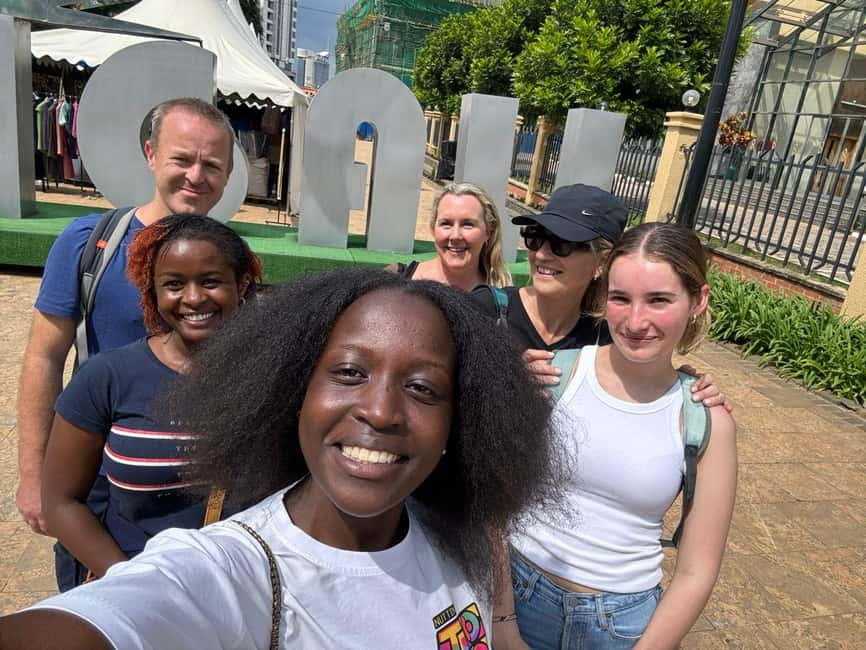
Kigali reveals itself best at street level, and this tour gives you a lively first look at the city in just two and a half hours. You move from Kigali Heights to Biryogo Car Free Food Street, local art, the solemn Belgian Peacekeepers Memorial, and Downtown, with guide Gloria adding the context that a map cannot provide.
I like the flexible route, especially if you have already visited the main memorial sites and want more neighborhood life. I also like the practical help with moto taxis, local food, drinks, and places to eat. The main consideration is that some transport costs are extra, and parts of the route use a motorbike or taxi rather than being entirely on foot.
Key points at a glance
- Meet at Kigali Heights: Find your guide at the Radisson and Kigali Heights roundabout, beside the fountain and statue.
- Taste local Kigali: Biryogo Car Free Food Street brings food stalls, crafts, and a more everyday view of the city.
- See Kigali through local eyes: Gloria is praised for her warm, clear explanations and useful advice for getting around.
- Expect some moto taxi travel: Short rides connect sections of the route, and your guide helps make the process easier.
- Mix serious history with city life: The Belgian Peacekeepers Memorial sits alongside galleries, markets, restaurants, and modern Downtown.
- Plan for the weather: The tour runs rain or shine, so carry water, a hat, weather-ready clothing, and comfortable shoes.
Why this is a smart first look at Kigali

Kigali can feel spread across hills, roads, and separate districts. A walking tour helps you connect those pieces. You are not simply driven past landmarks. You can stop, ask questions, watch daily life unfold, and get advice about the places you may want to revisit later.
The tour lasts 150 minutes, which is long enough to build a useful picture of the city without turning into an exhausting full-day outing. You will walk through public areas, browse local stalls, stop for photographs, and use a short taxi or motorbike ride when the route requires it.
Guide Gloria is the main reason this experience feels personal. Her style, based on the many tours she leads, is friendly and conversational. She explains Rwandan history and culture, answers questions directly, and adjusts the pace or route to suit the people with her. Several visitors found that this made the tour feel more like a walk with a well-informed local friend than a formal lecture.
That matters in Kigali. You may arrive with questions about the city’s past, its present-day development, local customs, transport, food, or neighborhoods. Gloria is particularly good at connecting those subjects rather than treating each sight as an isolated stop.
More Walking Tours in Africa:
- Marrakech: Ben Youssef, Secret Garden, & Souks Walking Tour
★ 4.6 · 2,802 reviews - Marrakech: Colorful Medina Souks Guided Walking Tour
★ 4.7 · 2,470 reviews - Explore Fes: Unforgettable Guided Walking Tour of the Medina
★ 4.7 · 1,339 reviews
Starting at Kigali Heights

The meeting point is the roundabout at Kigali Heights and the Radisson, marked by a fountain and statue. This is a useful central starting place, but arrive with enough time to locate the correct roundabout rather than wandering around the complex at the last minute.
The opening section gives you a first sense of Kigali’s modern side. Kigali Heights and the nearby convention center area provide a sharp contrast with the markets and older neighborhoods later in the route. Your guide may begin explaining the city here, giving you a framework for what you are about to see.
I recommend taking advantage of this opening to explain what you have already visited. If you have been to the Kigali Genocide Memorial, for example, you can ask for help putting that experience into a wider historical and social context. If you are new to the city, ask for suggestions about food, neighborhoods, and using moto taxis.
Biryogo Car Free Food Street, 20 minutes
Biryogo Car Free Food Street is one of the most useful stops because it puts you close to local food and ordinary city activity. You can walk without traffic pressing in, look at arts and crafts, and pause for photographs. The listed stop lasts about 20 minutes, so think of it as a quick introduction rather than a full market visit.
This is a good place to ask questions about what you are seeing. Your guide can help explain local snacks and point out items that may be unfamiliar. You may also get ideas for returning later at a slower pace.
The food street gives the tour an important change of tone. Kigali’s history is serious, but the city is also lived in every day through meals, small purchases, social meetings, and neighborhood streets. That balance helps you see more than a collection of memorials.
Bring cash. Food, drinks, crafts, and optional purchases are not listed as included in the $30 tour price. The cash may also be useful for transport later in the route.
The Belgian Peacekeepers Memorial
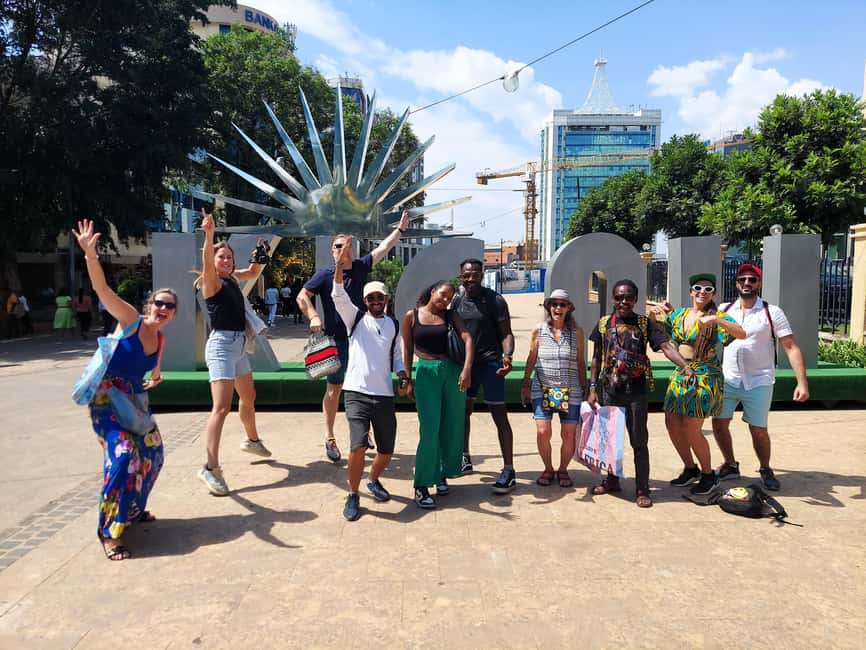
The Belgian Peacekeepers Memorial is the most solemn scheduled sight. It honors the Belgian peacekeepers killed during the 1994 genocide against the Tutsi. Your guide can provide historical context and help you approach the site with suitable respect.
The stop is planned for around 30 minutes and includes time for photographs, shopping, and an arts and crafts market visit. That combination may sound surprising beside a memorial, but it reflects the way Kigali works as a real city. Places of remembrance exist alongside daily commerce and community life.
Do not rush this section. The memorial carries more weight than a quick photo stop, and a local explanation can help you understand why it matters. If you prefer more time at the memorial, say so. The route is described as customizable, so your guide can discuss how best to use the available time.
One practical detail is easy to miss: the tour is not entirely walking. The guide uses a motorbike or taxi to move between the Inema Arts Centre and the Belgian memorial. The exact order may vary as the route is adjusted. Short moto taxi rides are also part of the experience for many people, and Gloria helps with the process.
If you have never used a moto taxi, this can be a useful introduction to local transport. Some people find the rides exciting; others may feel cautious. You can ask questions before setting off, and you should make your comfort level clear to the guide.
More Tours with a Local in Africa:
- From Tangier: Chefchaouen Day Trip with Local Guide
★ 4.8 · 3,287 reviews - Sal: Island Experience Tour with a Certified Local Guide
★ 4.8 · 3,249 reviews - Marrakech: Street Food Tour with a Local Guide
★ 4.9 · 3,119 reviews - Serengeti Balloon Safari and authentic bush breakfast
★ 5.0 · 2,480 reviews
Inema Arts Centre, 30 minutes
Inema Arts Centre adds color and creative energy to the route. The stop allows time for photographs, sightseeing, local snacks, and free time. You may visit galleries, look at contemporary work, and speak with artists if they are available.
This is more than a quick art detour. Kigali has a growing creative scene, and a local arts center gives you a look at how artists present Rwanda today. The work can also offer a different way to think about identity, memory, and modern city life.
The half-hour allocation is enough for an introduction, but not a full gallery crawl. If art is your main interest, you may want to ask whether the route can give this stop more time. If you are more interested in food or neighborhoods, the flexible plan lets you keep the visit moving.
Expect a change in pace here. After streets and food stalls, the gallery offers a calmer setting. You may also have the chance to sample a local snack. Details can vary, so bring an open mind rather than expecting a fixed tasting menu.
Downtown Kigali and the final city view
The Downtown stop lasts about 30 minutes and focuses on walking, sightseeing, and local explanation. This is where the tour brings together the different sides of Kigali: busy streets, shops, public spaces, and a city center shaped by ongoing growth.
The city is often described as clean, organized, green, and safe, but a guided walk shows what those broad labels mean on the ground. You can ask about daily routines, neighborhoods, transport, and the changes taking place around you.
The surrounding hills are another part of the appeal. Kigali’s setting gives many viewpoints a sense of space, and the tour may include scenic spots depending on the route and weather. The plan can also be adapted to include Nyarutarama Lake or the Nyamirambo neighborhood, both named as possible additions.
Do not expect a complete survey of Kigali in half an hour. One useful criticism of the tour is that it cannot provide a full citywide overview while also stopping for food, art, history, and conversation. Think of Downtown as a final orientation point, not a complete guided tour of every district.
Optional changes to the route
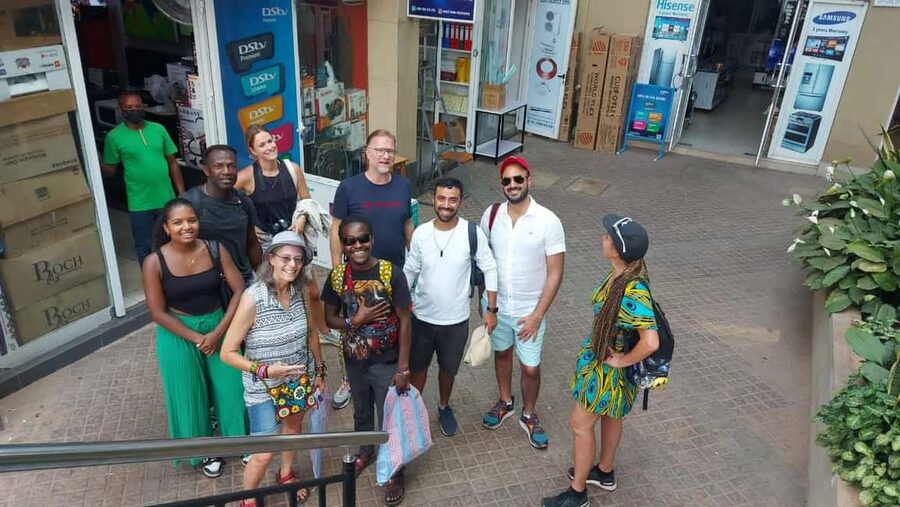
The tour is designed to be adjusted. You can discuss adding the Kigali Genocide Memorial, Nyarutarama Lake, Nyamirambo, local galleries, or scenic viewpoints. The exact route depends on your interests, how much time is available, and what you have already seen.
Nyamirambo is a strong choice if you want neighborhood atmosphere and alleyways leading toward views of the surrounding hills. Nyarutarama Lake suits you better if you want greenery and a quieter setting. The Genocide Memorial is important for anyone seeking a fuller understanding of Rwanda’s past, although it requires a thoughtful pace and may take attention away from the food and art stops.
Several people have used the tour after visiting other Kigali sights, finding it useful for asking follow-up questions. I think that is one of the best ways to use this experience. You do not need to book it only for your first morning. An extra day at the end of a trip can work just as well, especially if you want to discuss what you have already learned.
Gloria’s guiding style
Gloria receives the strongest praise for warmth, enthusiasm, clear explanations, and practical help. She is described as easy to talk with, patient, professional, and willing to answer questions about both history and present-day life.
That combination is valuable. A guide who only lists dates can make a city feel distant. A guide who only chats may leave you without useful context. Gloria’s approach appears to combine both: she explains Rwanda while also helping you feel more at ease in Kigali.
She also adjusts the tour when possible. If you have already visited an art gallery or memorial, tell her before the walk starts. If you want more food, more history, or more neighborhood time, speak up early. The experience works best when you treat the itinerary as a starting point rather than a rigid script.
The tour is conducted in English. Guides may help with basic Kinyarwanda translations, but the activity is not advertised as a multilingual tour. If you need another language, confirm before booking.
Price, pace, and practical value

At $30 per person, the tour offers a useful blend of guiding, orientation, local transport advice, cultural stops, and time in several parts of Kigali. I consider it good value if you want help making sense of the city and plan to use the advice for the rest of your stay.
The value is less clear if you want a long, entirely pedestrian route or a deep visit to one museum. This is a sampler. You are paying for a local introduction and the ability to ask questions, not admission to a large number of attractions.
Transport fees are not listed among the included items. Since the route may use a motorbike or taxi between the art center and memorial, carry cash and expect to pay those short fares separately. Food, drinks, and craft purchases should also be treated as extra.
Wear comfortable shoes, bring water, and use weather-appropriate clothing. A hat and camera are recommended. Since the tour runs rain or shine, a forecast check before leaving is sensible.
The activity is not suitable for children under 10 or people over 70. That limit likely reflects the walking and motorbike portions, but you should consider your own mobility and comfort as well.
Free cancellation is available up to 24 hours before the tour for a full refund. You can also reserve now and pay later, which helps if your Kigali schedule is still changing.
Who should book this Kigali walk?
I would choose this tour for a first or second day in Kigali if you want to get your bearings quickly. It suits solo visitors, couples, and small groups who prefer conversation and local advice over a rigid sightseeing checklist.
It is also a good fit for solo women who want an easier start in the city. Gloria’s presence, practical guidance, and help with transport can make the first independent walks feel less daunting.
Book it if you enjoy mixing serious history with food, art, city streets, and local transport. Skip it if your main goal is a long museum visit, a fully walking-only route, or a tightly fixed schedule with no changes.
Should you book it?
Yes, if you want a friendly introduction to Kigali with room for questions and route changes. The strongest reasons are Gloria’s personal approach, the useful mix of Biryogo, Inema, the Belgian memorial, Downtown, and the chance to learn how moto taxis work.
Just keep your expectations in the right place. This is a compact orientation, not a complete tour of Kigali. Bring cash for transport and snacks, prepare for rain or sun, and tell Gloria what you most want to see. Used that way, the $30 fee buys more than a list of sights. It gives you a local starting point for exploring the city on your own.
FAQ
How long does the Kigali walking tour last?
The tour lasts 150 minutes, or two and a half hours.
How much does the tour cost?
The price is $30 per person.
Where do I meet the guide?
Meet at the roundabout of Radisson and Kigali Heights, beside the fountain and statue.
What language is the tour conducted in?
The tour is conducted in English. Guides may assist with basic translations in Kinyarwanda.
Is the entire tour on foot?
No. The guide uses a motorbike or taxi to move between some locations, including the section between the Inema Arts Centre and the Belgian Peacekeepers Memorial.
Are transport costs included?
Transport is not listed among the included items, so bring cash for motorbike or taxi fares.
What should I bring?
Bring comfortable shoes, a hat, a camera, water, and cash. You should also wear clothing suitable for the weather.
Does the tour run in the rain?
Yes. The tour operates rain or shine, so check the forecast and prepare accordingly.
Can the itinerary be changed?
Yes. The itinerary is customizable. Possible additions include the Kigali Genocide Memorial, Nyarutarama Lake, Nyamirambo, local galleries, and viewpoints.
Just added for Africa
- Full Day Cape Point Sightseeing Tour★ 4.5 · 84 reviews
- Best of Cape Town Full-Day Private Tour with Table Mountain★ 5.0 · 195 reviews
- Full Day Small Group Wine Tour Cape Town and Stellenbosch★ 5.0 · 79 reviews
- Drumstruck at Silvermist. Live African Drum Show & Wine tasting★ 5.0 · 137 reviews
- Bo-Kaap: Walk with a local★ 5.0 · 131 reviews
- From Cape Town: Full Day Guided Hermanus and Whale Tour★ 5.0 · 155 reviews
- Cruise and Dine Lunch / Cape Town: Coastal Motor Cruise and 2-Course Lunch★ 4.5 · 151 reviews
- Cruise and Dine Dinner / Cape Town: Sunset Champagne Cruise and 3-Course Dinner★ 4.0 · 128 reviews
Walking Tours, compared.
Ben Youssef, Secret Garden, & Souks Walking Tour
Read our review →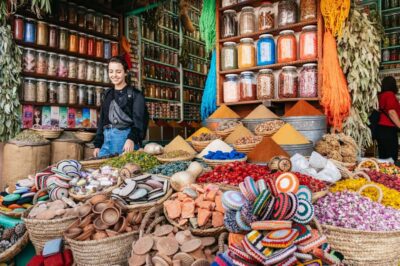
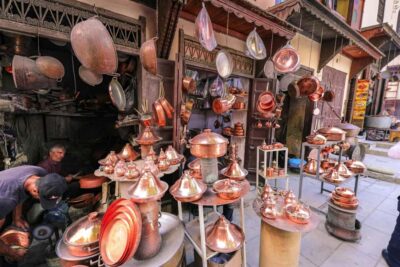
Explore Fes: Unforgettable Guided Walking Tour of the Medina
Read our review →
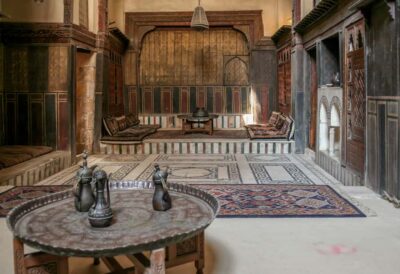
Old Cairo Guided Walk Tour: History, Culture & Street Bites
Read our review →

Plettenberg Bay: Bungee Jumping with Zipline and Sky Walk
Read our review →
Walking Tour Through Old Town Mombasa and Fort Jesus
Read our review →Browse the lists this tour appears in