Reviewed · FOOD TOURS
Marrakech: Authentic Moroccan Food Walking Tour & Dinner
Marrakech reveals itself through food, and this tour gets you past the obvious stalls. You may sip herbal tea with a local specialist, try snails in fragrant broth, sample Moroccan pancakes, and finish with tajine or grilled meat. Yaya, Ali, Rachid, and other local guides have led this walk with humor and plenty of context.
I like the wide range of tastings, from familiar mint tea and olives to sheep’s head and cactus fruit. I also like that the tour helps you feel at ease in the Medina, where narrow lanes, busy stalls, and unfamiliar foods can be a lot to handle alone. The main drawback is simple: you need to arrive hungry. The tasting stops keep coming, and the final meal can leave even enthusiastic eaters full.
Key points at a glance
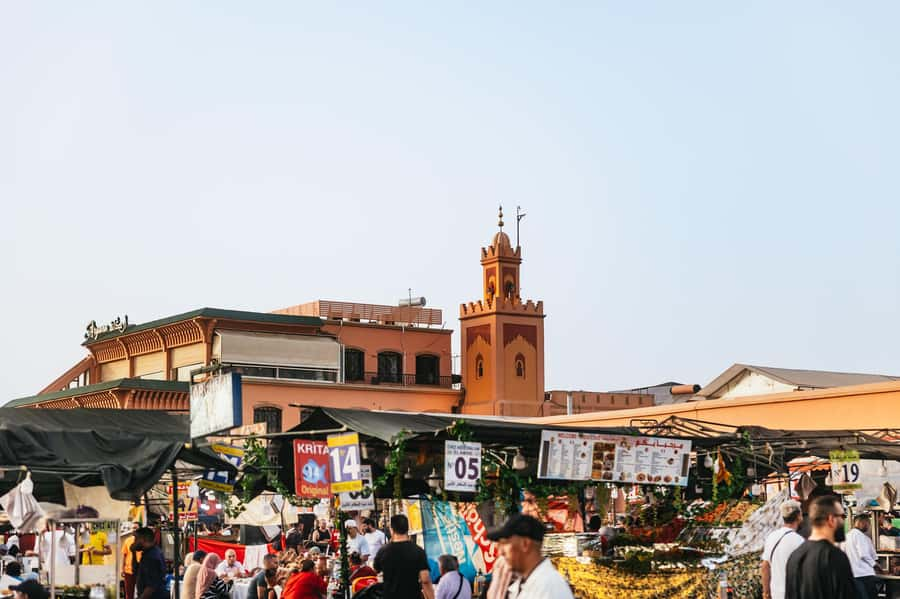
- Two changing food routes: Your guide chooses between routes with different local specialties, so the exact menu is not fixed.
- A true Medina walk: You visit small eateries, market stalls, and food spots used by locals rather than sticking to one restaurant.
- Some adventurous bites: Babbouche, or Moroccan snails, and sometimes steamed sheep’s head may be served alongside easier choices.
- Dinner is included: Depending on the route and timing, finish with tajine at a local restaurant or grilled meat in an open-air setting.
- Good first-night activity: The walk introduces food, etiquette, neighborhoods, and practical tips for navigating Marrakech.
- Strong value at $52: Multiple tastings, a guide, mint tea, and dinner make this more than a simple restaurant meal.
Why this food walk works so well in Marrakech
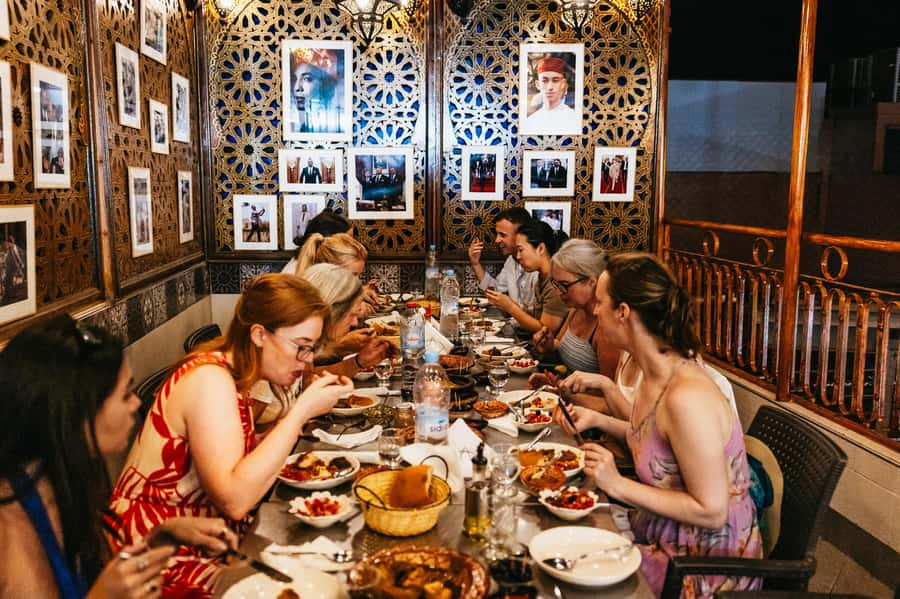
Marrakech is easiest to understand one bite at a time. The food is tied to Ramadan, family celebrations, tea rituals, market trade, and the rhythm of the Medina. A plate of olives is not just a starter, and Harira is not simply soup. Each stop gives your guide a reason to explain how people eat, when they eat it, and why certain dishes matter.
You meet in front of Poste du Maroc on Rue Beni Marine, then return to the same general starting point after about three hours. There is no hotel pickup, so you need to make your own way to the meeting point. Wear comfortable shoes. This is a walking tour through the Old Medina, not a seated tasting with short transfers between restaurants.
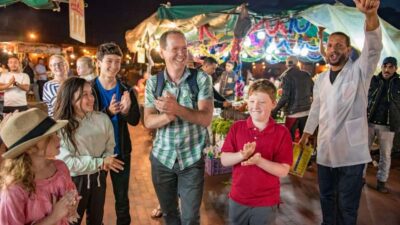
I especially like the way the experience uses food to make the Medina less intimidating. A local guide can point you toward a stall, explain what is being served, and help you decide how adventurous to be. Several guides, including Yaya, Ali, Mehdi, and Rachid, are praised for being funny, friendly, and generous with advice about Marrakech beyond the meal.
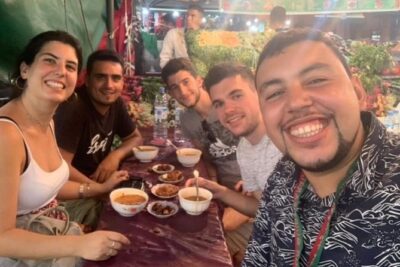
The social side matters, too. The tour can work well for solo visitors and families because the tastings create an easy reason to talk. One family with children aged seven to twelve found the food and market stops engaging, while another group enjoyed meeting people from different countries. Group size is not specified, so you should be prepared for a shared walk rather than a private tour.
More Food Tours in Marrakech
- Marrakech: Street Food Tour with a Local Guide
★ 4.9 · 3,119 reviews - Marrakech: Street Food Tour by Night
★ 4.8 · 2,838 reviews - Authentic Moroccan Food Tour in Marrakech with Dinner
★ 5.0 · 1,423 reviews
The first tastings: sweets, tea, and Moroccan comfort food
The opening stops may focus on small sweets. Moroccan coconut macaroons are a gentle beginning, especially for children or anyone still deciding how adventurous to be. Kaab Ghzal, often translated as gazelle ankles, is a pastry filled with almond paste and scented with orange blossom water. It offers a clear introduction to the floral, nutty flavors that appear in Moroccan desserts.
Fakya is another useful stop. This mix of dried fruits and nuts is often prepared for celebrations and shared among family and friends. It gives you a taste of Moroccan hospitality in a very literal way. You are not just sampling a dish made for tourists. You are seeing the sort of food placed on a table when people gather.
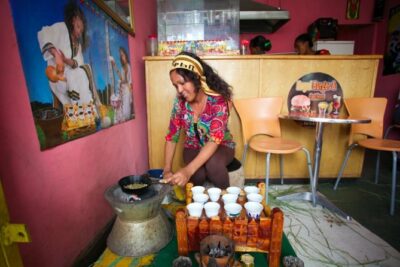
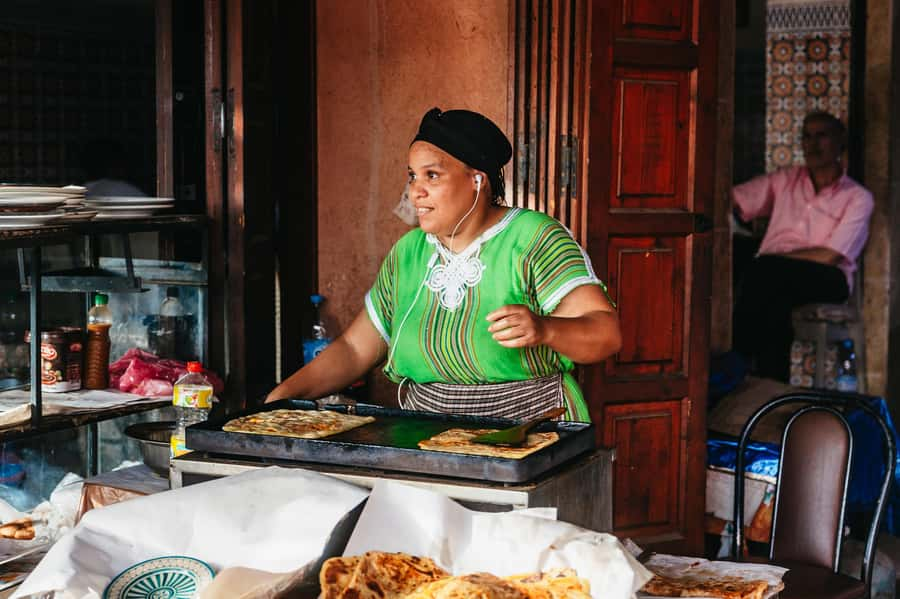
Mint tea and Msemmen provide a more substantial pause. Msemmen is a pan-fried Moroccan pancake, sometimes served with honey and cheese. It is crisp, soft, rich, and filling, so enjoy it slowly. The combination with mint tea also shows how tea functions as a social ritual rather than a quick drink.
The second possible route includes Msemen Amer, a savory version stuffed with fillings such as spiced vegetables. This is a useful contrast with sweet Msemmen. If you have eaten Moroccan pancakes only with honey, the savory form may be one of the more memorable discoveries of the evening.
Sfenj may also appear. These Moroccan donuts are crisp on the outside and airy inside, and they are a familiar street snack. They are best understood as a casual food eaten fresh, not as a polished dessert course. Since the tour includes many stops, you may want to share larger items or take smaller portions when possible.
Harira, dates, and the meaning of breaking fast
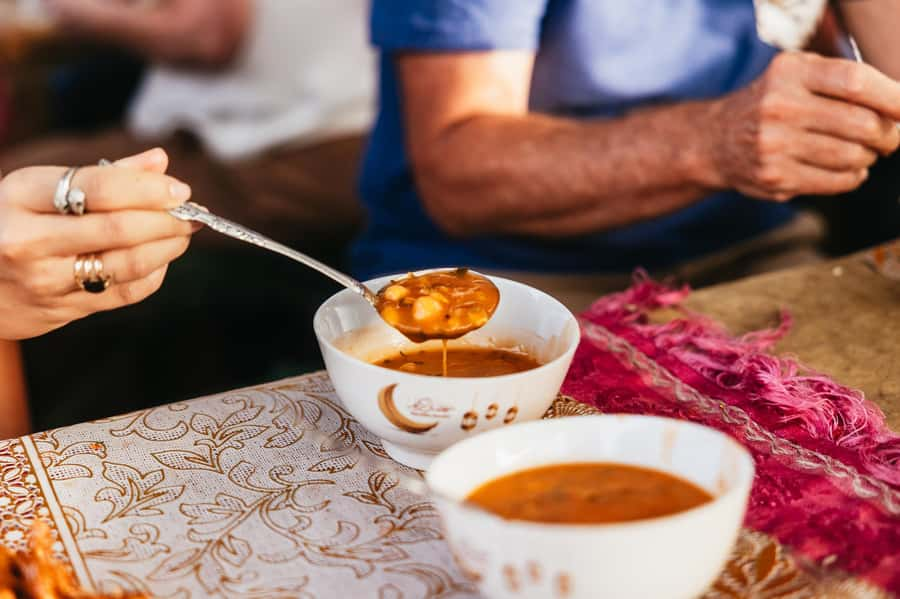
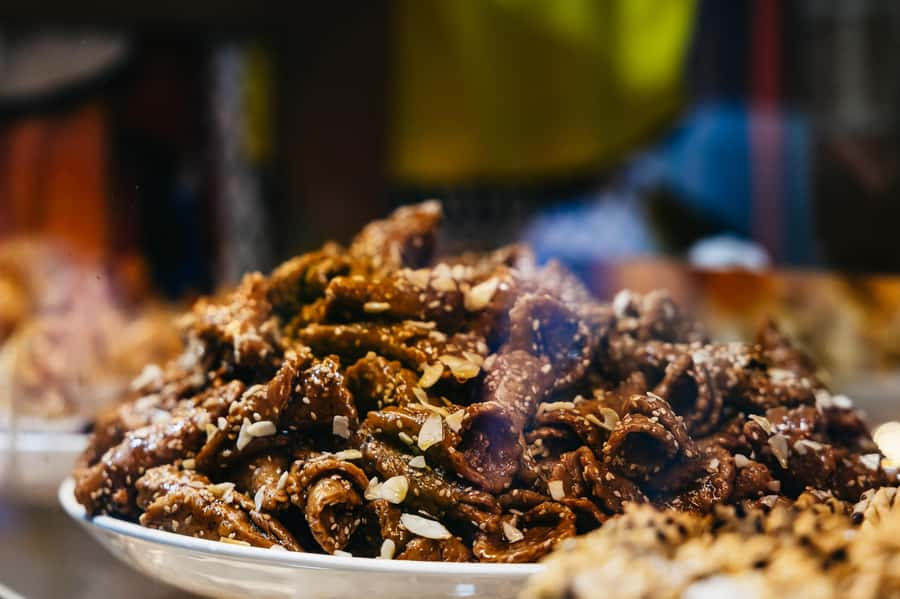
Harira is one of the most important dishes on the tour. This traditional soup is often served with dates and Chebakia, a sticky, sesame-covered sweet. The pairing is closely linked with breaking the fast during Ramadan, when the soup and sweet help begin the evening meal.
Even outside Ramadan, this stop gives you a practical way to understand Moroccan food customs. Harira is warming and savory, while Chebakia adds sweetness and spice. The contrast is part of the point. Your guide can explain how the foods fit into daily and religious traditions, rather than simply naming the ingredients.
If you visit during Ramadan, check the dinner arrangements before booking. The activity information says the dinner portion is not available during Ramadan, although the route can coincide with sunset and the end of the fast. That timing may let you see the Medina come to life after evening prayer, but the exact food service can differ.
This is also where the tour’s changing route matters. The menu depends on the guide, season, and pace of the evening. You should treat the listed foods as a generous preview, not a guaranteed checklist. If you have a strong interest in one dish, ask your guide at the start.
The more unusual stops: snails, sheep’s head, and cactus fruit
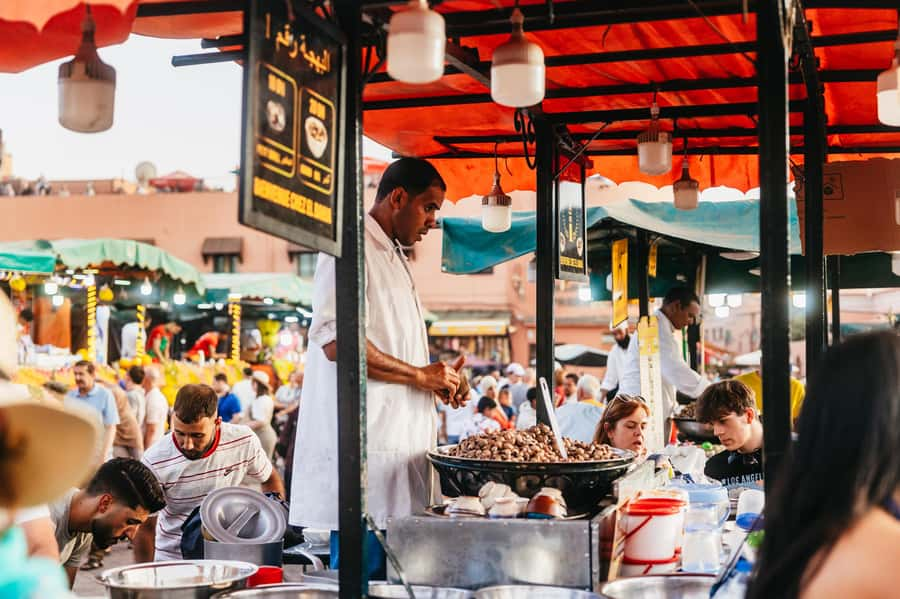
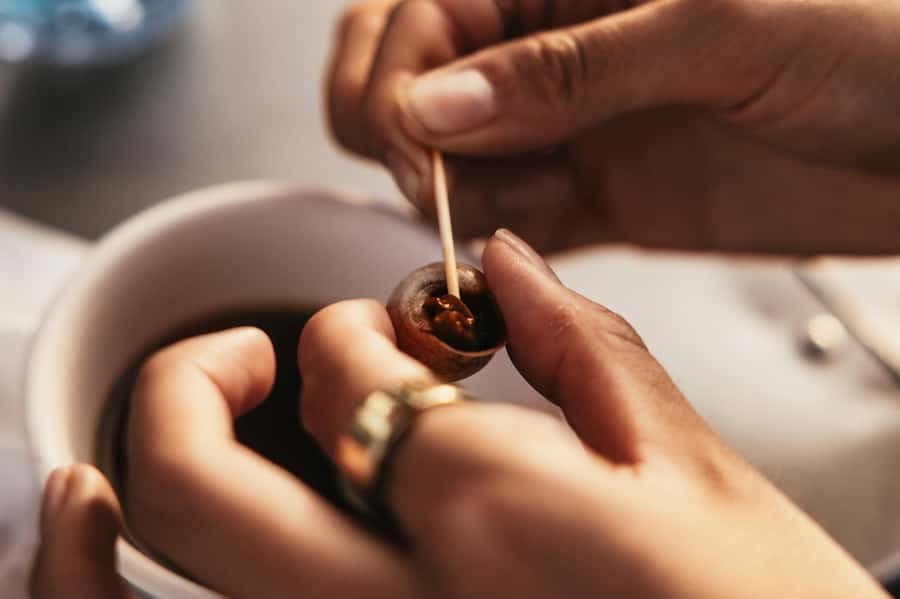
Babbouche, or Moroccan snails, is often the stop that makes people pause. The snails are cooked slowly in an aromatic herbal broth. The flavor comes as much from the seasoned liquid as from the snails themselves, and you can choose how much to try.
This is a good example of the tour’s value. You can find safe, familiar foods anywhere in Marrakech. It takes a local contact and some encouragement to try a dish you may not recognize. You are never required to force down something you dislike, but sampling a small portion can turn an unfamiliar food into a story you remember.
The second route may include Rass Mbekher, delicately steamed sheep’s head seasoned with cumin. This is the most adventurous item listed. Sometimes it is replaced by local Chawarma, made with succulent chicken or crisp falafel. If you avoid meat, shellfish, or unusual textures, tell your guide early so substitutions are easier to arrange.
Lhindiya, or cactus fruit, offers a break from heavier food. It is cool and refreshing, particularly in hot weather, and adds a simple fruit stop to an evening otherwise filled with pastries, pancakes, soup, and grilled food.
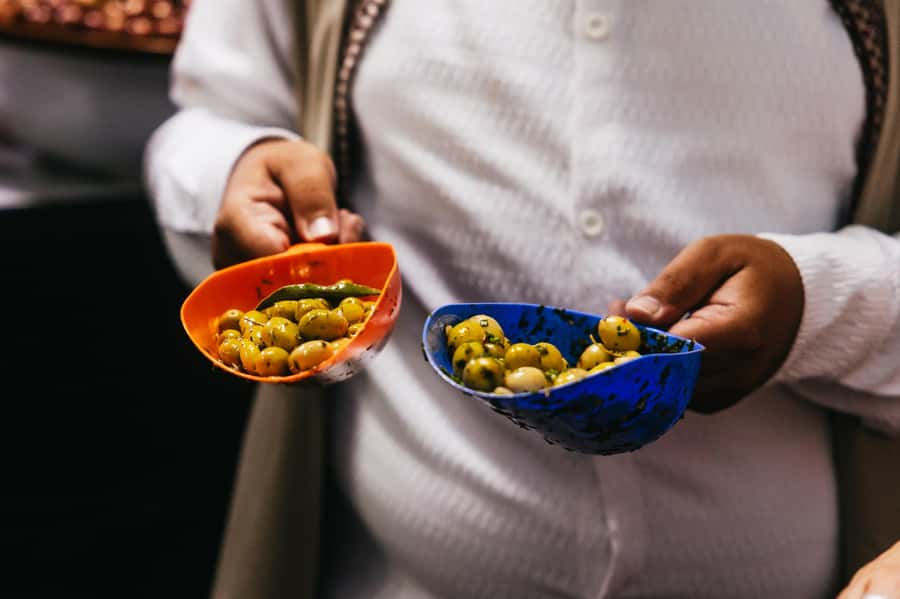
The tour may also include olives in several styles, including green olives with a smooth texture and red olives tossed with parsley and cilantro. Morocco takes olives seriously, and tasting different versions helps you notice the range of salty, herbal, and fruity flavors on offer.
More Food Tours in Morocco
- Marrakech: Jemma El Fnaa Food Tour with Dinner
★ 4.7 · 394 reviews - Marrakech Night Street Food Tour / Taste The Real Marrakech
★ 4.9 · 200 reviews - Marrakech: Medina Stories Food Tour with 15+ Tastings
★ 5.0 · 141 reviews - Authentic Food Tour in Agadir – Eat Like A Local
★ 5.0 · 117 reviews
A short herbalist stop with spices and tea
Depending on timing, your guide may stop at a traditional herbalist’s shop. This is not presented as a major shopping session. It is a short break where you can learn about Moroccan spices, sip mint tea, and use the restroom.
The stop can be useful after several food tastings because it gives the group a moment to slow down. One of the guides at the herbalist was remembered for his humor and welcoming manner, which suggests that the personality of this brief visit can vary by evening.
Keep your expectations clear. The purpose is cultural explanation and a pause, not a formal cooking class. If you are interested in Moroccan spices or herbal preparations, this may be a highlight. If you prefer a nonstop food crawl, it is still short enough not to disrupt the evening.
The final dinner: tajine or open-air barbecue
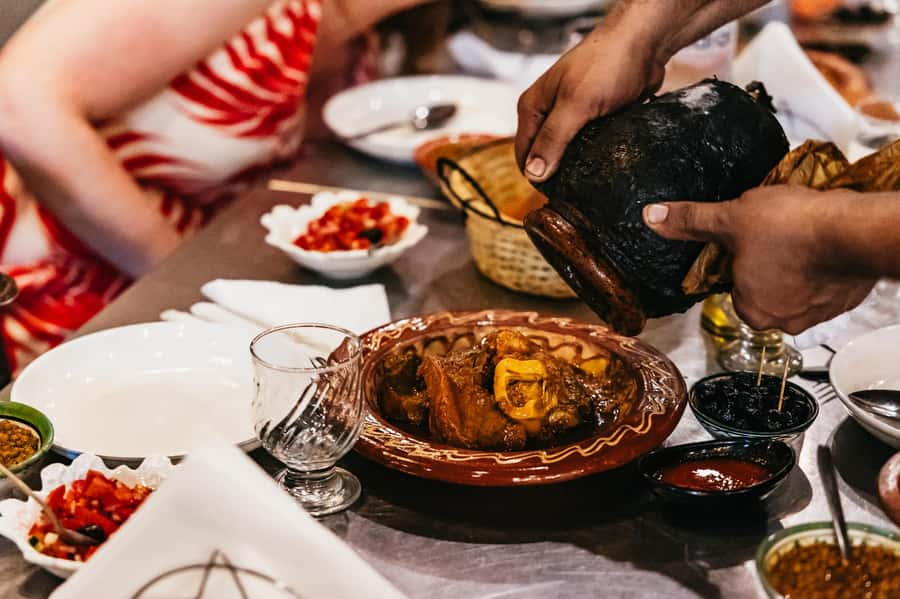
The first route ends at a cozy local restaurant for fresh Moroccan salad and a hearty tajine, followed by Raïb. Tajine is slow-cooked and deeply seasoned, and it gives you a proper seated meal after the smaller tastings. Raïb is homemade yogurt with a creamy texture, a calm finish after a night of sweet, salty, and spicy foods.
The other route ends with an open-air Chwa experience, a Moroccan barbecue featuring grilled beef, turkey, and liver. This version feels more like a market meal and may suit you if you want to see meat cooked over a grill rather than served in a covered dish.
Panaché may appear before or around dinner. It is a colorful smoothie made from seasonal fruit, and it can be a welcome change from hot tea. Khoudenjal, a warm herbal infusion made with galangal root, may also be served. It is traditionally enjoyed for digestion and as a comforting drink in cool weather.
The dinner is not an afterthought. It is the part that makes the $52 price easier to assess. You are paying for a guide, several tasting stops, mint tea, and a full Moroccan meal. If you visited each place independently, you might spend less on food alone, but you would lose the explanations, introductions, and route planning. If you are mainly seeking a quiet, refined dinner, book a restaurant instead.
What the $52 price buys you
At $52 per person, this is a strong-value experience for anyone who wants both dinner and orientation. The price includes a certified local English-speaking guide, specialty food samples at multiple stops, mint tea, and either tajine at a local restaurant or open-air grilled meat.
The best value comes from variety. You may try more than a dozen items, although the exact count changes with the route and group pace. A single restaurant meal gives you one setting and perhaps two or three dishes. This walk gives you a picture of how Moroccan food moves from street snack to family celebration to evening meal.
There are limits. Hotel transportation is not included, and the activity starts and ends at Poste du Maroc. You also need to pay attention to the meal arrangements if you visit during Ramadan. The activity is three hours, but the amount of food is substantial, so do not plan another large dinner afterward.
Who should book this Medina food tour
I would choose this tour early in a Marrakech stay. It can help you get comfortable with the Medina, understand local food names, and learn where to return later. Several people who followed the route went back to some of the food spots during the rest of their stay, which is one of the clearest signs that the walk serves a practical purpose.
It suits you if you:
- Want a broad introduction to Moroccan food
- Enjoy trying small portions of unfamiliar dishes
- Prefer local stories over a standard sightseeing route
- Like social group activities
- Want dinner included rather than arranging it yourself
- Are comfortable walking through busy Medina lanes
Families can enjoy it, especially if children are open to sweets, pancakes, fruit, and small tastings. Vegetarians should tell the guide in advance or at the start. One vegetarian participant received alternatives throughout the evening, but the available substitutions can depend on the route.
You may want to skip it if you have strict dietary restrictions, dislike walking, or want complete control over every dish. The changing route is part of the charm, but it also means you cannot count on every listed specialty.
Practical tips for a better evening
Eat a small lunch and keep the afternoon light. The tour can include sweets, soup, pancakes, olives, fruit, tea, and a full dinner. Arriving hungry is not a slogan here. It is sensible planning.
Wear shoes that can handle three hours of walking. The Old Medina has narrow streets and an uneven rhythm of stopping, walking, tasting, and waiting. Comfortable clothing also helps because the evening can feel long if you are already tired.
Meet your guide in front of Poste du Maroc on Rue Beni Marine. Since hotel pickup is not included, allow enough time to find the post office and locate the guide. The tour is conducted in English.
Use the free cancellation option if your schedule is uncertain. You can cancel up to 24 hours before the activity for a full refund, and the reserve-now, pay-later option lets you hold a place without paying immediately. Check the available start time for your date, since the tour lasts three hours and the Medina changes character after sunset.
The activity has a 4.8 rating from 261 reviews, with repeated praise for the guides’ humor, warmth, local knowledge, and ability to explain food culture. The strongest guide names appearing in the feedback are Yaya or Yahya, Ali, Rachid, Mehdi, and Mohammed, though your guide may be someone else.
Should you book it?
Book this tour if you want Marrakech to make sense through its food, and if you like the idea of trying both familiar and unusual dishes with a local guide nearby. The combination of Medina walking, cultural stories, many tastings, and a proper dinner gives you a lot for three hours.
I would make it one of your first activities, especially if the souks feel hectic or you are unsure where to eat. Just arrive hungry, wear good shoes, confirm the Ramadan dinner details if relevant, and accept that the evening menu may change. If that sounds appealing, $52 is a fair price for a generous introduction to Moroccan food.
FAQ
How long is the Marrakech food tour?
The activity lasts three hours, including the Medina walk, food tastings, cultural explanations, and dinner.
Where does the tour meet?
Meet your English-speaking guide in front of Poste du Maroc, also called the Moroccan Post Office, on Rue Beni Marine. The tour returns to the same general location.
Is hotel pickup included?
No. Hotel pickup and drop-off are not included, so you need to reach the meeting point yourself.
What foods might I taste?
Possible tastings include Harira, Chebakia, Moroccan coconut macaroons, Kaab Ghzal, Babbouche, Msemmen, Msemen Amer, Fakya, olives, Sfenj, cactus fruit, Panaché, and mint tea. Some routes may include sheep’s head or Chawarma.
Is dinner included?
Yes. Depending on the route, dinner is either a fresh salad and tajine at a local restaurant or an open-air Moroccan barbecue with grilled beef, turkey, and liver. Dinner is listed as unavailable during Ramadan, so confirm the arrangement if you visit then.
Is the tour suitable for vegetarians?
Vegetarian substitutions may be available. Tell your guide about your dietary needs at the beginning so the food stops can be adjusted where possible.
What should I bring?
Bring comfortable walking shoes. You should also arrive with a light appetite because the tour includes many tastings followed by dinner.
More Tours with a Local in Morocco
- Marrakech: Bicycle Tour with a Local Guide
★ 4.7 · 495 reviews - Dutch Bike Tour in Marrakech with Local Guide
★ 4.7 · 269 reviews - Sparkling Marrakech through the eyes of your local Guide
★ 4.7 · 247 reviews - Marrakech Guided Souks Tour with a Local Insider
★ 4.6 · 109 reviews
More Tours with a Local in Marrakech
- Marrakesh: Moroccan Dishes Cooking Class with a Local Chef
★ 5.0 · 1,615 reviews - Marrakech: Authentic Moroccan Hammam Experience in Mouassine
★ 4.1 · 681 reviews - Marrakech: Moroccan Cooking Class with a Local Family
★ 4.9 · 668 reviews - Marrakesh: Guided Souk Shopping Tour with a Local Guide
★ 4.9 · 651 reviews
Just added for Marrakech
- Marrakech: Tailor-Made City Tour With Your Own Private Guide★ 4.9 · 236 reviews
- Marrakech palm grove: Sunset camel ride★ 4.8 · 194 reviews
- Sparkling Marrakech through the eyes of your local Guide★ 4.7 · 247 reviews
- Quad Bike Activity in Marrakech Palmeraie★ 4.2 · 123 reviews
- Marrakech: Historical Discovery Tour★ 4.1 · 87 reviews
- Marrakech: Palm Grove Horseback Riding Tour★ 4.6 · 163 reviews
- Moroccan Food Cooking Class with a Local Chef in Marrakech★ 4.7 · 90 reviews
- Marrakech: Babouch Making Workshop in the Medina★ 4.9 · 117 reviews
Food Tours, compared.


Authentic Moroccan Food Tour in Marrakech with Dinner
Read our review →