
Reviewed · FOOD TOURS
Marrakech Night Street Food Tour / Taste The Real Marrakech
Marrakech shows its true character around the dinner hour, when tiny food shops, neighborhood cafés, and market stalls fill with people. This four-hour walk takes you well beyond the obvious tourist restaurants for tangia cooked in hammam embers, msemen pancakes, harira, fried sardines, Berber omelets, sweets, and plenty of tea.
I like the sheer variety and the fact that guides such as Nour and Omar explain not only what you are eating, but why it matters in Moroccan life. I also like the small-group size, limited to 10 people. The main drawback is the amount of food: the tour often runs longer than four hours, and you may be too full to appreciate the final stops.
Key points to know before you book
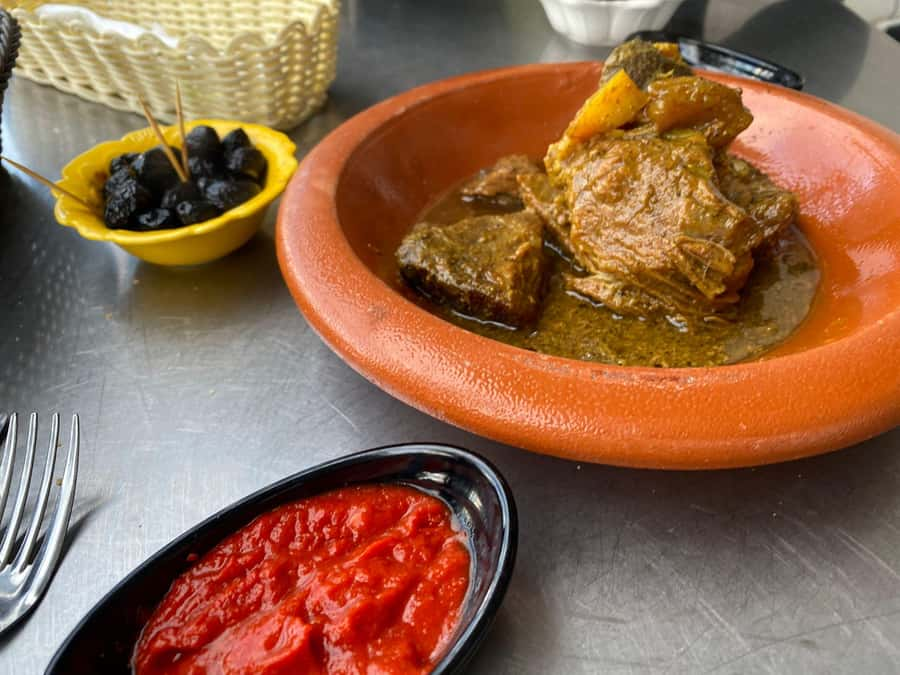
- Tangia cooked in hammam embers: This slow-cooked meat dish is a major highlight, with some guides preparing it specially for the group.
- A serious amount of food: Plan to skip lunch, and possibly eat only a light breakfast if your tour is early enough.
- More than a food crawl: You walk through the Medina and Kasbah while hearing about Moroccan customs, local life, and the history of certain dishes.
- Small groups: The maximum group size is 10, which makes narrow streets easier to manage and gives you more time with the guide.
- Good vegetarian support, but not a vegetarian-focused tour: Alternatives are available if you explain your needs in advance, though meat appears often.
- Meet at Café de France: Transportation is not included, and the exact route can change when local food stops are unavailable.
Starting at Café de France after dark
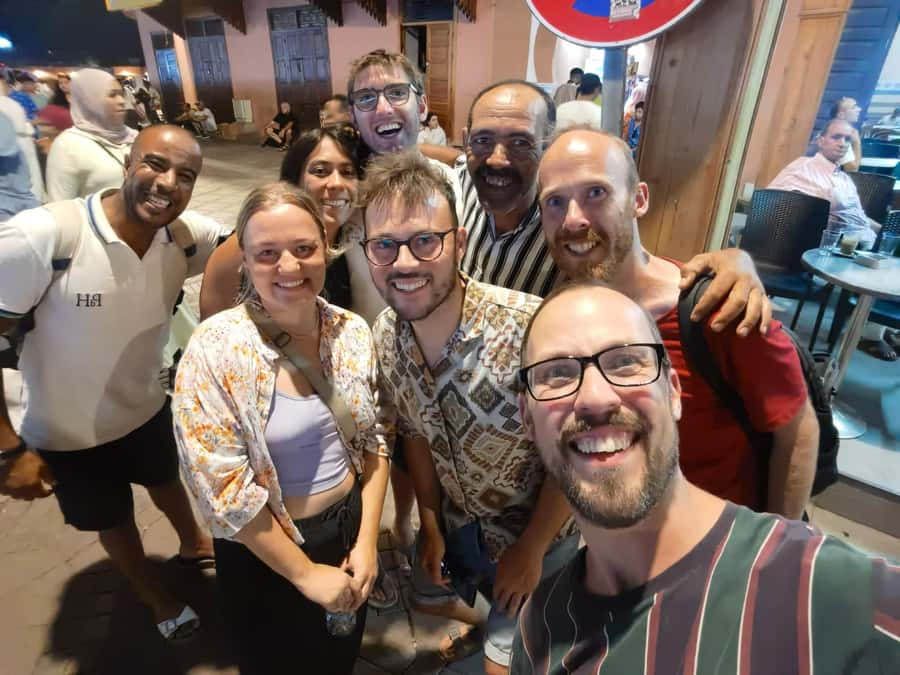
Your meeting point is in front of Café de France, an easy reference point in central Marrakech. From there, the guide explains the plan before leading the group into the Medina and, in some outings, onward through the Kasbah and other local neighborhoods.
This is a useful tour for your first evening because it gives you a practical introduction to the city. You learn where people eat, how food is served, and which small places are easy to miss when you are walking alone. You also begin to understand the layout of Marrakech through its food rather than through a standard sightseeing route.
The exact order of stops is not fixed. Local restaurants and stalls may close, change their hours, or become unavailable. On one occasion, a family bereavement forced a last-minute change, yet the guides still filled the evening with food, stories, and alternative stops. That flexibility is worth knowing about. You are booking a local food experience, not a rigid restaurant schedule.
The tour includes walking and some driving through different neighborhoods. Transportation is not included in the price, so ask the guide at the beginning how each part of the route will work. The walking takes place at night through narrow streets, and the route can last longer than the advertised four hours.
More Food Tours in Marrakech
- Marrakech: Street Food Tour with a Local Guide
★ 4.9 · 3,119 reviews - Marrakech: Street Food Tour by Night
★ 4.8 · 2,838 reviews - Authentic Moroccan Food Tour in Marrakech with Dinner
★ 5.0 · 1,423 reviews
Msemen, harcha, and the first taste of Morocco
The opening foods introduce two everyday Moroccan staples: msemen and harcha. Msemen is a layered, pan-cooked pancake with a pleasant chew, while harcha is made from semolina and has a more crumbly texture.
These are not just filler snacks before the main meal. They show how Moroccan cooking uses simple doughs in different ways, and they are common foods for breakfast or a quick bite. I like starting with them because the flavors are approachable, even if you have never eaten Moroccan food before.
You may also try olives, fresh fruit juice, or other small items early in the walk. Assir, or fresh juice, adds a cool and sweet contrast to the savory dishes that follow. Coffee and tea are included, along with bottled water.
Bring an appetite rather than trying to sample every item in full. Portions are often generous at each stop. The guides want you to taste the whole spread, but four hours of substantial servings can become a challenge, especially if you are not used to eating late.
Harira, chebakia, and the sweet side of the evening
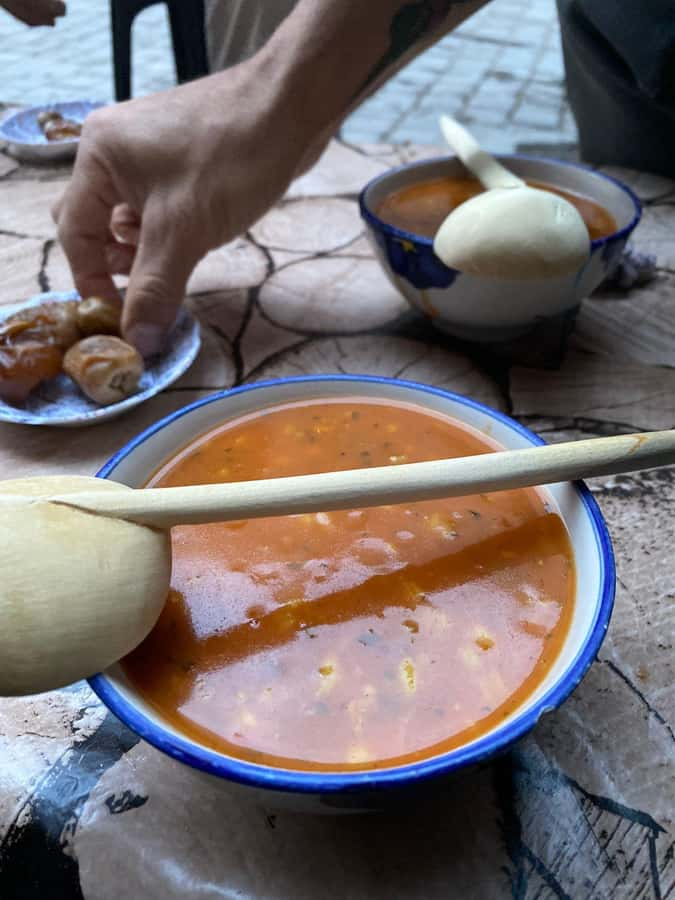
Harira is a famous Moroccan soup, and the version offered here is described as vegetarian. It is a useful window into Moroccan home cooking, where soup can be part of a substantial meal rather than a small starter.
Chebakia adds the sweet course. These pastries are shaped, fried, and covered with a sweet coating. You may also encounter other sweets during the evening, with the selection changing by stop and by day.
The combination of harira and chebakia helps explain the balance in Moroccan food. A meal can move from warm soup to syrupy pastry without treating either as an afterthought. The guide also explains how dishes are prepared and when people traditionally eat them, giving you more context than a simple tasting menu would.
If you have a strong sweet tooth, save room. If you do not, take smaller portions early. The tour has enough food that you do not need to finish everything at every stop.
Tanjia, the dish worth saving room for
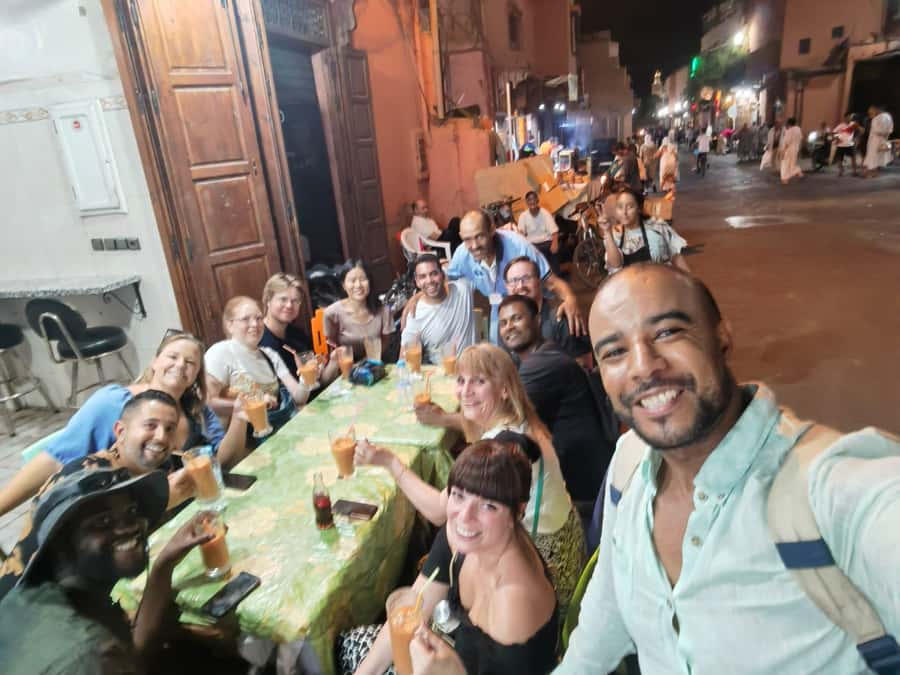
Tangia is the signature moment for many people on this tour. It is a slow-cooked Moroccan meat stew, traditionally prepared in a special container and cooked for hours. Several guides, including Mohammad and Mustafa on different outings, have prepared tangia themselves for the group.
One particularly distinctive preparation takes place in the embers of a hammam. The dish cooks slowly in the heat connected with the bathhouse boiler room, giving you a look at an unusual part of Marrakech’s working food culture. This is not a polished restaurant presentation. It is a practical, local cooking method tied to the city.
Tangia can be made with meat, and the exact version may vary. If you avoid meat, tell the guide in advance so an alternative can be arranged. Do not wait until the final stop to mention a dietary restriction.
Save room for this dish. It may appear after you have already eaten soup, pancakes, pastries, and other savory plates. The portion can be generous, but you do not need to force yourself through it to get the value of the experience.
More Food Tours in Morocco
- Marrakech: Jemma El Fnaa Food Tour with Dinner
★ 4.7 · 394 reviews - Marrakech: Authentic Moroccan Food Walking Tour & Dinner
★ 4.8 · 261 reviews - Marrakech: Medina Stories Food Tour with 15+ Tastings
★ 5.0 · 141 reviews - Authentic Food Tour in Agadir – Eat Like A Local
★ 5.0 · 117 reviews
Stews, sardines, and the main savory stops
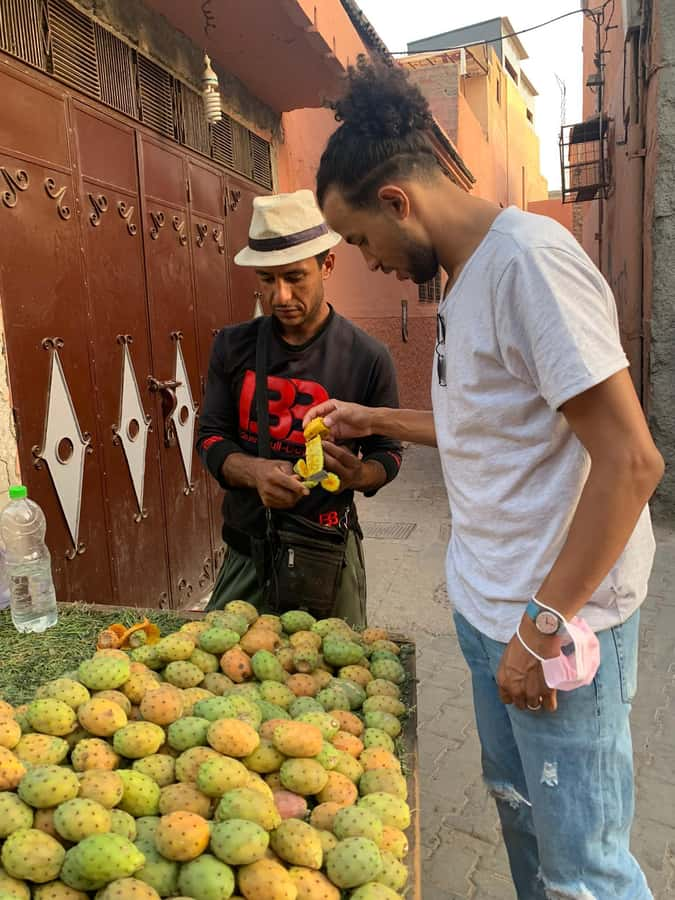
The middle of the evening brings more substantial Moroccan cooking. You might taste local stews, fried sardines with eggplant, and a Berber omelet called lbid o maticha, made with eggs and tomatoes.
The sardines add a strong coastal note to a tour based in an inland city. Served with eggplant, they show how Moroccan meals can combine seafood with soft, seasoned vegetables. If you like fish, this may be one of the best surprises of the night. If you are sensitive to bones or fried food, take a small portion first.
The Berber omelet is simpler, but useful for comparison. Eggs and tomatoes become a hearty plate when cooked with local seasoning and served in a neighborhood setting. The guides explain how different dishes are prepared and how food connects with occasions, families, and local custom.
Some outings have included minced liver or a sardine sandwich. The menu is not identical every night, which is part of the trade-off. You get a broad sample of local cooking, but you should not expect a precise list of stops in a fixed order.
Chfnj, tea, raïb, and the late-night finish
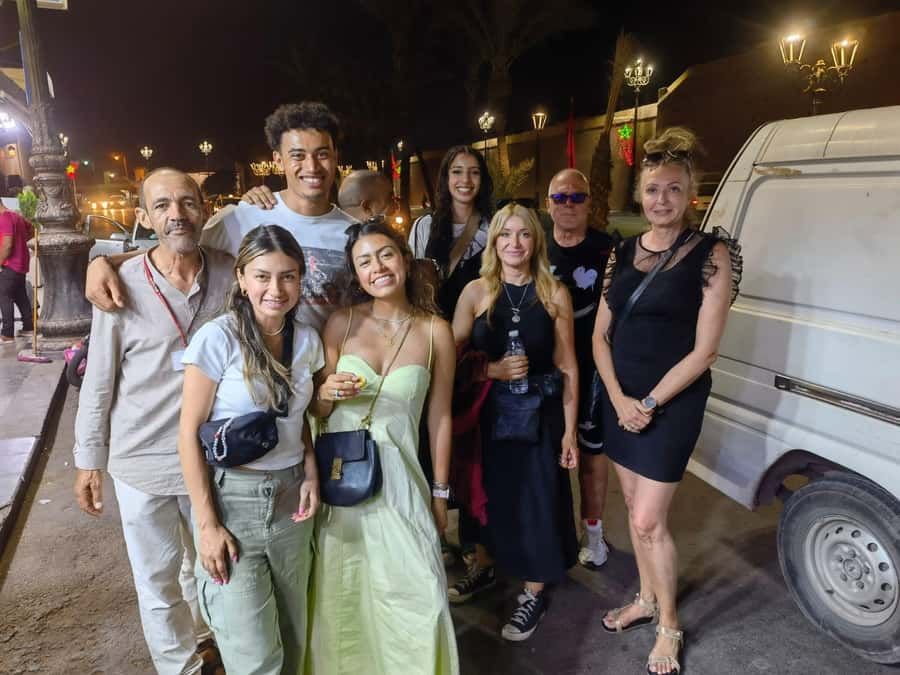
Chfnj, described as a Jewish doughnut, brings another piece of Marrakech’s food story to the table. Served with tea, it is both a snack and a chance to discuss the cultural influences that have shaped Moroccan cooking.
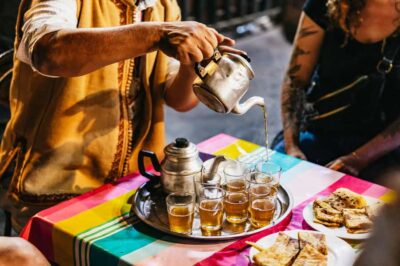
Moroccan tea is part of the social rhythm of the evening. The tea stop slows things down after several plates and gives the guide time to talk with the group. Coffee and tea are included, as is bottled water, so you are not paying separately for each drink.
Raïb, a frozen yogurt, offers a cool finish. Depending on the route, you may also receive more sweets or fruit juice. By this stage, the problem is not finding enough food. It is deciding how much you can sensibly eat.
The guides are good at keeping the group involved. Nour is known for an energetic style, while Omar has been praised for explaining food and local life with humor. Other guides, including Khawla, Mustafa, Mohammad, and Nurdin, have led different departures. The experience can therefore vary somewhat by guide, but the common thread is a personal approach to food and culture.
Why the walking matters
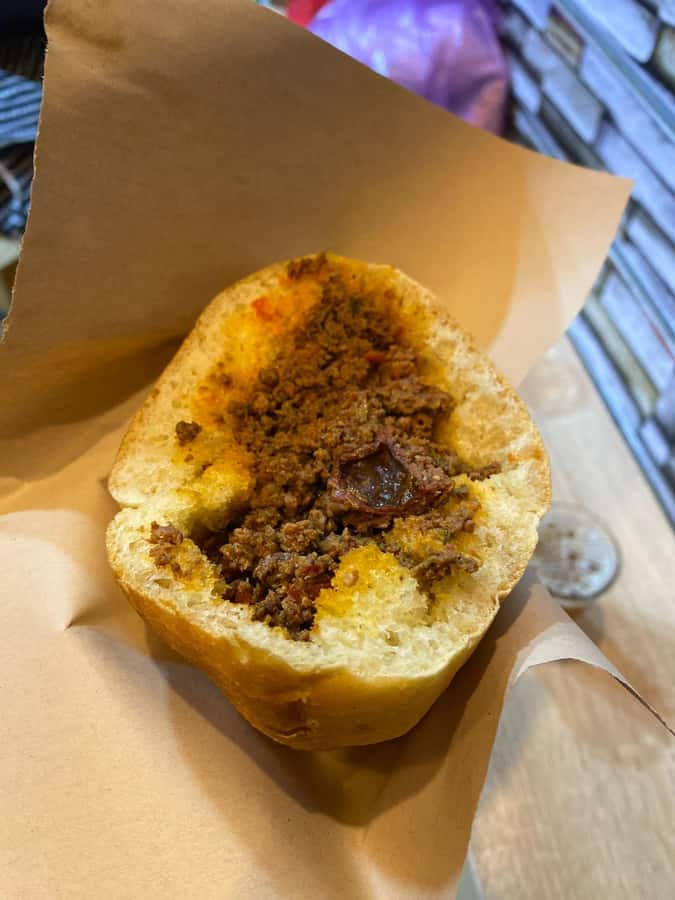
You could eat Moroccan food in a restaurant without leaving the main square. This tour is more useful because it takes you through small streets and local areas that are easy to overlook.
The walking also places each food stop in context. You see where people live, eat, and gather rather than moving between polished dining rooms. Some places may look modest from the street, with the cooking happening out of sight. That contrast is part of the appeal.
The route has included the Medina and Kasbah, as well as less touristy neighborhoods. It can also include a short drive between areas. You should expect a social walk rather than a formal sightseeing tour, with food breaks mixed into the route.
At night, Marrakech can feel intense. Narrow streets, crowds, changing directions, and late meals may be tiring. The guides have helped people return safely by taxi or tuk-tuk after some outings, but transportation home is not included. Arrange your own return plan if your accommodation is far from the meeting point.
Portion sizes, allergies, and vegetarian needs
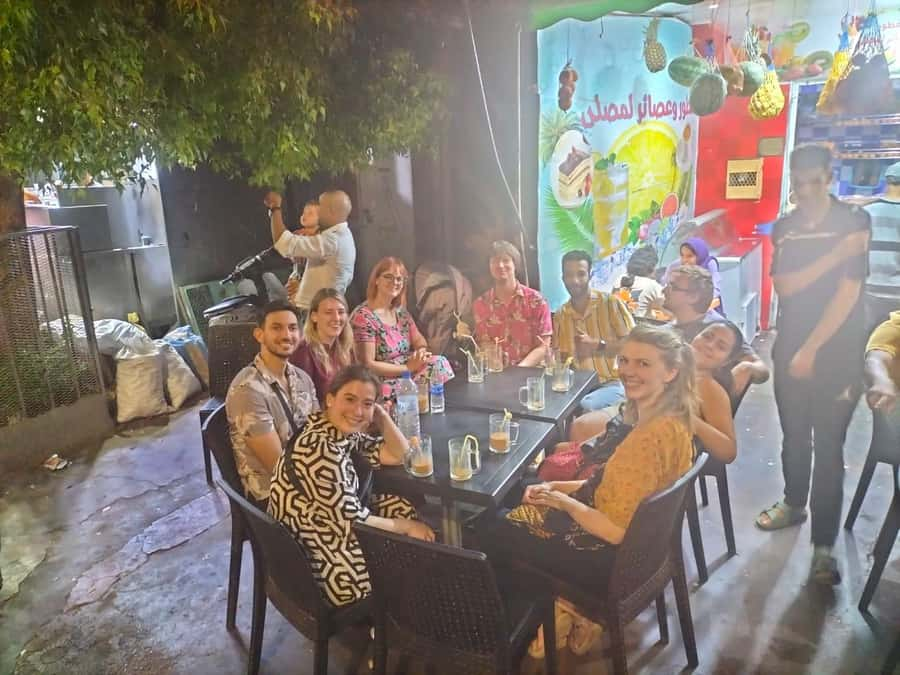
The most repeated practical warning is simple: arrive hungry. Many people will struggle to finish every course, even when they enjoy the food. Skipping lunch is sensible, and you may want a light breakfast on the day of the tour.
Tell the operator about allergies before you arrive. Alternatives can be provided, but the team needs advance notice to plan them. The tour includes many meat dishes, including tangia, stews, sardines, and possibly liver, so it is not designed primarily for vegetarians.
Vegetarians and vegans can still be accommodated. Suitable options have been offered at many stops, including soup, pancakes, vegetables, eggs, sweets, and other dishes. Still, you should contact the operator clearly before booking rather than assuming every stop will have a full plant-based meal.
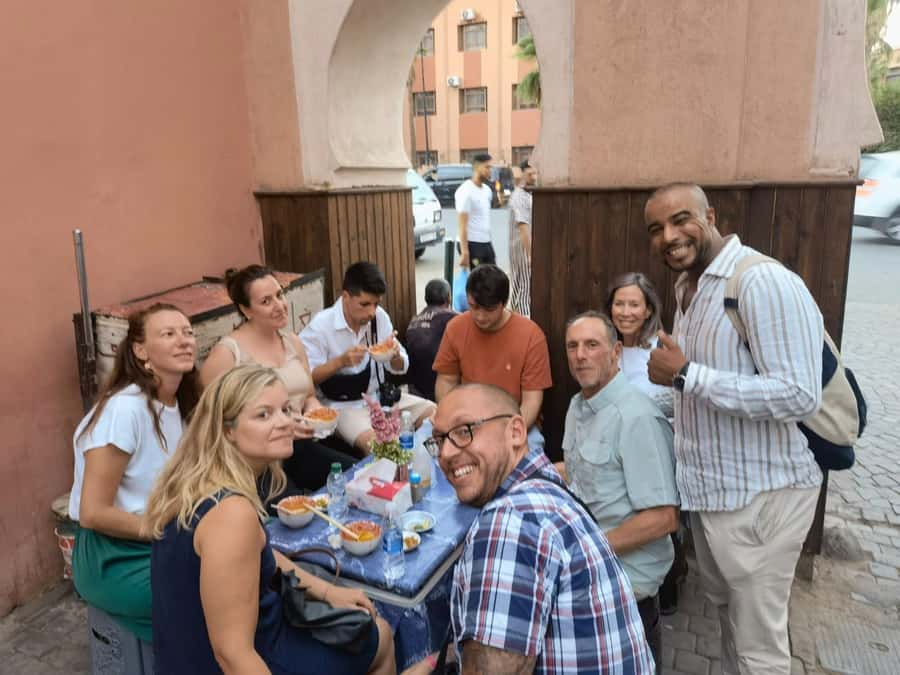
Food is shared in a group setting, and the evening is social. If you prefer a quiet, carefully paced meal, this may feel excessive. If you like tasting many things and chatting with people from different countries, the format works well.
Is $56 a fair price?
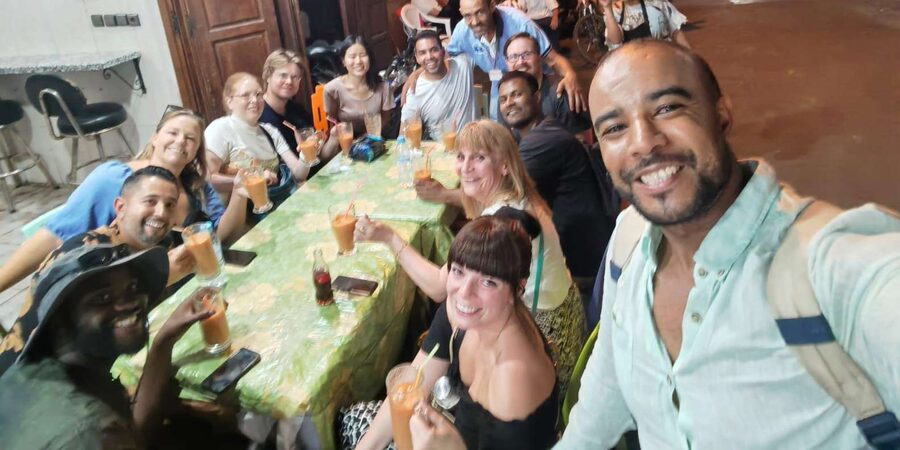
The price is $56 per person. That includes the bilingual local guide, all food, coffee or tea, and bottled water. Transportation is not included.
For a four-hour outing with several stops and enough food to replace dinner, the price is strong. You are not paying only for snacks. You are also paying for the route, explanations, translation, local access, and the confidence to eat at places you might not find on your own.
The value improves if you take the tour early in your visit. You can use the guide’s advice later when choosing restaurants and ordering dishes such as tangia. Several guides also share tips about food and local customs beyond the tasting itself.
The price is less attractive if you eat very little, dislike group dining, or expect a polished, fixed restaurant itinerary. The menu can change, the walk can run over time, and some stops are deliberately ordinary rather than fancy. That is the point, but it will not suit every diner.
The booking terms are flexible. You can reserve now and pay later, and cancellation is free up to 24 hours in advance for a full refund. The activity is listed as wheelchair accessible, though the route through narrow streets and changing food locations is worth discussing with the provider before booking.
Who should book this Marrakech food tour?
I would choose this for a first night in Marrakech, especially if you want help ordering food and finding your bearings in the Medina. It suits curious eaters who want many samples rather than one long restaurant meal.
It also works well for couples, solo visitors, and small groups who enjoy meeting other people. With a maximum of 10 participants, the group is large enough to be social but small enough for questions and conversation.
Families with young children should consider the late timing, heavy portions, and long walking period. The activity is not described as child-specific, so the four-hour length may be too much for some children.
People with strict dietary restrictions can join only if they contact the operator in advance. Carnivores will have the widest choice, while vegetarians and vegans should expect alternatives rather than a separate full menu.
Should you book it?
Yes, if you want a generous, informal introduction to Moroccan food and you are happy to eat a lot. The tangia, hammam cooking setting, neighborhood stops, and food stories make this more than a standard dinner outing.
Book it near the start of your stay so the guide’s advice can shape the rest of your meals. Come hungry, wear comfortable shoes, and tell the team about allergies or dietary needs before the evening begins.
Skip it if you want a short, quiet meal, a fixed itinerary, or a refined restaurant setting. For everyone else, $56 buys a full evening of food, walking, culture, and local guidance, with the added bonus of dishes you might never find alone.
FAQ
Where does the Marrakech Night Street Food Tour meet?
Meet your guide in front of Café de France in central Marrakech.
How long does the tour last?
The advertised duration is four hours. Some outings have lasted longer, sometimes around five hours, because the guides want the group to try the full range of food.
What food is included?
Food can include msemen, harcha, harira, chebakia, tangia, Moroccan stews, sardines with eggplant, chfnj, lbid o maticha, raïb, fresh fruit juice, sweets, and other local dishes.
Are drinks included?
Yes. Coffee or tea and bottled water are included. Fresh fruit juice may also be part of the tastings.
Is transportation included?
No. Transportation is not included. The route includes walking and may include driving through different neighborhoods.
Can vegetarians or vegans join?
Yes. Suitable alternatives can be provided, but you should tell the operator about your dietary needs before the tour. The experience includes several meat dishes.
Where can I meet the guides?
Guides have included Nour, Omar, Khawla, Mustafa, Mohammad, and Nurdin on different departures. Your assigned guide is confirmed for your booking.
Can I cancel or pay later?
You can reserve now and pay later. Free cancellation with a full refund is available up to 24 hours before the activity.
Just added for Marrakech
- Marrakech: Tailor-Made City Tour With Your Own Private Guide★ 4.9 · 236 reviews
- Marrakech palm grove: Sunset camel ride★ 4.8 · 194 reviews
- Sparkling Marrakech through the eyes of your local Guide★ 4.7 · 247 reviews
- Quad Bike Activity in Marrakech Palmeraie★ 4.2 · 123 reviews
- Marrakech: Historical Discovery Tour★ 4.1 · 87 reviews
- Marrakech: Palm Grove Horseback Riding Tour★ 4.6 · 163 reviews
- Moroccan Food Cooking Class with a Local Chef in Marrakech★ 4.7 · 90 reviews
- Marrakech: Babouch Making Workshop in the Medina★ 4.9 · 117 reviews
Food Tours, compared.
Authentic Moroccan Food Tour in Marrakech with Dinner
Read our review →

Browse the lists this tour appears in