
Reviewed · KAYAKING & CANOEING
Okavango Delta: Full-Day Mokoro/Canoe Tour All-Inclusive
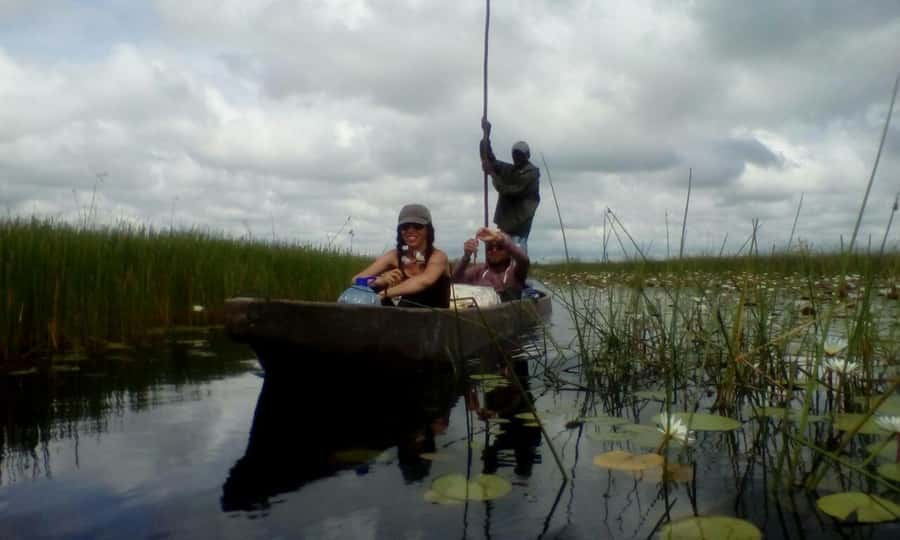
The best part of this Okavango Delta day is its pace. A local poler pushes your mokoro, a narrow canoe carved from a single tree, through still channels and tall reeds while birds call from the water’s edge. I like the quiet and the chance to see the Delta from water level, and I like that the guides come from the community they are showing you.
You also get a guided walk on one of the islands, a good change from the canoe. The tradeoff is clear: wildlife is secondary. You might see hippos, elephants, impala, or giraffes, but this is not the right outing if lions, leopards, and large numbers of animals are your main goal.
Key points to know before booking
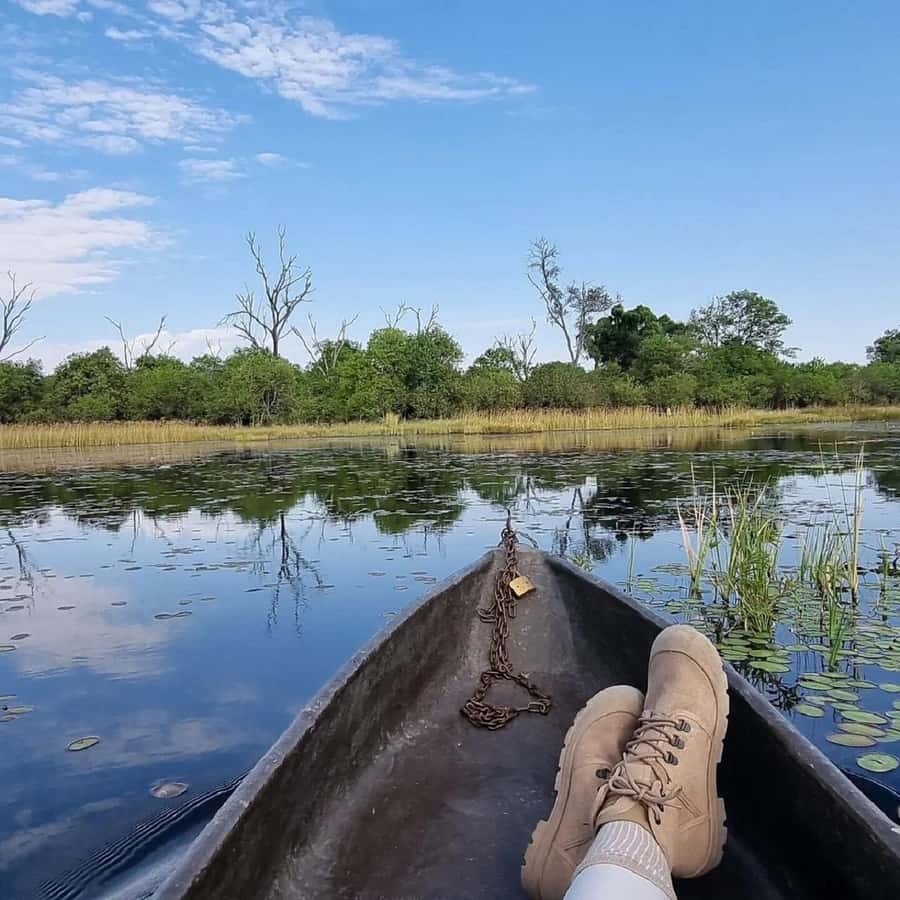
- The mokoro is the star: You float slowly through narrow Okavango channels rather than racing across open water.
- Local polers lead the way: Guides born and raised in the Delta explain the waterways, wildlife, and daily life of the community.
- The walking safari adds a different view: After the canoe ride, you explore an island on foot with a guide.
- Lunch is served outdoors: A packed meal and bottled water are included during a one-hour island stop.
- This is a quiet nature day: Expect scenery, reeds, birds, and a chance of general game, not a focused predator hunt.
- The full day is practical from Maun: Hotel pickup, transport, entry fees, community fees, guiding, lunch, and drop-off are included for $171 per person.
Why the mokoro gives you a different Okavango day
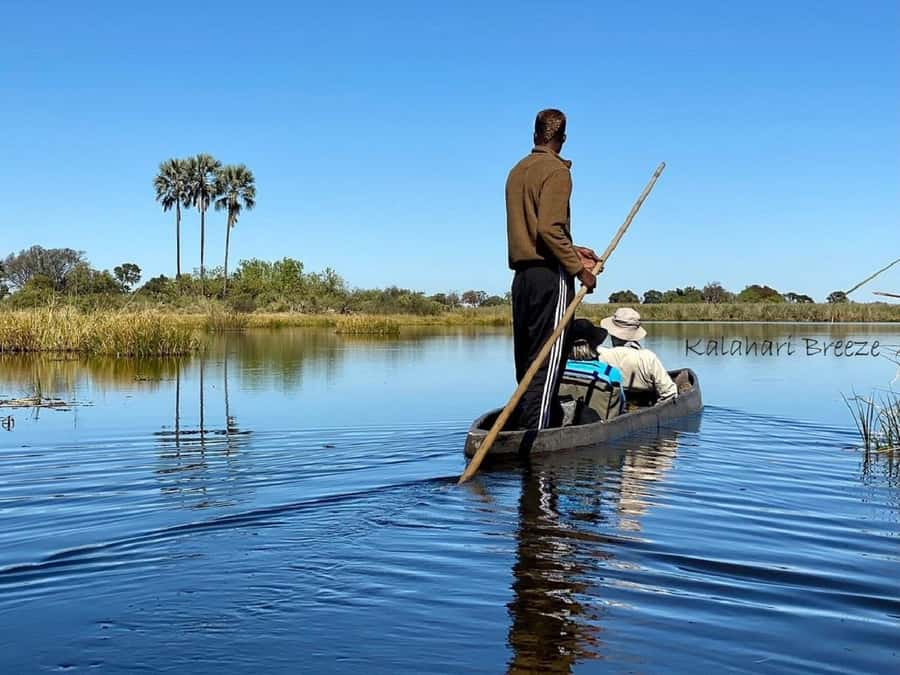
Many Okavango outings are built around a motorized vehicle and the search for big game. This one asks you to slow down. The mokoro slips through channels with little noise, giving you time to notice reeds, islands, bird calls, and the shape of the water system.
Your poler stands at the rear and guides the canoe with a long pole. You sit low, close to the water, so the view feels more intimate than it does from a high vehicle. The pace also means you cover less ground, which is both the pleasure and the limitation of the trip.
The Delta is a huge network of channels, wetlands, and islands. A one-day mokoro trip cannot show you all of it. What it can do is give you a close look at one small section without the sound of an engine. I would choose this outing for the feel of the place, not as your only safari if animal sightings are your top priority.
The local connection matters here. The polers and guides come from the Okavango community, and the tour includes community trust fees. You are not simply passing through a scenic wetland. You are being shown a home by people who live in and around it, with support directed toward the local community.
More paddling trips around Africa:
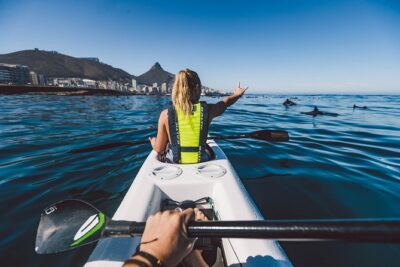
- Cape Town: Marine Life Kayak Tour From the V&A Waterfront
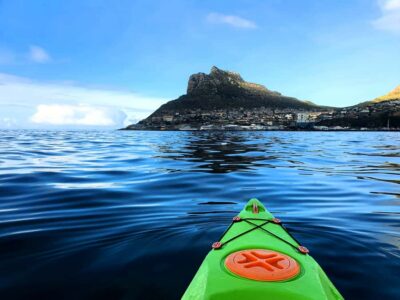
★ 4.8 · 640 reviews - Pelican Point Kayaking Half-Day Tour
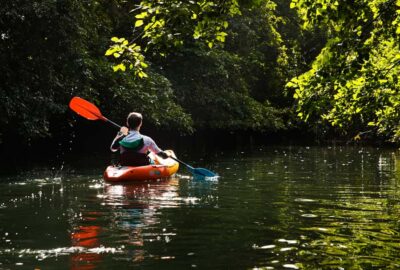
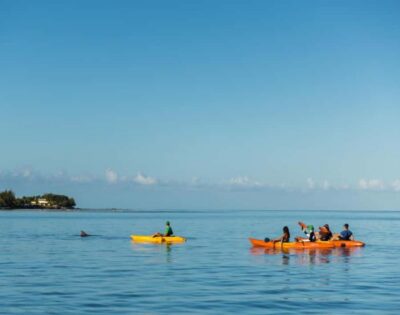
★ 5.0 · 349 reviews - Mauritius: Guided Kayak Tour on Tamarin River
★ 4.7 · 268 reviews
The 7:30 AM pickup and drive from Maun
The day usually begins with pickup at your hotel or guesthouse in Maun around 7:30 AM. Wait at reception, since the operator collects visitors from accommodations across town.
The transfer to the NG32 Concession takes about one to two hours in a jeep or SUV. This is a real part of the day, not just a short shuttle. The total return drive can take roughly three and a half hours, depending on the route and conditions, so you should be comfortable spending much of the day on the move.
The open vehicle gives you an early look at the country around Maun before the water activity begins. One vehicle used for the trip had sides that could be closed in rain and blankets available for cool weather. Rain gear was also provided during a wet outing, but I would still bring a light layer and sun protection.
The long transfer is worth weighing against the price. At $171 per person, the outing includes transport in both directions, park entry and tourism levies, community fees, a guide, lunch, and water. That makes the cost easier to justify than a price that covers only the boat ride. Still, you are paying for a full day with substantial road time, not six straight hours on the water.
Entering the Delta by one-tree canoe
Once you reach the Delta, you are allocated a guide and poler. The exact names of the guides are not provided in the tour details, but the key point is that the polers are local people born and raised in the Okavango area.
The ride lasts about two and a half hours in total, split around the walk and lunch. The first section is usually about 90 minutes. Your canoe moves through channels bordered by reeds, with scenic views changing slowly as the poler works through the water.
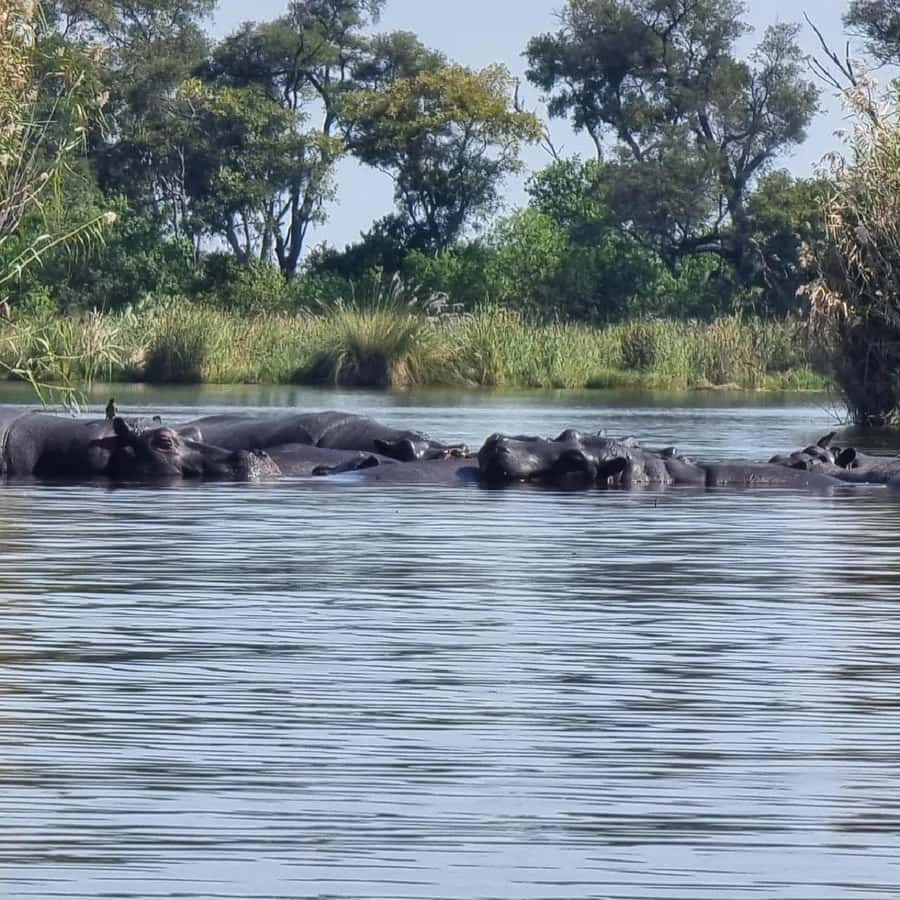
This is a good time to put your camera away for a few minutes. The boat is quiet, but you still need to listen to your guide and stay alert around the water. Hippos are among the animals you might encounter, and one outing included a close view of a hippo area. Wildlife in a mokoro setting can feel very immediate because there is no vehicle between you and the water.
That also means you should respect instructions. Stay seated as directed, keep your movements calm, and avoid bringing valuables. Drones, weapons, sharp objects, and valuables are not allowed.
The canoe itself is not a luxury boat. You should expect a simple, traditional craft rather than padded seats or a raised viewing platform. That simplicity is part of the appeal, but it may not suit you if you need firm back support or find low seating uncomfortable.
The 90-minute island walk
The guided bush walk gives the day its second character. Instead of looking across reeds from a canoe, you walk on one of the Delta’s islands with your guide and see the area from ground level.
The walk requires a moderate level of fitness. You should be able to walk over uneven natural ground and manage the heat and sun. Closed-toe shoes are required, and they are a better choice than sandals even if the weather looks dry.
On foot, you can pay more attention to tracks, plants, smaller signs of animal activity, and the relationship between dry island ground and surrounding water. The exact wildlife varies. The tour often sees some general game, but nature does not follow a schedule, and you may see little or nothing during the walk.
That uncertainty is not a flaw if you have chosen the outing for its setting. It becomes a real drawback if you have only one safari day and need a strong chance of seeing major animals. A motorized 4×4 activity covers more ground and is the better choice for focused game viewing.
More full-day trips in Africa:
- From Marrakesh: Essaouira Full-Day Trip
★ 4.6 · 8,137 reviews - From Marrakech: Atlas Mountains Full-Day Hiking Trip w Lunch
★ 4.8 · 7,417 reviews - From Hurghada: Cairo and Giza Highlights Full-Day Tour
★ 4.5 · 6,014 reviews - Cape Point and Boulder’s Penguins Full Day Tour
★ 5.0 · 3,118 reviews
Picnic lunch on a Delta island
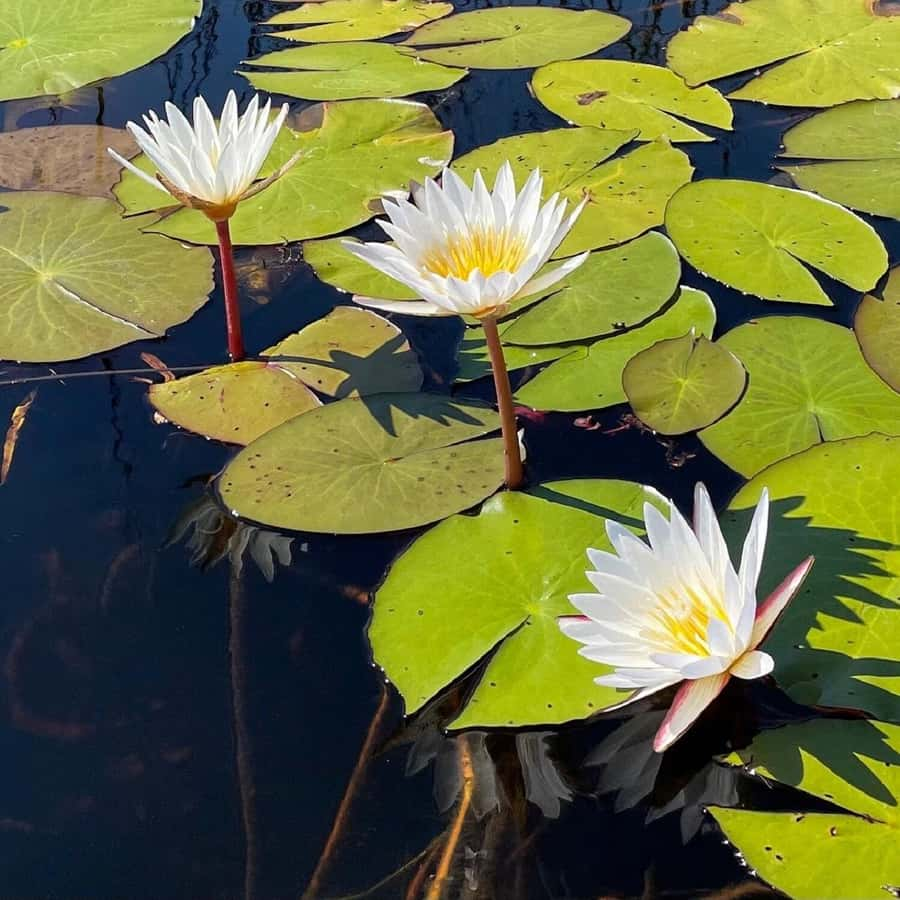
Lunch takes about an hour on one of the islands. A packed meal and bottled water are included, so you do not need to arrange food separately.
The stop breaks up the canoe ride and walk at a sensible point in the day. You get time to eat, rest, and enjoy the surroundings without rushing straight from one activity to the next. The lunch has been described as very good, though the specific menu is not provided, so do not book this expecting a particular dish.
Bring your own sunscreen and a hat. The Delta can expose you to strong sun, and there may not be shade exactly where you stop. Sunglasses and a headscarf are also on the recommended packing list.
The island picnic is one of the details that makes this feel different from a standard vehicle safari. You are not eating at a lodge or returning to town for lunch. Your meal is part of the day outside, surrounded by the water system you have just explored.
What animals you might see
The operator is refreshingly direct about wildlife. You often see some general game, but sightings are never promised, and predators are not the focus.
Possible sightings include:
- Hippos in or near the channels
- Impala and other antelope
- Elephants
- Giraffes
- Zebras
- Crocodiles
- Wildebeest
- A wide range of bird life
One especially strong day included zebras, hippos, crocodiles, giraffes, and antelope. Another included giraffes, zebras, wildebeest, antelope, and a large group of hippos. Those are encouraging possibilities, not a standard checklist.
The boat and walking format limits how far you can travel. You will not scan a broad area as you might from a 4×4, and you will not chase sightings across open ground. This is why I would pair the mokoro day with a motorized game drive if you have enough time in Maun.
The upside is that you notice more than animals. Bird life is a constant part of the experience, and the slow route gives you a better sense of how channels, reeds, and islands fit together. If you enjoy ecology and quiet observation, a day with fewer sightings can still feel worthwhile.
The return canoe ride and drive back to Maun
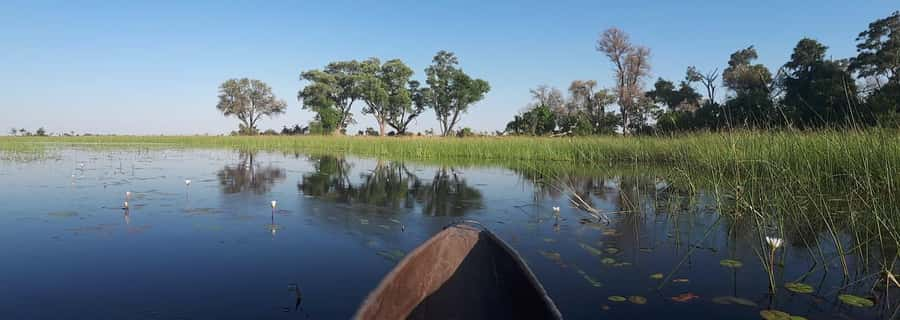
After lunch and the walk, you return to the water for about an hour of canoeing. The light may have changed, and the return route gives you another chance to watch birds, reeds, and hippos without needing to repeat the same kind of vehicle safari.
Then you return by jeep or SUV to Maun, with the drive taking about one and a half hours in the stated itinerary. Timing can vary, and you should expect to reach town later in the day.
The organization is one of the strongest practical features. Pickup and drop-off are included, and the entire day is arranged around the transfer, canoe ride, walk, and meal. You do not need to find your own transport to the Delta or handle separate entrance and community payments.
Who will get the most from this day
I would recommend this tour to you if you want a calm, close-up experience of the Okavango and value local guiding. It suits nature lovers, photographers, bird watchers, and anyone who wants a break from the rush of vehicle-based safari days.
It is also a good fit if meeting local people matters to you. The village contact is presented as ordinary human interaction, not a staged cultural performance. That distinction can make the day feel more genuine, though the amount of direct village interaction may vary.
You need a moderate level of fitness for the walking safari and the practical movements involved in a mokoro. The activity is not suitable for children under seven or people with mobility impairments.
I would be cautious if your schedule allows only one safari activity. In that case, ask yourself what matters more: the chance of seeing predators or the chance to experience the Delta quietly from the water. For lions, leopards, and wider game coverage, choose a motorized outing instead.
What to pack for the Okavango
Keep your kit simple and useful:
- Sunglasses
- Sun hat
- Sunscreen
- Closed-toe shoes
- Headscarf
- A light layer for the vehicle ride
- Rain protection if the forecast is unsettled
Avoid bringing valuables. Drones, weapons, and sharp objects are not allowed. A small, practical bag is better than bulky luggage in a canoe and vehicle.
The tour is conducted in English. Small-group availability is offered, which can make it easier to hear explanations and ask questions. The exact group size is not stated, so confirm the arrangement when booking if that matters to you.
Is $171 per person good value?
For a full day from Maun, $171 is a reasonable price if you will use the included services. Hotel pickup and drop-off alone save you the trouble of arranging a transfer to the Delta. The price also covers park entry, tourism levies, community trust fees, a guide, a packed lunch, and bottled water.
The value is strongest for a visitor who wants a complete, organized day rather than a basic canoe rental. You are paying for local poling, guiding, transport, and access, not just time sitting in a mokoro.
The value is weaker if you judge every safari by animal count. You may have an excellent wildlife day, but you may also see only a few animals. The tour is priced for a peaceful Delta experience, not a guaranteed predator encounter.
Free cancellation up to 24 hours before the activity and a reserve-now, pay-later option add useful flexibility. Travel insurance is not included, so arrange your own coverage.
Should you book the mokoro and walking safari?
Book it if you want to hear the Delta, feel its slow rhythm, and see the waterways with local polers who know the area as home. The combination of canoe, island walk, picnic, and community support gives you a rounded nature day rather than a quick boat trip.
Skip it if your priority is a long list of large animals or a strong chance of seeing lions and leopards. A 4×4 game drive will cover more ground and suit that goal better.
For many visitors, the smartest plan is to do both: use this day to understand the Okavango’s water and islands, then choose a motorized safari for wider wildlife viewing. That way, you are not asking one outing to do two very different jobs.
FAQ
Where does the tour begin?
Pickup is provided from hotels and guesthouses in Maun. You should wait at your accommodation’s reception.
What time does pickup usually happen?
Pickup usually begins around 7:30 AM. Starting times can vary, so check availability when booking.
How long is the tour?
It is a full-day activity. The stated schedule includes roughly one to two hours driving to the Delta, canoeing, a guided walk, lunch, another canoe section, and about one and a half hours driving back to Maun.
What is a mokoro?
A mokoro is a narrow canoe made from a single tree. A local poler guides it through the Delta channels with a long pole.
Is lunch included?
Yes. A packed lunch and bottled water are included.
Are park and community fees included?
Yes. Park entrance fees, tourism levies, and community trust fees are included.
What animals might I see?
Possible sightings include hippos, elephants, impala, giraffes, zebras, crocodiles, wildebeest, antelope, and birds. Sightings are not guaranteed, and predators are not the focus.
Is this a good tour for seeing lions and leopards?
No. The main focus is the Delta’s waterways, reeds, islands, and nature. A motorized 4×4 activity is recommended for better big-game viewing.
What should I bring?
Bring sunglasses, a sun hat, sunscreen, closed-toe shoes, and a headscarf. A light layer and rain protection may also be useful.
Is the tour suitable for children and people with mobility impairments?
Children under seven are not permitted, and the activity is not suitable for people with mobility impairments. A moderate level of fitness is required for the canoe trip and walking safari.
Just added for Africa
- Best of Cape Town Full-Day Private Tour with Table Mountain★ 5.0 · 195 reviews
- Full Day Small Group Wine Tour Cape Town and Stellenbosch★ 5.0 · 79 reviews
- Full Day Cape Point Sightseeing Tour★ 4.5 · 84 reviews
- From Cape Town: Full Day Guided Hermanus and Whale Tour★ 5.0 · 155 reviews
- Drumstruck at Silvermist. Live African Drum Show & Wine tasting★ 5.0 · 137 reviews
- Bo-Kaap: Walk with a local★ 5.0 · 131 reviews
- Cruise and Dine Lunch / Cape Town: Coastal Motor Cruise and 2-Course Lunch★ 4.5 · 151 reviews
- Cruise and Dine Dinner / Cape Town: Sunset Champagne Cruise and 3-Course Dinner★ 4.0 · 128 reviews
Kayaking & Canoeing, compared.
Browse the lists this tour appears in