
Reviewed · NILE CRUISES
4-Day 3-Night Nile Cruise from Aswan to Luxor – Private Tour
The best part of this four-day cruise is simple: you wake up near the next ancient monument instead of packing and unpacking for every stop. From Aswan, you move north along the Nile by ship, visiting temples that are hard to fit into an independent trip. Philae Island, Kom Ombo, Edfu, and Luxor give you a strong first look at ancient Egypt in a short time.
I especially like the private Egyptologist guide, which lets you ask questions, slow down for photographs, or adjust the pace. I also like the easy combination of transport, meals, bottled water, entrance fees, and three nights aboard ship. The tradeoff is that the schedule is demanding, with very early starts and long sightseeing days. A five-star Nile boat is also not the same as a five-star hotel on land.
Key points to know
- Three nights on the Nile: Cruise one way from Aswan to Luxor rather than repeating long road transfers.
- Strong private-guide option: Guides named Ahmed, Mustafa, Amro, Sayed, Adham, and Aswany received especially warm praise for clear explanations and flexible service.
- Major temples included: Philae, Kom Ombo, Edfu, Karnak, Luxor Temple, Hatshepsut, and the Colossi of Memnon are part of the main program.
- Abu Simbel costs extra: The famous Ramses II and Nefertari temples require a separate early-morning excursion.
- Expect a packed schedule: Wake-ups can be around 4:30 a.m. for optional or early excursions, and the days are built around sightseeing.
- Price and value: At $504 per person, the package covers accommodation, full-board meals, transport, guides, and entrance fees, but not drinks, tips, Abu Simbel, or peak-season surcharges.
Why a Nile cruise works so well for ancient Egypt
A Nile cruise gives you a useful rhythm: tour a monument, return to the ship, eat, rest, and watch the riverbanks slide past. You get a glimpse of modern Egyptian life from the deck, then step ashore at places that once shaped the ancient world.
This route runs from Aswan to Luxor over four days and three nights. Pickup is available from an Aswan hotel, airport, or train station, with transport in an air-conditioned vehicle. The tour is private, so your group does not have to share its guide with strangers, though some ship operations and meal arrangements may still be shared with other passengers.
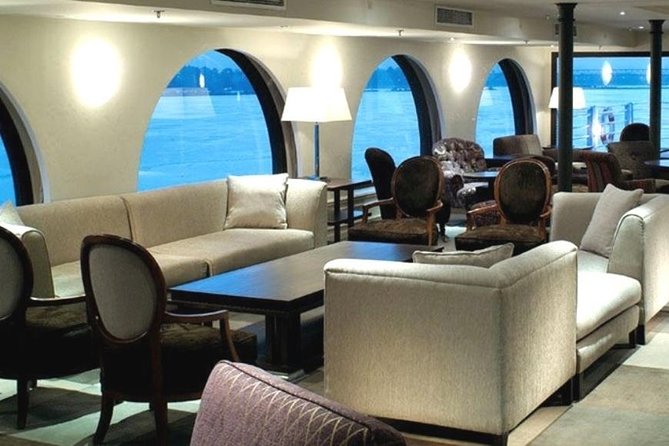
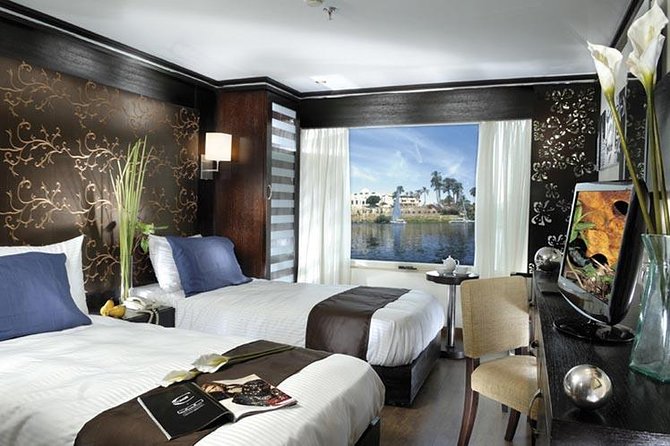
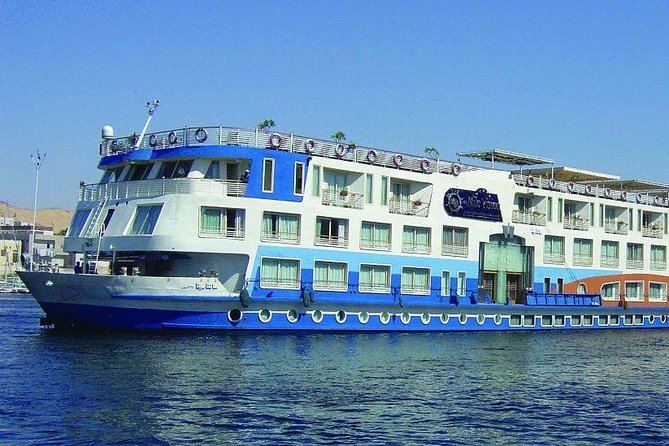
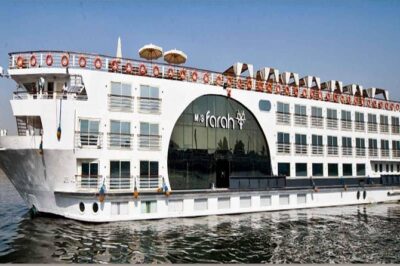
The cruise is sold as five-star deluxe accommodation, with private cabins, full-board meals, and a sun deck with a small pool on some of the boats used for this program. Ship names can vary, including vessels such as Medea, Sonestra, Le Fayen, Nile Paradise, Alhambra, Concerto, and Bride. Confirm the assigned boat and cabin photos before booking, since the actual ship matters a great deal to your comfort.
More Boat Trips in Egypt
- 4-Days Nile Cruise From Aswan To Luxor including Abu Simbel and Hot Air Balloon
★ 5.0 · 3,142 reviews - 4-Day 3-Night Nile Cruise from Aswan to Luxor&Abu Simbel+Balloon
★ 5.0 · 2,023 reviews - 4-Day 3-Night Nile Cruise from Aswan to Luxor including Abu Simbel, Air Balloon
★ 4.5 · 612 reviews
Day one: Philae, the High Dam, and an unfinished monument
Your first sightseeing day begins around Aswan. The three main stops form a good introduction to the region, moving from sacred island temple to modern engineering project to ancient stonework.
Philae Temple by motorboat
Philae is dedicated mainly to Isis, the goddess associated with magic, motherhood, and love. The temple sits on an island, so reaching it by motorboat adds a pleasant sense of occasion. The short ride also gives you a better feel for the Nile as a living waterway rather than just a backdrop for ruins.
Plan on about two hours here. Your guide can explain the reliefs, the stories of Isis and Osiris, and the temple’s relocation after the construction of the High Dam. The island setting makes Philae feel different from the large temple complexes you visit later, and many people find it one of the most memorable stops.
Aswan High Dam
The High Dam takes about 30 minutes. It is not an ancient site, but it helps explain modern Egypt’s control of the Nile, including electricity production and protection from destructive floods.
This stop is brief and mostly visual. If you prefer ancient monuments to modern infrastructure, it may feel less exciting, but it gives useful context for why parts of the old Nile valley changed so dramatically.
More Nile Cruises in Aswan & Abu Simbel
- From Aswan: 4-Day Nile Cruise from Aswan to Luxor with Guide
★ 4.1 · 593 reviews - 4-Days Nile Cruise From Aswan To Luxor including Abu Simbel and Hot Air Balloon
★ 4.5 · 509 reviews - 4 Days Nile Cruise from Aswan to Luxor including Abu Simbel and Hot Air Balloon
★ 4.5 · 356 reviews - 4-Day 3-Night Nile Cruise from Aswan to Luxor With Balloon and Abu Simbel
★ 5.0 · 327 reviews
The Unfinished Obelisk
At the Unfinished Obelisk, you see a huge monument still attached to the bedrock. Cracks in the granite explain why the work stopped, and your guide can point out how ancient stoneworkers shaped such enormous objects.
The visit takes about 45 minutes. It is a practical stop rather than a grand temple, but it helps you notice the labor and technical skill behind the monuments you will see later.
That evening, you return to the ship for dinner and your first night in the cabin. Meals include breakfast, lunch, and dinner during the three-night cruise, with two small bottles of water per person each day. Bring extra water if you need more, since drinks beyond the stated allowance are not included.
Day two: optional Abu Simbel and the double temple at Kom Ombo
Day two offers the trip’s biggest optional excursion. If you choose Abu Simbel, expect an early start and an additional charge. The schedule is designed to bring you back to Aswan in time to continue by ship toward Kom Ombo.
Abu Simbel requires extra time and money
The Abu Simbel Temple Complex contains two famous temples cut into the rock. The larger temple honors Ramses II along with Ptah, Re-Horakhty, Amun-Re, and Ramses himself. The smaller temple is dedicated to Queen Nefertari and Hathor.
The listed visit lasts about two hours, not including the road journey. This is a serious addition to an already full day, but it is one of the most important ancient sites in southern Egypt. If Abu Simbel is a personal priority, pay for it and accept the early start. If you prefer a slower cruise, skip it and use the morning to rest.
Kom Ombo and its unusual twin design
Kom Ombo sits high above the river and is dedicated to two gods: Sobek, the crocodile-headed god linked with fertility, and Haroeris, the falcon-headed form of Horus. Its plan is unusual because the temple has two entrances, two sanctuaries, and paired features for the two deities.
Give this stop around two hours. The temple is especially rewarding with a guide because the layout can seem confusing at first. Look for the reliefs and the crocodile connections, including the museum displays associated with the local cult of Sobek.
You then return to the ship for dinner and an evening aboard. The strongest part of cruise life often comes here, during the quiet sailing stretches. Sit on the upper deck with tea, watch the riverbank, and give your feet a break.
Day three: Edfu, Karnak, and Luxor Temple
The third day combines Edfu with the two major temple complexes of Luxor. It is a full day, and the order or exact transport arrangements can change with the ship’s sailing schedule. Your guide and driver handle the transfers, but you should still ask the evening before what time you must be ready.
Edfu Temple and the story of Horus
Edfu is dedicated to Horus and is often considered one of Egypt’s best-preserved cult temples. Its walls and columns remain clear enough to show how the temple looked and functioned, making it easier to picture ancient religious ceremonies.
The planned visit lasts about two hours. A lunch box is included for this part of the day. The temple is also a useful contrast with Kom Ombo: Edfu is focused on one principal god, while Kom Ombo is deliberately divided between two.
Karnak Temple is vast, so pace yourself
Karnak is not one single building. It is a huge temple complex with courtyards, pylons, obelisks, sacred spaces, and the famous Hypostyle Hall, where 134 columns create a forest of stone.
Allow about two hours, though you could spend much longer if the heat and schedule allowed it. Your guide can help you identify the Avenue of the Sphinxes, the great columns, and the sacred lake. Without guidance, the scale can become tiring and the details blur together.
This is where a private guide earns its keep. Guides such as Amro and Ahmed were praised for explaining the sites clearly, answering questions, and adjusting the pace. Ask your guide to pause before moving on if you need photographs or a closer look.
Luxor Temple after dark or in the late day
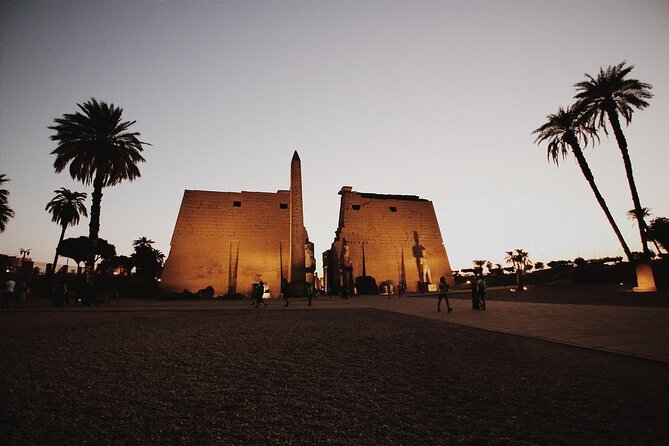
Luxor Temple was built and expanded by rulers including Ramses II, Amenhotep III, and Hatshepsut. It was linked to Karnak by an avenue of sphinxes and dedicated to the Theban form of Amun, often called Amun-Re.
The visit takes about two hours. Luxor Temple feels more compact than Karnak, but its placement in the modern city gives it a different character. You see ancient stone alongside daily urban life, which is part of what makes Luxor so interesting.
After the sightseeing, your guide returns you to the cruise or hotel. The schedule may feel relentless by this point. Take advantage of any quiet time aboard ship, and do not underestimate the value of an early night.
Day four: tombs and royal monuments on Luxor’s west bank
Your final day moves to Luxor’s west bank, where ancient Egyptians built mortuary temples and royal tombs. The Valley of the Kings and Hatshepsut are optional according to the supplied schedule and carry an additional charge, so confirm exactly what your booking includes.
Valley of the Kings
The Valley of the Kings contains the tombs of pharaohs, with painted scenes and hieroglyphs still visible on many walls. The standard visit includes three tombs chosen with help from your guide. Some special tombs can require separate tickets, but that detail is not specified here, so ask before entering.
The valley is hot, exposed, and crowded at busy times. Wear practical shoes, carry water, and listen to your guide’s advice about which tombs best match your interests. If you love painted decoration, say so. If you want the most famous names, say that instead.
Temple of Hatshepsut at Deir el Bahari
Hatshepsut ruled Egypt for about 20 years and is one of the country’s most remarkable female rulers. Her temple is built into the cliffs at Deir el Bahari, with broad terraces and long lines that make it unlike the enclosed temples seen earlier.
Plan on about 90 minutes. The site involves walking in the sun, but the architecture rewards the effort. A good guide can explain how Hatshepsut presented her authority and why later rulers damaged parts of her image.
Colossi of Memnon
The Colossi of Memnon are the remains of the mortuary temple of Amenhotep III. The stop takes only about 15 minutes, so treat it as a quick photo and orientation visit rather than a full tour.
The two seated statues are still impressive, especially when you consider the size of the temple complex that once stood behind them. Afterward, your transfer can continue to the airport, train station, hotel, or another agreed destination. The tour also offers an optional hot-air balloon ride over Luxor early in the morning, at extra cost.
What the private guide changes
The guide is the most important variable in this experience. A strong Egyptologist does more than recite dates. The best guides connect the gods, rulers, building methods, and daily life so the temples do not become a blur of columns.
Names praised in the supplied material include Ahmed, Mustafa, Amro, Sayed, Adham, and Aswany. Amro was especially valued for enthusiasm, patience, safety-minded help, and flexibility. Mustafa was praised for staying with the same group throughout the cruise and helping with shopping and street vendors. Ahmed was noted for checking practical needs as well as explaining ancient Egypt.
A private guide also gives you room to shape the day. You can ask for more time at Philae, fewer explanations at a smaller stop, or help with photographs. Ask early if you want a slower pace, since the main schedule remains tight.
One less positive experience involved a guide who gave short explanations and moved on before enough time for photographs. If your guide is not meeting your needs, raise the issue immediately with the operator rather than waiting until the cruise ends.
Cabins, meals, and the meaning of five-star
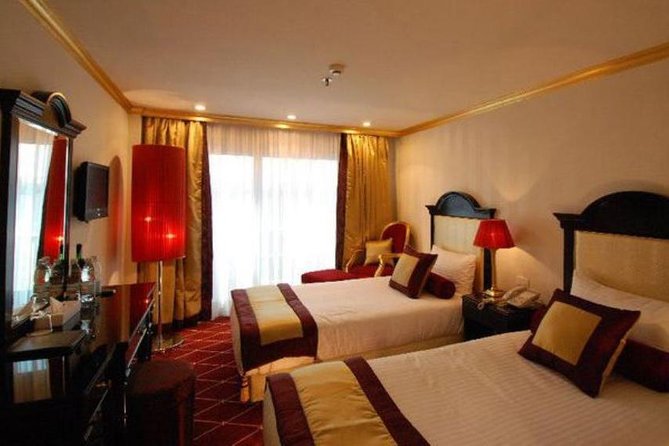
The boats used for this program are described as five-star deluxe, but you should set your expectations carefully. Nile ships are smaller than ocean liners. Several strong experiences included clean, comfortable cabins, friendly crew, remodeled rooms, good beds, a pool deck, and excellent service.
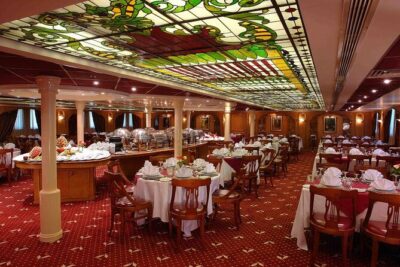
Food is served buffet style for breakfast, lunch, and dinner. Several passengers praised the variety, including Egyptian dishes and vegetarian or vegan choices. Others found the food bland or disappointing, and one particularly poor experience included a diesel smell in the cabin.
That range of experience is why you should confirm the boat name before paying and ask for current photographs. Ship assignments can change, and the exact vessel affects cabin quality, public areas, food service, and onboard entertainment. Belly dancing or other entertainment should also be confirmed directly rather than assumed.
Tips are not included. Bring small bills or ask the operator how one final gratuity can cover the guide, drivers, ship staff, and other service workers. You should also budget for drinks, laundry, phone calls, and personal purchases.
Is $504 per person a good value?
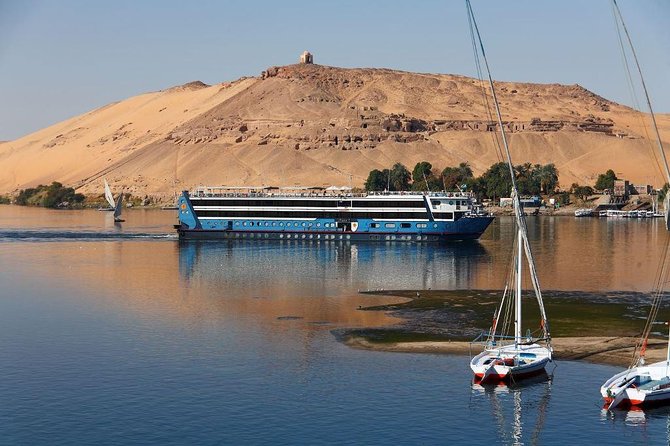
At $504 per person, the package includes three nights aboard ship, full-board meals, air-conditioned transfers, a private Egyptologist, entrance fees for the listed included sites, bottled water, taxes, and service charges. That is a strong price for a private guided route covering so many major monuments.
The value drops if you expect a luxury hotel standard, gourmet dining, included Abu Simbel, or guaranteed entertainment. Abu Simbel, the hot-air balloon ride, drinks, gratuities, and the Christmas and New Year surcharge of $200 per person from December 20 through January 2 are extra.
For a first visit, I think the package works best for someone who wants structure and a broad introduction without arranging every car, ticket, and guide separately. It is less suitable if you dislike early mornings, fixed sailing schedules, buffet meals, or the uncertainty of being assigned a particular ship.
Who should book this cruise?
Book it if you want to see the main Nile temples in four days, value having one private guide, and prefer moving by ship instead of changing hotels. Families can take part because children must be accompanied by an adult, and the private format can make the pace easier to manage.
You should think twice if your top priority is a quiet luxury holiday. The days are long, the optional Abu Simbel trip is tiring, and the boats can vary. Solo travelers may appreciate the private guide and drivers, while couples and small groups gain the most flexibility from the private format.
At $504, this is a practical way to cover a remarkable stretch of Egypt. Confirm the boat, ask what is included in your exact booking, and treat the cruise as an active history trip with comfortable downtime, not as a floating resort.
FAQ
How long is the Nile cruise?
The experience lasts approximately four days and includes three nights aboard a Nile cruise ship.
Where does the cruise begin and end?
It begins in Aswan and travels one way to Luxor. Pickup is available from an Aswan hotel, airport, or train station, and private transfers may be arranged to continue to Hurghada.
Is the tour private?
Yes. The activity is described as private, so only your group participates in the tour. The ship itself may carry other passengers.
What meals are included?
Breakfast, lunch, and dinner are included for the three nights and four-day program. Meals are generally served buffet style. Beverages beyond the stated bottled water allowance are not included.
Is Abu Simbel included?
No. Abu Simbel is an optional excursion with an additional cost. The visit includes the temples of Ramses II and Queen Nefertari.
Is the hot-air balloon ride included?
No. The early-morning hot-air balloon ride over Luxor is optional and costs extra.
Is bottled water included?
Yes. Two small bottles per person per day are included. Additional drinks and beverages are not included.
What happens if I need to cancel?
You can cancel at least 24 hours before the local start time for a full refund. Cancellations or changes made less than 24 hours before the start time are not accepted for a refund.
More Four-Day Routes from Aswan & Abu Simbel
- 4-Day Nile Cruise sails Aswan to Luxor&Abu Simbel.Hot air Balloon
★ 4.5 · 247 reviews - 4-Day Nile Cruise Aswan and Luxor Hot Air Balloon with Abu Simbel
★ 5.0 · 234 reviews - Aswan to Luxor: 4-Day Private Nile Journey
★ 5.0 · 152 reviews - Luxor: 4 Days Nile Cruise with Guided Tours & Abu Simbel
★ 4.5 · 104 reviews
More Boat Trips in Aswan & Abu Simbel
- From Aswan: 3-Day Cruise to Luxor with Hot Air Balloon
★ 4.3 · 598 reviews - 4-Days Nile Cruise Aswan&Luxor,Hot Air Balloon&Abu Simbel.Hot deal
★ 5.0 · 322 reviews - 2 Night Nile Cruise from Aswan to Luxor
★ 5.0 · 311 reviews - From Aswan:4 Days Nile Cruise Luxor Abu Simbel & Air Balloon
★ 4.4 · 310 reviews
Just added for Aswan & Abu Simbel
- Egypt 8 Days Cairo,Nile cruise,Luxor,Aswan from Cairo airport★ 5.0 · 79 reviews
- Egypt on Budget – 8 Days ( Cairo , Aswan , Nile Cruise – Luxor ) Sleeper Train★ 4.5 · 121 reviews
- 5 days 4 night Nile Cruise: Luxor to Aswan with Flight from Cairo★ 4.5 · 96 reviews
- Our Exceptional 5 days Cairo, Luxor and Abu Simbel Tour Package★ 5.0 · 212 reviews
- Full Day Tour to Abu Simbel Temples from Aswan★ 4.5 · 218 reviews
- Abu Simbel Private Full-Day Tour from Aswan★ 5.0 · 114 reviews
- Sailing Nile Cruise from Aswan to Luxor for 2 Nights★ 4.5 · 139 reviews
- Nubian Village by Motorboat In Aswan★ 5.0 · 97 reviews
Nile Cruises, compared.
4-Days Nile Cruise From Aswan To Luxor including Abu Simbel and Hot Air Balloon
Read our review →
Dinner Cruise on the Nile River with Entertainment
Read our review →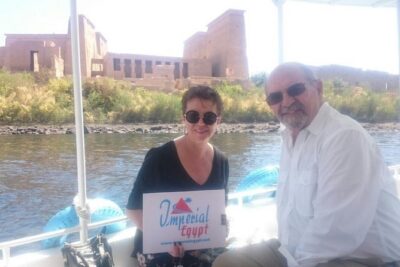
4-Day 3-Night Nile Cruise from Aswan to Luxor&Abu Simbel+Balloon
Read our review →

Nile Dinner Cruise with Belly Dancer Show with Pickup
Read our review →
Sakkara, Memphis & Dahshur (Pyramid & Felucca Options)
Read our review →Browse the lists this tour appears in