Reviewed · NILE CRUISES
4-Day Nile Cruise sails Aswan to Luxor&Abu Simbel.Hot air Balloon
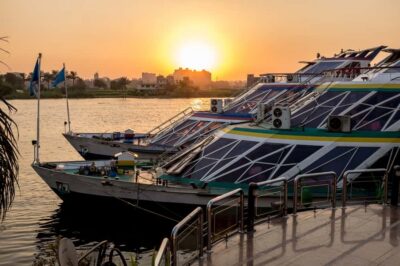
The best part of this four-day trip is the way it links Egypt’s greatest Upper Nile sights without making you repack every morning. You board in Aswan, sail north through changing river scenery, and finish among the tombs and temples of Luxor. Abu Simbel and Philae give Day 1 and Day 2 real weight, while the ship provides a calm base between visits.
I like the door-to-door transfers and the fact that three breakfasts, three lunches, and three dinners are included. I also like the strong guiding element. Guides named Michael, Khaled, and Talaat Abdo have been praised for clear history lessons, good timing, and looking after people during a packed schedule.
The main caution is pace. The first two days are full, Abu Simbel requires a long morning outing, and entrance fees, drinks, internet, and staff tips are extra. The ship is comfortable for many people, but one lower-scoring account found the vessel old and in need of updates, so you should not expect a polished modern resort.
Key points before you book

- Abu Simbel is included in the route: You leave early, spend time at the temple complex, and return to the ship in Aswan before sailing onward.
- Philae requires a boat ride: The temple sits on an island, reached by a short motorboat trip after your visit to the High Dam.
- The sailing days are part of the appeal: Day 3 gives you more time to watch the Nile and rest before Luxor’s major monuments.
- You get a full Luxor finish: The West Bank, Valley of the Kings, Hatshepsut’s temple, Colossi of Memnon, Karnak, and Luxor Temple fill the final day.
- The price covers the basics, not everything: At $306 per person, accommodation, meals, guides, and transport are included, but sightseeing tickets and drinks are not.
- A hot-air balloon ride is optional: It can be added in Luxor early on Day 4 for an extra charge.
Why this Nile route works so well

A Nile cruise is one of the simplest ways to connect Aswan and Luxor. Roads between the ancient sites can be tiring, and independent visits require repeated transfers, ticket stops, and careful planning. Here, your cabin remains your base while the ship moves north.
This route also gives you a useful mix of experiences. You see major monuments with an Egyptologist guide, but you also get quiet stretches on the river. That matters. Egypt’s temples can feel intense when visited one after another, and the sailing time gives you a chance to sit on the deck, eat, and let the day settle.
The package costs $306 per person, which is good value if you use the included meals and transfers. Three nights aboard the ship, nine meals, an English-speaking guide, transport, and assistance in Aswan and Luxor would cost more to arrange separately. The value is less impressive if you want a very high-end ship, private touring throughout, or every admission included.
The advertised capacity reaches 50 people, though the Abu Simbel outing is described as a small shared group. Ask about the expected group size and the exact ship before paying if personal service is important to you.
More Boat Trips in Egypt
- 4-Days Nile Cruise From Aswan To Luxor including Abu Simbel and Hot Air Balloon
★ 5.0 · 3,142 reviews - 4-Day 3-Night Nile Cruise from Aswan to Luxor&Abu Simbel+Balloon
★ 5.0 · 2,023 reviews - 4-Day 3-Night Nile Cruise from Aswan to Luxor including Abu Simbel, Air Balloon
★ 4.5 · 612 reviews
Day 1: Aswan, the High Dam, and island-bound Philae
Your arrival day begins with pickup from an East Bank hotel in Aswan or the train station. You are taken to the Nile ship, where you can refresh and rest before the sightseeing begins. Pickup from Aswan’s West Bank carries an extra charge, so confirm your location in advance.
The first major stop is the Aswan High Dam. Built in the 1960s, it changed the flow of the Nile, created Lake Nasser, and helped control flooding and electricity production. From the top, you can look south across the lake toward Kalabsha Temple and north toward the power station.
The dam is not as visually ornate as the temples, but it gives you essential context. The rising water created by the dam threatened important ancient sites, including Philae. Without that story, the next stop loses some of its meaning.
Philae Temple is reached by a short motorboat ride. The temple was moved roughly 500 meters from its original position when the water level rose, then rebuilt on an island arranged to resemble the old setting. The result is one of Aswan’s most memorable visits, with stone courtyards, columns, reliefs, and open water around you.
Philae was dedicated mainly to Isis, a major Egyptian goddess associated with motherhood, magic, and protection. Your guide leads the main walk, then you have time to look around independently and take photographs. Allow yourself a little quiet time here. The island setting makes Philae feel different from the land-based monuments farther north.
After the tour, you return to the ship in Aswan. The schedule gives you a useful first look at the city, though it does not include every Aswan attraction. The day is manageable, but the heat can make even a short walking tour tiring. Bring water for the sightseeing, since drinks are not included on the ship.
Day 2: Abu Simbel before Kom Ombo
Abu Simbel is the boldest addition to this itinerary and the reason many people choose this particular cruise. The outing begins early and lasts about eight hours, including the journey and time at the site. You return to the cruise in the afternoon and prepare for sailing.
The temple complex was built by Ramesses II. Its enormous seated statues are the first thing you notice, but the interior spaces and wall scenes reward a slower look. The scale is impressive because the site was designed to project royal power, not simply to serve as a small place of worship.
This is a long day. You should choose it because Abu Simbel matters to you, not because you expect a relaxed morning. The supplied entrance fee is extra, and you should confirm the departure time with your guide the evening before. Early starts are easier when you have clothes ready and do not plan a late night.
The cruise later stops at Kom Ombo. The temple is unusual because it was dedicated to two sets of gods, including Sobek, the crocodile god, and Horus. Its paired design gives the visit a clear visual theme, and your guide can point out how the shared complex worked.
Kom Ombo is often visited near sunset, although the exact timing depends on the ship’s movement. The stop breaks up the long Abu Simbel day and gives you a chance to walk through a temple beside the Nile before returning to the ship.
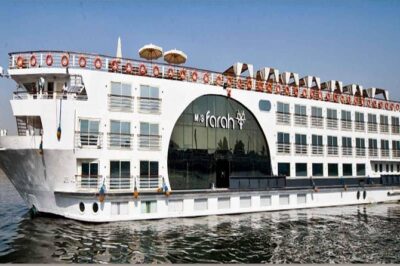
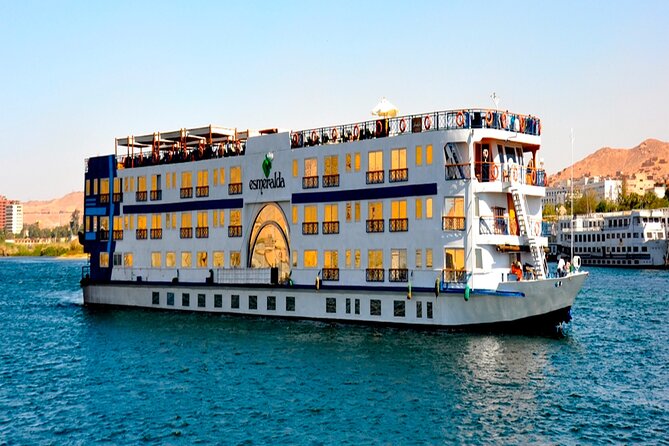
You spend the night aboard in a private cabin. The ship’s age may vary, and the experience appears to depend partly on the vessel assigned to your departure. Some people find the cabins clean and comfortably sized, while another account found the boat dated. If cabin condition matters greatly to you, request the ship name and recent cabin details before booking.
Day 3: Edfu, open river, and the run to Luxor

Day 3 is the most balanced day of the cruise. You have time to relax while the ship moves along the Nile, then you visit Edfu and continue toward Luxor. After the early Abu Simbel start, this slower stretch is welcome.
The Temple of Horus at Edfu is one of Egypt’s best-preserved large temples. It was dedicated to Horus, the falcon-headed god, and its high walls still make the complex feel enclosed and powerful. The entrance, courtyards, columns, and reliefs are easier to understand when a guide explains the scenes and the temple’s role.
The itinerary allows roughly three hours at Edfu, including the guided visit. That gives you time to see the main areas without racing through them. You also get some free time for photographs, a useful feature when you want to look closely rather than stay beside the guide every minute.
The sailing toward Luxor is the trip’s breathing space. Use it well. Sit on the upper deck, watch the riverbank, and keep your schedule light. The Nile is not simply transportation here. It is the thread that connects farmland, villages, desert edges, and the monumental sites you are visiting.
You spend another night in your private cabin before arriving in Luxor. Wi-Fi is available on the ship for an extra charge, but water and other drinks are not included. Bring enough Egyptian currency or confirm accepted payment methods for these small onboard costs.
More Hot Air Balloon Rides in Aswan & Abu Simbel
- From Aswan: 3-Day Cruise to Luxor with Hot Air Balloon
★ 4.3 · 598 reviews - 4-Days Nile Cruise From Aswan To Luxor including Abu Simbel and Hot Air Balloon
★ 4.5 · 509 reviews - 4 Days Nile Cruise from Aswan to Luxor including Abu Simbel and Hot Air Balloon
★ 4.5 · 356 reviews - 4-Day 3-Night Nile Cruise from Aswan to Luxor With Balloon and Abu Simbel
★ 5.0 · 327 reviews
Day 4: Luxor’s West Bank, then the great temples

The final day is packed, so prepare for an early start. A hot-air balloon ride is available as an optional extra before breakfast. The tour information does not specify the flight time, operator, or exact cost, so ask for those details before adding it. Since the sightseeing continues afterward, consider whether you want a second early morning after the Abu Simbel outing.
After breakfast and checkout, you cross to Luxor’s West Bank. The Valley of the Kings contains 66 tombs from different dynasties, though not every tomb is open at all times. Your admission covers only the sites allowed by the local ticket, and special tombs may require separate payment. Confirm what is included on the day.
The valley is not mainly about grand exterior buildings. Its importance lies underground, where royal burial chambers were cut into the hills and decorated with scenes meant to guide the dead into the next world. Heat builds quickly, and the bare setting offers little shade, so carry water and wear shoes suited to uneven ground.
Next comes the Temple of Hatshepsut at Deir el Bahari. Hatshepsut was one of ancient Egypt’s few female rulers, and the temple’s broad terraces rise against the cliffs. Your guide can help explain both her unusual position and the political story behind the monument.
The Colossi of Memnon provide a short stop on the return journey. These two giant seated statues represented Amenhotep III and faced the Nile. The visit lasts about 45 minutes, making it a useful pause between larger sites rather than a major standalone tour.
Karnak is the day’s giant. The complex covers a huge area and includes more than 20 temples and sanctuaries, with later rulers adding their own buildings over many centuries. The Hypostyle Hall is the star: a forest of massive columns that makes the human scale feel wonderfully small.
Karnak was linked to Amun-Ra, his wife Mut, and their son Khons. You will see that religious family reflected in the layout and decoration. Two hours is enough for the main route, but not enough to inspect every corner, so listen closely to the guide’s priorities.
The final stop is Luxor Temple. Unlike Karnak, which developed over a long period as a vast religious center, Luxor Temple feels more compact and direct. Its columns, statues, and processional spaces make a fitting final chapter, especially as the late-day light changes the stone.
At the end, you are dropped at a Luxor hotel, train station, or another preferred point in the city. That flexibility is useful if you are continuing by rail or staying in Luxor after the cruise.
What the guides add to the experience

The guide can make or break a temple-heavy trip. Names associated with this experience include Michael, Khaled, and Talaat Abdo. Their guiding style has been described as clear, friendly, and attentive, with particular praise for explaining Egyptian history, architecture, and symbolism in an approachable way.
Talaat Abdo is also noted for keeping schedules clear and giving enough time for photographs. Khaled has been praised for arranging visits smoothly and helping people avoid common tourist hassles. Michael is described as available for questions and good at explaining details without making the sites feel like a lecture.
That said, Abu Simbel may use a different guide from the main cruise program. One account found that the Abu Simbel guide was less attentive, including during restroom breaks. Stay with your group, note the meeting point, and confirm the return time before exploring on your own.
Meals, cabins, and the practical tradeoffs

Your fare includes three breakfasts, three lunches, and three dinners, served on a full-board basis. That makes budgeting easier, particularly during sailing days when finding a separate meal is not practical.
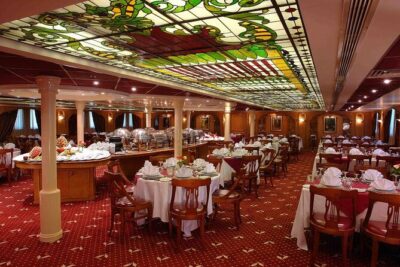
Food quality can vary by ship and departure. Reports describe good meals and fresh ingredients, while the vessel itself may feel older than the 5-star label suggests. Think of this as a sightseeing cruise with hotel-style basics, not necessarily a newly built luxury liner.
Cabins are private, and some people find them larger and cleaner than expected. Still, the boat’s age is a fair concern. Ask whether a cabin upgrade or a different ship is available if comfort is more important to you than keeping the price low.
Staff tipping is not included. Boat staff tips, drinks, bottled water, and Wi-Fi are separate costs. Entrance fees for every mentioned sight are also extra, so the final total will be higher than $306 per person.
Who should book this four-day cruise?

I would choose this trip if you want to see many major Upper Egypt sites in a short period and prefer one organized route. It suits first-time visitors who value an English-speaking Egyptologist, included transport, and meals that remove daily planning.
It is also a good fit if Abu Simbel is high on your list. Many shorter Nile cruises skip it, while this route builds the long excursion into the program.
I would hesitate if you dislike early starts, guided groups, or busy sightseeing days. A private itinerary would give you more control over temple timing and free time. You should also ask detailed questions about the ship if you expect modern luxury, since the vessel may be older despite its 5-star description.
Free cancellation is available up to 24 hours before the start time. The experience requires good weather and a minimum number of people, with another date or a refund offered if the operator cancels for either reason.
Should you book it?
Book this cruise if you want efficient access to Abu Simbel, Philae, Kom Ombo, Edfu, and Luxor’s major monuments, with meals, transfers, and guiding bundled into one price. The strongest value comes from the route and the guides, not from guaranteed new-ship luxury.
Before booking, confirm the ship name, expected group size, admission costs, Abu Simbel departure time, and hot-air balloon price. If those details suit you, this is a practical and history-filled way to see the Nile between Aswan and Luxor.
FAQ
Where does the Nile cruise begin and end?
The cruise begins in Aswan and ends in Luxor. Pickup is offered from East Bank hotels or the train station in Aswan, and the final drop-off can be at a Luxor hotel, train station, or another preferred point in Luxor.
How many nights are spent on the ship?
You spend three nights aboard a 5-star Nile cruise in a private room.
Is Abu Simbel included in the itinerary?
Yes. Abu Simbel is visited early on Day 2, followed by a return to the cruise in the afternoon. The entrance fee is not included.
Are meals included?
Yes. The package includes three breakfasts, three lunches, and three dinners.
Are entrance fees included?
No. Entrance fees to the listed sights are extra, including the High Dam, Philae Temple, Abu Simbel, Kom Ombo, Edfu, the Valley of the Kings, Hatshepsut’s temple, Karnak, and Luxor Temple.
Is the hot-air balloon ride included?
No. The hot-air balloon ride is optional and available for an extra cost on the morning of Day 4 in Luxor.
Can I cancel the booking?
You can cancel up to 24 hours before the experience starts for a full refund. Changes or cancellations made less than 24 hours before the start time are not accepted for a refund.
More Nile Cruises in Aswan & Abu Simbel
- From Aswan: 4-Day Nile Cruise from Aswan to Luxor with Guide
★ 4.1 · 593 reviews - 4-Day 3-Night Nile Cruise from Aswan to Luxor – Private Tour
★ 5.0 · 369 reviews - 2 Night Nile Cruise from Aswan to Luxor
★ 5.0 · 311 reviews - Private 04 Days Days Nile Cruise from Aswan to Luxor
★ 5.0 · 278 reviews
More Hot Air Balloon Rides in Egypt
- 4-Days Nile Cruise Aswan&Luxor,Hot Air Balloon&Abu Simbel.Hot deal
★ 5.0 · 322 reviews - From Aswan:4 Days Nile Cruise Luxor Abu Simbel & Air Balloon
★ 4.4 · 310 reviews - From Luxor: 3-Night Nile Cruise to Aswan and Hot Air Balloon
★ 3.7 · 297 reviews - 4-Day Nile Cruise Aswan and Luxor Hot Air Balloon with Abu Simbel
★ 5.0 · 234 reviews
Just added for Aswan & Abu Simbel
- Egypt 8 Days Cairo,Nile cruise,Luxor,Aswan from Cairo airport★ 5.0 · 79 reviews
- Egypt on Budget – 8 Days ( Cairo , Aswan , Nile Cruise – Luxor ) Sleeper Train★ 4.5 · 121 reviews
- 5 days 4 night Nile Cruise: Luxor to Aswan with Flight from Cairo★ 4.5 · 96 reviews
- Our Exceptional 5 days Cairo, Luxor and Abu Simbel Tour Package★ 5.0 · 212 reviews
- Abu Simbel Private Full-Day Tour from Aswan★ 5.0 · 114 reviews
- Sailing Nile Cruise from Aswan to Luxor for 2 Nights★ 4.5 · 139 reviews
- Full Day Tour to Abu Simbel Temples from Aswan★ 4.5 · 218 reviews
- Nubian Village by Motorboat In Aswan★ 5.0 · 97 reviews
Nile Cruises, compared.
4-Days Nile Cruise From Aswan To Luxor including Abu Simbel and Hot Air Balloon
Read our review →
Dinner Cruise on the Nile River with Entertainment
Read our review →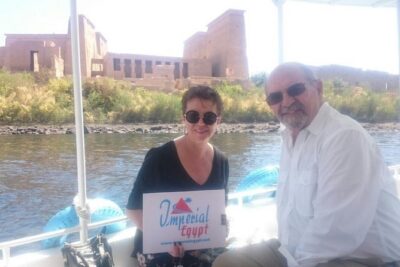
4-Day 3-Night Nile Cruise from Aswan to Luxor&Abu Simbel+Balloon
Read our review →

Nile Dinner Cruise with Belly Dancer Show with Pickup
Read our review →