
Reviewed · ISLAND TRIPS
Cape Town: Robben Island Ferry Ticket and Townships Tour
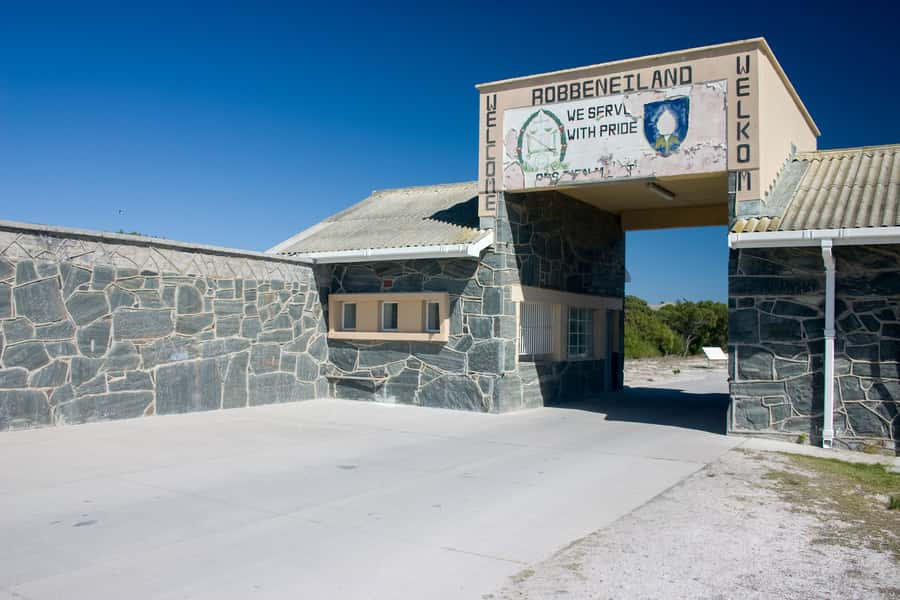
Cape Town’s past is not confined to a museum. This tour takes you through District Six, Langa, Bonteheuwel, and Gugulethu, then sends you to Robben Island, where apartheid becomes personal through the stories of former prisoners. I like the way the morning connects forced removals and township life with the political struggle you see on the island.
I also like the local scale. In Langa, you may visit a primary school, see homemade beer being made, meet a traditional healer, and talk with people who live and work in the community. Guides such as Sam, Mpumzi, Luyolo, and Shake have been praised for explaining both the past and present in clear, personal terms.
The main consideration is the schedule. Robben Island is a large, organized group experience, and several people found the prison visit rushed or had trouble hearing the guide. Ferry times can also change because of weather or ticket availability, so do not build a tight evening plan around this outing.
Key points to know before booking
- District Six sets the context: Learn how about 60,000 people were forcibly removed during the 1970s.
- Langa is the most personal stop: Walk through hostels and informal homes with a local guide who may have grown up there.
- The tour supports local enterprise: You can buy from township businesses and markets, including souvenirs and homemade beer producers.
- Robben Island adds first-person testimony: Prison tours are often led by former political prisoners, making the visit especially moving.
- The day ends at the V&A Waterfront: You make your own way back to your hotel after the ferry portion.
- Weather can alter the plan: Ferry tickets depend on conditions and availability, with rescheduling or a partial refund offered if the crossing is canceled.
Why the township tour matters
Many Cape Town sightseeing days focus on Table Mountain, beaches, and the V&A Waterfront. Those places are worth your time, but they show only one part of the city. This outing takes you into communities shaped by apartheid’s forced separation, and it asks you to look at how those policies still affect daily life.
The tour is best approached as a guided cultural visit, not as a quick photo stop. You are not simply passing poor neighborhoods from behind a van window. In Langa, you leave the vehicle and walk with a local guide through parts of the community. The guide explains what you are seeing and helps create respectful contact with residents.
That distinction matters. Without local guidance, a township visit can feel intrusive or confusing. With a guide such as Luyolo, who grew up in Langa, or Shake, who has led visitors through homes, schools, and local businesses, the experience has more context and less gawking. You still need to behave carefully: listen, ask before taking photographs, and remember that this is where people live.
More Island Trips in Cape Town
- Cape Town: Robben Island Ferry Ticket and Guided Prison Tour
★ 4.1 · 1,792 reviews - Cape Town: Robben Island Ferry Tour with 1-Way Hotel Pickup
★ 4.2 · 1,380 reviews - Cape Town: Robben Island Ferry with Prison Ticket and Tour
★ 4.0 · 324 reviews
District Six and the cost of forced removal
The morning begins with a drive through or around District Six, depending on the day’s arrangement. This former mixed community near central Cape Town became one of the clearest examples of apartheid’s Group Areas policy.
During the 1970s, around 60,000 residents were removed from District Six. Families were sent to separate areas based on the racial classifications imposed by the government. The neighborhood was largely cleared, and the story gives you an early explanation of why Cape Town’s communities remain so divided by distance and income.
Your driver-guide provides the first layer of interpretation while you are still in the minivan. Sam has been especially noted for placing the events in political and social context, while other guides, including Mpumzi and Armand, have been praised for keeping the history easy to follow.
This is not a long museum visit with time to study exhibits. Think of District Six as an introduction. It prepares you for Langa, where the subject moves from demolished streets and government policy to present-day homes, businesses, and community life.
Langa, Cape Town’s oldest township
Langa is the heart of the township portion. It is described as Cape Town’s oldest township, and the tour points out sites linked to apartheid-era control, including the Old Pass Office and a monument to Robert Sobukwe.
The pass system regulated where Black South Africans could live and work. The Old Pass Office helps make that system concrete. Instead of hearing only about laws in the abstract, you see a place connected with the paperwork and restrictions that shaped movement and family life.
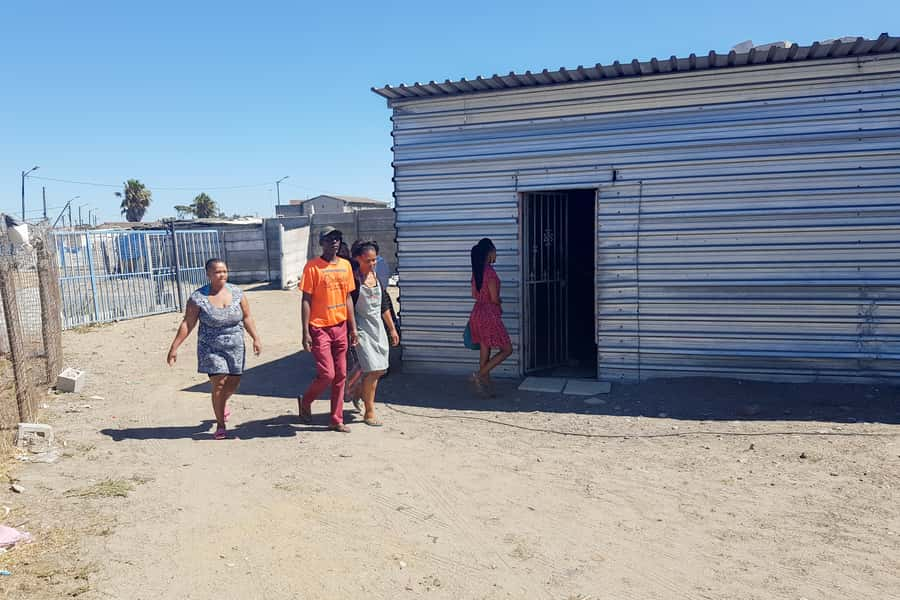
A walking route takes you through areas that may include hostels, shacks, homes, and local streets. The exact stops can vary. A school or kindergarten visit may be possible, though Sunday departures have sometimes included a church service instead. That flexibility is useful because Langa is a living community rather than a fixed open-air museum.
Several guides have taken visitors inside homes or introduced them to residents. This can be one of the most affecting parts of the day, but it also calls for good manners. You are entering someone else’s world, so keep questions polite and do not treat private spaces as displays.
Beer, healing, and everyday community life
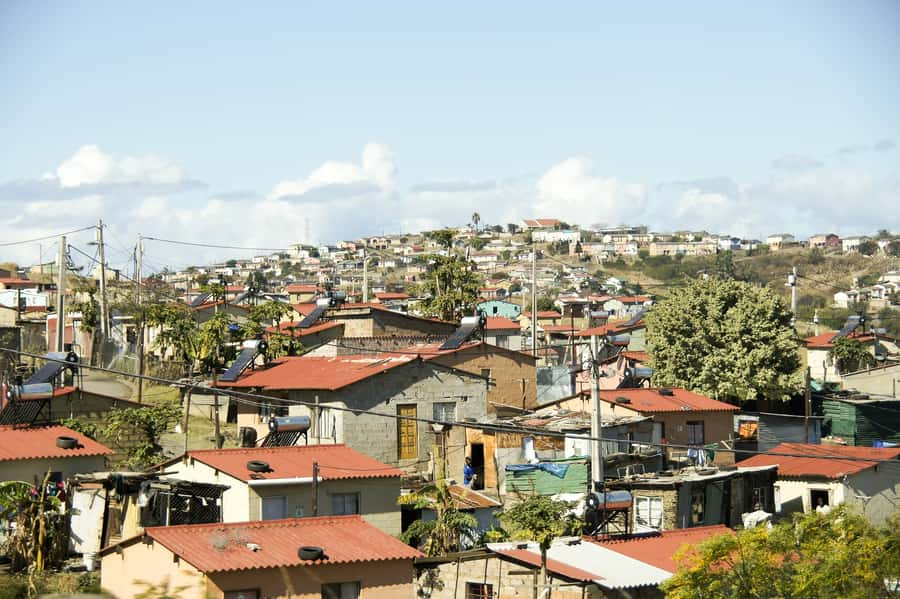
The tour includes stops that broaden the picture beyond political events. You may visit a shebeen, a traditional neighborhood pub, and see local beer being made. You may also have the chance to taste homemade beer, depending on the stop and the day.
A visit to a traditional healer offers another view of local practice. The healer’s consultation space, sometimes described as an office, shows how health and belief can operate outside the formal systems familiar to many visitors. The guide explains what you are seeing, rather than leaving you to guess.
These encounters are valuable because they show daily life, not only suffering. Apartheid is central to the tour, but Langa is not presented as a place frozen in the past. You see people making a living, running businesses, educating children, worshipping, and maintaining local traditions.
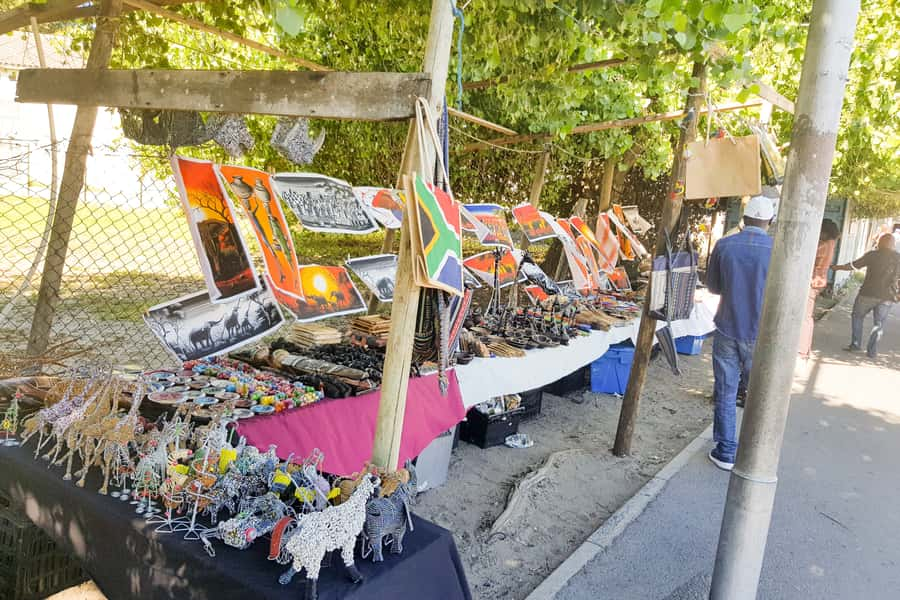
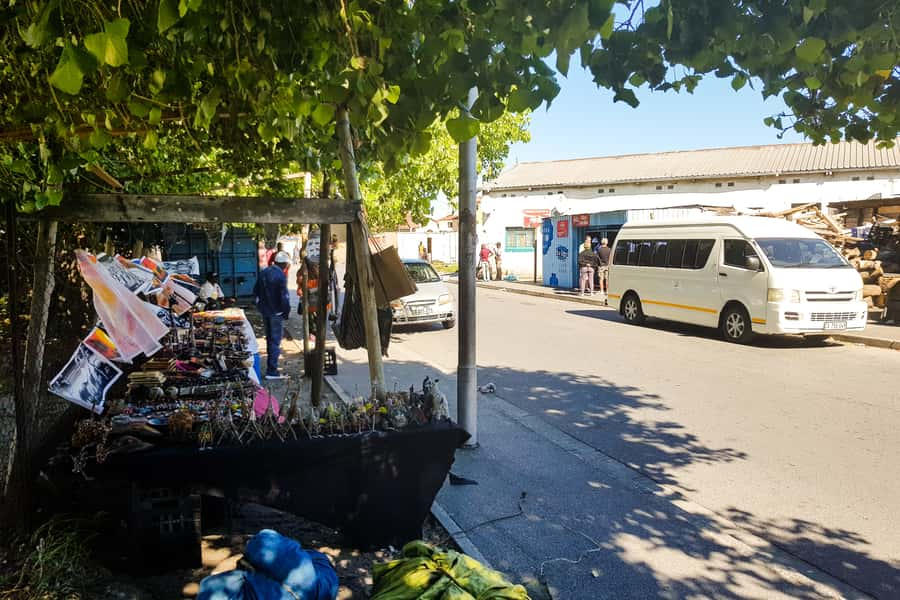
You also have opportunities to support local businesses. Souvenir stalls and township markets welcome purchases, though prices should be checked carefully. One visitor found a souvenir shop expensive, while still feeling comfortable buying because the money supported the local community. Treat shopping as optional, and buy only what you genuinely want.
Same corner of the map, a completely different outing:
- Cape Town: Hop-On Hop-Off Bus Tour with Optional Cruise
★ 4.8 · 3,929 reviews - Cape Town: Cape of Good Hope & Penguins Day Tour with Pickup
★ 4.7 · 3,362 reviews - Zipline Cape Town – From Foot of Table Mountain Reserve
★ 5.0 · 3,179 reviews - Cape Town: Table Mountain Cable Car, Hop-On Hop-Off Bus Tour
★ 4.6 · 3,157 reviews
Bonteheuwel and the long shadow of segregation

The minivan continues through Bonteheuwel, an area designated for the colored community under apartheid. Here, the guide explains how the state divided people into racial categories and assigned neighborhoods accordingly.
This drive is less intimate than the Langa walk, but it adds an important piece to the city’s story. Apartheid did not create one single pattern of removal. Different communities were classified, separated, and relocated in different ways, with effects that continue in housing, transport, schools, and access to work.
Because you are viewing Bonteheuwel from the vehicle, do not expect a long stop or extended interaction. Its value is in the comparison. After walking through Langa, you begin to see that segregation affected many groups and produced a complicated map of Cape Town.
Gugulethu’s memorials and difficult memories
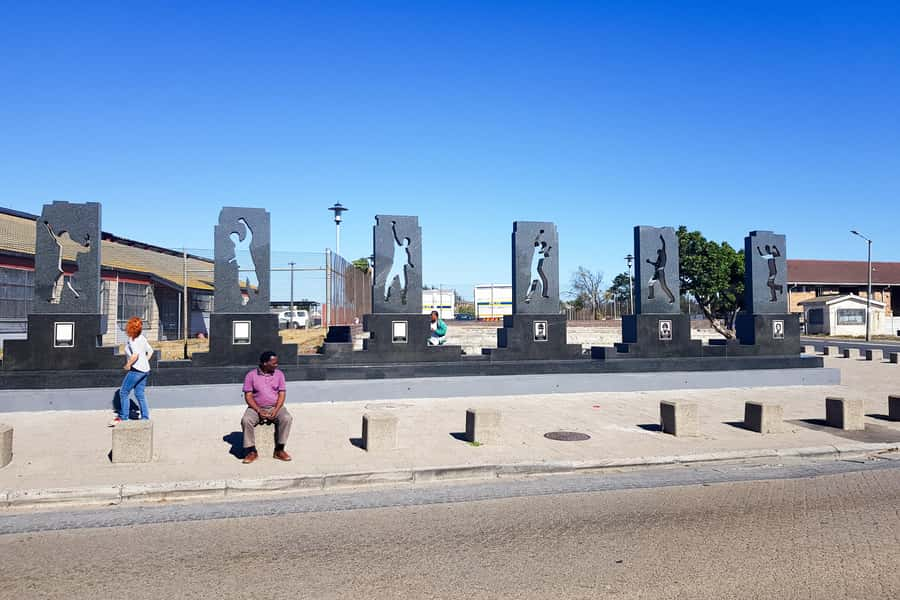
In Gugulethu, the tour includes the Gugulethu 7 Memorial. It honors seven members of an anti-apartheid group killed by South African police in 1986.
You also visit or pass the memorial to Amy Biehl, an American student murdered by PAC supporters in 1993. Including both sites gives the tour a wider frame. The story is not reduced to a simple division between good and bad communities. It shows the violence, anger, and political tensions that continued during the transition away from apartheid.
This part of the route can feel heavy, but it is important. You are asked to remember people who resisted oppression, as well as the painful events that followed. Guides generally allow time for questions, and their own connection to the city can help explain why these memorials matter today.
The ferry to Robben Island
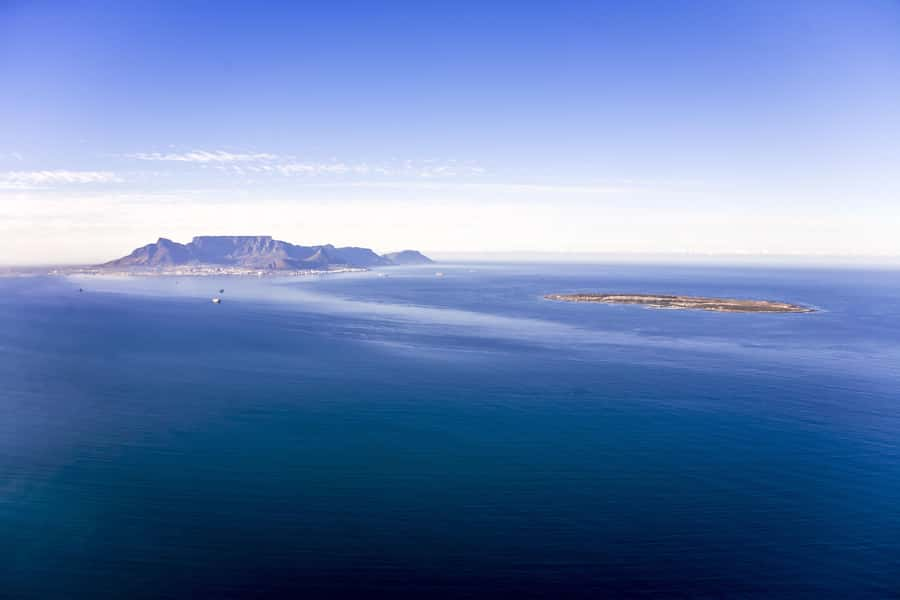
After the township route, you are dropped at the V&A Waterfront for the ferry to Robben Island. The transfer is practical, but the timing deserves attention. The tour company includes the ferry ticket, yet the boat is subject to availability and weather conditions.
The crossing takes roughly 30 minutes according to one detailed account, though you should rely on the confirmed ferry schedule for planning. The water can be windy, so bring an extra layer even if Cape Town feels warm on land. If the ferry is canceled after the township portion, you may be offered another date if space exists, or a partial refund.
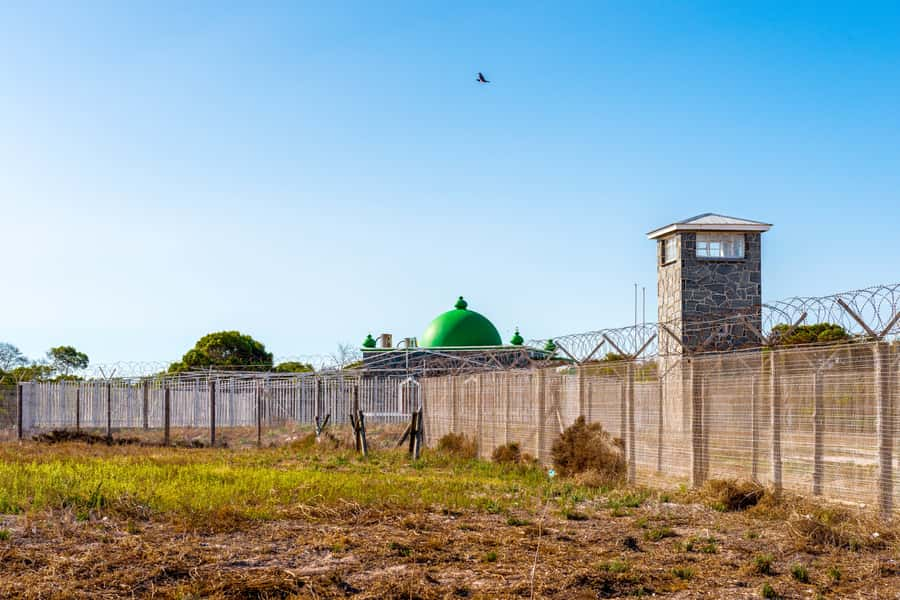
The island visit is not as private or flexible as the township walk. You join the official Robben Island program, which can include a bus tour of the island and a visit to the maximum-security prison. One of the strongest features is the chance to hear from a former political prisoner who served time there.
That first-person account changes the mood of the visit. Prison cells, courtyards, and buildings can feel distant when explained only through dates and displays. A former prisoner can connect the physical place with confinement, political resistance, and the human cost of opposing apartheid.
What to expect inside the prison
The prison portion can be crowded and tightly scheduled. Groups may be large, and one bus guide has been difficult for some people to hear. Mixed-language groups can slow the presentation when translation is needed.
Several people also wanted more time to examine the exhibits and rooms. The program moves from one stop to the next, so you should not expect a quiet, self-guided museum visit. The former prisoner guide is often the emotional center, but the format may feel regimented compared with the more flexible township walk.
Still, Robben Island is a major part of Cape Town’s political story. If you have limited time in the city, combining it with the townships lets you connect the former prison with the communities affected by the system it helped resist.
Guides, vehicles, and the feel of the day
Hotel pickup is provided in an air-conditioned minivan. That matters in Cape Town, where the day can move between warm streets, cool waterfront air, and windy ferry conditions. The vehicle also lets the guide explain the city as you travel between stops.
The guide quality is central to this experience. Sam has been praised for his historical detail, careful driving, and willingness to answer questions. Mpumzi has been described as friendly and well organized, while Luyolo brings a direct connection to Langa. Other names associated with the experience include Shake, Gladstone, Armand, and Sipho, an ex-political prisoner who has led the Robben Island prison visit.
You may have the township guide largely to yourself, especially if other bookings fall away, or you may join a small group. Robben Island is more likely to feel crowded. That split is worth understanding before booking: the first half can feel personal, while the second follows a set public program.
Expect a moderate amount of walking. Comfortable shoes are sensible, especially for the Langa route. You need a passport or identity card, though a copy is accepted.
Is $89 a fair price?
At $89 per person, the package includes hotel pickup, private air-conditioned transport, a driver-guide, the township visit, and the Robben Island ferry ticket. The convenience is considerable, since Robben Island tickets can be hard to find at short notice and the township route is difficult to arrange responsibly without local contacts.
The value is strongest if you want both parts. You get historical interpretation, community visits, local transport, and the island crossing in one day. You also avoid arranging separate transport between your hotel, the townships, and the waterfront.
The calculation changes if you only want Robben Island. One person noted that the island ticket alone cost much less than the full package, so the extra amount is paying for the township tour, vehicle, hotel pickup, and coordination. If you are interested only in Mandela’s prison, book the island visit separately if tickets are available.
You should also allow for optional spending and tips. Supporting local businesses is encouraged, but purchases are not required. The tour ends at the Robben Island ferry gateway, so you are responsible for getting back to your hotel afterward.
Who should book this Cape Town tour?
I recommend it for you if you want to understand Cape Town beyond its postcard attractions. It suits curious adults, solo visitors, and families with older children who can handle difficult history and moderate walking. Solo participants have felt safe with the guides, and the organized pickup makes the day easier without a rental car.
It is also a good fit if Robben Island tickets are sold out through the normal channel or you are booking close to your travel date. The company has managed ferry changes and rescheduled departures when weather canceled a crossing, though you should keep your schedule flexible.
I would hesitate if you dislike group tours, need a leisurely pace, or want long periods inside museums. The Robben Island section can feel rushed, and the township portion may not follow every advertised stop on every day. You should also think carefully about the ethics of visiting a poor community. Go to listen and learn, not to collect dramatic photographs.
Should you book it?
Book this tour if you want the township experience as much as Robben Island. The Langa walk, local contacts, memorials, and practical explanation of apartheid give the day its strongest value. Guides with personal ties to the area can turn a difficult subject into a clear, human conversation.
Book something else if you want only a prison visit or a relaxed sightseeing day. At $89, the package makes sense when you use both halves and value the transport and local guiding. Keep extra time after the tour, bring a jacket for the ferry, wear comfortable shoes, and let the day challenge your comfortable view of Cape Town.
FAQ
What is included in the tour price?
The price includes the Robben Island ferry ticket, hotel pickup, private transportation in an air-conditioned minivan, and a driver-guide.
Which townships are visited?
The route includes Langa, Bonteheuwel, and Gugulethu. It also includes District Six as part of the historical introduction.
Does the tour include a walking portion?
Yes. A walking tour takes place in Langa, and a moderate amount of walking is involved overall.
Will I visit a school in Langa?
The tour may include a visit to a primary school or kindergarten. The exact stop can vary, and a Sunday visit may instead include a local church service.
Can I try local beer?
You may visit a shebeen and see homemade beer being made, with the opportunity to try it.
Does the tour visit a traditional healer?
Yes. The Langa portion includes a visit to a traditional healer.
Where does the tour end?
The tour ends at the Robben Island ferry gateway at the V&A Waterfront. Hotel drop-off is not included.
Is the Robben Island ferry always guaranteed?
No. The ferry ticket depends on availability and weather conditions. If the ferry is canceled after the township tour, you may be offered a rescheduled trip based on availability or a partial refund.
What identification should I bring?
Bring a passport or identity card. A copy is accepted.
What language is the tour conducted in?
The tour is conducted in English.
Just added for Cape Town
- Best of Cape Town Full-Day Private Tour with Table Mountain★ 5.0 · 195 reviews
- Full Day Cape Point Sightseeing Tour★ 4.5 · 84 reviews
- Drumstruck at Silvermist. Live African Drum Show & Wine tasting★ 5.0 · 137 reviews
- Bo-Kaap: Walk with a local★ 5.0 · 131 reviews
- Cruise and Dine Lunch / Cape Town: Coastal Motor Cruise and 2-Course Lunch★ 4.5 · 151 reviews
- Cruise and Dine Dinner / Cape Town: Sunset Champagne Cruise and 3-Course Dinner★ 4.0 · 128 reviews
- Champagne Cruise (Pre-Sunset) from Cape Town★ 4.5 · 152 reviews
- Cheetah Outreach Tour Somerset West, Gordon’s Bay and Strand Beaches★ 4.5 · 94 reviews
Island Trips, compared.

3 Islands, Dolphins & Snorkel Yacht Trip w/ Lunch
Read our review →
Island Experience Tour with a Certified Local Guide
Read our review →
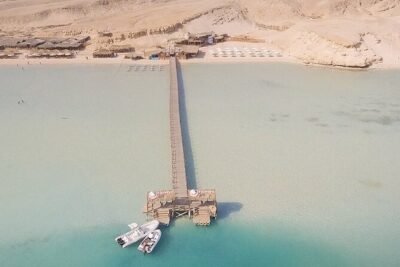
Orange Bay Island Snorkeling Trip With Water Sports – Hurghada
Read our review →
Mauritius: Ile Aux Cerfs Catamaran Trip w/ Lunch & Transfer
Read our review →
White Island and Ras Mohamed Cruise Adventure
Read our review →
6 Islands Tour with Dolphin Watching & Snorkelling
Read our review →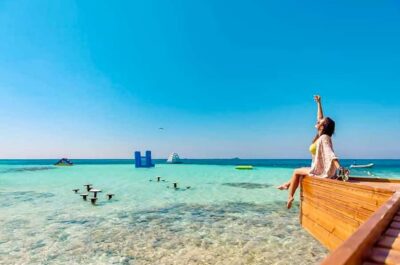
Orange Bay & Magawish Island Speedboat with Lunch
Read our review →Browse the lists this tour appears in