
Reviewed · TOWNSHIP & VILLAGE TOURS
Johannesburg: Soweto Apartheid & Township Tour with Lunch
Soweto is not a quick photo stop. It is a place where South Africa’s political past, daily life, music, struggle, and hopes all meet on the same streets. This seven-hour tour gives you a local guide, visits to the Hector Pieterson Museum and Apartheid Museum, and time in an informal settlement.
I like the small group size, capped at 13, and the way the day connects historic sites with present-day Soweto. I also like that lunch is included and that an R50 donation from each booking goes to the Motsoaledi Day Care Centre. The main drawback is pace: with several major stops, some parts can feel rushed.
Key points
- Local guides shape the day: Guides such as Lebo, Prince, Thabang, Khutso, and Bobo have been praised for clear explanations, humor, and strong local context.
- Soweto is more than a museum visit: You walk in Diepkloof, pass Vilakazi Street, visit an informal settlement, and see daily life alongside famous landmarks.
- Two important museums are included: The Hector Pieterson Museum explains the 1976 Soweto uprising, while the Apartheid Museum covers apartheid and the liberation struggle.
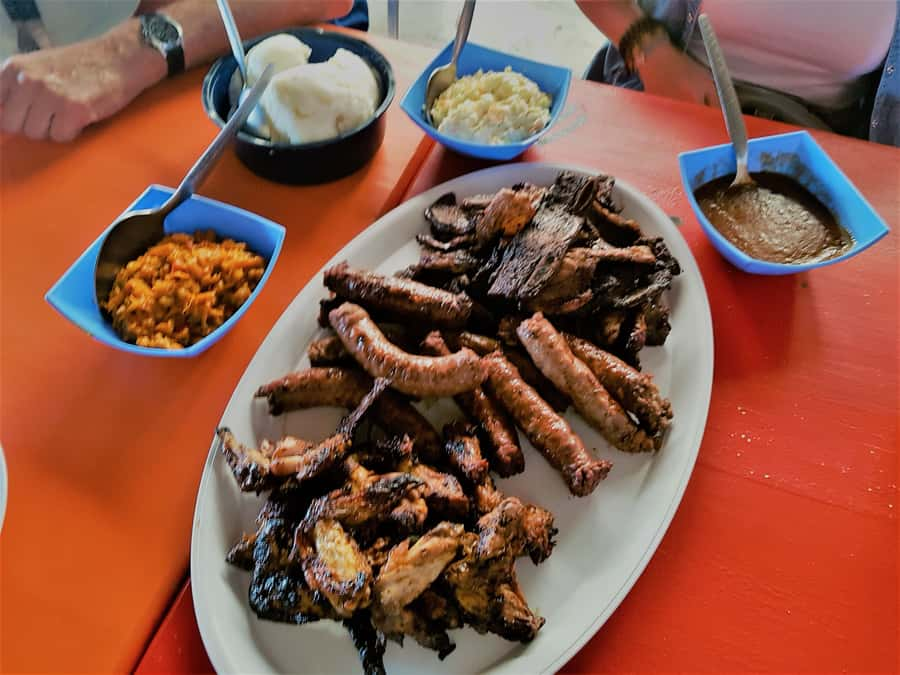
- Lunch breaks up the history: A traditional meal at Restaurant Vilakazi gives you time to sit down during a full day of touring.
- The itinerary covers a lot: Mandela’s former home, Archbishop Desmond Tutu’s home, Chris Hani Baragwanath Hospital, the Soweto Campus, and the 2010 World Cup stadium all fit into one outing.
- The price includes useful extras: At $114 per person, hotel pickup, drop-off, admission fees, lunch, and onboard Wi-Fi are included.
Why this Soweto day matters
Soweto means South Western Township, but the name does not tell you much about the place itself. This is a large urban area with a powerful role in South Africa’s political story. It is also a living community, not an open-air museum.
That distinction matters. You will see famous names such as Nelson Mandela and Archbishop Desmond Tutu, but you will also pass vendors, homes, streets, schools, and an informal settlement. The day asks you to look at both the country’s painful past and its present-day realities.
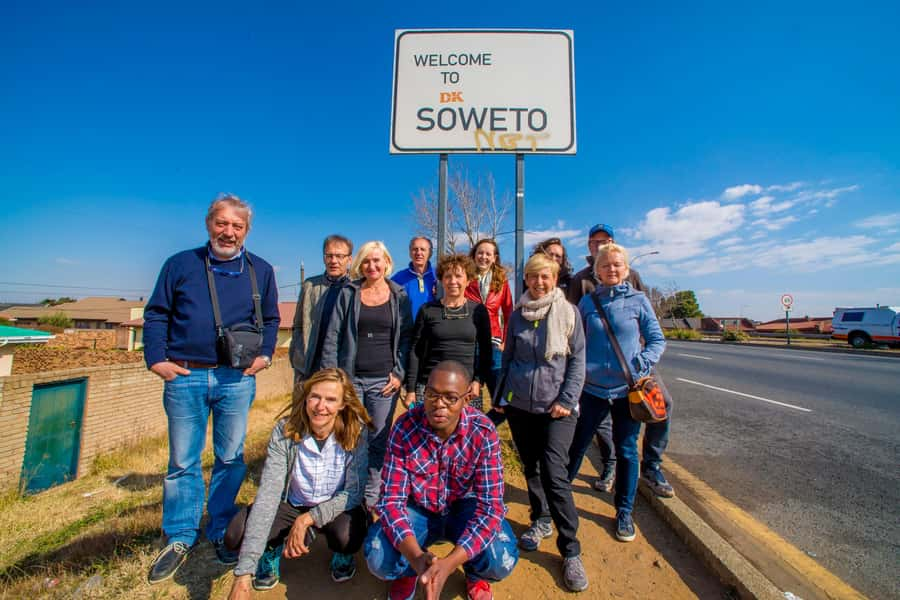
I find the mix more useful than a tour that only takes you from one memorial to another. Your guide can explain how the places connect, why Soweto became central to the fight against apartheid, and what you are seeing now. Guides named in past outings include Lebo, Prince, Thabang, Khutso, Emma, and Bobo, though your guide will depend on the date of your visit.
More Village Tours in Johannesburg & Pretoria
- Johannesburg: Hop-On Hop-Off Bus with Optional Soweto Tour
★ 4.6 · 985 reviews - Soweto /Johannesburg and Apartheid Museum Guided Full Day Tour
★ 5.0 · 932 reviews - Johannesburg Hop-On Hop-Off City Tour with Soweto Option
★ 4.5 · 768 reviews
From Johannesburg to Diepkloof

Hotel or residence pickup in Johannesburg starts the day. The drive toward Soweto takes about an hour, so this is not a compact neighborhood walk. Your guide gives a short briefing before the tour, then points out major sights along the route.
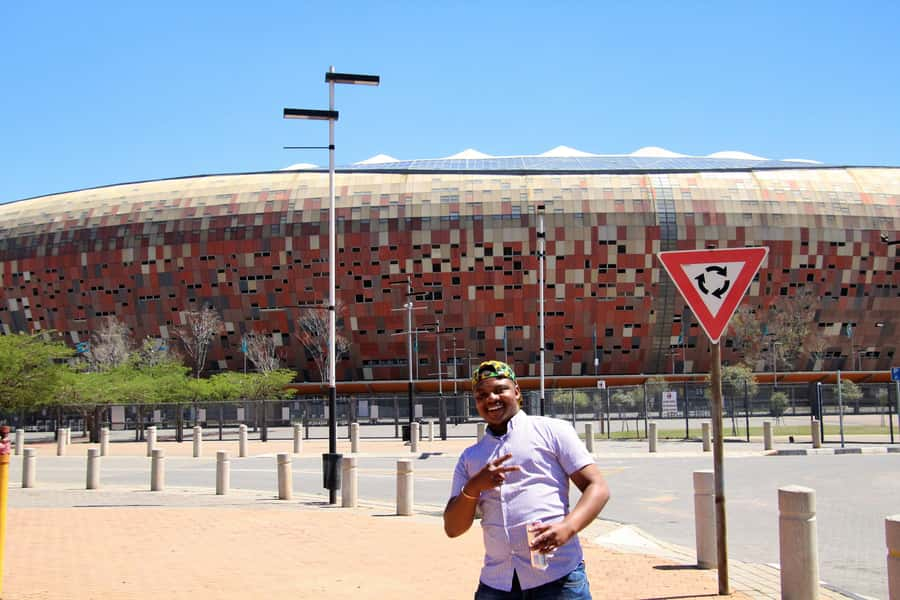
One early landmark is the National Football Stadium, which hosted the opening and closing ceremonies of the 2010 World Cup. It is a useful reminder that Johannesburg is a modern city with major international venues, while Soweto’s story reaches back through decades of racial separation and political conflict.
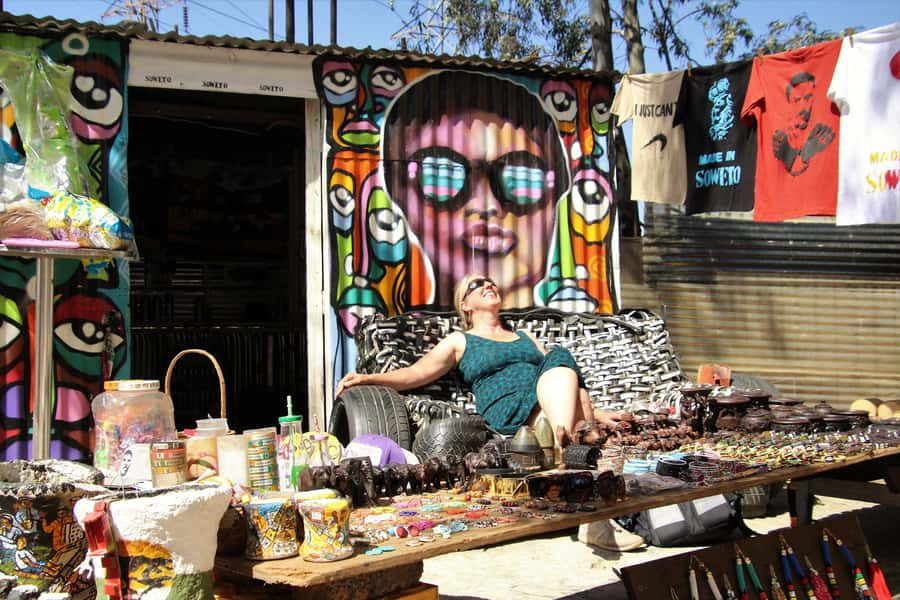
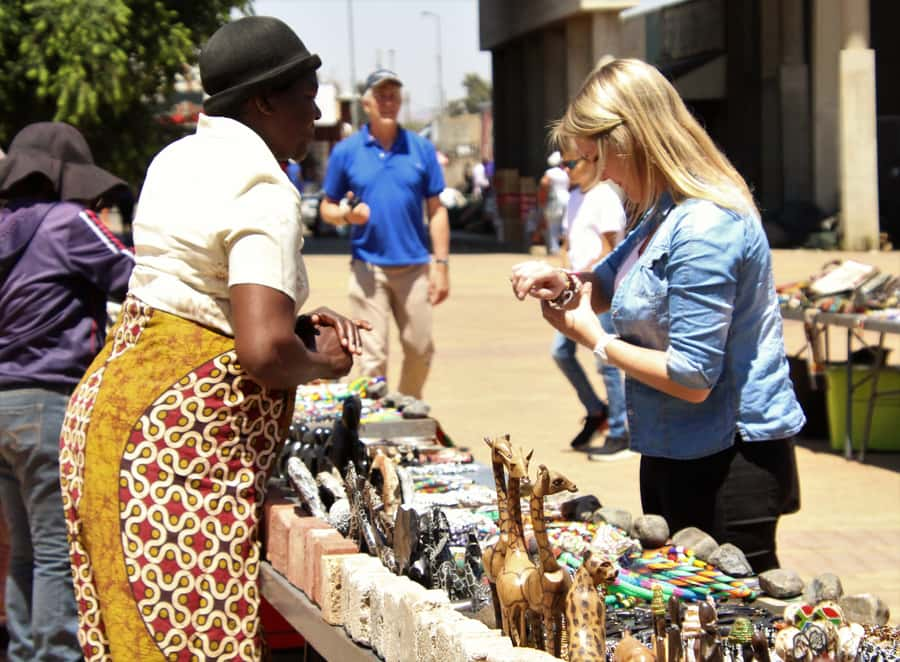
The first stop in Soweto is the Diepkloof area. Here, you walk for about 30 minutes past vendors selling a wide range of goods. This is one of the better moments to notice ordinary commerce and local movement instead of only looking for famous names.
Wear comfortable shoes. The walking section is not long, but the day includes several stops, and you will be on your feet around museums and historic sites. The pace can also feel brisk if the group has many questions or if you want extra time for photographs.
Vilakazi Street and the Mandela connection
In Orlando West, the tour reaches Vilakazi Street. You drive past the former home of Nelson Mandela and the home of Archbishop Desmond Tutu. Few streets carry such a clear connection to South Africa’s modern political story.
The tour passes Mandela House, and visiting the museum inside is optional rather than part of the included admissions. That is an important detail for planning. If you want to enter Mandela House, expect it to require extra time and possibly an additional fee, so ask your guide how it fits into the day.
You also have a chance to read about the Soweto uprising of June 16, 1976. School students protested the forced use of Afrikaans in education, and the events became a major turning point in the liberation struggle. The tour does not leave this history floating in the past. It places the uprising on actual Soweto streets, close to homes and businesses that make the area feel lived-in.
Vilakazi Street can be one of the most recognizable parts of the outing, but it is not the whole story. I appreciate that the tour does not stop after a famous-house photo. It continues into less polished parts of Soweto, where your guide can give a broader view of how people live.
Hector Pieterson Museum and the 1976 uprising
The Hector Pieterson Memorial and Museum is one of the key historical stops. Admission is included, and the scheduled visit lasts about an hour.
This museum focuses on the June 16, 1976 uprising and the young people caught up in it. The name Hector Pieterson is closely tied to the image of a child carried after being shot during the protest. The museum helps explain why the uprising became such a powerful symbol in South Africa’s liberation struggle.
Give this stop your full attention. It is not simply another place to walk through before lunch. The displays provide essential background for understanding Soweto, apartheid education policy, and the courage of young people who challenged the system.
The museum visit can also make the rest of the day easier to understand. When you later see the township’s streets, schools, and community spaces, you have more context for the political pressure that shaped Soweto. A guide who explains clearly can make a major difference here, and this is one reason the guide matters more than the vehicle or route.
More Village Tours in South Africa
- Half-Day Tour of Soweto Tour
★ 4.5 · 712 reviews - Soweto: Walking Tour with a Local Guide and Lunch
★ 4.9 · 648 reviews - Jo’berg in 1 Day: Soweto, Apartheid Museum & City Tour
★ 4.8 · 524 reviews - Johannesburg: Full-Day Tour with Soweto and Apartheid Museum
★ 4.8 · 478 reviews
Seeing Soweto beyond the famous addresses
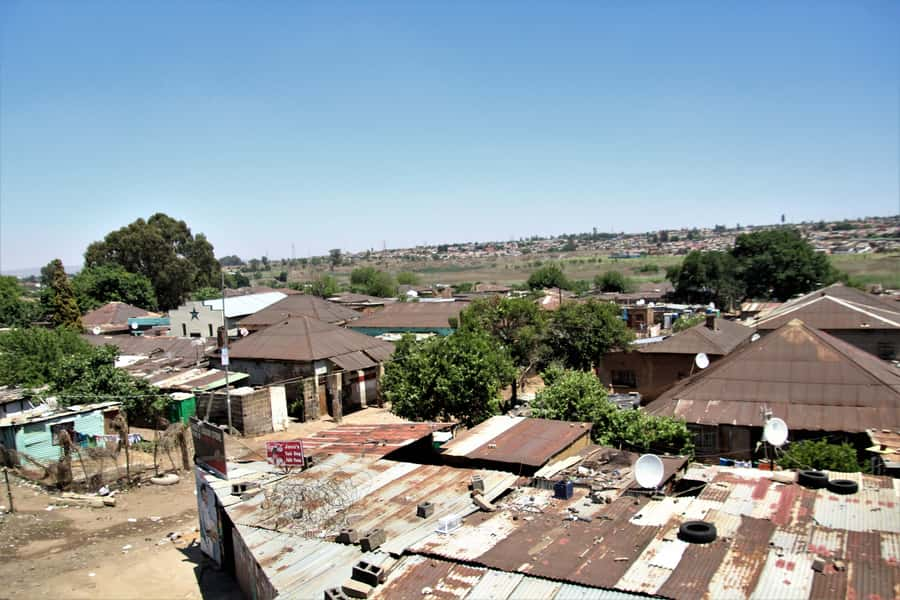
The tour continues to an informal settlement, often called a shanty town in the description of the experience. You have a chance to interact with local people and meet young community leaders.
This part requires respect and attention. You are entering a real community, not a staged attraction. Listen to your guide about where to walk, when photography is suitable, and how to speak with residents. The point is not to collect dramatic images. It is to recognize the people who live there and hear something about local life directly.
This can be the most personal part of the day, but it may also feel uncomfortable. You might see poverty and crowded living conditions that are difficult to process. One past participant described the conditions as sobering, especially for children. The experience is valuable only if you approach it with humility rather than treating hardship as entertainment.
The tour includes a donation of R50 for every individual booking to the Motsoaledi Day Care Centre. The money is used for building upgrades and items on the centre’s wish list. That does not remove the ethical questions around visiting an informal settlement, but it does give your booking a practical connection to a local project.
The hospital and Soweto Campus
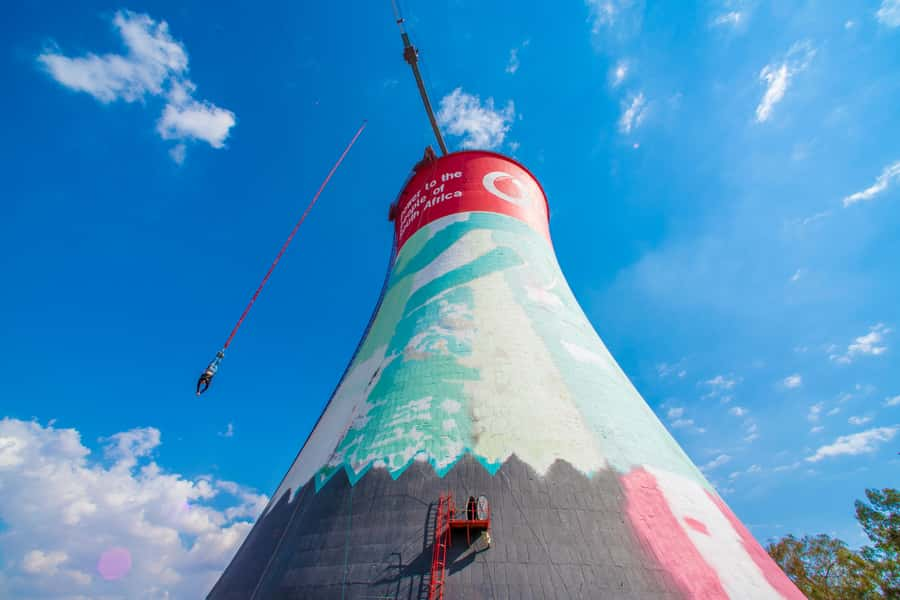
The route passes the Soweto Campus of the University of Johannesburg and gives you a view of Chris Hani Baragwanath Academic Hospital. The hospital is described as the largest in the world, and even seeing it from the tour route gives you a sense of the scale of services required in a huge urban area.
This is a short stop of about 30 minutes. Do not expect an extended hospital visit or a detailed campus tour. Instead, it helps you see that Soweto includes universities, major medical facilities, homes, retail streets, and historic sites.
That range is important. Visitors sometimes reduce Soweto to apartheid history or poverty. The route shows a more complete picture, even within a tightly planned day.
Traditional lunch at Restaurant Vilakazi
Lunch takes place at Restaurant Vilakazi and lasts about an hour. A traditional lunch is included, while extra food and drinks are not.
The meal gives you a proper pause after the morning’s walking and museum visits. It also keeps the day from becoming a string of hurried stops. Past outings have described the food as good, but the provided details do not specify the menu, so you should not book this expecting one particular dish.
If you have dietary needs, ask before booking or tell the operator in advance. The available information confirms a traditional meal but does not give details about substitutions or special diets.
Restaurant Vilakazi is also a sensible location for lunch because it keeps the meal connected to Soweto rather than sending you back toward central Johannesburg. You remain in the area while taking time to eat and talk with your guide.
The Apartheid Museum closes the day
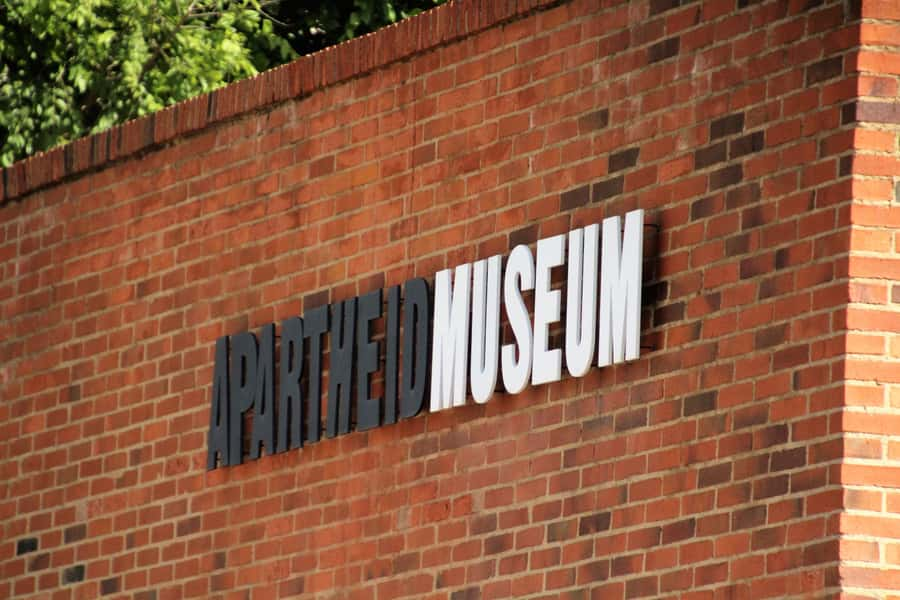
The final major stop is the Apartheid Museum, with about two hours scheduled inside. Admission is included, and skip-the-line entry is listed as part of the experience.
This museum gives the day its broad national context. The Hector Pieterson Museum concentrates on the Soweto uprising and the experience of young people in 1976. The Apartheid Museum covers the wider apartheid system and South Africa’s liberation struggle.
Two hours is enough for a substantial visit, but not enough to study every display at length. If museums are your main reason for booking, you may wish you had more time. Still, placing the Apartheid Museum after Soweto works well. You see the local setting first, then connect it to the wider political system.
The museum can be emotionally heavy. Plan for the possibility that the final part of the tour feels more serious than the morning. Your guide may give you useful background before entry, but the museum itself is where you spend time taking in the evidence and stories at your own pace.
What the $114 price includes
At $114 per person, this is not the cheapest way to see Soweto. The price becomes easier to justify because it covers a seven-hour day, Johannesburg hotel pickup and drop-off, a small group of no more than 13, a traditional lunch, admission to the Hector Pieterson Museum, admission to the Apartheid Museum, an informal-settlement visit, and onboard Wi-Fi.
You are also paying for transport and local interpretation. A self-guided visit would not offer the same route in one day, and arranging separate rides between Soweto, the museums, and Johannesburg could be awkward. The guide is the biggest part of the value. Past guides such as Prince, Lebo, and Thabang have been praised for keeping the day informative, friendly, and moving at a good pace.
The price does not include Mandela House. Food and drinks beyond the included lunch are also extra. If your priority is only seeing Vilakazi Street and Mandela’s former home from outside, this tour may be more than you need. If you want the museums, the township context, and transport in one package, the cost is more reasonable.
Timing, comfort, and group size
The stated duration is seven hours, including roughly one hour of driving each way between Johannesburg and the tour area. That leaves a full day for Soweto, lunch, and the museums.
A small group is a real advantage here. With a maximum of 13 people, it should be easier to hear the guide, ask questions, and stay together during the walking section. It is still a shared tour, so you will not control every stop or linger as long as you might on a private outing.
English is the tour language. Pickup is available from your hotel in Johannesburg, and the activity is listed as wheelchair accessible. Comfortable shoes are the one item specifically recommended, which makes sense given the walking and museum time.
Free cancellation up to 24 hours before the tour and reserve-now, pay-later booking add flexibility. Starting times vary, so check availability for your date rather than assuming a fixed departure.
Who should book this Soweto tour?
I would choose this tour if you want a first, well-organized introduction to Johannesburg’s political history and Soweto’s present-day life. It suits you especially well if you prefer a guide who can explain what you are seeing rather than simply drive between landmarks.
It is also a good fit if you have one free day in Johannesburg. The route combines several sights that would be difficult to arrange efficiently on your own, and the two museums give the day real substance.
You may want a different plan if you dislike busy schedules, emotionally difficult subjects, or visits to communities facing poverty. The day is packed, and one past participant found it somewhat rushed. A private tour might suit you better if you want long stops, more control over the route, or extra time at Mandela House.
Should you book it?
Book this tour if you want the broadest one-day introduction to Soweto: historic streets, Mandela and Tutu landmarks, the 1976 uprising, an informal settlement, lunch, and both major museums. The excellent guide feedback is important here because the quality of explanation shapes the whole experience.
Skip it if you only want a short sightseeing drive or if you prefer to explore sensitive social issues without a fixed group schedule. For most first-time visitors with seven hours available, the combination of local guiding, included admissions, lunch, hotel transport, and a donation to the Motsoaledi Day Care Centre makes this a strong, serious introduction to Soweto.
FAQ
How long does the Soweto tour last?
The tour lasts seven hours, including travel between Johannesburg and the Soweto area.
Is hotel pickup included?
Yes. Pickup and drop-off are included from your hotel or residence in Johannesburg.
What language is the tour conducted in?
The live tour guide speaks English.
How large is the group?
The tour is a small-group experience limited to 13 participants.
Is lunch included?
Yes. A traditional lunch at Restaurant Vilakazi is included. Additional food and drinks are not included.
Are museum admissions included?
Yes. Admission to the Hector Pieterson Museum and the Apartheid Museum is included.
Is Mandela House included?
No. A visit to Mandela House is optional and is not included in the listed inclusions.
Is the tour wheelchair accessible?
Yes. The activity is listed as wheelchair accessible.
What should you bring?
Bring comfortable shoes. You may also wish to allow for any extra drinks or food you want beyond the included lunch.
Just added for Johannesburg & Pretoria
- Soweto: Bike Tour with a Local Tour Guide★ 4.7 · 114 reviews
- From Johannesburg: Lion & Safari Park Half-Day Tour★ 4.6 · 384 reviews
- Johannesburg: Soweto Half-Day Tour★ 4.7 · 196 reviews
- Johannesburg: Street Art and Culture in Maboneng!★ 4.8 · 107 reviews
- Johannesburg: Maboneng Street Art & Culture Tour★ 4.9 · 257 reviews
- Johannesburg: Soweto & Apartheid Museum Half-Day Tour★ 4.9 · 99 reviews
- Johannesburg: City Centre Walking Tour★ 4.8 · 152 reviews
- Johannesburg: Half-Day Soweto Tour with a Local Guide★ 4.8 · 110 reviews
Township & Village Tours, compared.

Berber villages : Atlas Mountains Day Hike from Marrakech
Read our review →
Atlas Mountains, Berber Villages and Three Valleys all inclusive
Read our review →
Quad Bike, Buggy, and Camel Ride & Bedouin Village
Read our review →
Atlas Mountains, Berber Villages, Agafay & Camel Ride
Read our review →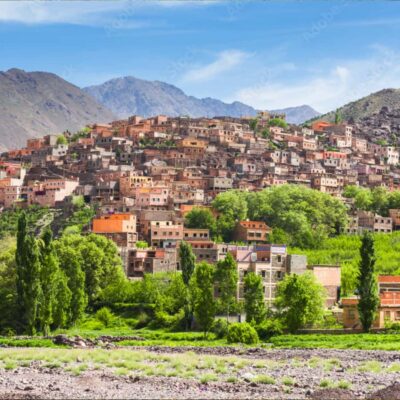
Paragliding, Camel Ride & Berber Villages Trip
Read our review →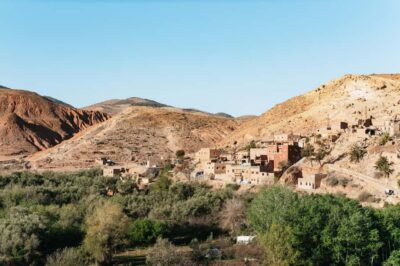

Atlas Mountains and Three Valleys & Waterfalls – Villages Marrakech Day Trip
Read our review →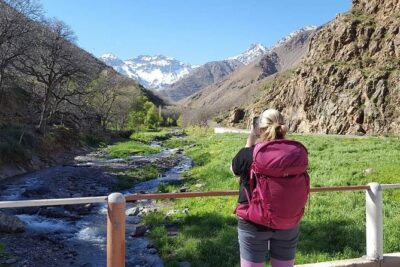
Agafay Desert & Berber villages & Atlas Mountains, Full Day Trip From Marrakech
Read our review →Browse the lists this tour appears in