Reviewed · MUSEUMS
Johannesburg: Full-Day Tour with Soweto and Apartheid Museum
Johannesburg’s past is not tucked away in one museum. It is written into old prisons, city streets, Soweto homes, memorials, and the stories of people who fought apartheid. This 10-hour tour brings those places together, giving you a useful way to understand the city when time is short.
I like two things here: the strong historical thread from Constitution Hill to the Apartheid Museum, and the chance to see Soweto beyond a passing drive. The drawback is the pace. Ten hours is a long day, and central Johannesburg gets only a short sightseeing stop while the museum itself deserves far more than two hours.
Key points at a glance
- Constitution Hill starts the day with real weight: Walk through the Old Fort and prison areas before seeing South Africa’s modern Constitutional Court.
- Soweto adds present-day context: See the Soweto Towers, Mandela House, Tutu House, FNB Stadium, and Hector Pieterson Memorial.
- The Apartheid Museum anchors the history: Allow about two hours for exhibits on segregation, the 1976 uprising, Mandela, and the move to democracy.
- Guides make the difference: Advice, Bob, John, Kwanda, and Masese have been singled out for clear explanations, warmth, and careful storytelling.
- The $104 price covers the major costs: Hotel transfers, transport, a guide, and entry fees are included, but lunch and drinks are extra.
- Expect a full, serious day: Pickup is from selected Johannesburg areas and the airport zone, with the tour ending around 5:00 p.m. before hotel drop-off.
Why this tour works for a first day in Johannesburg
Johannesburg can feel hard to read from a car window. Its districts are spread out, its history is painful and complex, and some places make more sense when a local guide explains what you are seeing. This tour gives you that framework in one day.
You move from the late 19th-century city and the old prison system to apartheid, the 1976 Soweto uprising, Mandela’s political life, and the democratic South Africa that followed. It is not a light sightseeing loop. You will spend much of the day listening, reading, and thinking.
That seriousness is also the tour’s strength. You are not simply collecting photo stops. You are learning why particular buildings and neighborhoods matter. Guides such as Advice, Bob, John, and Masese have been praised for answering questions, adjusting explanations for different nationalities, and keeping the tone respectful without making the day dry.
For a first visit, I like the way the tour connects places that are often booked separately. You get the structure of a guided city tour, the lived setting of Soweto, and two major historical sites without having to arrange several taxis or entry tickets yourself.
More Day Trips in Johannesburg & Pretoria
- Soweto /Johannesburg and Apartheid Museum Guided Full Day Tour
★ 5.0 · 932 reviews - Half-Day Tour of Soweto Tour
★ 4.5 · 712 reviews - Johannesburg and Soweto: Half-Day Tour
★ 4.8 · 439 reviews
Pickup, transport, and the shape of the day
Hotel pickup is available from areas including Sandton, Rosebank, Melville, Houghton Estate, Parkwood, Woodmead, Melrose, Eastgate, and Johannesburg. Pickup is also listed for the O.R. Tambo area, which can be useful if you are staying near the airport or using Johannesburg as a stopover.
You should wait in your hotel lobby 15 minutes before the scheduled time. The tour uses an air-conditioned vehicle, and the transport has earned praise for being modern, comfortable, and suitable for a full day on the road. One family of five found the vehicle spacious, while another visitor appreciated being collected near O.R. Tambo.
The schedule is busy. The day includes walking at Constitution Hill, short photo stops in central Johannesburg, several Soweto sights, lunch, Mandela House, Hector Pieterson Memorial, and the Apartheid Museum. Traffic can affect pickup and drop-off times, so keep your evening plans flexible.
The tour is offered in English and French. A small group is possible, though the exact group size is not specified. One French-speaking group was able to take the tour in French, which made the historical explanations easier to follow.
Constitution Hill: prison history and a modern court
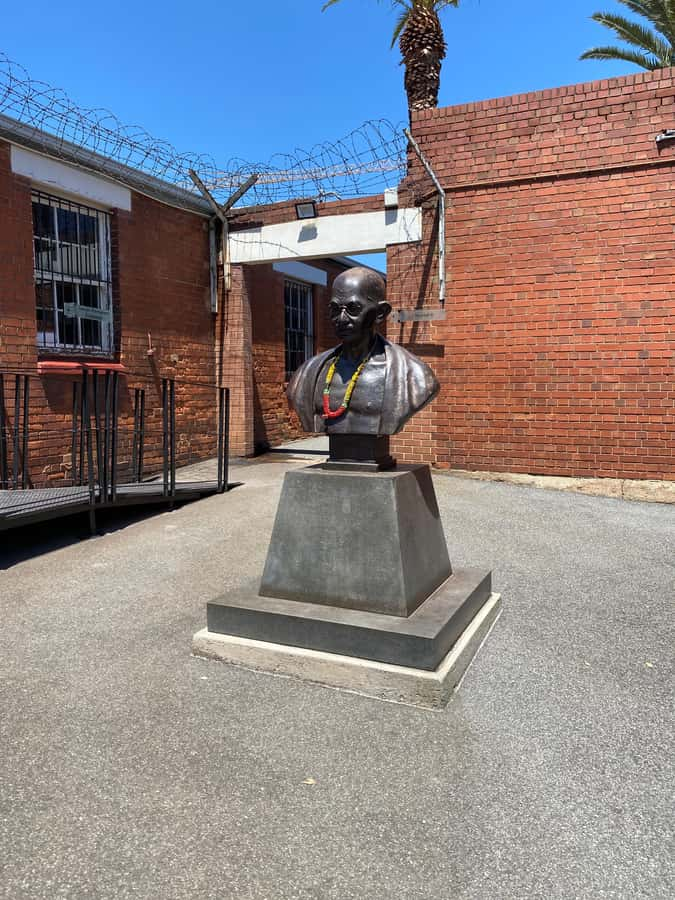
The first major stop is Constitution Hill, where you spend about 90 minutes with a guide. The site includes the Old Fort, built during Paul Kruger’s presidency in 1893, as well as former prison areas. The fort predates Johannesburg by only a few years, which helps place the city’s early development in context.
This is an important opening stop because it shows that South Africa’s legal and political story was not created from scratch in 1994. The old prison complex represents state power, punishment, and racial control. The Constitutional Court, opened on March 21, 2004, represents a later effort to build a democratic legal order around human rights.
You should expect a mixture of guided explanation and walking. Constitution Hill can be emotionally heavy, but it gives the rest of the day a firm foundation. The guide’s role matters here. Bob has been praised for explaining both the Old Fort and the court in detail, while John and Masese have also been noted for connecting the buildings to the larger story.
If you enjoy reading every panel and examining every room, you may want more time than the tour allows. Still, 90 minutes is enough to understand why this is more than an old fortress.
Johannesburg’s old CBD in short, sharp glimpses
The central-city portion includes Johannesburg’s old CBD, Nelson Mandela Bridge, Chancellor House, Newtown, and Gandhi Square. Most of these are short stops or drive-bys, with a few minutes for photographs.
This part gives you a quick look at the city’s architectural past and its growth from a mining settlement into a major urban center. Chancellor House is tied to Nelson Mandela and Oliver Tambo’s legal work, while the bridge and Newtown offer a sense of how different parts of the city connect.
The limitation is clear: this is not a walking tour of central Johannesburg. One visitor wished for a longer CBD stop and more time to explore the buildings. I agree that you should treat this section as an introduction, not a full city-center visit.
That short format may suit you if your main goal is the political history of Johannesburg rather than shopping, galleries, or urban architecture. If the old CBD is your priority, plan a separate visit.
More Day Trips in South Africa
- From Johannesburg: Lion & Safari Park Half-Day Tour
★ 4.6 · 384 reviews - Johannesburg and Soweto Apartheid Full Day Tour w/Lunch
★ 4.9 · 219 reviews - Johannesburg: Soweto Half-Day Tour
★ 4.7 · 196 reviews - Johannesburg: Soweto & Apartheid Museum Half-Day Tour
★ 4.9 · 99 reviews
Soweto, from the towers to Mandela House
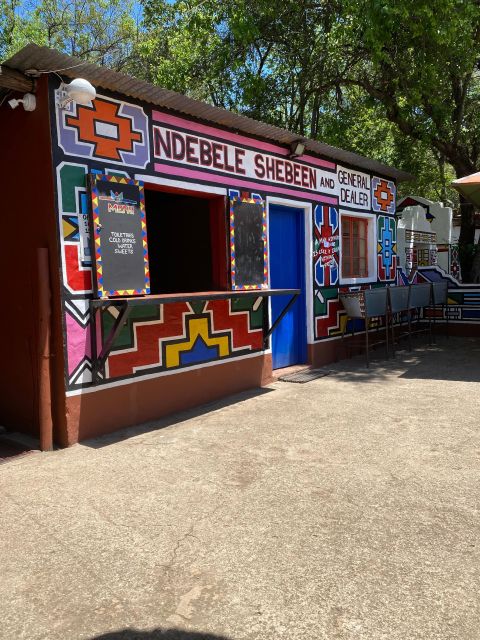
Soweto is where the tour shifts from institutions and city landmarks to a living residential area. The guided portion lasts about two hours, with stops around the Soweto Towers, Mandela House, Tutu House, FNB Stadium, and the Hector Pieterson Memorial.
The Soweto Towers are a colorful landmark and a natural photo stop. You get about 10 minutes of free time there, enough for pictures and a quick look around. Do not expect an extended neighborhood walk at this point. The day moves on quickly.
The drive through Soweto is useful because it shows more than a single museum building. You see the area where political resistance, family life, public demonstrations, and later redevelopment all overlap. The guide can explain the difference between the historical events you are studying and the present-day neighborhood you are passing through.
Safety is a common concern for first-time visitors to Johannesburg. The tour provides organized transport and a guide throughout this portion, and several people have said they felt safe and well looked after. You should still follow your guide’s instructions, keep valuables secure, and ask before photographing people or private homes.
Tutu House is passed rather than given a long visit. The house was associated with Archbishop Desmond Tutu, another major figure in the anti-apartheid struggle. FNB Stadium is also a photo stop and pass-by, linking Soweto with the large public events that shaped South Africa’s modern identity.
Mandela House: a personal place in a national story
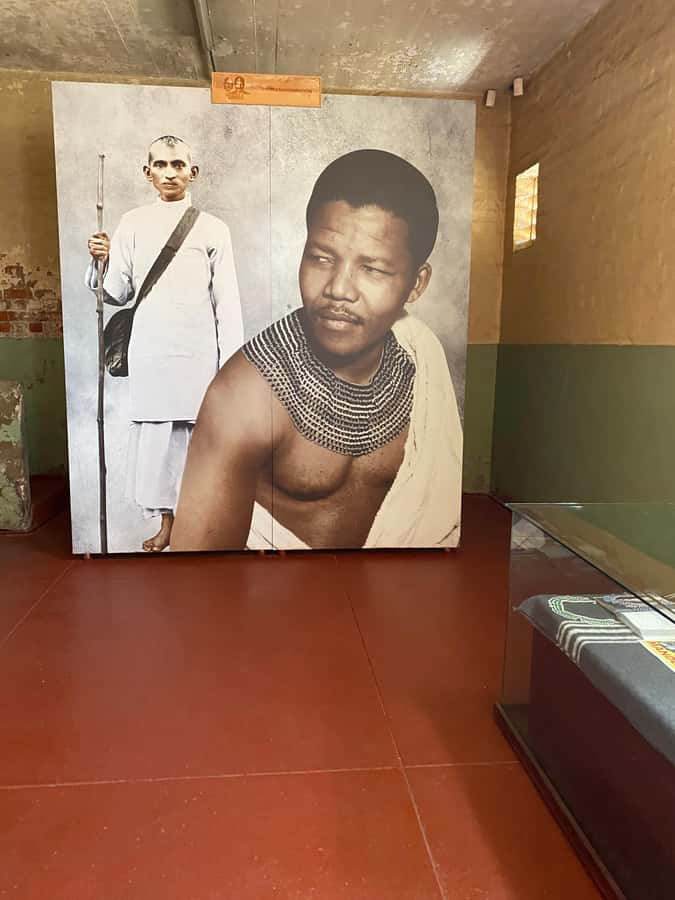
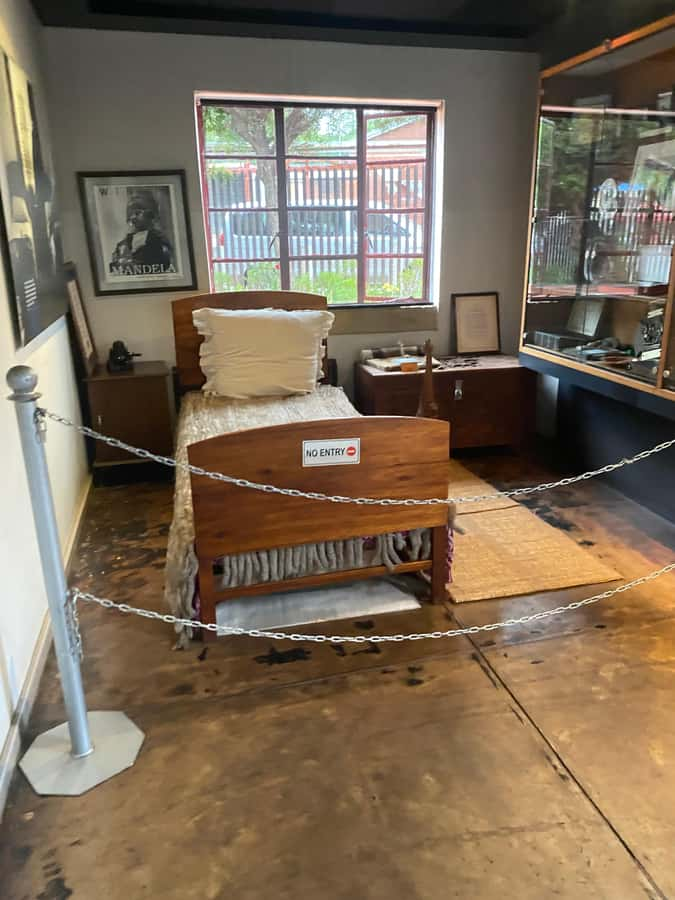
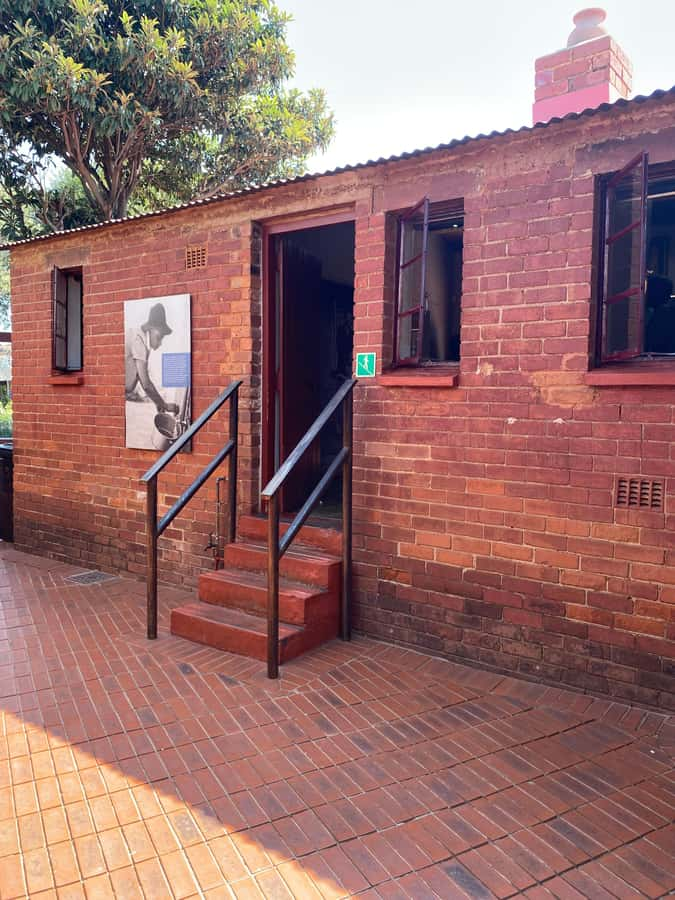
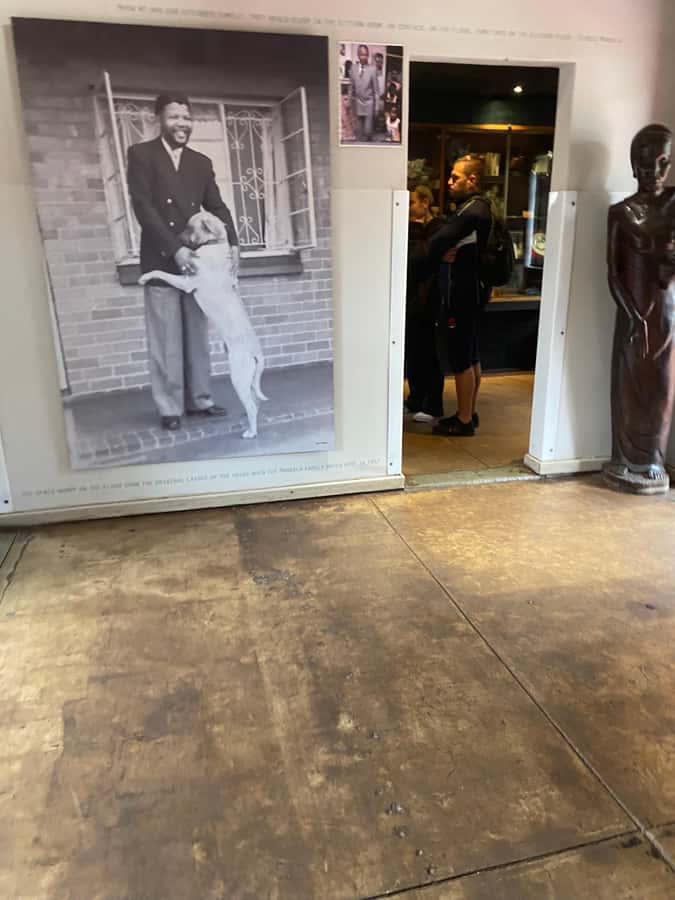
Mandela House receives a guided visit of about 25 minutes. Nelson Mandela lived there from 1946 to 1962, and the house gives you a more personal setting than a large museum can provide.
The value is in the scale. Political history can become abstract when it is reduced to dates and speeches. A home, by contrast, brings the story back to daily life, family, and the years before Mandela became president. The visit is short, so listen closely to the guide and use your time for the key rooms and displays.
You may wish for more time here, especially if Mandela’s life is your main reason for booking. Still, the stop works well beside Constitution Hill and the Apartheid Museum because each presents a different angle: imprisonment and law, private life and activism, then the wider national record.
Hector Pieterson Memorial and the 1976 uprising
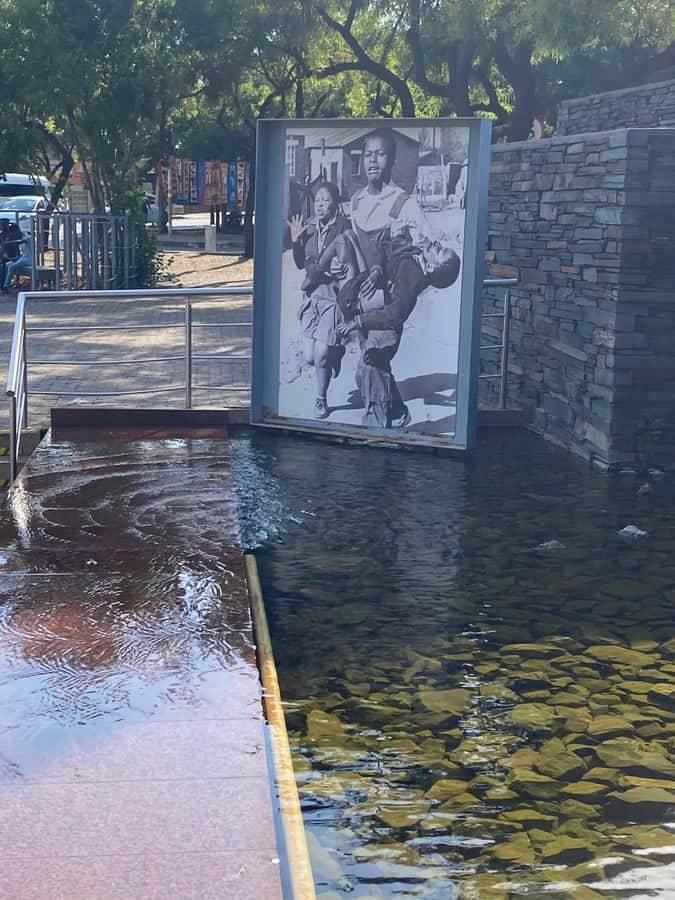
The Hector Pieterson Memorial is one of the day’s most important stops. You spend about 20 minutes with a guide at the museum, which preserves the memory of the 1976 Soweto uprising.
June 16, 1976, is a crucial date in South African history. School students protested against the apartheid government’s education policies, and the state response caused deaths and widespread outrage. The famous photograph of Hector Pieterson being carried after he was shot became an international image of the uprising.
This is a short visit, and you may leave wanting more time. The memorial is emotionally direct, so the guide’s explanation helps you understand the event rather than treating it as a single tragic photograph. If you prefer quiet, independent museum time, the schedule may feel tight.
Lunch in Soweto, with the bill separate
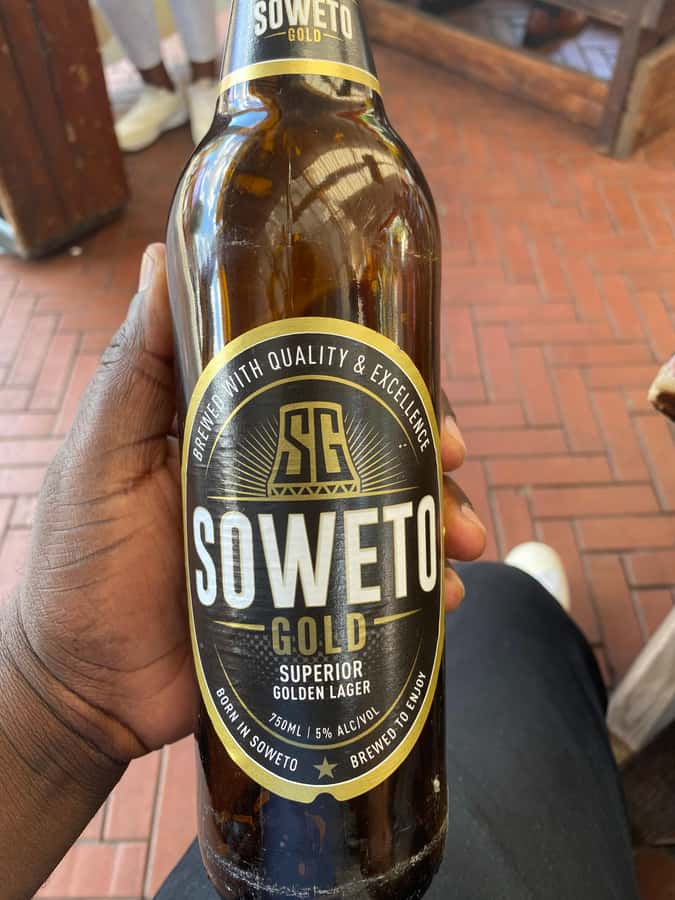
Lunch is planned at a local Soweto restaurant, with about an hour for the break. Food and drinks are not included in the $104 price, so budget separately.
The meal is a useful pause in a day packed with difficult material. It also gives you a chance to try local food in Soweto rather than eating at a generic stop along the highway. One account describes the meal as a plentiful buffet, but the exact restaurant and menu are not specified, so you should not book this expecting a particular dish.
An hour is sensible. You have time to eat and reset without turning lunch into a long interruption. If you have dietary needs, ask the operator before departure, since the supplied information does not specify dietary options.
The Apartheid Museum: allow two hours, then accept the limits
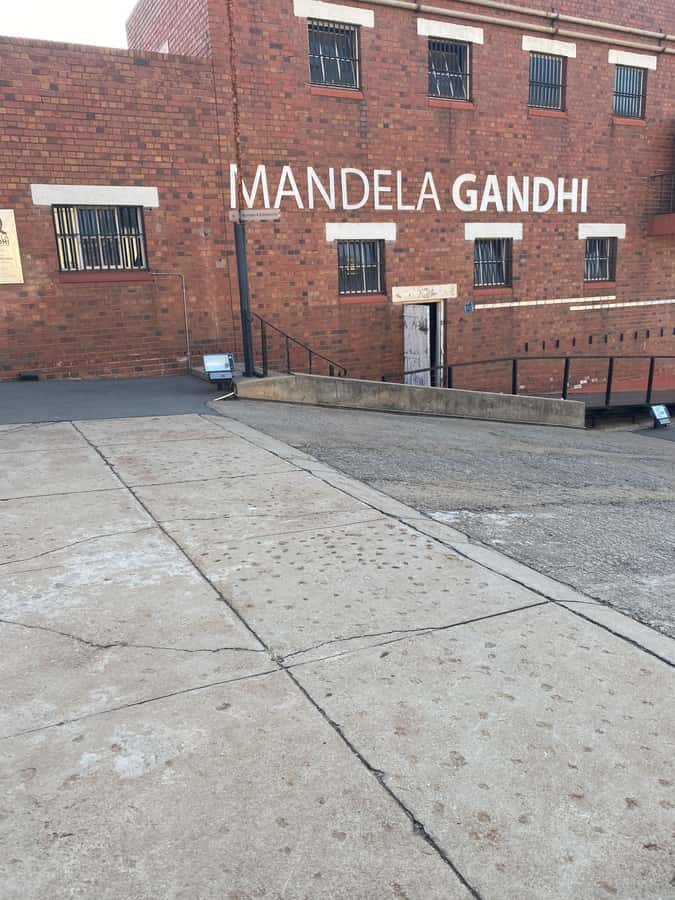
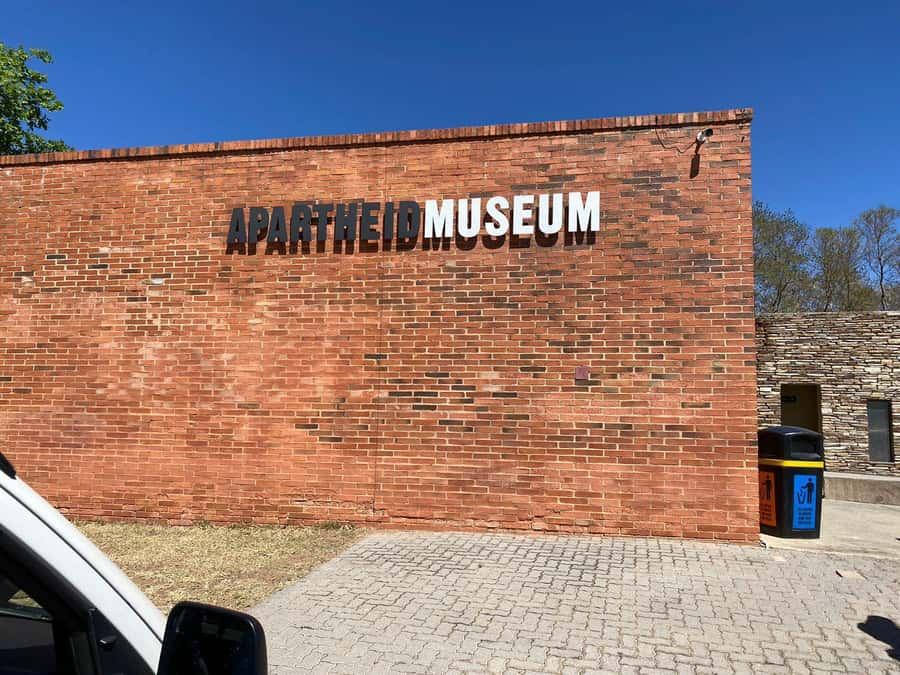
The Apartheid Museum is the day’s main indoor visit and usually receives about two hours. It explains the rise and fall of apartheid, political executions, daily life under racial segregation, the June 1976 uprising, Mandela’s release, and his election as South Africa’s first Black president.
The museum is powerful because it brings together laws, images, objects, personal accounts, and political events. By the time you arrive, the earlier stops have already introduced the prison system, Johannesburg’s political figures, and Soweto. That preparation makes the museum easier to follow.
Two hours is a useful minimum, not enough for every display. Several people have noted that the museum could fill much more of a day. I like the placement near the end because the exhibits gather the threads you have been following, but you may feel mentally tired by then.
Take your time with the sections that matter most to you. The subject is painful, and the experience is not designed as casual entertainment. You will likely leave with a clearer understanding of how apartheid operated and how resistance, international pressure, and political change brought it to an end.
Guides and the human side of the tour
The strongest part of this experience is the guide-led explanation between stops. Advice has been praised for interesting stories and a calm, friendly manner. Bob has been singled out for detailed history and an ability to keep several generations engaged. John is often described as both a strong communicator and a careful driver.
Kwanda has been appreciated for polite, efficient driving, while Masese has been praised for linking each stop to modern Johannesburg and taking care of the group. These names show the range of guides used by the operator, but you should understand that a specific guide cannot be guaranteed from the information provided.
The best guides do more than recite dates. They explain how Johannesburg, Mandela, Soweto, and apartheid fit together. They also make room for questions and handle the material with respect. That matters on a tour where a flat delivery would make the day feel like a list of facts.
Is $104 a fair price?
At $104 per person, the value is good if you want a guided overview and have only one day in Johannesburg. The price includes hotel pickup and drop-off, air-conditioned transport, a guide, the Apartheid Museum, Hector Pieterson Memorial, and the other listed entry fees.
Lunch and drinks cost extra. Internet is also not included. Even with that added meal cost, the package saves you the work of arranging transport between widely separated sites and deciding how to handle Johannesburg’s complex geography.
The trade-off is time. You are paying for breadth rather than long, quiet visits. If you want to study every museum display or spend half a day in Soweto, a private or slower arrangement may suit you better. If you want the main historical sites in one organized day, the cost is reasonable.
Free cancellation is available up to 24 hours before the tour, and you can reserve now and pay later. The tour is not listed as suitable for pregnant women, and alcohol and drugs are not allowed.
Who should book this Johannesburg tour?
I would choose this tour if you have one or two days in Johannesburg and want history to be the main focus. It suits first-time visitors, families with adult children, solo visitors who prefer organized transport, and anyone who wants a guide to explain sensitive subjects in plain language.
It is also useful if you are staying near O.R. Tambo and want a structured day rather than trying to build your own route. French speakers should check availability, since French guiding is offered along with English.
I would hesitate if you dislike full-day schedules, need long breaks, or want a detailed walking tour of central Johannesburg. The CBD portion is brief, and the museum visits are timed. Pregnant visitors should also note that the activity is listed as unsuitable for them.
Should you book it?
Book this tour if you want a serious, efficient introduction to Johannesburg’s political past and present-day Soweto. Constitution Hill, Mandela House, Hector Pieterson Memorial, and the Apartheid Museum work well together, and the guide adds the connections that a self-guided visit can miss.
Skip it only if you want a slow museum day or a more relaxed neighborhood experience. For most first-time visitors with limited time, the $104 fee buys a lot: transport, admission, local context, and a full day of places that are difficult to connect on your own.
FAQ
How long does the Johannesburg tour last?
The tour lasts 10 hours. The full-day program ends at about 5:00 p.m., followed by transportation back to your hotel.
Is hotel pickup included?
Yes. Pickup and drop-off are included from selected areas of Johannesburg, including Sandton, Rosebank, Melville, Houghton Estate, Parkwood, Woodmead, Melrose, Eastgate, Johannesburg, and the O.R. Tambo area.
Which languages are available?
The live guide is available in English and French.
Is the Apartheid Museum entry fee included?
Yes. Entry to the Apartheid Museum is included in the tour price.
Is Hector Pieterson Memorial included?
Yes. The entry ticket and guided visit to Hector Pieterson Memorial are included.
Is lunch included in the price?
No. Lunch and drinks are not included. The tour stops at a local Soweto restaurant for about one hour.
How much time is spent at the Apartheid Museum?
The planned visit lasts about two hours. You may not have enough time to read every exhibit in detail.
Can I be picked up near O.R. Tambo?
Yes. The O.R. Tambo area is listed among the pickup and drop-off locations.
Can I cancel the booking?
You can cancel up to 24 hours in advance for a full refund. Reserve now and pay later is also available.
More Museum Tours in South Africa
- Museum of Contemporary African Art: Fast-Track Zeitz MOCAA
★ 4.4 · 204 reviews - Cape Town: Private Guided Tour of Cape Town Diamond Museum
★ 4.7 · 156 reviews - ROBBEN ISLAND MUSEUM TOUR, WITH OPTIONAL LAST MINUTE TICKETS
★ 3.4 · 85 reviews
More Museum Tours in Johannesburg & Pretoria
- Jo’berg in 1 Day: Soweto, Apartheid Museum & City Tour
★ 4.8 · 524 reviews - Soweto: Hop-On Hop-Off Bus, City Tour and Apartheid Museum
★ 4.5 · 250 reviews
Just added for Johannesburg & Pretoria
- Soweto: Bike Tour with a Local Tour Guide★ 4.7 · 114 reviews
- From Johannesburg: Lion & Safari Park Half-Day Tour★ 4.6 · 384 reviews
- Johannesburg: Soweto Half-Day Tour★ 4.7 · 196 reviews
- Johannesburg: Street Art and Culture in Maboneng!★ 4.8 · 107 reviews
- Johannesburg: Maboneng Street Art & Culture Tour★ 4.9 · 257 reviews
- Johannesburg: Soweto & Apartheid Museum Half-Day Tour★ 4.9 · 99 reviews
- Johannesburg: Soweto Apartheid & Township Tour with Lunch★ 4.8 · 80 reviews
- Johannesburg: Half-Day Soweto Tour with a Local Guide★ 4.8 · 110 reviews
Museums, compared.
Tour to Giza Pyramids and The Egyptian Museum
Read our review →
Majorelle Garden, YSL, and Berber Museum Entry
Read our review →
Cairo 8 Hour Private Tour of Pyramids, Egyptian Museum and Bazaar
Read our review →
Grand Egyptian Museum, Pyramids, Sphinx Tour & Lunch
Read our review →
Cairo Pyramids, Sphinx & Egyptian Museum Day Trip
Read our review →
Museum, Al Attarine Madrasa & Tannery and Medina Tour
Read our review →
Female-Guided Pyramids, Sphinx & Museum City Tour
Read our review →