Reviewed · TOWNSHIP & VILLAGE TOURS
Johannesburg and Soweto: Half-Day Tour
Johannesburg and Soweto make most sense together. The city center’s tall office blocks, old gold-mining story, wealthy suburbs, informal settlements, and Soweto’s freedom struggle are all part of one complicated place. This five-hour tour links them by comfortable vehicle, so you get a useful first look without trying to manage the route yourself.
I like the way the tour joins major historical sites with ordinary city scenes. I also like the strong guiding: James, Pascal, Vincent, Samuel, and others are often praised for clear explanations, patience, and helping visitors feel at ease. The main drawback is time. You cover a lot in five hours, so the stops can feel like an introduction rather than a slow, museum-heavy visit.
Key points at a glance
- Mandela’s House on Vilakazi Street: Enter the former home of Nelson Mandela and learn about his life through the house museum.
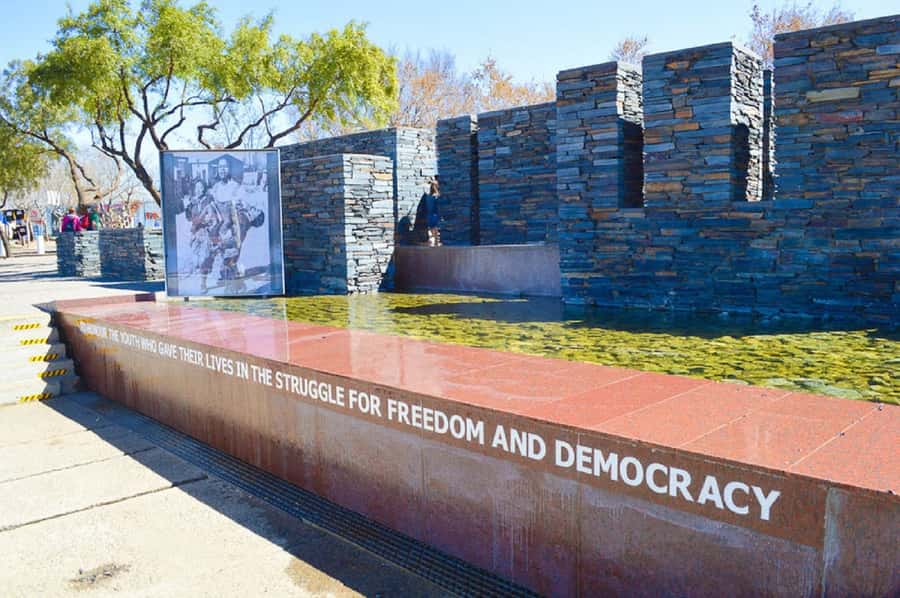
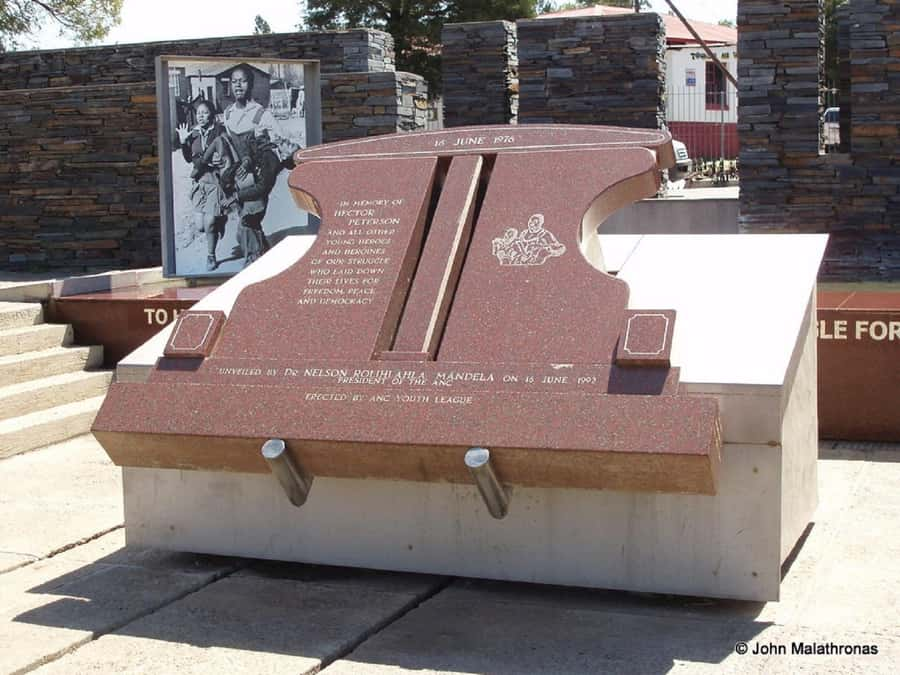
- Hector Pieterson Memorial: Connect Soweto to the 1976 youth uprising and the painful history of apartheid-era resistance.
- Johannesburg’s sharp contrasts: See sleek suburbs, the central business district, Soweto neighborhoods, informal housing, and Sandton in one outing.
- Soweto cooling towers: Pass the two former power-station towers, now a well-known local landmark used for bungee jumping.
- Careful, story-led guiding: Guides including James, Pascal, Vincent, and Samuel are particularly praised for history, local context, and making visitors feel safe.
- Good short-stay value: Hotel pickup, transport, guide, bottled water, a map, and Mandela’s House admission are included for $71.
Why Johannesburg and Soweto belong on the same morning
A tour that only shows Johannesburg’s modern business districts misses the city’s political story. A visit only to Soweto can leave you without the economic and urban context that shaped it. This route puts the two side by side.
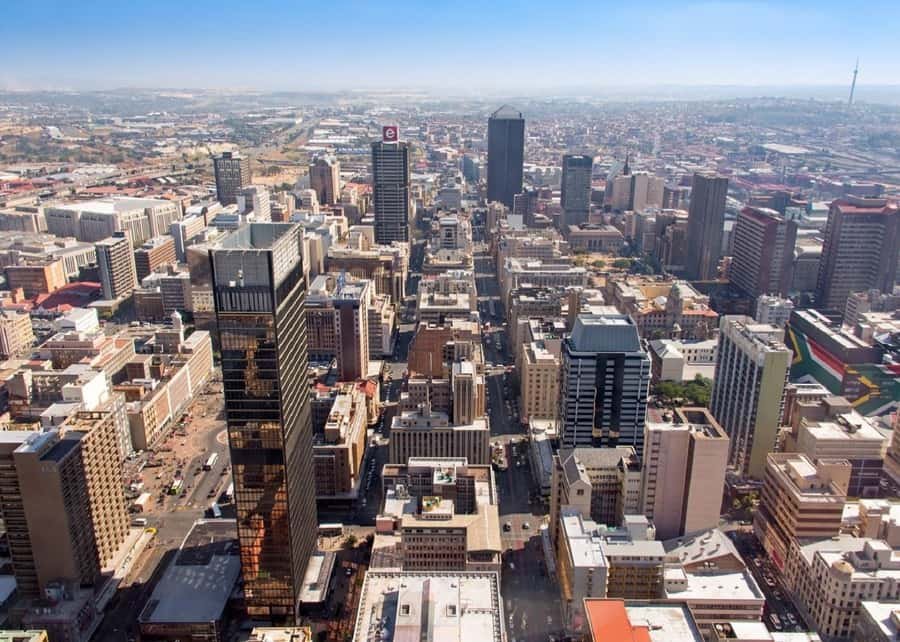
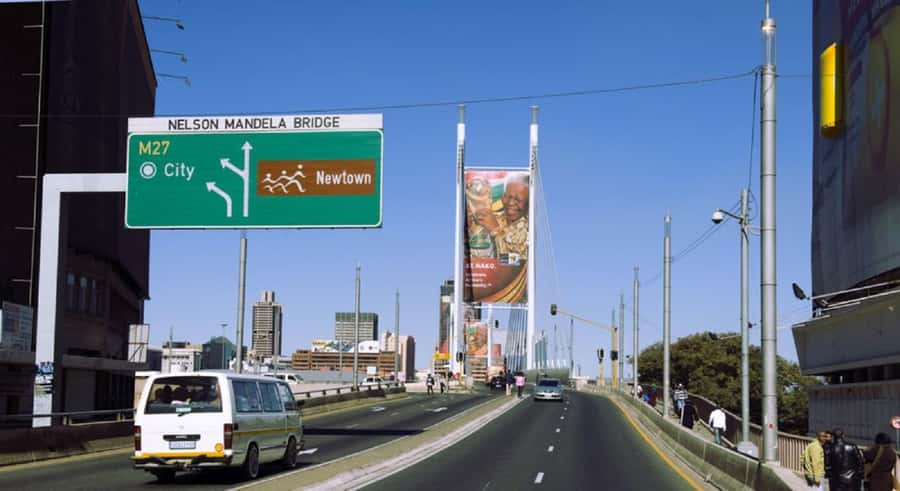
You begin from your hotel and head toward the southwest township, passing through Johannesburg’s southern suburbs. The first impression is one of broad freeways, polished cars, and spacious roads. Then the city changes. High-rise office buildings and older towers appear in the center, many dating from the apartheid era.
That change of scenery is part of the lesson. Johannesburg is not one tidy city with one look or one income level. In a few hours, you see how wealth, work, housing, migration, race, and political power have shaped its neighborhoods.
Your guide is the key to making sense of those contrasts. The best guides on this tour do more than point out buildings. They explain how Johannesburg developed, why Soweto became so important, and how apartheid affected where people could live and work. James is repeatedly singled out for answering questions in detail, while Pascal, Vincent, Samuel, Sam, and others are praised for combining facts with personal warmth.
More Day Trips in Johannesburg & Pretoria
- Soweto /Johannesburg and Apartheid Museum Guided Full Day Tour
★ 5.0 · 932 reviews - Half-Day Tour of Soweto Tour
★ 4.5 · 712 reviews - Johannesburg: Full-Day Tour with Soweto and Apartheid Museum
★ 4.8 · 478 reviews
From southern suburbs to Johannesburg’s high-rise core
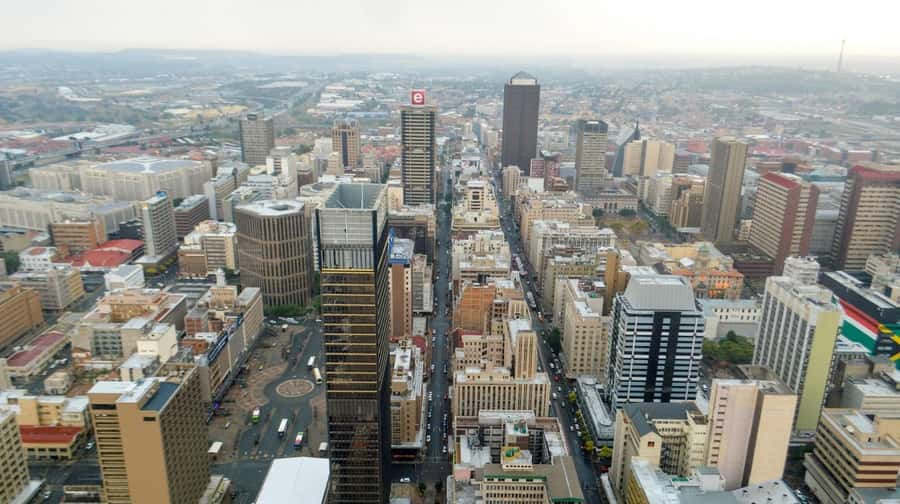
The early drive gives you a broad look at the city rather than a string of isolated photo stops. From the southern suburbs, you head into central Johannesburg, where the geometry of the streets and tall buildings can remind you of Manhattan, at least in outline.
That comparison is useful but incomplete. The center has a strong gold-mining connection, and the tour may point out places linked to Nelson Mandela’s former office and the city’s mining past. Much of the high-rise development dates from the apartheid period, giving the skyline a political context as well as an architectural one.
This section works best if you treat it as orientation. You are not getting a long walking tour of every building. Instead, you are moving through the city with someone who can explain what you are seeing from the vehicle.
The tradeoff is obvious: a vehicle-based overview cannot offer the same street-level feel as a dedicated walking tour. Still, for a first visit or a short stop in Johannesburg, it lets you see several parts of the city without spending time finding your way between them.
Some departures have also included extra city views beyond the basic route, such as Maboneng, street art, cafes, and modern Sandton. These additions are not listed as guaranteed stops, so do not book this tour expecting a fixed walking visit in each district. The main promise is a broad Johannesburg and Soweto overview.
Entering Soweto and seeing the cooling towers
The transition into Soweto is one of the most memorable parts of the drive. The polished suburban scenery fades, and the township takes over. Your guide points out different kinds of housing and neighborhood life, including an informal settlement and areas with very different levels of income.
This is not a staged cultural show. Most of the value comes from seeing a real residential area while hearing how Soweto developed and why it became a symbol of the fight against apartheid. The tour gives you a controlled way to see these areas, with a local guide handling the route and explaining what you are passing.
The two Soweto cooling towers are an easy landmark to recognize. They once formed part of the township’s power infrastructure and are now used for activities including bungee jumping. You may stop for a look or photograph, but the supplied details describe them primarily as a sightseeing point, not as a guaranteed bungee-jumping activity.
I appreciate this stop because it adds a modern note to a route that could otherwise feel heavily focused on tragedy. The towers show how an industrial site can take on a new role, while also reminding you that Soweto is not frozen in the past.
Hector Pieterson Memorial and the 1976 uprising
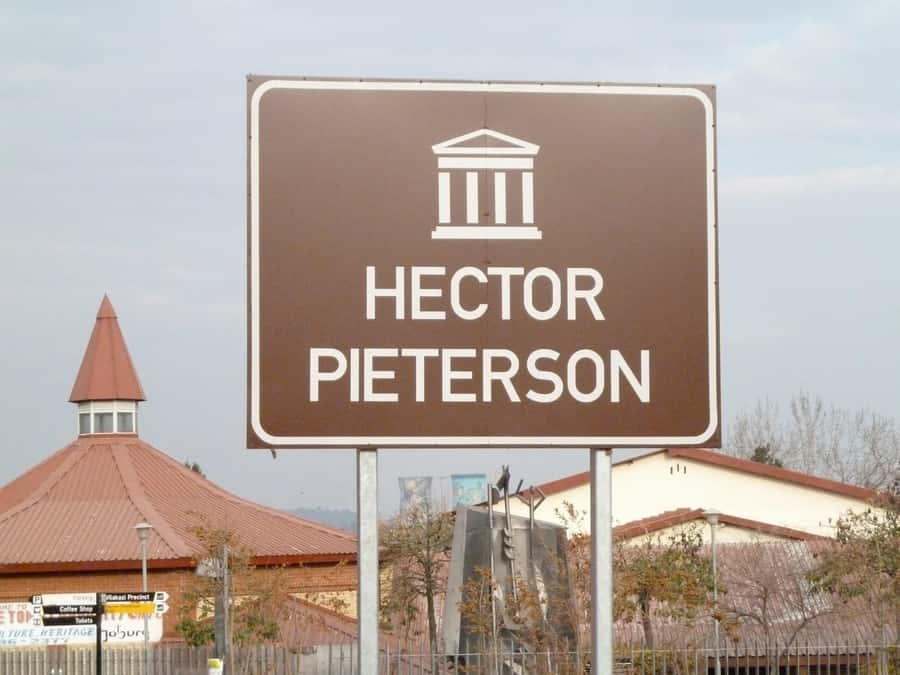
The visit to Hector Pieterson Memorial brings the political history into sharp focus. The site is connected to the 1976 youth uprising, when schoolchildren protested against apartheid education policies. The memorial is named for Hector Pieterson, whose death became one of the defining images of the resistance.
Your guide provides the setting before or during the stop, helping you understand why the events mattered far beyond Soweto. This is one of the places where a strong guide makes a real difference. The subject is painful, and a clear explanation helps you avoid reducing it to a few dates and photographs.
The available information promises a visit to the memorial. Some descriptions also refer to the Hector Pieterson Museum, but the entry included in the package is specifically listed for Mandela’s House, not for the Hector Pieterson site. Ask your guide how much time is available there on your departure day.
That matters because one past visitor wanted more free time at the Hector Pieterson Museum. The stop can be moving and informative, but the five-hour schedule means you may not get an unhurried museum visit. If this is your main reason for booking, consider allowing extra time in Johannesburg before or after the tour for a longer visit.
More Day Trips in South Africa
- From Johannesburg: Lion & Safari Park Half-Day Tour
★ 4.6 · 384 reviews - Johannesburg and Soweto Apartheid Full Day Tour w/Lunch
★ 4.9 · 219 reviews - Johannesburg: Soweto Half-Day Tour
★ 4.7 · 196 reviews - Johannesburg: Soweto & Apartheid Museum Half-Day Tour
★ 4.9 · 99 reviews
Mandela’s House on Vilakazi Street
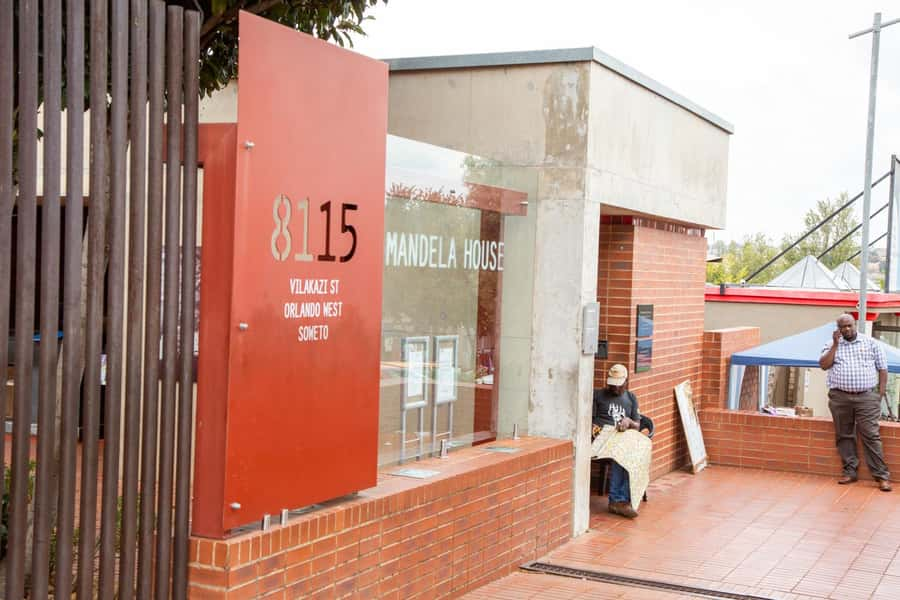
Mandela’s House is the tour’s main interior visit. Located on Vilakazi Street in Soweto, the museum occupies the house connected with Nelson Mandela, who became a global figure in the struggle against apartheid and South Africa’s transition to democracy.
The house is more personal than a large national museum. You see the setting associated with Mandela’s family life and political career, then hear more about the man behind the public image. Admission is included, and the museum has its own guide, which adds another layer of explanation beyond your vehicle guide.
Vilakazi Street also matters because it is associated with two major figures in South African public life, Nelson Mandela and Desmond Tutu. The tour includes a view of Desmond Tutu’s house and Winnie Mandela’s house. These are sightseeing views rather than clearly advertised interior visits, so keep your expectations practical.
This stop gives the tour emotional balance. Hector Pieterson Memorial places you beside the violence of apartheid-era repression. Mandela’s House shifts the focus toward leadership, family, persistence, and the long path toward democracy.
You may also encounter street performers at Mandela’s House. Carrying a little cash is sensible because tips may be welcomed for the student guide and performers. Tips are not listed as part of the tour price, so treat them as optional personal spending rather than a hidden required fee.
A closer look at everyday Soweto
After the memorial and Mandela’s House, the drive through Soweto continues the broader story. You see residential streets, local activity, different housing conditions, and the Baragwanath Hospital from outside. The point is not to inspect each place at length. It is to show that Soweto is a large, lived-in community, not only a collection of political landmarks.
This part of the route can change your view of the township. It is easy to picture Soweto only through famous photographs from the 1970s. A drive through contemporary neighborhoods shows a place shaped by both hardship and ordinary daily life.
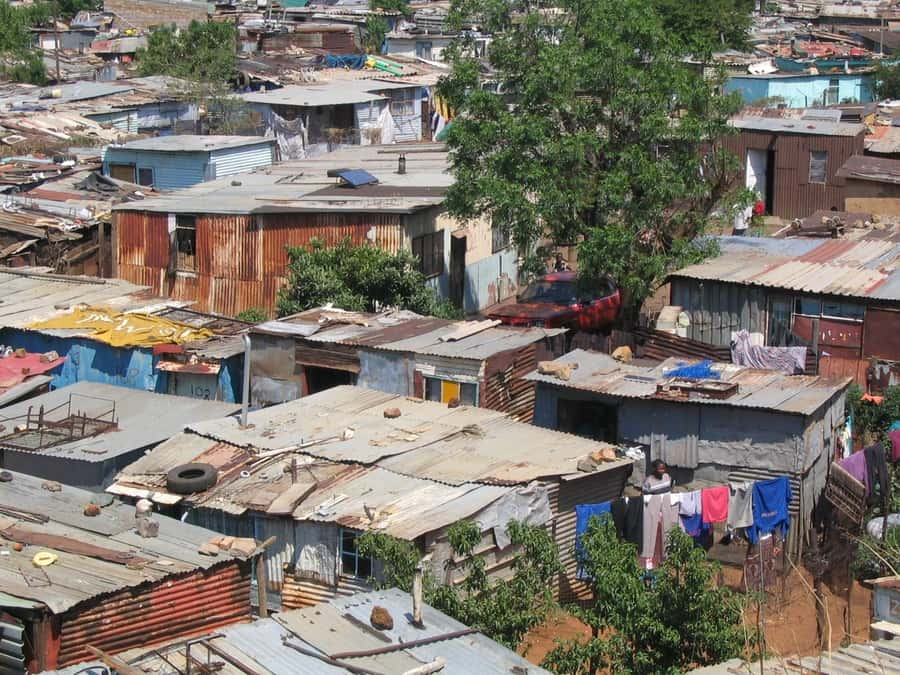
The tour also includes a view of an informal settlement. This can be difficult to see, and it deserves a respectful attitude. You are looking at people’s homes, not a display. Keep photography discreet and follow your guide’s advice.
The city’s sharp income differences are visible across the route. One section may show spacious roads and expensive cars, while another reveals crowded housing and fewer resources. The best guides explain these differences without presenting Soweto as simply dangerous or Johannesburg as simply prosperous.
Safety is a major reason to choose a guided vehicle tour here. Several guides, especially James, Patrick, Pascal, and others, are praised for looking after passengers and helping them feel comfortable. That does not mean you should ignore normal city precautions. Do not carry luggage, keep valuables secure, and follow the guide’s instructions when leaving the vehicle.
The return route and Soccer City
On the return to your hotel, the tour passes FNB Stadium, also called Soccer City or The Calabash. It hosted the opening and closing matches of the 2010 World Cup finals, giving the final stretch a strong connection to modern South African identity.
The stadium is generally a viewing point rather than a full stadium visit. That is worth knowing if you are a serious football fan hoping for an interior tour. Its value here is as a landmark that links Johannesburg to the country’s international sporting moment.
The return drive also gives you time to ask follow-up questions. Guides such as James are praised for continuing the conversation well beyond a basic script, and several tours have run longer than the allocated five hours. Do not count on extra time, but a careful guide may extend the route when traffic and scheduling allow.
Hotel drop-off completes the experience. Since pickup and return are included from Johannesburg hotels and surrounding areas, the tour is particularly useful if you do not want to arrange taxis between widely separated sights.
What $71 buys you
At $71 per person, this is not the cheapest way to see a few landmarks. It is a reasonable price for a five-hour, hotel-based introduction that includes a driver-guide, transport, bottled water, a map, and admission to Mandela’s House.
The value depends on what you want. If you prefer long museum visits, independent wandering, or a single neighborhood explored on foot, this itinerary may feel rushed. If you want to connect several parts of Johannesburg and Soweto in one morning, the price is easier to justify.
Transport is a real part of the value. Johannesburg is spread out, and the route covers southern suburbs, the city center, Soweto, and the stadium area. Arranging each section alone would take planning and would not necessarily give you the same historical explanation along the way.
Lunch is not included, and personal expenses are separate. The tour lasts five hours, so plan food around your pickup time rather than expecting a meal stop. Bring some cash for optional tips at Mandela’s House and for street performers.
Free cancellation is available up to 24 hours before departure, and you can reserve now and pay later. Starting times vary, so check availability for your date. Pickup is offered from Johannesburg hotels and surrounding areas, but do not bring luggage. This is a sightseeing tour, not a transfer service.
Which guide will shape your day?
Guide quality is the strongest feature of this experience. James is often praised for his grasp of Johannesburg’s history and for giving detailed answers. Pascal is described as passionate and professional, while Vincent, Samuel, Sam, Marc, Laureen, Patrick, Adama, and Lilo are also praised for warmth, clear storytelling, and careful attention.
You cannot necessarily choose a particular guide when booking. Still, the repeated pattern is useful: this is a tour where the person in the vehicle matters as much as the route.
A good guide will help you see the difference between a wealthy suburb, the city center, Soweto, and an informal settlement without turning those places into stereotypes. You should also expect a frank discussion of crime, unemployment, inequality, apartheid, and the effort to build a democratic South Africa.
The strongest reports describe guides who made people feel safe without hiding difficult truths. That is the right balance for this tour. You get practical care, but not a softened version of Johannesburg’s past or present.
Who should book this half-day tour?
I would choose this tour if you have only a day or two in Johannesburg, are staying at a city hotel, or want an organized first look before exploring more on your own. It also suits anyone who wants historical context but does not want to arrange transport across a very spread-out city.
It is a good fit for first-time visitors, short-stay visitors, and people who want to understand why Soweto matters rather than simply drive through it. The English, French, and Portuguese guide options broaden its appeal.
I would hesitate if you want extensive time inside museums or a slow, walking-based visit. The schedule covers many stops, and Hector Pieterson Memorial in particular may receive less free time than some people want. If your priority is the 1976 uprising, ask about the museum timing and consider adding a separate visit.
Should you book Johannesburg and Soweto?
Yes, if you want an efficient and thoughtful introduction to the city. For $71, you get the major historical anchors, a wide view of Johannesburg’s neighborhoods, hotel transport, and a guide who can explain the contrasts that are hard to understand from a map.
Book it with realistic expectations. You are not getting a full-day museum program or a leisurely neighborhood walk. You are getting a compact, serious, sometimes moving tour that connects Mandela’s House, Hector Pieterson Memorial, Soweto, Johannesburg’s center, and Soccer City.
Bring water if you prefer more than the supplied bottle, carry a little cash for optional tips, leave your luggage behind, and prepare to ask questions. If your schedule is tight, this is one of the more useful ways to get your bearings and understand the city’s recent past in a single outing.
FAQ
How long is the Johannesburg and Soweto tour?
The tour lasts five hours.
How much does the tour cost?
The listed price is $71 per person.
Is hotel pickup included?
Yes. Pickup and drop-off are included from Johannesburg hotels and surrounding areas.
Which languages are available?
The live guide is available in English, French, and Portuguese.
Is Mandela’s House included?
Yes. Entrance to Mandela’s House in Soweto is included.
Does the tour visit Hector Pieterson Memorial?
Yes. The itinerary includes a visit to Hector Pieterson Memorial, connected with the 1976 youth uprising.
Is lunch included?
No. Lunch and personal expenses are not included.
Can I bring luggage?
No. The instructions specifically say not to carry luggage on the tour.
Are bottled water and a map provided?
Yes. Bottled water and a map are included.
Can I cancel the tour for a refund?
You can cancel up to 24 hours in advance for a full refund. Reserve now and pay later is also available.
More Village Tours in South Africa
- Soweto: Guided Bicycle Tour with Lunch
★ 4.9 · 292 reviews - Johannesburg: Maboneng Street Art & Culture Tour
★ 4.9 · 257 reviews - Soweto: Hop-On Hop-Off Bus, City Tour and Apartheid Museum
★ 4.5 · 250 reviews - Soweto: Bike Tour with a Local Tour Guide
★ 4.7 · 114 reviews
More Village Tours in Johannesburg & Pretoria
- Johannesburg: Hop-On Hop-Off Bus with Optional Soweto Tour
★ 4.6 · 985 reviews - Johannesburg Hop-On Hop-Off City Tour with Soweto Option
★ 4.5 · 768 reviews - Soweto: Walking Tour with a Local Guide and Lunch
★ 4.9 · 648 reviews - Jo’berg in 1 Day: Soweto, Apartheid Museum & City Tour
★ 4.8 · 524 reviews
Just added for Johannesburg & Pretoria
- Soweto: Bike Tour with a Local Tour Guide★ 4.7 · 114 reviews
- From Johannesburg: Lion & Safari Park Half-Day Tour★ 4.6 · 384 reviews
- Johannesburg: Soweto Half-Day Tour★ 4.7 · 196 reviews
- Johannesburg: Street Art and Culture in Maboneng!★ 4.8 · 107 reviews
- Johannesburg: Soweto Apartheid & Township Tour with Lunch★ 4.8 · 80 reviews
- Johannesburg: Maboneng Street Art & Culture Tour★ 4.9 · 257 reviews
- Johannesburg: Soweto & Apartheid Museum Half-Day Tour★ 4.9 · 99 reviews
- Johannesburg and Soweto Apartheid Full Day Tour w/Lunch★ 4.9 · 219 reviews
Township & Village Tours, compared.

Berber villages : Atlas Mountains Day Hike from Marrakech
Read our review →
Atlas Mountains, Berber Villages and Three Valleys all inclusive
Read our review →
Quad Bike, Buggy, and Camel Ride & Bedouin Village
Read our review →
Atlas Mountains, Berber Villages, Agafay & Camel Ride
Read our review →
Paragliding, Camel Ride & Berber Villages Trip
Read our review →

Atlas Mountains and Three Valleys & Waterfalls – Villages Marrakech Day Trip
Read our review →