
Reviewed · WILDLIFE SAFARIS
2 Days Tarangire and Ngorongoro Group Camping Safari
Tarangire’s elephant herds and giant baobabs make a strong opening to a short Tanzania safari. The next day, you descend more than 600 meters into Ngorongoro Crater, where lions, buffalo, hippos, zebra, wildebeest, and other animals gather around a steady water supply.
I like that meals, transport, camping, and park visits are arranged in one $550 package. I also like the smart pairing of two very different wildlife areas: Tarangire gives you open space and elephants, while Ngorongoro offers a compact crater floor with a strong chance of seeing many species close together. The drawback is the pace. Two days means early starts, long drives, and little spare time.
Key points at a glance

- Tarangire opens with elephants and baobabs: The park is known for large elephant numbers and seasonal movement involving elephants, wildebeest, and zebra.
- Ngorongoro packs wildlife into one crater: A year-round water supply supports large herds and a high concentration of predators.
- Lake Magadi adds a memorable stop: This shallow alkaline lake is one of the crater’s main features and helps shape the scenery and wildlife viewing.
- Meals and camping simplify a short trip: You do not need to arrange separate lodging, meals, and park transport.
- The $550 price favors convenience: It is strongest value if you want a ready-made safari rather than separate bookings.
- Pickup is flexible: Departure can be arranged from a hotel or the airport, with the stated meeting point at Jevas Hotel EncoreTZ in Arusha.
Why these two parks work in only two days
This safari is built around contrast. Tarangire National Park is known for big elephant herds, distinctive baobab trees, and broad wildlife movement. Ngorongoro Conservation Area gives you a very different setting, with animals concentrated inside a huge volcanic crater.
That contrast matters when you have limited time. You are not spending both days looking at the same type of terrain or hoping for the same species. Tarangire can feel spacious and open, while Ngorongoro gives you a more compact wildlife-viewing area with water, grass, and animals gathered in one remarkable basin.
The schedule is practical rather than leisurely. On the first morning, you leave after breakfast and head toward Tarangire for a game drive and picnic lunch. The drive and park visit take much of the day, listed at about six hours.
After camping near Ngorongoro, you start early on the second day. The early breakfast matters because the crater visit also takes about six hours, and the schedule needs to fit the wildlife drive plus the return to Arusha.
I would choose this trip for a first taste of northern Tanzania, especially if you have only a short window before or after another part of your trip. If you have three or more days, a longer safari would let you spend more time in each park. This two-day version is about reaching two major places efficiently.
More Wildlife Safaris in Tanzania
- Serengeti Balloon Safari and authentic bush breakfast
★ 5.0 · 2,480 reviews - Balloon Safari & Bush Breakfast in Serengeti – Miracle Experience
★ 5.0 · 1,646 reviews - 4 Days Group Camping Safari
★ 5.0 · 1,101 reviews
Day one: Tarangire’s elephants beneath the baobabs
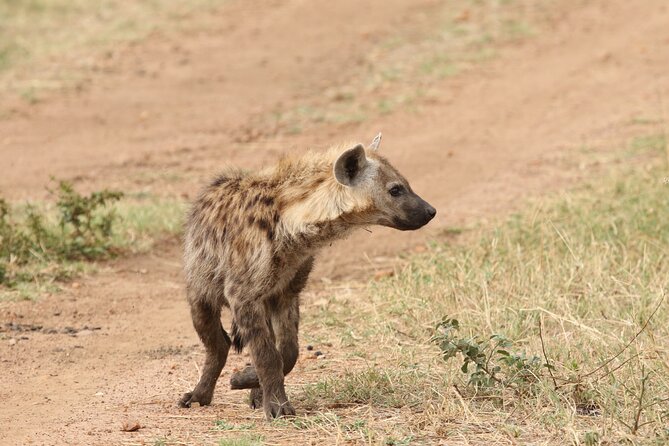
Tarangire is the first major stop, and it gives the safari its most recognizable visual scene: elephants moving among baobab trees. These ancient-looking trees help make the park feel unlike the crater, even before you start counting animals.
The park is also part of a large annual movement of wildlife. The figures associated with this cycle reach up to 3,000 elephants, 25,000 wildebeest, and 30,000 zebras. That does not mean you will see every animal in those numbers on one visit, but it explains why Tarangire is an important wildlife area rather than just a convenient stop on the road.
Your day includes a game drive and picnic lunch in the park. That arrangement saves time. Instead of leaving the park for a separate restaurant, you can use the middle of the day to remain in the safari area.
Tarangire is especially appealing if elephants are high on your list. The park’s identity is closely tied to them, and the baobabs give your photographs a strong sense of place. You might also encounter other wildlife during the drive, but the available information does not promise particular sightings.
That uncertainty is part of any game drive. A good safari route puts you in the right habitat, but animals move on their own schedule. You should treat the named species as possible sightings, not a fixed checklist.
The first day is also where the time pressure becomes clear. A six-hour park visit sounds generous, yet the day includes the departure from Arusha, the road to Tarangire, the game drive, and the onward movement toward the overnight campsite. You will get a real safari day, but not a slow one.
Camping near Ngorongoro saves useful time
The overnight stay uses campsite accommodation close to Ngorongoro. That location is one of the practical strengths of the plan because it cuts down the distance you need to cover before the second day’s crater visit.
You will have included accommodation and meals, which removes several small planning tasks. You do not need to coordinate a separate hotel, find dinner after a long drive, or work out how to reach the crater early the next morning.
The trade-off is comfort. Camping is presented as the cost-effective option, not a luxury stay. If you want a polished lodge, private facilities, or a slower evening, this may not be the right format. If you mainly need a clean, organized base near the next day’s wildlife drive, it makes sense.
The supplied details do not specify the exact campsite facilities, bedding arrangement, or whether bathrooms are private. I would confirm those points before paying if they affect your decision.
You should also remember that this is sold as a group camping safari, while the additional tour information describes the activity as private, with only your group participating. That wording can be confusing. Ask Suricata Safaris whether your booking is a private vehicle for your own party or a small shared camping departure, and confirm the maximum group size.
Day two: descending into Ngorongoro Crater
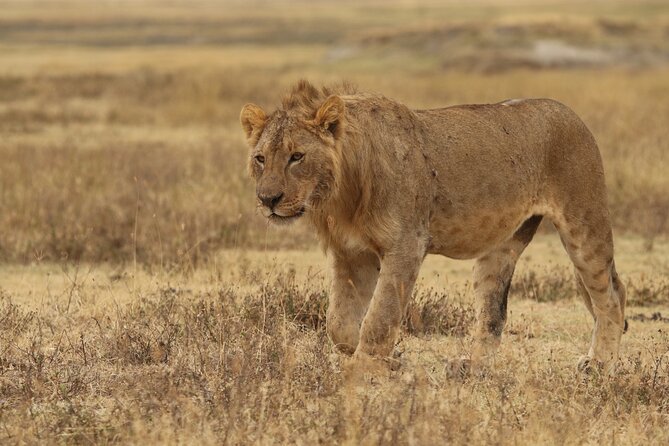
The second morning begins with an early breakfast and a descent of more than 600 meters into Ngorongoro Crater. The descent is not just a transfer. It is the moment the trip changes from Tarangire’s open woodland setting to a contained natural basin filled with wildlife.
Ngorongoro benefits from water and grazing resources available through the year. That helps support herds of wildebeest, zebra, buffalo, eland, warthog, hippo, and giant African elephants.
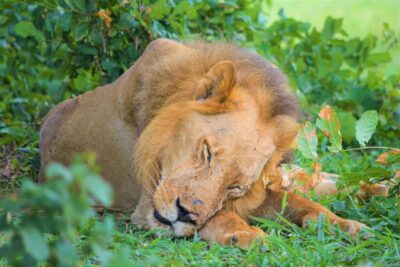
The crater also has a strong predator presence. Lions, hyenas, jackals, cheetahs, and the elusive leopard are listed among the possible sightings. A leopard is never a sure thing, and even when one is present, it may take a sharp eye to spot it. Keep your expectations high but flexible.
This is where a guide and driver can make a real difference. You will want someone who can help identify animals, explain what you are seeing, and notice movement at a distance. The supplied information does not name the individual guide, so ask for the guide’s name and experience when you confirm your booking.
Ngorongoro is a particularly good choice for a short safari because the crater can give you many wildlife possibilities in one concentrated outing. That does not guarantee a Big Five sighting, but one review described seeing four of the Big Five in two days. Treat that as an encouraging possibility, not a promise.
More Wildlife Safaris in Serengeti & Ngorongoro:
- 5 Days Group Camping Safari
★ 5.0 · 730 reviews - 3 Days Serengeti & Ngorongoro Group Camping Safari
★ 5.0 · 574 reviews - 7-Day Premium Luxury Tanzania Safari All-Inclusive
★ 5.0 · 426 reviews - 5-Day Highlights mid-Range Crater, Serengeti, Tarangire
★ 5.0 · 296 reviews
Lake Magadi adds a quieter side to the crater
The route includes Lake Magadi, a large, shallow alkaline lake in the southwestern part of the crater. It is one of Ngorongoro’s main features and gives the game drive a scenic pause amid the animal viewing.
A lake stop can also help you understand why wildlife gathers in the crater. Water and food draw animals into the same general area, while the crater walls create a memorable setting around them.
The stop does not turn the safari into a hiking trip or a lake excursion. You remain on the organized game drive, with the main focus still on wildlife. If you enjoy seeing how water shapes an ecosystem, Lake Magadi will likely be one of the more meaningful parts of the day.
The second day is listed at about six hours. Since you need to leave the crater and return to the meeting point in Arusha, expect another full day. This is not an itinerary for a late start or a relaxed afternoon at the campsite.
What the $550 price really buys you
At $550 per person, the main value is convenience and access. The price includes the major pieces that make a short safari difficult to arrange independently: transport, park visits, meals, campsite accommodation, and game drives across two major destinations.
It also gives you a simple way to compare costs. Separate bookings for a vehicle, driver, park entry, meals, and overnight lodging can quickly become complicated, especially when you have only two days. A packaged trip puts the responsibility for timing and routing with the operator.
The value is strongest if you want to see Tarangire and Ngorongoro without building the trip yourself. It is less compelling if you already have transport, lodging, or a private safari vehicle arranged.
The price does not buy a slow, personalized luxury experience. The itinerary is tight, the accommodation is camping, and much of your time goes into driving and game viewing. You are paying for a practical route through two major wildlife areas, not for a resort stay.
The experience has a five-out-of-five rating from 146 reviews and a 100 percent recommendation figure. Those numbers suggest a strong record, with particular praise for the Suricata Safari team’s responsiveness and for the natural scenery and wildlife. I would still ask clear questions about the vehicle, campsite, group arrangement, and pickup time before booking.
Meals, pickup, and the small details that matter

Meals are included, and the first day specifically includes a picnic lunch in Tarangire. That is useful because you can stay in the park rather than lose time searching for food outside it.
Pickup is offered from a hotel or airport. The listed meeting point is Jevas Hotel EncoreTZ in Makao Mapya, Arusha, and the activity ends back at the meeting point. If you are arriving by air or changing hotels, confirm the exact pickup location and time in advance.
The stated operating hours cover every day of the week, from midnight to 11:30 p.m. Those broad hours do not mean the safari runs continuously. They indicate that departures can be scheduled within the operator’s booking window, while your actual start time will be set for the itinerary.
Confirmation is received at booking. The activity is listed near public transportation, and most people can participate. The details do not describe a specific accessibility service, so anyone with mobility concerns should ask how the vehicle, campsite, crater descent, and restroom stops are handled.
Free cancellation is available up to 24 hours before the start time for a full refund. Changes or cancellations inside that 24-hour window are not accepted or refunded, based on the local start time.
Who will get the most from this safari
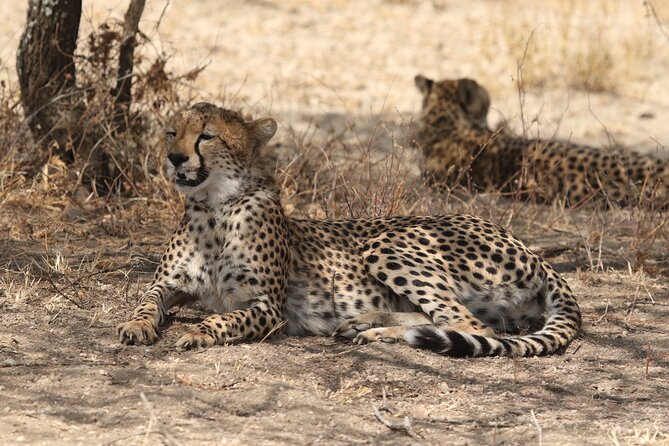
I would recommend this trip to a first-time safari visitor with only two days in northern Tanzania. It suits you if you want the famous combination of elephants, baobabs, crater wildlife, and a chance at big cats without arranging each piece yourself.
It also fits people who place wildlife viewing above hotel comfort. The included campsite keeps the cost down and puts you near Ngorongoro for the early start.
Families and mixed-age groups should look closely at the pace. Most travelers can participate, but the long first day, early second morning, and extended vehicle time may feel demanding for young children or anyone who needs frequent rest.
Wildlife photographers may appreciate the variety, but two days gives you limited flexibility. If the light, weather, or animal activity is not ideal during one drive, you have little spare time to try again.
I would choose a longer safari if you want a slower rhythm, more chances for specific animals, or a higher level of accommodation. I would choose this one if your priority is seeing two major destinations in a compact, organized package.
Should you book the Tarangire and Ngorongoro two-day safari?
Book it if you want a concentrated introduction to Tanzania’s northern safari circuit and you are comfortable with camping, early starts, and a full schedule. The combination is well chosen: Tarangire brings elephants and baobabs, while Ngorongoro brings a dense mix of herds, predators, water, and crater scenery.
Before you commit, get written confirmation of the pickup point, the exact campsite, the group or private vehicle arrangement, and what meals are provided. Those details will tell you whether the $550 package matches your comfort level.
For a short trip, this is a sensible choice with strong wildlife potential and very little planning burden. Just do not mistake two packed days for a leisurely safari.
FAQ
How long does the safari last?
The safari lasts approximately two days. Each main park visit is listed at about six hours.
Where does the safari start?
The listed meeting point is Jevas Hotel EncoreTZ, Makao Mapya, Arusha, Tanzania.
Where does the safari end?
The activity ends back at the meeting point in Arusha.
Can I be picked up from a hotel or airport?
Yes. Hotel or airport departure is offered. Confirm the exact pickup location and time when booking.
Which parks and areas does the safari visit?
The itinerary visits Tarangire National Park on day one and Ngorongoro Conservation Area, including Ngorongoro Crater and Lake Magadi, on day two.
Is accommodation included?
Yes. The package includes campsite accommodation near Ngorongoro.
Are meals included?
Yes. Meals are included, and day one specifically includes a picnic lunch in Tarangire National Park.
Is this a group or private tour?
The experience is presented as a group camping safari, while the additional information describes it as a private activity for only your group. Ask Suricata Safaris to clarify the arrangement and group size before booking.
Can I cancel for a full refund?
Yes, if you cancel at least 24 hours before the experience start time. Cancellations or changes made less than 24 hours before the start time are not refunded or accepted.
More Two-Day Trips from Serengeti & Ngorongoro
- From Marrakech: 2-Day Sahara Tour to Zagora & Ait Ben Haddou
★ 4.4 · 1,925 reviews - From Fez: Sahara Desert 2-Day Tour with Merzouga Camp Stay
★ 4.8 · 1,716 reviews - From Marrakech: 2-Days luxurious experience to Zagora Desert
★ 4.9 · 1,502 reviews - From Marrakech: Zagora 2-Day Desert Safari with Food & Camp
★ 4.5 · 1,137 reviews
Just added for Serengeti & Ngorongoro
- Tanzania Enticing Explorations – 6 Days★ 5.0 · 106 reviews
- Tanzania Simba Safari – 5 Days★ 5.0 · 217 reviews
- 3 Days Private Safari – manyara, Ngorongoro & Tarangire★ 5.0 · 94 reviews
- Living Among Lions★ 5.0 · 191 reviews
- Tarangire Day Tour★ 5.0 · 95 reviews
- Arusha Guided Walking City Tour, Culture, Lifestyle & History★ 5.0 · 150 reviews
- Safari Excelente y Safari lujos Tanzania★ 5.0 · 103 reviews
- 8 Day Spectacular Migration Serengeti mid -Range Tanzania Safari★ 5.0 · 161 reviews
Wildlife Safaris, compared.
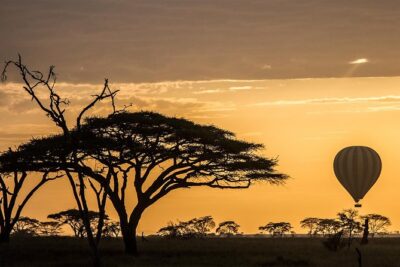
Serengeti Balloon Safari and authentic bush breakfast
Read our review →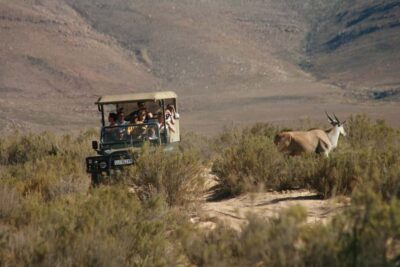
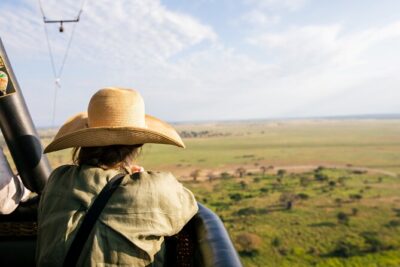
Balloon Safari & Bush Breakfast in Serengeti – Miracle Experience
Read our review →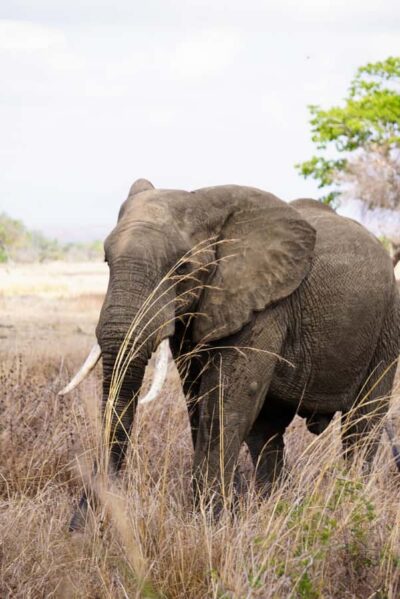
From Zanzibar: Mikumi Safari Day Trip with Flights and Meal
Read our review →
From Zanzibar: Day Selous Game Reserve Safari with Flights
Read our review →Browse the lists this tour appears in