
Reviewed · WILDLIFE SAFARIS
Safari Excelente y Safari lujos Tanzania
The great strength of this six-day safari is its range. In one trip, you move from the foot of Mount Kilimanjaro to Tarangire’s elephant country, the open Serengeti, the Ngorongoro Crater, and Lake Manyara. That is a lot of northern Tanzania in less than a week.
I like the private format, since your group controls the pace and has room for questions. I also like that park entry fees, meals, airport pickup, and transport are bundled together. The main drawback is the amount of time spent on the road. This is an active safari, not a slow resort holiday, and the itinerary is full from morning to late afternoon.
Key points to know before booking
- Private vehicle and guide: Only your group takes part, with guides and drivers such as Moses, Joseph, Musa, Amiri, Carlos, and others assigned by the operator.
- Five major safari areas: The route includes Kilimanjaro National Park, Tarangire, Serengeti, Ngorongoro Conservation Area, and the Manyara region.
- Meals are supplied: Breakfast, lunch, and other meals are prepared and provided during the trip.
- Park entry is included: The listed national park admission costs are covered in the tour price.
- Strong language support: The company offers the experience in multiple languages, including Spanish, English, Italian, and others according to guide availability.
- A high-cost, full-service trip: At $7,851.24 per person, this is priced for private service and convenience, but you should confirm exactly what lodging and vehicle arrangements are included before paying.
A private route through Tanzania’s northern parks
This safari begins with pickup at Kilimanjaro International Airport and a transfer to a hotel. You then receive a briefing about the route and the days ahead. The meeting point shown for the tour is Jevas Hotel EncoreTZ in Makao Mapya, Arusha, with a 7:30 a.m. start time for the main road journey.
A private trip matters here. Safari vehicles spend long hours on rough roads, and your group does not need to match the habits of strangers. You can ask to stop for a bird, spend more time watching elephants, or move on when the children have had enough. The exact freedom depends on the guide and the day’s park rules, but a private setup gives you a much better chance of shaping the day.
The operator has used guides named Moses, Joseph, Musa, Amiri, Carlos, Moises, and Mussa in past departures. Their strongest qualities are practical ones: spotting animals at a distance, explaining animal behavior, handling wet or difficult roads, and speaking several languages. Ask in advance who will guide your departure, especially if Spanish, Italian, or another language is important to you.
More Wildlife Safaris in Tanzania
- Serengeti Balloon Safari and authentic bush breakfast
★ 5.0 · 2,480 reviews - Balloon Safari & Bush Breakfast in Serengeti – Miracle Experience
★ 5.0 · 1,646 reviews - 4 Days Group Camping Safari
★ 5.0 · 1,101 reviews
Day one: a gentle Kilimanjaro arrival
The first day is not presented as a full game drive. It begins with airport reception, a transfer to the hotel, and a briefing about the itinerary. Kilimanjaro National Park is listed as the first stop, but the supplied schedule gives this part about one hour and no separate admission charge.
That makes day one useful as an arrival day. You can get your bearings after the flight, meet the local team, and learn how the next five days will work. Do not expect a long wildlife outing on this first day. The real safari begins the following morning from Arusha.
The schedule names Kilimanjaro National Park but does not specify a mountain hike, viewpoint, or summit activity. If seeing the mountain is important to you, ask what is included in your arrival transfer and hotel location. That small clarification can prevent a mismatch between what you imagine and what the itinerary delivers.
Day two: Tarangire’s elephants and dependable water
The group leaves Arusha early and drives south toward Tarangire National Park. After arriving before lunch, you begin the afternoon game drive, with about six hours assigned to the park.
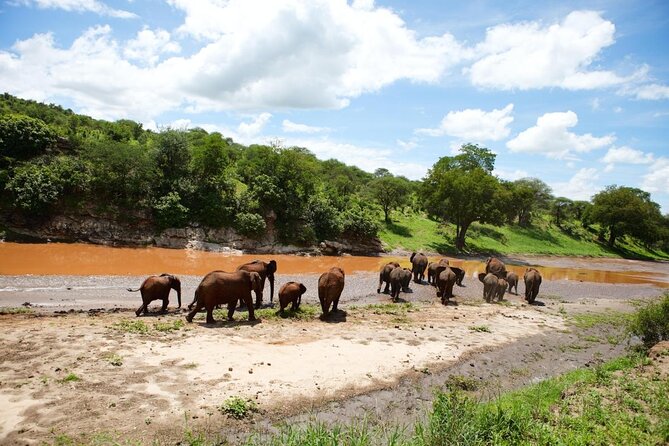
Tarangire is especially appealing in the dry season because its river provides a reliable water source. That draws elephants, buffalo, oryx, and antelope, which in turn attract lions, leopards, and other predators. The park is also known for unusual sightings such as pythons in trees and small mammals including mongooses.
The appeal here is not only the number of animals. Tarangire offers a different feel from the Serengeti. Trees, river country, and large herds give the day more texture, while the wildlife can gather in concentrated areas when water is scarce. If you enjoy watching animal behavior rather than simply collecting names, this is a strong start.
The six-hour estimate is helpful, but road conditions and sightings can stretch the day. You should be ready for time in the vehicle, dust, heat, and repeated stops. The supplied picnic or meal arrangements are meant to keep the group in the park instead of losing time returning to town.
Day three: crossing into the Serengeti
After breakfast, the route heads toward Serengeti National Park. The drive itself is part of the experience, with wide views and changing scenery along the way. After an outdoor lunch, the safari continues into the afternoon and toward sunset.
The Serengeti name comes from a Maasai word meaning endless plains, and the scale is the point. The park is part of a larger ecosystem that extends into the Ngorongoro area and Kenya’s Maasai Mara. That means animals move through a broad natural system rather than staying inside a neat tourist circuit.
The schedule gives this day about eight hours. That includes a substantial transfer, so you should not picture eight uninterrupted hours of slow game viewing. The reward is reaching one of Africa’s best-known wildlife areas with enough afternoon time to begin looking for animals.
A good guide makes a real difference here. Joseph and Amiri are among the guides associated with departures of this trip, and the strongest guide skill is not simply naming animals. It is noticing movement at a distance, reading where animals may go next, and choosing when to wait. The open plains can look empty for a moment, then suddenly fill with zebras, wildebeest, giraffes, or predators.
More Wildlife Safaris in Serengeti & Ngorongoro:
- 5 Days Group Camping Safari
★ 5.0 · 730 reviews - 3 Days Serengeti & Ngorongoro Group Camping Safari
★ 5.0 · 574 reviews - 7-Day Premium Luxury Tanzania Safari All-Inclusive
★ 5.0 · 426 reviews - 5-Day Highlights mid-Range Crater, Serengeti, Tarangire
★ 5.0 · 296 reviews
Day four: a second full Serengeti day
The fourth day returns to the Serengeti, again with breakfast, an outdoor lunch, afternoon viewing, and a drive toward sunset. The schedule allows about nine hours, making this the fullest wildlife day of the program.
A second day is valuable because wildlife sightings are never guaranteed on command. One morning may produce big cats, while another may be better for herds and birds. More time also lets you move beyond the first easy stop and watch the park change across the day.
The Serengeti is famous for the Big Five, and several past departures have reported seeing them. Still, you should treat that as a possibility rather than a promise. Wildlife is free to move, and conditions vary with season, rain, animal migration, and the skill of the guide.
This is also the day when the schedule may feel most demanding. Nine hours in a safari vehicle can be tiring, especially for young children or anyone who dislikes bumpy roads. The private arrangement helps because your guide can respond to your group, but it does not remove the distance between parks.
Day five: descending into the Ngorongoro Crater
The fifth day starts early with a drive toward the Ngorongoro Conservation Area. You descend into the crater for a photographic safari and eat a picnic inside.
Ngorongoro is a remarkable setting. The volcanic crater formed about two million years ago when the mountain collapsed inward, leaving a basin roughly 20 kilometers across. Over time, water, grass, and wildlife turned that enclosed space into one of Tanzania’s best-known viewing areas.
The five-hour schedule is shorter than the Serengeti days, but the experience is tightly focused. The crater floor can offer a concentrated look at large mammals in a setting that feels very different from the open plains. You may find it easier to scan the area here, though animal movement still cannot be guaranteed.
The early start is worthwhile, but it also means you need to be comfortable with a quick breakfast and a long day that begins before the sun is high. Ngorongoro is one of the highlights of the route, yet the descent and return can add road time that is not obvious from the five-hour park estimate.
Day six: Lake Manyara and Mto wa Mbu
The final day visits the Manyara region, including Lake Manyara National Park. The lake attracts thousands of flamingos, while the park also supports wildebeest, zebras, buffalo, monkeys, elephants, giraffes, and more than 400 bird species.
Lake Manyara is also linked with tree-climbing lions, one of the area’s best-known curiosities. You may find the park especially rewarding if birds interest you, since the habitat supports a wide range of species rather than only the larger mammals.
After a picnic and more afternoon game viewing, the route continues to Mto wa Mbu. This village visit adds a human element to a trip otherwise focused on wildlife. The schedule describes banana plantations, local crafts, a market, and communities from different ethnic groups living in the area.
That stop is important because it gives you a chance to see part of daily life beyond the parks. You can look at handmade goods, walk near the plantations, and learn more about local commerce. If you buy crafts, ask how the money reaches the maker and keep the visit respectful. This is not a staged wildlife stop, and your attitude matters.
The published end point is back at the meeting point. Since the day includes both Manyara and Mto wa Mbu, confirm the expected return time if you have a flight or another transfer afterward.
Meals, vehicles, and the meaning of luxury
All meals are prepared and supplied, which removes a major chore from a road-based safari. Breakfast gives you an early start, picnic lunches keep you inside the parks, and the included food makes budgeting simpler.
The word luxury needs a careful reading here. The material provided does not name the lodges, camps, room types, vehicle model, or room upgrade details. Past departures refer to a Toyota Land Cruiser safari 4×4 and daily vehicle cleaning, but you should confirm that this is the vehicle planned for your booking rather than assuming it.
The price is $7,851.24 per person. That is a major outlay for six days, so the value depends heavily on the details not shown in the basic schedule. A private vehicle, professional guide, park fees, meals, airport pickup, and a broad route can justify a premium over a shared safari. But you should ask for the exact accommodation list, number of people in the vehicle, vehicle equipment, and whether airport transfers beyond the first pickup are included.
The food and entry fees are useful inclusions, but they do not by themselves make a tour luxurious. The strongest value here is convenience and private attention. If your priority is a carefully managed experience with a guide handling roads, park access, animal spotting, and daily logistics, the price may make sense. If you mainly want the lowest cost route through these parks, you should compare it with shorter shared options.
Guide quality and language support
The most praised part of the operation is the human service. Guides such as Moses, Joseph, Musa, Amiri, and Carlos are repeatedly connected with friendly treatment, patience, animal knowledge, careful driving, and good organization.
Moses, also called Musa or Moises in some accounts, is described as being available throughout the planning process and helping shape private itineraries. Joseph is noted for finding hard-to-see animals, while Amiri is praised for explaining wildlife and handling difficult roads during rainy conditions. Those details matter more than a polished brochure because your guide controls much of the day’s rhythm.
The company offers the safari in multiple languages. Spanish-speaking groups are a clear fit, and Italian support is also mentioned. Language availability can depend on the person assigned to your departure, so request your preferred language before you book.
A strong guide cannot promise a lion at the next bend. What the guide can do is explain what you are seeing, respect the animals, keep the vehicle in good condition, and make sensible choices when weather or road conditions change. That is the practical standard I would use when judging this safari.
Who will enjoy this safari most
This trip suits you if you want a private northern Tanzania circuit and prefer having meals, entry costs, transfers, and park logistics handled for you. It is also a good match for couples, honeymooners, families, and small groups who want their own vehicle and guide.
The route works well for first-time safari visitors because it covers several major areas without requiring you to plan separate transfers. It also gives you more than one Serengeti day, which improves your chances of seeing varied wildlife.
You should think twice if you want a relaxed schedule, dislike long drives, or need a clearly specified luxury hotel standard. The itinerary is ambitious, and the schedule repeats long safari days. Families can participate, since most people are accepted, but young children may find the road hours tiring.
The tour is near public transportation, yet this is still mainly a vehicle-based private safari. Do not expect to walk freely through the parks or set your own independent route.
Booking advice and cancellation warning
Confirmation is supplied at booking, and the activity begins at the stated Arusha meeting point or with airport pickup on arrival. Because the experience is non-refundable and cannot be changed for any reason, you should confirm your dates, airport details, preferred language, lodging, and group size before making payment.
A minimum number of participants is required. If the operator cancels because that minimum is not reached, you are offered another date or experience, or a full refund. That is different from changing your plans yourself, so read the terms carefully.
Should you book Safari Excelente y Safari lujos Tanzania?
I would consider this safari if you value private service, a wide mix of parks, prepared meals, and help from a multilingual local team. The combination of Tarangire, two Serengeti days, Ngorongoro, Manyara, and Mto wa Mbu gives you wildlife, scenery, and a small amount of cultural contact in one route.
I would not pay the full price without first confirming the accommodation standard and vehicle details. At $7,851.24 per person, the trip needs to deliver more than park access and meals. If the operator confirms strong lodging, a private 4×4, and a guide who speaks your preferred language, this can be a convenient, well-supported way to see Tanzania’s northern parks. If those details remain vague, compare carefully before committing.
FAQ
Where does the safari start?
The listed meeting point is Jevas Hotel EncoreTZ in Makao Mapya, Arusha, Tanzania. Airport pickup is also offered from Kilimanjaro Airport on the first day.
How long is the safari?
The experience lasts approximately six days.
What time does the tour start?
The listed start time is 7:30 a.m. The first day includes airport pickup, hotel transfer, and an itinerary briefing.
Is this a private tour?
Yes. The activity is restricted to your group, and no other group participates in your private tour.
Are meals included?
Yes. Meals are prepared and supplied during the safari, including picnic meals described for several park days.
Are national park entry fees included?
Yes. Admission and entry fees for the national parks are included in the experience.
Can I take part if I do not speak English?
The experience is offered in multiple languages. You should confirm the available guide language for your departure before booking.
Just added for Serengeti & Ngorongoro
- Tanzania Enticing Explorations – 6 Days★ 5.0 · 106 reviews
- Tanzania Simba Safari – 5 Days★ 5.0 · 217 reviews
- 3 Days Private Safari – manyara, Ngorongoro & Tarangire★ 5.0 · 94 reviews
- Living Among Lions★ 5.0 · 191 reviews
- Tarangire Day Tour★ 5.0 · 95 reviews
- Arusha Guided Walking City Tour, Culture, Lifestyle & History★ 5.0 · 150 reviews
- 8 Day Spectacular Migration Serengeti mid -Range Tanzania Safari★ 5.0 · 161 reviews
- 9-Day Serengeti Migration Footsteps Tanzania Safari★ 5.0 · 96 reviews
Wildlife Safaris, compared.
Serengeti Balloon Safari and authentic bush breakfast
Read our review →
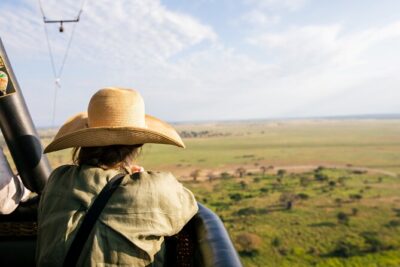
Balloon Safari & Bush Breakfast in Serengeti – Miracle Experience
Read our review →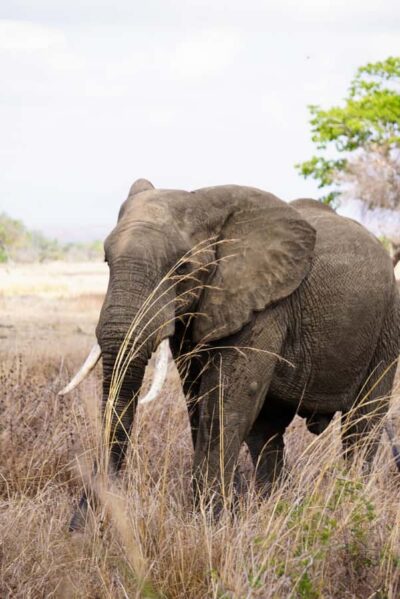
From Zanzibar: Mikumi Safari Day Trip with Flights and Meal
Read our review →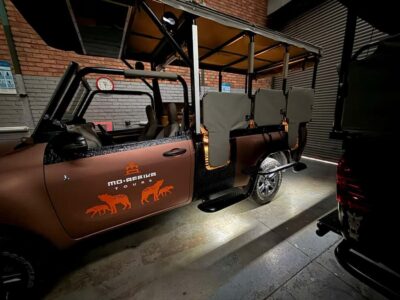
From Zanzibar: Day Selous Game Reserve Safari with Flights
Read our review →Browse the lists this tour appears in