
Reviewed · WILDLIFE SAFARIS
5-Day private Camping Safari Tour in Tanzania
Tarangire’s giant baobabs and elephant herds make a fine opening act, but the real strength of this safari is its smart three-park route. You get Tarangire, two days in the Serengeti, and Ngorongoro Crater without spending the whole trip in one park. I especially like the private vehicle and the guide-led wildlife spotting, with guides such as Rocky, Mandela, Gordon, and Freddy repeatedly praised for their animal knowledge and easy company.
I also like that meals are built in and the camping team handles the practical work, including tents and sleeping bags. The tradeoff is simple: five days means long drives and early starts, and the published route does not include Lake Manyara even though the overview mentions it. Confirm the final park order before paying.
Key points to know before booking
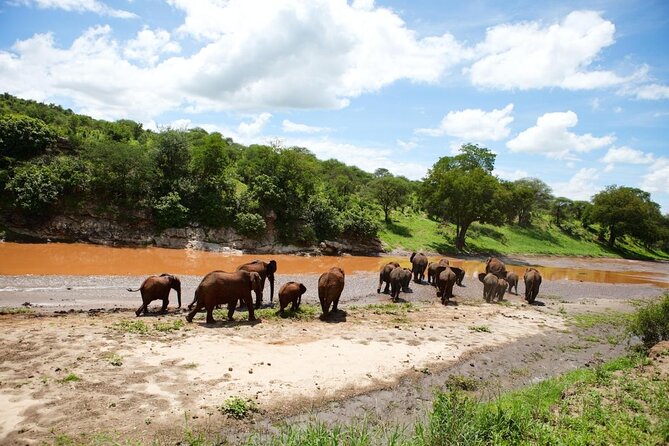
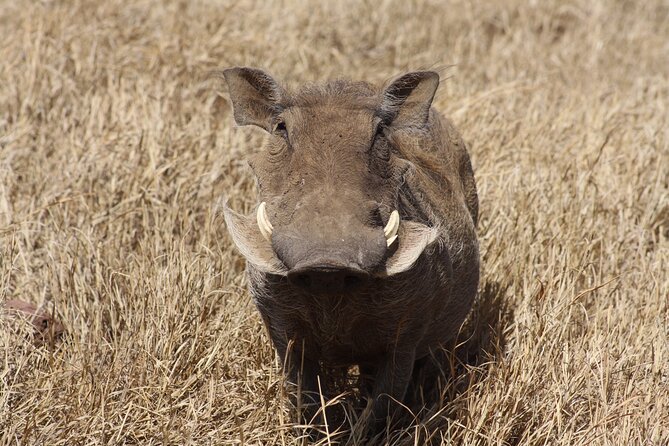
- Tarangire begins the safari: Expect elephants, baobabs, zebra, wildebeest, buffalo, giraffe, and a chance at lion or cheetah.
- Two Serengeti days give you time: One day is mostly a transfer with game viewing, while the next is a full-day search for wildlife.
- Ngorongoro is the grand finale: The crater descent puts you close to a dense mix of grazers and predators.
- Private means your group travels together: The activity is listed as private, with only your party participating.
- Camping is part of the experience: Four dinners, five lunches, and four breakfasts are included, and the food receives unusually strong praise.
- The route needs confirmation: The overview mentions Lake Manyara, but the detailed five-day plan lists Tarangire, Serengeti, and Ngorongoro.
Why this five-day route works
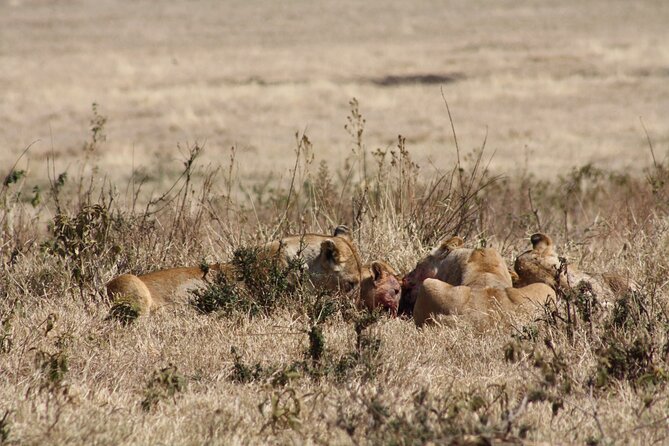
This is a compact northern Tanzania safari built around three major wildlife areas. You begin near Arusha, drive west toward Tarangire, continue through the Ngorongoro Conservation Area to the Serengeti, spend substantial time around Seronera, then return for a crater visit.
That order gives the trip a clear rhythm. Tarangire provides a strong first wildlife day. The Serengeti gets the most time, which matters because animal sightings are never scheduled like museum appointments. Ngorongoro then offers a concentrated final day, with a descent into the crater and a visit to Lake Magadi.
At $2,300 per person, the value depends on what you want from a safari. This is not simply a transport package. The price covers a private 4×4, a private guide, camping arrangements, and the listed meals. You are also paying for park access, safari planning, and the chance to spend several days in Tanzania’s best-known wildlife areas.
The price is easier to justify if you value privacy and a dedicated guide. It is less compelling if you are happy to share a vehicle or want a lodge-based trip with more comfortable rooms. The camping format keeps the safari close to the parks, but you should choose it for the outdoor experience, not as a substitute for a hotel.
More Wildlife Safaris in Tanzania
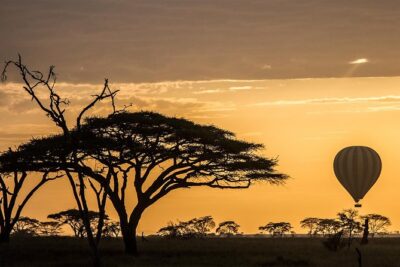
- Serengeti Balloon Safari and authentic bush breakfast
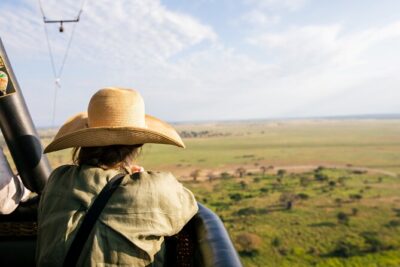
★ 5.0 · 2,480 reviews - Balloon Safari & Bush Breakfast in Serengeti – Miracle Experience
★ 5.0 · 1,646 reviews - 4 Days Group Camping Safari
★ 5.0 · 1,101 reviews
Day 1: Elephants and baobabs in Tarangire
The safari leaves after breakfast, with pickup scheduled between 8:30 and 9:00 a.m. Your first stop is Tarangire National Park, where the day includes a drive to the lodge area for lunch followed by an afternoon game drive.
Tarangire is an excellent first park because it has a strong visual identity. The baobab trees give the park a distinctive look, and elephant sightings are a major reason to come. In the June to November dry season, large groups of zebra, wildebeest, and Cape buffalo gather in the park.
You might also see giraffe, waterbuck, dik-dik, impala, eland, Grant’s gazelle, vervet monkeys, banded mongoose, and olive baboons. Predators include lions, leopards, cheetahs, caracals, honey badgers, and African wild dogs, although no safari can promise a particular animal.
The first day is listed at about six hours, but driving time and stops can make the day feel longer. I would use this afternoon to learn how your guide works. Guides such as Rocky, Mandela, Gordon, Baraka, and Freddy have been singled out for their ability to spot animals, explain behavior, and use radio communication with other safari vehicles.
Day 2: Crossing toward the Serengeti
Day two starts after an early breakfast. You drive toward Serengeti National Park with a picnic lunch, passing through the Ngorongoro Conservation Area and enjoying game viewing along the way before dinner and overnight camping at Seronera.
This is a transfer day, but it is not a wasted day. The route itself passes through one of northern Tanzania’s most memorable areas, and your guide can stop when wildlife appears. Still, prepare for a long stretch in the vehicle. The listed touring time is about six hours, and road conditions, animal sightings, and park traffic can affect the schedule.
Seronera is a practical base for the central Serengeti. Two nights here mean you do not have to pack up and move every morning. That is one of the best design choices in the itinerary. You get more time for game viewing and less time spent setting up camp somewhere new.
Your picnic lunch also keeps the day moving. It is a small detail, but useful: stopping for a long restaurant meal in the middle of a park would cut into wildlife time.
Day 3: A full day in the central Serengeti
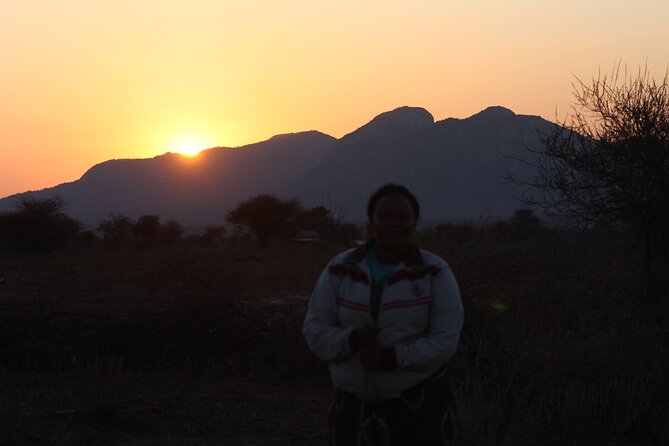
After breakfast, you leave camp for a full-day game drive with a picnic lunch. A short midday break separates the morning and afternoon viewing, and the drive continues until late afternoon before returning to Seronera for dinner and another night outdoors.
This is the day that gives the safari its best chance to feel unhurried. The Serengeti is enormous, so two days still cover only a small portion of it. Even so, a full day lets you follow interesting sightings rather than treating the park as a corridor between destinations.
The central Serengeti is known for a wide range of animals, but the itinerary does not promise the Big Five. That is worth keeping in mind. Several people associated with this experience saw four or all five on their trips, but wildlife remains unpredictable. A good guide can improve your odds and help you notice smaller animals, birds, and behavior that you might miss on your own.
The food is another strong point. The safari includes five lunches, four breakfasts, and four dinners, and the camp chef receives repeated praise for fresh ingredients, hot meals, and varied dishes. That matters after a full day on rough roads. Do not assume camping means cold, basic food.
More Wildlife Safaris in Serengeti & Ngorongoro:
- 5 Days Group Camping Safari
★ 5.0 · 730 reviews - 3 Days Serengeti & Ngorongoro Group Camping Safari
★ 5.0 · 574 reviews - 7-Day Premium Luxury Tanzania Safari All-Inclusive
★ 5.0 · 426 reviews - 5-Day Highlights mid-Range Crater, Serengeti, Tarangire
★ 5.0 · 296 reviews
Day 4: Morning wildlife, then toward Ngorongoro
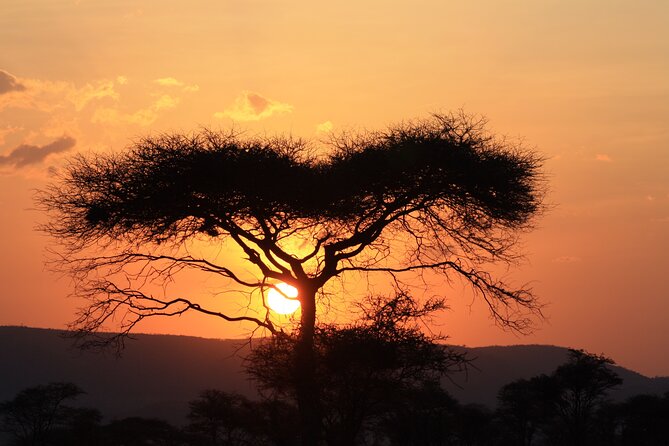
Day four begins with coffee, tea, and biscuits before an early game drive. The stated game-drive window runs roughly from 8:00 a.m. to 2:30 p.m., followed by a departure toward the Ngorongoro Conservation Area with wildlife viewing along the way.
This is another long day, listed at about seven hours. The early refreshment is modest, but it helps you get out quickly for the cooler morning period. If you care most about predators, early starts are part of the bargain.
The route then shifts from the open Serengeti to the Ngorongoro area. You will have dinner and overnight camping there before the crater visit. The schedule is efficient, but not luxurious. You should expect road time, dusty conditions, and little spare time for relaxing.
That is also where the private format helps. Your group can discuss timing with the guide, and the guide can explain what is possible within the day. The tour is advertised as private, but the specific guide is not guaranteed. If you have a strong preference for someone such as Rocky, Mandela, Gordon, or Freddy, ask the operator before booking rather than assuming that person will lead your safari.
Day 5: Down into Ngorongoro Crater
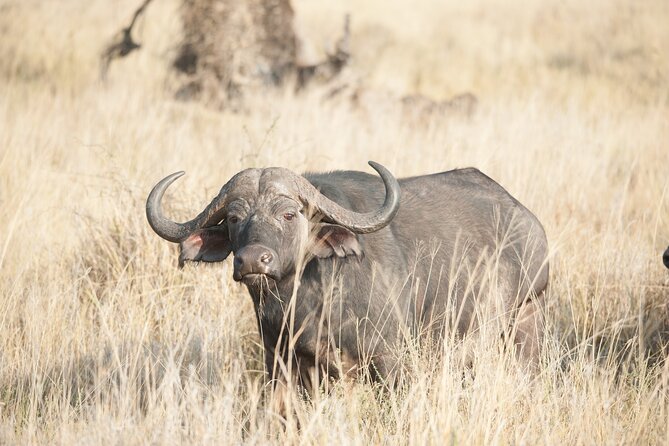
The final day starts with an early breakfast and a descent of more than 600 meters into Ngorongoro Crater. You spend the day viewing wildlife in a contained natural setting, including herds of wildebeest, zebra, buffalo, eland, warthog, hippo, and African elephants.
The crater is the emotional high point of this route for many people. Its water and grazing areas support animals throughout the year, so the viewing can feel concentrated compared with the wider Serengeti. The trip also visits Lake Magadi, a large, shallow alkaline lake in the crater’s southwestern area.
Predators are an important part of the day. You might see lions, hyenas, jackals, cheetahs, and possibly a leopard. A leopard requires patience and a sharp-eyed guide, so do not measure the day only by a checklist.
The final day is listed at about eight hours, making it the longest scheduled day. You will be glad to have breakfast early, and you should plan for a full day in the vehicle. After the crater visit, the activity returns to the meeting point in Arusha, although the exact return timing is not specified.
Camping, meals, and the feel of the trip
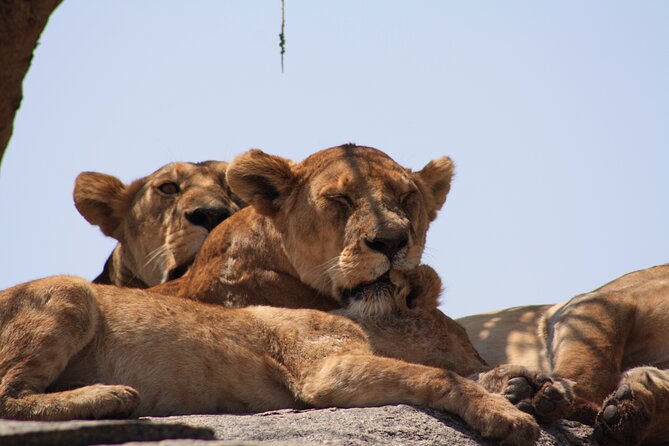
This is a real camping safari, not a lodge tour with the word camping added for atmosphere. The trip includes four nights of dinner and breakfast, five lunches, and the camp setup. The available feedback places special emphasis on organized tents, sleeping bags, comfortable arrangements, and food that is far better than many people expect from a safari camp.
You should still be comfortable with basic outdoor living. The schedule involves early breakfasts, picnic lunches, long drives, and several nights away from standard hotel comforts. If you need a private bathroom, air conditioning, or a fixed room every night, choose a lodge safari instead.
The food may be one of the tour’s best surprises. Chefs such as Salim and James are praised for varied meals, fresh ingredients, and hot lunches and dinners. That is valuable because a safari day uses more energy than it appears to. You spend hours sitting, but the early starts, dust, heat, and constant attention to wildlife can be tiring.
Guides make the biggest difference
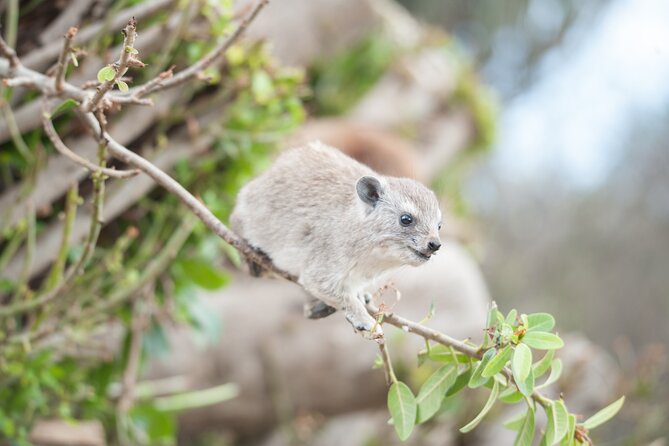
The vehicle and parks matter, but the guide shapes your safari. A good guide spots movement, explains animal behavior, manages the day’s pace, and knows when to wait. The strongest praise here goes to Rocky, Mandela, Gordon, Baraka, and Freddy.
Rocky is repeatedly described as a strong wildlife spotter and an engaging companion. Mandela is praised for answering questions, explaining what you see, and keeping the mood friendly. Freddy is noted for formal wildlife training and for communicating with other vehicles by radio.
Those names are useful when comparing the experience, but they do not mean one of them will definitely be assigned to you. Ask about guide assignment when you book. Since this is a private tour, your guide’s style will matter even more because you spend nearly every hour of the safari together.
Private vehicle, timing, and practical fit
The activity begins at AIM Mall in the Mbauda area of Arusha and ends back at the same meeting point. Confirmation is provided when you book, and the activity is described as suitable for most participants and near public transportation.
The private setup is a real benefit for families, couples, and small groups. You do not have to adjust every stop to strangers, and you can ask more questions without competing for the guide’s attention. It also gives you a better chance of tailoring the experience, though the advertised itinerary and park fees should be confirmed before departure.
The main practical concern is time in the vehicle. Day two, day three, and day four all involve about six to seven hours of safari activity, while day five may run eight hours. Bring patience, sun protection, and a willingness to start early.
There is also a small but important route issue. The overview names Lake Manyara, but the detailed plan does not include it. Some five-day versions connected with the same operator use a different order and include Manyara, while this listed itinerary centers on Tarangire, Serengeti, and Ngorongoro. Get the final route in writing.
Who should book this safari?
I would choose this trip if you want the major northern Tanzania wildlife areas in five days, prefer a private vehicle, and are happy to camp. It suits first-time safari visitors who want a strong mix of elephants, big cats, grazing herds, birds, and varied scenery.
It also suits people who care about the guide and the food. The repeated praise for animal spotting, clear explanations, camp organization, and cooking suggests that the operator’s team is a major part of the value.
I would hesitate if you dislike long road days or expect a luxury lodge experience. I would also ask more questions if Lake Manyara is essential to your plans. The route is excellent as listed, but it needs to be clear before you arrive.
Should you book it?
Yes, if you want a focused, private camping safari with two useful Serengeti days and a strong final stop at Ngorongoro. The combination of private guiding, included meals, organized camping, and access to three major parks makes $2,300 per person a reasonable package price for many safari buyers.
Book with three points confirmed: the exact park order, your guide assignment if that matters to you, and what the camping setup includes. Canceling is free up to 24 hours before the start time, but changes or cancellations inside that window are not accepted for a refund.
FAQ
Where does the safari start and end?
It starts and ends at AIM Mall in the Mbauda area of Arusha, Tanzania.
Is this a private tour?
Yes. Only your group participates in the private activity.
Which parks are included?
The detailed itinerary includes Tarangire National Park, Serengeti National Park, and the Ngorongoro Conservation Area. The overview also mentions Lake Manyara, so confirm the final route before booking.
What meals are included?
The package includes four dinners, five lunches, and four breakfasts.
How long is each safari day?
The listed stops range from about six hours to eight hours. Day five at Ngorongoro is the longest scheduled day.
Can I cancel for a full refund?
Yes, if you cancel at least 24 hours before the experience start time. Cancellations or changes made less than 24 hours in advance are not accepted for a refund.
More Five-Day Routes from Serengeti & Ngorongoro
- 5 Days Camping Tarangire, Serengeti & Ngorongoro crater & Visiting Maasai
★ 5.0 · 229 reviews - Tanzania Simba Safari – 5 Days
★ 5.0 · 217 reviews - 5 Days Budget Private Safari, Tanzania
★ 5.0 · 191 reviews - 5-Day Private Northern Tanzania Safari from Arusha
★ 5.0 · 182 reviews
Just added for Serengeti & Ngorongoro
- 3 Days Private Safari – manyara, Ngorongoro & Tarangire★ 5.0 · 94 reviews
- Tanzania Enticing Explorations – 6 Days★ 5.0 · 106 reviews
- Tanzania Simba Safari – 5 Days★ 5.0 · 217 reviews
- Living Among Lions★ 5.0 · 191 reviews
- Tarangire Day Tour★ 5.0 · 95 reviews
- Arusha Guided Walking City Tour, Culture, Lifestyle & History★ 5.0 · 150 reviews
- Safari Excelente y Safari lujos Tanzania★ 5.0 · 103 reviews
- 8 Day Spectacular Migration Serengeti mid -Range Tanzania Safari★ 5.0 · 161 reviews
Wildlife Safaris, compared.
Serengeti Balloon Safari and authentic bush breakfast
Read our review →
Balloon Safari & Bush Breakfast in Serengeti – Miracle Experience
Read our review →
From Zanzibar: Mikumi Safari Day Trip with Flights and Meal
Read our review →
From Zanzibar: Day Selous Game Reserve Safari with Flights
Read our review →Browse the lists this tour appears in