
Reviewed · WILDLIFE SAFARIS
5 Days Group Camping Safari
The real draw here is the sheer variety packed into five days: elephant country at Tarangire, flamingo country at Manyara, the open plains of the Serengeti, and the wildlife-packed Ngorongoro Crater. You get a private guide and 4×4, but the maximum group size is seven, and group departures may combine people on different-length safaris.
I like the strong park lineup and the fact that camping, meals, park visits, and transport are bundled into the price. I also like the human touch: guides such as Max and Amiri are praised for spotting animals and keeping the trip organized, while chef Salim receives particular credit for generous meals. The main consideration is the pace. You spend long hours in the vehicle, with several early starts and some long drives between parks.
Key points at a glance
- Four major wildlife areas in five days: Tarangire, Lake Manyara, Serengeti, and Ngorongoro.
- Elephants and baobabs at Tarangire: The first park gives you an excellent opening to the safari.
- Seronera access in the Serengeti: The central area has water, animals, and strong chances for big-cat sightings.
- A crater game drive at Ngorongoro: You descend more than 600 meters for a concentrated final day.
- Camping with cooked meals: Tents are comfortable, but this is an African camp, not a resort.
- Small-group format: The vehicle accommodates no more than seven people, with pickup from Jevas Hotel Encore in Arusha.
Four parks, one busy five-day route
This is a classic northern Tanzania circuit, and it works because each stop offers something different. Tarangire brings elephants and baobabs. Manyara adds forest, lake, hippos, and birdlife. Serengeti supplies the vast plains and serious predator potential. Ngorongoro finishes with a compact wildlife area where many species gather around permanent water and grass.
At $1,100 per person, the value comes from the amount included. You receive five breakfasts, five lunches, four dinners, park access, safari transport, camping accommodation, and guiding. That is a substantial package for a five-day trip, though you should remember that the price does not buy a leisurely lodge holiday. You are paying for access to famous parks and long hours in a safari vehicle.
The wording describes a private guide and private 4×4, while the activity allows up to seven people. In practice, you should clarify the exact group arrangement before booking. A small shared vehicle can still feel personal, but it is different from having the vehicle entirely to yourself. The schedule can also bring together people taking different numbers of days, so your companions may not all have the same route or end date.
More Wildlife Safaris in Tanzania
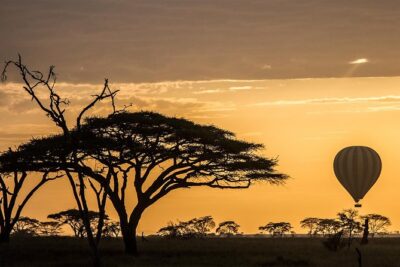
- Serengeti Balloon Safari and authentic bush breakfast
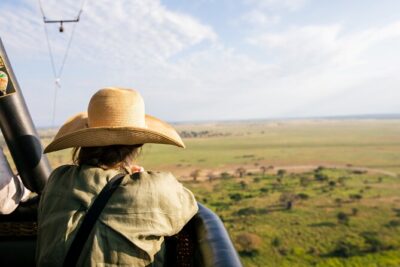
★ 5.0 · 2,480 reviews - Balloon Safari & Bush Breakfast in Serengeti – Miracle Experience
★ 5.0 · 1,646 reviews - 4 Days Group Camping Safari
★ 5.0 · 1,101 reviews
Day 1: Tarangire’s elephants and baobabs
Pickup is scheduled after breakfast, between 8:30 and 9:00 a.m., from Jevas Hotel Encore in Arusha. The drive takes you toward Tarangire National Park, where you arrive at the lodge for lunch before an afternoon game drive.
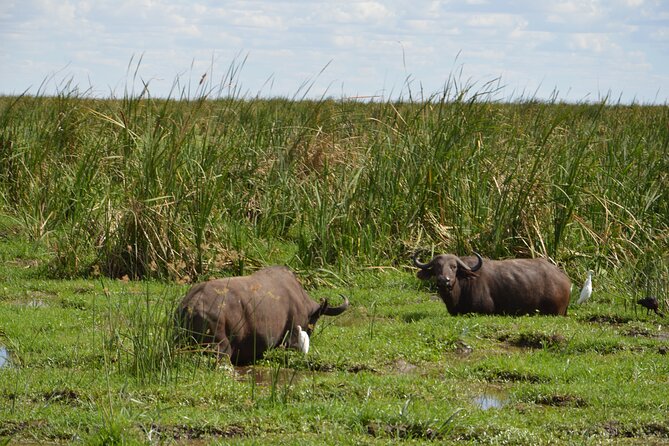
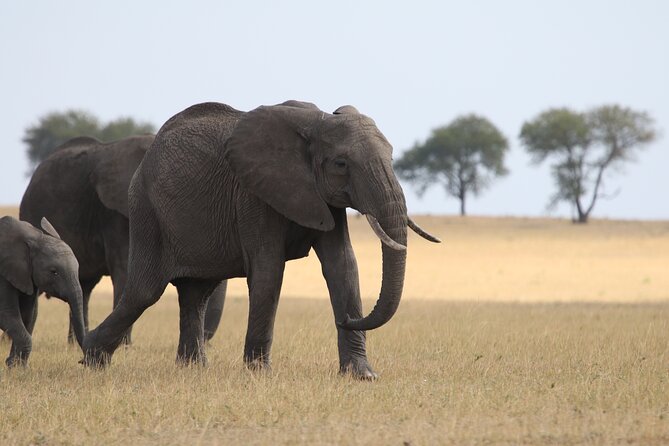
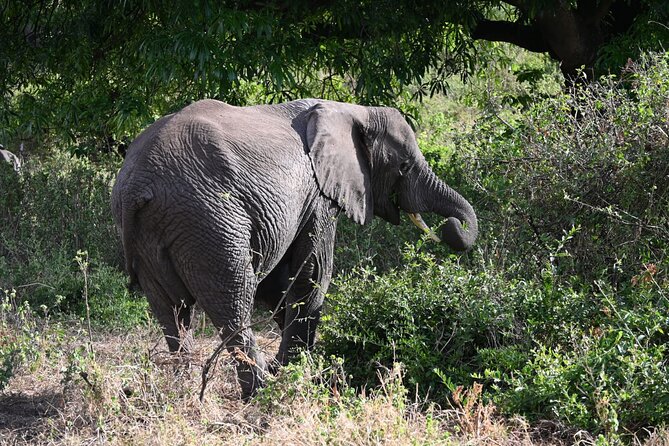
Tarangire is an excellent first stop because it gives you two unforgettable visual markers right away: large elephant herds and huge baobab trees. In the June to November dry season, zebra, wildebeest, and Cape buffalo can gather in large numbers as animals move toward water. The park also supports giraffe, impala, eland, gazelle, waterbuck, dik-dik, monkeys, and mongoose.
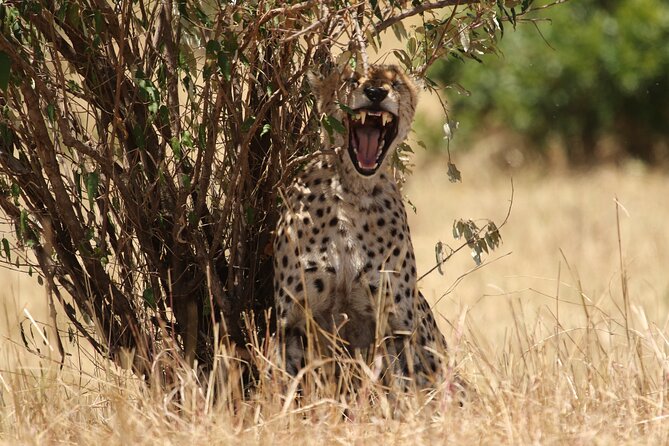
You might also look for lion, leopard, cheetah, caracal, honey badger, and African wild dog. Sightings are never guaranteed, but the variety gives your guide plenty to work with. A good guide does more than point out a lion. You will learn how water, grazing, trees, and seasonal movement shape the park.
The afternoon timing is useful because you begin with lunch rather than rushing straight into a full day on the road. Still, this is a roughly six-hour activity, and the first day can feel long after the transfer from Arusha. Keep your expectations practical: Tarangire is not simply a quick photo stop. It is a full park visit with time spent looking, waiting, and moving between animal areas.
Day 2: Lake Manyara’s birds, forest, and hippo pond
After breakfast at the lodge, pickup is scheduled for 8:30 to 9:00 a.m. You travel to Lake Manyara National Park with a picnic lunch and spend about six hours on an extended game drive.
Manyara changes the mood of the safari. Tarangire is known for dry-country elephants and baobabs, while Manyara brings the lake, woodland, and open water. Flamingos can gather along the lake in large numbers during the wet season, but they are less reliable in the dry season. If flamingos are a priority, the season matters.
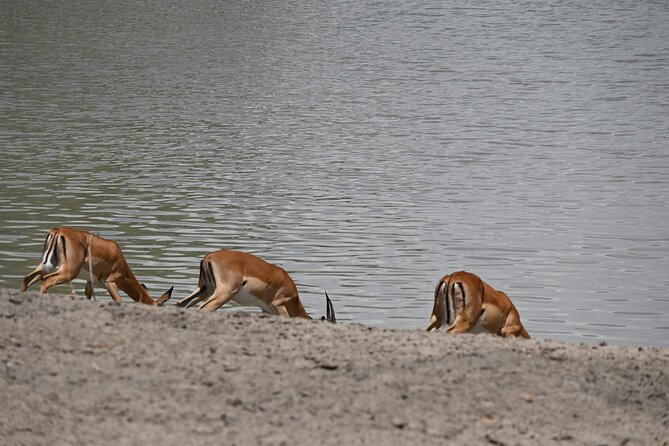
The park also supports elephant, blue monkey, giraffe, zebra, impala, gazelle, dik-dik, hippopotamus, and several predators. A hippo pond at one end of the park gives you another chance to see animals gathered around water. Lions, cheetahs, and leopards are present, though spotting them requires patience and luck.
Manyara is a good reminder that a safari is not only about the big five. The smaller animals and birds help explain how the park functions, and your guide can connect those sightings to the local ecosystem. The drawback is that this day may feel less dramatic than Serengeti or Ngorongoro if the lake is quiet or the flamingos are absent. It still earns its place by adding habitats and species that the other parks do not offer in quite the same way.
Day 3: Entering the Serengeti through the highlands
Day three is the route’s major transition. After breakfast, you pass through the high farmland around Karatu and the Ngorongoro Conservation Area before descending toward Serengeti National Park.
The change is part of the experience. You leave the cultivated highlands and reach the open plains that have made the Serengeti famous. The drive to the park is listed at about three hours, followed by lunch and an afternoon game drive.
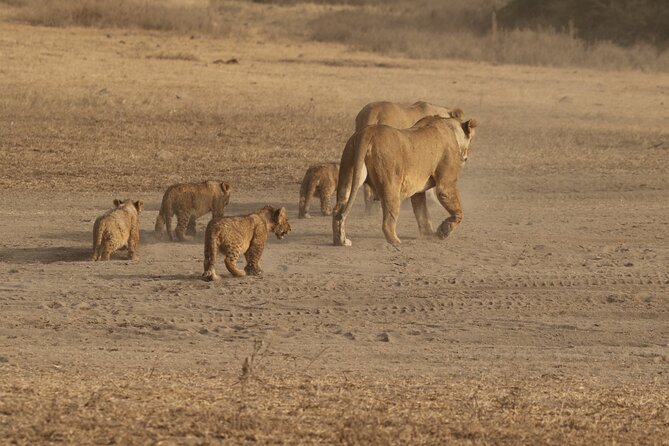
The central Seronera area is a smart base for a short Serengeti visit. Its river provides water, which helps draw animals to the area, and the habitat supports many of the park’s main species. You might spend the afternoon searching for lion, cheetah, leopard, elephant, buffalo, giraffe, zebra, or wildebeest.
This is also the point where the trip begins to feel more demanding. The Serengeti is vast, and a five-day route can show you an important section without giving you time to cover everything. You get a strong introduction rather than a complete survey of the park. If your main goal is the widest possible Serengeti coverage, a longer safari would be worth considering. If you want the Serengeti included within a compact northern circuit, this route gives you a useful taste.
More Wildlife Safaris in Serengeti & Ngorongoro:
- 3 Days Serengeti & Ngorongoro Group Camping Safari
★ 5.0 · 574 reviews - 7-Day Premium Luxury Tanzania Safari All-Inclusive
★ 5.0 · 426 reviews - 5-Day Highlights mid-Range Crater, Serengeti, Tarangire
★ 5.0 · 296 reviews - Safari Serengeti And Ngorongoro
★ 5.0 · 288 reviews
Day 4: An early Serengeti drive and the road to Ngorongoro
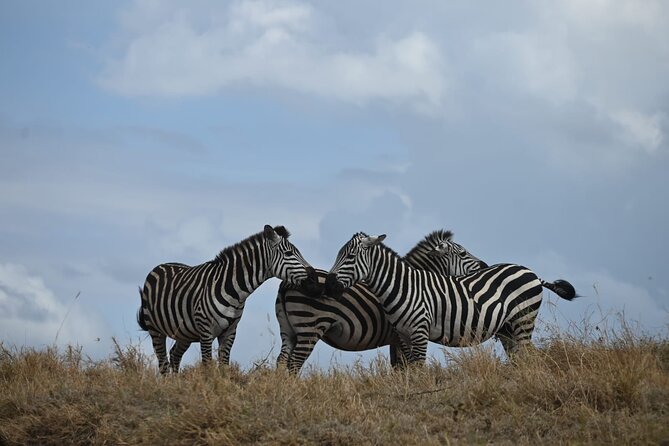
Day four starts with coffee, tea, and a biscuit before an early game drive. You carry lunch boxes and spend roughly 8:00 a.m. to 2:30 p.m. on the drive before heading toward the Ngorongoro Conservation Area, with wildlife viewing along the way.
This is one of the best days for people who prefer active safari hours. Early starts can be tiring, but they give you more time in the park and keep the day centered on animal viewing. You may see species you missed the day before, or catch a different side of the Serengeti as you move out of the central area.
The route toward Ngorongoro is not dead time. Treat it as part of the park experience, since the drive continues through wildlife country. You then have dinner and spend the night near the conservation area.
There is a practical tradeoff here. The day combines a game drive with a transfer, so you will spend many hours seated in the 4×4. That is normal for this kind of safari, but it is worth considering if you prefer short outings and long breaks. Bring patience, water, and a willingness to watch the road and grass for small signs of movement.
Day 5: Down into the Ngorongoro Crater
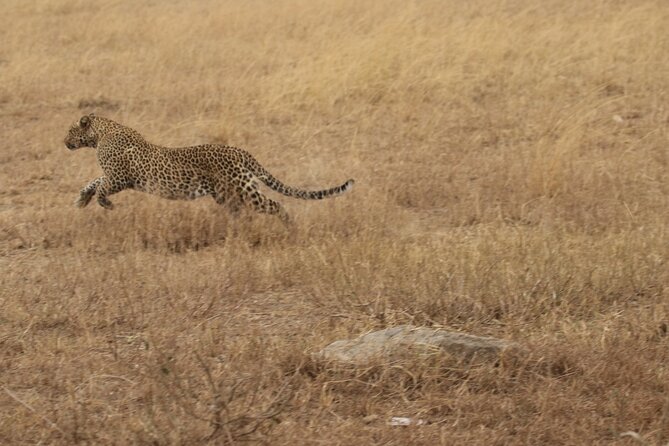
The final day begins with an early breakfast and a descent of more than 600 meters into the Ngorongoro Crater. The full activity lasts about eight hours, making it the longest day of the route.
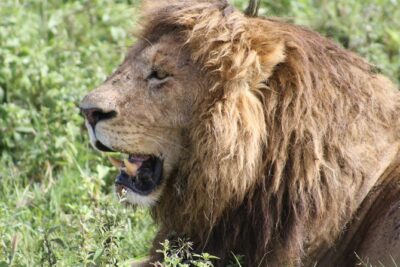
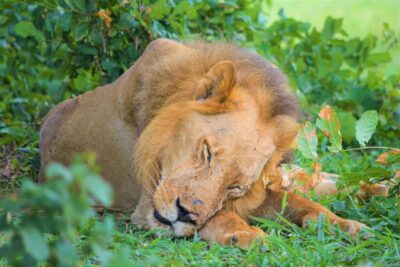
The crater is a powerful finale because its permanent water and food supply support animals throughout the year. You might see wildebeest, zebra, buffalo, eland, warthog, hippo, and large elephants. The concentration of predators is another major reason for the visit, with lion, hyena, jackal, cheetah, and the elusive leopard all present.
Lake Magadi, a large shallow alkaline lake in the southwest of the crater, is one of the main features on the route. It adds another setting for bird and wildlife viewing, and it gives the day a clear geographic focus rather than making it a simple drive around looking for animals.
The crater can feel busy compared with the open Serengeti, but its compact setting improves your chances of seeing several species in one outing. It is a good final stop for a short safari because you do not need to cover huge distances to find different habitats.
After the crater visit, the activity ends back at the meeting point in Arusha. The supplied schedule does not give a precise arrival time, so avoid booking a tight onward connection for the same evening.
Camping, food, and the everyday side of safari
Camping is included, and the available comments describe the tents as comfortable while also making the key point that this is camping in Africa, not a resort. That distinction matters. You should choose this trip for the access to the parks and the outdoor setting, not for polished hotel service.
Meals are part of the package: five breakfasts, five lunches, and four dinners. The food receives especially strong praise, with Salim named as a cook who prepared generous, good meals. On days with early departures, breakfast may be limited to coffee, tea, and a biscuit, followed by a packed lunch. That arrangement keeps you out in the park during useful viewing hours.
The camp routine can be one of the more memorable parts of the safari, but it also asks you to accept a simpler standard of comfort. The reward is staying close to the rhythm of the route and avoiding the cost of high-end lodges. If you need a private bathroom, hotel-style service, or a slower morning each day, ask detailed questions before paying.
Guides, vehicle, and group size
The guide is central to this trip. Max is praised for helping with animal sightings and explaining birds and wildlife, while Amiri is praised for expertise and careful organization. These names may not be the person assigned to your departure, so treat them as examples of the guide quality you can hope for rather than a guarantee.
The vehicle is described as a private 4×4 safari vehicle, with a maximum of seven people for the activity. That is a useful size for a safari because it limits the number of people competing for views and makes it easier to hear the guide. At the same time, group departures can combine people taking different numbers of days. Confirm whether your booking is fully private or a small shared departure.
The guide’s role is not just to find large animals. You want someone who can explain the ecosystem, read animal behavior, identify birds, and manage the long drives. The strongest parts of this trip depend on that daily judgment, especially when deciding where to spend time in Tarangire, Manyara, and the Serengeti.
Who gets the best value from this safari
I would recommend this route if you want the major northern Tanzania parks in one well-packed trip and you are comfortable with camping and long driving days. It suits people who want variety more than a slow, single-park stay.
It is also a good fit if the big five are high on your list. The route gives you repeated chances to look for lion, leopard, elephant, buffalo, and cheetah, though no guide can promise every sighting. The 5 out of 5 rating from 730 reviews and 100 percent recommendation figure point to a strong record, but wildlife remains wild and seasonal.
You may want a longer or more private safari if you dislike early starts, shared arrangements, or frequent changes of location. A five-day route cannot linger everywhere. Its strength is range, not unhurried depth.
Booking about 59 days ahead is the average pattern for this experience, so planning roughly two months out is sensible. Pickup is offered, the ticket is mobile, and the starting point is Jevas Hotel Encore, Street House No. 9, Plot 163, Block F, Levolosi Area, Arusha.
Should you book the five-day camping route?
Book it if you want a practical introduction to northern Tanzania with the major parks, meals, camping, a safari vehicle, and a guide included in one price. The combination of Tarangire elephants, Manyara’s lake, Serengeti plains, and Ngorongoro wildlife gives you a lot for five days.
Think twice if you want lodge luxury, short transfer times, or a fully private vehicle with no chance of mixed group arrangements. For everyone else, this is a strong-value safari built around real park time. Just confirm the group setup, prepare for long days, and leave room in your schedule after the crater drive.
FAQ
Where does the safari start?
It starts at Jevas Hotel Encore, Street House No. 9, Plot 163, Block F, Levolosi Area, Arusha, Tanzania.
Where does the safari end?
The activity ends back at the meeting point in Arusha.
How long is the safari?
The safari lasts approximately five days.
Which parks and protected areas are included?
The route visits Tarangire National Park, Lake Manyara National Park, Serengeti National Park, and the Ngorongoro Conservation Area.
Is pickup available?
Yes. Pickup is offered, with the scheduled meeting point at Jevas Hotel Encore in Arusha.
How many people can join?
The activity has a maximum of seven people.
Is accommodation included?
Yes. Camping accommodation is included. The camping is described as comfortable, but it is not a resort-style stay.
Are meals included?
Yes. The package includes five breakfasts, five lunches, and four dinners.
Is this a private tour?
The safari is described with a private guide and private 4×4 vehicle, but the activity also has a maximum group size of seven. Group departures may combine people taking different numbers of safari days, so confirm the exact arrangement before booking.
Can I cancel for a full refund?
Yes, if you cancel at least 24 hours before the experience start time. Cancellations made less than 24 hours in advance are not refunded, and changes within that period are not accepted.
More Five-Day Routes from Serengeti & Ngorongoro
- 5 Days Camping Tarangire, Serengeti & Ngorongoro crater & Visiting Maasai
★ 5.0 · 229 reviews - Tanzania Simba Safari – 5 Days
★ 5.0 · 217 reviews - 5 Days Budget Private Safari, Tanzania
★ 5.0 · 191 reviews - 5-Day Private Northern Tanzania Safari from Arusha
★ 5.0 · 182 reviews
Just added for Serengeti & Ngorongoro
- Tanzania Enticing Explorations – 6 Days★ 5.0 · 106 reviews
- Tanzania Simba Safari – 5 Days★ 5.0 · 217 reviews
- 3 Days Private Safari – manyara, Ngorongoro & Tarangire★ 5.0 · 94 reviews
- Living Among Lions★ 5.0 · 191 reviews
- Tarangire Day Tour★ 5.0 · 95 reviews
- Arusha Guided Walking City Tour, Culture, Lifestyle & History★ 5.0 · 150 reviews
- Safari Excelente y Safari lujos Tanzania★ 5.0 · 103 reviews
- 8 Day Spectacular Migration Serengeti mid -Range Tanzania Safari★ 5.0 · 161 reviews
Wildlife Safaris, compared.
Serengeti Balloon Safari and authentic bush breakfast
Read our review →
Balloon Safari & Bush Breakfast in Serengeti – Miracle Experience
Read our review →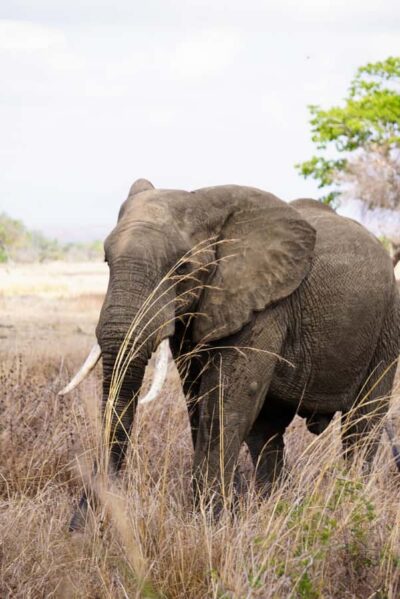
From Zanzibar: Mikumi Safari Day Trip with Flights and Meal
Read our review →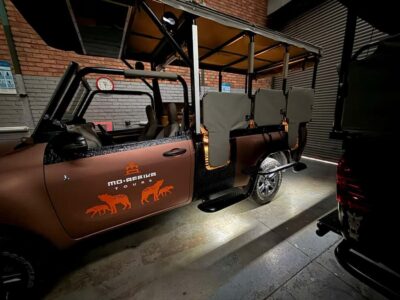
From Zanzibar: Day Selous Game Reserve Safari with Flights
Read our review →Browse the lists this tour appears in