
Reviewed · COOKING CLASSES
Authentic African Cuisine Cooking Experience
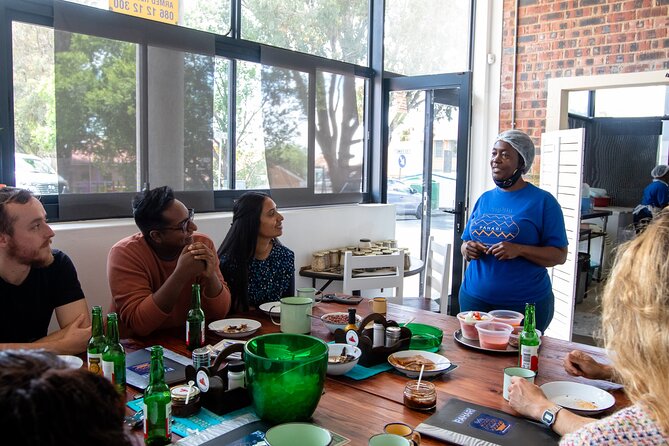
The most rewarding part of this two-and-a-half-hour cooking class is that you do not simply watch a chef prepare a plate. You help make a full Southern African meal, from sadza and chicken stew to chakalaka and peanut-butter greens, then sit down to eat it communally. Caleb handles much of the food history and explanation, while Florence leads the hands-on cooking.
I like the warm, personal setting at Pahari African Restaurant and the chance to learn dishes that are not usually the focus of Cape Town food tours. I also like that the class makes room for vegetarian and vegan diners, includes drinks and snacks, and keeps the group to no more than 10 people. The main consideration is that this is aimed at basic cooks, so experienced home chefs may find more demonstration than advanced technique.
Key points to know before booking
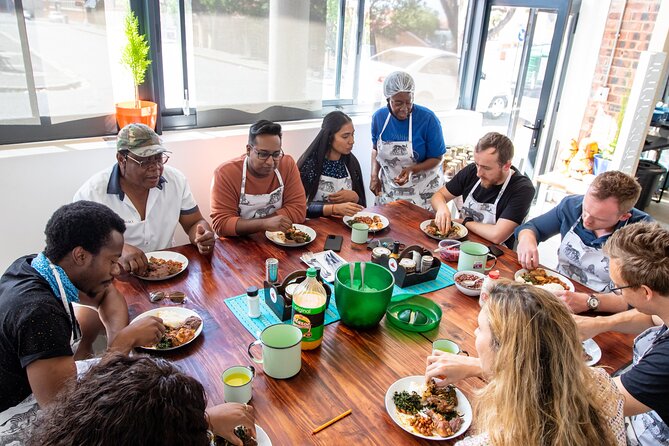
- Cook six traditional dishes: Prepare sadza, chicken stew, beef bones with greens, peanut-butter vegetables, chakalaka, and sugar beans.
- Meet Caleb and Florence: Caleb explains the background of the food, while Florence helps guide the cooking.
- Eat in the communal style: After cooking, everyone shares the meal together rather than receiving separate restaurant plates.
- Expect a small group: The maximum is 10 people, with some sessions feeling especially intimate.
- Vegetarian and vegan options are available: Tell the host your needs when arranging the experience.
- Allow time to reach Salt River: The class starts and ends at Pahari African Restaurant, and an Uber driver should be given the full restaurant name and address.
A Cape Town food class with a place at the table
This experience offers something more personal than a standard restaurant meal. You arrive at Pahari African Restaurant at 121 Cecil Road in Salt River, where the focus is not only on eating African food but also on understanding how it reaches the table.
The class begins with a welcome, African drinks, and starter snacks. That opening matters because it gives you time to settle in before the cooking starts. You are not rushed straight into chopping vegetables or standing over a pot. The mood is meant to feel social and welcoming, with family groups, friends, work colleagues, and small groups sharing the space.
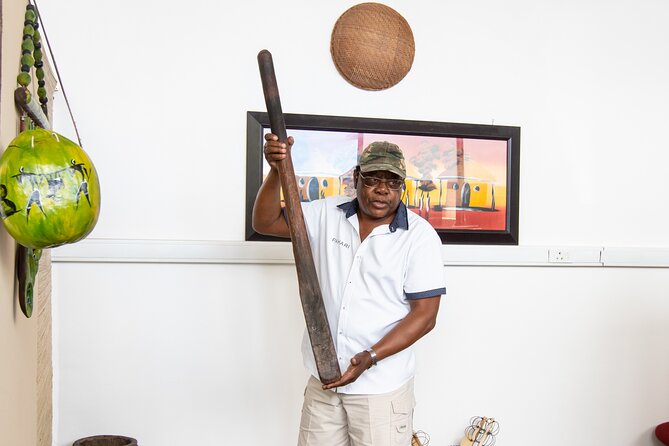
Caleb introduces the food and its background. You hear about ingredients, cooking customs, and the way recipes have been passed through generations and changed over time. This part is especially useful if you know little about Southern African home cooking. It gives meaning to the dishes instead of treating them as a random list of menu items.
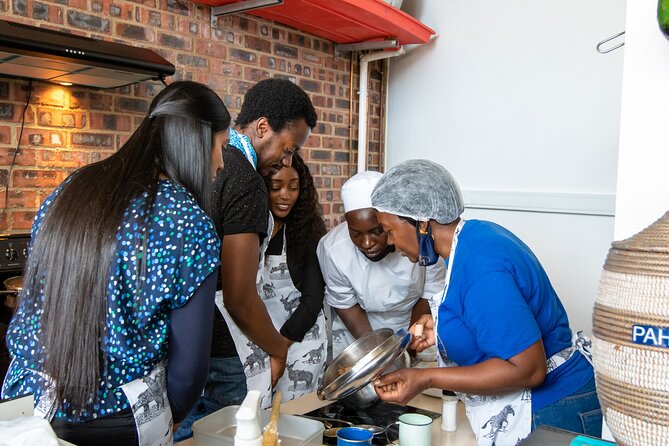
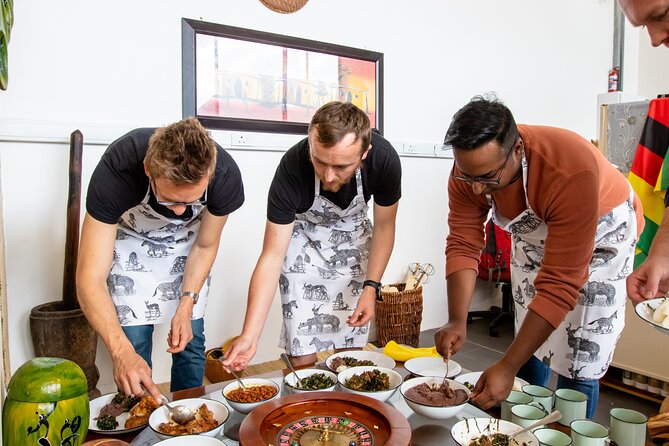
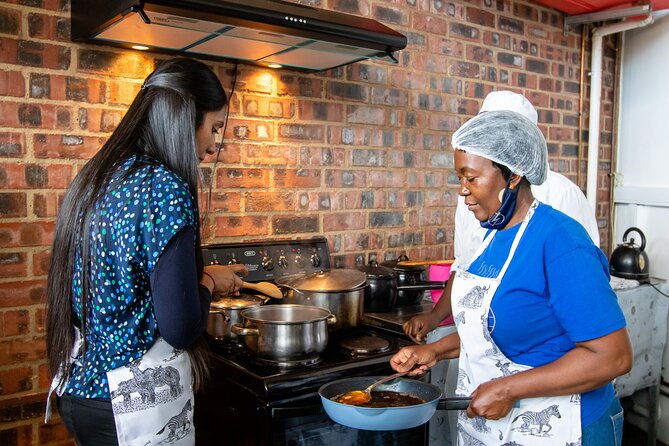
Florence then guides the hands-on part of the session. The aim is to get involved, not simply take notes. You might stir, prepare ingredients, shape or serve components, and help with one or more dishes. The exact division of work can depend on the size of your group, but the experience is designed so everyone contributes.
One useful detail is that the class can suit children as well as adults. A family with boys aged 11 and 14 found the cooking and eating format enjoyable, including the chance to eat with their hands. That makes this a good choice if you want a food activity that feels social rather than formal.
More Tours with a Local in South Africa
- Hike Table Mountain or Lions Head in Cape Town Like a Local
★ 5.0 · 266 reviews - Cape Town: Private Walking Tour with a Local
★ 4.6 · 243 reviews - Cape Town: Authentic 3–4 Hour Cultural Township Experience
★ 4.7 · 151 reviews
What you cook: six dishes with different textures
The menu gives you a broad introduction to Southern African cooking. You are not preparing one recipe and waiting for it to finish. Instead, the meal brings together starch, meat, greens, beans, vegetables, and spice.
Sadza, the meal’s sturdy base
Sadza, also called mealie pap, is a thick maize dish and an important part of the meal. It is not a delicate side dish. It is filling, plain in flavor, and made to accompany sauces and stews.
Preparing sadza helps you understand how the rest of the meal fits together. Its texture gives you something to scoop up with meat, vegetables, or gravy. This is also one of the dishes that makes the communal meal feel different from a typical plated Western dinner.
Beef bones with green vegetables
The beef-bone dish brings a meaty, savory element to the table. It is paired with green vegetables, giving the meal a contrast between hearty meat and lighter produce.
You should not expect a quick, restaurant-style cooking demonstration built around a single expensive cut. The appeal here is home-style food and the use of ingredients in a practical, generous way. The dish helps show how African cooking often builds a meal around slow, satisfying flavors rather than elaborate presentation.
More Cooking Classes in Cape Town:
- Cape Town: Malay Cooking Class and Lunch in Bo-Kaap
★ 4.8 · 515 reviews - Cape Town: Cape Malay Cooking Class in Bo-Kaap
★ 4.8 · 120 reviews - Cape Town: Bo-Kapp Walking Tour and Malay Cooking Class
★ 4.7 · 105 reviews - Marrakech: Moroccan Cooking Class with Pickup
★ 4.6 · 1,862 reviews
Chicken stew
Chicken stew is likely to be the most familiar dish for many people, but the preparation and seasoning give it a Southern African setting. It also provides a useful comparison with the beef dish, since you can taste how different meats work within a shared cooking tradition.
The class is a good fit for people who want to learn how dishes are made rather than just identify ingredients after eating them. Caleb’s explanations add context, and Florence’s demonstrations keep the cooking grounded in practical steps.
Greens with peanut butter
This is one of the more distinctive items on the menu. Green vegetables are combined with peanut butter, creating a savory dish with a smooth, nutty character.
For many visitors, this may be the first time peanut butter appears as part of a vegetable dish rather than a sweet spread. The experience also includes an explanation of how peanut butter was traditionally made, which gives the recipe an extra layer of interest.
Chakalaka
Chakalaka adds spice and vegetable flavor to the spread. It is a familiar South African favorite and gives the meal a livelier edge alongside the softer sadza and stews.
The dish helps balance the menu. Without something bright and spicy, the meal could feel too heavy. Here, the combination of chakalaka, greens, beans, meat, and maize creates a fuller picture of the food rather than a single showcase recipe.
Sugar beans
Sugar beans provide another substantial, plant-based component. They work well with sadza and help make the meal satisfying even for diners who choose not to eat meat.
The number of dishes is part of the value. You get to see how a home meal is assembled from several modest preparations that complement one another. This is not a class built around decorative plating. It is about making food that feeds a group.
The history and hospitality add real value
Food classes can sometimes turn into recipe demonstrations with a few cultural facts added on top. This one gives the background a central role. Caleb discusses the ingredients and how recipes have changed and been passed down, while the hosts connect the meal to wider African cooking traditions.
I especially like that the setting encourages questions and conversation. The class is described as a private, peaceful experience for families, friends, colleagues, and small groups, but it can also include people from different parts of the world. The small maximum of 10 keeps the exchange manageable.
The warm welcome is a repeated theme in the experience. Caleb and Florence aim to make the setting feel like a home rather than a stage. That does not mean the class is informal to the point of being disorganized. The cooking follows a clear sequence, with an introduction, demonstrations, shared preparation, meal, and hot drink at the end.
You should book this for the cultural exchange as much as for the recipes. The food is the reason you arrive, but the chance to hear how dishes relate to family and tradition is what gives the class lasting interest.
Eating together is part of the lesson
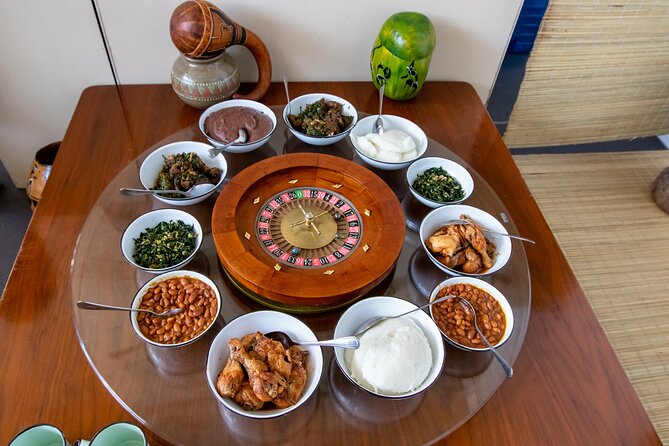
After the cooking is done, you eat the meal together. This communal format is not an afterthought. It reflects the way the food is often enjoyed in an African home, with the group sharing the results of its work.
That changes the tone of the class. You are not handed a plate and sent away after a quick tasting. You have helped make several dishes, then get time to talk and enjoy them with the hosts and the rest of the group.
The food is served with African drinks and starter snacks at the beginning, followed by the cooked meal and an African hot beverage, either tea or coffee, to finish. Alcoholic beverages are also included, although the provided details do not specify the choices or quantities. If you do not drink alcohol, the other drink options mean you can still take part comfortably.
The communal meal may be the strongest reason to choose this over a more technical cooking school. If you want advanced knife skills, exact measurements, and a formal kitchen setup, you may find the format basic. If you want conversation, shared food, and a taste of how a household meal comes together, it makes good sense.
Who will get the most from the class
This experience suits first-time visitors to Cape Town who want an introduction to African food beyond the usual restaurant order. It is also a good fit if you want to start your trip with a cultural activity, since the class gives you useful context for other Southern African dishes you may encounter later.
Families can enjoy it because children can take part in the preparation and try unfamiliar foods in a relaxed setting. Couples and small groups should also appreciate the intimate format, especially when the booking is not filled to its 10-person limit.
Vegetarians and vegans have a clear reason to consider this class. The menu already includes greens, chakalaka, and sugar beans, and alternative arrangements are available. You should still state your dietary needs in advance so the hosts can plan properly.
This is less suitable for a serious cook looking for advanced instruction. One part of the experience is specifically designed for very basic cooks. You will learn about the food and help prepare it, but you should not expect professional culinary certification or a demanding skills course.
Price, timing, and the practical details
The price is $57.51 per person for about two hours and 30 minutes. That is fair value if you make use of the full package: a welcome drink, starter snacks, food instruction, several dishes, lunch or dinner, alcoholic and nonalcoholic drink options, and a final tea or coffee.
The value is also tied to the small-group format and personal attention from Caleb and Florence. A restaurant meal alone would cost less in some settings, but it would not include the cooking, food background, or chance to prepare the dishes yourself.
The class is often booked about 33 days ahead, so I would not leave it until the last day of your Cape Town stay unless there is plenty of availability. It lasts long enough to occupy a meaningful part of your day without taking over the entire schedule.
The meeting point is Pahari African Restaurant, 121 Cecil Road, Salt River, Cape Town, 7925. The activity ends at the same place. Private transportation is not included, but the restaurant is near public transportation.
If you use Uber, enter the restaurant name and full address carefully. An Uber driver may know Pahari African Restaurant, but giving the exact destination avoids confusion. Allow a little extra time if you are unfamiliar with Salt River.
Your mobile ticket is accepted, and confirmation is provided when you book. The experience can be canceled for a full refund up to 24 hours before the local start time. Cancellations or changes made inside that 24-hour window are not refunded or accepted.
What to expect from the cooking style
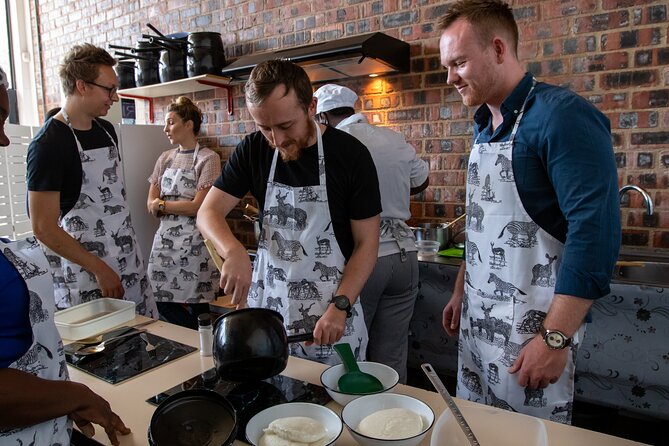
The class puts participation ahead of precision. You will be shown how the food is made and given a chance to contribute, but the hosts will guide the process closely. That makes it comfortable if you are not confident in a kitchen.
You should be ready to work with your hands and get involved. The experience is not designed for someone who wants to sit back and watch from a distance. At the same time, it is not a test. You do not need specialist equipment or prior African cooking experience.
The teaching style combines food preparation with conversation. Caleb’s opening explanation can be quite detailed, including nutritional information about some starters and the background of the dishes. Florence brings practical warmth to the cooking portion, helping turn the explanations into a meal.
Because the group can be small, the amount of hands-on work may feel personal. A booking for only two people, for example, can become almost an informal private lesson. A fuller group will have more social energy, but each person may spend less time on any one task.
Is the African Cuisine Cooking Experience worth booking?
I would book this if you value people, stories, and shared food as much as cooking technique. The menu gives you a useful introduction to Southern African flavors, the hosts provide cultural context, and the communal meal makes the activity feel personal.
The best match is a couple, family, or small group that wants an authentic food experience outside the main tourist routine. It also works well for vegetarians and for visitors who enjoy trying unfamiliar dishes without needing an advanced cooking background.
I would hesitate only if you want a highly technical class with restaurant-level methods. For everyone else, the combination of six dishes, drinks, snacks, conversation, and a meal at the end offers strong value for the price. Book ahead, confirm your dietary needs, and give your driver the full Salt River address.
FAQ
Where does the cooking experience take place?
It takes place at Pahari African Restaurant, 121 Cecil Road, Salt River, Cape Town, 7925, South Africa. The activity ends back at the same meeting point.
How long does the experience last?
The cooking experience lasts approximately two hours and 30 minutes.
What dishes will I learn to prepare?
You will learn to make sadza, also called mealie pap, meaty beef bones with green vegetables, chicken stew, green vegetables with peanut butter, chakalaka, and sugar beans.
Are vegetarian and vegan options available?
Yes. Vegetarian and vegan options are available. You should provide your dietary requirements when arranging the experience.
How many people can join?
The activity has a maximum of 10 participants.
Can I cancel for a full refund?
Yes. You can cancel at least 24 hours before the local start time for a full refund. Cancellations or changes made less than 24 hours before the start time are not accepted or refunded.
More Tours with a Local in Cape Town
- Bo-Kaap: Walk with a local
★ 5.0 · 131 reviews - From Tangier: Chefchaouen Day Trip with Local Guide
★ 4.8 · 3,287 reviews - Sal: Island Experience Tour with a Certified Local Guide
★ 4.8 · 3,249 reviews - Marrakech: Street Food Tour with a Local Guide
★ 4.9 · 3,119 reviews
Just added for Cape Town
- Full Day Cape Point Sightseeing Tour★ 4.5 · 84 reviews
- Best of Cape Town Full-Day Private Tour with Table Mountain★ 5.0 · 195 reviews
- Drumstruck at Silvermist. Live African Drum Show & Wine tasting★ 5.0 · 137 reviews
- Bo-Kaap: Walk with a local★ 5.0 · 131 reviews
- Cruise and Dine Lunch / Cape Town: Coastal Motor Cruise and 2-Course Lunch★ 4.5 · 151 reviews
- Cruise and Dine Dinner / Cape Town: Sunset Champagne Cruise and 3-Course Dinner★ 4.0 · 128 reviews
- Champagne Cruise (Pre-Sunset) from Cape Town★ 4.5 · 152 reviews
- Cheetah Outreach Tour Somerset West, Gordon’s Bay and Strand Beaches★ 4.5 · 94 reviews
Cooking Classes, compared.
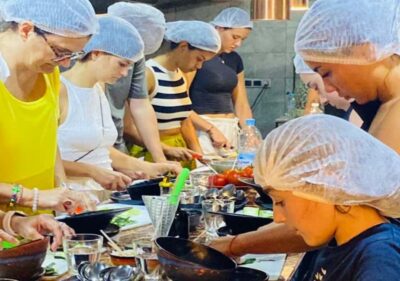
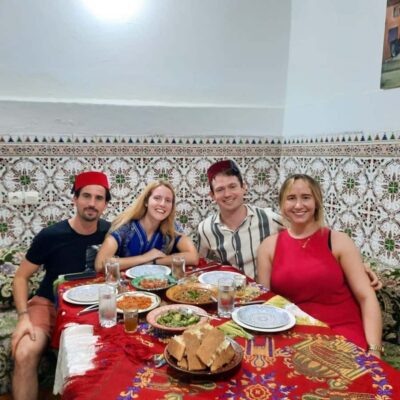
Traditional Moroccan Cooking Class & Market Visit
Read our review →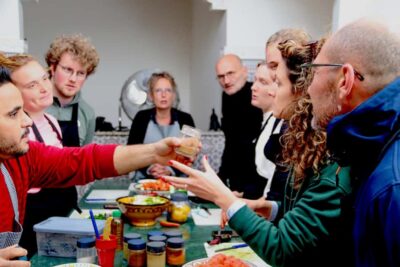
Moroccan Dishes Cooking Class with a Local Chef
Read our review →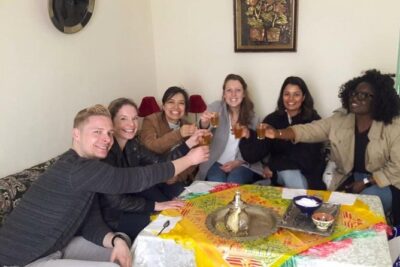
Moroccan Cooking Class & Marrakech Market Visit with Chef Khmisa
Read our review →
Half-Day Cooking Class with Local Chef Laila in Marrakech
Read our review →
Browse the lists this tour appears in