
Reviewed · COOKING CLASSES
Cape Town: Cape Malay Cooking Class in Bo-Kaap
Cape Malay cooking is best understood at a family table, not from a restaurant menu. In Bo-Kaap, you prepare a three-course meal from scratch with a local host, using spices and methods tied to the neighborhood’s Malay heritage. The food is only half the point. The other half is hearing about family life, local customs, and the community while your lunch comes together.
I like the hands-on format, where you fold samosas, make starters, work with flatbread, and help prepare the main meal instead of simply watching a demonstration. I also like the home setting, which gives the class a personal feel and turns lunch into a conversation rather than a quick cooking lesson.
The main consideration is that this is a shared class, not a private kitchen station for each person. One useful detail is easy to miss: the meal is served down steep stairs, which may be difficult if you have a back injury or limited mobility. Transportation is not included, so you must make your own way to Bo-Kaap.
Key points at a glance
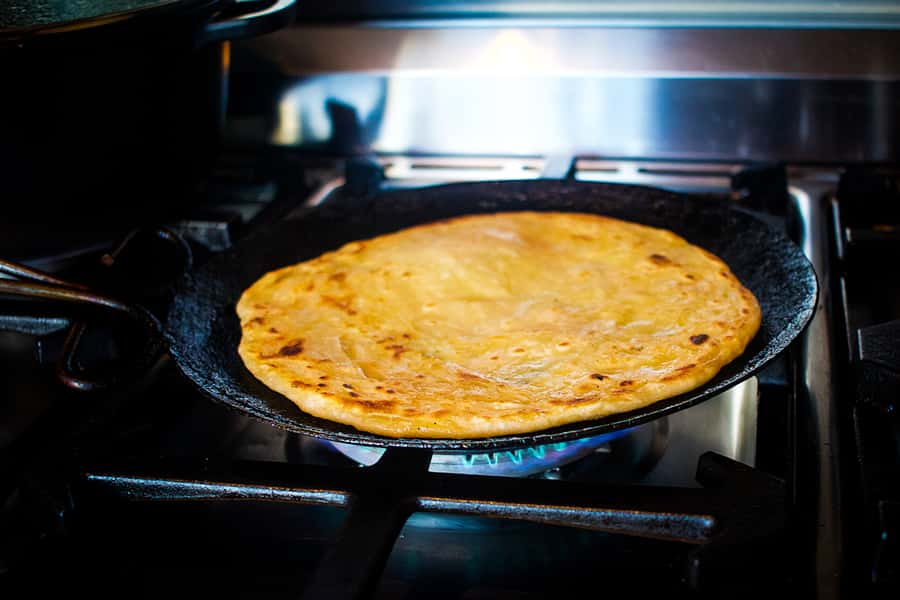
- Cook several Cape Malay staples: Prepare items such as samosas, chilli bites, flatbread, and beef or chicken curry, with the exact menu depending on the session.
- Learn by taking part: You help with the actual preparation rather than sitting back for a chef’s demonstration.
- Meet a local host: Hosts including Shafeeqah, Jacinda, Jasmina, and others have welcomed people into their homes and shared family traditions.
- Hear Bo-Kaap’s story: The cooking lesson includes background on Malay culture, local customs, and the neighborhood.
- Eat what you make: Lunch and soft drinks are included after the cooking is finished.
- Plan for the stairs: The eating area may require walking down steep stairs, an important point for anyone with mobility or back concerns.
Why Bo-Kaap is the right place for this class
Bo-Kaap gives the cooking lesson a sense of place. You are not just learning a generic curry recipe in a studio kitchen. You are entering a traditional home in one of Cape Town’s most recognizable neighborhoods and connecting the food with the people who cook it.
Cape Malay food developed through the history of Cape Town’s Malay community. Its use of fragrant spices, filled pastries, flatbreads, and slow-cooked curries sets it apart from many other South African food traditions. The class gives you a practical way to understand that difference. You smell the spices, handle the dough, and see how separate ingredients become a meal shared at home.
I like this approach because food can explain culture without turning the lesson into a lecture. While you work, the host can talk about family recipes, local traditions, and the Bo-Kaap community. That personal exchange is a major part of the value.
The setting also means you should approach the activity as a social experience. You may be working alongside people from different countries and age groups. One family found that even initially reluctant teenagers enjoyed taking part, while another group appreciated meeting new people during the class.
More Cooking Classes in Cape Town:
- Cape Town: Malay Cooking Class and Lunch in Bo-Kaap
★ 4.8 · 515 reviews - Authentic African Cuisine Cooking Experience
★ 5.0 · 236 reviews - Cape Town: Bo-Kapp Walking Tour and Malay Cooking Class
★ 4.7 · 105 reviews
What happens during the two-hour cooking session
The experience lasts about two hours, though the precise starting time depends on availability. The class begins in the host’s home, where you meet the instructor and get introduced to the ingredients, spices, and dishes.
You then help prepare the meal. The format is cooperative, so everyone may work on different parts of the menu rather than making a full meal alone. That is worth knowing before you book. If you want your own cooking station and a recipe designed just for you, this may feel less structured than expected.
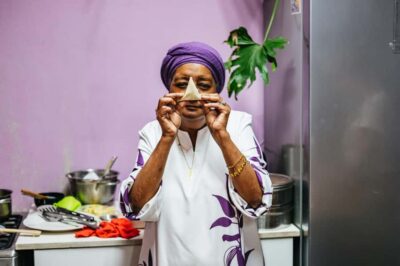
For most people, the shared format is part of the fun. You might fold samosas while someone else works on chilli bites, then help with flatbread or the curry. One particularly useful lesson involves folding a samoosa so the filling stays inside during cooking. Small tips like this are often more useful than a long list of ingredients because they help you repeat the dish at home.
The food described in the experience includes a starter, a main course, and dessert, although the specific dishes can vary. Past menus have included samosas, chilli bites, roti or other flatbread, and a beef or chicken curry. One important detail from the class format is that dessert may already be prepared before you arrive, while the starters and main meal receive most of the hands-on attention.
That does not make the meal less worthwhile, but it is helpful to set your expectations. You are joining an interactive home cooking session, not completing every item from first ingredient to final plate.
Cape Malay spices and cooking techniques
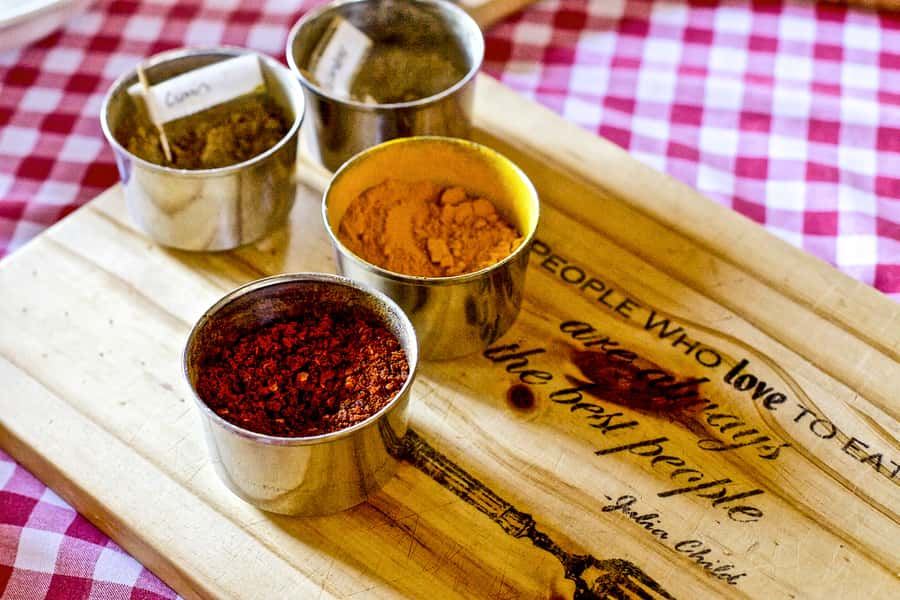
The class is a good fit if you want to understand how a dish gets its flavor, not just copy a recipe. You work with authentic spices and fresh ingredients, and the host explains how they are used in Cape Malay cooking.
The strongest part of this kind of lesson is the connection between technique and result. Folding a pastry properly, handling flatbread, or building flavor in a curry can seem simple when you see the finished dish. Doing it yourself shows where small mistakes happen.
The hosts also explain where ingredients can be found, which is handy if you want to recreate the meal after returning home. You may not leave with a formal culinary qualification, but you should leave with a better sense of how the food is assembled and what to look for when shopping.
The menu is broad enough to keep the class interesting. Samosas bring pastry and filling together. Chilli bites provide a smaller, spiced starter. Flatbread adds a hands-on dough task. The curry gives the meal its main course and shows how the flavors work together at the table.
Dietary needs should be discussed before booking. One family found the host accommodating with dietary restrictions, but the supplied details do not state which substitutions are available or how far in advance you must request them. Do not assume every restriction can be handled without prior notice.
The home setting makes the meal feel personal
The class takes place in a family home, and that changes the mood. You are welcomed into a domestic space rather than a commercial kitchen. Hosts have been described as warm, gracious, patient, and easy to talk to, with some sessions led by people such as Shafeeqah, Jacinda, and Jasmina.
The host’s role is not limited to giving instructions. You also hear about family life, the food’s background, and the traditions connected to the Bo-Kaap community. That can make the experience feel more like a shared meal with a local family than a standard sightseeing stop.
I especially like that the conversation continues after the cooking. Once the food is ready, you sit down with the host, eat what you helped make, and talk over lunch. The soft drinks are included, and the meal gives you time to enjoy the results instead of rushing away after the final step.
The home setting does bring a few practical limits. Space and seating may feel less formal than in a cooking school, and the class does not promise a separate workstation for every person. If you prefer polished equipment and a tightly timed professional kitchen, choose accordingly.
For most people, the tradeoff is worthwhile. The home is the reason the activity feels local and memorable. You get to see how the food fits into everyday life, not just how it appears on a plate.
A few more Cape Town trips worth putting side by side
- Cape Town: Hop-On Hop-Off Bus Tour with Optional Cruise
★ 4.8 · 3,929 reviews - Cape Town: Cape of Good Hope & Penguins Day Tour with Pickup
★ 4.7 · 3,362 reviews - Zipline Cape Town – From Foot of Table Mountain Reserve
★ 5.0 · 3,179 reviews - Cape Town: Table Mountain Cable Car, Hop-On Hop-Off Bus Tour
★ 4.6 · 3,157 reviews
Lunch is part of the lesson, not an afterthought
After the cooking, you eat the meal together. This is when the different parts of the class make sense. The spices, pastry work, flatbread, and curry are no longer separate tasks. They become a full Cape Malay meal.
The food has been a consistent strength of the experience. Dishes are described as tasty, plentiful, and beautifully prepared, with several people calling the meal one of their best in Cape Town. That praise is especially meaningful because you do the work yourself. The meal becomes both lunch and a record of what you learned.
The three-course format also makes the $52 price easier to assess. You are paying for two hours of instruction, food, soft drinks, cultural context, and time in a private home. It is more expensive than simply ordering Cape Malay food at a casual restaurant, but it offers far more contact with the cooking process and the local host.
I would consider it good value if you care about food, conversation, and cultural context. It is less compelling if your main goal is simply to eat a large meal at the lowest possible price. The class is selling participation and connection, not just lunch.
Getting there and managing the practical details
Transportation is not included. You need to arrange your own way to Bo-Kaap, so allow enough time to reach the neighborhood before the class begins. The activity details do not specify a pickup service, so do not expect hotel collection.
English and Afrikaans are available. That makes the class accessible to English-speaking visitors, and the conversational side of the experience is important enough that language comfort matters.
Pay attention to the physical layout. The meal may be served down steep stairs, and this has caused difficulty for at least one person with a severe back injury. If stairs are a concern, ask the provider about access before booking. The activity information does not promise step-free access.
Alcohol and drugs are not allowed. Lunch and soft drinks are included, but alcohol is not part of the experience.
The booking terms are useful for flexible plans. You can cancel up to 24 hours before the activity for a full refund, and the reserve-now, pay-later option lets you hold a place without paying immediately. Starting times vary, so check availability for your date.
Who will enjoy this Bo-Kaap experience most
This class suits people who want to meet a local resident and learn through doing. It is a good choice for couples, families, solo visitors comfortable joining a shared group, and anyone who sees food as a way to understand a place.
Families can do well here because the tasks are varied. Younger participants may enjoy folding, mixing, and shaping food, while adults can focus on the stories and techniques. A pair of teenagers who were initially hesitant ended up enjoying the experience, which suggests the format has enough action to hold attention.
It also works well for visitors with an extra morning or afternoon in Cape Town. One family booked after flight changes created unexpected free time and found the class a worthwhile addition to the trip. At two hours, it fits neatly into a day without taking over your entire schedule.
You might choose something else if you want a private class, formal chef training, or guaranteed access without stairs. You should also check ahead if you have serious dietary restrictions. The host may be able to help, but the available information does not promise every substitution.
Is the $52 price fair?
At $52 per person, the cost is reasonable for a two-hour activity that includes the cooking class, lunch, and soft drinks. You are also paying for the setting and the time spent talking with a local host about Cape Malay food and Bo-Kaap life.
The value is strongest when you take part fully. If you stand back and let others do most of the preparation, the price will feel less attractive. Roll up your sleeves, ask questions, and treat the class as a shared kitchen session.
The price also compares favorably with booking several separate activities. In one visit, you get a food lesson, a meal, neighborhood context, and personal contact with a resident. It is not the cheapest lunch in Cape Town, but it is a fuller experience than lunch alone.
Should you book the Cape Malay Cooking Class?
I would book this if you want a warm, personal introduction to Bo-Kaap and Cape Malay food. The best parts are the shared cooking, the chance to work with authentic spices, and the meal with a host who can connect the food to family and community traditions.
Book with realistic expectations. This is not a formal culinary school, and you may not have your own station. Dessert may be prepared ahead of time, and steep stairs can be a serious issue for some people. For everyone else, the combination of practical cooking, local stories, and a home-cooked lunch makes this a strong value at $52.
FAQ
How long is the Cape Malay cooking class?
The activity lasts two hours. Starting times vary, so you need to check availability for your chosen date.
Where does the cooking class take place?
It takes place in a traditional home in the Bo-Kaap neighborhood of Cape Town, in South Africa’s Western Cape.
What food will I prepare?
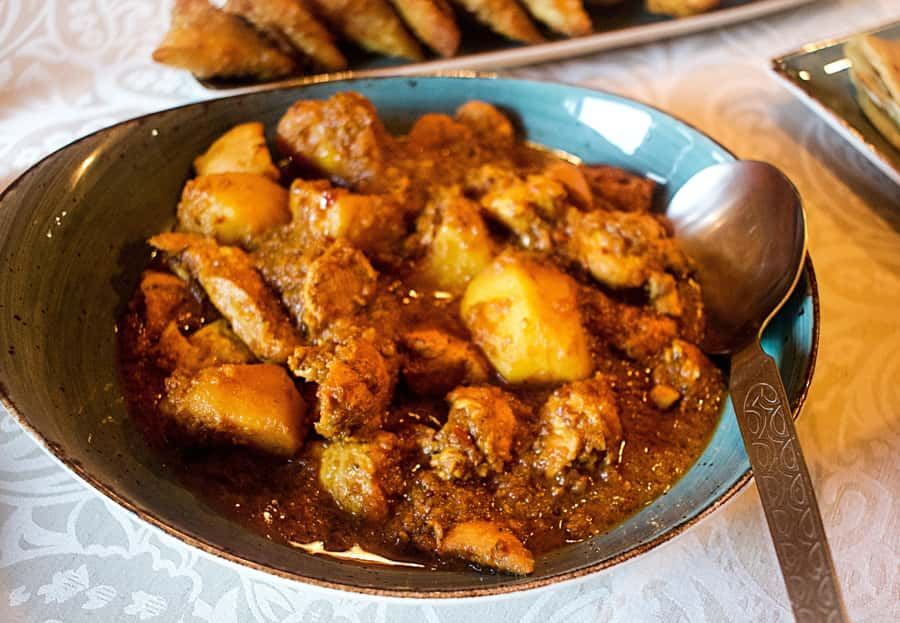
The meal includes three courses. Dishes used in the class have included samosas, chilli bites, flatbread such as roti, and beef or chicken curry. The exact menu may vary.
Is lunch included?
Yes. Lunch and soft drinks are included after the cooking is finished.
Is transportation included?
No. Transportation to and from the Bo-Kaap home is not included.
What languages are spoken?
The host or greeter speaks English and Afrikaans.
Can I cancel the booking?
Yes. You can cancel up to 24 hours in advance for a full refund.
Do I have to pay when I book?
The reserve-now, pay-later option allows you to keep your plans flexible and pay nothing at the time of booking.
Is the class suitable for people with mobility or back concerns?
Use caution if stairs are difficult for you. The eating area may require walking down steep stairs, and step-free access is not specified.
Just added for Cape Town
- Best of Cape Town Full-Day Private Tour with Table Mountain★ 5.0 · 195 reviews
- Full Day Cape Point Sightseeing Tour★ 4.5 · 84 reviews
- Drumstruck at Silvermist. Live African Drum Show & Wine tasting★ 5.0 · 137 reviews
- Bo-Kaap: Walk with a local★ 5.0 · 131 reviews
- Cruise and Dine Lunch / Cape Town: Coastal Motor Cruise and 2-Course Lunch★ 4.5 · 151 reviews
- Cruise and Dine Dinner / Cape Town: Sunset Champagne Cruise and 3-Course Dinner★ 4.0 · 128 reviews
- 1 Hour Coastal Catamaran Cruise from Cape Town★ 4.5 · 258 reviews
- Champagne Cruise (Pre-Sunset) from Cape Town★ 4.5 · 152 reviews
Cooking Classes, compared.
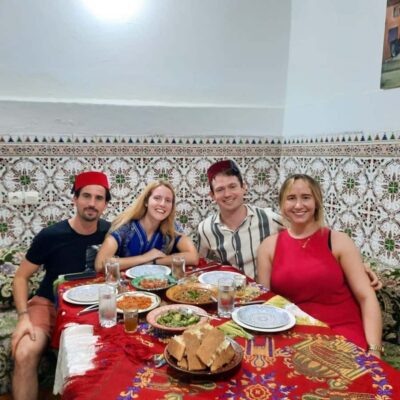
Traditional Moroccan Cooking Class & Market Visit
Read our review →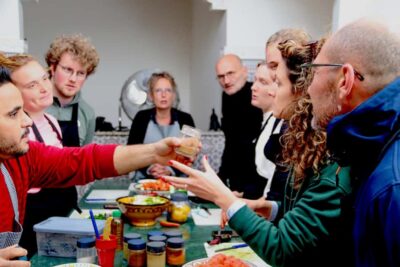
Moroccan Dishes Cooking Class with a Local Chef
Read our review →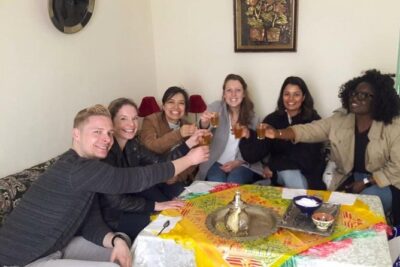
Moroccan Cooking Class & Marrakech Market Visit with Chef Khmisa
Read our review →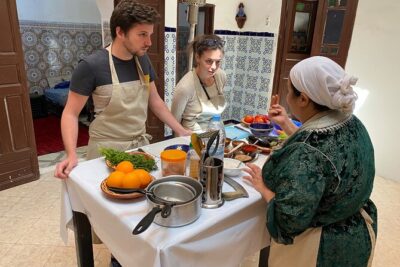
Half-Day Cooking Class with Local Chef Laila in Marrakech
Read our review →
Browse the lists this tour appears in