
Reviewed · WALKING TOURS
Dar es Salaam City Center: Walking Tour
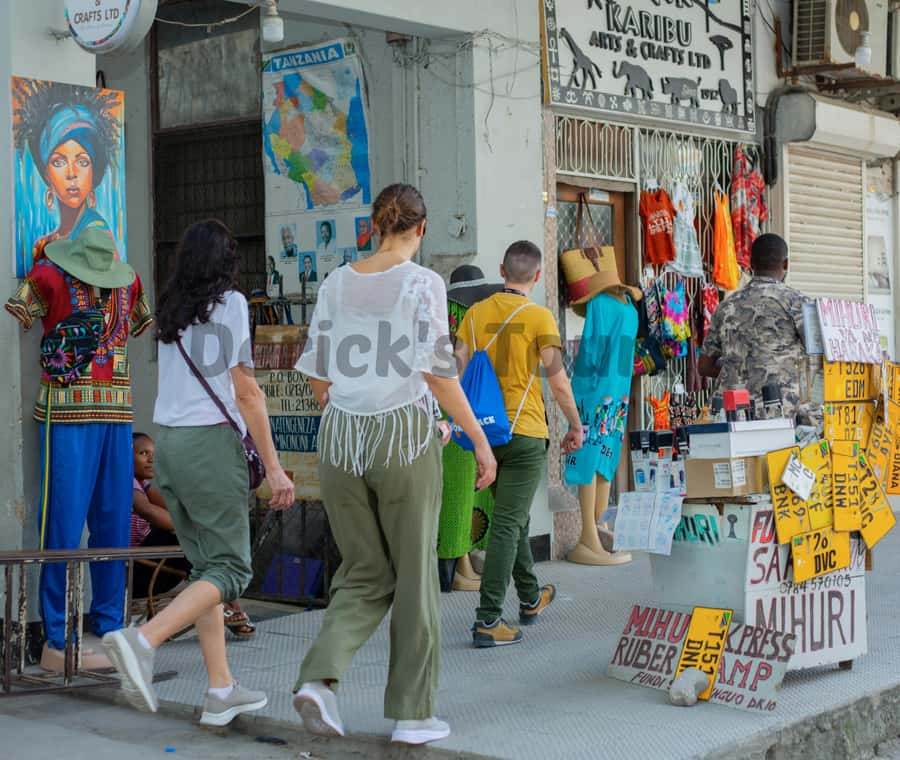
Dar es Salaam’s city center makes the most sense on foot, where a Gothic cathedral, German-era church, colonial buildings, tropical gardens, and a working fish market sit within a compact urban route. Guide Derick Lawrence brings the stops together with clear explanations of Tanzania’s past and present, rather than simply pointing out buildings.
I like the chance to finish at Kivukoni Fish Market, where you can watch seafood being sold and see fishermen handling their nets. I also like the flexible timing and route. Derick has moved tours to cooler hours and adjusted stops for guests who preferred Coco Beach or needed to avoid the market’s strong smell. The main drawback is pace: two hours covers a lot, so you may have limited time for photographs at each stop.
Key points to know before booking
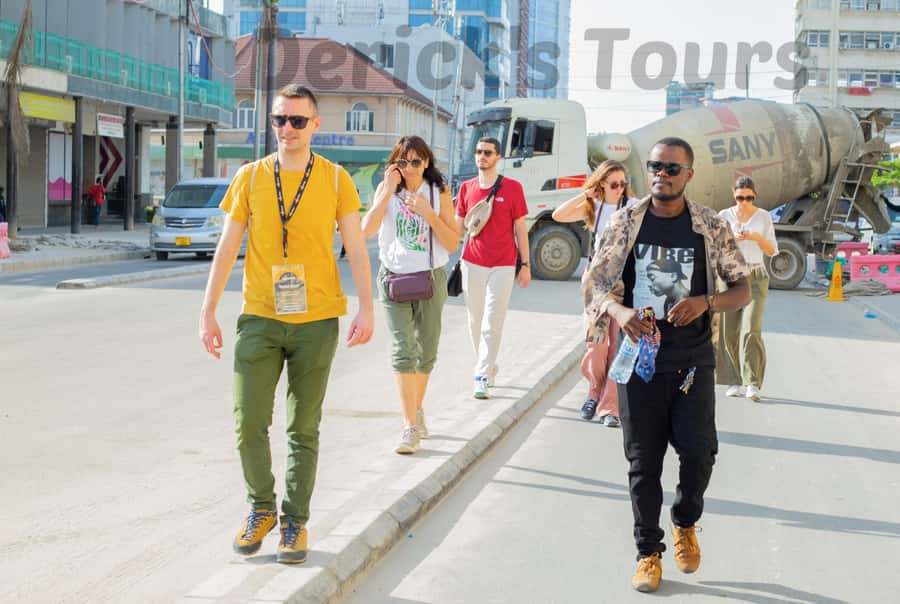
- A useful first look at central Dar es Salaam: The route links major landmarks with ordinary city life.
- Kivukoni Fish Market adds real local texture: Expect seafood trading, fishermen, nets, and strong odors.
- Derick Lawrence is flexible: Timing and some stops can change around your interests.
- The history stretches across several periods: The tour covers German colonial influence, World War I, British rule, and modern Tanzania.
- A two-hour route requires sensible expectations: You get a broad introduction, not a slow study of every building.
- Good value at $30 per person: A private or very small-group feel may be possible, depending on the booking.
Why this two-hour walk works as a city introduction
Dar es Salaam can feel spread out and busy when you first arrive. A guided walk gives you an early framework: where the old center is, how the port shaped the city, and how religious, civic, and commercial buildings fit together.
The route mixes formal landmarks with working spaces. You move from churches and monuments to gardens, an art gallery, the Old Boma, and the fish market. That variety matters. A city tour made only of grand buildings can leave you with a polished but incomplete picture. Here, you also see how people trade, move, work, and use the center today.
The guide speaks English, and the experience is led by a local guide rather than a recorded audio system. That gives you room to ask about Tanzania’s history, culture, traditions, and present-day city life. Several guests used the time to ask detailed questions, and Derick adjusted his explanations to match their interests.
The tour has a 4.8 rating from 102 reviews, with particular praise for Derick’s warmth, flexibility, and command of the city’s story. The most useful way to read that is not as a promise of a perfect outing, but as a sign that the guide is a major part of the experience.
More Walking Tours in Tanzania
- Stone Town Private Walking Tour
★ 5.0 · 371 reviews - Zanzibar: 3 Hours Private Stone Town walking Tour with Guide
★ 4.6 · 301 reviews - Zanzibar: Stone Town Historical Cultural Walking Guided Tour
★ 4.5 · 179 reviews
St. Joseph Cathedral and the city’s religious landmarks
The walk begins at St. Joseph Cathedral, a Gothic-style church and one of central Dar es Salaam’s best-known landmarks. Its appearance gives you an immediate clue that the city’s built environment reflects several outside influences, not one single architectural tradition.
From there, the route continues to Azania Front Lutheran Church. This building reflects the German colonial period, making it a useful stop for understanding how Dar es Salaam developed under European rule. The two churches work well as a pair because they let you compare religious architecture while placing the city within its colonial past.
You should expect the guide to explain the significance of the buildings rather than treat them as quick photo stops. Derick has been praised for explaining the meaning of different structures and for covering events from the sultanate period through German and British rule.
This part of the walk is best for you if architecture and history matter. If you prefer markets and street scenes, the churches may feel more formal, but they set up the larger story of the city.
Askari Monument and the weight of World War I

The Askari Monument honors African soldiers who served during World War I. It is more than a statue in the middle of the city. The stop gives you a chance to consider the role of African soldiers in a global conflict and the way colonial rule shaped local lives.
This is one of the places where a guide adds real value. Without context, you could photograph the monument and move on without understanding why it matters. With Derick’s explanation, the monument becomes part of a wider account of Dar es Salaam and Tanzania.
The tour’s history is not limited to one colonial period. It connects the sultanate era, German control, British rule, the war years, and later national development. That broad timeline helps you place the churches, public buildings, and port areas in sequence.
You will not get a full university course in two hours, and that is not the goal. Instead, you get enough background to make later visits, museum stops, or independent walks more meaningful.
A quiet pause in the Botanical Garden

The Botanical Garden offers a break from traffic and hard city surfaces. It contains tropical plants and trees, giving the route a calmer middle section before the more active market visit.
I like this stop because it changes the rhythm of the walk. You are not simply moving from one historic building to the next. The garden shows how a central city can contain a small green retreat, and it gives you a chance to slow down while the guide continues the story.
Do not expect a long garden visit. The full route includes several major sites within two hours, so this is best treated as a short pause rather than a botanical tour. If gardens are your main interest, ask in advance how much time can be given to this stop.
The garden also makes the start time worth considering. Dar es Salaam can be hot, and one guest changed a 2 p.m. tour to 5 p.m. to avoid the strongest heat. A later departure may also make the walking pace more comfortable, subject to availability.
Same corner of the map, a completely different outing:
- Serengeti Balloon Safari and authentic bush breakfast
★ 5.0 · 2,480 reviews - Balloon Safari & Bush Breakfast in Serengeti – Miracle Experience
★ 5.0 · 1,646 reviews - From Zanzibar: Mikumi Safari Day Trip with Flights and Meal
★ 4.7 · 1,470 reviews - Zanzibar: Quad Bike Adventure departing from Kendwa or Nungwi
★ 4.9 · 1,233 reviews
Kivukoni Fish Market brings the city to life
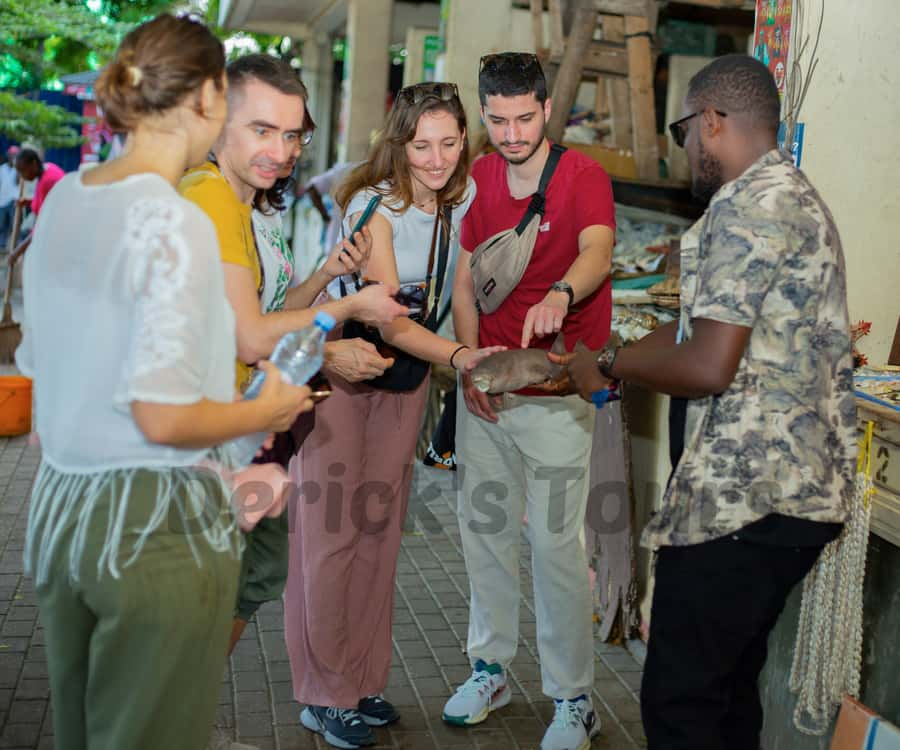
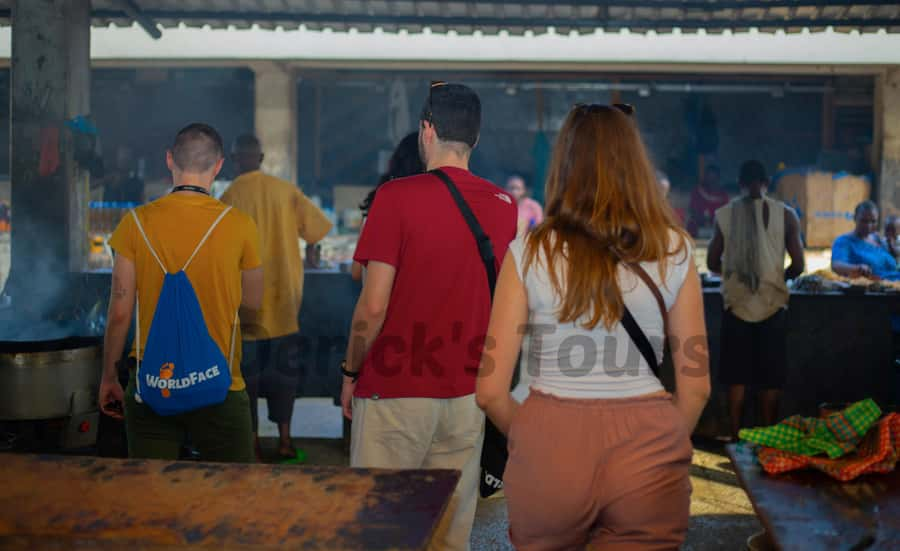
The Kivukoni Fish Market is likely to be the most memorable stop for many people. Here, the tour moves from monuments and churches into the practical business of selling freshly caught seafood.
You can expect strong smells, active trading, seafood for sale, and fishermen handling their nets. One guest ended the tour by trying street food with Derick and watching fishermen replace nets and sell their catch. That kind of scene gives you a direct look at coastal life that a vehicle-based city tour would likely miss.
The market is also the part of the walk that requires the most openness. It is not polished, quiet, or designed for sightseeing. You may find wet surfaces, fish odors, and a busy working environment. Bring a curious attitude and avoid expecting a staged cultural performance.
If you have an allergy or cannot tolerate the smell, tell Derick before the tour. One guest requested a different route because of a reaction to fish-market odors and visited Coco Beach instead. That does not mean Coco Beach is a standard part of every booking, but it shows how the route can be adjusted.
Ending at Kivukoni also gives the tour a natural finish. You move from the city’s official landmarks to the port-side economy that continues to shape Dar es Salaam.
Old Boma and the city’s built past
Old Boma is one of the oldest surviving buildings in Dar es Salaam. Its walls and design offer a direct connection to the city’s earlier development, and the stop adds architectural depth to the walk.
This is where the tour’s different strands come together. The churches show religious and colonial influence. The Askari Monument brings in wartime history. The garden shows the city’s plant life and public spaces. Old Boma helps explain the physical growth of Dar es Salaam itself.
A guide can help you notice details that are easy to miss when walking alone. Derick’s explanations cover the development of the city and the meaning of major buildings, so Old Boma is not treated as an isolated old structure.
The route may also include a local art gallery. The exact gallery is not specified, so you should confirm the details if art is a priority. Still, the inclusion of local art helps widen the tour beyond colonial buildings and official monuments.
Flexibility is one of the strongest features

The tour is advertised as customizable, and the practical examples are useful. Derick has changed start times, rescheduled missed tours, adjusted the route, and offered alternatives to the fish market.
That flexibility matters in Dar es Salaam. Heat, arrival schedules, personal interests, and food or scent sensitivities can affect how much you enjoy a walking tour. You can message in advance with your priorities, such as history, architecture, local markets, art, photography, or a gentler route.
Some bookings have felt almost private when only one person or a small group was scheduled. One solo guest even completed part of the experience by motorbike because of the booking situation. Treat that as an individual arrangement, not a guaranteed feature, but it shows that the format can be adaptable.
The tradeoff is that a customized route may not include every advertised stop. If St. Joseph Cathedral, Old Boma, and Kivukoni are all essential to you, confirm the plan before setting out.
How much walking and time should you expect?
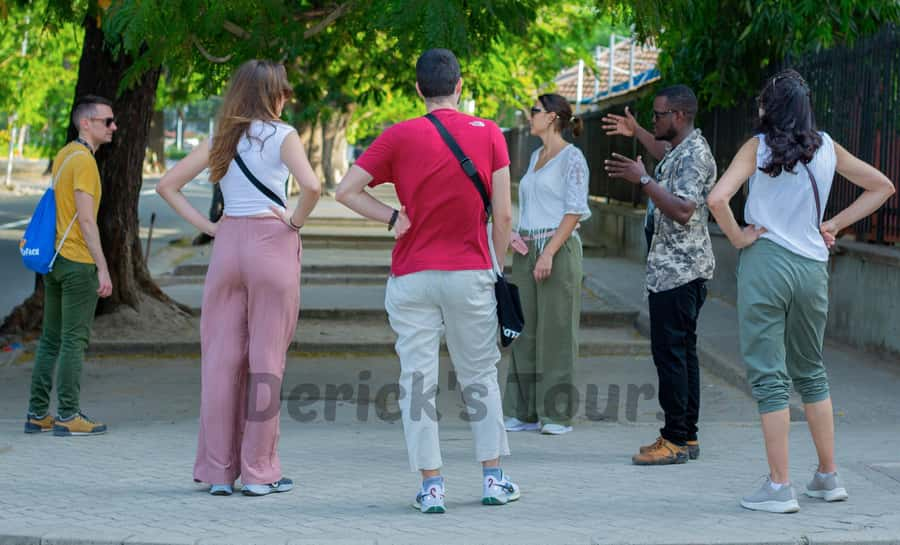
The stated duration is two hours. That makes this a compact orientation, not an all-day city exploration.
You should expect a steady route through central Dar es Salaam, with time divided among several landmarks. One four-star assessment noted that the guide moved too quickly for photographs. That is the clearest practical warning in the available feedback.
If you like taking many photos, say so at the start. You may need to choose between seeing all the planned stops and spending longer at each one. If you want a slower pace, ask whether the route can be shortened or focused on fewer sites.
Comfortable walking shoes, water, sun protection, and light clothing make sense, though those specific items are not supplied as part of the booking. A later start can help with heat, but check the available times before booking.
The meeting point is arranged in advance. Some guests have met at a prearranged place, while one requested hotel collection. Confirm your meeting details directly with Derick.
What the $30 price gives you
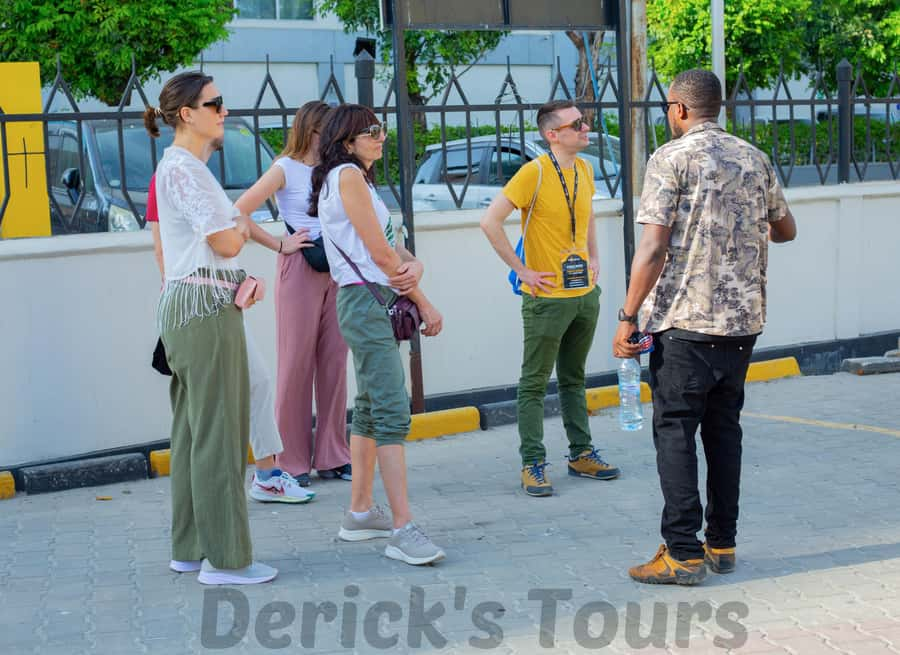
At $30 per person, the value rests mainly in the guide and the time saved finding your way around central Dar es Salaam. You receive an English-speaking local guide, guided visits to the listed landmarks, and the option to shape the route around your interests.
A self-guided walk would cost less, but it would not give you the same historical links or local interpretation. You might see the Askari Monument and Old Boma, yet miss why they matter or how they connect to the city’s wider story.
The price is especially reasonable if you are arriving in Dar es Salaam with only a few spare hours. It can help you get your bearings before exploring alone, and the small-group feel reported by several bookings may make the personal attention worthwhile.
The value is weaker if you want a slow architectural study, a long food tour, or extended time at each location. The two-hour schedule is designed for coverage and orientation.
Free cancellation up to 24 hours before the tour and reserve-now, pay-later booking add useful flexibility. Starting times vary, so check availability rather than assuming the afternoon time shown by another guest will be offered to you.
Who will enjoy this walk most?
I would choose this tour for a first visit to Dar es Salaam, especially if you want history and everyday city life in one short outing. It also suits cruise or business visitors with a limited window, provided the timing works.
Solo visitors may appreciate the direct attention and the ability to shape the route. A solo guest described feeling comfortable walking with Derick, while another received help after missing the original booking time.
The tour fits you well if you enjoy asking questions. Derick’s main strength is explaining the city, country, culture, traditions, and historical periods in a clear way. It is less suited to you if you prefer to wander silently or stop for long photo sessions at every building.
The fish market will appeal to curious eaters and anyone interested in working waterfronts. If strong seafood smells are a concern, tell the guide before the tour and ask about another stop.
Should you book the Dar es Salaam city walk?
Book it if you want a well-priced first look at Dar es Salaam with a guide who can explain how the city developed. The strongest parts are the mix of formal landmarks and local life, the Kivukoni Fish Market, and Derick Lawrence’s willingness to adjust timing and route.
Go in expecting a brisk two hours. Ask for a slower pace if photography matters, confirm which stops you want, and consider a later start to reduce the heat. If you do that, the walk should give you a useful sense of central Dar es Salaam without trying to turn a short outing into a full city tour.
FAQ
How long is the Dar es Salaam city walking tour?
The tour lasts two hours.
How much does the tour cost?
The price is $30 per person.
What language is the tour conducted in?
The live guide conducts the tour in English.
Who is the guide?
The experience is provided by Derick Lawrence.
Which landmarks are included?
The route includes St. Joseph Cathedral, Azania Front Lutheran Church, the Askari Monument, Botanical Garden, Kivukoni Fish Market, Old Boma, and a local art gallery.
Can the route be customized?
Yes. You can contact Derick in advance to discuss your interests and request route changes.
Can the fish market be replaced?
Yes. A different stop may be arranged if you have a sensitivity to the market’s smell or prefer another experience. Coco Beach was used as an alternative for one booking.
Can I cancel the booking for a refund?
You can cancel up to 24 hours in advance for a full refund. You can also reserve now and pay later.
Just added for Tanzania
- Maasai village visit, Materuni waterfalls & coffee experience★ 4.5 · 95 reviews
- Tanzania Enticing Explorations – 6 Days★ 5.0 · 106 reviews
- Tanzania Simba Safari – 5 Days★ 5.0 · 217 reviews
- 3 Days Private Safari – manyara, Ngorongoro & Tarangire★ 5.0 · 94 reviews
- Tarangire Day Tour★ 5.0 · 95 reviews
- Living Among Lions★ 5.0 · 191 reviews
- Materuni Waterfalls & Coffee Tour from Moshi★ 5.0 · 92 reviews
- Arusha Guided Walking City Tour, Culture, Lifestyle & History★ 5.0 · 150 reviews
Walking Tours, compared.
Ben Youssef, Secret Garden, & Souks Walking Tour
Read our review →
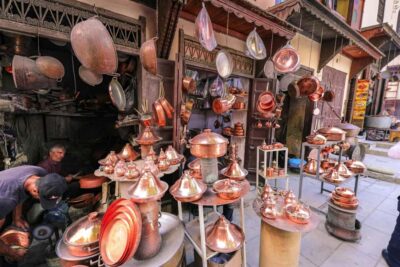
Explore Fes: Unforgettable Guided Walking Tour of the Medina
Read our review →
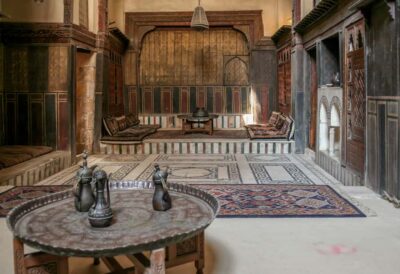
Old Cairo Guided Walk Tour: History, Culture & Street Bites
Read our review →

Plettenberg Bay: Bungee Jumping with Zipline and Sky Walk
Read our review →
Walking Tour Through Old Town Mombasa and Fort Jesus
Read our review →Browse the lists this tour appears in