
Reviewed · WATERFALL TOURS
Maasai village visit, Materuni waterfalls & coffee experience
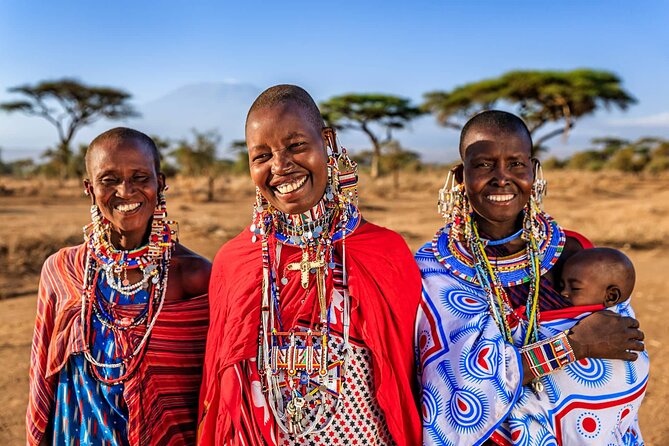
The best part of this day is the change of pace. You begin with Maasai songs, cattle, beadwork, fire-making, and village life, then move into Chagga country for a home-cooked lunch and coffee made by your own hands. I especially like the personal coffee ritual and the chance to eat in a Chagga home rather than simply look at village life from a vehicle. The 80-meter Materuni Waterfalls add a fine outdoor finish.
The catch is simple: this is a visit near Mount Kilimanjaro, not a climb or a trip inside Kilimanjaro National Park. The waterfall walk takes about 45 minutes to an hour each way and can be slippery and muddy. If you expect an easy sightseeing day, or a close view of the summit, adjust your expectations before booking.
Key points at a glance
- Maasai life near Rundugai: See traditional homes, beadwork, dancing, cattle, fire-making, and local plant knowledge through a visit arranged by the Maasai community.
- Coffee made by you: Roast or grind coffee in traditional fashion, join Chagga songs and dances, and drink the cup you prepare.
- A real local meal: Stop at a Chagga home for hot food, tropical fruit, and local banana wine.
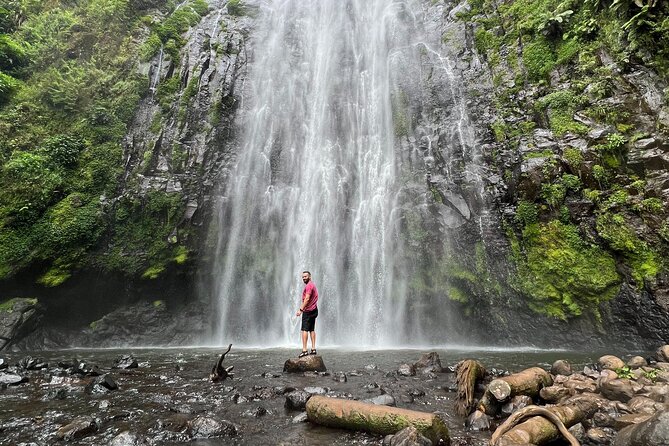
- Waterfall hike: Walk 45 minutes to one hour from Materuni village to cascades more than 80 meters high.
- Private transport: Your group travels by air-conditioned vehicle, with pickup from Arusha, Moshi, or Kilimanjaro and Arusha airports.
- A full 12-hour day: The schedule packs in culture, food, coffee, walking, and transport, so it works best as a planned full-day outing.
What this Kilimanjaro foothills day is really about
This is not a standard mountain sightseeing trip. It is a cultural day with a waterfall attached, and that distinction matters. You spend time with Maasai hosts near Rundugai, then continue to Materuni, a Chagga village on the slopes of Kilimanjaro and the last village before the national park boundary.
I like the way the day connects two different communities. The Maasai visit focuses on pastoral life, homes, ornaments, songs, cattle, and bush skills. The Materuni portion turns toward farming, food, coffee, and village life. You get a broader sense of northern Tanzania than you would from a single village stop.
The tour costs $154 per person. For a private outing lasting about 12 hours, with round-trip transport, a guide, meals, bottled water, entrance fees, and activities included, that can be fair value, especially if you are splitting the vehicle with family or friends. It is less appealing if your main goal is only a waterfall or only a quick coffee tasting. Much of the value comes from the variety and the private format.
The day is recommended for people with a moderate level of fitness. You do not need mountaineering ability, but you should be comfortable walking for several hours on uneven ground. The road journey and the long return also make this a substantial day, not a light morning excursion.
More Waterfall Tours in Kilimanjaro & Moshi
- Materuni Waterfalls, coffee tour & Kikuletwa Hot Springs
★ 5.0 · 643 reviews - Materuni Waterfalls & Chemka Hotsprings Day Trip
★ 5.0 · 214 reviews - Materuni waterfalls coffee tour & Chemka hot springs Day trip
★ 5.0 · 131 reviews
Starting with Maasai culture at Rundugai
Pickup takes place in the morning from a hotel in Arusha or Moshi, or from Kilimanjaro or Arusha airport. You travel in an air-conditioned vehicle, a welcome feature in the heat and dust of a long day. Since this is a private activity, only your group takes part.
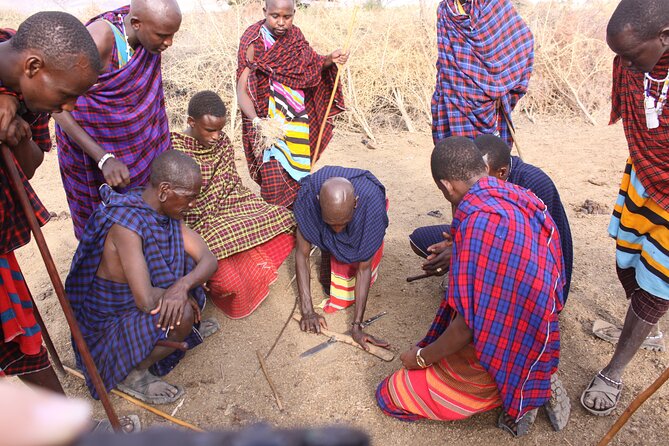
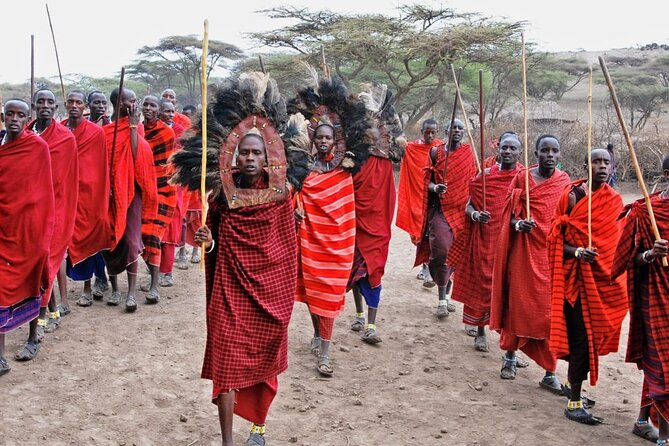
The Maasai visit is organized through Rundugai Cultural Tourism Enterprise. The community hosts the visit on its own terms, showing you parts of daily life rather than offering a staged museum display. You can expect traditional Maasai dancing and singing, different house styles, beadwork, ornaments, and a demonstration of how to make fire.
You may also learn about bush techniques and local medicine, then walk with cattle on the plains. These details give the stop substance. You are not merely taking photographs of a village. You are seeing how pastoral traditions continue while the Maasai also deal with modern education, travel, and wider contact.
The visit lasts about three hours, which is long enough for conversation and demonstrations without turning the stop into a rushed photo call. Keep an open mind about the way the visit is presented. Some parts may feel formal because the community is welcoming paying visitors, but the direct involvement of Maasai hosts makes the encounter more meaningful than a drive-by viewpoint.
This is also a good place to remember that cultural visits work best when you listen and ask respectful questions. Be attentive during demonstrations, ask before taking close-up photographs, and treat the community contribution included in the price as part of the value of the stop.
Lunch in a Chagga home near Materuni
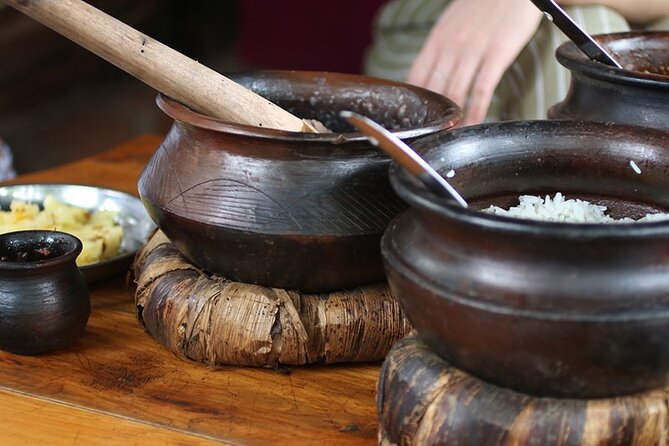
After the Maasai visit, the day shifts to the Chagga homeland around Materuni. You are invited into a Chagga home for a hot traditional lunch and tropical fruit. The meal is included, which makes the $154 price easier to assess, since you are not adding a separate restaurant bill during a long day out.
The food is part of the story here. Chagga cooking and agriculture are tied to life on the slopes of Kilimanjaro, and eating in a home gives you a closer look at that connection than a standard café stop. Local banana wine is also offered. Alcohol is not included, so budget for it separately if you want to try it.
The schedule allows about five hours for the Materuni village portion, including lunch, coffee, and the start of the walk. That sounds generous, but it is useful time. You are not being hurried through a meal before jumping straight back into the vehicle.
If you have dietary restrictions, the supplied details do not specify alternative menus. Ask about food arrangements when booking so you know what can be accommodated. Bottled water is included, but you should still bring a refillable bottle if you prefer to drink more during the hike.
Making coffee the Chagga way
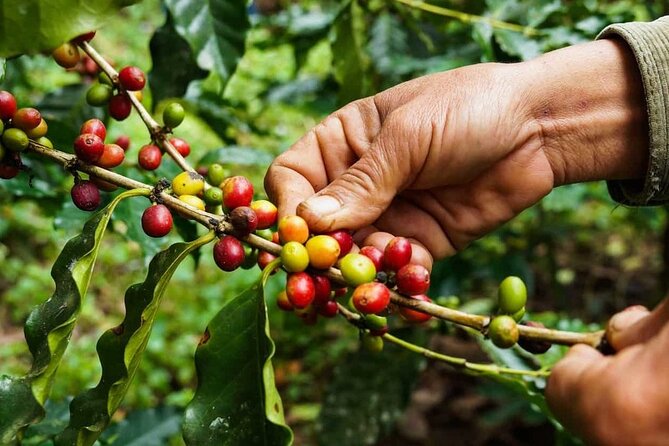
The coffee session is one of the strongest reasons to choose this trip. A local barista explains the Tanzanian coffee industry, then you take part in grinding coffee and preparing your own cup.
The activity is accompanied by Chagga songs and dances. That combination turns the lesson into a group ritual rather than a technical demonstration. You handle the process, hear the music, and taste the result. For many people, this will be more memorable than a simple plantation walk.
I also like that the coffee is not treated as a souvenir alone. You learn by doing. You make a cup using traditional methods, then drink what you prepared before heading toward the waterfall. The session gives the cultural portion a clear focus and works well for people who enjoy food, farming, and hands-on activities.
The coffee stop is also a useful counterpoint to the Maasai visit. At Rundugai, the emphasis is on pastoral traditions and community life. In Materuni, coffee and food show another side of the region, shaped by cultivation and household production.
You should not book this expecting a formal coffee certification course or a long specialist lecture. The appeal is participation, music, and contact with local customs. It is a social experience, and that is precisely why it fits well into this day.
More Village Tours in Kilimanjaro & Moshi:
- Berber villages : Atlas Mountains Day Hike from Marrakech
★ 5.0 · 14,007 reviews - Atlas Mountains, Berber Villages and Three Valleys all inclusive
★ 5.0 · 2,471 reviews - Hurghada: Quad Bike, Buggy, and Camel Ride & Bedouin Village
★ 4.8 · 1,738 reviews - Marrakech: Atlas Mountains, Berber Villages, Agafay & Camel Ride
★ 5.0 · 1,672 reviews
Hiking from Materuni village to the waterfall
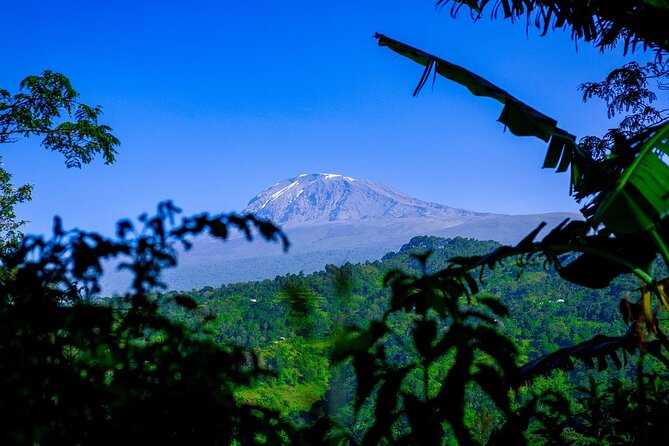
Materuni Waterfalls is about 45 minutes to one hour on foot from the village. The route passes through village surroundings, with your guide explaining Chagga culture, daily life, plants, and animals along the way.
The walk is described as moderate, but conditions can make it harder. Mud and slippery ground are common concerns, especially in wet weather. One person found the route more difficult than expected, and that is useful advice: do not treat this as a flat stroll from a parking area.
Wear hiking shoes with firm grip. A raincoat is also a smart choice, both for changing weather and for spray near the falls. Sandals and smooth-soled trainers could leave you struggling on the trail.
The walk itself is part of the attraction. You are moving through the area rather than being delivered directly to a viewpoint. Along the way, you may get views toward Mount Kilimanjaro, although cloud cover can hide the summit. The mountain is often called shy for good reason, and no itinerary can promise a clear peak.
At the waterfall, the reward is a cascade more than 80 meters, or 262 feet, high. You have time to pause, take photographs, and enjoy the setting before walking back. The return trip matters when judging the physical demand. You need enough energy for the way out, followed by the drive back to Arusha, Moshi, or the airport.
Weather plays a real role in this part of the day. In wet conditions, the trail can be muddier and views of Kilimanjaro less likely. The operator offers another date or a full refund if poor weather forces cancellation, and free cancellation is available up to 24 hours before the start time. Changes or cancellations made inside that 24-hour window are not refunded.
How the private format affects the day
A private tour gives you more control than a large coach excursion. Your group shares the vehicle, and the guide can usually respond to your pace during the village visit, coffee session, or hike. The supplied details do not state a maximum group size, but they do confirm that only your group participates.
That format is particularly useful for families or friends with different interests. One person may want more time with the coffee process, while another may need a slower pace on the trail. Group discounts are available, so the per-person price may make more sense when several people book together.
The guides named in the supplied details include Pemba, Mpemba, and Alfred. Their roles include driving support, explanations along the route, and care on the waterfall walk. Specific guide assignments may vary, so do not assume one of those names will lead your departure.
Pickup from either Arusha or Moshi makes the tour practical if you are staying in one town and want to visit the Kilimanjaro foothills. Airport pickup is also offered at Kilimanjaro or Arusha airports. Confirm the exact pickup time and location, especially if you are connecting this day with a flight or a Kilimanjaro trek.
What the tour does not include
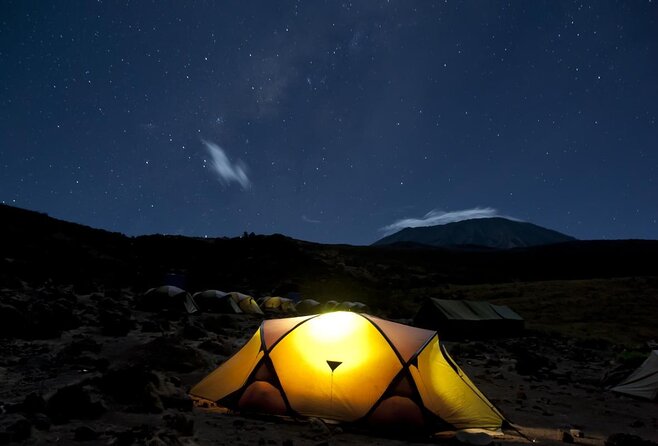
The most important limitation is the mountain itself. You visit Materuni village at about 1,800 meters, near the route toward Kilimanjaro National Park, but you do not enter the park or climb Mount Kilimanjaro.
You might see the peak if the weather is clear, and the tour is designed to give you a strong chance of mountain views. Still, the waterfall and village are the guaranteed focus. If your dream is to stand on the mountain or reach a national park gate, choose a dedicated Kilimanjaro outing instead.
Personal spending and alcoholic drinks are not included. The tour does include all listed fees, the Maasai village contribution, lunch, bottled water, activities, and round-trip private transport. That broad inclusion reduces the chance of surprise costs during the day.
The tour also requires reasonable mobility. The data does not describe wheelchair access, and the muddy, uneven trail would be a serious concern for anyone unable to walk comfortably for up to an hour each way. Ask the operator directly if your mobility needs are more specific.
Who should book this day
I would choose this outing if you want several distinct experiences in one day and prefer local contact to a simple scenic stop. It suits people who enjoy food, music, village visits, coffee, and a moderate walk.
It is especially useful before or after a Kilimanjaro trek. You can learn about the region without committing to a climb, and the waterfall walk gives you a taste of the terrain. One important caution: do not assume a long day with a muddy hike will be ideal immediately before a demanding trek. Give yourself recovery time if your schedule allows.
Families and small private groups should also consider it. The variety helps hold attention, and the vehicle offers a more comfortable base between stops. People who dislike dancing, community visits, or hands-on demonstrations may find the cultural sections less appealing.
You should skip it if you want a short, easy excursion, a guaranteed view of Kilimanjaro, or a visit inside the national park. The route is full and the hiking conditions can change with the weather.
Is the Maasai, Materuni, and coffee tour worth booking?
Book it if you value human contact, local food, and variety as much as scenery. The Maasai visit, Chagga lunch, coffee-making session, and waterfall walk create a well-rounded day, and the private air-conditioned transport adds comfort.
Go in with accurate expectations. You are visiting the foothills, not climbing Kilimanjaro. Bring grippy shoes, a raincoat, patience for a full 12-hour schedule, and enough fitness for a muddy walk. With those conditions in mind, $154 can be a reasonable price for a private day that combines two cultures, a meal, a practical coffee lesson, and a major waterfall.
FAQ
How long does the tour last?
The tour lasts approximately 12 hours, including pickup, the Maasai village visit, Materuni activities, the waterfall hike, and the return drive.
Where can pickup be arranged?
Pickup is offered from hotels in Arusha or Moshi, and from Kilimanjaro or Arusha airports.
Is this a private tour?
Yes. Only your group participates in the private activity.
Does the tour enter Kilimanjaro National Park?
No. The tour visits Materuni village, which is near the mountain and before the national park begins. It does not include entry into the park or a climb of Mount Kilimanjaro.
Will I see the summit of Mount Kilimanjaro?
You may see the peak if weather conditions are clear, but a summit view is not guaranteed.
How difficult is the walk to Materuni Waterfalls?
The walk takes about 45 minutes to one hour each way. The trail can be slippery and muddy, so you should have moderate physical fitness, good hiking shoes, and a raincoat.
How high is Materuni Waterfalls?
The waterfall cascades more than 80 meters, or about 262 feet.
Is lunch included?
Yes. A hot traditional lunch and tropical fruit are included. Local banana wine may be available, but alcohol drinks are not included in the price.
Is the coffee activity included?
Yes. You take part in the traditional coffee process, including grinding coffee and making your own cup.
Can I cancel for a full refund?
Yes, if you cancel at least 24 hours before the experience start time. Cancellations made less than 24 hours in advance are not refunded. If poor weather causes the operator to cancel, you can receive a different date or a full refund.
Just added for Kilimanjaro & Moshi
- Materuni Waterfalls & Coffee Tour from Moshi★ 5.0 · 92 reviews
- Mountain Kilimanjaro Day Hike★ 5.0 · 102 reviews
- Arusha or Moshi : Hot Spring, Waterfall & Coffee Farm Tour★ 4.8 · 80 reviews
- 7-Day Machame Kilimanjaro Summit Tour from Arusha★ 5.0 · 125 reviews
- Kilimanjaro climb, Lemosho Route (6-day)★ 5.0 · 129 reviews
- Materuni Waterfall, Coffee Tour and Picnic Hot Lunch★ 5.0 · 128 reviews
- Climbing Kilimanjaro – Machame Route★ 5.0 · 170 reviews
- 8-Day Small-group Lemosho Kilimanjaro Summit Trekking★ 5.0 · 186 reviews
Waterfall Tours, compared.
Atlas Mountains, Ourika Valley, Waterfall & Lunch
Read our review →
Ouzoud Waterfalls Guided Trip with Boat Ride
Read our review →
Ourika Waterfalls, Atlas Mountains, Guide + Lunch
Read our review →
Ourika Valley Trip with Waterfall Hike & Lunch
Read our review →
Ouzoud Waterfalls Guided Day Trip with Boat Ride
Read our review →Browse the lists this tour appears in