
Reviewed · HIKING & TREKKING
Climbing Kilimanjaro – Machame Route
The best part of this six-day Machame Route climb is the changing scenery. You begin in thick rainforest, cross open moorland and stark volcanic ground, then reach a sunrise summit at 5,895 meters. The mountain keeps changing its mood, which helps distract you from the hard work.
I like that porters, cooks, and guides handle the practical load, and I like the careful acclimatization pattern of climbing high to Lava Tower before sleeping lower at Barranco. The drawback is clear: six days is a demanding schedule, with a long day before the summit and a brutal summit night followed by a major descent.
Key points to know before you book
- Machame Gate to Uhuru Peak: You climb from 1,490 meters to 5,895 meters through five distinct ecological zones.
- Lava Tower acclimatization: Day three takes you to 4,630 meters, then drops you to Barranco Camp, a useful high-and-low pattern.
- The summit night is the test: Expect a midnight start, six to eight hours to the crater rim and peak, then a long descent.
- The support team carries the burden: Guides, porters, a cook, waiter, tents, meals, boiled water, and rescue fees are included.
- Food and personal care are strong points: Meals have included varied dishes, and crew members have offered small comforts such as honey for a cough.
- The price covers a lot: At $2,322.06 per person, the package includes park fees, equipment, transport, airport transfers, and two Moshi hotel nights.
Why the Machame Route earns its scenic reputation
The Machame Route is often called the scenic route for good reason. It does not simply point uphill through one type of scenery. You move from montane forest to moorland, semi-desert, alpine desert, and summit scree, with Kilimanjaro’s size becoming clearer each day.
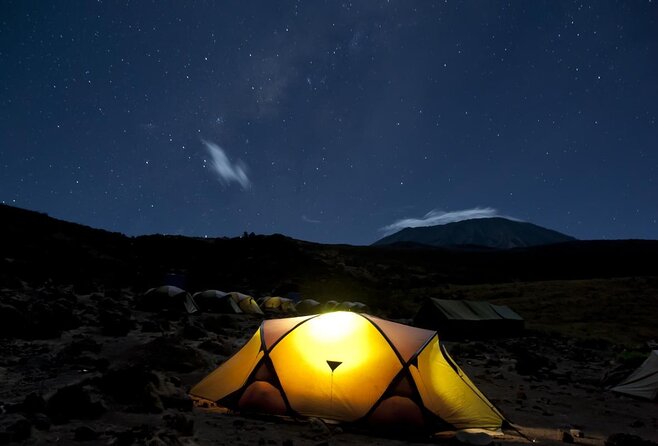
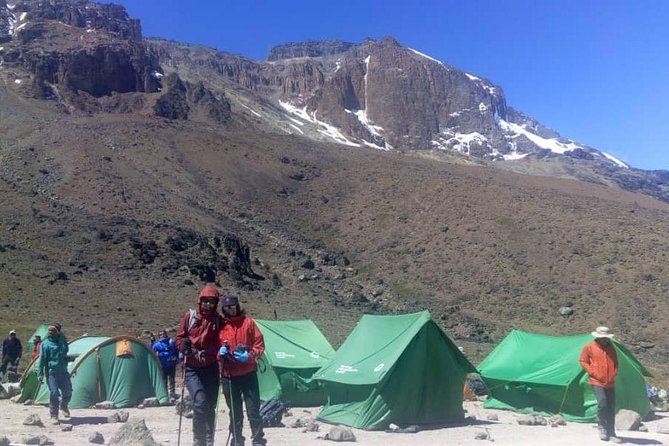
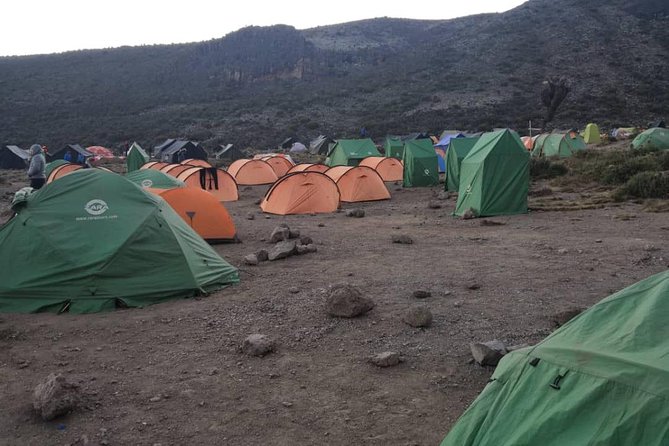
You also sleep in tents rather than huts. That means a more basic night, but it gives the climb a proper expedition feel. A mess tent, small camping chairs, tables, candles, mattresses, and a cooking team make camp more orderly than a simple backpacking setup.
This is still a serious mountain trek, not a sightseeing walk. You need a moderate level of fitness, and the route includes long uphill stretches, rocky ground, cold camps, and a summit night with little or no normal sleep.
The group limit is 12 people. That is large enough to create a social atmosphere, but small enough for the guide team to keep track of the group. The exact number of guides and porters is not stated, so ask how the crew is organized before you commit.
More Hiking Tours in Kilimanjaro & Moshi
- Kilimanjaro climb by Lemosho Route (7-day)
★ 5.0 · 651 reviews - Kilimanjaro climb, Machame Route (7-day)
★ 5.0 · 262 reviews - 8-Day Small-group Lemosho Kilimanjaro Summit Trekking
★ 5.0 · 186 reviews
Day one: 18 kilometers through the rainforest
The morning begins with a briefing, breakfast, and a roughly 45-minute drive from Moshi to Machame village. The elevation rises from about 910 meters in Moshi to 1,490 meters at the village.
Your mountain crew sorts the supplies and equipment at the village. Depending on road conditions, the vehicle may continue toward Machame Gate. If it cannot, you walk about three muddy kilometers to the gate, adding roughly an hour before the main climb even begins.
After registration, the route enters the rainforest. The day covers about 18 kilometers and takes around seven hours, ending at Machame Camp at 2,980 meters. You receive a packed lunch at the gate, and drinking and washing water are handled by the crew.
This first day is less about altitude than rhythm. You are learning to walk slowly, drink often, and keep your gear organized. The forest is the most enclosed section of the route, so do not expect wide summit views yet.
The possible road problem is worth noting. A muddy approach walk is not a major hardship compared with summit day, but it can make the opening day longer and messier than the schedule suggests. Wear shoes you trust and keep rain protection easy to reach.
Day two: from forest edge to the cold Shira Plateau
After breakfast, you climb for about an hour toward the top of the forest. The route then becomes gentler for about two hours as you enter moorland, a more open zone with low vegetation and broad views.
After lunch and a rest, you continue along a rocky ridge toward the Shira Plateau. The day covers about nine kilometers and takes roughly six to seven hours, ending at Shira Camp at 3,840 meters.
This is the first camp where cold becomes a serious part of the experience. Temperatures can fall well below freezing, and Shira is exposed to wind. A warm sleeping bag, dry layers, gloves, and a hat are not luxuries here.
The reward is a bigger view. You can see toward the Western Breach and its glaciers, while Kibo, the main summit cone, becomes a much more dominant presence. The route feels less like a forest hike and more like a high mountain crossing.
The porters boil water for drinking and washing before dinner. That service matters because cold evenings make even simple tasks feel slow. You will appreciate having hot food and water without needing to gather or treat it yourself.
Day three: Lava Tower and the Barranco Wall
Day three is the cleverest part of the route from an altitude point of view, but it is also one of the hardest. From Shira, you head east into rocky semi-desert and climb to Lava Tower at 4,630 meters.
The ascent takes about five hours, followed by lunch in a designated area. At this height, some people feel breathlessness, a headache, or irritability. The schedule then sends you downhill by nearly 680 meters to Barranco Camp at about 3,950 meters.
That high-and-low pattern gives your body time at a higher elevation without making you sleep at Lava Tower. It does not remove the risk of altitude sickness, but it is a sensible feature of the route. Tell your guide promptly if you feel unwell. Do not try to hide symptoms to protect your summit attempt.
The whole day takes about seven hours and covers roughly 15 kilometers. The ground is rocky, and the repeated climb and descent can feel tiring even before the summit attempt begins.
Barranco is one of the memorable camps. The next morning brings the Barranco Wall, a steep rocky section that looks intimidating from below. The route is not a technical rock climb, but you need steady feet, patience, and comfort with using your hands for balance in places.
Same corner of the map, a completely different outing:
- Materuni Waterfalls, coffee tour & Kikuletwa Hot Springs
★ 5.0 · 643 reviews - Materuni Waterfalls & Chemka Hotsprings Day Trip
★ 5.0 · 214 reviews - Kilimanjaro Climbing Lemosho Route 8 Days.
★ 5.0 · 186 reviews - Climbing Kilimanjaro through 7 days Machame Route
★ 5.0 · 151 reviews
Day four: Barranco Wall and the exposed Barafu ridge
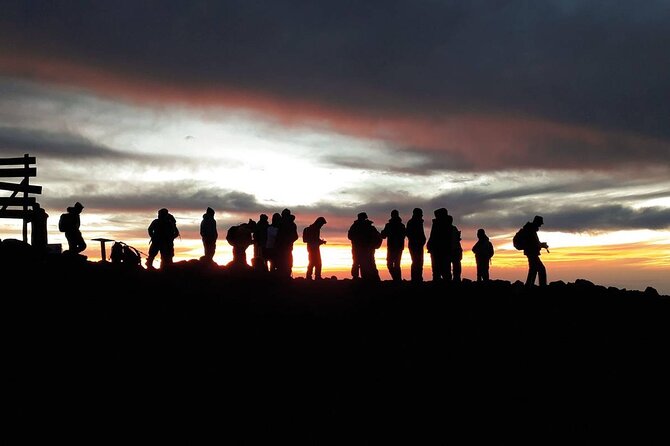
The route from Barranco to Karanga Valley and then toward Barafu Camp takes about seven hours and covers approximately 13 kilometers. This is a day of alpine desert, with little shelter and a rough, stony surface.
The Barranco Wall gives the morning its drama. After that, the trail continues through increasingly bare country toward Barafu Camp at about 4,550 meters. The campsite is exposed to strong wind and sits on a narrow, stony ridge.
This is not the place to wander around after dark. Learn the layout of the camp while there is still daylight, keep your headlamp handy, and secure your clothing and equipment. The crew will prepare camp, but you still need to manage your own layers, batteries, and personal items.
The summit is now only 1,345 meters higher in altitude, but the real challenge is timing. You make the final ascent during the night, so this afternoon is for eating, resting, and preparing. Replace or recharge headlamp and camera batteries, and carry a spare if you have one.
Water can freeze at these heights. The itinerary specifically advises precautions to stop bottles from freezing, so use insulated storage or keep water close to your body as instructed by the crew. Small practical steps matter more than heroic intentions on summit night.
Day five: the midnight push to Uhuru Peak
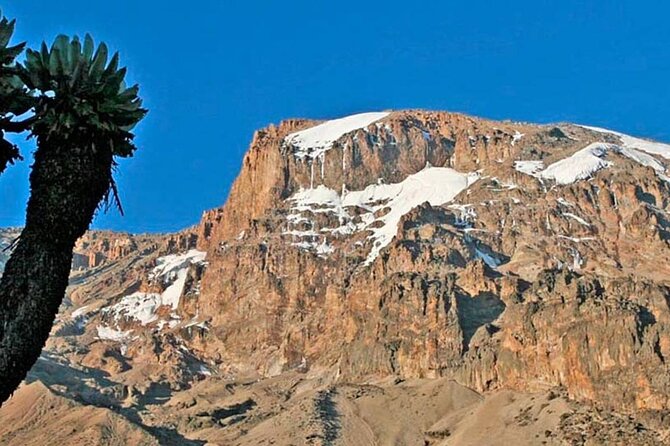
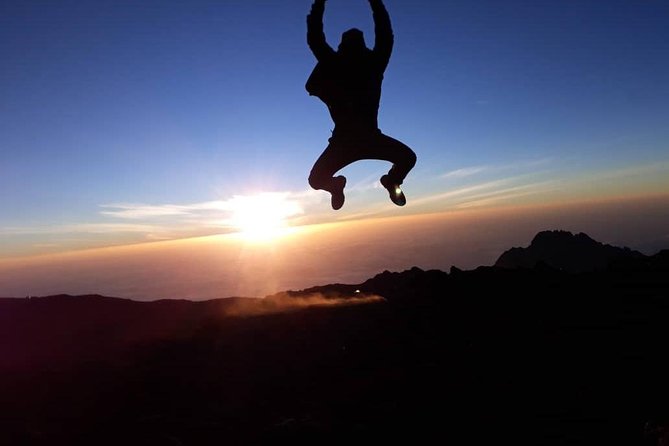
The summit day begins around 11:30 p.m. with tea and biscuits. You set off in darkness toward Stella Point on the crater rim, climbing northwest through heavy scree.
The ascent to Stella Point takes about six hours and is often the most mentally difficult section. The slope is relentless, the air is thin, and the darkness hides the scale of the climb. Your guide team sets the pace, and you should expect slow, deliberate progress.
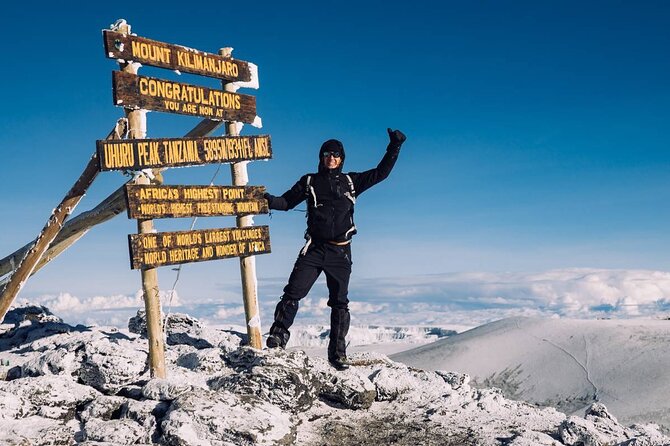
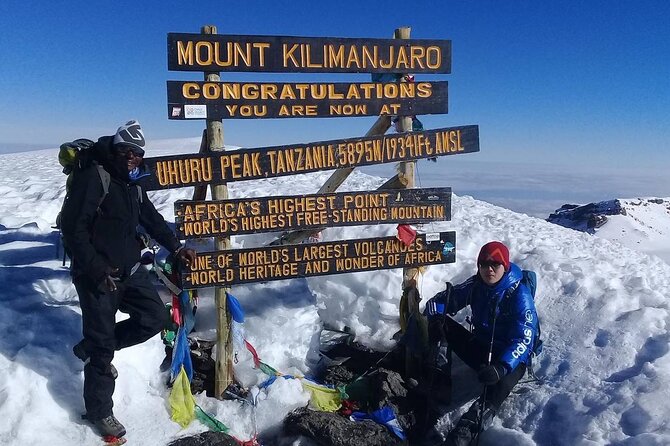
At Stella Point, around 5,685 meters, you can stop briefly and watch the sunrise. From there, the route continues around the crater rim to Uhuru Peak at 5,895 meters. The final section is still tiring, but reaching the highest point in Africa gives the effort a clear purpose.
The stated walking time to Uhuru Peak is about eight hours. The descent to Mweka Camp at 3,100 meters takes another seven or eight hours, with about 23 kilometers downhill after the seven-kilometer ascent. That is a huge day.
The descent can be harder than expected. Your legs are tired, the volcanic scree is awkward, and the excitement of the summit can fade into simple concentration. Trekking poles are useful, and your knees will appreciate controlled steps rather than rushing.
You receive a gold summit certificate if you reach Uhuru Peak. Climbers who reach Stella Point receive a green certificate. That distinction recognizes two different achievements, and reaching Stella Point is still a substantial high-altitude effort.
Day six: the muddy walk out and a proper shower
From Mweka Camp, you descend through forest to Mweka Gate. The hiking time is listed as about three hours, with a distance of approximately 15 kilometers.
The final route can be muddy and may include a long walk from the gate to Mweka village. After reaching the village, transport takes you to Springlands Hotel, where a hot lunch is served. You then return to Moshi for a much-needed shower and the included post-climb hotel night.
The hotel stop is more valuable than it may sound. After a summit day and a muddy descent, clean clothes, a bed, food, and hot water give you a chance to recover before onward travel.
Summit certificates are issued at Springlands Hotel. Tips for guides, porters, cooks, and waiters are not included, and the information provided says they are highly appreciated. Plan for this expense before you arrive rather than treating it as an afterthought.
What the support package is really worth
The $2,322.06 price is not just paying for a trail guide. It includes two nights at Springlands Hotel, transfers between Moshi and the mountain, airport transfers to and from Kilimanjaro International Airport, national park fees, rescue fees, tents, sleeping mattresses, meals, boiled water, and the mountain crew.
You also receive a mess tent, tables, chairs, candles, eating utensils, a first aid kit, and pulse oximeters. Those details help create a more structured camp and give the guides tools to monitor the group.
All breakfast, lunch, and dinner on the mountain are included. The food is one of the package’s strongest practical features. Meals have included several different dishes, and the cooking team has earned praise for serving food that feels far better than many people expect from a tented mountain camp.
The crew’s personal care also matters. One team offered honey in tea to help with a cough, a small gesture but a useful example of the attention you may receive. Guide teams have included people such as Salim, Yesse Lema, Julius, Godlisten, Festo, and Mike. Your assigned staff may differ, so confirm names and language ability before departure if that is important to you.
You must bring or rent your own climbing gear. Personal items, unspecified meals and drinks, visas, extra hotel nights, and emergency oxygen are also excluded. Single-room charges apply at Springlands Hotel unless you book the one-person rate.
For a fully supported six-day climb, the package offers solid value. The main caution is that the cost does not remove the physical demands or cover every personal expense.
The six-day schedule versus adding more time
The six-day version is efficient, but it gives you less time to rest and adjust than a longer Machame itinerary. The hard sequence is especially clear: day four takes you to Barafu, then day five combines an overnight summit climb with a long descent.
That schedule suits fit hikers who want the shortest standard version and understand that summit success is never guaranteed. It is less suitable if you prefer a slower pace, need more recovery time, or are worried about altitude.
A seven-day Machame option is associated with this operator, but the details supplied here describe the six-day trip only. Ask for the exact extra-day plan before assuming it will simply make each day shorter. The additional time is valuable only if it changes the pacing and sleep pattern in a useful way.
Who should book this Kilimanjaro climb
I would consider this trip if you want a scenic route, a strong support crew, organized camping, and a clear summit goal. It is a good fit for someone comfortable with long walking days who does not want to carry food, fuel, tents, and group equipment.
You should think twice if you dislike cold camping, muddy paths, early starts, or basic mountain conditions. A moderate fitness level is the stated minimum, but the summit schedule demands more than casual weekend walking.
The strongest reasons to choose it are the range of scenery, the included logistics, the good food, and the attentive guide culture. The main reason to hesitate is the pace. Six days can work, but it leaves little room for a slow recovery day.
Should you book the Machame Route?
Book it if you want Kilimanjaro with excellent logistical support and dramatic scenery, and you are prepared for a very hard summit day. The included park fees, transport, crew, meals, hotel nights, rescue fees, and camping equipment make the price easier to justify.
If your priority is the best possible chance of acclimatizing comfortably, ask about a longer itinerary before paying. For everyone else, this six-day version offers a direct, demanding route from Moshi to Uhuru Peak, with enough organization to let you focus on the mountain rather than the camp chores.
Free cancellation is available up to 24 hours before the local start time. Changes or cancellations inside that window are not accepted or refunded.
FAQ
How long is the Machame Route experience?
The climb lasts approximately six days. The package includes two nights at Springlands Hotel in Moshi, one before and one after the mountain trek.
What is the highest point reached?
The summit is Uhuru Peak at 5,895 meters. Climbers who reach Stella Point at 5,685 meters receive a green certificate, while those who reach Uhuru Peak receive a gold certificate.
Are meals included?
Yes. Breakfast, lunch, and dinner on the mountain are included. The package also includes boiled drinking water.
Is airport transportation included?
Yes. Return airport transfers to Kilimanjaro International Airport are included, along with return transportation between Moshi and the mountain’s starting and finishing points.
Do porters carry the equipment?
Yes. Porters carry equipment and supplies, while guides, cooks, waiters, and the wider mountain crew support the climb.
What is not included in the price?
Climbing gear, visas, personal items, unspecified meals and drinks, extra hotel nights, emergency oxygen, and tips for the guides, porters, cook, and waiters are not included. A single-room supplement may also apply at Springlands Hotel.
How large can the group be?
The maximum group size is 12 people. Confirmation is received at booking, and the meeting point is listed at Kilimanjaro Airport in Kilimanjaro National Park, Tanzania.
Just added for Kilimanjaro & Moshi
- Maasai village visit, Materuni waterfalls & coffee experience★ 4.5 · 95 reviews
- Materuni Waterfalls & Coffee Tour from Moshi★ 5.0 · 92 reviews
- Mountain Kilimanjaro Day Hike★ 5.0 · 102 reviews
- Arusha or Moshi : Hot Spring, Waterfall & Coffee Farm Tour★ 4.8 · 80 reviews
- Materuni Waterfall, Coffee Tour and Picnic Hot Lunch★ 5.0 · 128 reviews
- 7-Day Machame Kilimanjaro Summit Tour from Arusha★ 5.0 · 125 reviews
- Kilimanjaro climb, Lemosho Route (6-day)★ 5.0 · 129 reviews
- Kilimanjaro Climbing Lemosho Route 8 Days.★ 5.0 · 186 reviews
Hiking & Trekking, compared.
Berber villages : Atlas Mountains Day Hike from Marrakech
Read our review →
3 Days Desert Tour From Marrakech To Merzouga Dunes & Camel Trek
Read our review →
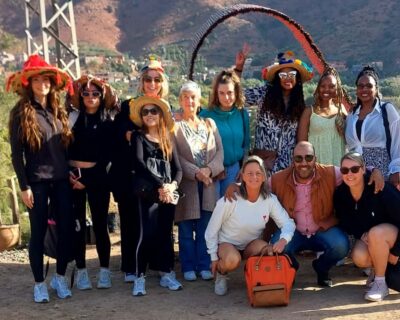
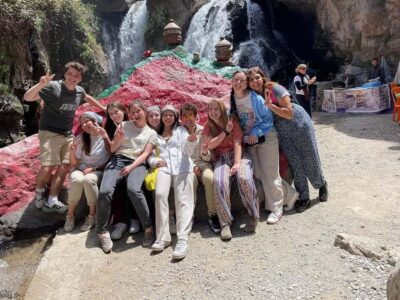
Ourika Valley Trip with Waterfall Hike & Lunch
Read our review →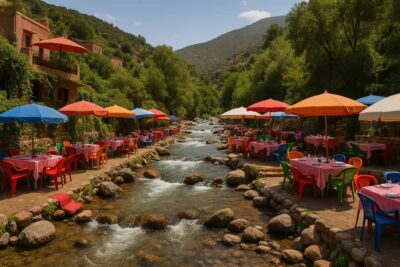
ourika valley lunch & guided hike to waterfalls
Read our review →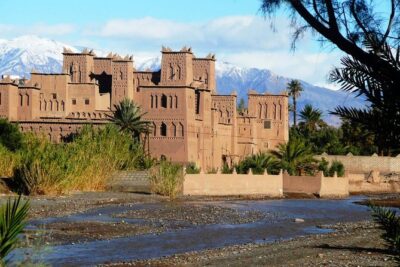
3-Day Tour to Merzouga Erg Chebbi with Food & Camel Trek
Read our review →Browse the lists this tour appears in