
Reviewed · HIKING & TREKKING
Kilimanjaro climb, Lemosho Route (6-day)
Kilimanjaro’s Lemosho Route gives you a strong mix of scenery, wildlife country, high volcanic terrain, and a gradual approach to the summit. This six-day mountain schedule starts with a high drop-off near the Shira Plateau, then crosses Lava Tower, Barranco, Karanga, and Barafu before the night push to Uhuru Peak.
I like the serious safety setup, including Wilderness First Responder guides, oxygen, oximeters, medical kits, and regular health checks. I also like the human touch: named Altezza guides such as Stanford, Athumani Omary Goigoi, Emmanuel, Innocent, Richard, and Agrey have led past climbs, while cooks and porters handle the hard camp work.
The catch is simple: this is not a casual six-day walk. The summit day can last about 12 hours, the route reaches 5,895 meters, and the six-day mountain plan becomes an eight-day trip once hotel nights and airport transfers are added.
Key points to know before you book
- High drop-off on day one: You reach about 3,500 meters by vehicle, then walk to Shira 2 Camp at 3,900 meters.
- Acclimatization is built into the route: Lava Tower reaches 4,630 meters before you descend to Barranco Camp.
- Personal summit support: Each pair of climbers receives a personal guide for the night ascent.
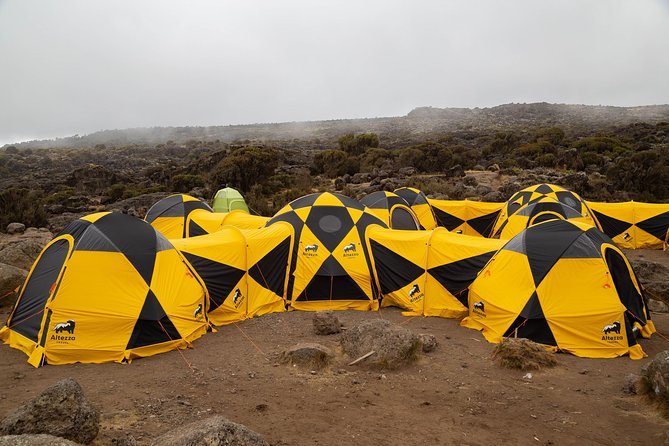
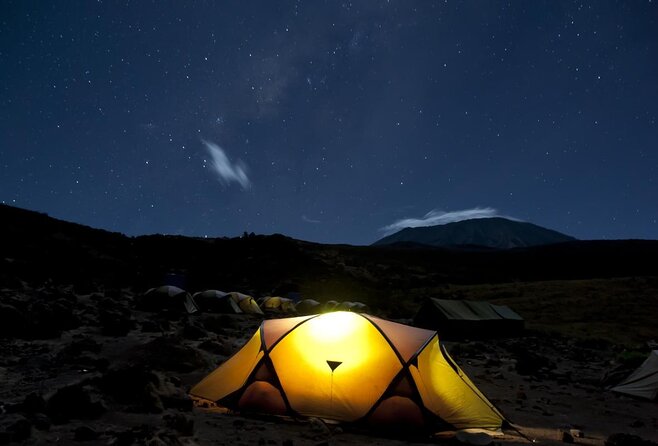
- A real camp operation: North Face VE-25 tents, a dining tent, cooks, porters, sleeping pads, tables, and chairs are supplied.
- Most major costs are covered: Park fees, airport transfers, accommodation, meals on the mountain, and medical equipment are included.
- The price is $3,034 per person: You still need to budget for flights, visa, insurance, personal gear, hotel lunches and dinners, and crew tips.
Why Lemosho is a smart six-day choice
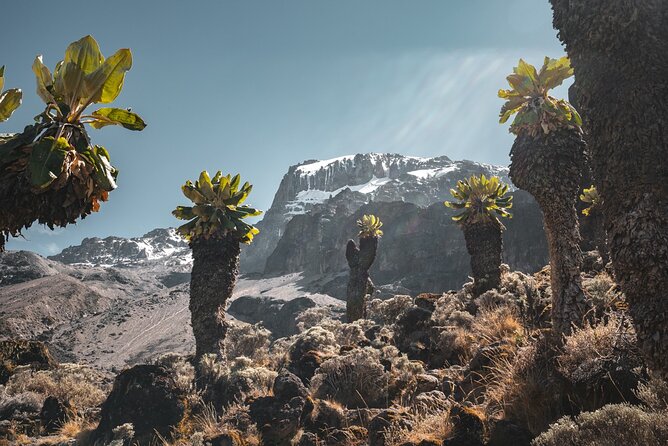
Lemosho is a good fit if you want a route with changing scenery and a planned approach to altitude. You begin near the western side of Kilimanjaro, cross the Shira Plateau, then join the southern circuit toward the summit.
The route is not flat or easy, but it avoids rushing directly toward the top. Day three is especially important. You climb to Lava Tower at 4,630 meters, spend time there for acclimatization, eat lunch, and then descend to Barranco at 3,960 meters. That climb high, sleep lower pattern is one of the most useful features of the schedule.
The high drop-off also changes the feel of the trip. You do not spend an extra day walking from a low starting point, so the first mountain day is shorter. The tradeoff is that you begin your walking at altitude. If your body reacts badly to a fast gain in elevation, this opening deserves respect.
You should have a moderate fitness level before booking. You do not need technical mountaineering skills for the route described, but you do need to handle long walking days, steep sections, cold nights, and a demanding summit attempt.
More Hiking Tours in Kilimanjaro & Moshi
- Kilimanjaro climb by Lemosho Route (7-day)
★ 5.0 · 651 reviews - Kilimanjaro climb, Machame Route (7-day)
★ 5.0 · 262 reviews - Kilimanjaro Climbing Lemosho Route 8 Days.
★ 5.0 · 186 reviews
Day one: airport pickup and preparation in Moshi
Your trip begins with pickup at Kilimanjaro International Airport. An Altezza representative takes you to Aishi Machame Hotel, where you have a room, hot water, Internet access, a swimming pool, and breakfast during the hotel stay.
Check-in begins at 2:00 PM. The evening briefing is more than a formality. It gives the team time to check that you are ready, review the climb, and deal with missing or unsuitable equipment before you leave for the mountain.
The package includes two hotel nights with two people per room, unless you are climbing alone. Single accommodation is available for an added fee. Hotel lunches and dinners are not included, so allow about $15 per person for each meal at the hotel.
Day two: Londorossi Gate to Shira 2 Camp
The mountain crew meets you at the hotel in the morning. From there, you drive for roughly three to four hours to Londorossi Gate at 2,200 meters, the western entrance to Kilimanjaro National Park.
Park registration and permits take place at the gate. The package includes the fees collected by the national park, which is important because those charges can add a large amount to an independently planned climb.
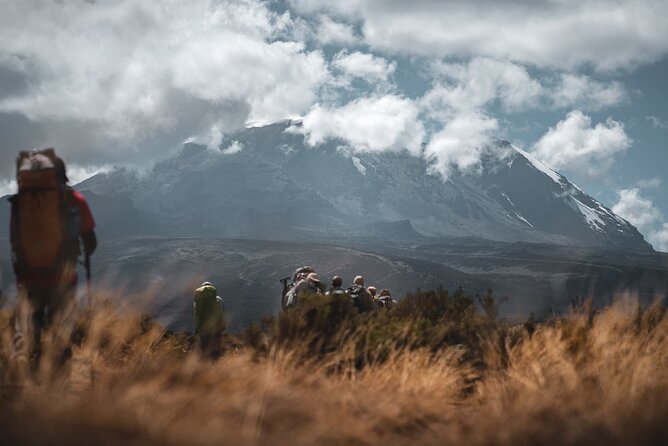
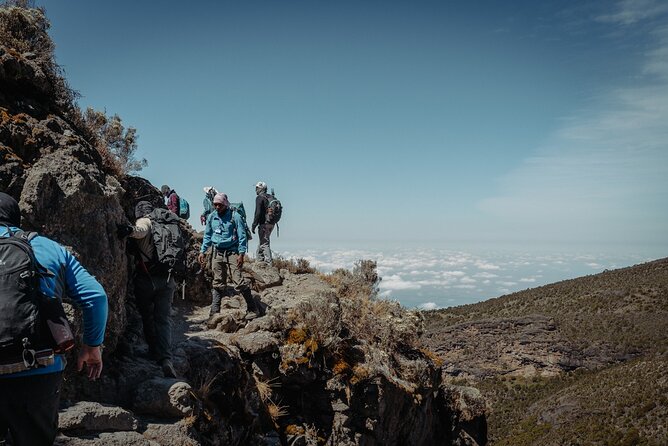
After registration, off-road vehicles carry the group farther uphill, reaching about 3,500 meters. From the drop-off point, you walk toward Shira 2 Camp at 3,900 meters. The route gives you an early view of the Shira Plateau and includes a moderate gain in height.
This day is only about seven hours, but do not treat it as a warm-up stroll. Drink steadily, walk slowly, and tell your guide if you feel unwell. The short drive from Moshi to the trailhead and the high drop-off make this a convenient day, but they also put you at altitude quickly.
Day three: Lava Tower and Barranco Wall
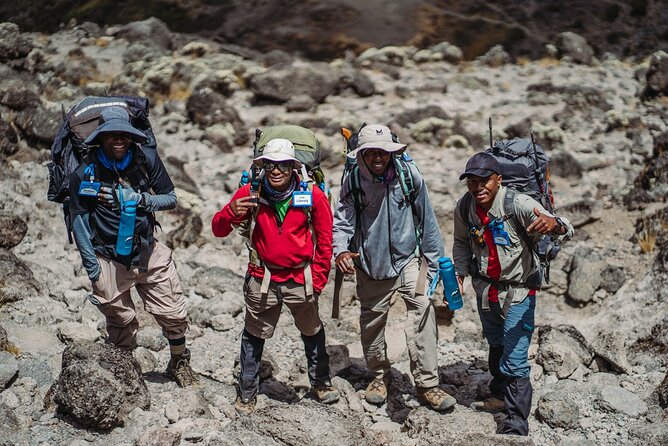
Day three is one of the most useful and scenic sections of the climb. You leave Shira 2 after breakfast and climb through a series of ascents and descents to Lava Tower at 4,630 meters.
This can be an uncomfortable section. The goal is not to rush through it. You spend at least one to two hours at the high point, with lunch served there, before descending to Barranco Camp at 3,960 meters.
That descent is the point. You gain height during the day, spend time high, and then sleep lower. It is tiring, but it gives your body a better chance to adjust than a straight climb and overnight stay at Lava Tower.
Barranco Camp is memorable because of the Barranco Wall, a huge steep rock face that you tackle the next morning. It looks more intimidating than the walking route actually is. The climb takes about an hour and does not require technical climbing, though you will use your hands in places and should follow the guide’s instructions.
This is an eight-hour day, so pace matters. If you are part of a mixed-ability group, the guide may adjust the plan or separate some participants for safety and comfort.
Same corner of the map, a completely different outing:
- Materuni Waterfalls, coffee tour & Kikuletwa Hot Springs
★ 5.0 · 643 reviews - Materuni Waterfalls & Chemka Hotsprings Day Trip
★ 5.0 · 214 reviews - 8-Day Small-group Lemosho Kilimanjaro Summit Trekking
★ 5.0 · 186 reviews - Climbing Kilimanjaro – Machame Route
★ 5.0 · 170 reviews
Day four: Barranco Wall, Karanga, and the acclimatization walk
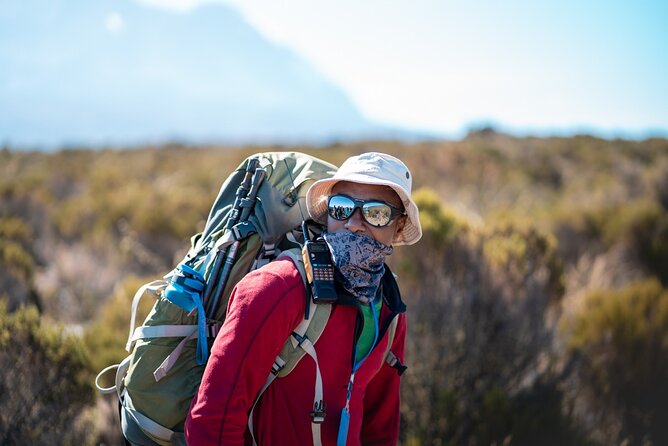
You start early to climb Barranco Wall before the route gets crowded. That is a useful practical tip. The climb is short, and reaching the top gives you time to rest and take photos with Kibo, Kilimanjaro’s main volcanic cone, in view.
After the wall, the route to Karanga Camp at 4,035 meters rises and falls repeatedly. It is not simply a steady uphill walk. Your guides set the pace, and the warm lunch waiting at camp gives you a proper break.
The day does not end when you reach Karanga. After resting, you take an acclimatization walk toward Barafu Camp before returning to camp. This adds work to an already tiring day, but it prepares you for the higher camp and summit night.
I like this structure because the schedule uses short practice efforts instead of saving every bit of energy for the final ascent. The drawback is that you have less free time than you might expect. A six-day route leaves little room for lazy afternoons.
Day five: Barafu Camp and rest before the summit
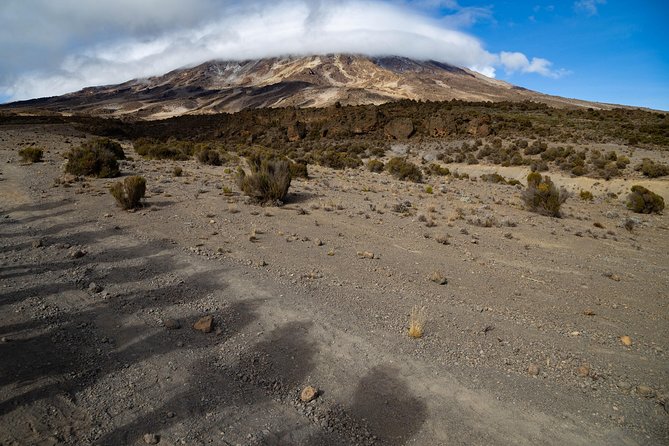
From Karanga, you climb to Barafu Summit Camp at 4,640 meters. Barafu is the launch point for the night ascent, and the crew sets up your tent and sleeping bag before you arrive.
After you settle in, you complete another acclimatization walk toward Kosovo Summit Camp at about 4,800 meters, then return to Barafu for a hot dinner. After that, the best plan is to rest and sleep as much as possible.
This is where the supplied equipment matters. A dining tent, sleeping pads, tables, chairs, crockery, and cutlery mean you are not trying to eat or organize your gear on bare ground. The North Face VE-25 tents are made for mountain use, and two climbers share a tent unless you pay for single arrangements.
The schedule can feel strange because you are expected to sleep before the summit, then wake during the night. You should follow the guides’ instructions and keep your clothing, headlamp, water, and essential items ready before lying down.
Day six: the night climb to Uhuru Peak
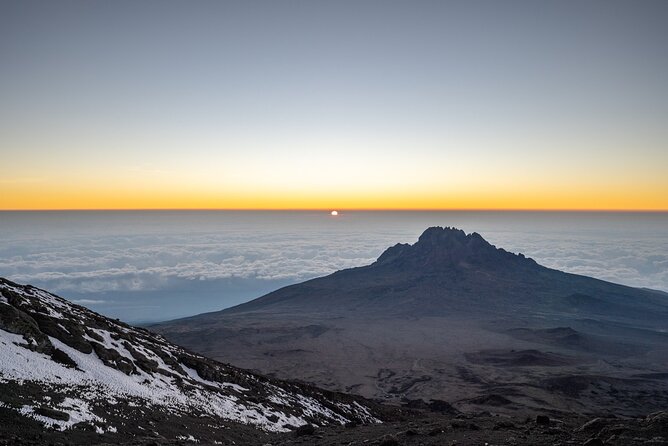
You leave Barafu at night and begin the climb to Uhuru Peak at 5,895 meters. The route is described as technically simple, but the altitude is the main test. Expect a slow pace and close attention to how you feel.
Each pair of climbers receives a personal guide for the ascent. That is one of the strongest features of the program. The guide can watch your physical and mental condition, keep the pace controlled, and help the team make sensible decisions if someone is struggling.
The summit day takes about 12 hours in total. After reaching Uhuru Peak, you can descend to the nearest glacier if you still have the energy and conditions allow it. Then you return to Barafu for roughly two hours of rest before continuing to Millennium Camp at 3,820 meters.
The descent deserves as much care as the climb. Fatigue can make uneven ground dangerous, and the trip instructions specifically warn that many accidents occur on the way down. Protect your feet, watch each step, and do not let the excitement of summiting make you careless.
Day seven: rainforest descent to Mweka Gate
After a night at Millennium Camp, you wake at a much lower elevation than Barafu. The camp sits in the tropical rainforest, and the change in air and vegetation gives you a welcome sense of relief.
You walk about 12 kilometers to Mweka Gate at 1,640 meters, taking roughly four to five hours. The descent is still tiring, but it is much less demanding than summit day.
At the gate, the group gathers to mark the finish. You can write in the guestbook, receive a commemorative certificate, and transfer back to the hotel. This is also when the work of the porters, cooks, camp masters, and guides becomes especially clear. They have moved tents, food, water, and equipment while you walked with a smaller daypack.
Day eight: hotel rest and airport transfer
The final day is set aside for rest and airport transfer. Hotel checkout is at 11:00 AM, and a late checkout can be arranged for an extra fee if your flight leaves in the evening.
The package includes airport pickup and drop-off, along with ground transportation. Airfare is not included, so check your flight timing carefully before booking the climb.
What the $3,034 price really covers
At $3,034 per person, this is a major purchase, but the price includes much more than guiding. You receive the hotel nights, airport transfers, park fees, mountain tents, camp equipment, three meals a day on the mountain, drinks, porters, cooks, camp staff, and certified Wilderness First Responder guides.
Food is a strong practical feature. Breakfast, lunch, and dinner are provided on the mountain, with choices for vegetarian, vegan, lactose-free, gluten-free, halal, and other meal plans. Tea, coffee, juices, and soda are also included.
You still need to budget for a visa, which is listed as $50 for most nationalities and $100 for United States passport holders. You also need travel insurance that covers mountain trekking, flights, personal clothing and boots, a sleeping bag unless hired, hotel lunches and dinners, and tips for the crew.
The value is best for someone who wants a managed climb rather than a stripped-down trek. The porters and kitchen crew handle camp life, and the medical setup reduces the number of things you must solve yourself. If you already own all the gear and prefer a very small operation, the price may feel high. If you want the logistics organized from airport arrival through departure, it is easier to justify.
Safety, food, and the people who make the climb work
Safety is given real space in this program. Guides are certified Wilderness First Responders, medical checks take place during the climb, and the crew carries oxygen tanks, oximeters, and medical kits.
That equipment does not remove the risk of altitude sickness. It gives the guides tools to monitor you and respond, but you still need to report symptoms honestly. A summit attempt is never worth hiding a serious problem.
The human support is another major part of the experience. The trip uses guides, porters, camp masters, and cooks rather than leaving you to manage every task. Past Altezza teams have included guides named Stanford, Balthazar, Phillipo, Ayubo, Frank, Hance, Lema, Israel, Jonas, Othman, Emmanuel, Innocent, Richard, and Agrey. Your assigned crew may be different.
Food and camp service are praised repeatedly in the supplied accounts, including fresh hot meals, special cakes, singing, and celebrations. Those details matter after a cold, tiring day. They do not make the mountain easy, but they can make camp feel orderly and encouraging.
Who should book this Lemosho climb
I would point this trip toward a fit first-time climber who wants strong logistical support and a clear altitude plan. It also suits people who value a private group, since only your group participates, rather than joining a mixed public departure.
It may suit older hikers with solid fitness as well. One supplied account describes a couple in their late sixties completing the route, though that should not be treated as a promise. Fitness, altitude response, preparation, and medical advice still matter.
I would hesitate if you dislike early starts, shared tents, long walking days, or basic mountain camping. You should also think twice if you have not trained for sustained uphill and downhill walking.
Booking includes free cancellation up to 24 hours before the local start time. Changes or cancellations inside that window are not accepted for a refund.
Should you book Altezza’s six-day Lemosho Route?
Book it if you want a professionally managed Kilimanjaro climb with airport support, park fees, meals, camp equipment, medical checks, and personal summit guidance. The route gives you varied scenery and useful high-altitude practice, while the crew takes care of much of the camp work.
Do not book it expecting a relaxed hiking holiday. The high start, long summit day, cold nights, and steep descents demand preparation. For the right person, the $3,034 cost buys structure, safety support, and a much simpler path through a complicated mountain trip.
FAQ
How long is the full Kilimanjaro experience?
The full trip lasts about eight days. The mountain climb itself follows a six-day schedule, with hotel nights and airport transfers before and after the climb.
What time does the experience start?
The stated start time is 9:00 AM. Airport pickup begins the arrival portion of the trip, while hotel check-in starts at 2:00 PM.
Is airport transportation included?
Yes. Pickup and drop-off at Kilimanjaro International Airport are included, along with all ground transportation.
Are Kilimanjaro National Park fees included?
Yes. All fees collected by Kilimanjaro National Park are included in the price.
Are meals included?
Mountain meals are included, with breakfast, lunch, and dinner provided during the climb. Hotel accommodation includes breakfast, but hotel lunches and dinners cost extra.
Can dietary requirements be accommodated?
Yes. Vegetarian, vegan, lactose-free, gluten-free, halal, and other meal plans are available.
Is camping equipment included?
Yes. The package includes North Face VE-25 tents, sleeping pads, a dining tent, tables, chairs, crockery, cutlery, and other group equipment. Personal gear and sleeping bags are not included, though equipment hire is available.
Do I need climbing experience?
The provided information requires moderate physical fitness but does not require previous technical climbing experience. The route is a physically demanding high-altitude trek, especially on summit day.
What safety equipment and medical support are provided?
The crew includes certified Wilderness First Responder guides. Medical checkups, oxygen tanks, oximeters, and medical kits are included.
Are flights, visas, and insurance included?
No. Airfare, visa fees, insurance, personal hiking gear, hotel lunches and dinners, and crew tips are not included. Insurance should cover mountain trekking.
More Six-Day Routes from Kilimanjaro & Moshi
- 6-Day Garden Route & Addo South African Adventure from Cape Town
★ 5.0 · 282 reviews - Tanzania Wildlife Encounters – 6 Days
★ 5.0 · 277 reviews - 6 Days Hypnotic Cairo & Nile Cruise Tour Package
★ 5.0 · 248 reviews - Private 6-Day Tarangire Manyara Crater and Serengeti with Mid-Range Lodges
★ 5.0 · 238 reviews
Just added for Kilimanjaro & Moshi
- Maasai village visit, Materuni waterfalls & coffee experience★ 4.5 · 95 reviews
- Materuni Waterfalls & Coffee Tour from Moshi★ 5.0 · 92 reviews
- Mountain Kilimanjaro Day Hike★ 5.0 · 102 reviews
- Arusha or Moshi : Hot Spring, Waterfall & Coffee Farm Tour★ 4.8 · 80 reviews
- Materuni Waterfall, Coffee Tour and Picnic Hot Lunch★ 5.0 · 128 reviews
- 7-Day Machame Kilimanjaro Summit Tour from Arusha★ 5.0 · 125 reviews
- Materuni Waterfalls & Chemka Hotsprings Day Trip★ 5.0 · 214 reviews
- Materuni waterfalls coffee tour & Chemka hot springs Day trip★ 5.0 · 131 reviews
Hiking & Trekking, compared.
Berber villages : Atlas Mountains Day Hike from Marrakech
Read our review →
3 Days Desert Tour From Marrakech To Merzouga Dunes & Camel Trek
Read our review →
Ourika Valley Trip with Waterfall Hike & Lunch
Read our review →
ourika valley lunch & guided hike to waterfalls
Read our review →
3-Day Tour to Merzouga Erg Chebbi with Food & Camel Trek
Read our review →Browse the lists this tour appears in