
Reviewed · HISTORICAL TOURS
Nairobi Walking tour:Explore History Culture and Traditions
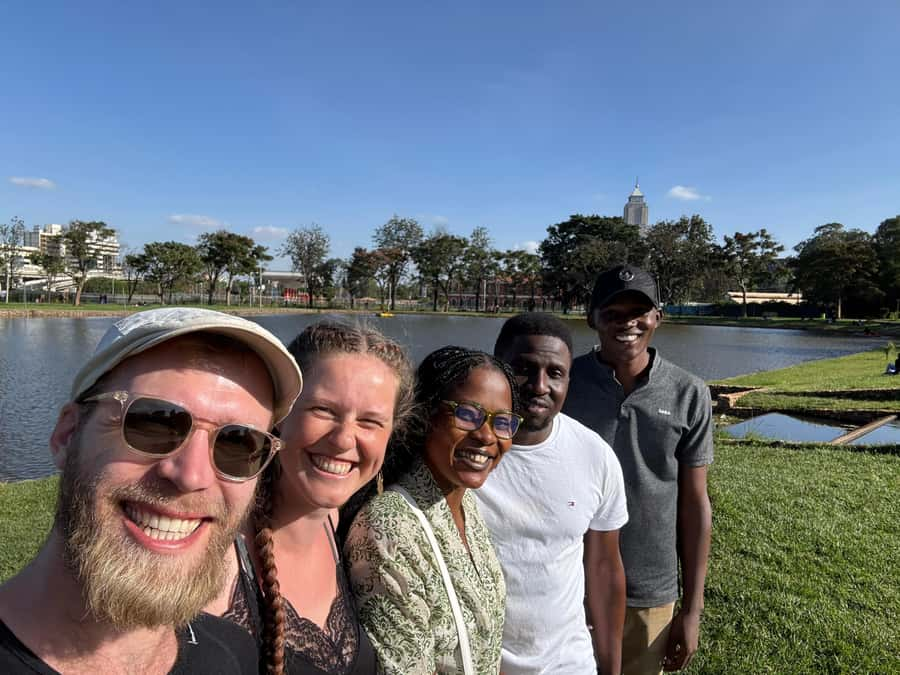
Nairobi’s city center makes the most sense on foot, and this tour gives you a useful route through its old landmarks, working streets, parks, markets, and government quarter. The best part is the local storytelling, especially with guides such as Edwin, John, and Pierre, who explain daily life, politics, culture, and the city’s past as you walk.
I like the mix of major sights and ordinary city life. Uhuru Park gives you a proper break from the pavement, while the coffee stop, City Market, and Maasai Market add local flavor. The $22 price is strong value for three hours, particularly with pickup and several entrance fees included.
The main caution is the pace. You will cover a lot of ground, and Nairobi’s sun, traffic, crowds, and uneven walking surfaces can make the outing tiring. Some evening tours may also find certain buildings closed, and the KICC helipad costs extra.
Key points to know before you book
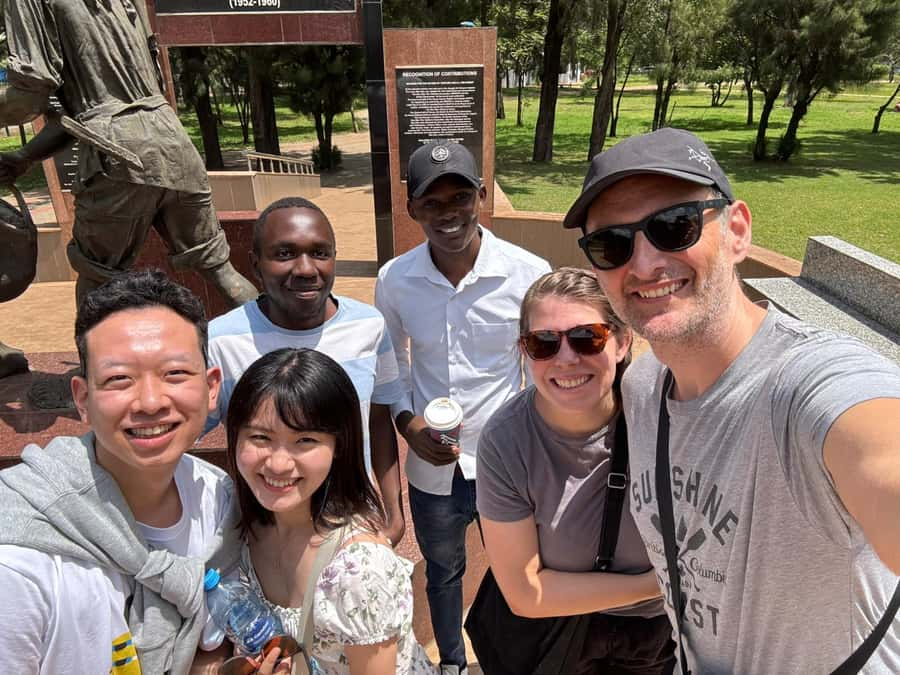
- A practical first look at Nairobi: The route links central sights so you can get your bearings without working out directions alone.
- Guides make the difference: Edwin is often singled out for clear storytelling and humor, while John, Dennis, Sam, and Pierre have also led well-received tours.
- Coffee is optional: A café break is built into the walk, but you pay separately for your drink.
- Uhuru Park is more than a quick photo stop: You have time to sit, rest, and cool down among the greenery.
- KICC views cost extra: The landmark is included, but the helipad fee is not.
- Pickup is convenient but limited: Hotel, hostel, apartment, and airport pickup is available within 10 kilometers of Nairobi Municipality.
Why this walking route works well in Nairobi

Nairobi is a city of contrasts. Modern office towers sit near old libraries, religious buildings, open markets, memorials, and parks. From a car window, you see the broad outline. On foot, you notice the smaller details: the changing architecture, the rhythm of the streets, the way people move between work, worship, shopping, and public spaces.
This tour keeps the route centered on Nairobi’s central business district. You begin at the Carrefour entrance beside the Supreme Court, where the guide gives a safety briefing and sets the tone for the walk. Pickup is available from listed hotels and accommodation, or from another location within the stated 10-kilometer limit if you send it through WhatsApp.
The route is planned for about three hours, though timing can vary. Small groups may move faster, while a relaxed group can take closer to four hours. That flexibility is useful. You can stop for photographs, ask questions, rest in the park, or spend more time at the market.
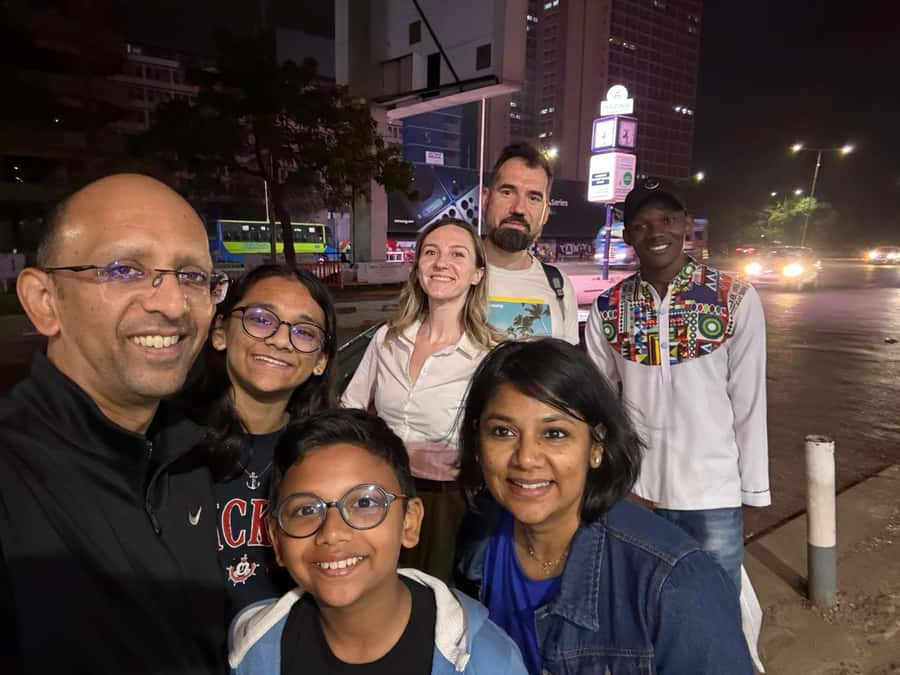
The guides are the strongest part of the experience. Edwin is repeatedly praised for his humor, patience, and ability to explain both historical events and present-day Kenya. John and Dennis have led engaging walks together, while Pierre offers French and even teaches bits of Swahili. Spanish, English, and French are available.
More Historical Tours in Nairobi:
- Nairobi: Historic and Modern Highlights Walking Tour
★ 4.8 · 703 reviews - Hurghada: Luxor Valley of the Kings & Tutankhamun Tomb Trip
★ 4.7 · 13,208 reviews - Luxor Day Trip from Hurghada Small Group & Tutankhamun Tomb
★ 4.8 · 5,366 reviews
Starting beside the Supreme Court
The Supreme Court is a sensible meeting point because it places you right in the center of Nairobi’s civic quarter. After a short safety briefing, you begin on foot rather than being dropped at a landmark and left to find your own way around.
That first briefing matters. Nairobi’s downtown is busy, and walking with a local guide helps you pay attention to the route instead of constantly checking your phone. You still need normal city awareness, but the organized walk gives the outing structure and helps you feel more at ease.
The early section includes war monuments and the McMillan Memorial Library. These stops provide a useful introduction to Nairobi’s public memory and colonial-era architecture. The library is one of the more distinctive buildings on the route, and the entrance fee is included.
There is also a monastery stop in the planned sequence. The exact time spent at each place can vary, but the route is designed to keep moving rather than turn into a long indoor museum visit. If you want detailed architectural study at every stop, three hours may feel short.
Jamia Mosque, City Market, and McMillan Library

Jamia Mosque brings a different side of central Nairobi into the walk. The guide explains the site and its place in the city, giving you a chance to see how religious, commercial, and civic life sit close together downtown.
Dress and behave respectfully when visiting religious spaces. The supplied information confirms a visit, but it does not promise a full interior tour at every departure time. Your guide can explain what is possible on the day.
City Market shifts the mood from monuments to everyday commerce. You pass through an active shopping area where produce, crafts, and local goods create a more immediate sense of city life. The market is also useful if you want to buy a small souvenir, although you should keep personal spending separate from the tour price.
The Maasai Market later in the route is the better stop for browsing local crafts. Guides can help you understand what you are looking at and, according to the experience details, assist with getting fairer prices. That help is valuable if you are not used to negotiating in Kenyan markets, though you should still buy only what you genuinely want.
Jevanjee Garden and the Kenyan coffee break
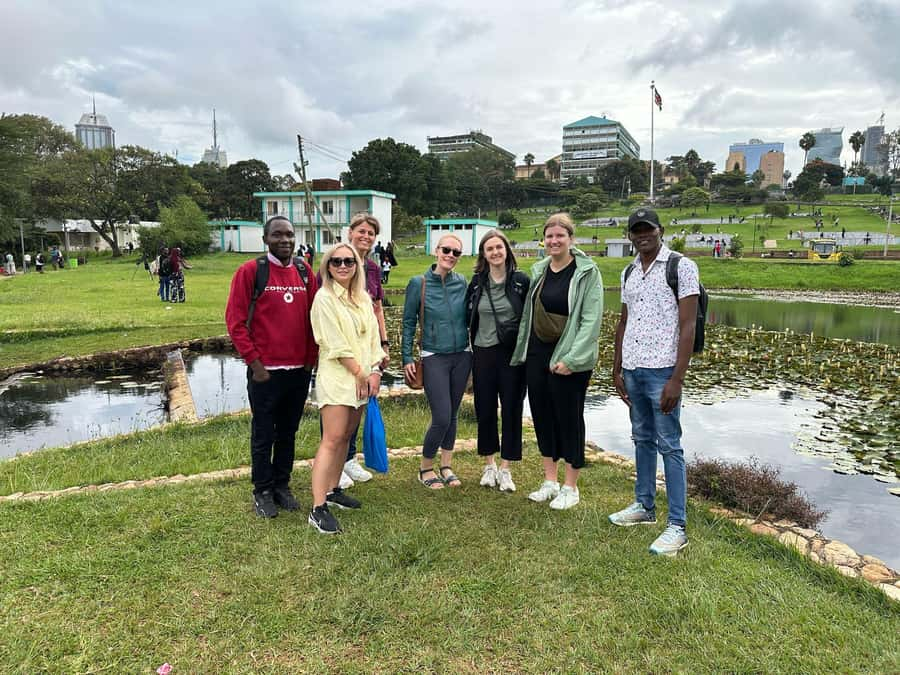
Jevanjee Garden adds a pocket of open space to the downtown route. It helps break up the run of buildings and roads, and it gives the guide room to talk about Nairobi as a lived-in city rather than a list of monuments.
The café break is one of the small touches that improves the experience. You can stop for a washroom break and try Kenyan coffee, with the drink optional and paid separately. This is not a full meal stop, so eat beforehand if you need more than a snack.
I would treat the coffee pause as useful rather than as a major tasting experience. Its real value is practical: you get a seat, a bathroom, a drink if you want one, and a chance to ask the guide about places you have just seen.
The stop also makes the three-hour schedule more manageable. Nairobi can be sunny and warm, and a short pause helps you keep your attention for the second half.
More Walking Tours in Nairobi:
- Nairobi Downtown Walking Tour
★ 4.7 · 208 reviews - Marrakech: Ben Youssef, Secret Garden, & Souks Walking Tour
★ 4.6 · 2,802 reviews - Marrakech: Colorful Medina Souks Guided Walking Tour
★ 4.7 · 2,470 reviews - Explore Fes: Unforgettable Guided Walking Tour of the Medina
★ 4.7 · 1,339 reviews
University of Nairobi and the Norfolk Hotel

The route continues toward the University of Nairobi, where you get a glimpse of one of the city’s major academic institutions. The university stop helps connect Nairobi’s civic center with its student and intellectual life.
You also see the Norfolk Hotel. It is one of the city’s notable historic hotels, and its location gives the guide another opening to discuss Nairobi’s development, architecture, and changing identity.
This portion is mainly about context and outside views, not a long indoor visit. The appeal comes from seeing how institutions, hotels, offices, and public spaces fit together in the city center. If you prefer nonstop attractions with formal exhibits, this may feel slower. I like it because it gives the route a wider frame.
The guides also make this section more useful by answering questions about Kenya today. Past participants have discussed politics, sport, geography, food, culture, and ordinary life with Edwin and other guides. That conversational approach is a good reason to come with questions of your own.
Resting in Uhuru Park

Uhuru Park is the route’s best chance to slow down. Its greenery gives you a clear break from the hard surfaces and traffic of downtown, and the tour includes entrance to the park.
You may walk through the park, take photographs, or sit on the grass for a while. The timing is not rigid, so the guide can adjust the pace if the group needs shade and rest. This matters more than it sounds. A walking tour that keeps pushing through the heat can turn into a chore, while a short pause keeps the afternoon pleasant.
The park is also a useful place to talk about Nairobi’s public spaces and city life. You are not simply ticking off another attraction. You are seeing where people come to relax close to the center of work and government.
Bring water, a hat, and sunscreen. Comfortable walking shoes are essential, and you should be ready for changing weather. Photography is allowed.
Holy Family Basilica and the government quarter
The Cathedral Basilica of the Holy Family adds an important religious landmark to the route. Like Jamia Mosque, it shows the range of faith communities represented in central Nairobi and gives the walk a more human scale.
The tour then moves toward the government buildings and the Kenya International Convention Centre. The contrast is clear: places of worship and public parks give way to formal civic buildings and modern urban views.
The KICC is one of Nairobi’s defining landmarks. The stop includes time for photographs and scenic views, with the option of going higher to the helipad for a wider panorama. The helipad fee is not included, so check the cost before deciding.
The view is one of the strongest reasons to pay the extra charge if visibility is good. You get a better sense of Nairobi’s size and layout from above, and it makes the earlier walking route easier to understand. On a cloudy day, or if you are watching every shilling, the regular KICC stop still gives you a worthwhile landmark and photo opportunity.
Railway Museum and Bomb Blast Memorial Park

The Kenya Railway Museum gives the itinerary a final historical layer. Railways played a major role in Nairobi’s growth, so the museum helps explain why the city developed where it did and how transport shaped its early years.
The supplied schedule lists the museum as a visit or pass-by, so the amount of indoor time can depend on the day’s pace and opening conditions. If the museum is a priority, confirm how much time your departure includes.
The final visit to Bomb Blast Memorial Park is quieter and more reflective. This is not a light sightseeing stop, and it deserves respectful behavior. The memorial offers space to remember those affected by the bombing and to consider the difficult events that have shaped Kenya’s recent past.
Ending at a memorial rather than another shopping stop gives the walk some balance. Nairobi is not presented only as a place of food, crafts, parks, and viewpoints. You also confront the city’s painful memories.
What the $22 price really covers
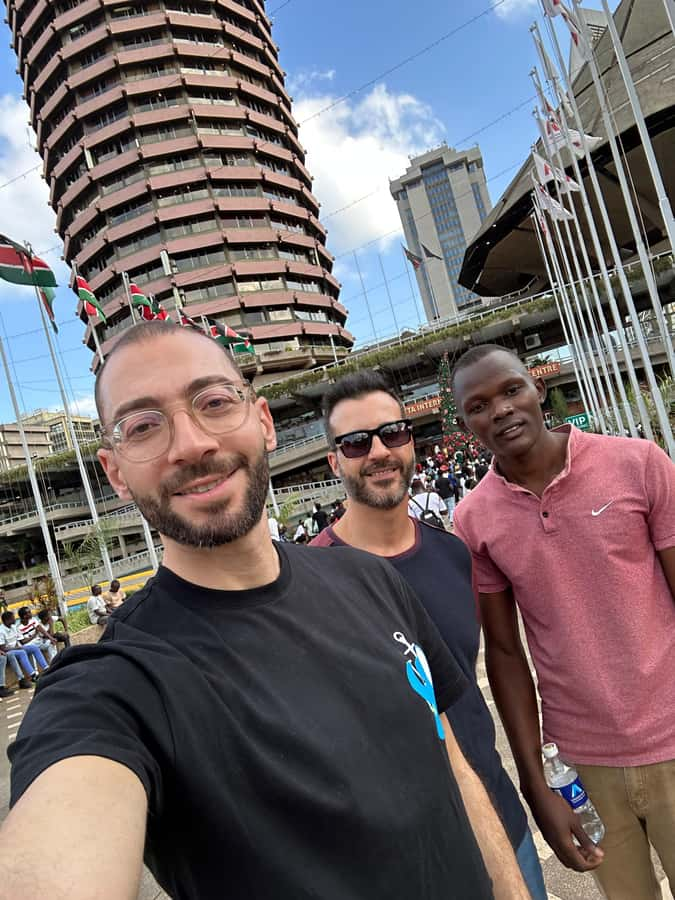
At $22 per person, this is a good-value city orientation. You receive a live guide, pickup to the starting point within the stated area, access to McMillan Memorial Library and Uhuru Park, and a route that includes many of central Nairobi’s main sights.
The price becomes even better if you are arriving in Nairobi for the first time. A guide saves you the time and uncertainty of planning a central walking route yourself, and the conversation adds value that a self-guided map cannot provide.
You still need to budget for coffee, meals, personal purchases, and the KICC helipad. The Maasai Market can also tempt you to spend more than planned. Bring some flexibility if crafts and souvenirs are part of your plans.
This is not a private luxury tour by default. Group size and guide assignment can vary, though some departures may feel nearly private when few people book. Small groups can move at a relaxed pace, while a larger group may take longer at crossings and stops.
Who should book this Nairobi walking tour
I would choose this tour for a first day in Nairobi, a short city break, or a stopover when you want a fast but meaningful introduction to central Nairobi. It is especially useful if you are unsure about walking downtown alone and want local help with directions, context, and market shopping.
It suits curious visitors who enjoy asking questions. Guides discuss far more than dates and buildings, including Kenyan culture, politics, sport, food, architecture, and daily routines.
It is less suited to anyone who dislikes walking, sun, city noise, or flexible timing. The route covers a lot, and the three-hour estimate is not a promise that every stop will receive equal attention. It may also be a poor match if your main goal is a long museum visit or a formal architectural tour.
The experience is wheelchair accessible, but you should still ask about the day’s exact route and surfaces if mobility is a major concern. The tour includes outdoor walking and several public areas, so conditions can change.
Booking, timing, and useful preparation
You can cancel up to 24 hours before the activity for a full refund, and reserve now while paying later. Starting times vary, so check availability when booking.
Pickup is available from the listed hotels, hostels, apartments, and Jomo Kenyatta International Airport, as well as locations within 10 kilometers of Nairobi Municipality. If your accommodation is not listed, send the location by WhatsApp rather than assuming pickup is available.
Morning and afternoon departures offer the best chance of seeing places open. Evening walks can still be enjoyable, and one departure covered the main route in a little over two hours, but some buildings and markets may be closed later in the day.
Wear shoes you can walk in for several hours. Carry water, sunscreen, and a hat. Keep valuables secure, follow the guide’s safety advice, and ask before photographing people at close range.
Should you book it?
Book this tour if you want a well-priced introduction to Nairobi with real local conversation, not just a string of photo stops. The route covers an impressive amount in three hours, and guides such as Edwin, John, Dennis, Sam, and Pierre bring humor, patience, and useful insight.
Skip it if you want a slow, specialist visit to one museum or landmark. For most first-time visitors, though, the combination of Uhuru Park, markets, religious sites, civic buildings, KICC, coffee, and memorials gives you a balanced first look at the city.
FAQ
How long does the Nairobi walking tour last?
The advertised duration is three hours. Timing can vary with group size, pace, photo stops, and the amount of time spent at markets or other sites.
Where does the tour start?
The main meeting point is the Carrefour entrance beside the Supreme Court building in Nairobi.
Is hotel pickup included?
Yes. Pickup is available from the entrance of hotels, apartments, and hostels within 10 kilometers of Nairobi Municipality. If your location is not listed, you can send it by WhatsApp.
Which languages are available?
The tour is available in English, Spanish, and French.
Is coffee included in the price?
No. The café stop is included, but coffee and other drinks are optional and paid for separately.
Is the KICC helipad included?
The KICC visit is included, but the helipad fee is not included in the tour price.
What should I wear and bring?
Wear comfortable walking shoes and bring water, a hat, and sunscreen. You should also be ready for changing weather conditions.
Can I cancel the booking?
Yes. You can cancel up to 24 hours in advance for a full refund. A reserve-now, pay-later option is also available.
Just added for Nairobi
- Nairobi: National Park, Elephant Orphanage & Giraffe Center★ 4.5 · 113 reviews
- Nairobi: National Park, Elephant Orphanage & Giraffe Center★ 4.6 · 81 reviews
- Nairobi Downtown Walking Tour★ 4.7 · 208 reviews
- Nairobi: Elephant Sanctuary and Giraffe Center Day Tour★ 4.8 · 148 reviews
- Nairobi: Kibera Slum Tour with Local Social Entrepreneurs★ 5.0 · 107 reviews
- Kevins Kibera Slum Tours★ 5.0 · 213 reviews
- Nairobi: Kibera Slum storytelling tour with a Local★ 5.0 · 185 reviews
- Nairobi National Park Full or Half-Day Tour with Guide★ 4.7 · 217 reviews
Historical Tours, compared.
Luxor Valley of the Kings & Tutankhamun Tomb Trip
Read our review →
Luxor Day Trip from Hurghada Small Group & Tutankhamun Tomb
Read our review →
Bahia Palace, Saadian Tombs, Souk and Medina Tour
Read our review →
Hassan II Mosque Premium Tour with Entry Ticket
Read our review →

Bahia Palace, Saadian Tombs, & Koutoubia Mosque
Read our review →
Casablanca City Tour with Hassan II mosque ticket
Read our review →Browse the lists this tour appears in