
Reviewed · WILDLIFE SAFARIS
8 Days Great Wildebeest Calving Migration Safari from Arusha
Thousands of wildebeest gather in southern Serengeti during the calving season, usually from December through April, with the busiest calving period lasting about three weeks around February. That makes this eight-day Tanzania safari especially appealing if you want to see newborn animals, zebras, and predators sharing the same patch of short grass.
I like the route’s variety: you get elephants and baobabs in Tarangire, a compact wildlife circuit at Lake Manyara, the open plains of Ndutu and Serengeti, and a final wildlife-rich day in Ngorongoro Crater. I also like the practical setup, with meals, park fees, private transport, bottled water, accommodations, and airport transfers included.
The main drawback is the pace. You cover several major parks in seven nights, so some days involve long drives and early starts. The calving spectacle is seasonal rather than guaranteed on every game drive, and the itinerary is best for people comfortable with a moderate level of physical activity.
Key points to know before booking
- Calving season brings young wildebeest and predators: The strongest chance for this spectacle is generally from December to April, with peak calving around February.
- The route covers five major wildlife areas: Tarangire, Lake Manyara, Ndutu, central Serengeti, and Ngorongoro Crater each offer a different type of safari.
- A maximum of seven people keeps the vehicle manageable: You share a private safari vehicle, though the exact seating arrangement should be confirmed when booking.
- Guides are central to the experience: William, Albert, Calvin Kileo, George Mathias, Ombeny, Michael Sangiwa, and others receive praise for animal spotting, driving, and natural history explanations.
- Luxury means comfort in remote places, not city-hotel polish: The trip uses luxury tented camps and lodges, with meals included throughout the main safari days.
- The $2,999.62 price covers most major costs: Food, lodging, park entry, transport, bottled water, guiding, and airport transfers are included, while alcoholic drinks cost extra.
Why the Ndutu calving season is the heart of this safari
The central reason to choose this trip is its timing. During the calving season, the southern Serengeti and Ndutu area can fill with wildebeest and zebra. The young animals draw lions and other predators, creating some of the most dramatic viewing of the year.
This is not simply a trip to tick off the Big Five. It is a chance to watch a large natural cycle unfold. You might see newborn wildebeest taking their first uncertain steps, herds moving across the short grass, or predators waiting near the nursery areas.
The timing still matters. The itinerary notes that the main calving period lasts about three weeks, especially around February. December, January, March, and April can still offer strong wildlife viewing, but conditions may vary by rainfall and animal movement.
I would book this safari for the seasonal event rather than for a guarantee of a particular animal. Wildlife is not arranged for visitors, and no responsible operator can promise a cheetah, leopard, or hunt on a certain day. The route gives you repeated opportunities, which is far more useful than a single rushed game drive.
More Multi-Day Tours in Tanzania
- 10-Day Serengeti Wildebeest Migration Safari from Arusha
★ 5.0 · 218 reviews - 8 Day Spectacular Migration Serengeti mid -Range Tanzania Safari
★ 5.0 · 161 reviews - Multi-Day Tanzania Odssey Safari from Arusha
★ 5.0 · 120 reviews
Day 1: Airport pickup and a soft landing in Arusha
Your safari begins with pickup from Kilimanjaro Airport and transfer to Mount Meru Hotel in Arusha. The published meeting point is in Arusha, with an 8:30 am start time listed for the activity, so confirm your arrival details carefully with the operator before you fly.
This first night is useful because it removes the need to begin a long park drive immediately after an international flight. You can collect yourself, adjust to the climate, and prepare for several days on rougher roads.
The airport transfer is included, along with the final drop-off at Arusha or the airport on Day 8. That saves you from arranging separate transport at both ends, a small detail that matters after a long flight or before a departure.
Day 2: Tarangire’s elephants, baobabs, and permanent river
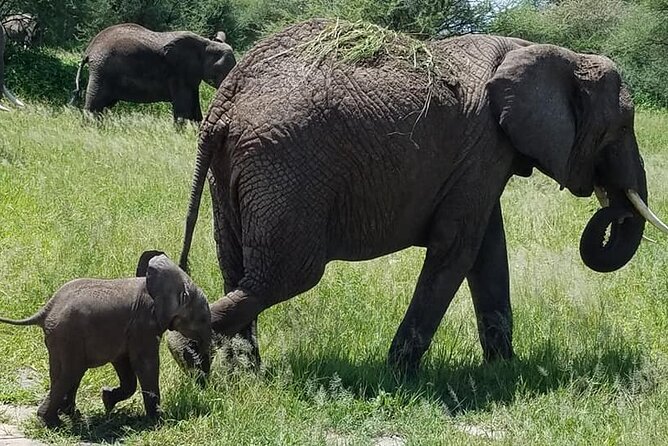
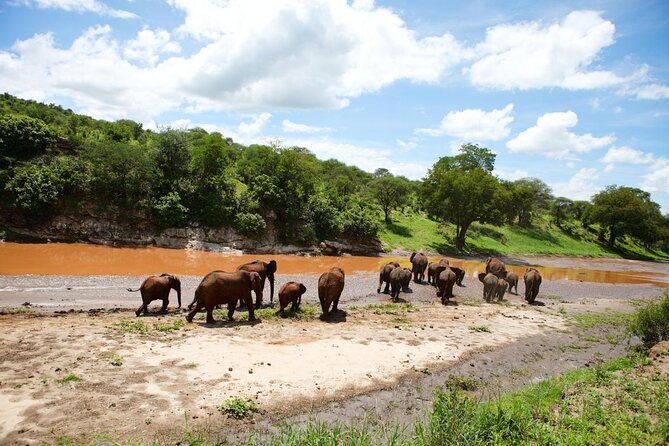
The first full safari day heads to Tarangire National Park. The park is known for large elephant herds, baobab trees, and a river that flows throughout the year. Those features give Tarangire a clear identity, rather than making it feel like a warm-up for the Serengeti.
The permanent water source helps explain the concentration of animals, while the baobabs add a striking visual element to the drive. You may also look for tree-climbing lions, an unusual sight that the itinerary specifically highlights.
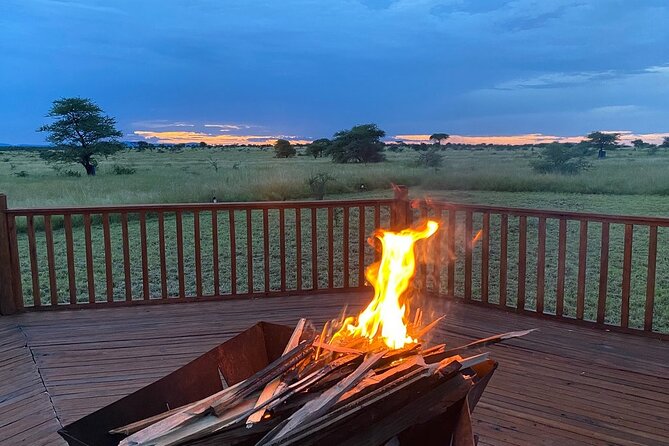
You spend the night in a luxury tented camp. This is a good introduction to safari accommodation because you get the atmosphere of sleeping close to the bush while retaining the comfort expected from an organized luxury trip.
Your private vehicle and driver-guide are included. That matters here because the quality of a safari depends heavily on how well the guide reads animal behavior, uses time, and positions the vehicle without rushing the scene.
Day 3: Lake Manyara, a compact park with changing scenery
Lake Manyara National Park offers a different kind of day. The park is described as one of Tanzania’s most diverse reserves, with a compact game-viewing circuit around the lake.
The shorter circuit can be an advantage after the long distances that come later. You spend less time simply crossing open country and more time moving through a concentrated area where you might find a mix of wildlife and birdlife. The lake also changes the feel of the day, bringing water, woodland, and open areas into a relatively small route.
You stay in a luxury lodge that night. The change from tented camp to lodge gives the accommodation side of the trip some variety.
A practical point: Lake Manyara is one of the shorter stops on this itinerary, while Serengeti and Ndutu receive more time. That is sensible for a migration-focused journey, but it means you should not expect the same number of game-drive hours at every park.
More Wildlife Safaris in Tanzania
- Serengeti Balloon Safari and authentic bush breakfast
★ 5.0 · 2,480 reviews - Balloon Safari & Bush Breakfast in Serengeti – Miracle Experience
★ 5.0 · 1,646 reviews - 4 Days Group Camping Safari
★ 5.0 · 1,101 reviews - 5 Days Group Camping Safari
★ 5.0 · 730 reviews
Day 4: Moving into the Ndutu area
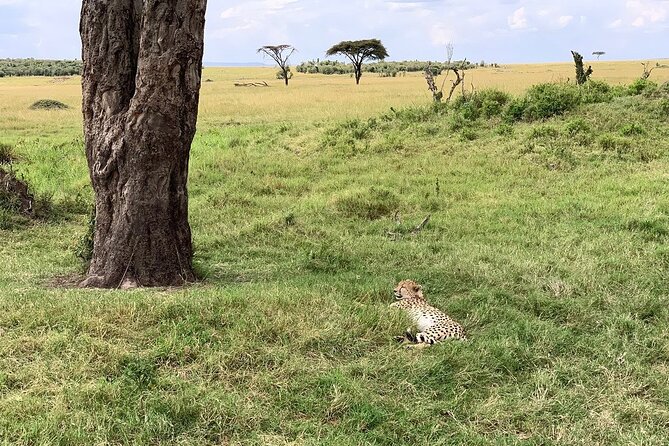
After breakfast, you head toward Ndutu in the Ngorongoro Conservation Area. Ndutu forms part of the southern Serengeti ecosystem, so the route is not just a transfer between unrelated parks. You are moving into the area most closely tied to the calving season.
Lake Ndutu is alkaline, like many Rift Valley lakes, yet its water supports a wide range of wildlife. The surrounding mix of soda lake, wetland, woodland, and grassland creates useful habitat changes within the same general area.
This is one of the days when patience pays off. Driving into the southern Serengeti can take time, and the reward is being in the right region for the seasonal movement rather than spending the entire safari in the more frequently visited central areas.
You sleep in another luxury tented camp. The word luxury should be understood in safari terms. You are getting organized accommodation and included meals in a remote setting, not the same facilities or urban convenience as a hotel in Arusha.
Day 5: Full-day game drive around Ndutu
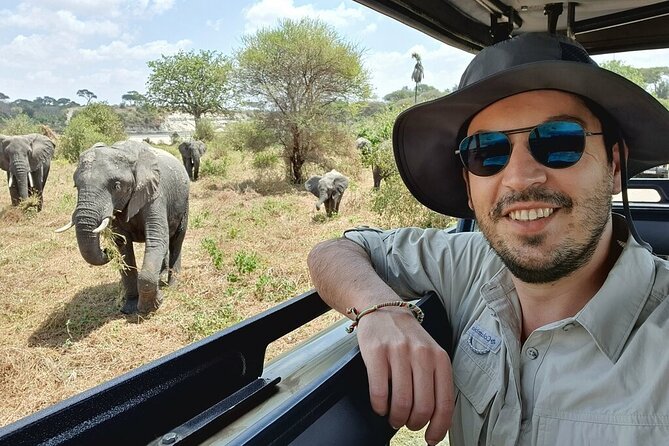
Day 5 is the most important day for the calving theme. You spend a full day exploring the Ndutu area, including swamps, woodland, soda lakes, and the famous short grass plains.
The variety of habitats gives your guide several ways to plan the day. If a particular area is quiet, the vehicle can work another habitat rather than remaining tied to one viewpoint. That flexibility is valuable when animal movements change from morning to afternoon.
The calving season may bring large herds of wildebeest and zebra, along with predators drawn to the young animals. You should expect plenty of waiting, scanning, and repositioning. The best moments may last only a few minutes, so a guide with sharp eyesight and good knowledge of the area makes a real difference.
Several guides associated with this operator receive especially strong praise for spotting ability. William is singled out for finding animals, including a black rhino, while Albert is praised for noticing wildlife before people could find it with binoculars. George Mathias is described as passionate about locating animals, and Ombeny receives praise for handling difficult roads while keeping the mood light.
Those names do not mean you can request a particular guide automatically, but they give you a useful point of reference. If guide choice matters to you, ask about it before booking.
Day 6: Central Serengeti and the migration routes
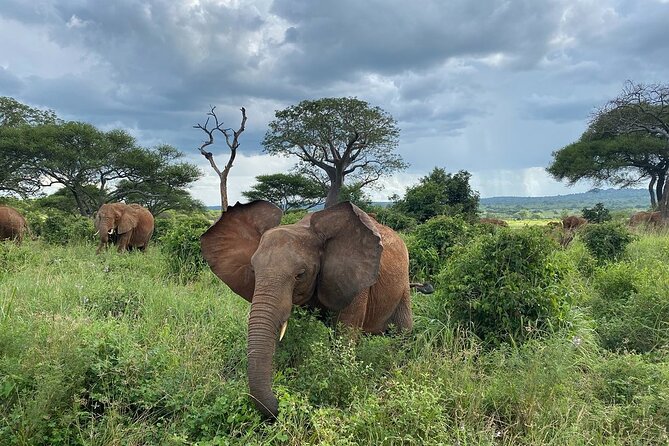
The sixth day continues with a full-day game drive in central Serengeti National Park. Here, the focus shifts from one calving area to the wider migration routes and the animals that use them.
Central Serengeti is a sensible part of the route because it adds another major wildlife zone instead of concentrating the entire trip in the south. You may see different groups of animals and gain a broader feel for how the ecosystem connects.
The guide’s role becomes particularly important on a full day like this. You will want explanations of the migration, animal behavior, plants, and the surrounding environment, not only quick identifications. Several guides praised on this trip, including Calvin Kileo, Michael Sangiwa, Rahim, and Innocent Mafuru, are noted for answering questions, explaining the natural world, and working well with families.
The accommodation is again a luxury tented camp. By this point, you will appreciate having meals and camp arrangements handled for you, since there is little value in spending safari time organizing basic logistics.
Day 7: Descending into Ngorongoro Crater
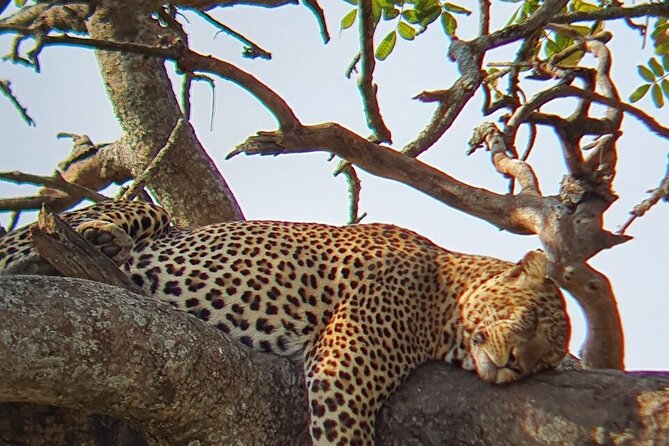
The route then turns toward the Ngorongoro Conservation Area. The day’s main event is a descent of about 600 meters into Ngorongoro Crater for wildlife viewing.
The crater gives you a concentrated final wildlife day. Instead of following a seasonal herd across a broad region, you explore a contained setting where a range of animals can be found. That contrast makes Ngorongoro a strong closing stop after the open spaces of Serengeti.
You stay at a luxury lodge that night. The itinerary does not specify the lodge, so ask for the exact property, room setup, and meal arrangements before paying if those details are important to you.
The drive into and out of the crater also adds time and road movement. Still, this stop is worth keeping if you want a classic northern Tanzania route that combines migration areas with Ngorongoro.
Day 8: Mto wa Mbu culture before the journey ends
The last day begins with a drive to Mto wa Mbu for a morning cultural tour and walking safari. This is a welcome change after several days focused on wildlife from a vehicle.
You also receive a local lunch and time to take in the surrounding views. The information provided does not specify the exact cultural activities or walking route, so ask what the visit includes if you have a particular interest in crafts, food, farming, or village life.
In the afternoon, the group returns to Arusha or continues to the airport for the flight home. Because departure times are not given, leave enough space between the safari end and your flight. Confirm the drop-off plan in advance, especially if you are connecting to another destination.
What the $2,999.62 price really covers
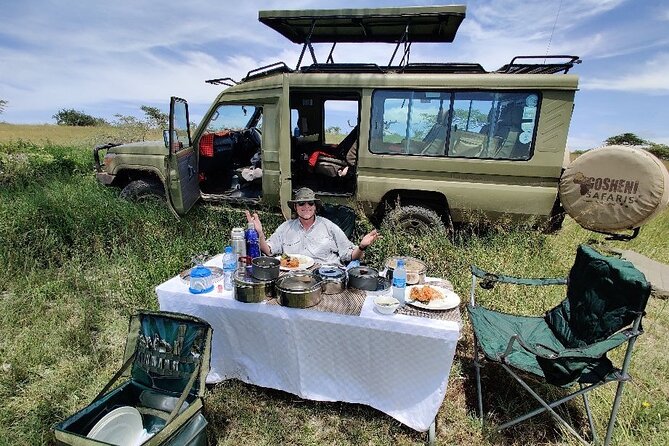
At $2,999.62 per person, this is a major holiday expense, but the price includes many of the costs that can quickly build up on a northern Tanzania safari. You receive seven nights of accommodation, meals as marked in the schedule, park entrance fees, private-vehicle transport, bottled water, a driver-guide, and airport pickup and drop-off.
That bundled structure makes the price easier to assess. You are not adding a new park fee every morning or arranging separate transfers between each camp. The private vehicle also gives you a more personal setup than a large coach tour, with a maximum group size of seven.
Alcoholic drinks are not included and can be purchased separately. The itinerary also does not list flights, travel insurance, visas, personal purchases, or tips, so budget for those outside the advertised price.
Published information gives the experience a 5 out of 5 rating from 254 ratings, with 100 percent recommending it. The most consistent praise centers on guides, vehicle comfort, wildlife spotting, organization, and the quality of the accommodation. I would treat that as a strong sign of dependable service, while still asking clear questions about the exact camps and vehicle before booking.
Who will enjoy this route most
This safari suits you if the wildebeest calving season is your main goal and you want more than one park. Families can benefit from the included transport and meals, and the trip has received praise for guides who were patient and attentive with young children.
It also works well for first-time safari visitors who want a ready-made route. You do not need to arrange each transfer, meal, or park entry yourself.
The pace may be tiring for anyone who prefers slow travel. There are several changes of area, long drives, and full game-drive days. You should have a moderate fitness level, and children must be accompanied by an adult.
The group limit of seven is useful, but ask whether the booking is fully private for your party or shared with other people. The supplied information describes transport by private vehicle and a maximum of seven participants, so the exact arrangement deserves confirmation.
Small practical details that matter
Bring clothing that can handle dust, sun, and cooler mornings, but pack light enough for moving between camps. Binoculars are useful, though the guide and vehicle are equipped for game viewing.
Tell the operator about dietary requirements when booking. Meals are included as breakfast, lunch, and dinner on the listed safari days, but the plan should be adjusted in advance for allergies or other food needs.
The tour uses a mobile ticket, and booking confirmation is expected within 48 hours, subject to availability. Free cancellation is available up to 24 hours before the local start time. Cancellations or changes inside that window are not refunded or accepted.
Poor weather or failure to reach the minimum number of participants can lead to cancellation by the operator. In those cases, you are offered another date or experience, or a full refund.
Should you book this calving-season safari?
I would book it if you want a well-supported route through Tanzania’s northern parks and care most about seeing the migration during the calving months. The combination of Ndutu, central Serengeti, and Ngorongoro gives you both seasonal drama and classic wildlife viewing.
I would hesitate if you want a slow, single-region safari with little time in the vehicle. This eight-day plan covers a lot of ground, and the calving spectacle depends on nature’s timing.
For most first-time visitors, the included park fees, accommodation, food, transfers, and guide make the $2,999.62 cost reasonable for the amount of planning handled in advance. Before paying, confirm your guide assignment, the exact camps, the private-vehicle arrangement, and the airport drop-off time. If those details suit you, this is a strong way to see Tanzania at one of its most dramatic times of year.
FAQ
When does the wildebeest calving season take place?
The safari is timed for the calving season from December through April. The main calving period is generally around February and lasts about three weeks.
Which parks and wildlife areas does the tour visit?
The route includes Tarangire National Park, Lake Manyara National Park, the Ndutu area, central Serengeti National Park, Ngorongoro Crater, and Mto wa Mbu.
Is airport transportation included?
Yes. Pickup from Kilimanjaro Airport and drop-off at Arusha or the airport are included.
What meals are included?
Meals are listed as breakfast, lunch, and dinner on the main safari days. Day 8 includes breakfast and lunch. You should provide dietary requirements when booking.
How many people can join the tour?
The activity has a maximum of seven travelers. The information also describes transport by private vehicle, so confirm whether your booking is exclusive to your party.
What happens if I need to cancel?
You can cancel up to 24 hours before the local start time for a full refund. Cancellations or changes made less than 24 hours before the start are not refunded or accepted.
More Multi-Day Tours in Serengeti & Ngorongoro
- 9-Day Serengeti Migration Footsteps Tanzania Safari
★ 5.0 · 96 reviews - From Cairo: 8-Day Tour of Cairo, Luxor and Aswan with Cruise
★ 4.2 · 204 reviews - Private 9-Day Tour package to Cairo, Alexandria, Luxor, and Aswan by flight
★ 5.0 · 193 reviews - Kilimanjaro Climbing Lemosho Route 8 Days.
★ 5.0 · 186 reviews
More Wildlife Safaris in Serengeti & Ngorongoro
- 3 Days Serengeti & Ngorongoro Group Camping Safari
★ 5.0 · 574 reviews - 7-Day Premium Luxury Tanzania Safari All-Inclusive
★ 5.0 · 426 reviews - 5-Day Highlights mid-Range Crater, Serengeti, Tarangire
★ 5.0 · 296 reviews - Safari Serengeti And Ngorongoro
★ 5.0 · 288 reviews
Just added for Serengeti & Ngorongoro
- Tanzania Enticing Explorations – 6 Days★ 5.0 · 106 reviews
- Tanzania Simba Safari – 5 Days★ 5.0 · 217 reviews
- 3 Days Private Safari – manyara, Ngorongoro & Tarangire★ 5.0 · 94 reviews
- Living Among Lions★ 5.0 · 191 reviews
- Tarangire Day Tour★ 5.0 · 95 reviews
- Arusha Guided Walking City Tour, Culture, Lifestyle & History★ 5.0 · 150 reviews
- Safari Excelente y Safari lujos Tanzania★ 5.0 · 103 reviews
- 9-Day Serengeti Migration Footsteps Tanzania Safari★ 5.0 · 96 reviews
Wildlife Safaris, compared.
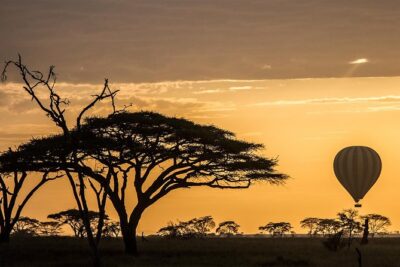
Serengeti Balloon Safari and authentic bush breakfast
Read our review →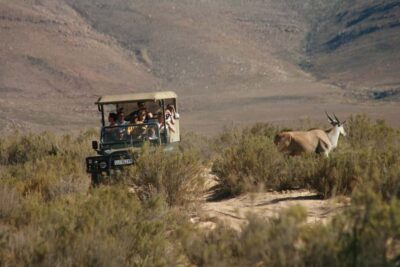
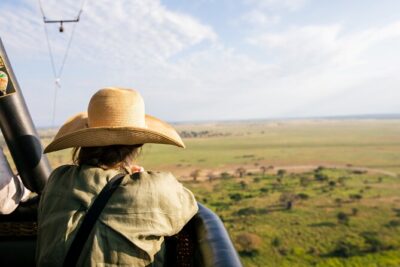
Balloon Safari & Bush Breakfast in Serengeti – Miracle Experience
Read our review →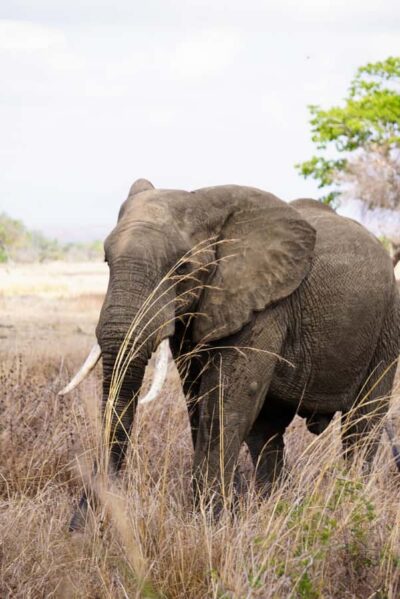
From Zanzibar: Mikumi Safari Day Trip with Flights and Meal
Read our review →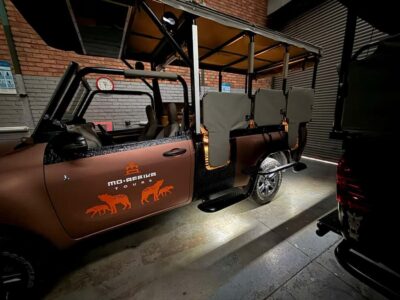
From Zanzibar: Day Selous Game Reserve Safari with Flights
Read our review →Browse the lists this tour appears in