
Reviewed · HISTORICAL TOURS
Nairobi: Historic and Modern Highlights Walking Tour
Nairobi’s city center makes more sense when someone local connects the colonial-era buildings, modern towers, market stalls, and daily business happening around you. This three-hour walk takes you from Jeevanjee Gardens and City Market to the Supreme Court, Parliament area, and the KICC rooftop, where the city opens up below.
I like the fresh fruit salad at City Market and the way guides such as Jacqueline, Simon, Jeff, Sharon, and Dennis explain ordinary Nairobi life, not just dates and monuments. I also like the practical help with souvenirs, fixed-price shops, shoe cleaning, street photography, and basic Swahili. The main consideration is that this is a real walking tour through a busy downtown area, and the KICC entry fee is not included.
Key points at a glance
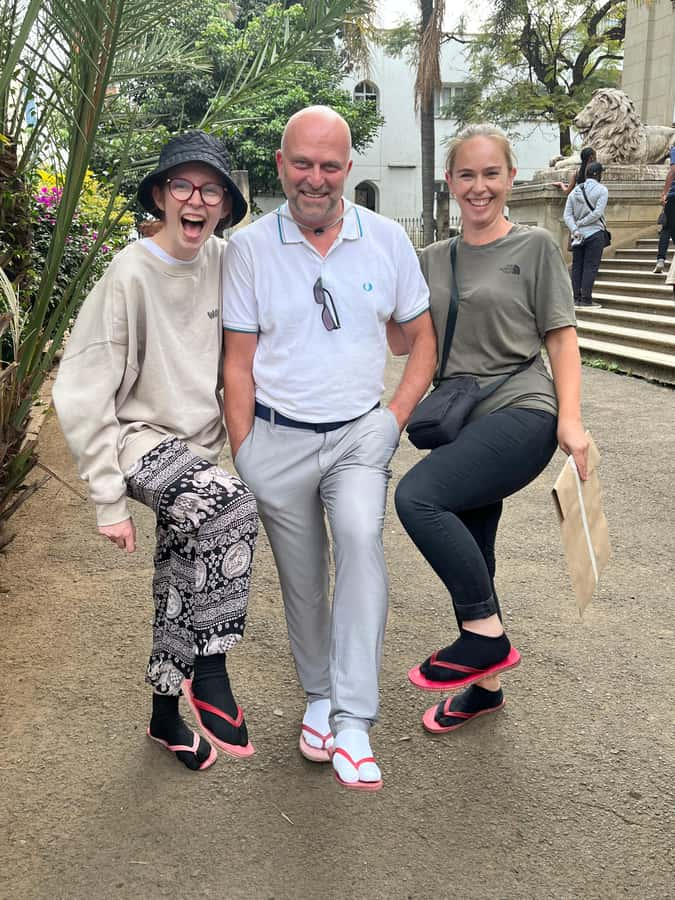
- A useful first look at Nairobi: See major central landmarks while learning how the city developed from its colonial past into a modern capital.
- City Market adds local flavor: Sample a fresh fruit salad, look around the food stalls, and learn about Kenyan eating habits.
- KICC supplies the grand finale: The rooftop gives you broad views across central Nairobi, but you pay the entry fee separately.
- Guides make the difference: Jacqueline, Simon, Jeff, Sharon, Dennis, and Leah are among the guides praised for patience, clear explanations, and attention to safety.
- Shopping help is built in: You can learn how bargaining works, or choose fixed-price shops where the cost is clear.
- Plan for pavement and pace: Comfortable shoes are essential, and the tour is not suitable for wheelchair users or people with mobility impairments.
Why this walking tour is useful on a first day

At $23 per person, this is priced as an affordable introduction rather than a private luxury outing. You get a guide, bottled water, WiFi hotspot, fruit salad, and the chance to cover a long list of central sights without working out the route yourself.
I would put this tour early in a Nairobi visit. The guide can explain which parts of the center are comfortable for walking, how local transactions work, and what prices to expect at souvenir shops. That context helps you make better choices later, especially if you plan to explore on your own.
The tour is also a good match if downtown Nairobi feels unfamiliar or intimidating. Several guides have helped participants arrange taxis when needed, and the company may request and pay for a cab, including a tip, in some pickup or drop-off situations. That can make the start or end easier, though it may also add time if several people need transport.
The usual meeting point is outside CJs on Koinange Street. It is a well-known restaurant in an uptown part of the city, and the guide wears a Happy Tribe cap or T-shirt. If you arrive by Uber, sit or stand outside the restaurant and ask the guards for help if needed.
More Historical Tours in Nairobi:
- Nairobi Walking tour:Explore History Culture and Traditions
★ 4.8 · 222 reviews - Hurghada: Luxor Valley of the Kings & Tutankhamun Tomb Trip
★ 4.7 · 13,208 reviews - Luxor Day Trip from Hurghada Small Group & Tutankhamun Tomb
★ 4.8 · 5,366 reviews
Koinange Street to Jeevanjee Gardens
The walk begins with a short safety briefing on Koinange Street. This matters because the tour is not a quiet stroll through a museum district. You are walking through the working center of Nairobi, with traffic, pedestrians, shops, offices, and street activity all around you.
Jeevanjee Gardens offers an early pause from the roads. Your guide gives you background on the garden and uses it to begin the story of Nairobi. It is a short stop, but it helps set the tone: this tour connects public spaces and old landmarks with the way the city functions today.
You will also learn a few Swahili words and phrases. The language lesson is basic, but useful. Knowing simple greetings and expressions gives you a more natural way to interact with people at the market and along the route. Guides may use a translation app if you do not speak fluent English, and Spanish is also available among the tour languages.
City Market, fruit salad, and Kenyan food culture
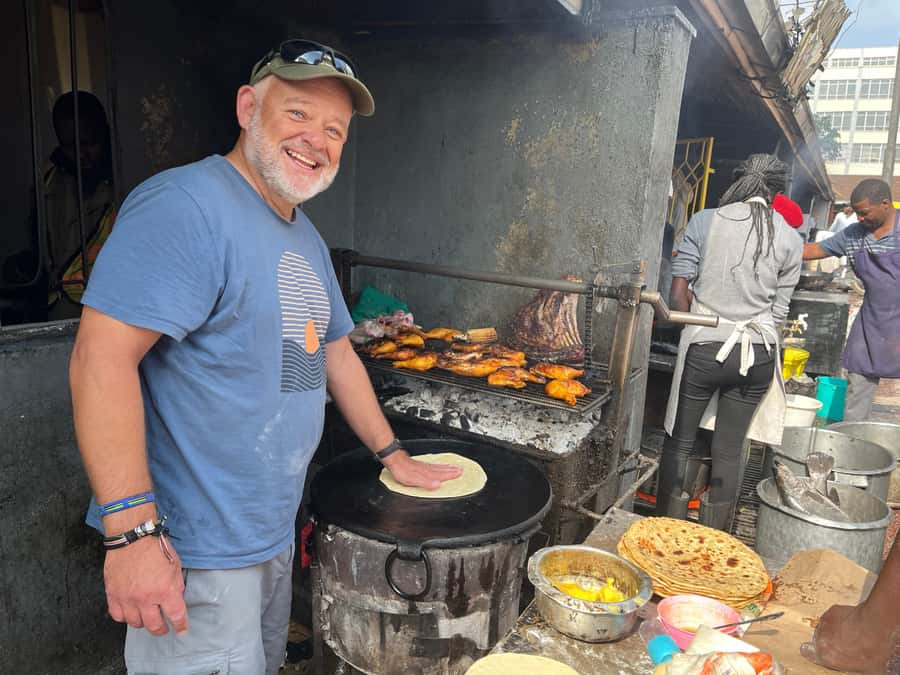
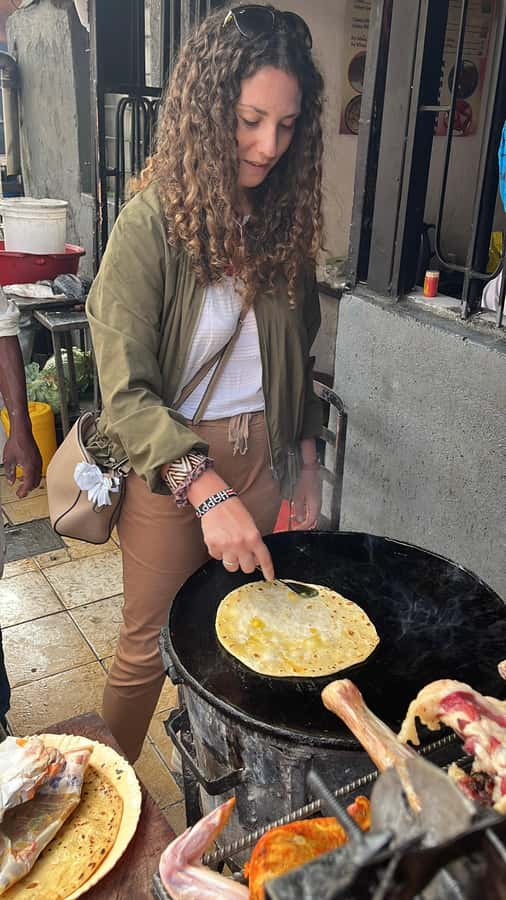
City Market is one of the most useful stops because it gives you more than a photo opportunity. You can browse stalls, watch the movement of local shopping, and learn how food and small purchases fit into daily life in Nairobi.
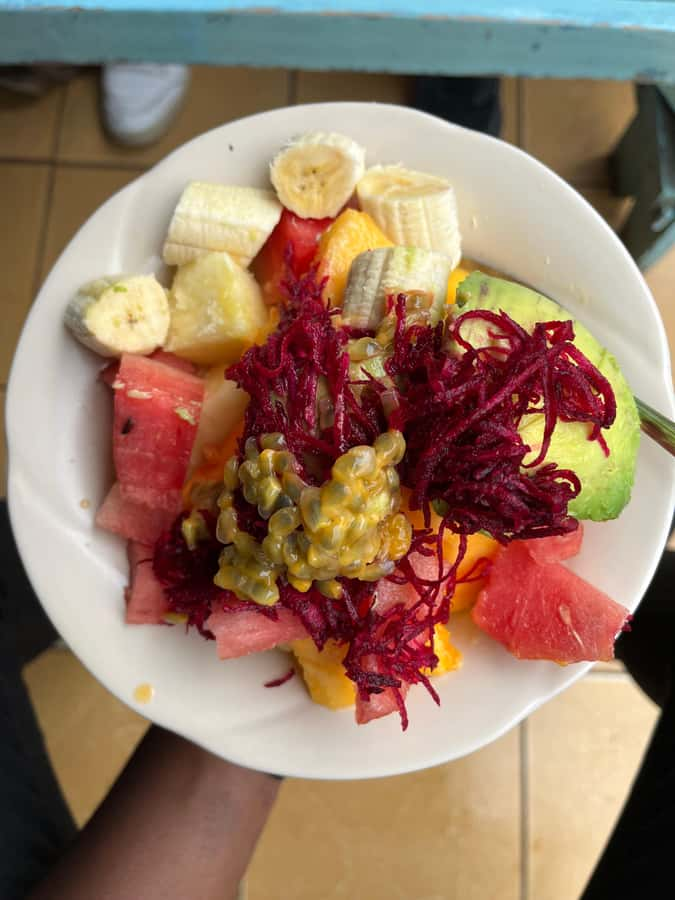
The included fruit salad is prepared as part of the stop. It is a simple extra, but it gives you something to taste while the guide talks about Kenyan food. This is a good moment to ask about local produce, meal habits, prices, and the difference between food sold for everyday use and food aimed at visitors.
Nyama choma, Kenyan roasted goat meat, may also be available as an optional tasting, but additional food and drinks are not included. If you want that option, confirm the cost with your guide before ordering.
You get around 30 minutes for the market visit and another 20 minutes for the food-related portion. That is enough for a look around and a snack, but not a long cooking course. The itinerary labels part of the market stop as a cooking class, so think of it as a short food demonstration or tasting experience rather than a full lesson where you prepare a complete dish.
Jamia Mosque, McMillan Library, and Nation Centre
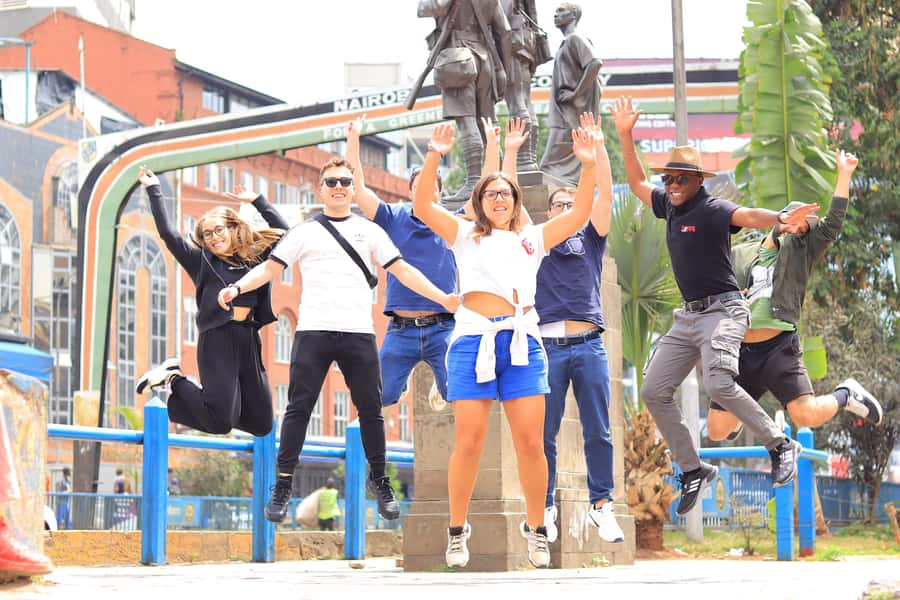
After the market, the route passes Jamia Mosque and the McMillan Memorial Library. These stops are brief, usually around five minutes each, and you mainly see them from outside.
That short timing is both a strength and a limitation. You can cover more ground and understand how several parts of central Nairobi fit together, but you should not expect an in-depth interior visit at every landmark. The guide’s explanation is the main reason these stops matter.
The route then continues past Nation Centre and along Kenyatta Avenue. This section helps you read Nairobi as a city of contrasts. Historic religious and civic buildings sit close to office towers, shops, hotels, and government institutions. Your guide can connect the buildings to Kenya’s political and economic development while pointing out how the streets are used today.
More Walking Tours in Nairobi:
- Nairobi Downtown Walking Tour
★ 4.7 · 208 reviews - Marrakech: Ben Youssef, Secret Garden, & Souks Walking Tour
★ 4.6 · 2,802 reviews - Marrakech: Colorful Medina Souks Guided Walking Tour
★ 4.7 · 2,470 reviews - Explore Fes: Unforgettable Guided Walking Tour of the Medina
★ 4.7 · 1,339 reviews
Kenyatta Avenue and the city’s old hotel district
A short break along Kenyatta Avenue gives you time to catch your breath. The pace is usually comfortable, and the guides are willing to answer questions rather than rush everyone from one photo stop to the next.
The Sarova Stanley is another quick landmark stop. The hotel represents Nairobi’s older commercial center and provides a useful contrast with the newer office blocks and public buildings you see later. You will not be spending a long time inside, so treat it as a point of reference rather than a hotel tour.
The route then reaches the Kimathi Statue, honoring Dedan Kimathi. This is one of the places where the guide’s historical context matters most. A short explanation can turn a monument into a way of understanding Kenya’s struggle against colonial rule and the public memory attached to Nairobi’s streets.
Souvenirs, shoe cleaning, and street photography
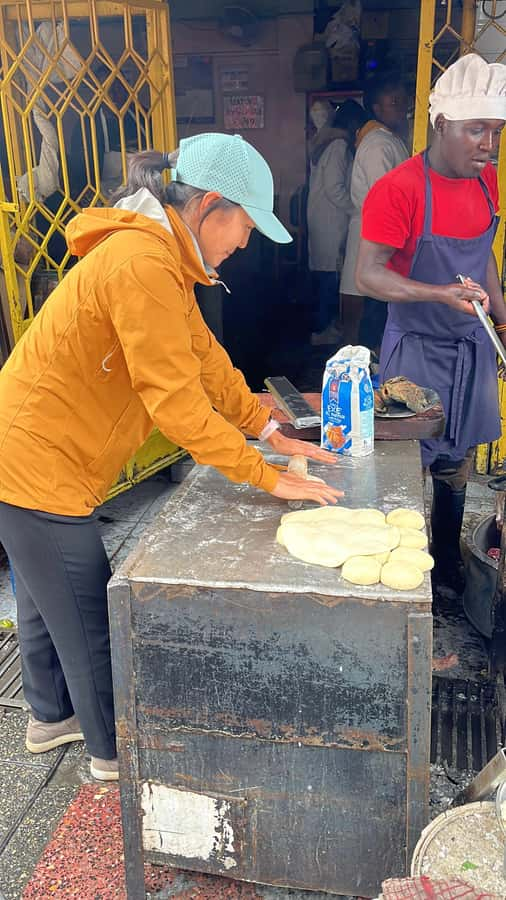
Near the Hilton area on Mama Ngina Street, the tour includes time for shopping and practical local experiences. Your guide can point you toward fixed-price souvenir stores, which is helpful if you do not enjoy bargaining or are unsure what a fair price looks like.
The tour also explains bargaining culture. You learn where negotiation is expected, how to avoid paying too much, and where prices are posted clearly. Do not assume every shop or item has the same system. Ask your guide before agreeing to buy something.
A complimentary shoe shine from a local vendor is included, along with a street-style photograph by a Nairobi urban photographer. These details give the tour a friendly, informal quality. They are not major attractions, but they create a connection with local workers and leave you with something more personal than another landmark photo.
Keep your shopping expectations sensible. The tour identifies affordable stores, but you still choose what to buy and pay for souvenirs separately. Take a moment to check the item, price, and payment method before completing a purchase.
Java House and the coffee break
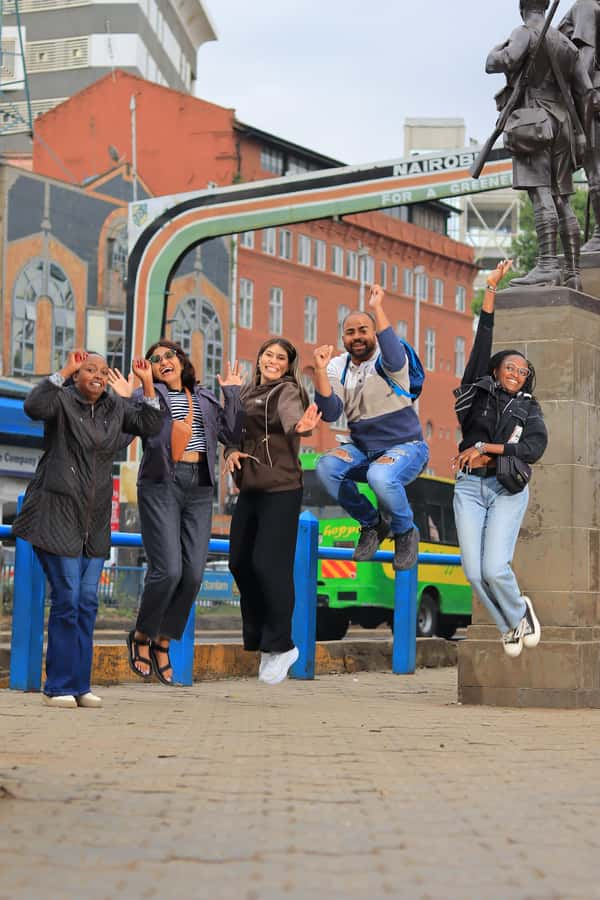
The stop at Java House on Mama Ngina Street is a welcome twenty-minute break. You can buy coffee or another drink, and the guide may talk with you about Kenyan coffee and daily routines in the city.
This is also a useful social pause. Guides such as Simon, Jeff, Sharon, and Jacqueline are often praised for making conversation easy and answering a long list of questions. You can ask about neighborhoods, transport, food, customs, or what to do after the tour.
Coffee and additional drinks are not included in the $23 price. That keeps the base cost low, but bring a little money if you want to sit down with a drink. The break also gives you a chance to judge the pace. If you have found the walking demanding, use this time to rest and refill your water.
Supreme Court, Governor’s Office, and civic Nairobi
The next section passes the Supreme Court building and the Nairobi Governor’s Office. These are short viewing stops, lasting only a few minutes, but they bring the tour into the heart of Kenya’s public institutions.
The guide explains what these buildings represent and how they fit into the city center. This is where the tour moves beyond sightseeing. You start to see Nairobi not only as a capital with monuments, but as a place where government, commerce, religion, hotels, and street trade operate within a compact area.
Parliament Buildings are also seen along the way. The itinerary does not promise an interior visit, so expect an outside view and explanation rather than a formal tour of the chambers.
The KICC rooftop view
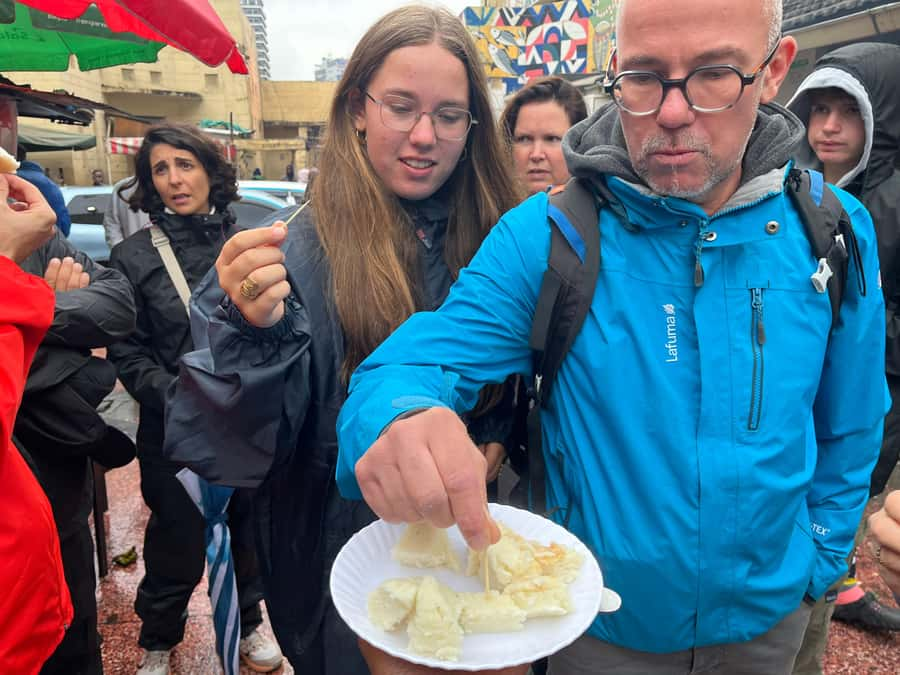
The KICC rooftop is the tour’s big finish. You spend about 30 minutes here, enjoying a cool breeze and looking across Nairobi from the helipad area.
The view helps organize everything you have just seen. Streets, office blocks, public buildings, and open spaces make more sense from above, and your guide can point out different parts of the city. Several guides use this stop to explain Nairobi’s regions and layout, making it especially useful if you are still getting your bearings.
KICC entry is not included, so check the current fee when you book or arrive. The rooftop also requires stairs or movement through the building, which is important if you have mobility problems. One participant found the tower height uncomfortable, so anyone uneasy with high viewpoints should take that into account.
Weather can affect the experience. Clear conditions make the rooftop stop much stronger, while clouds or rain may reduce the view. The tour can still work in mixed weather, but carry comfortable clothing and shoes rather than dressing only for photographs.
Holy Family Basilica and Galton-Fenzi Memorial
The final walking stops include the Holy Family Basilica Clock Tower and the Galton-Fenzi Memorial. These are brief pass-by points, not long visits.
The basilica adds another religious and architectural reference to the route. The Galton-Fenzi Memorial closes the sightseeing portion with a smaller historical marker that is easy to miss without a guide. This is a good example of the tour’s purpose: you see both major landmarks and details you might walk past alone.
Drop-off is listed at three points: the Kenyatta International Convention Centre, CJs, and Nairobi. If you need to reach a hotel or another restaurant, ask the guide about transport before the tour ends. In some cases, the company helps arrange a taxi, but pickup and drop-off arrangements can vary by the option you book.
How the guides shape the experience
The guide is the most important part of this tour. Jacqueline is praised for patience and for allowing time to take photographs. Simon is known for explaining sights during the drive to the meeting point and helping with transport. Jeff is especially strong on clear historical explanations, local life, and shopping advice.
Sharon, Dennis, and Leah also lead groups, and the strongest pattern is a friendly, attentive approach. Guides have helped participants feel comfortable in places they would not have chosen to explore alone, while still allowing time for questions and photos.
Large groups may be split among several guides. One group with Simon, Dennis, and Jeff ran about an hour longer so everyone could receive the full experience. The standard duration is three hours, but do not schedule a tight airport transfer or appointment immediately afterward.
Sunday timing matters. Sunday morning can feel quiet, with many shops closed and fewer people in the center. Sunday afternoon is more active, especially with young people making TikTok and Instagram videos, cycling, skateboarding, modeling, and filming music videos. Choose Sunday morning for a calmer city and Sunday afternoon for more street activity.
What the $23 price really covers
The price is good value if you want a guided introduction to central Nairobi rather than a private car tour. You receive a local guide, water, WiFi hotspot, fruit salad, and help with several small experiences that would otherwise require separate payments.
You still need money for KICC entry, coffee, optional food, souvenirs, and any taxi not covered by your selected pickup option. The tour does not include every possible expense, but the included extras reduce the small costs that can add up during a city walk.
The strongest value is the access and confidence. You get a route through places you might hesitate to visit alone, plus a local person who can explain prices, customs, and basic language. If your main goal is private transport, long museum visits, or luxury dining, this is not the right product.
Who should book this Nairobi walk?
I would recommend it to first-time visitors, solo visitors, couples, and anyone with only a short stay in Nairobi. It works especially well as an arrival-day activity because you learn the shape of the center and collect practical advice for the rest of your visit.
It also suits people who prefer conversation and local context over a bus tour. The fruit, Swahili lesson, shoe shine, coffee stop, and market visit make the day feel connected to ordinary city life.
You should think twice if you dislike walking on city pavement, have limited mobility, or want every stop to be indoors and carefully timed. The tour is not suitable for wheelchair users or people with mobility impairments, and its schedule can stretch when groups are large or transport takes longer than expected.
Should you book it?
Book this tour if you want a friendly, affordable orientation to Nairobi with real street context. The best reasons are the City Market stop, practical shopping advice, patient guides such as Jacqueline and Simon, and the KICC rooftop view at the end.
Skip it if you only want major attractions with long visits at each one, or if you need a precise three-hour schedule with no chance of delay. For most first visits, though, this is a sensible way to meet the city: part history lesson, part market walk, part local introduction, with a fine view to finish.
FAQ
How long does the Nairobi walking tour last?
The advertised duration is three hours. Large groups or transport arrangements can sometimes make the experience longer, so avoid scheduling an appointment immediately afterward.
What is included in the tour price?
The tour includes a guide, Dasani bottled water, a WiFi hotspot, a fruit salad snack, and hotel pickup and drop-off if you select that option. KICC entry, extra food and drinks, and souvenirs are not included.
Is hotel pickup available?
Yes, hotel pickup and drop-off are available if you choose that booking option. You should wait in your hotel lobby 10 minutes before the scheduled time, and the guide will notify you when they arrive.
Where does the tour meet if I do not choose pickup?
The meeting point is outside CJs restaurant on Koinange Street. The restaurant staff and guards can help direct you, and the guide wears a Happy Tribe branded cap or T-shirt.
Which languages are available?
The tour is offered in English, Swahili, and Spanish. If you do not speak fluent English, the guide can use Google Translate.
Is the tour suitable for people with mobility impairments?
No. The tour is not suitable for wheelchair users or people with mobility impairments. It includes city walking and a rooftop visit at KICC.
Just added for Nairobi
- Nairobi Walking tour:Explore History Culture and Traditions★ 4.8 · 222 reviews
- Nairobi: National Park, Elephant Orphanage & Giraffe Center★ 4.5 · 113 reviews
- Nairobi: National Park, Elephant Orphanage & Giraffe Center★ 4.6 · 81 reviews
- Nairobi Downtown Walking Tour★ 4.7 · 208 reviews
- Nairobi: Elephant Sanctuary and Giraffe Center Day Tour★ 4.8 · 148 reviews
- Nairobi: Kibera Slum Tour with Local Social Entrepreneurs★ 5.0 · 107 reviews
- Kevins Kibera Slum Tours★ 5.0 · 213 reviews
- Nairobi: Kibera Slum storytelling tour with a Local★ 5.0 · 185 reviews
Historical Tours, compared.
Luxor Valley of the Kings & Tutankhamun Tomb Trip
Read our review →
Luxor Day Trip from Hurghada Small Group & Tutankhamun Tomb
Read our review →
Bahia Palace, Saadian Tombs, Souk and Medina Tour
Read our review →
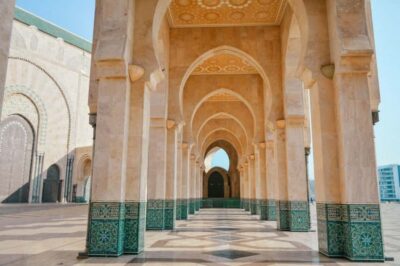
Hassan II Mosque Premium Tour with Entry Ticket
Read our review →

Bahia Palace, Saadian Tombs, & Koutoubia Mosque
Read our review →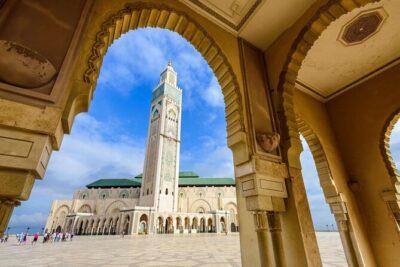
Casablanca City Tour with Hassan II mosque ticket
Read our review →Browse the lists this tour appears in