
Reviewed · TOWNSHIP & VILLAGE TOURS
Masai village Day Tour Experience
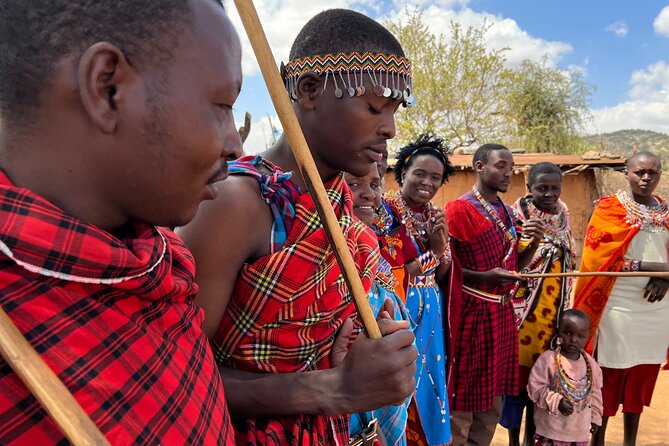
A visit to this Maasai community gives you something a Nairobi wildlife outing cannot: a face-to-face look at daily life, led by community members who explain cooking, beadwork, livestock, family roles, and local customs. Music, dancing, traditional ornaments, and conversation make the visit active rather than a quick walk past houses.
I like the private format and the easy hotel pickup. Guides such as Obed, Moses, Mwose, and Tim are repeatedly praised for punctuality, safe driving, storytelling, and flexibility. I also like the cattle market stop, which adds an ordinary working side of Maasai life to the planned village visit.
The main drawback is the long road portion. The village is roughly two hours from Nairobi, and the full outing takes six to seven hours. Lunch is not included, and the experience is cultural tourism, so you should approach it with respect, curiosity, and a willingness to take part rather than expect a staged safari attraction.
Key points to know before booking
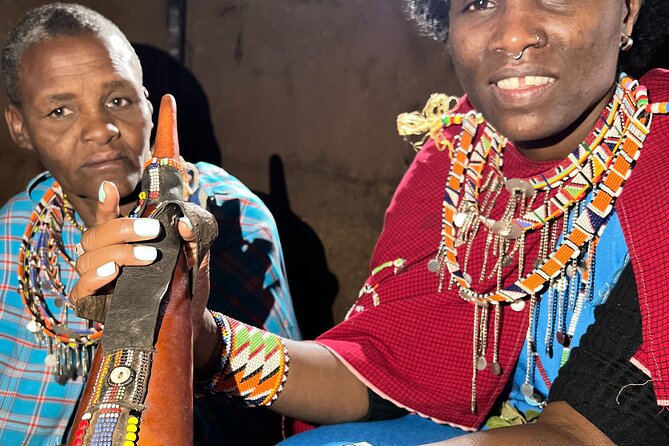
- Meet Maasai community members directly: Learn about cooking, goat milking, food, beadwork, family life, and local customs through conversation and demonstrations.
- Private guide and private vehicle: Your group travels alone, with hotel pickup and drop-off included.
- Music and traditional dress: You may join songs and dancing and try on ornaments or traditional clothing during the visit.
- Bisil cattle market adds local context: The market is mainly active on Fridays, making that day especially useful if you want to see livestock trading.
- Plan for a full morning and afternoon: The start time is 7:30 a.m., and the total outing lasts about six to seven hours.
- Bring money for extras: Food, drinks, lunch, and souvenir photographs are not included, though a coffee and lunch break stop is part of the day.
Why this Maasai visit feels different from a standard Nairobi outing
Many Kenya excursions focus on animals and scenery. This one focuses on people and routine. You get time to ask questions and see how practical tasks connect to community life.
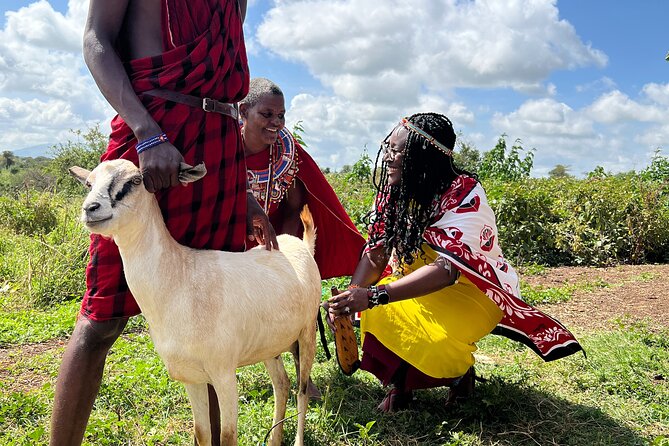
The visit includes lessons about how women prepare and cook food, make necklaces and wristbands, and care for household needs. You may also learn how goats are milked and how cattle fit into the local economy. These details help turn broad ideas about Maasai culture into things you can actually see and discuss.
The experience also has a social side. Community members welcome you, explain their customs, and involve you in music and dancing. Some visitors have been dressed in traditional ornaments during the visit, which can be fun, but you should treat it as an invitation to participate, not as a costume performance detached from meaning.
The strongest part of the day is the chance to speak with people rather than simply photograph them. Your guide helps with the road trip and broader Kenyan context, while the community members provide the most important firsthand explanations of their own lives.
More Day Trips in Kenya
- Nairobi National Park Half-Day Tour; Free Wi-Fi connection
★ 5.0 · 878 reviews - From Nairobi: Elephant Orphanage and Giraffe Center Day Trip
★ 4.5 · 235 reviews - Nairobi National Park Full or Half-Day Tour with Guide
★ 4.7 · 217 reviews
Leaving Nairobi at 7:30 a.m.
The day begins with pickup from your Nairobi hotel at 7:30 a.m. Since this is a private tour, only your group participates. That matters if you want to ask many questions, adjust the pace, or travel with children or older family members.
The road journey can take about two hours each way. Guides including Obed, Moses, Mwose, and Tim have been singled out for arriving on time, driving well, explaining Nairobi and Kenya along the way, and adapting when plans change. A good guide makes this road time useful instead of treating it as dead space.
Your first stop is Kitengela, a residential area outside Nairobi. You get about ten minutes for a washroom break and can buy snacks or coffee. The stop also gives you a glimpse of local transport and small businesses. It is not a major attraction, but it is a practical pause before continuing toward Kajiado County.
Bring water, sun protection, and a little cash. Food and drinks are not included, and the schedule includes a break rather than a supplied lunch.
Meeting the community near Kajiado County
The main visit lasts about two hours. This is where the tour earns its price and its time on the road.
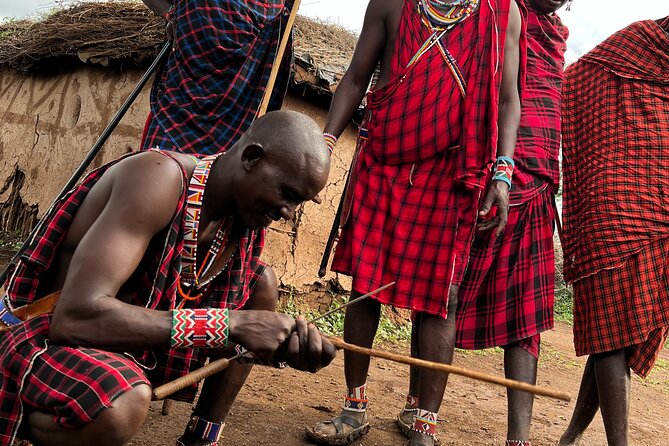
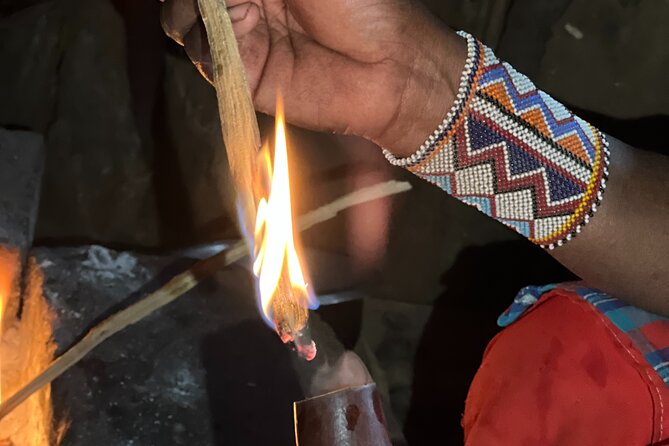
Community members introduce you to parts of daily life that are easy to miss on a short cultural stop. You can learn how food is prepared, how women make necklaces and wristbands, how goats are milked, and how people organize work and family responsibilities.
The precise order of activities may vary, but the tone is interactive. You are not simply listening to a speech. You may be asked questions about your own life, invited to join a song or dance, or shown how ornaments are worn. Several visitors especially enjoyed being welcomed into the group for a few hours and taking part in music and dancing.
Food can also be part of the cultural exchange, but do not confuse that with an included lunch. The booking details exclude lunch, food, and drinks. If you want a substantial meal, use the planned break or ask your guide about the available stop. One guide, Mwose, has helped arrange an authentic Kenyan meal on the return journey, but that should be treated as an optional suggestion rather than a guaranteed inclusion.
Music, dancing, ornaments, and conversation
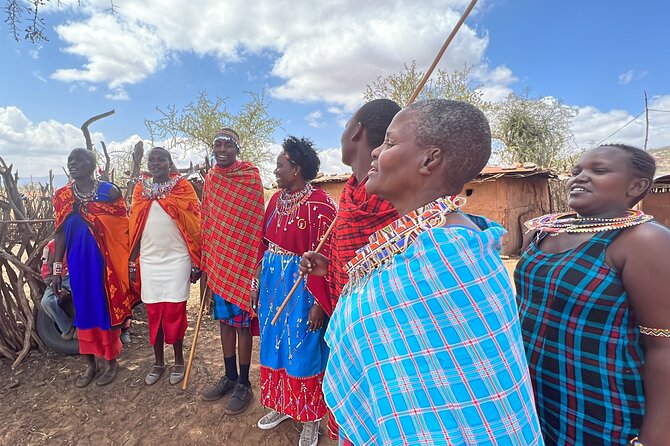
The live entertainment is not a separate theater show. It is part of the welcome and cultural presentation. Singing and dancing give the visit energy, and you may be invited to join in.
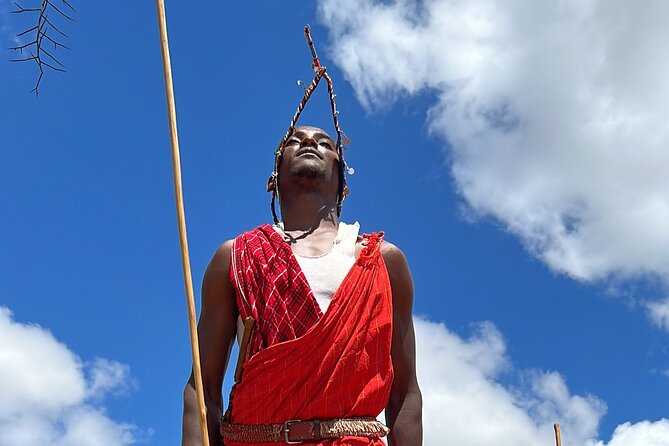
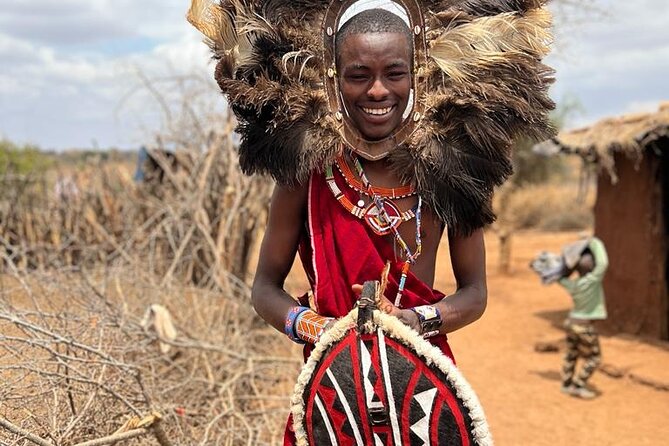
You might also be dressed in traditional ornaments or clothing for part of the visit. This can make the experience more personal and create good photographs, especially if your guide helps capture pictures and videos. Ask before photographing people, homes, or activities, and listen when community members explain what an item means.
The best approach is to take part without pretending that a few hours makes you an expert on Maasai life. Ask clear questions. Notice who is explaining each activity. Give people time to answer. The experience is strongest when you see it as a conversation rather than a performance arranged only for your camera.
English-language communication is available during the visit. One community leader was described as speaking English very well, which helps when you want to ask about customs or compare everyday life in Kenya with your own.
More Day Trips in Nairobi
- Nairobi: Elephant Sanctuary and Giraffe Center Day Tour
★ 4.8 · 148 reviews
The Bisil cattle market, especially on Fridays
The final planned stop is Bisil, where you can visit a cattle market. The market is mainly active on Fridays, so the day you choose can change what you see.
This stop adds useful context. At the village, you learn about home life and community traditions. At the market, you see the commercial side of livestock and the role cattle play in the local economy. You may also visit the shopping town, giving you another view of ordinary local activity.
The market visit lasts about thirty minutes and admission is included at no extra charge. It is not a safari stop, and it may feel less polished than a planned cultural presentation. That is part of its value. You are seeing a working place, not a backdrop created for visitors.
If the cattle market is important to you, book for a Friday if possible. The provided schedule says the market mostly operates then, but it does not promise a particular size or level of activity on any given Friday.
What the private format adds
The private arrangement is one of the clearest advantages. You do not have to match the pace of a large bus group, and your guide can spend more time on your questions.
That flexibility has practical value on a long day. Guides have adjusted plans when schedules changed, helped with photographs, recommended food stops, and shared information during the drive. If you have a particular interest in cooking, livestock, beadwork, music, or family customs, say so early.
Private does not mean the community visit is one-on-one with a single resident. You are visiting a community and taking part in activities with its members. It means your transport and guide service are reserved for your party.
This format works well for couples, families, and small groups. Children must be accompanied by an adult, and most people can participate. Since the activity involves travel and participation rather than strenuous hiking, it suits many visitors, though the long drive and full schedule are worth considering.
Is $100 good value?
At $100 per person, this is not the cheapest way to leave Nairobi for a few hours. The value depends on how you use the private service.
The price includes a driver-guide, hotel pickup and drop-off, private transport, live entertainment, the village visit, admission fees, and taxes. You also get a six to seven-hour day with a guide rather than arranging transport and a community visit separately.
For a solo visitor, the cost may feel high because the price is per person. For two or more people sharing a private vehicle, the convenience becomes easier to justify. Group discounts are available, so ask about them if you are traveling with several people.
You still need to budget for lunch, food, drinks, and souvenir photographs. The tour includes a coffee and lunch break stop, but not the cost of what you eat or drink. That distinction is important when comparing the total price with other Nairobi activities.
I see the strongest value in the combination of transport and access. You get out of the city, meet community members, receive local explanations, and add a cattle market visit without managing the route yourself.
How to prepare for a respectful visit
Wear comfortable clothing suitable for a full day in the vehicle and outdoors. Since the supplied details do not specify weather protection or dress requirements, pack the basics you would want for changing conditions, including water and sun protection.
Carry some cash for snacks, coffee, lunch, drinks, or photographs. A mobile ticket is provided, and booking confirmation arrives at the time of booking.
Ask before taking close-up photographs. If you are invited to join dancing, wear ornaments, or try food, take part with good humor and respect. You are being welcomed into a living community, not entering a museum display.
Keep your questions open and specific. Ask how a task is done, who usually performs it, or how market day affects local life. That will give you a better understanding than asking for a single broad explanation of Maasai culture.
What the high ratings point to
The strongest praise centers on the guides. Obed is repeatedly described as punctual, flexible, kind, a good driver, and an excellent source of information about Nairobi and Kenya. Moses and Mwose receive similar praise for passion, personal attention, history, and making visitors feel safe and comfortable. Tim is also praised for conversation and care during the drive.
The second major strength is the welcome at the community. People are described as friendly, open, and willing to answer questions. Music, dancing, food, traditional clothing, and hands-on activities help prevent the visit from feeling like a brief lecture.
The cattle market is another useful feature. It gives the day more range and shows an economic side of local life. If your schedule allows, Friday is the best choice for that part of the outing.
The main caution is not poor service. It is expectation. This is a long day with a substantial drive, and the experience asks you to engage socially. If you want a quick attraction close to Nairobi, choose something else. If you want time with people and a better sense of daily routines, the distance is worthwhile.
Who should book this experience?
I would choose this tour if you want cultural contact alongside Kenya’s better-known wildlife and scenery. It suits you if you enjoy asking questions, trying new food, joining music and dancing, and seeing how craft and livestock fit into daily life.
Families can benefit from the private vehicle and flexible guide service, provided children are accompanied by an adult. Couples and solo visitors may also appreciate the personal attention, especially if they want to avoid a large group.
I would hesitate if your schedule is tight, if you dislike long drives, or if you expect lunch to be included. I would also avoid treating the visit as a photo stop. The best experience comes when you give the community your attention and join activities appropriately.
Free cancellation is available if you cancel at least 24 hours before the start time. Changes or cancellations inside that window are not accepted for a refund.
Should you book the Maasai Village Day Tour?
Book it if you want a private, practical introduction to Maasai daily life and you have six to seven hours available. The combination of community activities, music, traditional ornaments, a cattle market, and a guide such as Obed, Moses, Mwose, or Tim gives the day more substance than a quick roadside stop.
Choose a Friday if the Bisil cattle market matters to you. Bring money for lunch and drinks, expect a long road journey, and arrive ready to participate respectfully. For those priorities, $100 per person is a fair price for transport, private guiding, and a direct cultural experience outside Nairobi.
FAQ
What time does the Maasai village tour start?
The tour starts at 7:30 a.m.
How long does the experience last?
The full tour lasts approximately six to seven hours.
Is hotel pickup included?
Yes. Hotel pickup and drop-off in Nairobi are included.
Is this a private tour?
Yes. Only your group participates in the private tour or activity.
What will I learn during the village visit?
You can learn about food preparation and cooking, beadwork, goat milking, family life, local customs, music, dancing, and traditional dress.
Is lunch included?
No. Lunch, food, and drinks are not included. The day does include a coffee and lunch break stop.
Can I visit the Bisil cattle market?
Yes. The tour includes a visit to the Bisil cattle market, which mainly operates on Fridays. Admission is free.
More Village Tours in Nairobi
- Berber villages : Atlas Mountains Day Hike from Marrakech
★ 5.0 · 14,007 reviews - Atlas Mountains, Berber Villages and Three Valleys all inclusive
★ 5.0 · 2,471 reviews - Hurghada: Quad Bike, Buggy, and Camel Ride & Bedouin Village
★ 4.8 · 1,738 reviews - Marrakech: Atlas Mountains, Berber Villages, Agafay & Camel Ride
★ 5.0 · 1,672 reviews
More Village Tours in Kenya
- Nairobi: Explore Kibera Slum with Local Guides
★ 4.9 · 365 reviews - Kevins Kibera Slum Tours
★ 5.0 · 213 reviews - Nairobi: Kibera Slum storytelling tour with a Local
★ 5.0 · 185 reviews - Nairobi: Kibera Slum Tour with Local Social Entrepreneurs
★ 5.0 · 107 reviews
Just added for Nairobi
- Nairobi: National Park, Elephant Orphanage & Giraffe Center★ 4.6 · 81 reviews
- Nairobi Walking tour:Explore History Culture and Traditions★ 4.8 · 222 reviews
- Nairobi: National Park, Elephant Orphanage & Giraffe Center★ 4.5 · 113 reviews
- Nairobi Downtown Walking Tour★ 4.7 · 208 reviews
- Nairobi: Elephant Sanctuary and Giraffe Center Day Tour★ 4.8 · 148 reviews
- Nairobi: Kibera Slum Tour with Local Social Entrepreneurs★ 5.0 · 107 reviews
- Kevins Kibera Slum Tours★ 5.0 · 213 reviews
- Nairobi: Kibera Slum storytelling tour with a Local★ 5.0 · 185 reviews
Township & Village Tours, compared.

Berber villages : Atlas Mountains Day Hike from Marrakech
Read our review →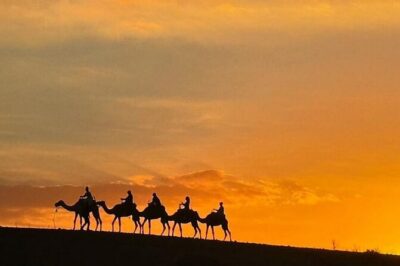
Atlas Mountains, Berber Villages and Three Valleys all inclusive
Read our review →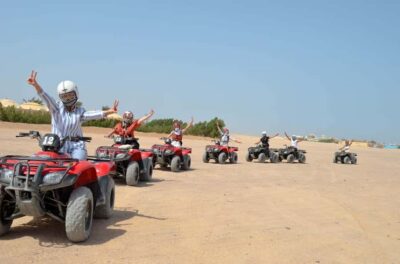
Quad Bike, Buggy, and Camel Ride & Bedouin Village
Read our review →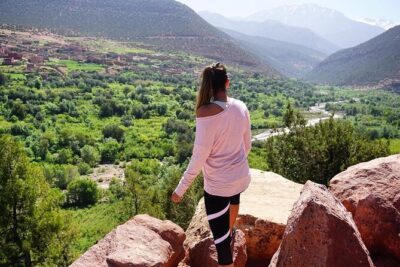
Atlas Mountains, Berber Villages, Agafay & Camel Ride
Read our review →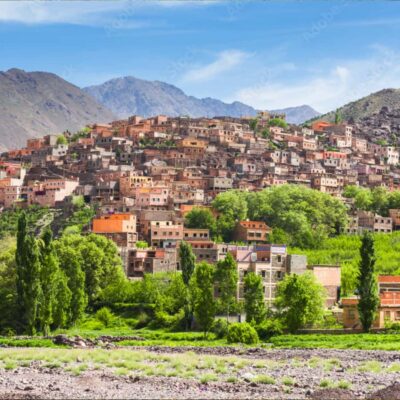
Paragliding, Camel Ride & Berber Villages Trip
Read our review →
Atlas Mountains and Three Valleys & Waterfalls – Villages Marrakech Day Trip
Read our review →
Agafay Desert & Berber villages & Atlas Mountains, Full Day Trip From Marrakech
Read our review →Browse the lists this tour appears in