
Reviewed · BEACH DAYS
Mombasa: Tusks, Fort Jesus, Old Town, Beach and City Tour
Mombasa’s story comes into focus as you move from the Portuguese-built walls of Fort Jesus to the spice stalls, Omani-style doors, and narrow lanes of Old Town. Then the city opens up again at Mamangina Beach, where ferries cross the channel and ships enter the port. It is a compact tour, but it covers several very different sides of coastal Kenya.
I like the way the tour joins major sights with ordinary city life, and I like the practical help from guides such as Juma, who is praised for good communication, local insight, flexible timing, and taking photographs. The main consideration is pace: four hours can feel full, and the spice market and Old Town may feel intense if you prefer quiet sightseeing.
Key points at a glance
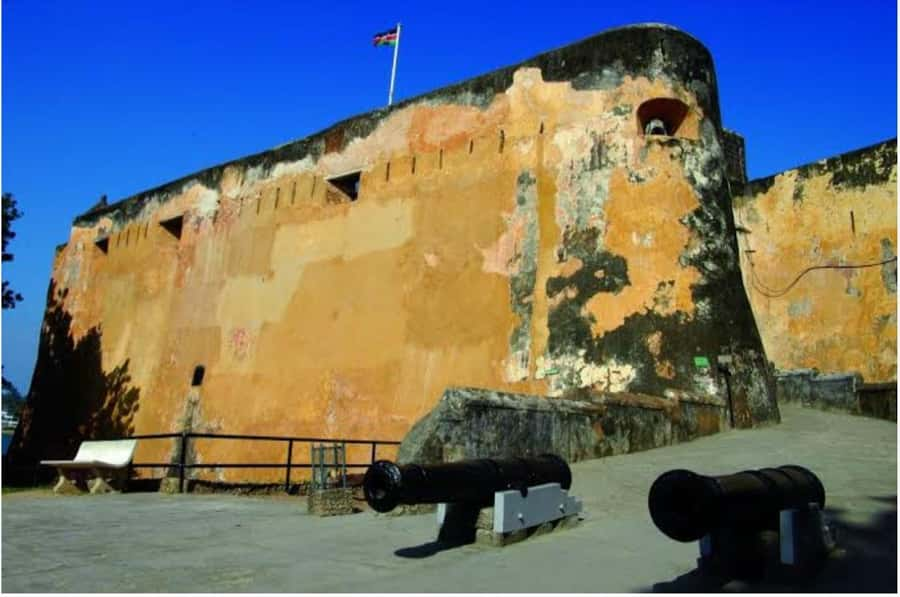
- Fort Jesus gives the tour its historical backbone, with Portuguese construction, Omani Arab influence, museum displays, and Indian Ocean views.
- Old Town is best seen on foot, with narrow streets, Swahili and Omani architecture, Mandhry Mosque, antique shops, and souvenir stalls.
- Marikiti Spice Market is a sensory stop, where you can learn about spices, taste some, and see local produce.
- Tuk tuk rides connect several city stops, adding a short, local-style transport experience without making you walk the whole route.
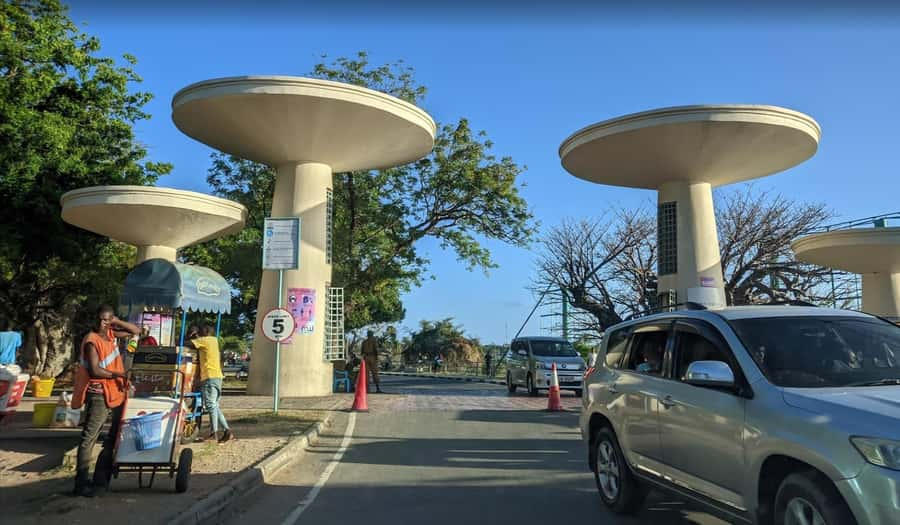
- Pembe za Ndovu offers an easy photo stop, while Mamangina Beach gives you sea air, ferry views, and a look toward Mombasa’s port.
- The $30 price is strong value if you want an overview, but remember that Fort Jesus admission, food, drinks, and purchases are extra.
Why this Mombasa tour works well
This is a city tour rather than a single-site visit. That matters in Mombasa, where the most useful first look comes from linking history, streets, markets, transport, and the coast.
You can begin with hotel pickup and travel into the central city, then move between stops by foot and tuk tuk. The tour includes hotel drop-off, bottled water or a soft drink, photography assistance, spice information and tasting, internet, and tuk tuk transport from the spice market toward the tusks and Mamangina.
The activity usually takes around four hours, though some outings run longer when the guide adjusts the schedule. That flexibility is one of its strong points. Juma, in particular, is described as willing to spend extra time, answer general questions about Kenya, and add a local restaurant stop when requested. Other guides named in the feedback include Bornface and Kassim, so your guide may vary.
I would choose this tour early in a Mombasa stay. It helps you get your bearings, learn how the central areas fit together, and decide where you want to return for shopping or a slower walk.
More Beach Days in Kenya:
- From Cape Town: Cape Point & Boulders Beach Full-Day Tour
★ 4.8 · 3,032 reviews - From Cape Town: Cape Point and Boulders Beach Full-Day Tour
★ 4.7 · 1,946 reviews - From Marrakech: Essaouira Day Trip with Beach Activities
★ 4.7 · 1,620 reviews
Fort Jesus: the essential historical stop
Fort Jesus is the anchor of the day. The Portuguese built it in the late 16th century, and the site later became part of the long contest for control of Mombasa and the coast. The tour also covers the influence of Omani Arabs and the wider story of coastal communities.
Inside, you can walk through the fort and visit museum exhibits about the coast and its people. The stone walls, courtyards, and raised position also give you views toward the Indian Ocean. A guide makes a real difference here because the site is not simply a set of old walls. The history is layered, and a good explanation helps you understand why the fort mattered.
Juma is particularly praised for explaining Fort Jesus in detail and for answering questions in a clear, friendly way. That personal guidance is useful if you want more than a quick photo. You can ask about the Portuguese period, Omani Arab control, and the way the fort fits into Mombasa’s wider story.
The admission fee is not included, so budget for it separately. This is the main extra cost tied to the sightseeing itself. Since the overall tour costs $30 per person, the package remains good value, but you should not assume that every entrance or meal is covered.
Allow for uneven walking surfaces and warm conditions. The supplied information does not give specific accessibility details, so contact the provider if you need a precise answer about mobility needs.
Old Town’s narrow lanes and coastal architecture
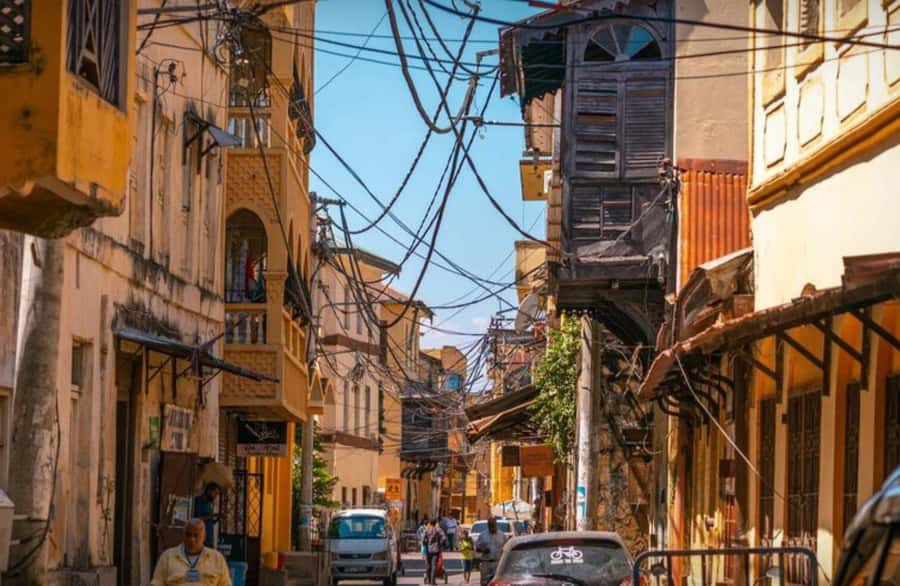
After or around Fort Jesus, the tour takes you through Old Town. This is where the city feels most intimate. Streets narrow, buildings sit close together, and doors, balconies, and facades show Swahili and Omani influences.
You may visit Mandhry Mosque, pass antique shops, and browse places selling souvenirs. The point is not to rush from one monument to the next. It is to notice the details of daily life and the way the old quarter still functions as a neighborhood.
I like this part because the guide can explain what you are seeing as you walk. The best moments may be small ones: an old doorway, a shop display, a turn into a lane, or a conversation about life in modern Mombasa. Several visitors found the walk useful for understanding the city beyond its postcard sights.
The market streets can feel overwhelming, especially if this is your first visit to Kenya. Keep your belongings secure, stay close to your guide, and tell the guide if you need a slower pace. You are not locked into a rushed group script, according to the way the tour is described, but the day still covers a lot of ground.
An antique shop visit may also be part of the Old Town portion. One account describes it as a particularly interesting stop, with old objects and unusual pieces to examine. Purchases are not included, of course, and you should feel no pressure to buy.
Marikiti Spice Market: taste the everyday city
Marikiti Spice Market brings a different energy. It is known for spices, fresh produce, and local goods, so you can expect bright displays, strong aromas, busy conversations, and plenty to look at in a short space.
The tour includes information about spices and tasting. Your guide can explain what you are sampling and how the products fit into Swahili food culture. This gives the market visit more purpose than simply walking through with a camera.
You can interact with vendors, look at produce, and buy spices or souvenirs if something catches your eye. Purchases are your responsibility, and meals and drinks are not part of the price. Some outings include local sweets, smoothies, coffee, samosas, or doughnuts, but those should be treated as optional additions rather than guaranteed inclusions.
The market is also where the tour moves into a tuk tuk. Tuk tuk transport from the spice market to Pembe za Ndovu and Mamangina is included. I see this as more than a convenient ride. It gives you a short taste of how people move through the city and saves time during the warmer part of the day.
If strong smells, crowds, or close-packed stalls bother you, this will be the most demanding stop. Still, it is one of the places that gives the tour a local feel instead of turning Mombasa into a string of formal monuments.
More City Tours in Kenya:
- Mombasa City Tour
★ 5.0 · 170 reviews - Casablanca City Tour with Hassan II mosque ticket
★ 5.0 · 2,480 reviews - Cape Town Hop-On Hop-Off City Tour with Optional Cruise
★ 4.5 · 1,793 reviews - Cairo: Female-Guided Pyramids, Sphinx & Museum City Tour
★ 4.8 · 1,614 reviews
Pembe za Ndovu and the city’s most familiar photo stop
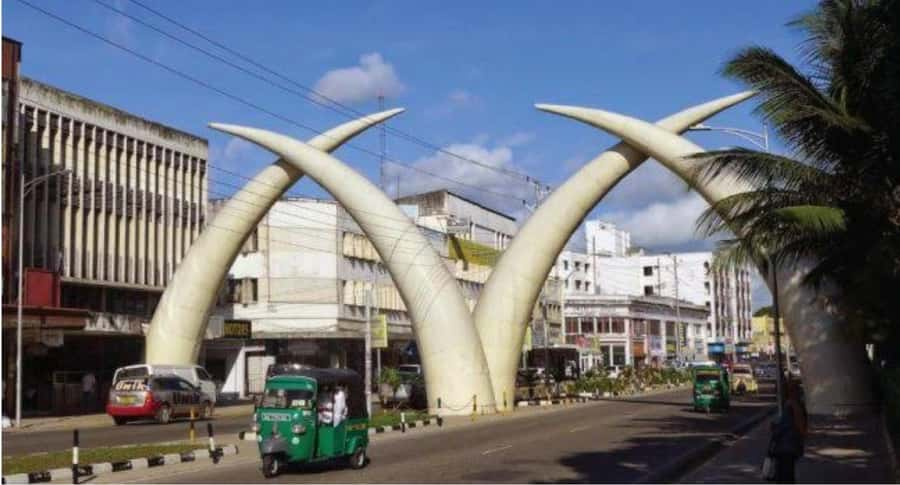
Pembe za Ndovu means elephant tusks, and the large metal tusks are one of Mombasa’s best-known symbols. They were erected in 1952 to mark Queen Elizabeth’s visit to the city.
This is a short stop, but it has two clear uses. First, you get the classic Mombasa photograph. Second, the guide can explain why the tusks were built and how they became associated with the city.
Photography assistance is included, and this is an area where the guide’s help is useful. Juma is repeatedly praised for taking memorable photos and knowing good spots. You can enjoy the stop without handing your phone to a stranger or trying to arrange a group shot yourself.
The tusks sit in a city setting, not in an isolated park. Expect traffic, buildings, and everyday activity around the photo point. That is part of the appeal. The image connects a familiar tourist symbol with the working city around it.
Some outings also include a visit to a wooden carving workshop or community business. This is not described as a formal guaranteed stop in the main schedule, so ask your guide what is planned on your date. If included, it adds a look at local craft and the making, carving, and painting of wooden pieces.
One important personal-comfort point comes from the experience of a participant who felt uncomfortable when someone at the woodcraft stop filmed her openly. If you do not want to be filmed, say so clearly and move closer to your guide or companions. A good tour should leave room for that boundary.
Mamangina Beach and the working harbor
Mamangina Beach provides a change of pace after the market and old streets. It is known for its cool breeze and views across the water.
From here, you can watch ferries carry people across the channel and see ships arriving at Mombasa’s port. This is not presented as a swimming or beach-resort stop. Think of it as a waterfront viewpoint where you can pause, take photographs, and see the relationship between the city and the sea.
I like this ending because it shows Mombasa as a working port rather than only a historic attraction. Ferries, ships, and the open water give you a sense of movement and scale. Depending on the day, the beach may also be a place to have an optional local drink or snack.
Some outings have ended with ginger coffee, samosas, and doughnuts. Those food items are not included in the official package, so bring extra money if you want to stop for refreshments. Meals and drinks are specifically excluded.
The guide makes the difference
The strongest part of this experience is the guiding. Juma receives especially warm praise for being friendly, organized, flexible, and passionate about Mombasa. He is also studying tourism management, which helps explain the mix of formal history and everyday local detail he brings to the day.
He has met people at hotels, in Nyali, and at a train station, depending on the pickup arrangement. One account also notes that luggage could be left at the guide’s office during the city visit. That is useful if you are fitting the tour around a train arrival, though you should confirm the plan before booking.
The guide may also extend the route, add local parks, answer broader questions about Kenya, or include lunch if time and the group allow. That sounds appealing, but it means the final shape of the day can vary. Ask at the start which stops are fixed and how much time you want at each one.
Bornface and Kassim are also named as guides on different outings. The listed language is English. If you book because of a specific guide’s style, confirm who is assigned rather than assuming the same person will lead every departure.
Is $30 a fair price?
At $30 per person, this is a good-value introduction to Mombasa. Hotel pickup and drop-off, guiding, photography help, bottled water or a soft drink, spice tasting, internet, and tuk tuk rides are included. You would pay separately for Fort Jesus, food, drinks, and personal shopping.
The value is strongest if you want several sights in one half-day and would otherwise need to arrange local transport yourself. The included tuk tuk rides help connect the market, tusks, and beach without adding another fare.
It is less suitable if you want a slow, private museum visit or a full day focused only on architecture. The itinerary has many moving parts, and the experience can run longer than the advertised three-plus hours when the guide adds stops or conversations.
The booking terms are flexible: you can reserve and pay later, and cancellation is allowed up to 24 hours before the activity for a full refund. That helps if your coastal plans are still shifting.
Who should book this city tour?
I would recommend it to first-time visitors who want history and daily life in the same outing. It also suits people staying in beach areas such as Nyali, anyone arriving by train, and visitors who prefer a guide to handle transport between central stops.
It is a good match for photographers because of the tusks, Fort Jesus, Old Town details, market scenes, and Mamangina waterfront. The photography assistance is a useful extra, especially for couples or small groups.
Families and older visitors should consider the walking and the market conditions. The tour includes narrow streets and active public areas, and no specific accessibility details are provided. Ask the provider about your needs before paying.
I would be more cautious about booking if you dislike markets, crowded streets, strong spice smells, or flexible schedules. You can still enjoy Fort Jesus and the waterfront, but the market and Old Town are a large part of the experience.
Should you book it?
Book this tour if you want a well-priced first look at Mombasa with a guide who can connect Portuguese and Omani Arab history to present-day streets, markets, ferries, and port life. The mix is the main strength, and Juma’s personal attention appears to make the day more useful and relaxed.
Before booking, confirm the guide, pickup point, expected duration, Fort Jesus entrance fee, and which optional stops are planned. If you want a compact introduction rather than a quiet, single-site visit, this is a sensible choice.
FAQ
How much does the Mombasa city tour cost?
The tour costs $30 per person.
What places are included in the tour?
The route includes Fort Jesus, Mombasa Old Town, Marikiti Spice Market, Pembe za Ndovu, and Mamangina Beach. Some outings may also include extra stops such as a wooden carving workshop or a local restaurant.
Is Fort Jesus admission included?
No. The entry fee for Fort Jesus Museum is not included in the tour price.
How long does the tour take?
The tour is expected to take about four hours. Some outings last longer when the guide adds stops or allows more time for questions and sightseeing.
Is hotel pickup and drop-off included?
Yes. Hotel pickup and drop-off are included.
Are tuk tuk rides included?
Yes. Tuk tuk transport from the spice market to Pembe za Ndovu and Mamangina is included.
Is food included?
No. Meals and drinks are not included. Some outings may stop for optional local food or drinks, which you pay for separately.
What language is the tour offered in?
The listed tour language is English.
Can I cancel for a full refund?
Yes. You can cancel up to 24 hours in advance for a full refund.
Just added for Kenya
- Nairobi: National Park, Elephant Orphanage & Giraffe Center★ 4.5 · 113 reviews
- Nairobi: National Park, Elephant Orphanage & Giraffe Center★ 4.6 · 81 reviews
- Nairobi Walking tour:Explore History Culture and Traditions★ 4.8 · 222 reviews
- Nairobi: Kibera Slum Tour with Local Social Entrepreneurs★ 5.0 · 107 reviews
- Nairobi Downtown Walking Tour★ 4.7 · 208 reviews
- Nairobi: Elephant Sanctuary and Giraffe Center Day Tour★ 4.8 · 148 reviews
- Nairobi: Kibera Slum storytelling tour with a Local★ 5.0 · 185 reviews
- Kevins Kibera Slum Tours★ 5.0 · 213 reviews
Beach Days, compared.
Must DO: Boulders Beach & Cape Point Full Day Tour #1 Rated
Read our review →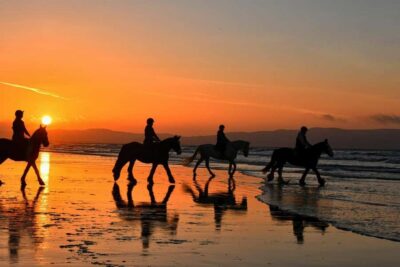
Agadir and Taghazout: 2-Hour Horseback Ride on the Beach
Read our review →
Agadir/Taghazout: Beach Quad Bike & Desert Sandboarding Tour
Read our review →
Browse the lists this tour appears in