
Reviewed · HIKING & TREKKING
Kilimanjaro Climbing Lemosho Route 8 Days.
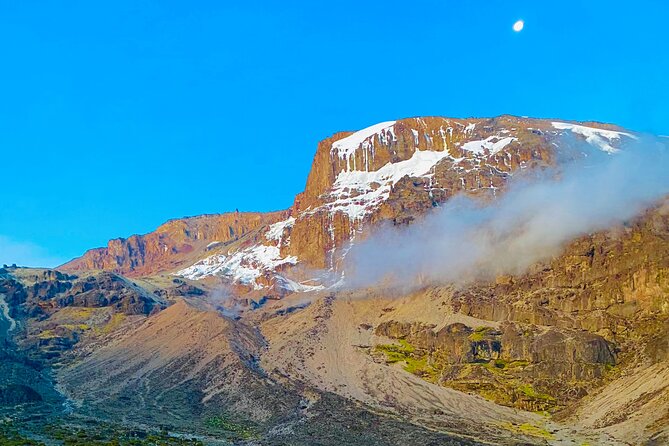
Kilimanjaro’s Lemosho Route gives you the mountain in chapters: rainforest, open moorland, volcanic desert, glacier views, and the long push to Uhuru Peak. This is sold as an eight-day climb, but the full plan takes about nine calendar days because arrival and departure in Moshi are included.
I like the private format, which lets your guide adjust the walking pace to your group. I also like the practical safety setup: pulse oximeters, first aid supplies, emergency oxygen, and an equipment check before you leave town. The main consideration is the summit day, which can last roughly 12 to 14 hours and includes a midnight start.
Key things to know before booking

- A nine-calendar-day trip: The mountain trek takes eight days, with hotel time in Moshi before and after.
- A private climb: Only you and your group take part, so the pace can be adjusted more easily.
- A gradual route: You rise from rainforest at Mti Mkubwa Camp to nearly 5,900 meters at Uhuru Peak.
- A serious summit day: You climb to Stella Point, continue to Uhuru Peak, descend to Barafu, then walk on to Mweka Camp.
- Meals and camp support are included: Breakfast, lunch, dinner, guides, porters, and mountain equipment support are part of the package.
- A local operator with strong guide praise: Names that appear repeatedly in the feedback include Yusuph, Abdi, Michael, Ema, Jamal, and Johnson.
Why the Lemosho Route is a smart eight-day choice
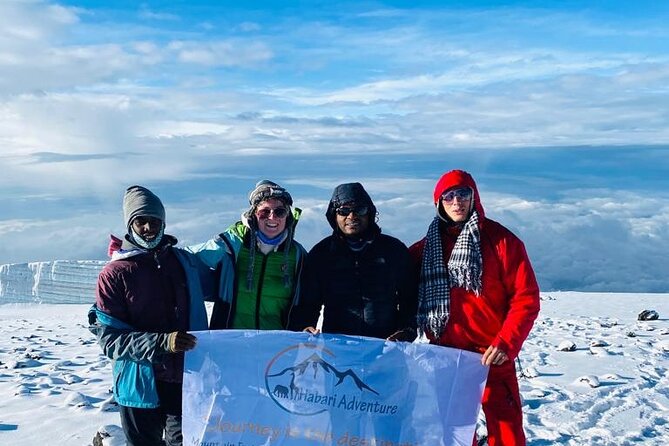
Lemosho is a good pick if you want time to adjust to altitude instead of rushing uphill. The route starts on the western side of Kilimanjaro, moves through several climate zones, and gives you a longer approach before the summit attempt.
That extra time matters. The climb begins at about 2,100 meters at Londorossi Park Gate and reaches 5,895 meters at Uhuru Peak. You gain height in stages, with an important high point at Lava Tower before dropping to Barranco Camp. That high-then-low pattern helps make the route more than a simple uphill march.
The eight climbing days are private, so your guide can watch how you are moving and adjust the pace. This is especially useful when one person in a group is stronger than another. Several guide names connected with the company include Yusuph, Abdi, Michael, Ema, Jamal, and Johnson. The strongest praise focuses on guides who read a climber’s pace well, explain what is coming, and provide calm support on summit night.
The route is still demanding. Private does not mean easy, and the inclusion of emergency oxygen does not remove the risks of high altitude. You need a moderate level of fitness, patience, and a willingness to follow your guide’s advice.
More Hiking Tours in Kilimanjaro & Moshi
- Kilimanjaro climb by Lemosho Route (7-day)
★ 5.0 · 651 reviews - Kilimanjaro climb, Machame Route (7-day)
★ 5.0 · 262 reviews - 8-Day Small-group Lemosho Kilimanjaro Summit Trekking
★ 5.0 · 186 reviews
Day 1 in Moshi: arrival, briefing, and the gear check
Your trip begins with pickup at Kilimanjaro International Airport and a transfer to your hotel in Moshi. Afterward, your guide meets you for a briefing and equipment check.
This first meeting is one of the most useful parts of the plan. You can go through your mountain gear before reaching the trail, rather than discovering a missing or unsuitable item at camp. Ask direct questions about anything you are unsure about. A good briefing should leave you clear on the walking pace, food arrangements, camp routine, and the demanding final night.
You spend the night in the hotel, with dinner included. The airport transfer and hotel stay are covered, which makes the arrival day simpler, especially if you are coming off a long international flight.
Day 2: rainforest walking to Mti Mkubwa Camp
After breakfast, you drive for about two hours from Moshi, at roughly 910 meters, to Londorossi Park Gate at 2,100 meters. Your guides and porters handle registration and prepare the supplies before you begin walking.
The first trail section passes through rainforest. Expect a full day, with about seven hours of walking, before reaching Mti Mkubwa Camp at 2,980 meters. Your tent is set up with your personal belongings inside, so you do not have to carry your full camp kit.
This is a useful introduction to the support system. Your job is to walk, drink, eat, and pay attention to how your body feels. The crew manages much of the camp work, but you should still keep your daypack organized and protect anything you need during the walk.
The forest section is likely to feel humid and shaded compared with the open areas ahead. You should not judge your whole climb by this first day. You are only beginning to gain altitude, and the harder sections are still ahead.
Day 3: grassy moorland and the Shira Plateau

The route leaves the rainforest and reaches grassy moorland, with heather and volcanic rock formations. You walk about seven kilometers in around four hours before reaching Shira I Camp at 3,500 meters.
This is a shorter day, but some parts are fairly steep. You begin to see Kibo and the Shira Plateau, and the surroundings feel more open than the forest below. The change in vegetation is one of the pleasures of Lemosho. Within a short time, you move from dense greenery to high, exposed ground.
The value of this day is not simply the scenery. A shorter walk gives you time to settle into the altitude routine. Walk slowly, take small sips of water often, and tell your guide if you develop a headache, nausea, unusual tiredness, or shortness of breath.
More Multi-Day Tours in Tanzania
- Kilimanjaro climb, Lemosho Route (8-day)
★ 5.0 · 148 reviews - 8 Days Great Wildebeest Calving Migration Safari from Arusha
★ 5.0 · 254 reviews - 10-Day Serengeti Wildebeest Migration Safari from Arusha
★ 5.0 · 218 reviews - 8 Day Spectacular Migration Serengeti mid -Range Tanzania Safari
★ 5.0 · 161 reviews
Day 4: a gentler moorland day with an acclimatization walk
Day four covers about eight kilometers in roughly five hours. The route remains in moorland and is described as one of the shorter, less steep days.
You have views toward Kibo and the northern ice fields from the western side of the mountain. After reaching camp, you eat a hot lunch, take tea in the afternoon, and go on an acclimatization walk before returning for dinner and the night.
That extra walk is useful because it gives your body more time at altitude without forcing you to make a huge gain in elevation. The schedule also gives you a better chance to rest before the major high-altitude section.
Do not treat this as a free day. You are already at high elevation, and the weather can change quickly. Keep your warm layers handy and use the time at camp to eat well and sleep as much as possible.
Day 5: Lava Tower, then the descent to Barranco

This is one of the most important days on the route. You leave the moorland and enter alpine desert, walking about ten kilometers in around six hours.
The trail rises to Lava Tower at approximately 4,600 meters. From there, you descend to Barranco Camp at about 3,900 meters. The climb high, then sleep lower pattern is a central part of the route’s altitude plan.
The descent to Barranco takes around three hours. Along the way, you get views toward the Western Breach and Barranco Wall. The camp sits below the wall, and the setting offers a memorable sunset if the weather is clear.
This day can feel strange. You may reach the high point feeling tired, then descend while knowing you have not yet reached the summit. That is normal. The day is about preparing your body, not collecting the highest possible sleeping point each night.
Day 6: climbing Barranco Wall to Karanga Camp

After breakfast, you climb Barranco Wall at about 4,200 meters. The route then continues toward Karanga Camp at approximately 4,000 meters.
The walking distance is about six kilometers. The schedule gives roughly four hours of hiking, though the day description allows up to six hours. The terrain is alpine desert, with high volcanic ground and limited vegetation.
Barranco Wall is one of the more memorable sections because the trail rises directly above camp. It can look imposing from below, but your guide controls the pace and helps you handle the route carefully. This is not a place to hurry or compete with other groups.
Karanga is the last camp before Barafu for this plan. Use the afternoon to check your headlamp, warm clothing, water, and summit-day snacks. You should also ask your guide to confirm the wake-up time and what you need to carry.
Day 7: Barafu Camp and a long rest before the summit
The walk to Barafu Camp is short by Kilimanjaro standards, about four kilometers in roughly three hours. You climb to around 4,640 meters, with views toward Kibo and Mawenzi.
After arriving, you eat lunch and rest for much of the day. Dinner is early because the summit attempt begins around midnight.
This is a quiet but important day. You may feel that you should keep moving because the summit is close, but conserving energy is the better plan. Organize your clothing and equipment before trying to sleep. Your daypack should contain only what you need for the climb, while the rest of your belongings can remain at camp.
The altitude may make sleep difficult. That does not mean you have failed to acclimatize. Rest as much as you can, even if you do not sleep continuously.
Day 8: Stella Point, Uhuru Peak, and the long descent
Summit day begins around midnight with light tea and cookies. You climb scree for about four to five hours toward the crater rim at Stella Point, which sits at approximately 5,756 meters.
This is the toughest section. The trail is steep, the air is thin, and the darkness can make the distance hard to judge. Your guide sets a slow rhythm, and you should focus on the next step rather than the entire climb to the top.
At Stella Point, the first light may be appearing. From there, it takes about another hour to reach Uhuru Peak at 5,895 meters. You have time for photographs, but not usually a long stay. At this height, your body is working hard even when you are standing still.
After the summit, you descend to Barafu Camp for lunch and a rest. Then you continue down to Mweka Camp at about 3,100 meters for dinner and the night. The complete day is listed at about 21 kilometers and roughly 12 to 14 hours, depending on pace and conditions.
This is the part of the trip that deserves the most respect. Reaching the summit is only half of the day. Strong sun, loose ground, tired legs, and the large drop in elevation can make the descent surprisingly demanding.
Day 9: Mweka Forest, certificates, and a hot shower
The final walking section takes you through montane forest to Mweka Gate. The distance is about ten kilometers, with roughly three hours of walking.
At the gate, you complete park formalities and receive summit certificates. A vehicle then takes you back to your Moshi hotel for a warm shower and a proper celebration.
The final day is shorter than summit day, but your legs may still feel the previous effort. Keep your pace steady and enjoy the return to thicker forest. The shift from high alpine ground to forest is a fitting close to the climb.
The second hotel night is included, which matters. You do not have to leave the mountain and immediately face an airport transfer or another major activity.
What the $2,300 price covers
At $2,300 per person, the package includes the main costs of a supported private climb:
- Airport and local private transportation
- All listed park fees and taxes
- Two hotel nights
- Eight breakfasts
- Eight lunches
- Nine dinners
- Guides and porters as part of the mountain support
- Pulse oximeter, first aid kit, and emergency oxygen
- Camping accommodation during the trek
The value is strongest if you want a well-organized climb without arranging each service separately. Meals, tents, porters, park costs, hotel nights, and transport can add up quickly when booked piece by piece.
You still need to budget for flights, a Tanzanian entry visa, laundry, and tips for the mountain crew. Tipping is not included, and it should be treated as a real part of your trip budget. The package also does not list personal gear rental, so confirm what can be borrowed or supplied before you arrive.
The price is especially reasonable for a private departure, but you should compare exactly what other operators include. Ask about porter numbers, hotel names, gear support, and any extra transport before paying a deposit.
Food, safety, and the human support system
All meals on the listed schedule are included. That removes one daily worry and lets you focus on eating enough for the effort. Breakfast and dinner are included throughout the nine dinners, while eight lunches cover the mountain days.
The pulse oximeter gives the guide another way to monitor your condition, while the first aid kit and emergency oxygen provide important backup. These tools are helpful, but they are not a guarantee against altitude illness. You still need to report symptoms early and accept your guide’s decision if your condition becomes unsafe.
The strongest part of the human setup is the guide and porter team. Names associated with particularly positive experiences include Yusuph, Abdi, Michael, Ema, Jamal, George, Johnson, MK, and Awali. The practical praise centers on guides who adjust to different walking speeds, answer questions before departure, and keep the group supported during difficult stretches.
You should also recognize that a Kilimanjaro climb depends on a large crew. Ask how tipping is handled and make sure you understand the company’s approach to porter welfare before the trip.
Who should book this climb?
I would choose this experience if you want a private route, a longer acclimatization schedule, and a company that handles the complicated mountain logistics. It suits people who are comfortable walking for several hours a day and who understand that summit success depends on patience more than speed.
It is also a good fit for families or friends who want their own group rather than a mixed departure. The private setup can be helpful when your group has different walking abilities.
I would not choose it if you want a relaxed holiday with only occasional exercise. The summit day is long, altitude is serious, and the route includes steep sections, loose scree, and a very early start. You should also confirm gear arrangements, porter details, hotel information, and tipping expectations before booking.
Cancellation is free up to 24 hours before the start time for a full refund. Poor weather or failure to meet the minimum number of participants can lead to a different date or a refund. Pickup is offered, confirmation is provided at booking, and the activity allows service animals, although the mountain terrain itself remains physically demanding.
Should you book the Lemosho climb?
Book it if you want a private, fully supported Kilimanjaro attempt with meals, hotel nights, transport, and a gradual route already arranged. The Lemosho plan gives you varied scenery and useful acclimatization time, while the guide team provides the structure needed for a serious high-altitude climb.
The key question is not simply the $2,300 price. Ask if you want the security of a private crew, a pre-trip gear check, included meals, and emergency equipment. If that support fits your priorities, this is a strong value for a demanding but carefully paced route.
FAQ
Is this an eight-day or nine-day experience?
The mountain climb is planned as eight days, but the full schedule takes about nine calendar days. The first day covers airport pickup, a Moshi hotel stay, briefing, and equipment checking. The final day returns you to the hotel after leaving Mweka Gate.
Where does the experience begin?
Pickup begins at Kilimanjaro International Airport in Tanzania. The listed start time is 8:00 a.m., followed by transport to Moshi.
Is the climb private?
Yes. Only your group takes part in the private activity. This allows the guide to adjust the pace to your group.
What fitness level do I need?
A moderate level of physical fitness is required. The route includes several hours of walking on most days and a summit day lasting roughly 12 to 14 hours.
What is the highest point reached?
The climb reaches Uhuru Peak at 5,895 meters. You first reach Stella Point at about 5,756 meters before continuing to the summit.
Are meals included?
Yes. The package includes eight breakfasts, eight lunches, and nine dinners.
Are hotel nights included?
Yes. Two hotel nights are included, one at the start in Moshi and one after the mountain descent.
Is emergency oxygen provided?
Yes. The safety equipment includes a pulse oximeter, first aid kit, and emergency oxygen.
What is not included in the price?
Flights, a Tanzanian entry visa, laundry services, and tips for the mountain crew are not included.
Can I cancel for a full refund?
You can cancel at least 24 hours before the experience start time for a full refund. Cancellations or changes made less than 24 hours before the start are not accepted for a refund.
More Multi-Day Tours in Kilimanjaro & Moshi
- From Cairo: 8-Day Tour of Cairo, Luxor and Aswan with Cruise
★ 4.2 · 204 reviews - Private 9-Day Tour package to Cairo, Alexandria, Luxor, and Aswan by flight
★ 5.0 · 193 reviews - 8-Day Private Tour Cairo, Aswan, Luxor and Nile Cruise Including Air Fare
★ 5.0 · 142 reviews - From Cairo: 8-Day Tour of Cairo, Luxor and Aswan with Cruise
★ 5.0 · 132 reviews
Just added for Kilimanjaro & Moshi
- Maasai village visit, Materuni waterfalls & coffee experience★ 4.5 · 95 reviews
- Materuni Waterfalls & Coffee Tour from Moshi★ 5.0 · 92 reviews
- Mountain Kilimanjaro Day Hike★ 5.0 · 102 reviews
- Arusha or Moshi : Hot Spring, Waterfall & Coffee Farm Tour★ 4.8 · 80 reviews
- Kilimanjaro climb, Lemosho Route (6-day)★ 5.0 · 129 reviews
- Materuni Waterfall, Coffee Tour and Picnic Hot Lunch★ 5.0 · 128 reviews
- 7-Day Machame Kilimanjaro Summit Tour from Arusha★ 5.0 · 125 reviews
- Materuni waterfalls coffee tour & Chemka hot springs Day trip★ 5.0 · 131 reviews
Hiking & Trekking, compared.
Berber villages : Atlas Mountains Day Hike from Marrakech
Read our review →
3 Days Desert Tour From Marrakech To Merzouga Dunes & Camel Trek
Read our review →
Ourika Valley Trip with Waterfall Hike & Lunch
Read our review →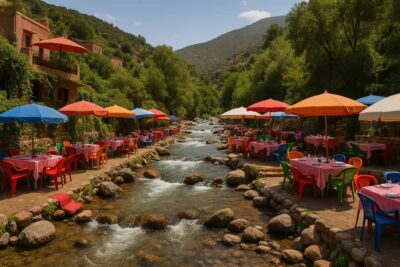
ourika valley lunch & guided hike to waterfalls
Read our review →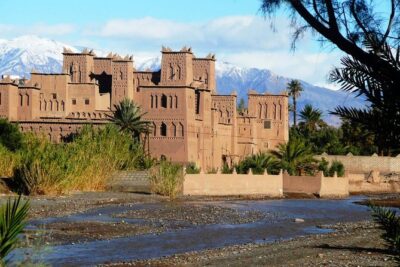
3-Day Tour to Merzouga Erg Chebbi with Food & Camel Trek
Read our review →Browse the lists this tour appears in